Venezuela Channels 80% of Oil Revenue Through USDT Amid Sanctions
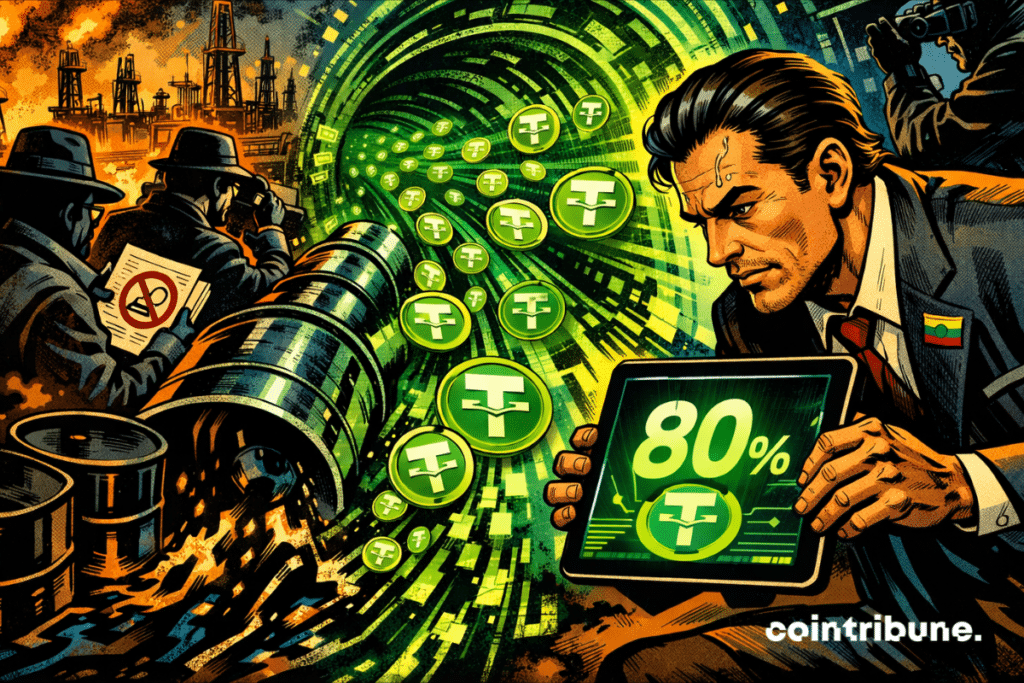
With stablecoins gaining ground, Venezuela is now channeling most of its oil revenue through USDT, making a mark on the way oil earnings are managed. Local analysts estimate that roughly 80% of export income is now processed using the dollar-pegged token. This shift shows how digital currencies have moved from individual transactions to becoming an integral part of the country’s energy sector. Economist Asdrúbal Oliveros shared in a recent podcast details about the country’s adoption of digital currencies in its oil sector.
In brief
- Venezuela now routes the majority of its oil revenue through USDT, marking a major shift in how the country handles its energy earnings.
- The adoption of stablecoins supports oil production, which is currently averaging about 1 million barrels per day.
- Despite growing political tensions and measures like tariffs and port blockades, Venezuela’s oil shipments remained resilient.
USDT Supports Oil Operations Amid Sanctions
Even under the weight of U.S. sanctions, USDT and other digital assets are playing a growing role in keeping Venezuela’s oil industry operational. According to Oliveros, the country’s oil production, now averaging around 1 million barrels per day, has benefited from the adoption of cryptocurrencies. With nearly 80% of oil revenue collected in stablecoins, these digital currencies have become a key mechanism for managing the country’s energy earnings.
Despite their usefulness, structural obstacles remain. Venezuela still faces limitations in converting stablecoins into cash due to government rules restricting how these funds can be used. Analysts warn that these constraints can create congestion in the foreign exchange market, driving up demand and prices, which necessitates careful oversight.
Transition to USDT Payments
Venezuela began receiving oil payments in USDT in 2024 as a way to work around sanctions imposed in 2019 on the state-owned PDVSA during the first Trump administration. In the first quarter of 2024, PDVSA required the use of digital wallets alongside USDT to settle spot oil deals.
To support this system, the government allowed certain banks and authorized exchange services to provide USDT to private companies in exchange for bolívars. Once received, the stablecoins are deposited into government-authorized wallets, allowing buyers to pay suppliers or carry out private transactions efficiently. However, complications arose later in the year when 41 USDT wallets were suspended due to links with entities and individuals on a U.S. sanctions list.
Rising Tensions and Economic Growth
Relations between the United States and Venezuela have been tense for some time, and several recent developments highlight how political and economic pressures have intensified:
- The U.S. increased pressure on Venezuela’s oil sector by imposing a 25% tariff in March 2025, targeting the country’s main revenue source and adding to existing economic challenges.
- In response, private buyers in Venezuela turned to cryptocurrency, acquiring approximately $119 million over the following four months, showing efforts to navigate the new restrictions.
- Despite these pressures, oil shipments proved resilient, reaching their third-highest average and demonstrating that production continued even amid growing political and financial strain.
- Tensions escalated further last week when Trump announced on Truth Social a naval blockade aimed at stopping sanctioned tankers from entering or leaving Venezuelan ports, a move that Venezuela rejected as a “grotesque threat,” showing the continued friction between the two countries.
Meanwhile, Venezuela’s broader economy has managed to expand, with gross domestic product rising to $119.81 billion in 2024 from $102.38 billion in 2023, showing that the country has maintained economic activity even under ongoing sanctions. At the same time, the global stablecoin market continues to grow, with a total market capitalization of around $310 billion, and USDT dominates with a 60.22% share, according to data from DefiLlama.
Maximize your Cointribune experience with our "Read to Earn" program! For every article you read, earn points and access exclusive rewards. Sign up now and start earning benefits.

Ifeoluwa specializes in Web3 writing and marketing, with over 5 years of experience creating insightful and strategic content. Beyond this, he trades crypto and is skilled at conducting technical, fundamental, and on-chain analyses.
The views, thoughts, and opinions expressed in this article belong solely to the author, and should not be taken as investment advice. Do your own research before taking any investment decisions.