New York Times: Binance Allegedly Concealed $1.7B in Transfers to Iran-Linked Accounts
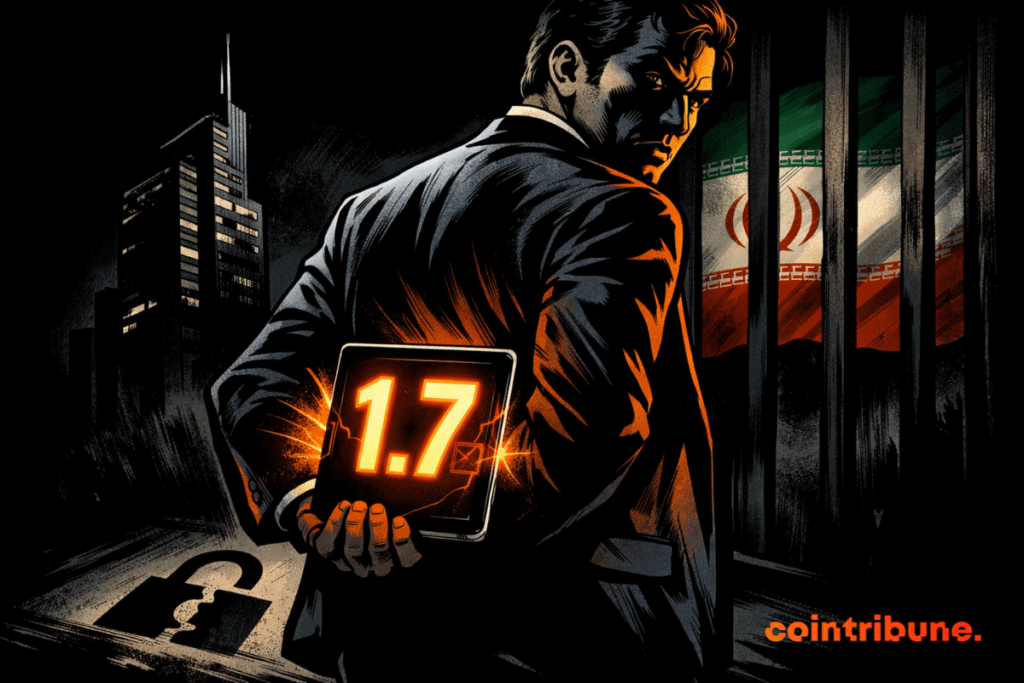
Binance is going through a difficult period following allegations concerning internal dismissals linked to the discovery of potentially Iran-associated cryptocurrency transactions worth around 1.7 billion dollars. This situation highlights the growing challenges faced by major crypto platforms in terms of compliance, risk management, and monitoring international financial flows. In a market already sensitive to regulatory movements, this case draws attention to how major players handle the transparency and integrity of their operations.
In Brief
- Internal investigators identified $1.7 billion sent to entities linked to Iran via more than 1,500 accounts accessed from the country, according to the New York Times.
- Two companies, Hexa Whale and Blessed Trust, are at the center of suspicious flows, with $490M and $1.2B respectively transferred to wallets associated with the Islamic Revolutionary Guard Corps.
- Binance firmly denies the accusations, claims no sanctions were violated and asserts having reported suspicious activities to authorities.
- The conflict intensifies with the Wall Street Journal: Binance initiates defamation lawsuits accusing the media of biased and inaccurate reporting on its compliance program.
Analysis of Transfers and Crypto Transactions on Binance
Following the recent Fortune revelations, which stated that more than one billion dollars may have passed through Binance to Iran and that five internal investigators were dismissed for reporting these movements to their management, a new investigation by the New York Times, published this Monday, provides additional information.
It reveals that Binance’s internal investigators identified last year more than 1,500 accounts accessed from Iran. Their analysis also shows that about 1.7 billion dollars in cryptocurrencies flowed from two platform accounts to recipients linked to Iran, including some wallets associated with the Islamic Revolutionary Guard Corps.
Experts are particularly examining two specific companies. Hexa Whale, a Hong Kong-based company, which according to the New York Times used Binance to transfer 490 million dollars to cryptocurrency wallets linked to Iranian entities. According to these documents, an Israeli official told investigators that Hexa Whale was funding terrorist organizations such as the Houthis, an Iran-backed militia controlling northern Yemen.
The second company is called Blessed Trust. This financial service provider works closely with Binance. Specialists note that 1.2 billion dollars in cryptocurrencies had flowed from Blessed Trust’s Binance account to entities linked to Iran. According to the article, links were established between these entities and cryptocurrency wallets controlled by the Islamic Revolutionary Guard Corps of Iran.
Leung Ka Kui, director of Blessed Trust in Hong Kong, said, according to the same newspaper, that his company had never knowingly facilitated transactions violating sanctions nor made payments to Iranian entities. He specified that Blessed Trust’s collaboration with Binance was limited to routine operations such as invoice settlement or salary payments.
Binance’s Response to these Allegations
In a statement delivered Tuesday to the media The Block, the Binance spokesperson affirmed that no investigator was dismissed for reporting compliance issues or mentioning potential sanctions violations.
He also clarified that the company firmly contested the conclusions advanced in recent articles, emphasizing that the internal audit revealed no breaches of laws or sanctions regulations concerning the mentioned transactions. He added that Binance had detected and reported the suspicious activity to relevant authorities, considering this a demonstration of the effectiveness of its internal control systems.
The exchange platform also highlighted data showing a marked reduction in its exposure to Iranian entities. In a publication on X on Monday, Binance stated it had reduced its direct exposure by 97.3% to the four main Iranian crypto platforms between January 2024 and January 2026, dropping from approximately $4.19 million to $0.11 million.
Furthermore, it reminded that public blockchains operate openly: any user can send funds to an address, which makes total elimination of exposure impossible. For his part, Changpeng Zhao, Binance’s founder, reacted in a message posted on X, alleging some media spread “negative narratives” coming from former employees. He added that Binance had, according to him, the “best compliance program in the industry.”
Escalation of Tensions Between Binance and the Wall Street Journal
The confrontation between Binance and the Wall Street Journal intensifies as other American media publish serious accusations. After the release of articles mentioning the circulation of massive funds potentially linked to Iran via the platform, CEO Richard Teng announced in a post on X that the company was taking legal action against the Wall Street Journal, accusing it of defamation.
Binance directly blames the WSJ for releasing an investigation containing, according to it, inaccurate and harmful information about its sanctions compliance program.
Law firm Withers Bergman LLP sent a letter to the media formally challenging the report. Binance asserts that the article distorts the reality of its compliance mechanisms, ignores responses provided before publication, and wrongly suggests violations of Iranian sanctions or obstruction of internal investigations.
The company also rejects the idea that it sanctioned employees who reported non-compliance risks. According to Binance, the WSJ’s treatment lacks impartiality and fuels a biased narrative at a time when several influential media publish sensitive revelations about it.
Looking Ahead to the Future of Crypto Compliance
The case of the BNB issuer highlights that compliance issues in the crypto ecosystem continue to evolve rapidly, with increasing challenges in managing cross-border risks and international sanctions. The industry must clarify rules and strengthen transparency mechanisms to meet the expectations of regulators, users, and markets.
Platforms like Binance are likely to remain under increased scrutiny. Their ability to demonstrate the effectiveness of their compliance systems could influence public perception and how regulators approach the cryptocurrency sector in the coming years.
Maximize your Cointribune experience with our "Read to Earn" program! For every article you read, earn points and access exclusive rewards. Sign up now and start earning benefits.

Journaliste et rédacteur web passionné par l’univers des cryptomonnaies et des technologies Web3. J’y traite les dernières tendances et actualités afin de proposer un contenu de haute qualité à un large public du secteur.
The views, thoughts, and opinions expressed in this article belong solely to the author, and should not be taken as investment advice. Do your own research before taking any investment decisions.