3h56 ▪
6 min read
▪
by
Donald Trump mentions a legal entry of Hyperliquid into the United States. The HYPE crypto jumps 19%. All the details in this article!
Donald Trump mentions a legal entry of Hyperliquid into the United States. The HYPE crypto jumps 19%. All the details in this article!
Bitcoin picks up speed. BTC crossed $66,500 before continuing its rise towards $69,000. Matt Hougan, Bitwise's Chief Investment Officer, sees three reasons behind this movement. They all come from the United States: the SEC, the Treasury, and new political discussions around crypto.
While bitcoin struggles to find a clear direction, VanEck attempts to date the end of the correction. The asset manager relies on on-chain data and market structure to measure the extent of the purge, especially among long-term holders. Its analysis mainly outlines a scenario for what follows. An accumulation phase whose duration could provide valuable clues about the next market reversal. How far do these models really allow anticipating the bitcoin awakening?
US spot Bitcoin ETFs recorded 189.3 million dollars of inflows on Tuesday, August 18, 2026. After 297.6 million the day before, the cumulative monthly total now approaches one billion dollars according to SoSoValue. A notable rebound, although a large portion of the capital continues to flow towards BlackRock's IBIT.
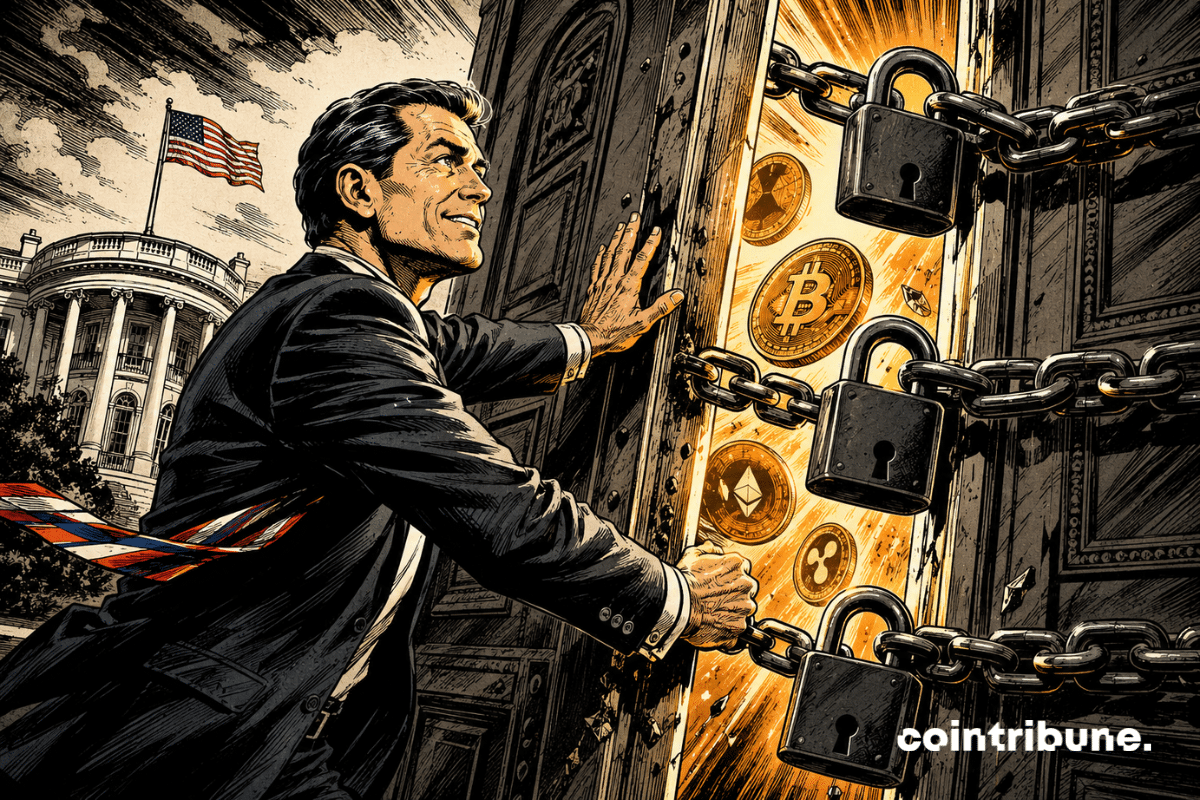
The Clarity Act is still not dead. Patrick Witt, the White House crypto advisor, even says he is "optimistic" ahead of the next vote scheduled in the Senate on September 15. The text exceeds 600 pages and aims to give the United States a federal framework for the crypto market. However, an old issue complicates the discussions again: the rewards paid on stablecoins.
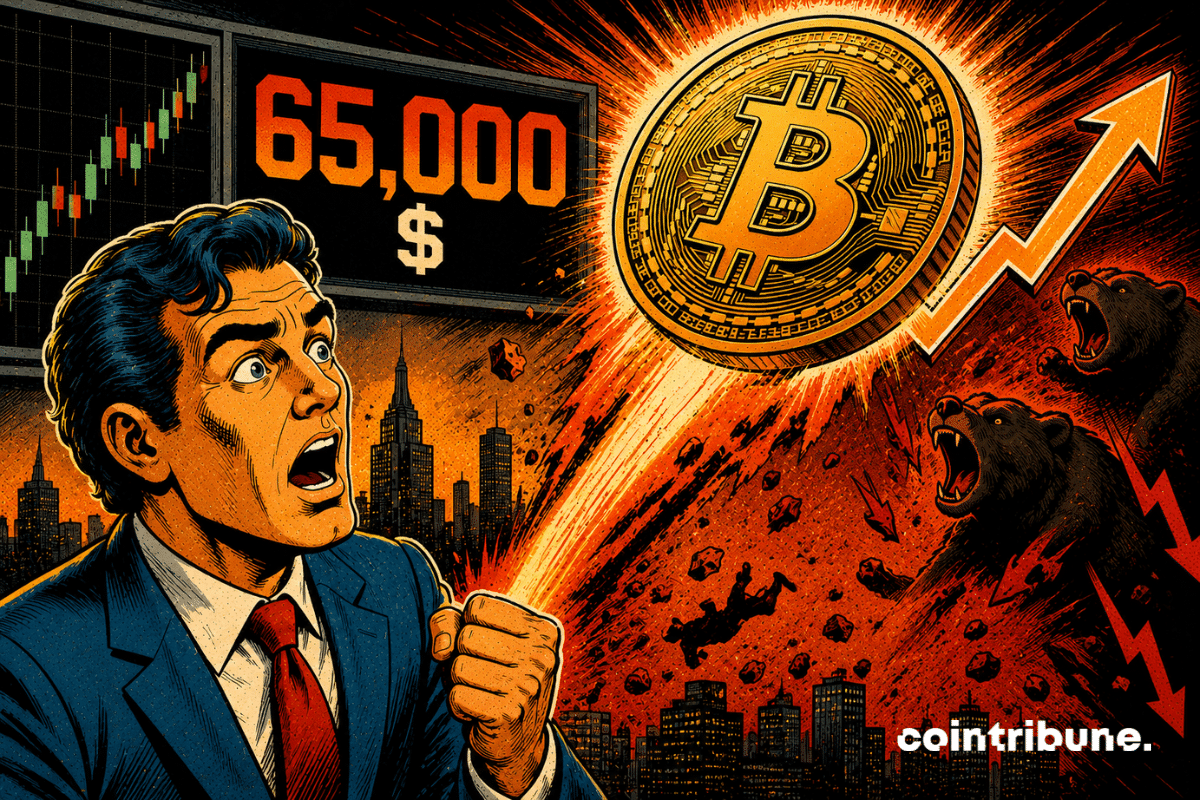
Bitcoin abruptly jumped this Tuesday, August 18, to the $65,000 mark. This movement caught short sellers off guard, heavily exposed in derivative markets. The rise now faces a concentration of sell orders likely to slow down BTC. Meanwhile, on-chain data shows long-term accumulation, notably on the side of institutional players. Two opposing dynamics could influence Bitcoin's next trajectory.
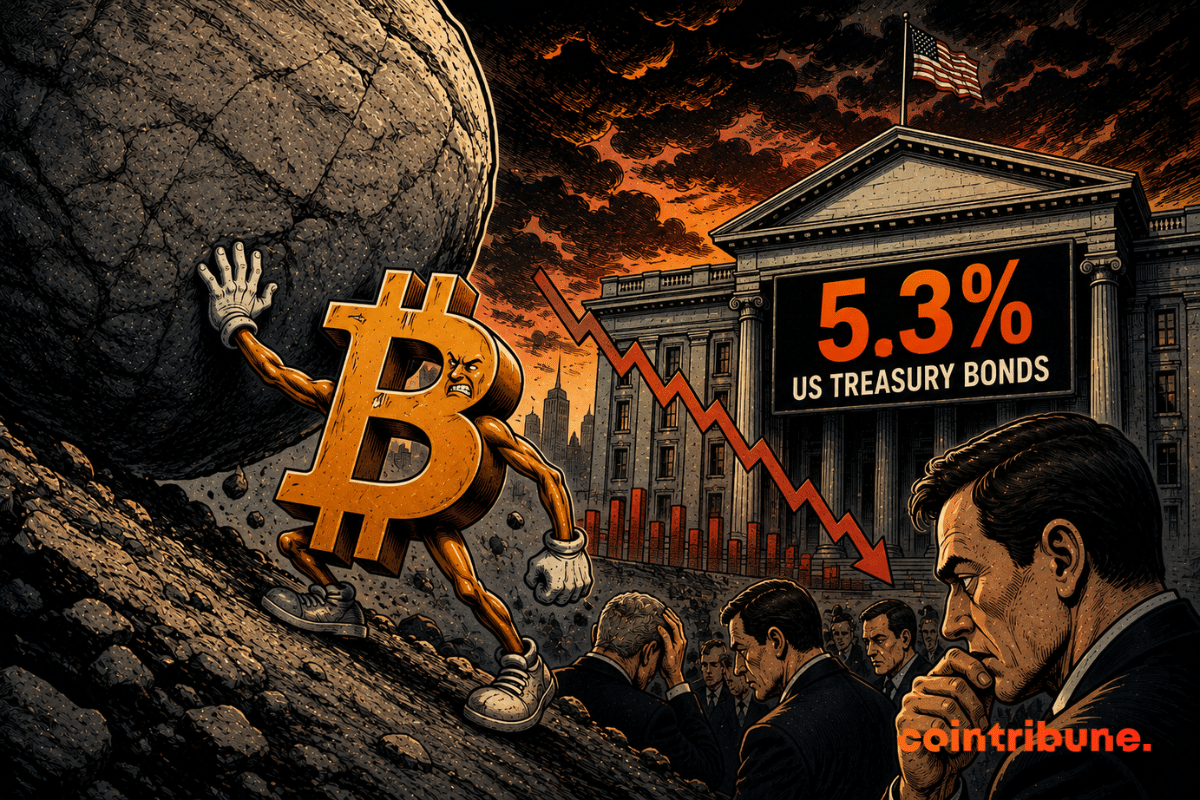
Bitcoin faces an unprecedented shock as US yields top 5.3%, threatening the entire crypto market balance.
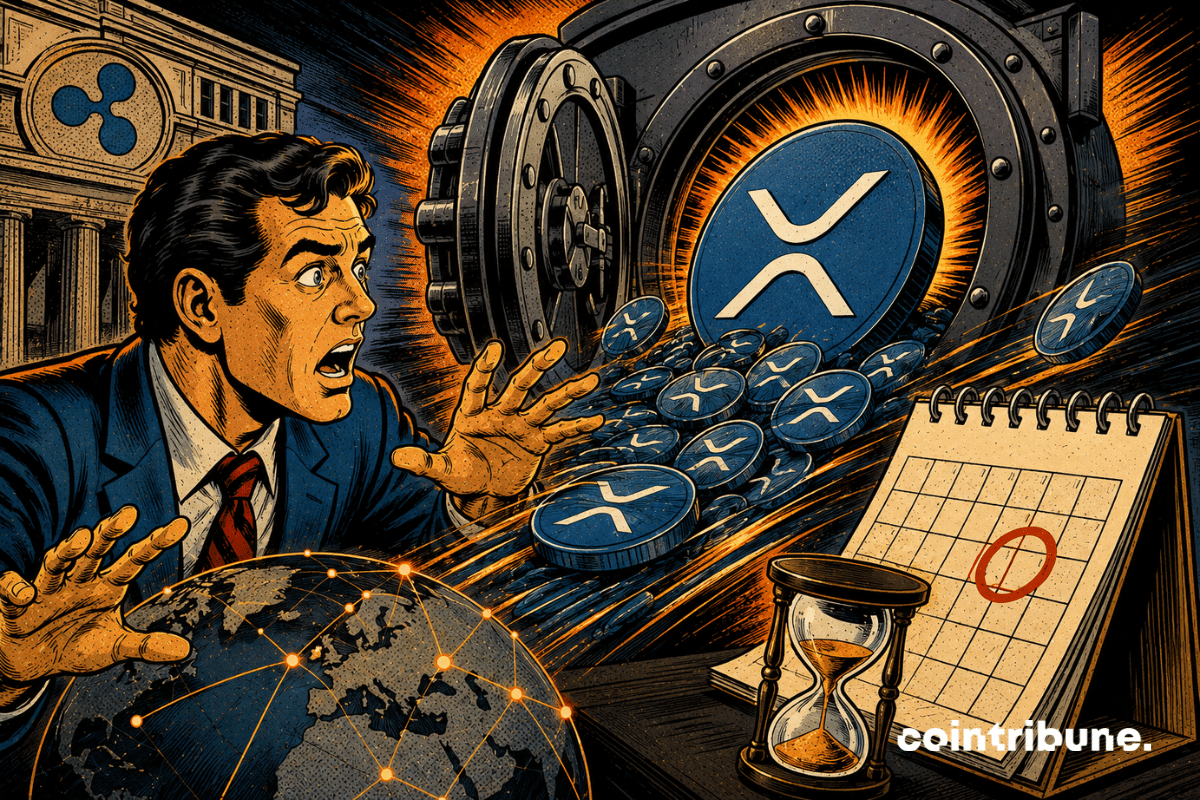
XRP is approaching a deadline that could put its market under pressure. A new wave of unlocking scheduled by Ripple is set to release a massive amount of tokens, while the price is already trading around a sensitive technical level. Behind the spectacular figure of this operation lies a more nuanced reality. Not all unlocked XRP necessarily join the market. Between genuinely available supply, risk of selling pressure, and price fragility, the coming weeks could become decisive for XRP.
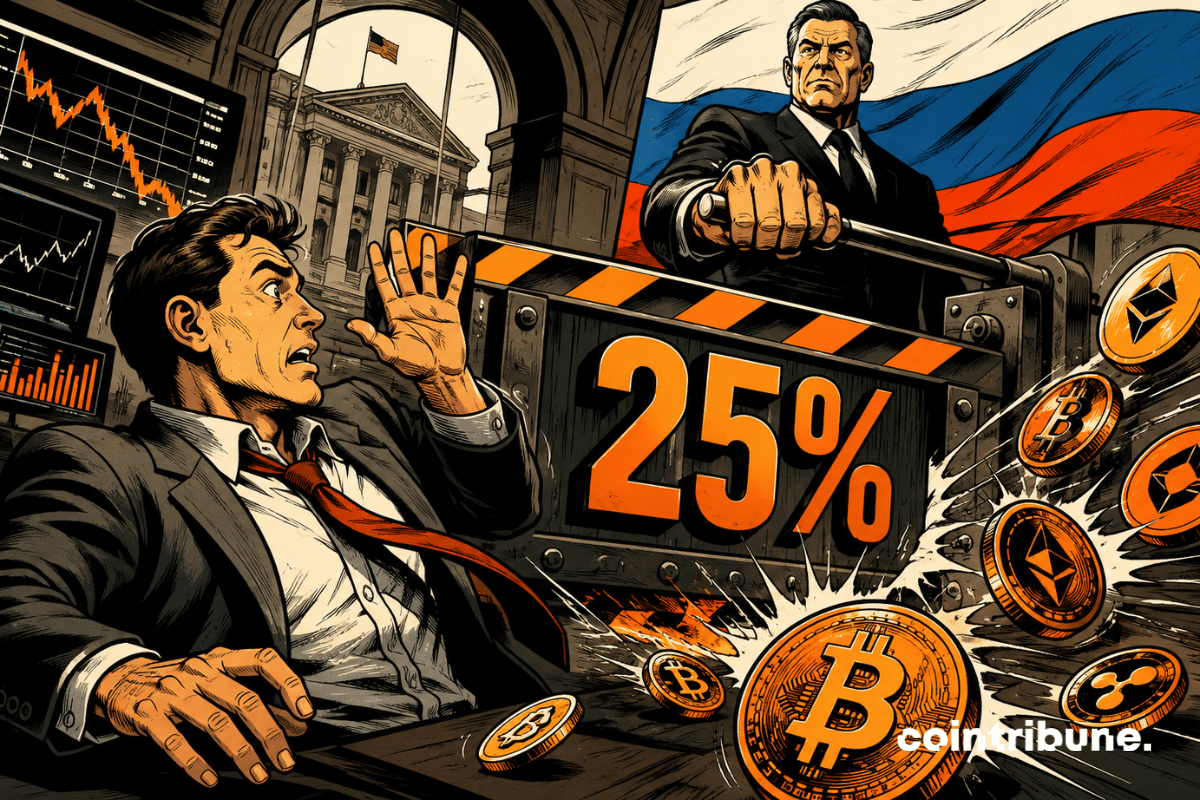
The Bank of Russia wants to limit the role of crypto in market professionals’ accounts. Its new draft regulation sets a 25% threshold for digital assets considered in the calculation of their equity. Brokers, managers, forex dealers, and crypto exchange platforms are concerned. Moscow thus allows crypto more, without giving it too much space in intermediaries’ balance sheets.

BitBox released a security update yesterday for its BitBox02 wallets. Named Dixence, the patch addresses several vulnerabilities, including two considered severe. The next day, Dogecoin contributor Mishaboar relayed the alert and urged affected holders to check their firmware without delay.
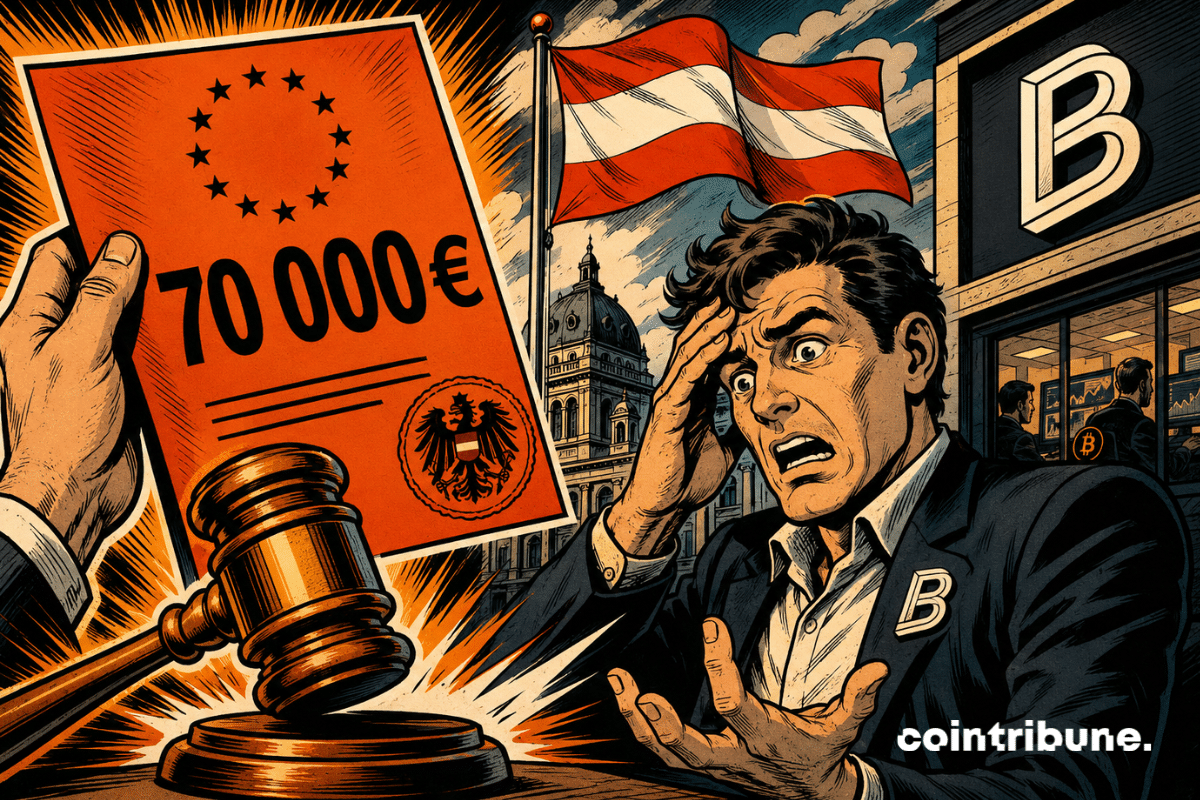
The European cryptocurrency framework enters a new phase with an official sanction. Bitpanda is fined 70,000 euros in Austria for several breaches of MiCA rules. The FMA notably reproaches the platform for errors in the transmission and communication of certain documents. This legally final decision marks an important step in the concrete application of the new European regulation. It also shows that transparency obligations become a central issue for European crypto actors.

Not much has changed since my last analysis. As you already know, I remain bearish, and I said that as long as we failed to break above $67K, Bitcoin would likely head back towards the $60K area. You also know that my analysis is mainly based on technical analysis and psychotrading. There isn't much new to analyze here because the structure hasn't really changed, but let me tell you something: There are still approximately 50 days of the bear market left if the cycle continues to play out as expected. For some time now, BTC has been moving sideways within the $60K-$65K range.

Bitcoin has just shattered a widely anticipated scenario: that of a progressive shortage of BTC on exchanges. In just three weeks, the reserves available on centralized platforms have strongly rebounded, despite ETF demand. This turnaround reveals a reality more complex than a simple "supply shock" fueled by institutional investors. Where do these new bitcoins come from and what does this return of liquidity reveal about market balance? On-chain data and ETF flows provide several answers.

The digital asset market is going through a more uncertain phase as companies linked to bitcoin adjust their reserves. Strategy now has $4.8 billion in cash, offering several options. Michael Saylor believes this financial cushion can support purchases, share buybacks or debt reduction. At the same time, the company also wants to be able to sell its digital assets if conditions change. This flexibility becomes central as the MSTR stock falls sharply.
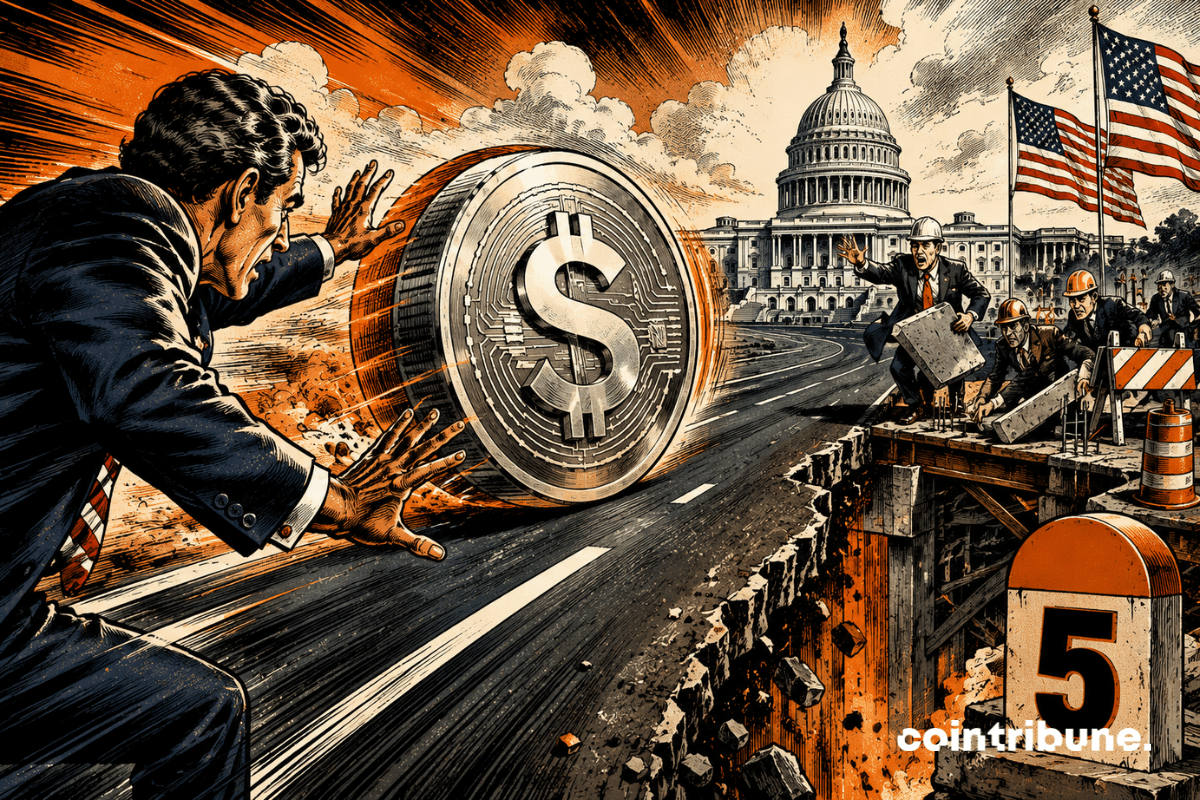
Stablecoins: between regulatory delays and Congressional pressure, the flagship US law is still finding its bearings. Full analysis here!
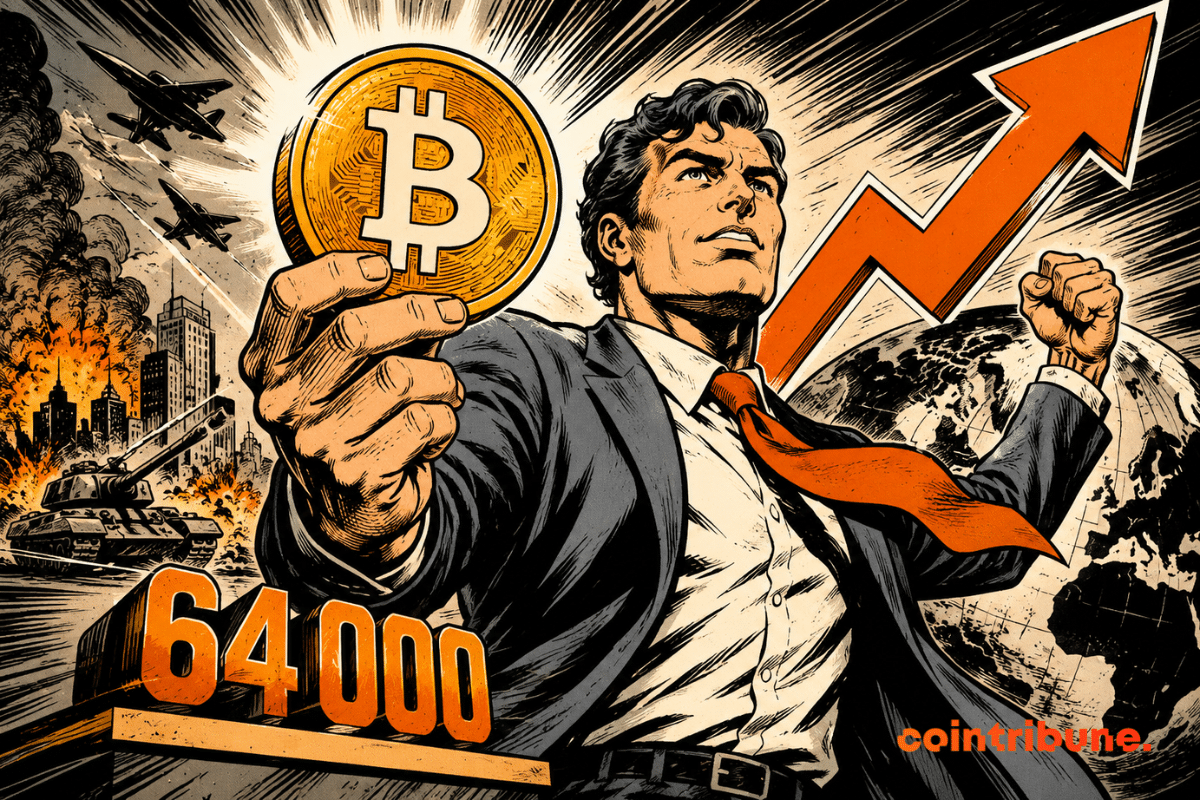
The bitcoin market regains some momentum as tensions between Washington and Tehran dominate trading. BTC/USD surpassed 64,000 dollars, with a daily gain of more than 2%. Meanwhile, US stocks fell and gold accelerated, strengthening the divergence between major markets. This development comes as investors also watch derivatives, where funding rates signal a forceful long positioning in the markets.

Binance reportedly handed over the personal data of Yuri Belenkiy to Russian authorities as well as his transaction history. This 49-year-old IT specialist had sent more than 700 dollars in crypto to fundraisers supporting Ukraine. He was arrested in September 2025 in Russia. He is now awaiting trial for financing terrorism.

Changpeng Zhao ended up abandoning the public wallet he was using. Too many memecoins, dust, and unwanted tokens were arriving directly at the address without him being able to stop them. The episode also moved Trust Wallet. CZ now requests that its feature allowing to ignore certain tokens becomes much easier to use.

Rarity could soon no longer be the exclusive domain of bitcoin. According to projections published by Grayscale, the annual growth of Ethereum and Solana supply could fall below gold's 1.8% by 2031. Indeed, several reforms are currently being debated, including EIP-8361 on Ethereum and SIMD-0550 and SIMD-0553 on Solana. If adopted, ETH's annual inflation could drop to 0.4%, compared to 1.1% for SOL. This development is likely to reshuffle the cards between rarity, staking yield, and valuation of these two cryptos.

The crypto market is slowing down, but this lull might not last. As the fourth quarter approaches, several catalysts are emerging in the United States: regulatory advances, increasing involvement of banks, evolution of digital credit, and monetary signals. All these factors could awaken capital flows and change the market trajectory. After a summer marked by wait-and-see and a persistent feeling of fear, the coming months could thus open a new chapter for cryptos. Bitcoin will naturally be at the center of this potential reconfiguration.

Ethereum begins sorting for Hegotá, its expected upgrade in 2027. As of August 16, 66 proposals remained in competition. FOCIL has already secured its place, while three other EIPs could provide privacy applications with tools directly integrated into the protocol.

The 21 million bitcoin cap is back in the debate. Developer Peter Todd advocates for a permanent issuance to continue remunerating miners after 2140. Adam Back does not want it. The Blockstream boss sees in this argument a way to rally users to a dangerous modification of Bitcoin rules. No change is currently being prepared.
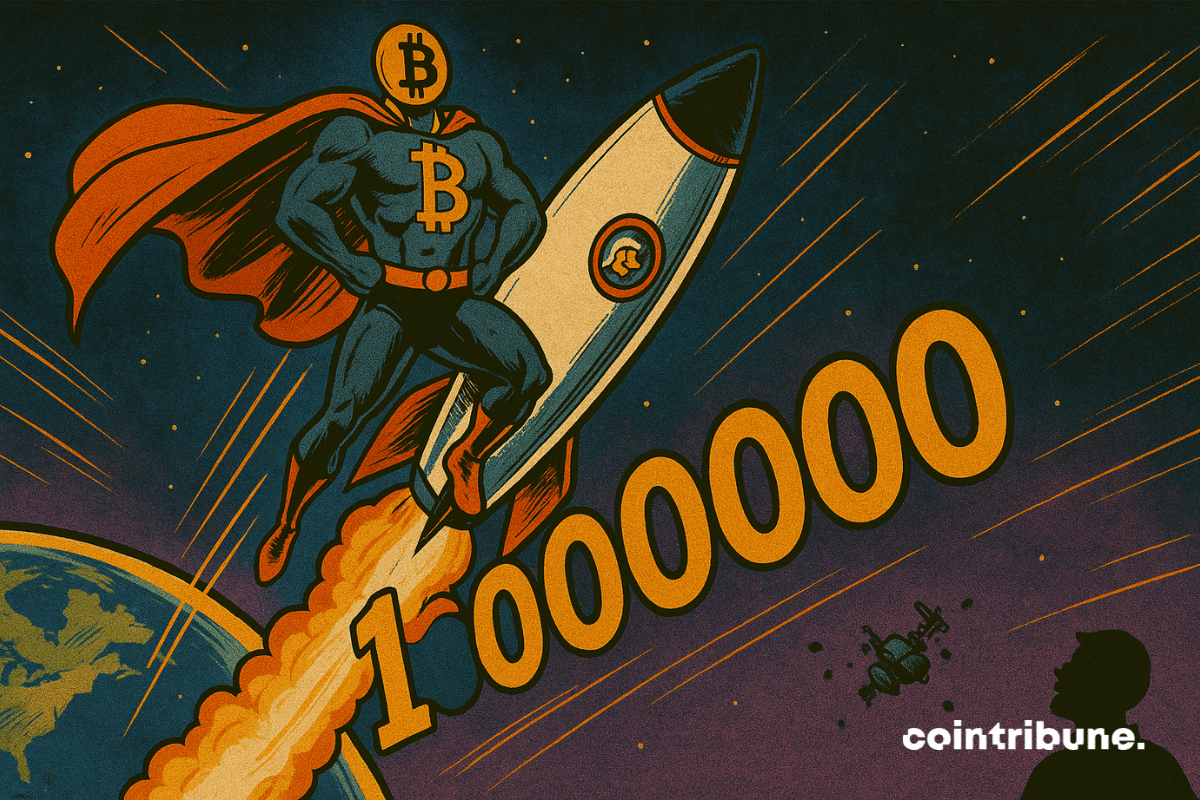
Bitcoin at 1 million dollars before 2030 makes part of the market dream. However, behind this spectacular projection, one question arises: does the global liquidity really allow to absorb such a surge? A fundamental analysis puts this scenario into perspective and confronts market ambitions with macroeconomic constraints. For investors, the debate also touches on leverage, market expectations, and the actual place bitcoin can occupy in institutional portfolios.

The crypto market is going through a new phase of tension, as prices remain under pressure for several weeks. In this context, Katie Stockton, founder of Fairlead Strategies, identifies technical signals that could indicate a trend change. According to her analysis, bitcoin now shows a long-term oversold situation on two indicators monitored by her firm. This combination is rare and remains under watch. It could signal the approach of a major bottom, rather than a simple temporary rebound.

What if bitcoin forced us to rethink what we call "money"? On August 15, Michael Saylor reignited the debate with his essay "What Is Money?" For the Executive Chairman of Strategy, bitcoin transcends the status of a speculative asset, as it constitutes an infrastructure designed to preserve and transfer capital. This vision directly contrasts algorithmic scarcity, fiat currency, and gold, while finding a practical expression in his company's treasury strategy. A thesis that could change how investors evaluate money, capital, and their preservation.

Strategy thought it had won the battle in January. Seven months later, MSCI returns with a different method that could lead to the same result: the removal of the largest listed holder of bitcoin from several global indices. This time, the word "crypto" almost disappears from the framework. In its place, five financial ratios intended to identify companies whose value depends more on accumulated assets than on traditional operating activity. And in MSCI's simulation, Strategy falls directly into the net.

The American crypto industry is now invited to the heart of power. Donald Trump is set to convene key figures from this ecosystem, prediction markets, and artificial intelligence at the White House. This meeting highlights the growing attention Washington is paying to these strategic sectors. Behind this meeting also lies the future direction of American policy towards these assets. Who will attend this meeting and what decisions might result?

The decline in prices would not be enough to stop bitcoin adoption. This is the finding presented on August 12 by Zach Pandl, research director at Grayscale. According to him, several trends far exceed the movements of a market cycle. Public deficits, the rise of blockchain in finance, and the evolution of generational portfolios could thus support demand in the medium and long term. This analysis does not predict an automatic price increase but highlights structural factors capable of continuing their progress despite instability.

Nigel Farage has just regained his Clacton parliamentary seat with 63% of the votes. His return to Parliament also reignites an investigation suspended since his resignation in July. The British standards commissioner is interested in several million dollars in donations and benefits received from two men linked to crypto.

The crypto derivatives market could cross a new regulatory milestone. Nasdaq has submitted to the Securities and Exchange Commission a proposal aimed at simplifying the listing of options linked to crypto ETFs. The text mainly seeks to set common criteria for funds exposed to digital commodities. This approach comes as U.S. regulations remain in flux. This approach comes as U.S. regulations remain in full development.