Thu 26 Mar 2026 ▪
4 min read
▪
by
Quantum threat to Bitcoin: Google sounds the alarm with a 2029 deadline. What changes for crypto investors.
Quantum threat to Bitcoin: Google sounds the alarm with a 2029 deadline. What changes for crypto investors.
Six months ago, Sora was making headlines in all tech media. Number one on the App Store from day one, one million downloads in five days, and a one billion dollar partnership with Disney. The most anticipated video product in AI history. Today, OpenAI shuts everything down without any official explanation.
The crypto market changes course driven by finance giants. BlackRock, the world's largest asset manager, sends a clear signal: the era of altcoins driven by speculation is fading. Instead, a new engine is emerging. Artificial intelligence is now established as the strategic lever capable of structuring the next bullish cycle. Behind this shift, a deeper transformation is taking shape: that of a crypto finally seeking its legitimacy through use rather than media hype.
Charles Hoskinson revives attention around Cardano with a message that reignites discussions about the launch of the Midnight mainnet. Between blockchain privacy, strategic partnerships, and the evolution of the NIGHT token, the project remains at the center of crypto market expectations.
MoonPay gives a wallet to machines, and here come the AI agents starting to play bankers, while crypto tries to avoid a joyful global technical mess.
At Meta, AI is no longer just used to launch products or boost advertising. It is also beginning to reach the core of internal power, where decisions are made.
Artificial intelligence no longer only disrupts businesses, but now attacks the labor market. On Wall Street, concern is rising. Jamie Dimon, head of JPMorgan, openly acknowledges that AI threatens jobs and calls for an immediate response. His assessment contrasts with dominant technophile speeches and confirms a reality already underway. Between productivity gains and social risks, the AI revolution enters a concrete phase, where political decisions become inevitable.
AI: Tether makes a strong impact with a system that reduces costs and eliminates reliance on Nvidia GPUs. A revolution underway!
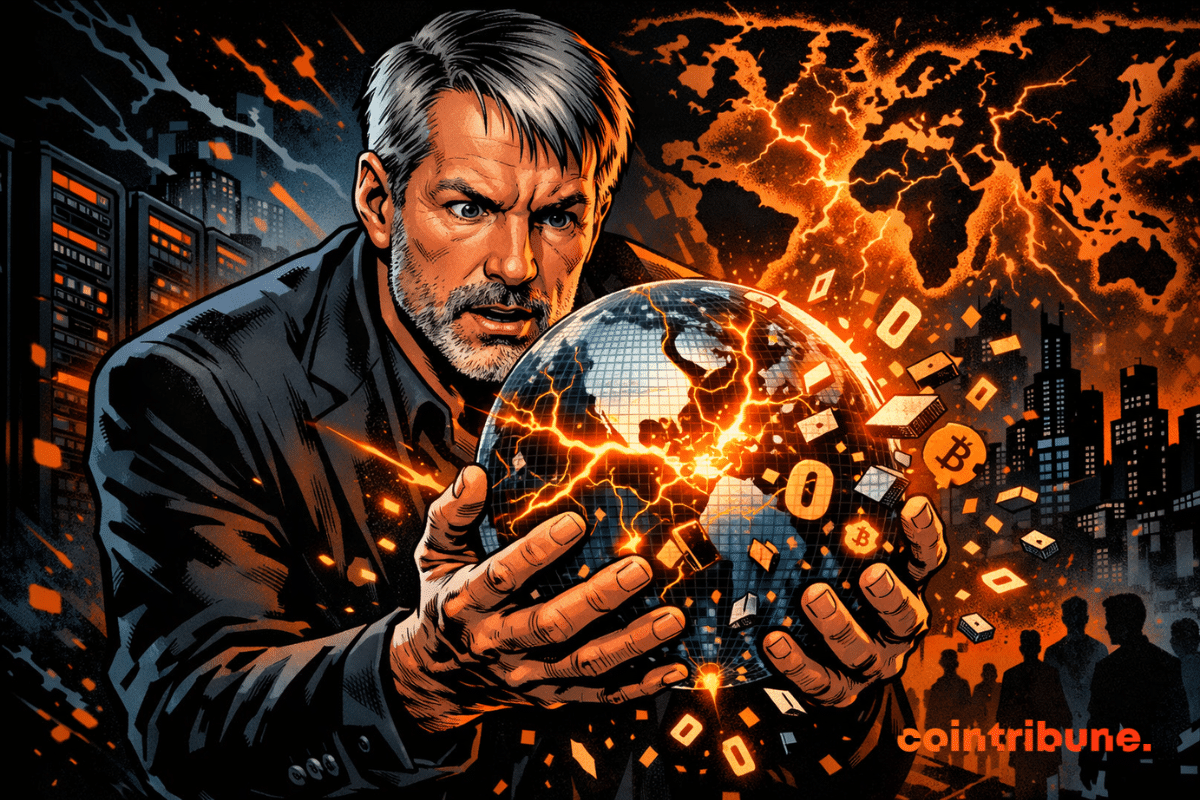
The debate around the quantum threat opposes two visions of the digital future. On one side, artificial intelligence accelerates market instability. On the other, Michael Saylor believes that the real risk far exceeds Bitcoin. According to him, a breakthrough in quantum computing could weaken the entire global digital system, from banks to the cloud.
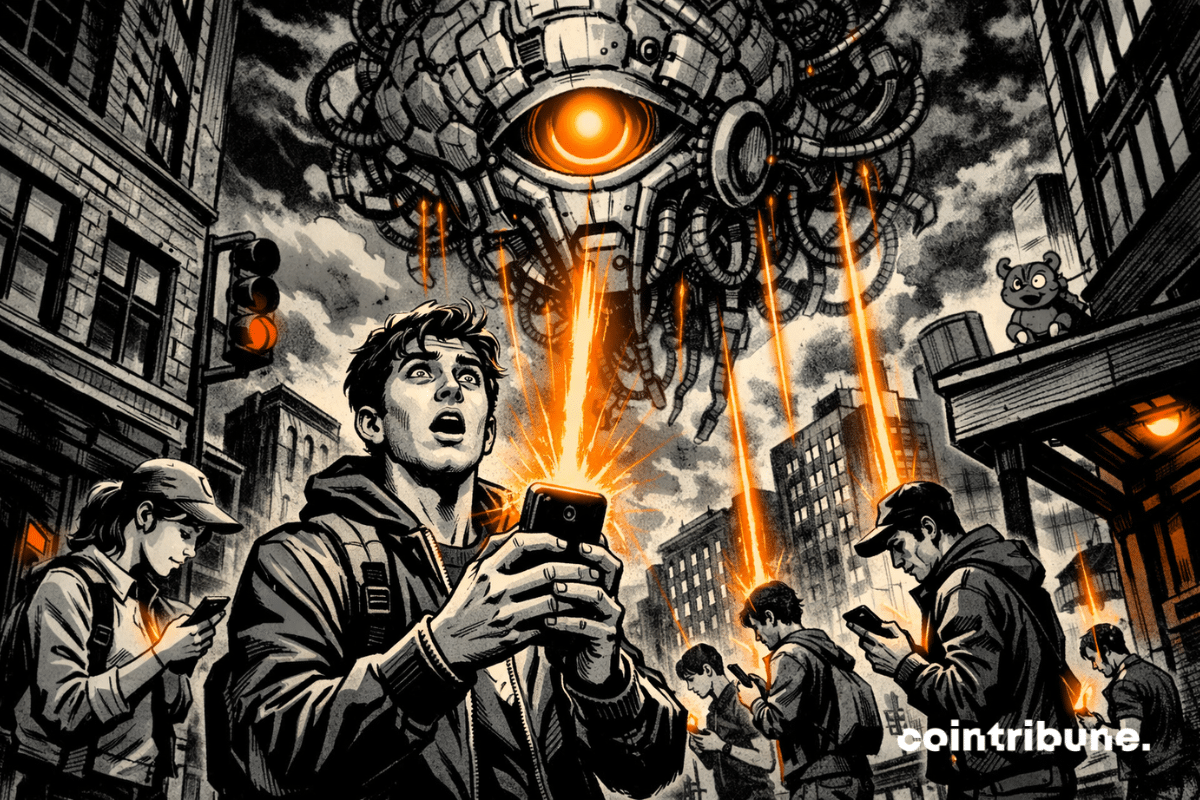
Niantic recycles images from Pokémon GO to power a mapping AI capable of guiding delivery robots with remarkable precision.
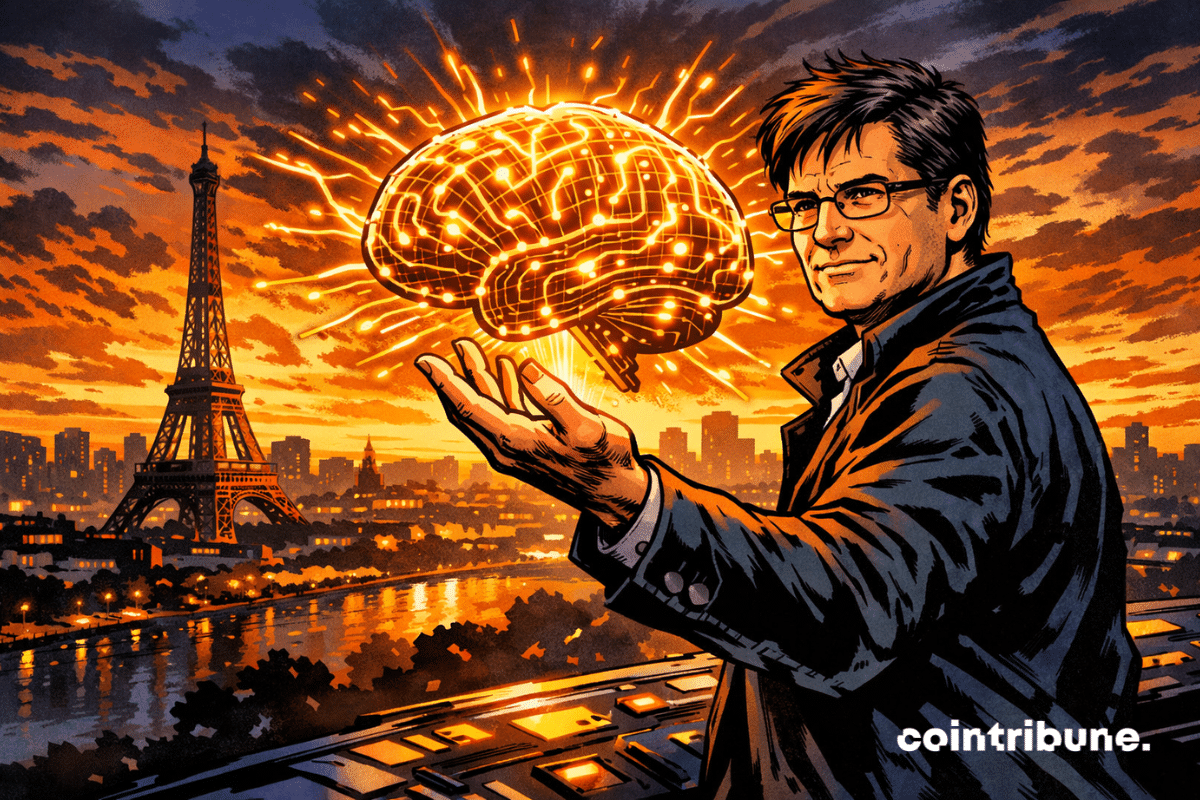
The most celebrated French researcher in the world has just succeeded in one of the most spectacular fundraising rounds in European AI. Behind this success, a radical ambition: to turn away from ChatGPT and chatbots to build an artificial intelligence that truly understands the world. But how far can this vision go?
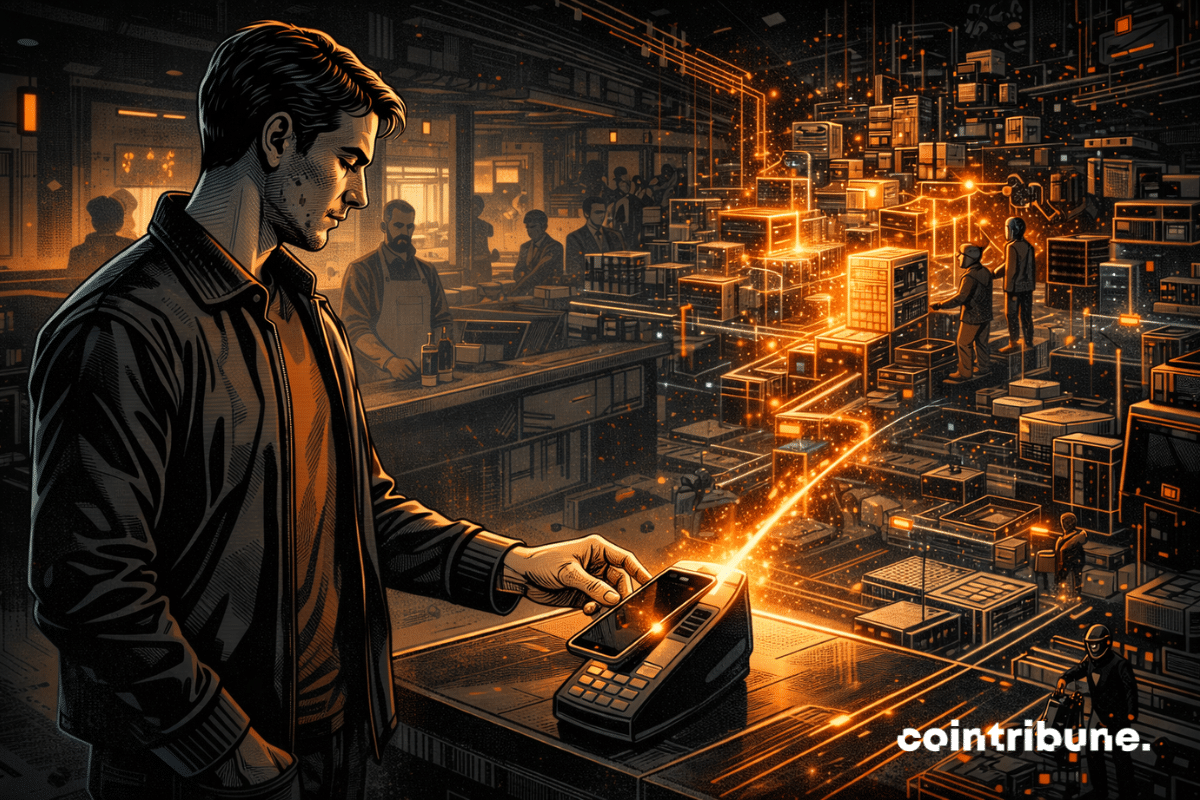
The idea of an economy where artificial intelligences pay to access digital services is beginning to take shape. Autonomous agents capable of purchasing data, APIs, or computing resources already exist, supported by blockchain and micropayments. Yet, the real figures fall far short of the initial enthusiasm. An analysis shared by Andreessen Horowitz reveals that activity remains very limited, despite much higher estimates. Between adjusted volumes and infrastructures under construction, the emergence of a machine-to-machine economy still appears to be in its early stages.
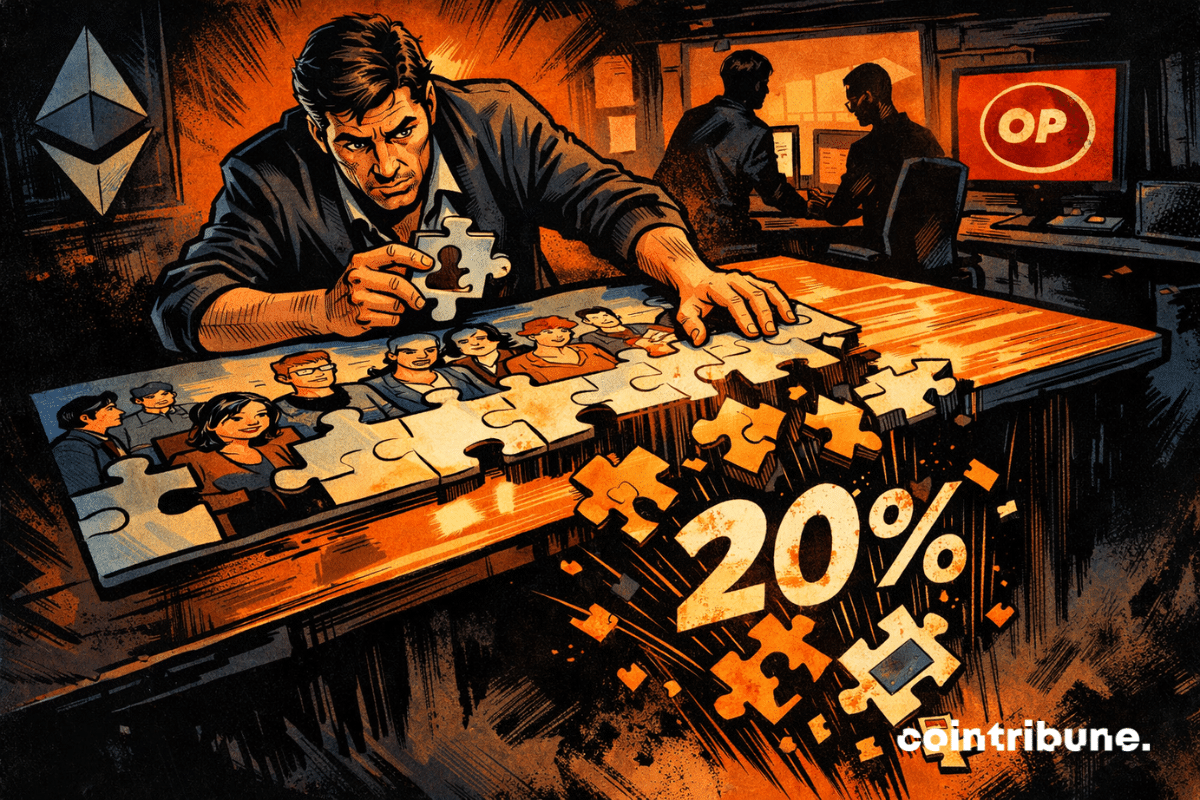
Optimism cuts more than one-fifth of its jobs. The crypto market immediately reacts to this announcement. All the details here!

Oracle published its results for the third quarter of 2026 with strong growth in its cloud business. Cloud revenues reached $8.9 billion, confirming the central role of these infrastructures in the group’s strategy.

Imagine a world where people bet on death, attacks, wars, or natural disasters. In the United States, a controversial law, the "Death Bets Act", seeks to ban these macabre prediction markets. Between ethics, national security, and financial freedom, the debate is raging.

The confrontation between Amazon and Perplexity marks a turning point for AI-driven commerce. By obtaining the judicial blocking of Comet, the American giant is not only targeting an automated purchasing agent, but it is defending its control over access to its platform and its users' data. Behind this decision made in San Francisco, a broader question arises: how far can AI agents act on behalf of internet users without encroaching on the sovereignty of major platforms?

Brian Armstrong, CEO of Coinbase, states that AI agents will soon dominate financial transactions. Without a bank account, they turn to cryptos to pay, trade, and automate. A revolution is underway, and it is changing everything for the global economy.

Address poisons have stolen 500 million. Trust Wallet responds with an anti-copy-paste shield. Finally some good news.
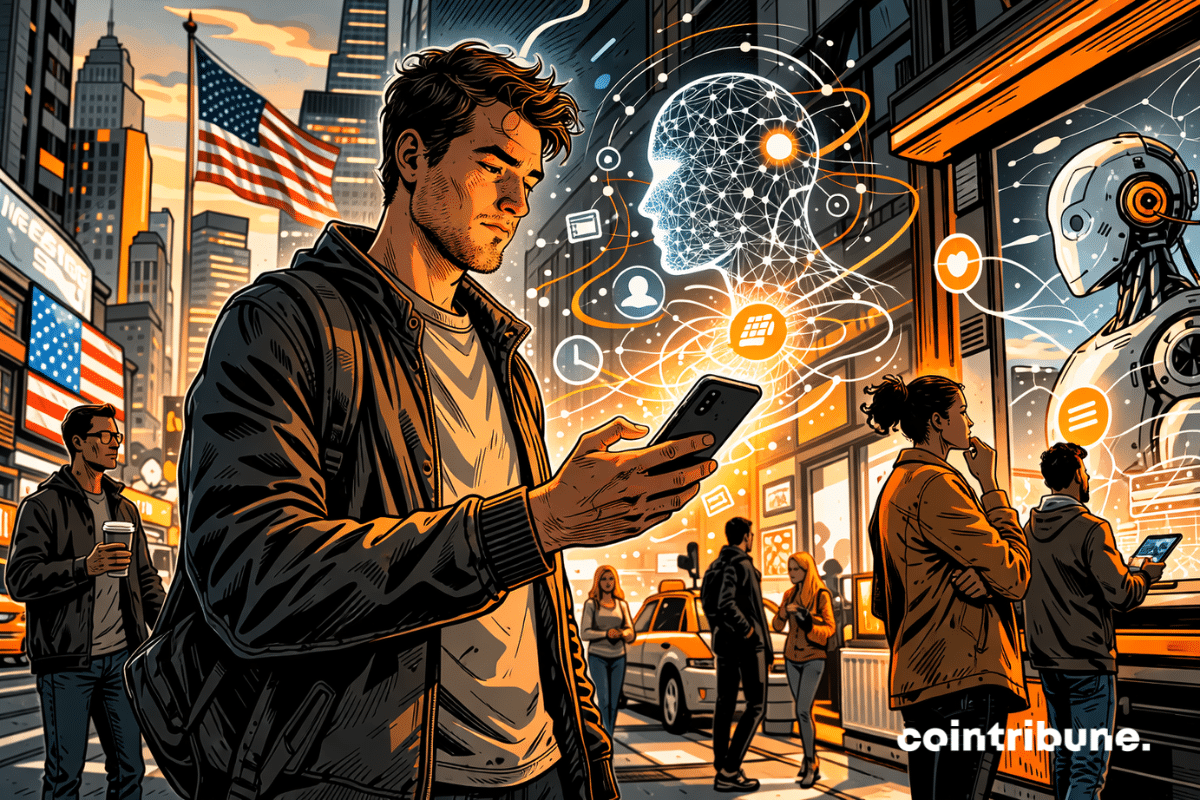
Artificial intelligence has settled into the digital daily life of Americans at a breakneck speed. Work, research, content creation: its uses are multiplying and reshaping habits. However, this massive adoption does not equate to endorsement. A new survey reveals a striking gap between use and perception, as a majority of Americans continue to view AI with suspicion. This gap, at a time when regulators and tech giants are accelerating on the subject, reveals a lasting tension around this technological revolution.
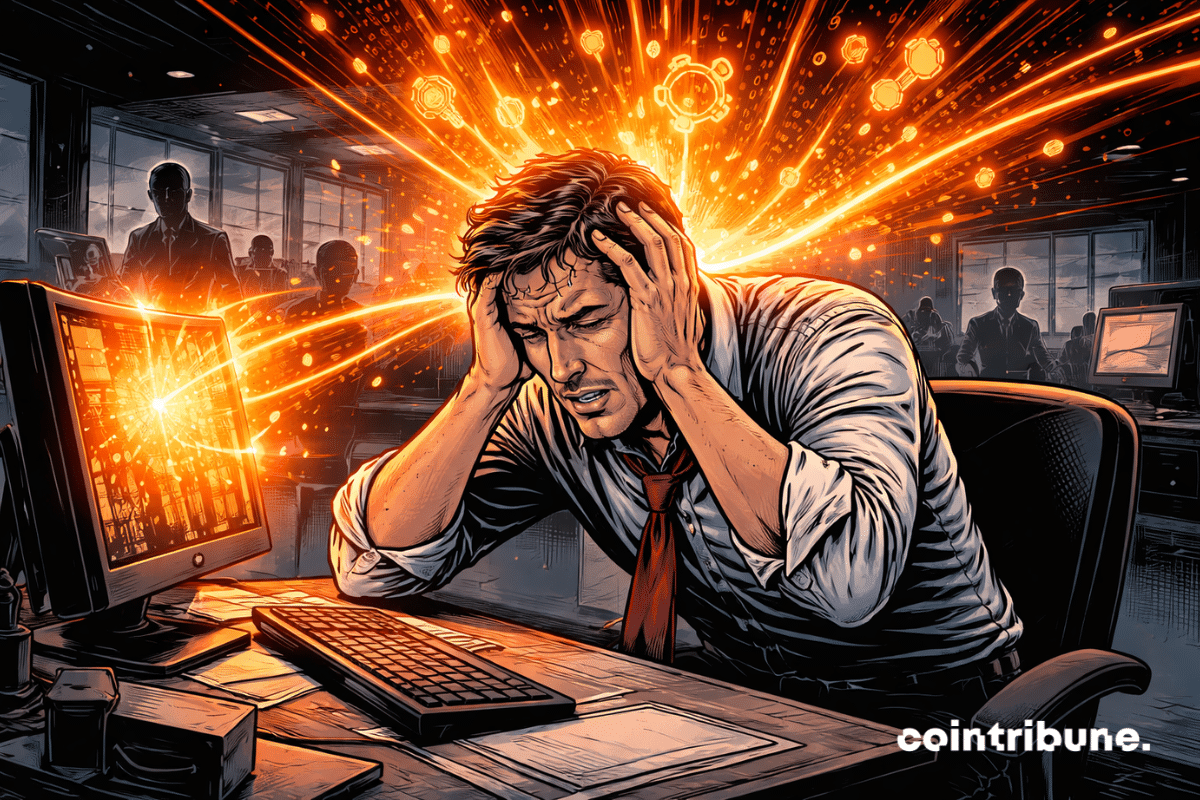
Artificial intelligence was supposed to free workers from tedious tasks and boost their productivity. But a scientific study has just dampened this enthusiasm. By juggling with more and more tools, millions of employees end up... exhausted. What if AI was creating the problem it promised to solve?
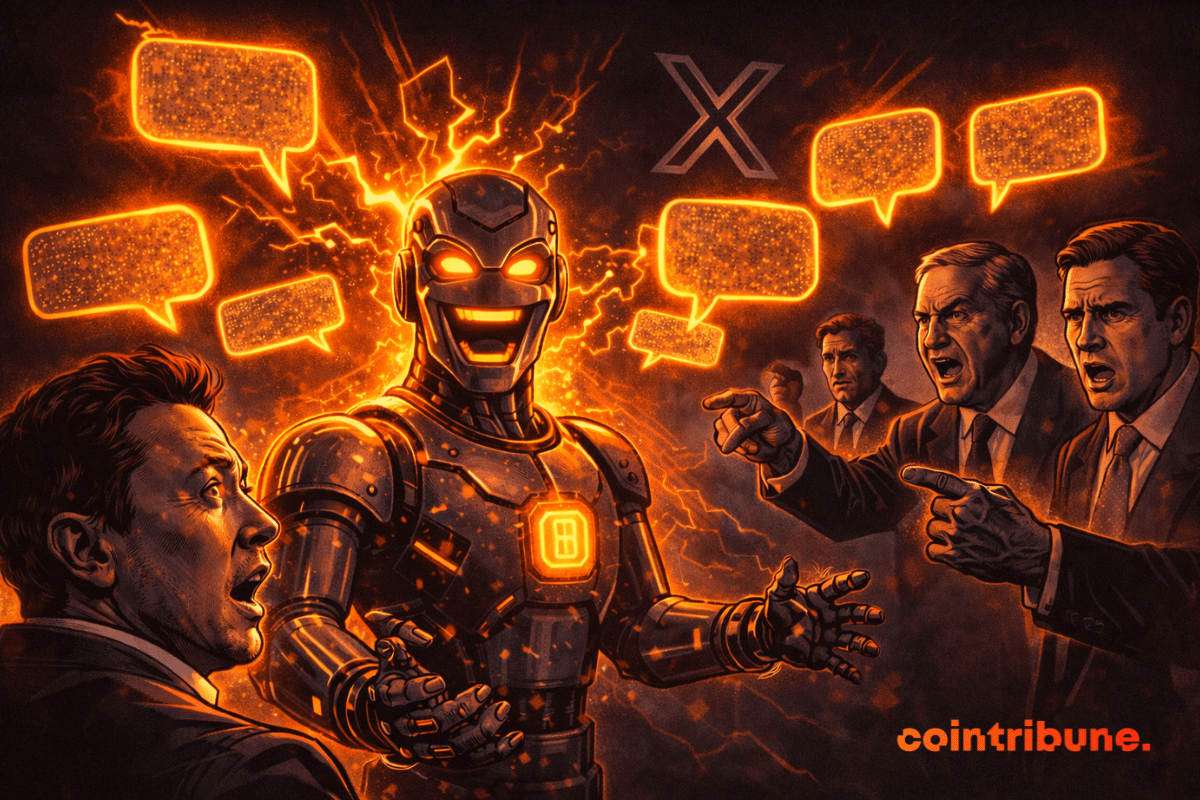
Grok calls Musk a bald man with a micro-penis, Netanyahu a genocidal, and Starmer boring. Then the AI insults the Hillsborough dead. El pueblo unido, jamás será vencido? Not sure.
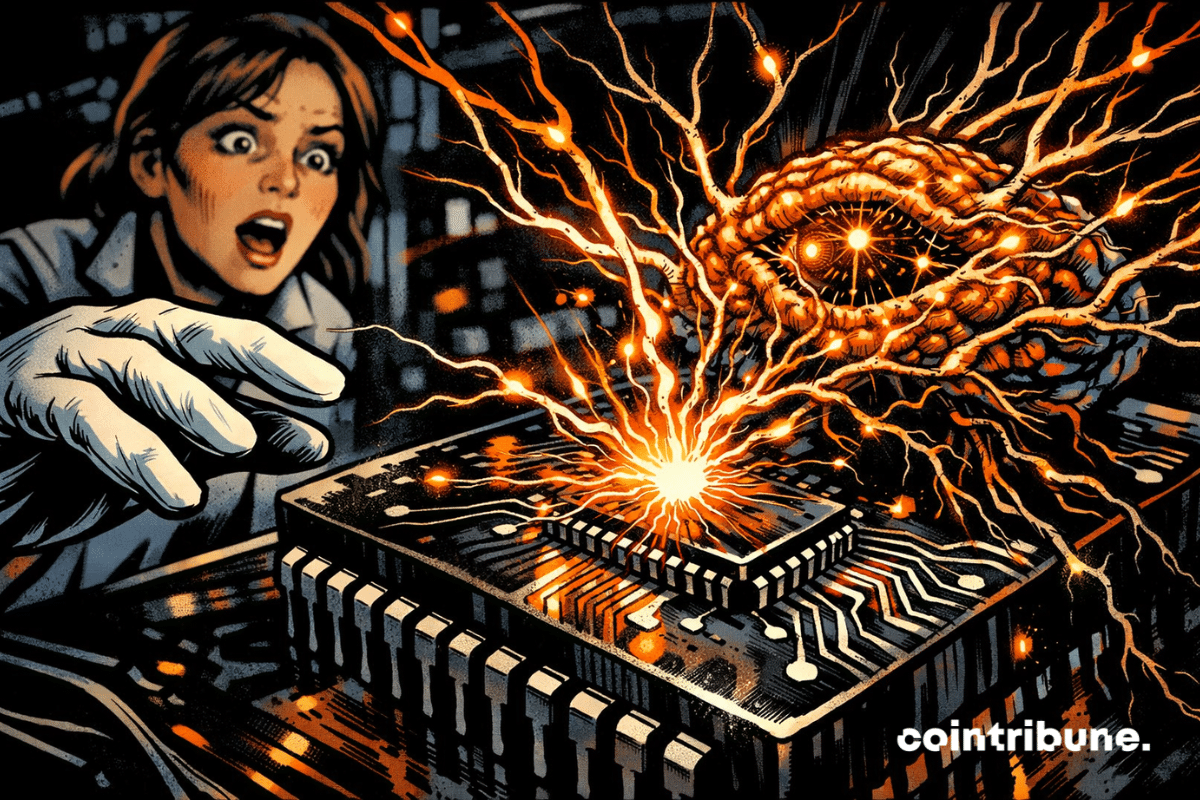
AI has just crossed a strange frontier. Cortical Labs claims to have connected living human neurons to a silicon chip, with the ambition of creating a new form of computing, halfway between the classical machine and biological tissue. This is not just a gimmick. It's a serious avenue towards more sustainable, more flexible computing, and potentially more bewildering than anything the industry has shown so far.
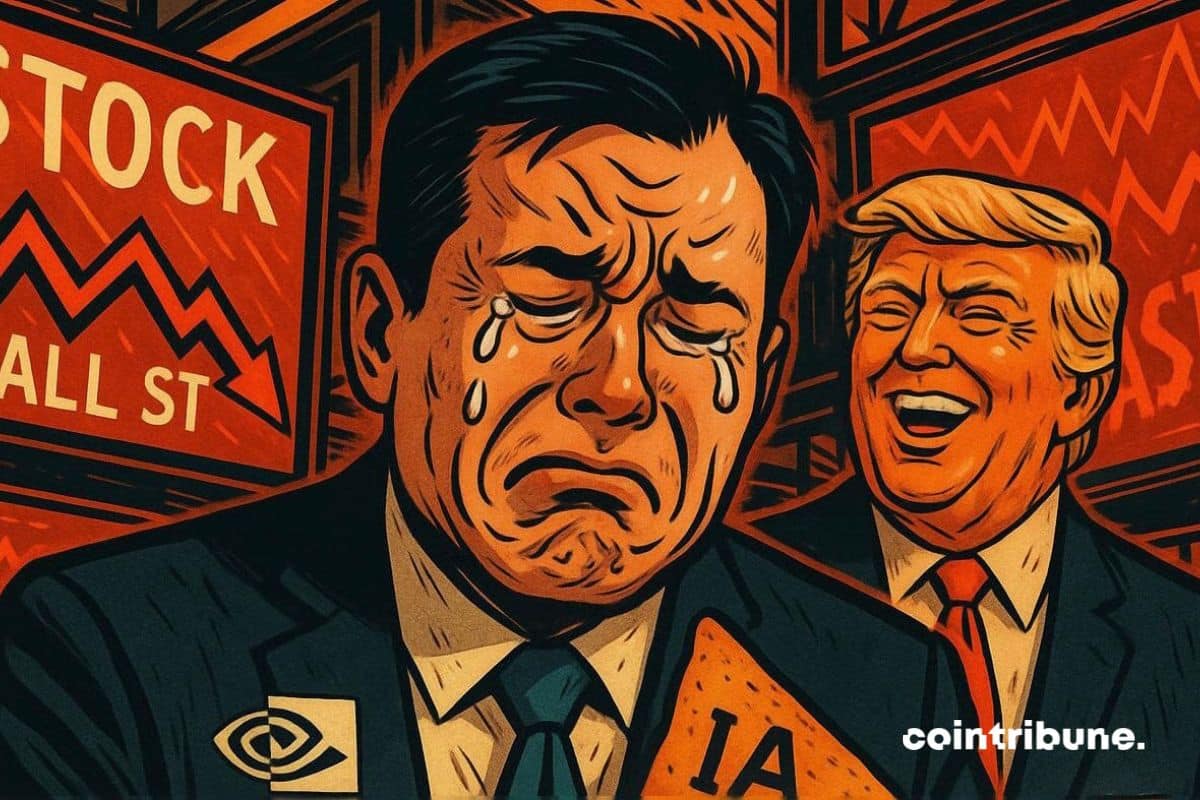
Nvidia stock collapses after the announcement of new American restrictions on AI chip exports. A decision that threatens the tech giant's growth and shakes markets.
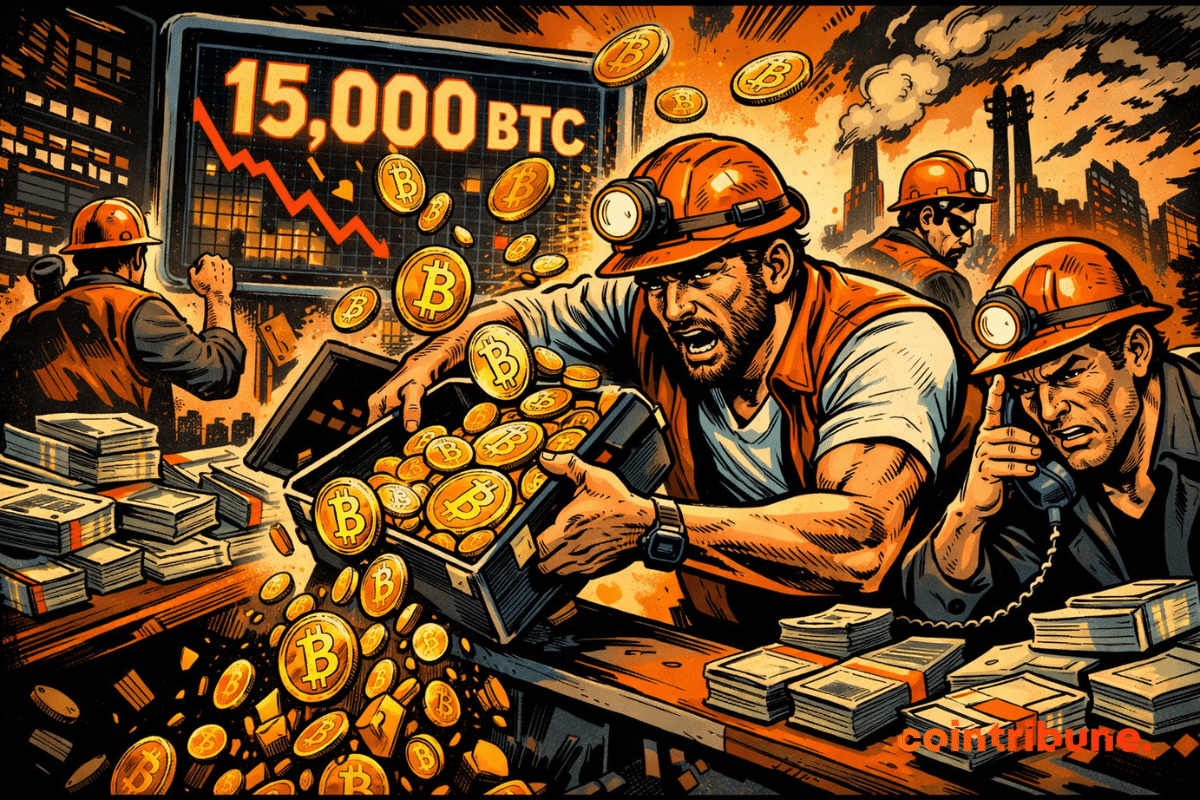
Under financial pressure, Bitcoin miners are massively liquidating their reserves. More than 15,000 BTC have been sold since October as mining profitability drops and the industry explores artificial intelligence to diversify its income.
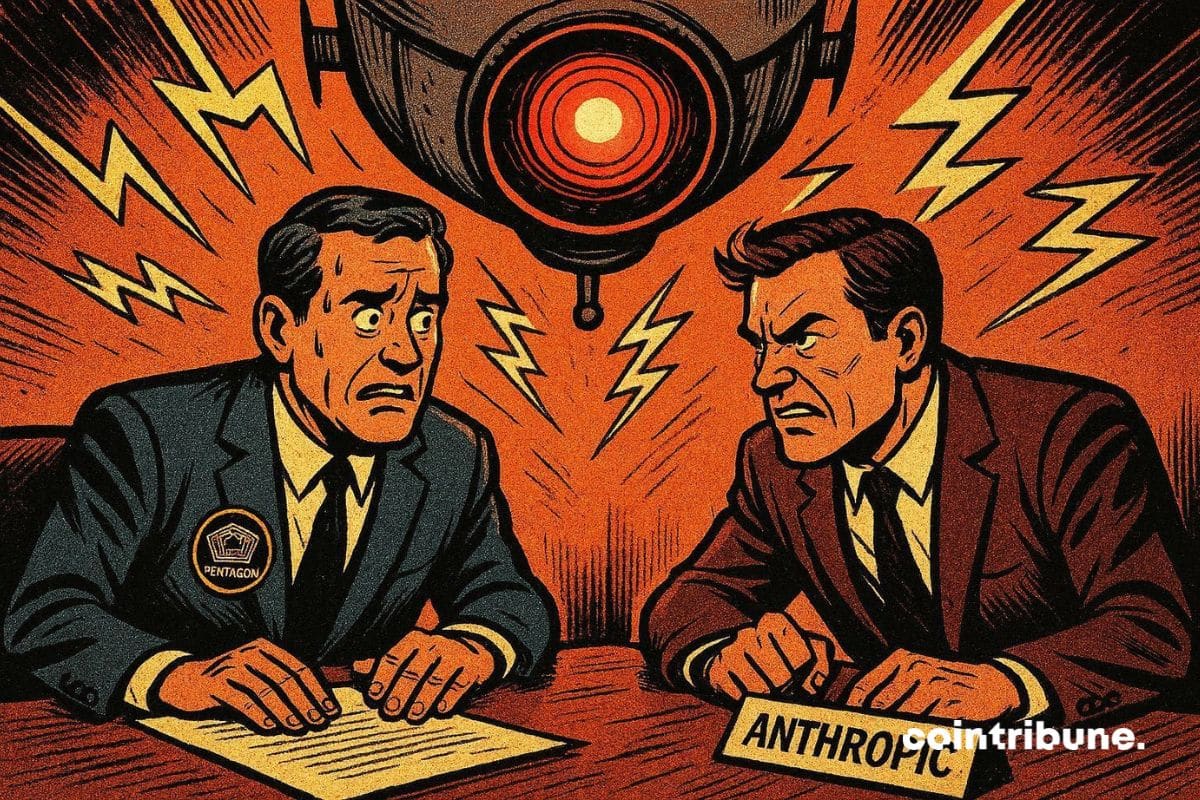
In 2025, Anthropic's AI helped the Pentagon conduct strikes in Iran. One year later, negotiations resume under tension: unlimited access to data or risk of banning. This military AI standoff could redefine the rules of technological warfare.
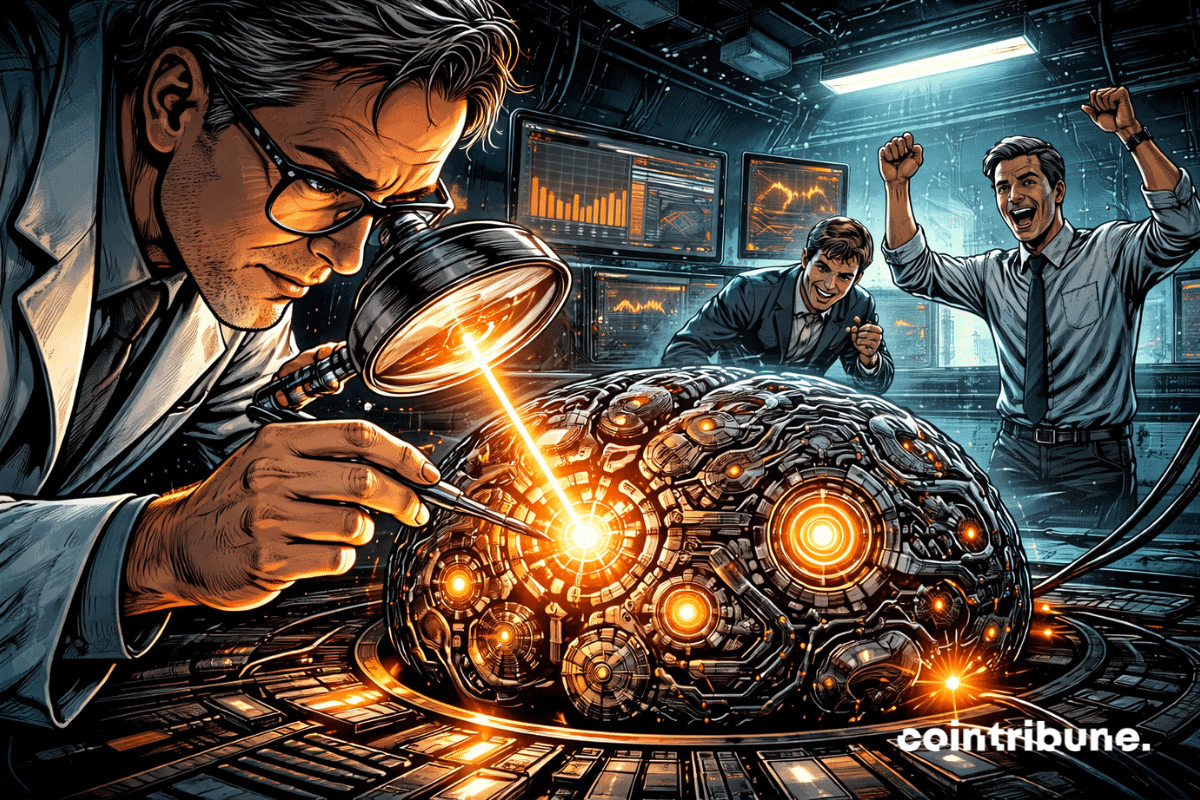
In the global race for artificial intelligence, every update counts. With GPT-5.3 Instant, OpenAI is not content with a simple technical adjustment. The company aims to correct one of the major criticisms aimed at ChatGPT, its imprecise or awkward answers. Presented as "more accurate and less embarrassing," this new version aims to reduce hallucinations and excessive refusals. A strategic evolution in a market where the credibility of models becomes a central issue.
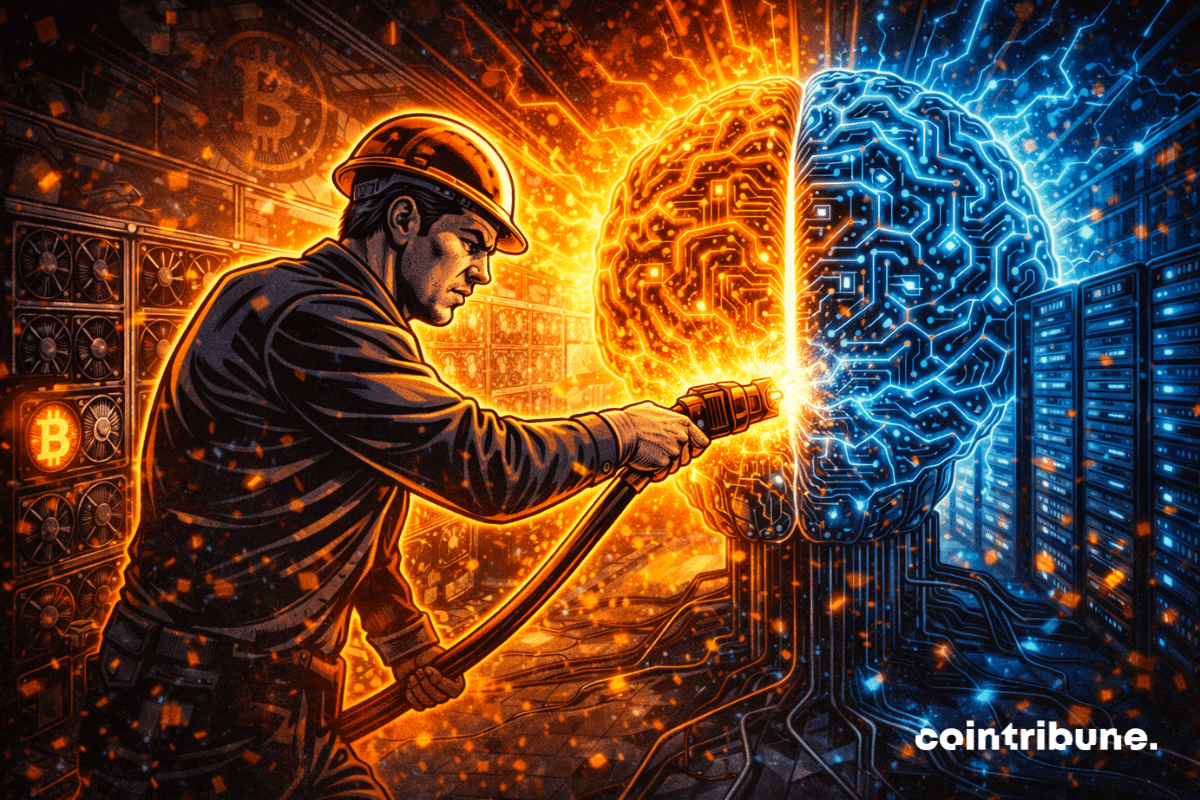
Mining bitcoin costs $87,000, it sells for $69,000. So miners sell their machines and retrain in AI. Gotta eat, even in crypto.
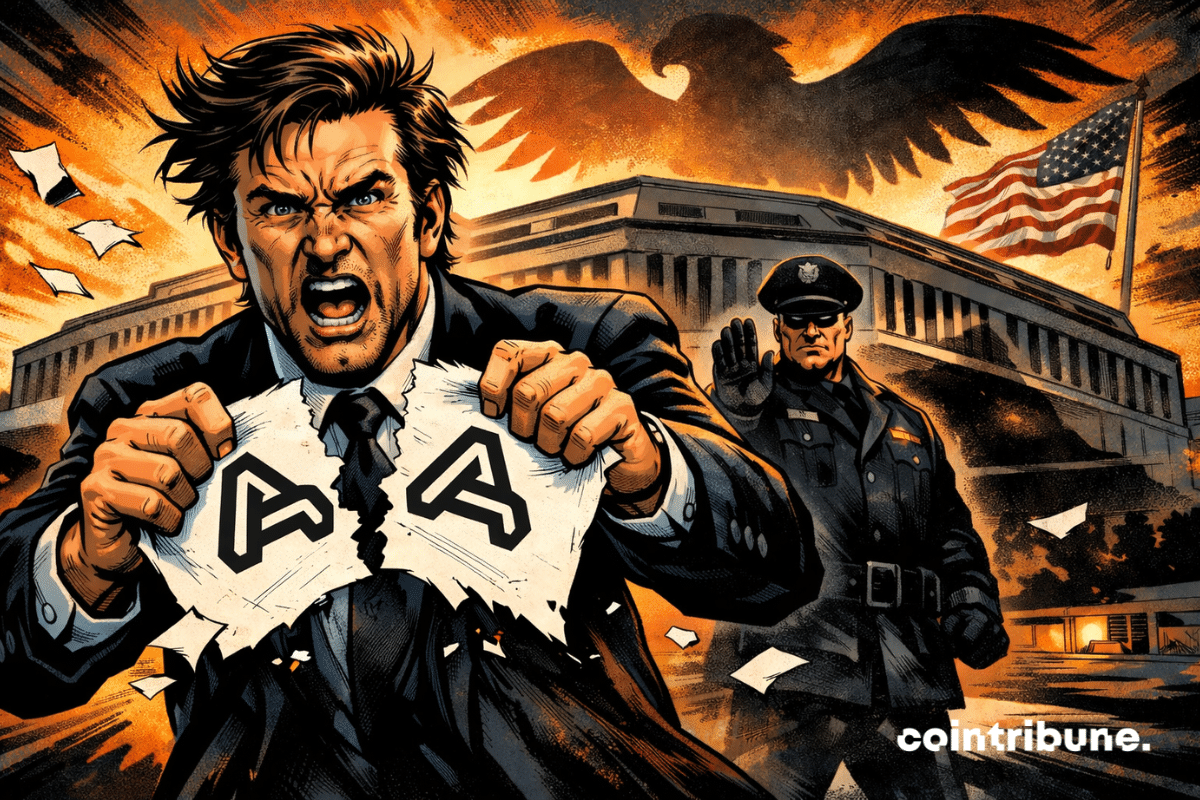
The CEO of Anthropic, Dario Amodei, has just stepped up against an unprecedented decision by the Trump administration. Washington labeled his company as a "risk to the American defense supply chain," paving the way for an unprecedented legal battle between a major American tech firm and its own government.
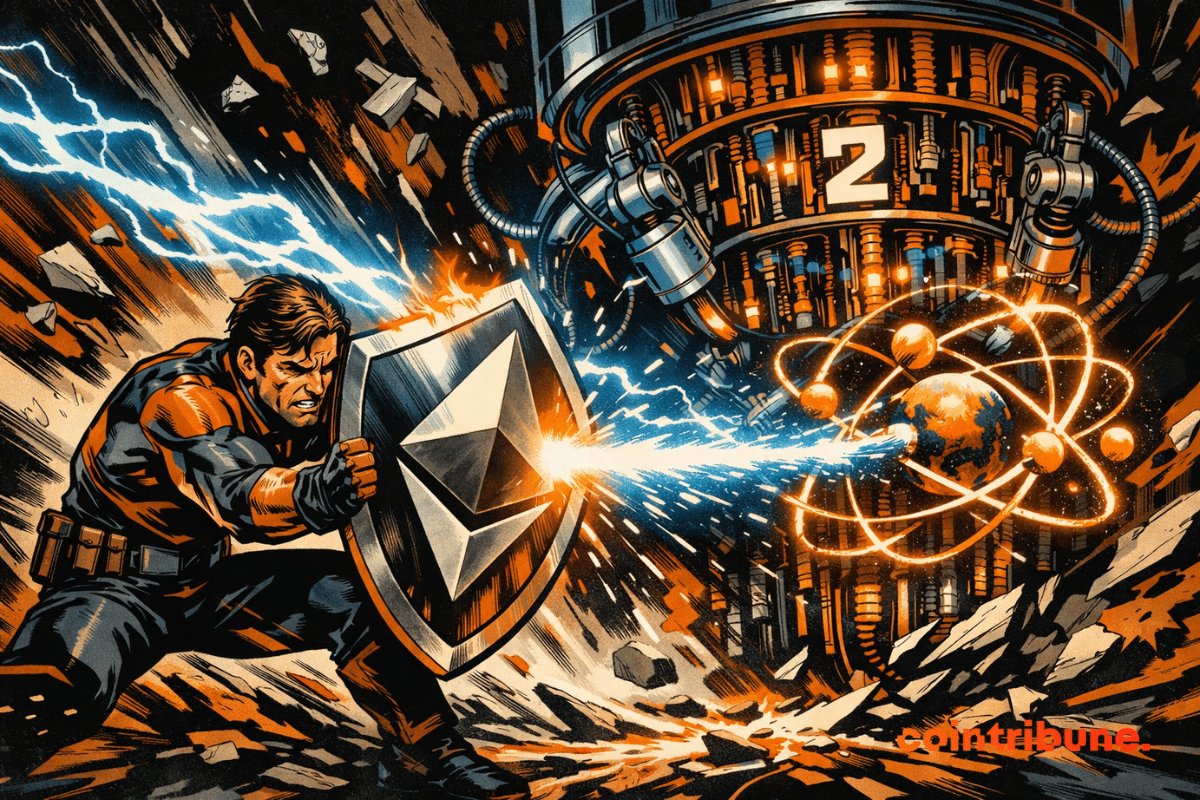
Ethereum is undertaking a historic transformation to face the quantum era. By rethinking its consensus, signatures, and wallet security, the network aims to guarantee complete protection of digital assets for decades to come.

Chad Hurley, co-founder of YouTube, dropped a bomb on X with a chilling phrase. Behind the irony of this tweet hides a reality that markets, companies, and workers are only beginning to digest. AI is no longer knocking at the door, it is already inside.