U.S. Senate Pauses Crypto Market Structure Bill After Coinbase Objections
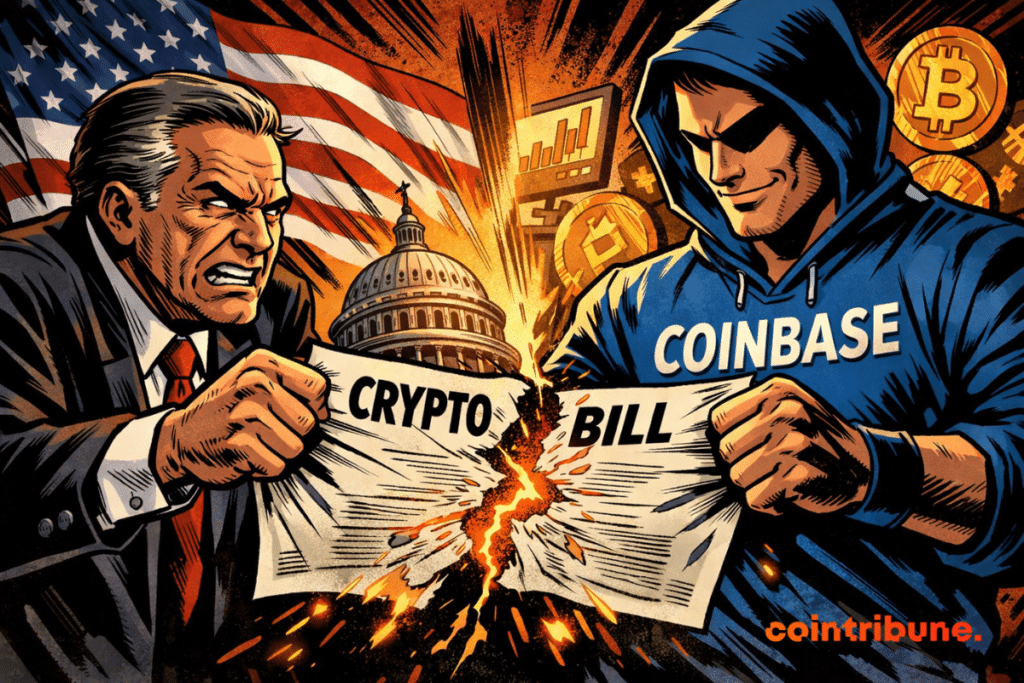
U.S. lawmakers have put a major crypto market structure bill on hold after strong pushback from Coinbase. Fresh criticism from the exchange’s chief executive raised doubts about whether the proposal could move forward without changes. As a result, Senate Banking Committee members delayed a planned markup while reassessing industry and regulatory concerns tied to the draft.
In brief
- Senate Banking Committee paused a planned markup after Coinbase said it could not support the crypto bill as currently written.
- Coinbase warned the draft could restrict tokenized equities, DeFi activity, and stablecoin rewards across U.S. markets.
- Lawmakers remain split over stablecoin rules, consumer protections, and the bill’s impact on competition and innovation.
- Regulatory balance between the SEC and CFTC remains a major concern for crypto firms and industry advocates.
Coinbase Flags Deal-Breakers as Senate Delays Key Crypto Bill
Plans to advance the bill stalled after public criticism from Brian Armstrong, who said the draft could not earn Coinbase’s support in its current form. Lawmakers on the U.S. Senate Banking Committee had aimed to begin markup discussions on Thursday, January 15. Following Armstrong’s comments, committee members chose to halt progress and reassess the proposal.
Armstrong argued that accepting a flawed framework would be worse than delaying legislation altogether. Coinbase’s position carried significant weight given its long-standing role in policy discussions and its influence among both regulators and lawmakers in Washington.
Concerns raised by Coinbase focused on several provisions viewed as deal-breakers:
- Draft language that could effectively ban tokenized equities.
- Limits on decentralized finance that may expand government access to user data.
- Proposed changes removing stablecoin reward mechanisms.
- A shift in regulatory balance away from commodities oversight.
- Broader risks to innovation within U.S.-based crypto markets.
Debate over regulatory authority also drew strong criticism. Armstrong warned that changes in the bill would reduce the role of the Commodity Futures Trading Commission while increasing the power of the Securities and Exchange Commission. Industry leaders have long opposed such a shift, arguing it could subject many crypto assets to stricter rules designed for traditional securities.
Disagreements Over Stablecoins Complicate Committee Vote Path
Lawmakers’ decision to delay the markup reflected uncertainty over whether enough votes existed to move the bill out of committee. Stablecoin rules emerged as a key fault line, with disagreements surfacing across party lines.
Some Republicans reportedly questioned the impact on innovation. At the same time, several Democrats raised concerns about consumer protections and potential conflicts of interest.
Points of contention surrounding stablecoins became central to the debate:
- Current text blocks crypto firms from paying interest on stablecoin holdings.
- Banks argue that rewards could trigger deposit withdrawals.
- Crypto companies say a ban favors traditional institutions.
- Lawmakers remain divided on competitive effects.
- Consumer protection issues remain unresolved.
Despite the pause, committee chair Tim Scott said talks remain active. He described the delay as part of an ongoing bipartisan effort involving lawmakers, regulators, and industry representatives.
Uncertainty now surrounds the bill’s next steps. While revisions could bring the proposal back for review, the episode illustrates how industry feedback can reshape legislative momentum at critical stages. For now, the crypto market structure bill remains on hold as negotiations continue.
Maximize your Cointribune experience with our "Read to Earn" program! For every article you read, earn points and access exclusive rewards. Sign up now and start earning benefits.

James Godstime is a crypto journalist and market analyst with over three years of experience in crypto, Web3, and finance. He simplifies complex and technical ideas to engage readers. Outside of work, he enjoys football and tennis, which he follows passionately.
The views, thoughts, and opinions expressed in this article belong solely to the author, and should not be taken as investment advice. Do your own research before taking any investment decisions.