Bhutan Deepens Digital Strategy With Launch of Sovereign Gold-Backed TER Token
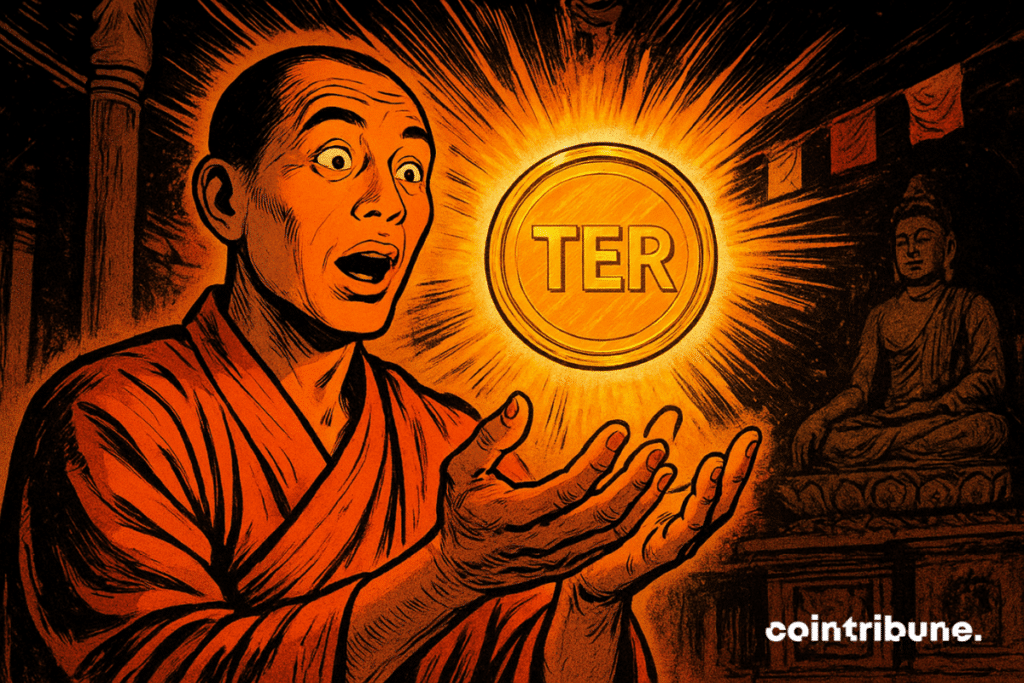
Bhutan is pushing its digital economy forward by placing portions of its traditional reserves on blockchain infrastructure. As tokenized real-world assets gain momentum, the country is securing an early foothold. The introduction of TER, a gold-backed token from Gelephu Mindfulness City (GMC), strengthens Bhutan’s ongoing blockchain plans.
In brief
- Bhutan introduces TER, a gold-backed token issued on Solana and secured by DK Bank under sovereign oversight.
- Distribution begins with TER held in custody, offering a familiar process similar to buying physical gold at a bank.
- Digital initiatives include BTC mining, large crypto reserves, and a national digital identity system on Ethereum.
- Tourism and payments advance as merchants adopt Binance Pay and Bhutan expands activity across blockchain networks.
Bhutan Officials Promote TER as Part of Long-Term Digital Finance Plan
GMC says TER will be issued on the Solana blockchain, with DK Bank serving as custodian for the physical gold. DK Bank is a regulated digital asset bank under Bhutan’s government, giving the project official backing. Technology support comes from Matrixdock, which tokenizes the underlying gold and connects it to the blockchain infrastructure.
In the first rollout phase, TER will remain in custody at DK Bank while the city finalizes distribution plans. According to GMC, buying TER will follow a process similar to purchasing physical gold through a traditional financial institution. The model is meant to give investors a familiar entry into digital assets backed by real-world value.
Jigdrel Singay, a member of GMC’s Board of Directors, said the launch fits the city’s mission to build a values-driven digital economy. He described TER as a way to connect Bhutan’s heritage with new technology while positioning Gelephu as a center for mindful innovation. His comments place TER within a long-term plan for transparent and steady digital finance.
Digital Identity System on Ethereum Reaches 800,000 Citizens
Bhutan sees the gold-backed token as a hedge against inflation and a step forward in its national blockchain roadmap. The country has been active in digital assets for several years and now stands out among early movers among sovereigns.
Bhutan’s broader digital plan includes several milestones:
- Bitcoin mining powered by hydroelectric energy since 2019.
- Nearly 6,000 BTC in national reserves, according to Arkham Intelligence.
- A digital asset reserve holding BTC, Ether, memecoins, and other altcoins.
- Use of blockchain to support economic development and future city projects.
- Expansion into tokenized assets through global partnerships.
Crypto activity also supports tourism and payment modernization in Bhutan. Officials view blockchain systems as a way to strengthen digital control and widen access to public services. Almost 800,000 citizens use a national digital identity system built on Ethereum to verify their identities and access online platforms.
Local merchants and tourism operators accept Binance Pay, boosting the use of crypto in everyday transactions. Bhutan has also staked 320 ETH—worth about USD 970,000—through Figment, adding to its presence in institutional blockchain networks.
Maximize your Cointribune experience with our "Read to Earn" program! For every article you read, earn points and access exclusive rewards. Sign up now and start earning benefits.

James Godstime is a crypto journalist and market analyst with over three years of experience in crypto, Web3, and finance. He simplifies complex and technical ideas to engage readers. Outside of work, he enjoys football and tennis, which he follows passionately.
The views, thoughts, and opinions expressed in this article belong solely to the author, and should not be taken as investment advice. Do your own research before taking any investment decisions.