Crypto Fear Persists Despite On Chain Accumulation Signs
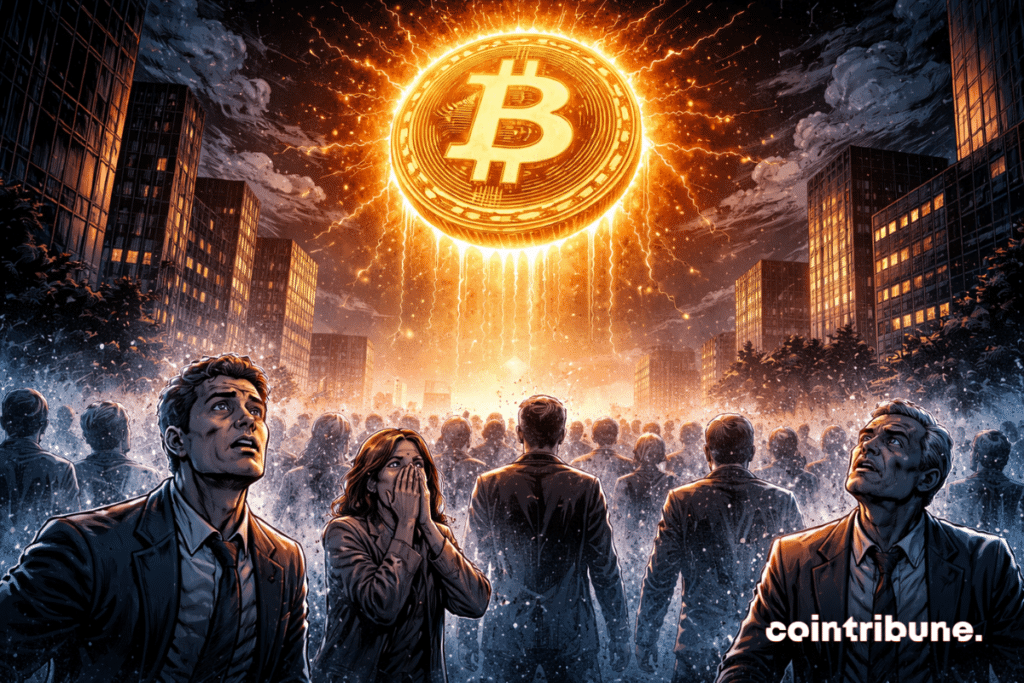
The crypto market is plunged into lasting extreme fear. The Crypto Fear & Greed Index, stuck at low levels, reflects a deeply degraded sentiment among investors. This context, fueled by macroeconomic uncertainties, weighs on the entire sector. Yet, some on-chain data indicate a less obvious dynamic. Between persistent pressure and divergent signals, the market evolves in an uncertainty zone where the outlook for a turnaround remains open.
In brief
- The crypto market sinks into persistent extreme fear, reflecting a global climate of uncertainty.
- The Crypto Fear & Greed Index remains stuck at critical levels, reflecting a lasting distrust among investors.
- Bitcoin shows signs of fragility against traditional markets in a tense macroeconomic context.
- The market evolves in a phase of uncertainty, between continued decline and a possible transition to a new cycle.
A market paralyzed by fear and macroeconomic uncertainties
While bitcoin is still hesitating between correction and rebound, the Crypto Fear & Greed Index shows a level of 8, ranked as “extreme fear”, a situation that has lasted for 12 consecutive days. This index, which aggregates volatility, trading volumes, and social trends, reflects a particularly degraded market sentiment.
Thus, this situation reflects a marked distrust phase in an environment dominated by geopolitical tensions and concerns related to U.S. interest rates.
Several key elements help to understand this market climate :
- The index is at 8 ;
- 12 consecutive days in this panic zone ;
- Macroeconomic pressure related to rates and the overall context ;
- Bitcoin underperforming stock markets ;
- A negative correlation with the S&P 500.
In this context, the unfavorable signal usually associated with extreme fear loses relevance. The market no longer reacts mechanically to this indicator, which reflects a deeper and entrenched bearish phase.
Structural signals indicating discreet accumulation
Beyond the global sentiment, several on-chain data offer a different reading of the current situation. The share of short-term holders has fallen to 3.98%, dropping below the 4% threshold historically associated with zones close to a bottom.
This evolution reflects a decline in immediate speculation, while long-term investors strengthen their presence. At the same time, whale dominance exceeds 60 %, an unprecedented level for ten years, while retail investor participation hits a floor.
Despite a negative climate, selling pressure does not intensify. Flows remain contained, which emphasizes the absence of a massive capitulation movement. This stability fuels the idea of a progressive accumulation phase led by actors with a long-term strategic vision.
This configuration places the market in a structurally uncertain zone. If macroeconomic factors and geopolitical tensions continue to weigh, the dynamic could remain fragile. Conversely, the alignment between extreme fear, withdrawal of retail investors, and accumulation by dominant actors recalls transition phases already observed in previous cycles. The future will depend on the market’s ability to transform these signals into a true bullish impulse or to extend this waiting phase.
Maximize your Cointribune experience with our "Read to Earn" program! For every article you read, earn points and access exclusive rewards. Sign up now and start earning benefits.

Diplômé de Sciences Po Toulouse et titulaire d'une certification consultant blockchain délivrée par Alyra, j'ai rejoint l'aventure Cointribune en 2019. Convaincu du potentiel de la blockchain pour transformer de nombreux secteurs de l'économie, j'ai pris l'engagement de sensibiliser et d'informer le grand public sur cet écosystème en constante évolution. Mon objectif est de permettre à chacun de mieux comprendre la blockchain et de saisir les opportunités qu'elle offre. Je m'efforce chaque jour de fournir une analyse objective de l'actualité, de décrypter les tendances du marché, de relayer les dernières innovations technologiques et de mettre en perspective les enjeux économiques et sociétaux de cette révolution en marche.
The views, thoughts, and opinions expressed in this article belong solely to the author, and should not be taken as investment advice. Do your own research before taking any investment decisions.