Recent Bitcoin pullbacks are driven by stablecoin shorts and market dynamics rather than mass selling, with long-term holders remaining largely inactive.
Arthur Hayes views altcoin season as an ongoing cycle, but many traders missed out on key winners despite market gains.
The SEC has just dropped the hammer: Caroline Ellison, former CEO of Alameda, is banned for 10 years, while Gary Wang and Nishad Singh face 8 years of prohibition. A historic sanction after the fall of FTX.
The digital euro could change everything: instant payments, financial sovereignty, and an alternative to private cryptos. However, despite ready technology, European legislators block the project out of fear of privacy risks. Which crypto will disappear if the digital euro arrives in 2026?
The Polish Parliament has just defied its own president by reactivating a controversial crypto bill, despite a clear veto. Between forced alignment with European rules and fears of market strangulation, Warsaw is playing with fire. Why could this political standoff redefine the future of cryptos in Europe?
Until December 30, 2025, the MiCA-regulated platform offers a welcome bonus to new European users. Full breakdown.
While the crypto sector anticipates a prolonged bullish cycle, supported by the arrival of institutional investors and a maturing regulatory framework, a major voice disrupts this consensus. Jurrien Timmer, Director of Macro Research at Fidelity, speaks of a break in momentum. According to him, Bitcoin could pause in 2026, not at a peak, but around a technical pullback. A projection that challenges the prevailing euphoria and invites reconsideration of the medium-term market trajectory.
Bitwise, the asset manager specializing in crypto, has officially filed an S-1 form with the Securities and Exchange Commission (SEC) to launch a Sui spot ETF in the United States.
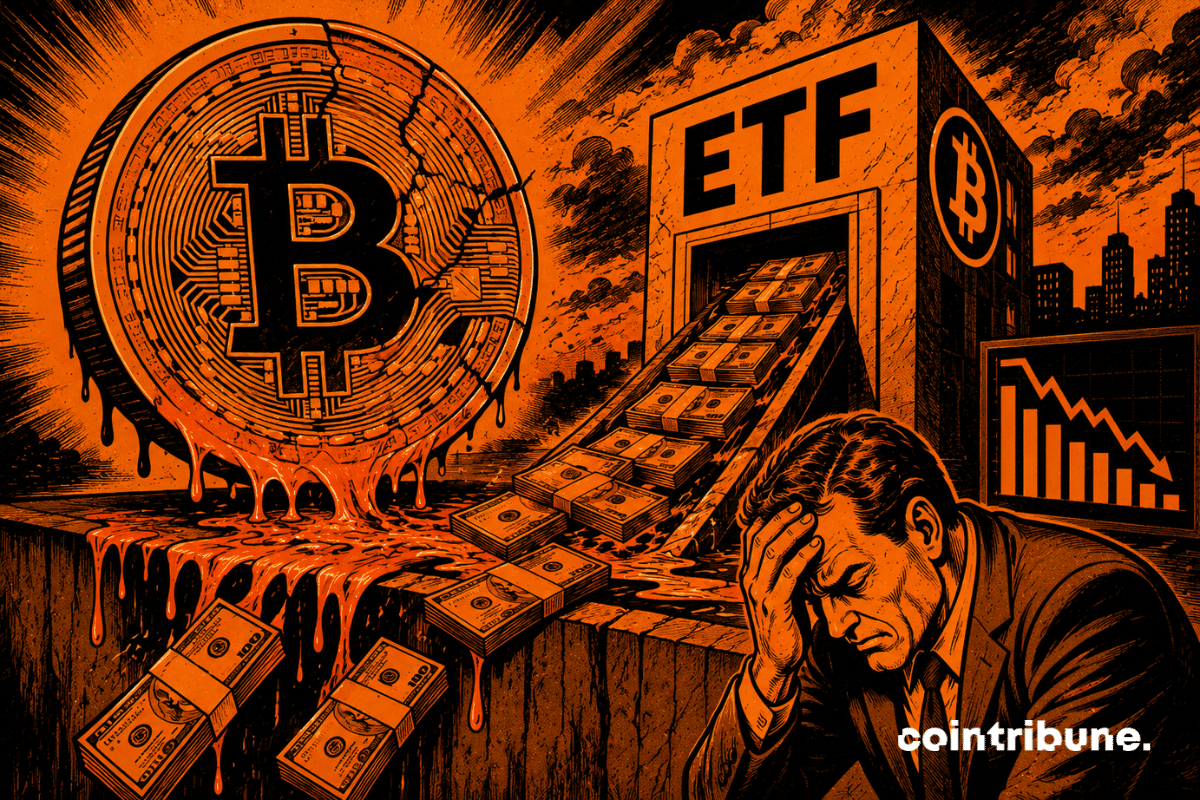
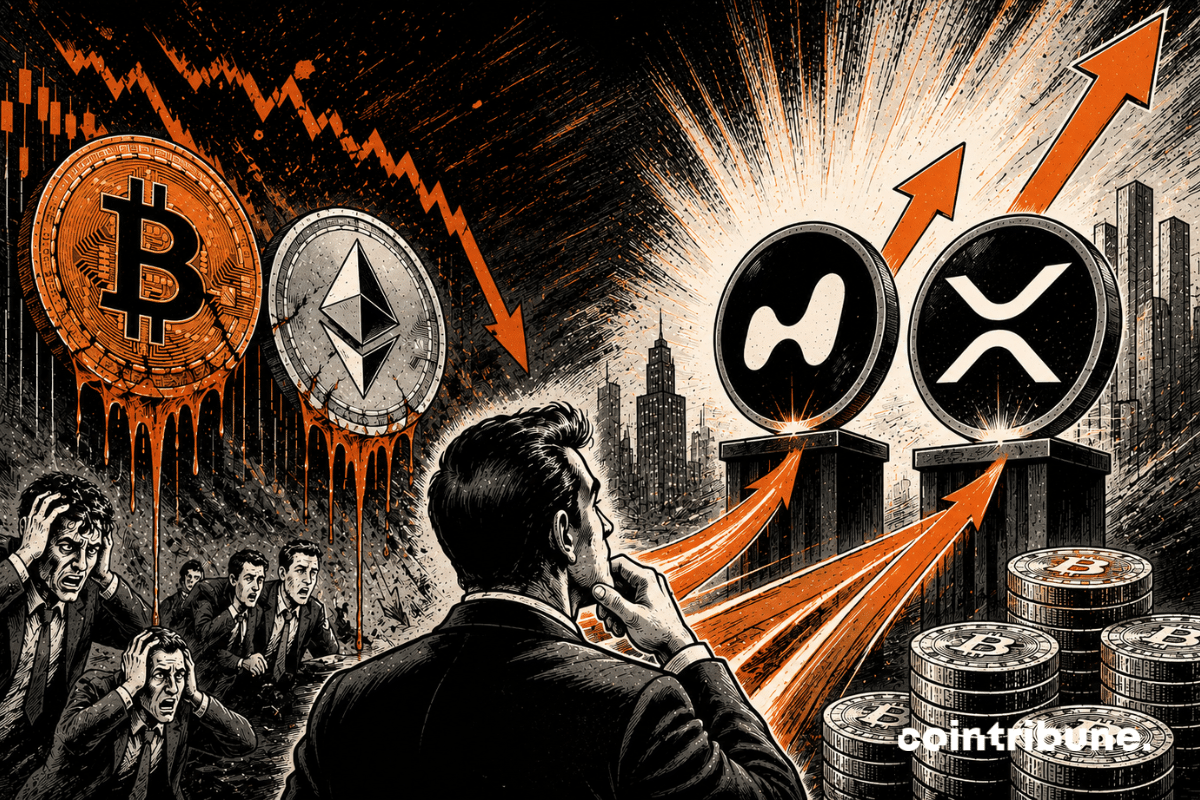
In 2025, institutional money flees Bitcoin and Ethereum to rush towards XRP and Solana, with record ETF flows exceeding one billion dollars. Why this historic turnaround? The data reveal an irreversible trend: investors now bet on crypto assets with concrete utility, not speculation.
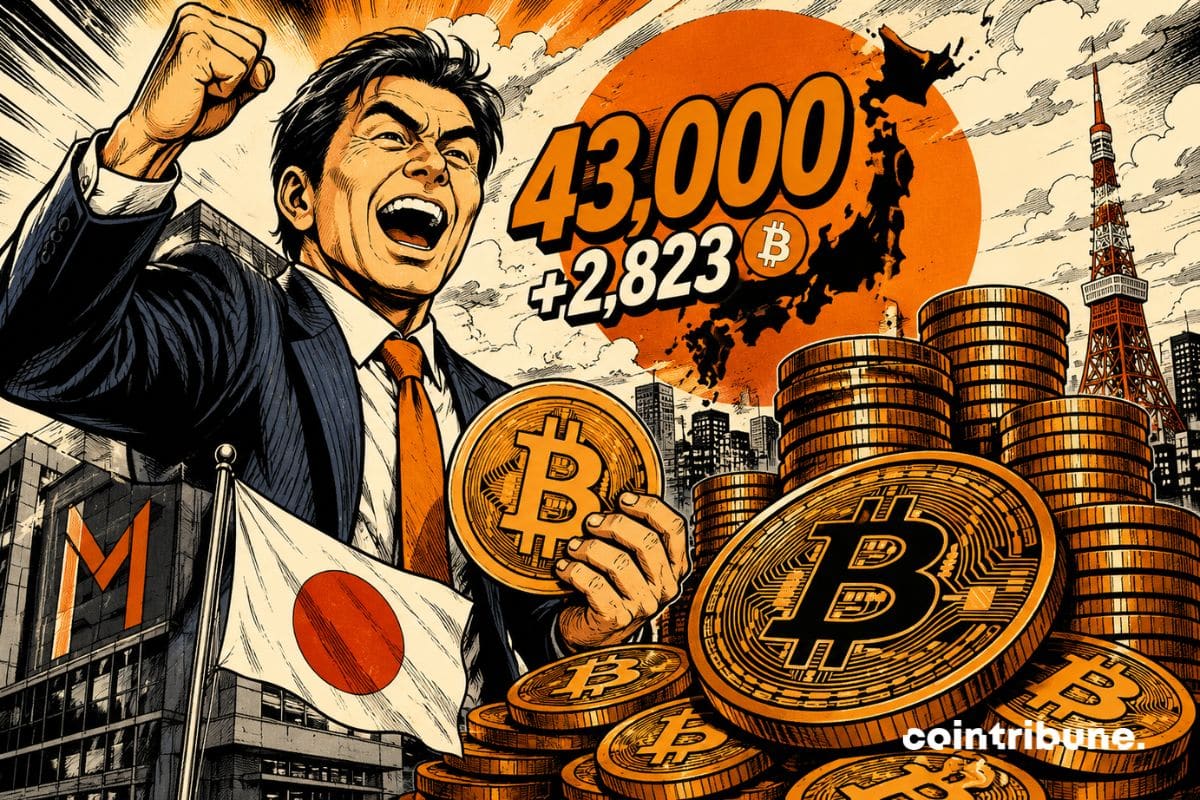
The Bank of Japan tightens the screws, cryptos fall, but Bitcoin, that old trickster, attracts big fish. Social panic, full ETFs: explosive cocktail or flash in the pan?
New Trump splash: two pro-crypto figures take the reins of the CFTC and the FDIC. All the details in this article!
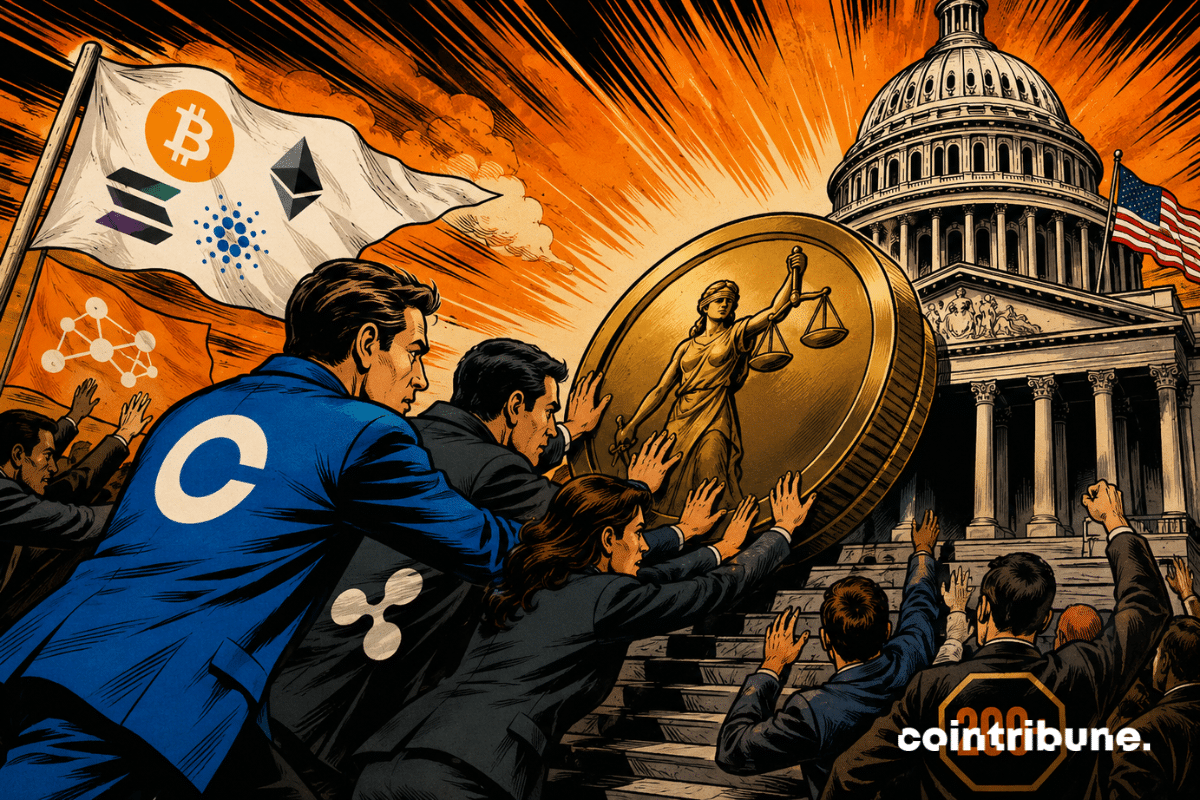
After years of regulatory uncertainty, the United States is about to reach a strategic milestone. The Senate will review the CLARITY Act in January 2026, a structuring bill aimed at clarifying the legal status of cryptocurrencies. The announcement, made by David Sacks, special advisor at the White House, finally places crypto regulation at the heart of the parliamentary debate. For a sector seeking stability, this step could sustainably redefine the rules of the game.
The topic of “bitcoin versus quantum” comes up in waves. This week, it is no longer just a debate among researchers. Part of the ecosystem is pushing to accelerate a concrete update. And another is resisting strongly, considering the alert premature.
Financial products backed by XRP have just crossed the one billion dollar mark in assets under management. For several weeks, inflows have accelerated, driven by renewed institutional interest. In a market dominated by Bitcoin and Ethereum ETFs, the growth of Ripple's asset surprises by its consistency. This movement contrasts with capital outflows observed elsewhere, signaling a discreet but firm repositioning of investors towards an asset long kept in the background.
Despite a crypto market torn between macroeconomic uncertainties and consolidation phases, a strong signal shakes up the trend. Within a single day, spot Bitcoin ETFs recorded 457 million dollars in net inflows, their highest level in over a month. This buying wave, led by giants like Fidelity and BlackRock, reflects an unexpected resurgence of institutional interest and breathes new life into the dynamics of regulated crypto financial products.
MSCI’s plan to remove crypto treasury companies from its indexes could trigger billions in outflows, raising concerns across the sector.
Ethereum has never progressed through spectacular leaps. Its evolution rather resembles a series of fine-tuning adjustments, sometimes invisible to the general public, but crucial in the long term. And January could mark a new stage of this patient strategy. Protocol developers are indeed considering increasing the gas limit per block to 80 million, compared to 60 million today.
In an official communication, Binance warned its users and project holders against fraudulent agents claiming to facilitate token listing on Binance, often in exchange for payments. To accompany this message, the exchange announced a reward of up to 5 million dollars for any credible information identifying these practices.
Brazil did not wait for crypto to fall in line. It simply decided to open the official path for it. With the arrival of the Solana (VSOL) product on the B3, the country’s main stock exchange, the Brazilian market takes a step forward, that of assumed regulated crypto. And for Valour, the DeFi Technologies subsidiary, this is much more than a simple launch. It is a signal addressed to an entire continent.
Exclusive analysis: Tom Lee bets on a bullish Bitcoin until 2026. In this article, discover his arguments.
Donald Trump promises a historic shift to the Fed with drastically reduced interest rates. A revolution that could propel Bitcoin to new heights. Between speculation and opportunities, the crypto market holds its breath. Is BTC ready to become the big winner of this monetary transformation?
Hyperliquid submits a rare decision to its validators: to recognize as excluded from the supply the 37 million HYPE accumulated in its assistance fund, an address without a private key funded by trading fees. This governance vote, without on-chain action, could remove nearly one billion dollars from the circulating metrics. In a context where readability of economic data becomes central, the protocol plays a strategic card to clarify its tokenomics and strengthen its credibility.
For the first time in six weeks, institutional bitcoin purchases surpassed the supply coming from mining. This subtle reversal, revealed by CryptoQuant data, occurs in a market undergoing consolidation, marked by a retreat of retail investors.
Solana is not collapsing but shows a clear cooling in the crypto market. SOL lost 52% between September 18 and November 21, in a context where altcoins have dropped. The key point is not just the price drop towards a possible 80 dollar scenario, it is the simultaneous decline of on-chain indicators, which suggests a real decrease in usage and engagement on the network.
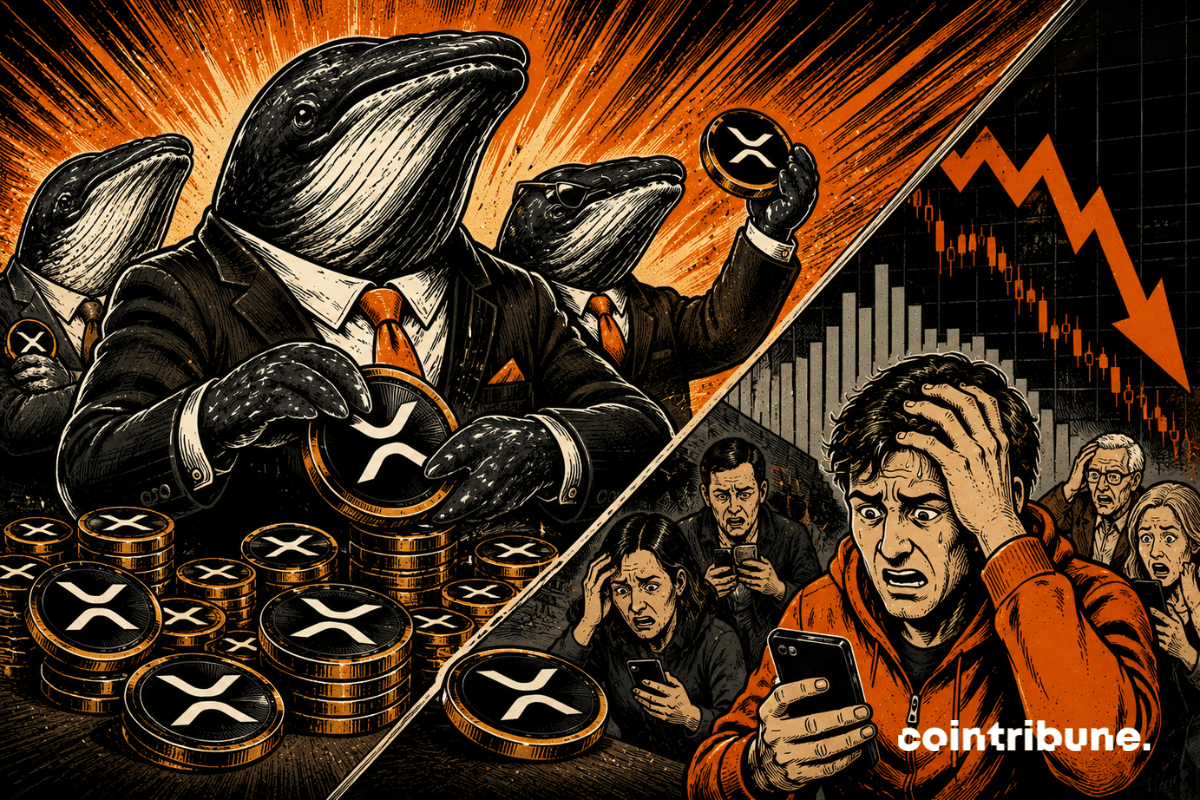
Cryptos falter, whales buy quietly, and small holders watch their tokens melt away like snow in the sun... Suspense guaranteed until summer 2026?
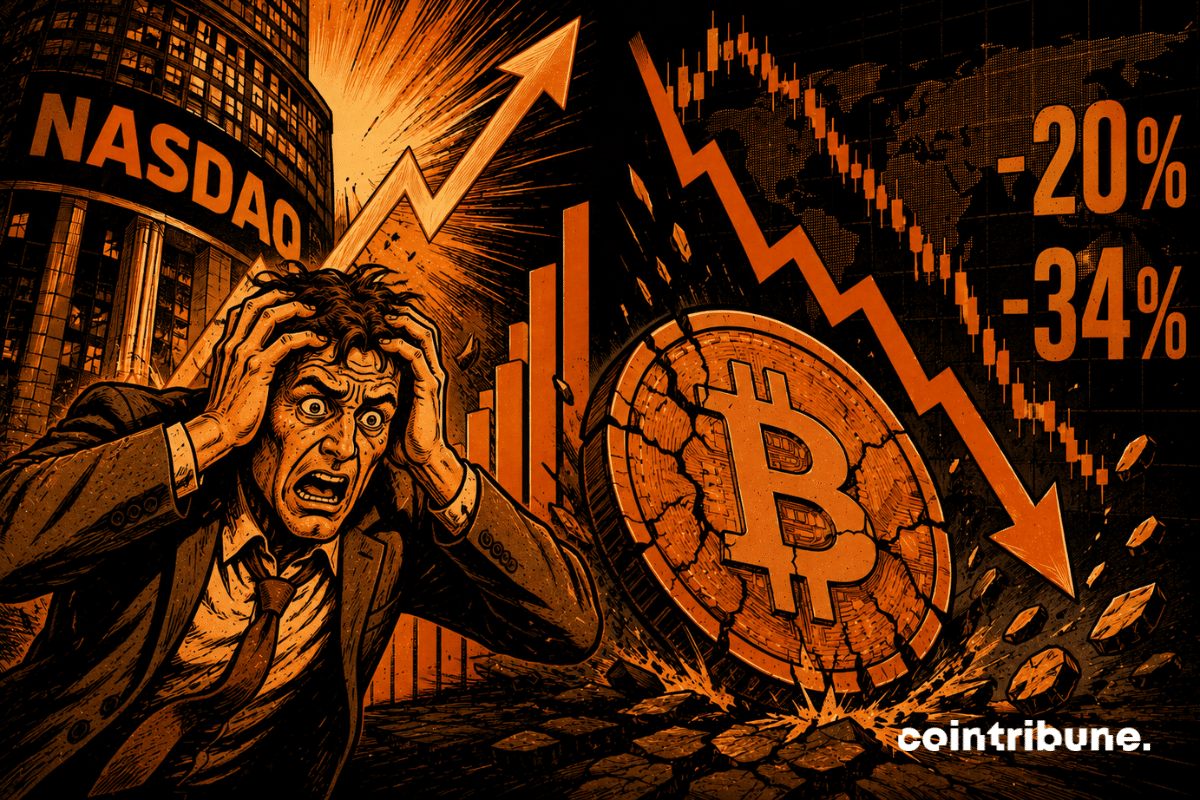
Kindly MD thought it could reinvent itself with bitcoin. Listed on the Nasdaq, the company refocused its strategy around the flagship asset after its merger with Nakamoto Holdings. However, the initial euphoria gave way to a sharp drop in the price, resulting in a formal warning from the American stock exchange. Without a rapid recovery, the company now risks delisting.
Amid a falling market, BitMine strikes big: + $140 million in Ethereum added to its crypto treasury, defying the downward trend. A risky strategy or a visionary bet? Dive into the analysis of this bold move that could redefine ETH's future and inspire institutional investors.
The quantum threat looms over Bitcoin. Charles Edwards, founder of the Capriole fund, issues a clear warning: without adequate protection by 2028, the king of cryptos could collapse. A prediction that resonates as the market is already experiencing turbulence.
The US Senate Banking Committee has just postponed crucial hearings on crypto market regulation to 2026. This decision comes as the industry was eagerly awaiting clear rules to emerge from legal uncertainty. Why this new delay, and what are the consequences for the sector?
In 2024, memecoins stopped being just digital jokes to become tools for political mobilization. Driven by the US elections and the influence of divisive figures, these tokens captured the attention of markets and crystallized electoral narratives on the blockchain. Their meteoric rise redefined the codes of crypto speculation. However, this bubble fueled by emotion and virality did not hold. A few months later, the market collapsed, revealing the fragility of this dynamic.