
Thu 05 Feb 2026 ▪
5 min read
▪
by
Washington on loop mode: crypto lobbies offer keys to local banks, but the Senate still hesitates. Towards an unlikely alliance to save the law? To be continued...
Washington on loop mode: crypto lobbies offer keys to local banks, but the Senate still hesitates. Towards an unlikely alliance to save the law? To be continued...

The Kraken exchange platform has just unveiled DeFi Earn, a feature that promises to democratize access to decentralized finance rewards. Launched on January 26, 2026, this innovation allows users to generate up to 8% variable APY on their euros, dollars, and USDC, without having to master the technical subtleties usually associated with DeFi.

Bitcoin’s price remains under strain as selling pressure continues to weigh on the market. The OG coin fell to an intraday low of $72,945 in the previous session as market pullback continues across risk assets. While retail traders have largely maintained bullish positions, institutional investors have begun to retreat. Current data points to a growing divide between these two groups, raising questions about where Bitcoin may head next.

BBVA joins a banking consortium to launch a euro stablecoin against dollar stablecoins. All the details in this article!
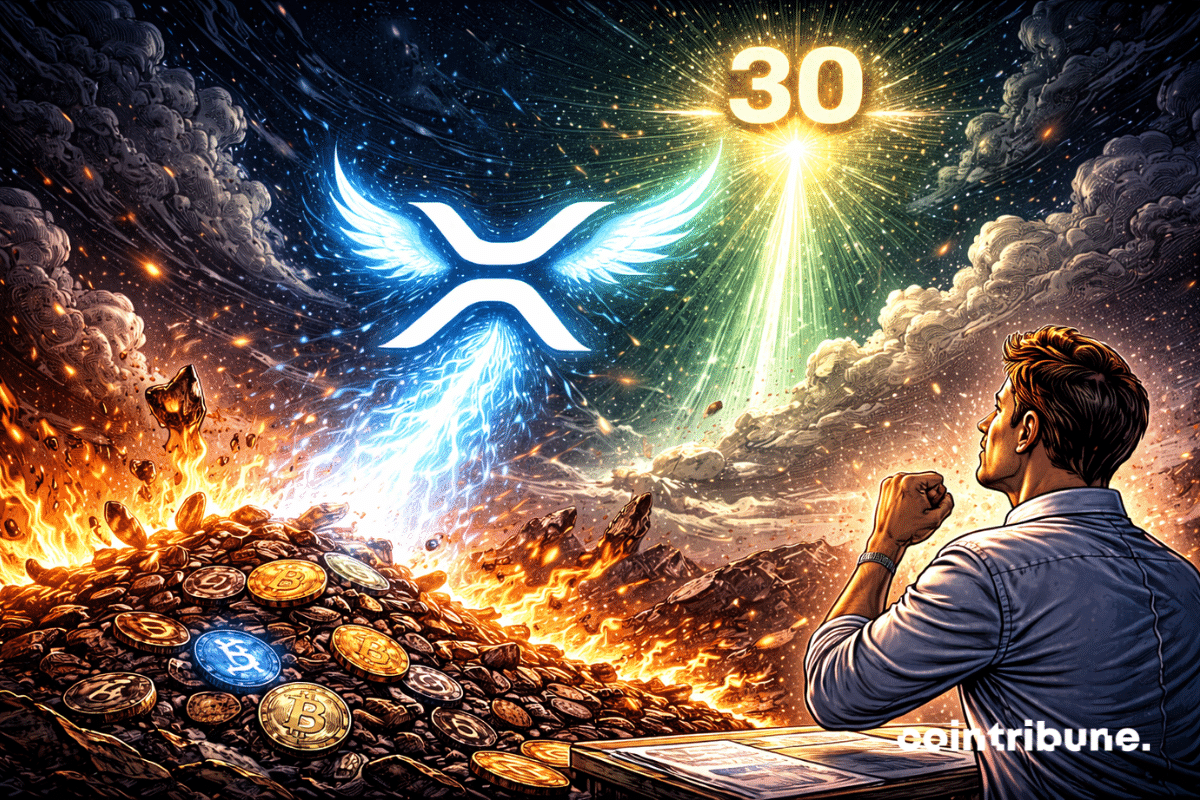
While the crypto market remains without a clear direction, XRP attracts attention. According to analyst XForceGlobal, the token has entered a "washout zone," an intense correction phase potentially preceding a major reversal. Relying on Elliott wave theory, he suggests a scenario where the current drop precedes a surge up to 30 dollars. As selling pressure intensifies and technical signals blur, this interpretation divides opinion.
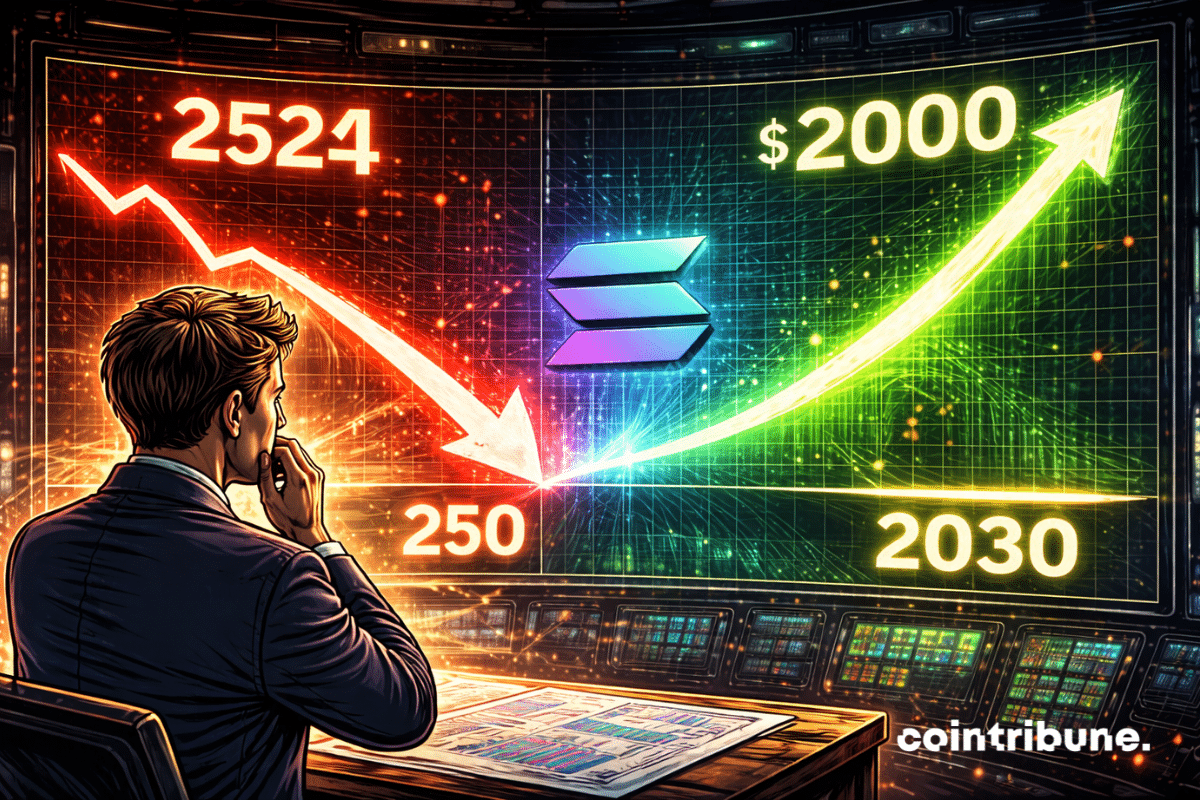
The crypto market has just received a strong signal from traditional finance. By sharply revising its forecasts for Solana, the Standard Chartered bank caused a shock in the ecosystem. While SOL remains one of the most watched assets by institutional investors, the lowering of the target for 2026 contrasts with a spectacular long-term projection. This decision reveals a much more nuanced reading of the future of blockchain than simple price movements suggest.

While bitcoin showed its worst performance since 2022, a massive capital movement was preparing in the shadows. Stablecoin volumes reached 10 trillion dollars in January, nearly a third of the annual activity of 2024 concentrated in just 30 days.
Tether claims a valuation of 500 billion dollars, but investors remain skeptical. Between reduced fundraising, announced profits, and regulatory challenges, the company divides opinion. Dive behind the scenes of a stablecoin that defies the market and questions the future of crypto.
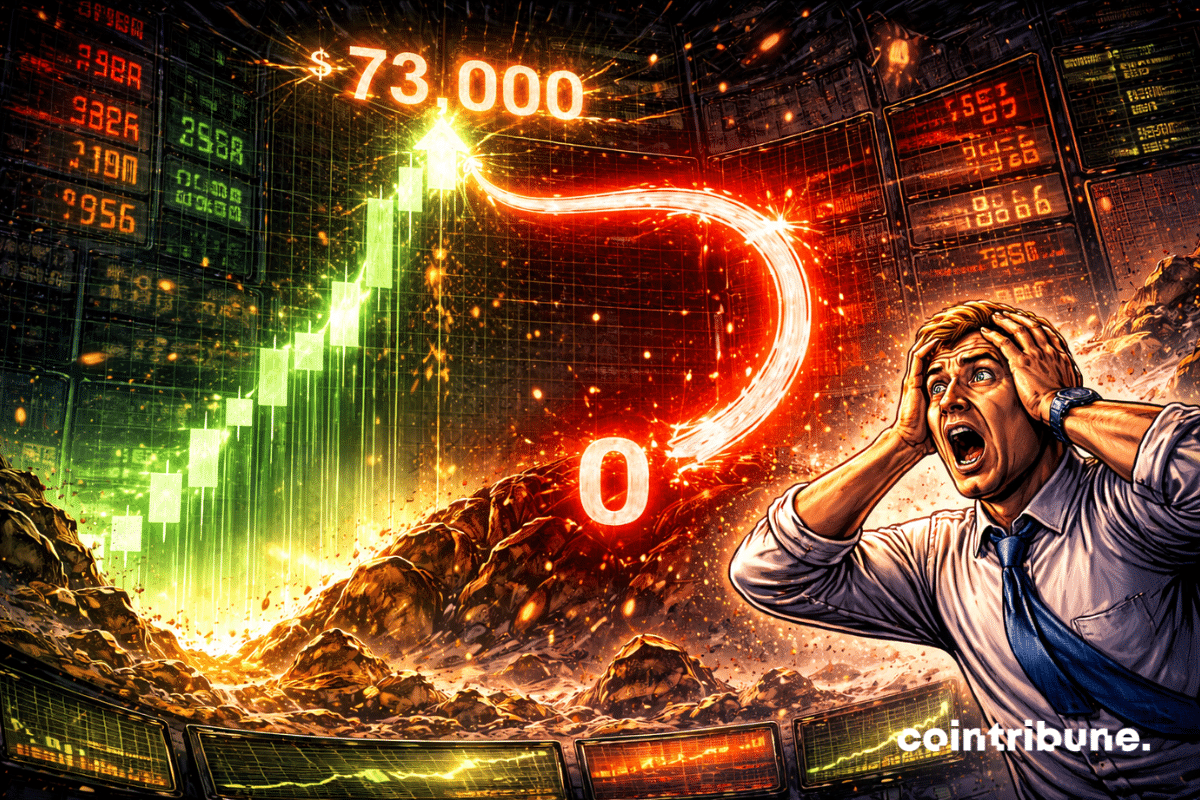
It fell back below $74,000 on February 2, Bitcoin suddenly erases gains recorded since Trump’s 2024 election. This sharp decline occurs in a climate of widespread distrust towards risky assets, as selling pressure intensifies. After a peak close to $126,000 reached at the end of 2025, the market now questions the strength of the bullish cycle and leaves doubt over the continuation of the movement.

Bitcoin exchange-traded funds finally stopped the bleeding on Monday with $562 million in fresh inflows, after four consecutive days of massive outflows. But will this breath of fresh air be enough to reverse the trend in a crypto market still under pressure?

Solana (SOL) flirts again with the critical threshold of 100 dollars, its lowest in 10 months. For some analysts, this level marks a possible floor, signaling a rebound of +150%. For others, it is just a stage in a still fragile trend. Between hopes for a recovery and technical doubts, the market hesitates. Are the current signals really enough to reverse the momentum?

While volatility establishes itself as a new norm, the recent drop in bitcoin goes beyond a simple technical correction. It reflects a brutal disengagement of institutional capital and a questioning of crypto market dynamics. Between ETF panic and rarely observed undervaluation signals, the crypto leader finds itself at a critical crossroads.
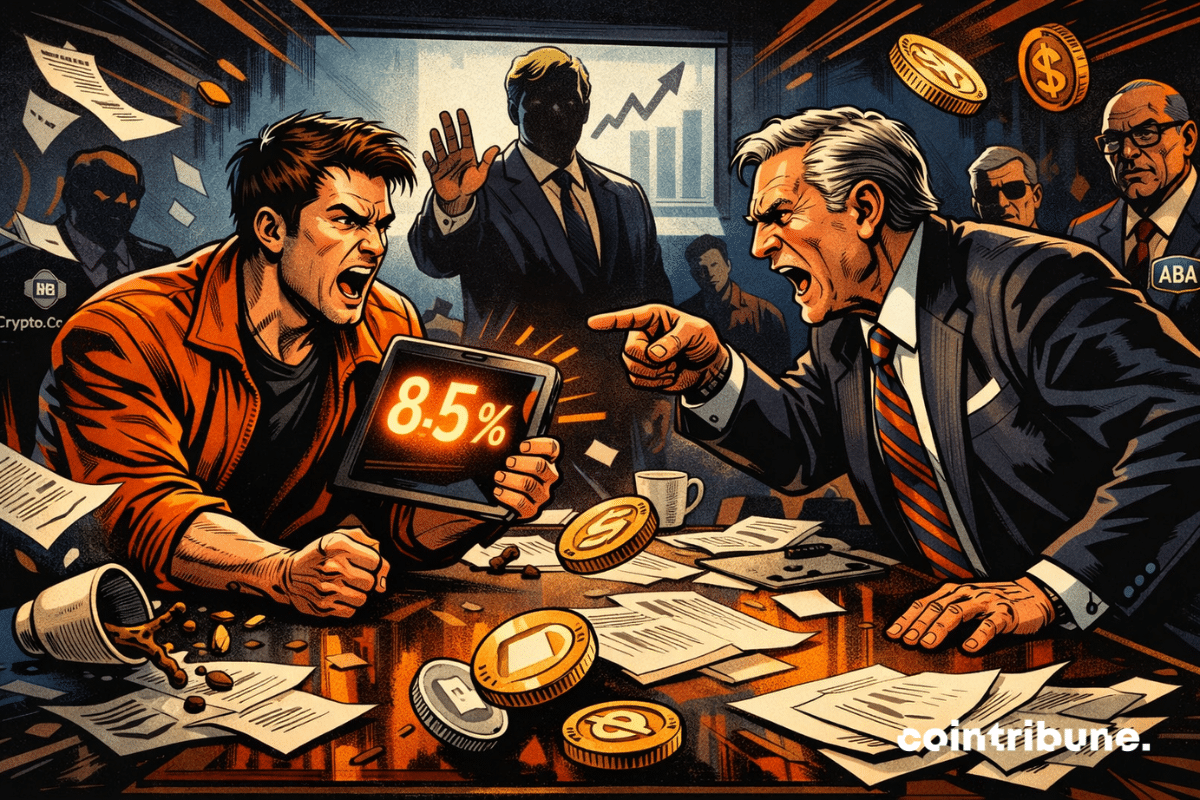
White House: Donald Trump pushes for a deal on stablecoins. Coinbase and banks are tearing each other apart over rewards.
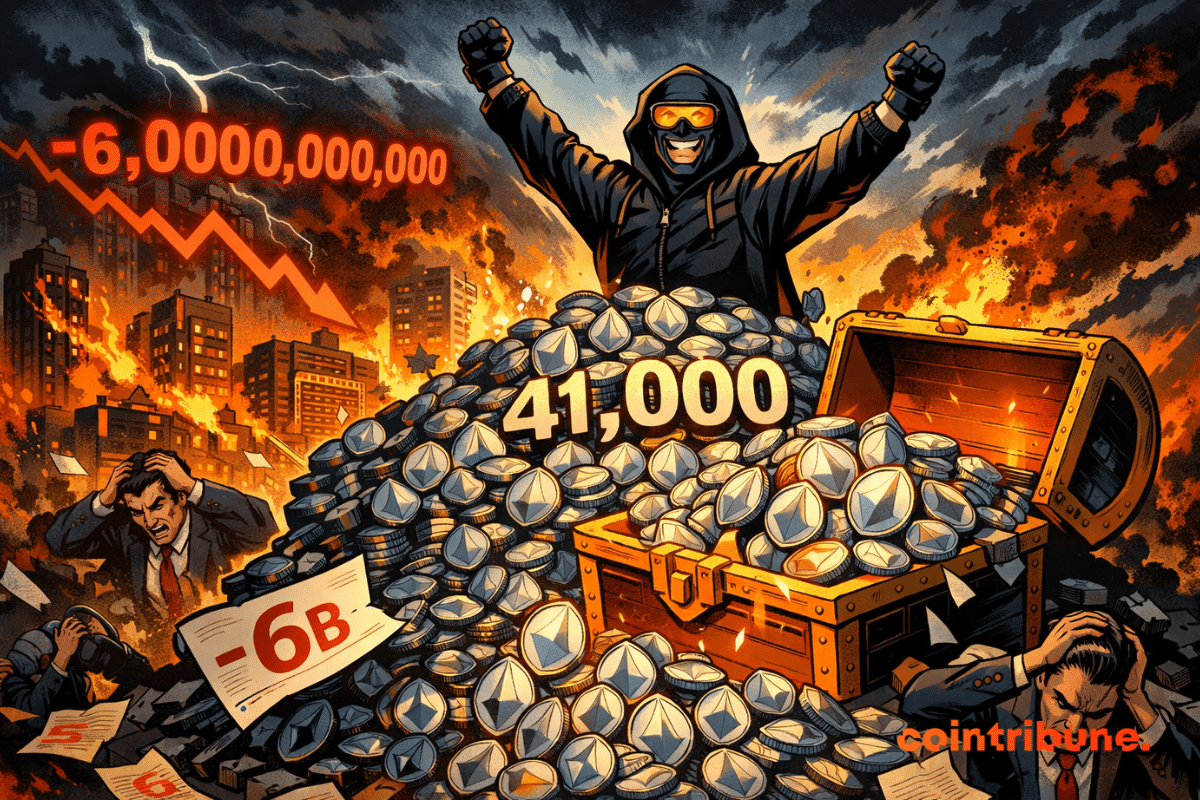
In crypto, there are two ways to get noticed: announce a cautious strategy (nobody listens) or buy when it stings. This week, BitMine Immersion Technologies chose the second option: a big block of ether is added to the vault, while the "on paper" losses grow.

While bitcoin briefly fell below $75,000, Michael Saylor did not hesitate to strengthen his positions. The Executive Chairman of Strategy invested $75.3 million to acquire an additional 855 BTC. A strategic choice, made official via the SEC, that fits into an uninterrupted accumulation policy since 2020. In a tense market, this move confirms the long-term vision of a key player on the crypto scene.

Five New York prosecutors denounce a major legal gap in the US regulation of stablecoins. According to them, the GENIUS law protects issuers more than fraud victims. Tether and Circle find themselves at the center of explosive accusations.
Bitcoin sharply dropped this weekend, and the clearest signal does not come from the spot market. It comes from derivatives. The drop of over 10% between a peak at $84,177 and a low at $75,947 opened a rare gap on CME futures contracts, with a price difference exceeding 8% at reopening. It's the fourth largest gap since the launch of Bitcoin futures in 2017.

Bitcoin extends its losing streak to four months as the market struggles, but analysts remain cautiously hopeful for a rebound in February.

The IBIT ETF records historic losses after Bitcoin's drop. We provide all the details in this article.

The Bitcoin network is faltering in the face of the American winter. In January, an extreme cold wave paralyzed part of the territory of the United States, causing a sharp slowdown in mining activity. As the United States now concentrates a large share of the global hashrate, this episode highlights the sector's dependence on local energy infrastructures. The sudden drop in production raises questions about the network's real ability to withstand climate shocks and the limits of a model nonetheless considered resilient.

Bitcoin is faltering, and warning signals are multiplying. As hopes for a recovery fade, the market seems to be returning to the bearish patterns of previous cycles. Key technical thresholds have broken, reviving projections of a return below $50,000. This scenario, long considered extreme, is gaining ground among analysts and seasoned traders. The prospect of a prolonged bearish phase is no longer a mere hypothesis but is becoming a concrete risk for investors still exposed.
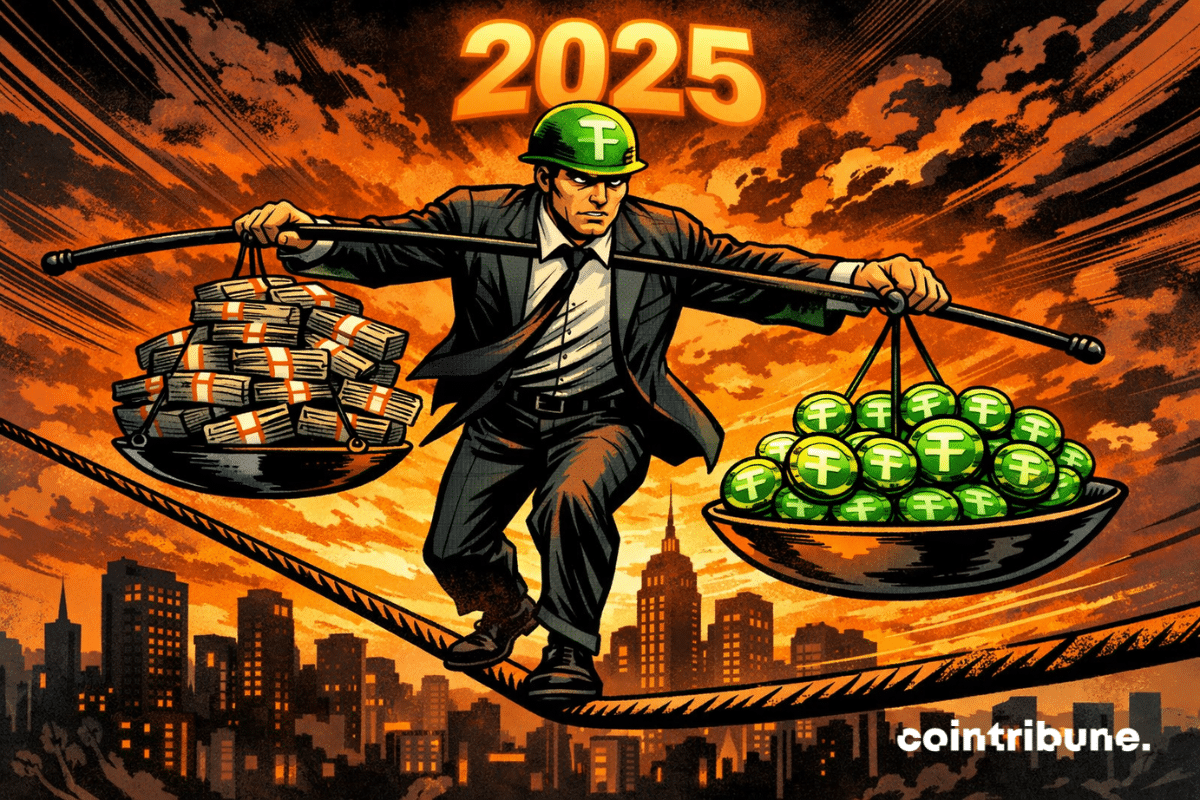
Tether, the world’s apex stablecoin issuer, reported a sharp decline in profit in 2025 while continuing to expand its holdings of U.S. government debt. New financial data shows a clear shift toward capital preservation and liquidity as global demand for stablecoins rises. Despite weaker earnings, asset growth remained strong throughout the year. The results confirm Tether’s continued importance to global crypto market activity.

Investors are turning away from Bitcoin, driving strong demand for gold and silver. JPMorgan highlights potential gold prices of $8,500 as metals attract new inflows.
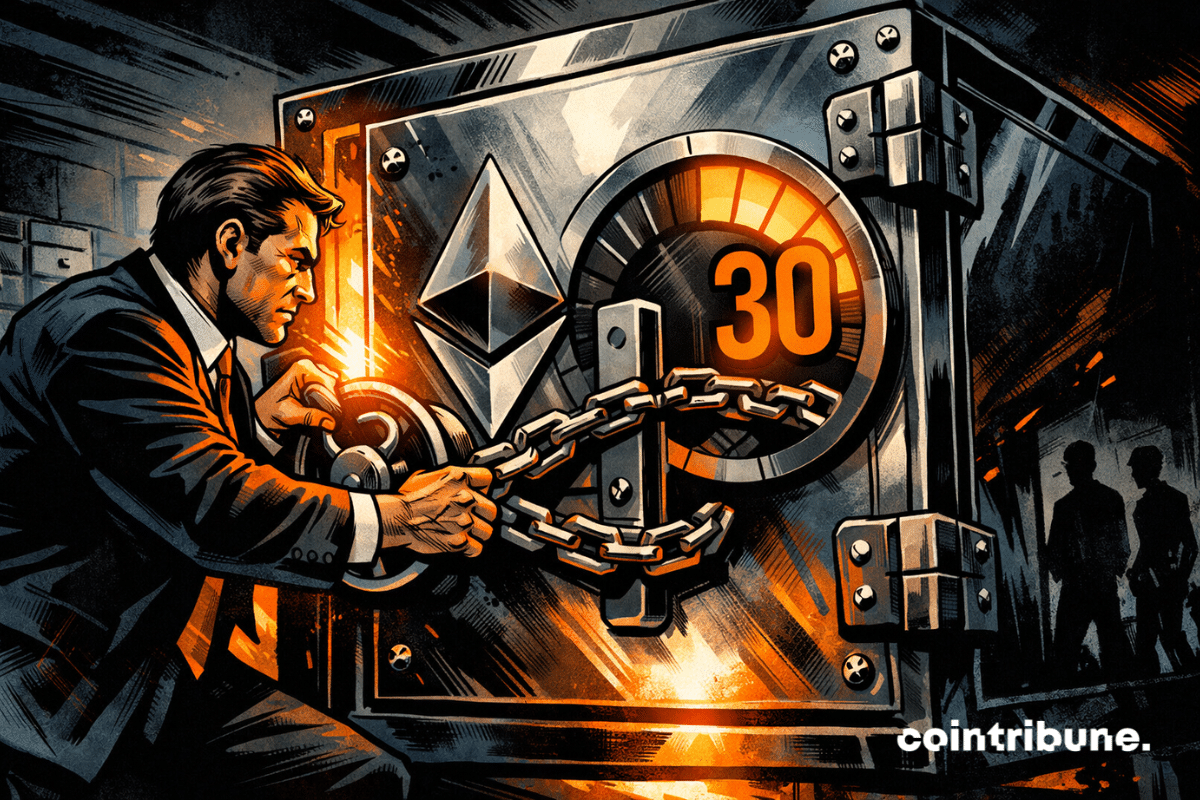
A silent revolution is underway on Ethereum. The network has reached a major milestone with 36.6 million ETH staked, representing 30% of the total supply. Giants like Bitmine and BlackRock are accumulating and locking their positions, radically transforming the crypto market structure.

For the first time, the United States targets crypto platforms linked to Iran, triggering a shockwave in the markets and a geopolitical escalation. Bitcoin free fall, Middle East tensions, and tightened regulation: what are the risks for investors and global stability?

The Bitcoin network is going through a turbulent period. Its computing power, the hashrate, records a sharp drop, the most significant in several years. This major technical decline draws the attention of mining specialists and analysts, at a time when the crypto ecosystem is already under increasing pressure. Between market volatility and declining mining profitability, warning signals are accumulating, revealing a tense start to the year for sector players. This performance drop raises questions about the operational resilience of the network.

BitMine Immersion Technologies falters under the weight of an unprecedented collapse: more than 6 billion dollars of latent losses on its Ether treasury. This rout, amid massive selling and prolonged crypto market decline, raises questions about the strength of institutional strategies. Between excessive concentration, illiquidity, and heightened volatility, this situation exposes the limits of the system facing extreme volumes. The shock is technical, but the consequences could be systemic.

Within twenty-four hours, ETFs backed by XRP collected 16.79 million dollars, partially erasing a massive withdrawal that occurred a few days earlier. This sudden reversal illustrates the volatility of institutional flows in crypto, but also XRP's ability to trigger a renewed strategic interest. At the crossroads of traditional finance and cryptos, this movement marks an unexpected turning point in investors' perception of this long-controversial asset.

A Fidelity token arrives on Ethereum and threatens $500 billion in bank deposits. We provide all the details in this article.

The American exchange Kraken has officially added Hyperliquid's HYPE token to its spot trading offering. The HYPE/USD and HYPE/EUR pairs have been available since January 28, 2026, at 15:00 UTC, according to the announcement published on the platform's official X account. This listing comes as the token shows a spectacular increase of more than 50% over one week, driven by the explosion in trading volumes on the protocol's commodity markets.