Crash or simple pause? Bitcoin drops while gold rises. The refuge asset duel intensifies. Details here!
Jerome Powell, chairman of the Federal Reserve, is the subject of a criminal investigation. The information, confirmed on Sunday, comes amid strong political tensions in the United States. It raises questions about the central bank's independence from the executive branch. Beyond Wall Street, this case also resonates in the crypto market. In a climate of institutional distrust, bitcoin regains its place at the heart of the debate as a non-sovereign asset.

In January 2026, Ethereum shows social sentiment at its lowest, strangely reminiscent of the period preceding its historic 2025 rally. With 59% of traders betting on surpassing $4,250 and experts mentioning a potential of $10,000, the question arises: does this decline herald an imminent explosion?
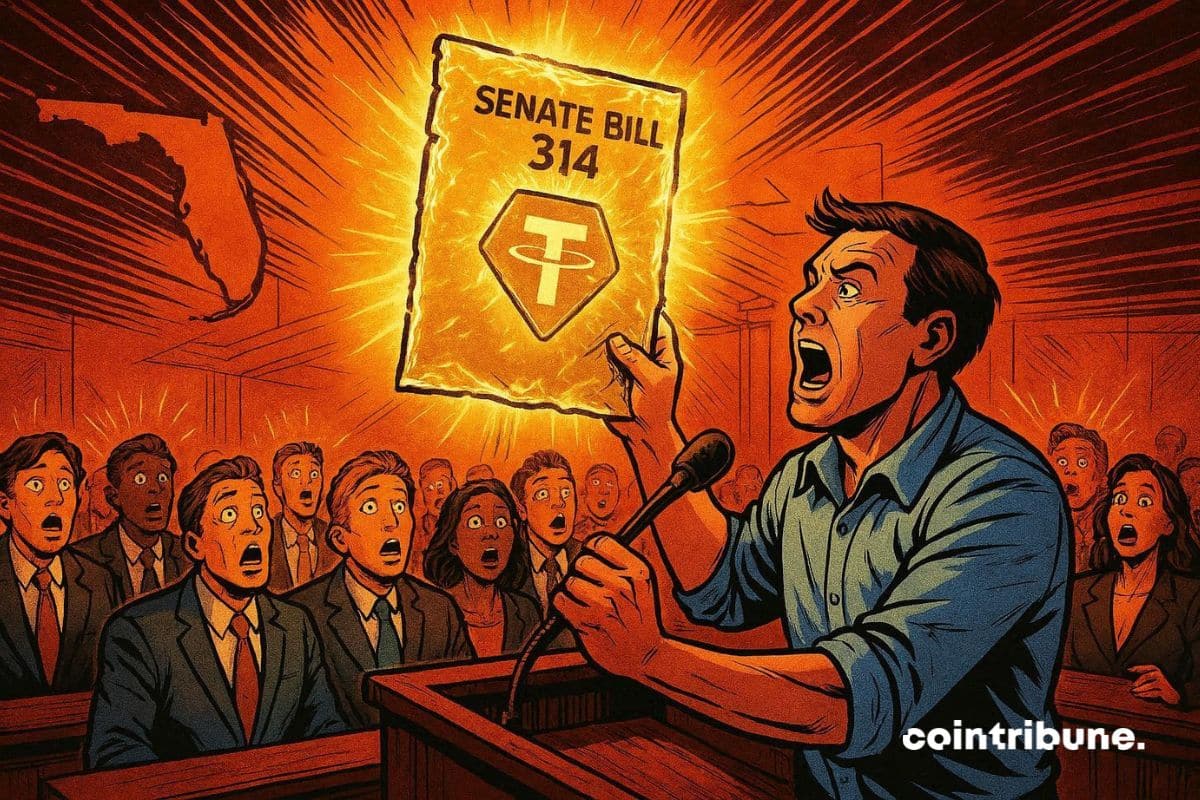
Stablecoins have long been the discreet plumbing of crypto. Nobody applauds them, but without them, part of the market seizes up. Today, they are coming out of the shadows for a very concrete reason: savings and bank deposits. In the United States, local bank leaders are pressing the Senate to tighten certain points of legislation on stablecoins. Their fear: seeing part of the deposits migrate to dollar tokens, attracted by “rewards” that increasingly look like a yield. On the other side, JPMorgan refuses to give in to alarmism. The bank sees it rather as a new brick in a monetary system already composed of several layers. And this reading gap says a lot about the battle underway: financial stability, competition, or a simple war of models?
UK MPs are calling for a ban on cryptocurrency donations, citing risks to election transparency, foreign influence, and weak oversight.
Shiba Inu SHIB sees rising exchange reserves as holders prepare to sell, keeping the token’s price under cautious watch.
A new advertising campaign tied to crypto policy has stirred debate in Washington as lawmakers prepare to review a major market structure bill. Ads airing on Fox News urge viewers to pressure senators to support legislation that excludes decentralized finance provisions. The timing of the campaign coincides with key Senate activity on crypto regulation.
While all eyes remain fixed on bitcoin in dollars, a discreet indicator could well announce a major shift: the ETH/BTC ratio. According to Michaël van de Poppe, this ratio reached a low in April 2025, in a chart configuration reminiscent of 2019. If history were to repeat itself, Ethereum could begin a strong comeback against bitcoin, without the majority of investors yet realizing this latent change.
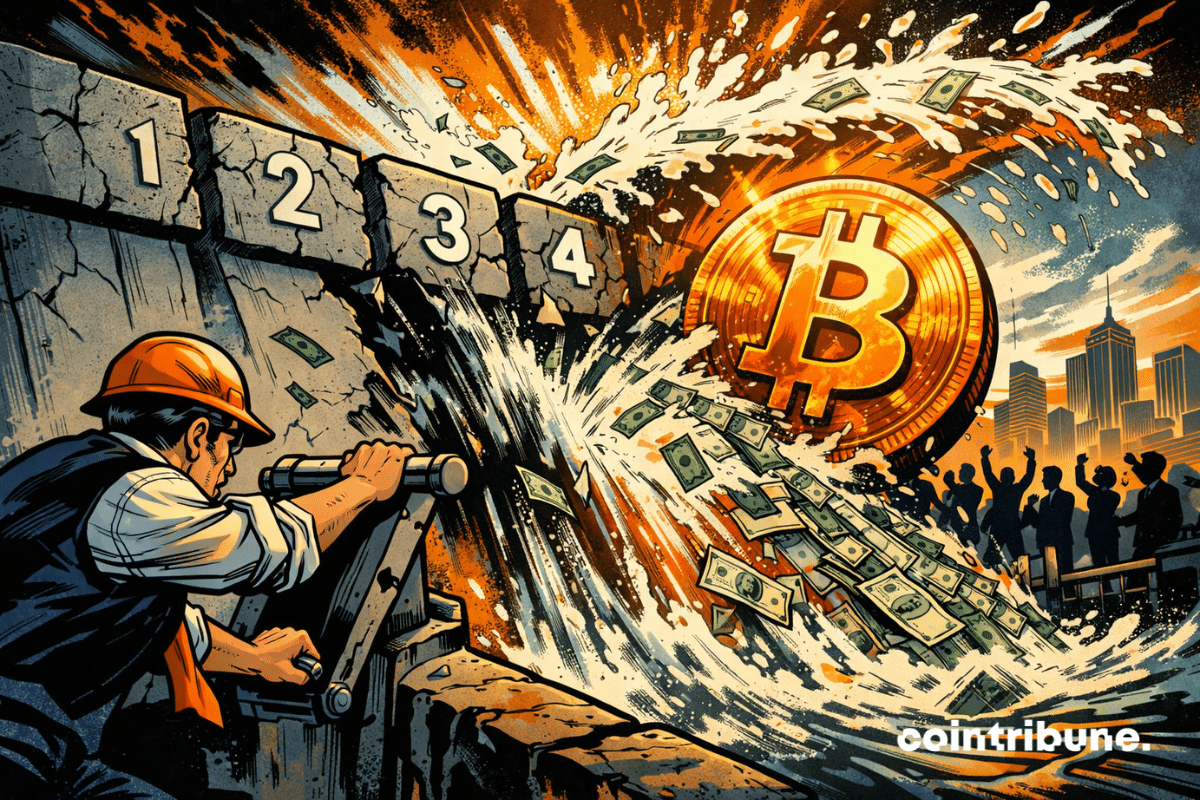
Bitcoin faces a decisive zone. As the post-halving euphoria fades, the spotlight turns to a key level: $65,000. Much more than a former peak, this threshold becomes a cycle indicator, at the intersection of technical tensions and long-term projections. Jurrien Timmer, macroeconomic director at Fidelity, revives the debate by highlighting, via the power law model, that a drop below this level could trigger a prolonged compression phase.
Zcash collapses, Monero skyrockets! An unprecedented battle shakes the crypto market between two giants of privacy coins.
X, Elon Musk’s social network, is accused by Ki Young Ju (CryptoQuant) of censoring legitimate crypto content while failing to control bots. A revelation that raises questions about the future of decentralized exchanges and the credibility of social platforms. Why is crypto the target?
Memecoins live at a strange pace. Everything goes very fast, then nothing. On Solana, Pump.fun has been one of the main accelerators of this dynamic. But when a platform grows, every setting becomes political. Even a simple fee.
Chainlink remains stuck in a micro-range, between $12 and $16, leaving traders waiting for a strong signal. As the crypto market hesitates, opportunities hide in the technical details. Should we anticipate a breakout or a rebound?
The American crypto law that was supposed to finally "put things in order" today looks like a rocket ready to launch... with a stuck pin. This pin is an ethics clause. And it might be enough to derail the whole rest. In short: Democratic senators demand safeguards against conflicts of interest. Without that, they threaten to withdraw their votes. Ruben Gallego even talks about a "red line".
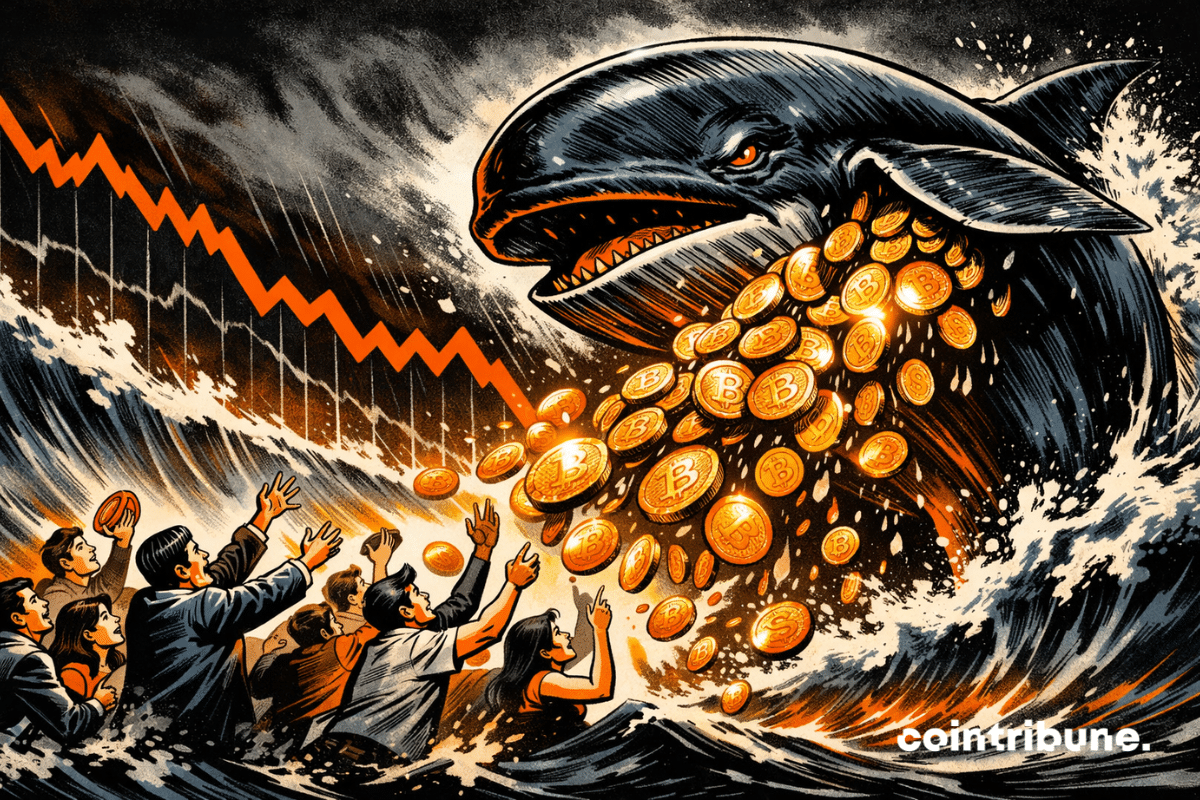
On-chain data reveals a troubling trend: Bitcoin whales have sold 220,000 BTC in one year. A massive leak or anticipation of an imminent crash? Analysis of causes, risks, and opportunities to seize before it's too late.
On January 10, 2009, Hal Finney wrote "Running Bitcoin" on Twitter. Unknown to him, he had just engraved the public launch of the first decentralized digital currency network into modern monetary history. That day, he ran Satoshi Nakamoto's software and became the very first recipient of a BTC transaction. Seventeen years later, yesterday January 10, 2026, this message still echoes as the founding act of a technological and financial revolution.
While small wallets tremble, banks are piling up bitcoin. CZ watches, half amused, half worried: the crypto Wild West is changing sheriffs without warning.
The hope for sustainable institutional adoption through spot Bitcoin ETFs meets a harsh return of volatility. Praised in 2024 as vectors of stability, these products have just recorded over 680 million dollars in net outflows in the first week of 2026. This sudden decline, in a climate of monetary uncertainties and geopolitical tensions, calls into question the solidity of their anchorage in traditional finance and raises doubts about the market's ability to absorb shocks in the long term.
Pump.fun has just made crypto history by exceeding 2 billion dollars in daily volume thanks to Solana memecoins. Between rapid opportunities and legal risks, this explosion raises questions: sustainable revolution or bubble ready to burst?
A crypto user known as “The Smart Ape” lost about $5,000 from a hot wallet during a short hotel stay. No phishing links were opened, and no fake sites were used. Instead, a chain of small missteps created the conditions for a delayed wallet drain. Security researchers say the case shows how everyday actions, both online and offline, can combine into a serious loss.
Bitcoin is nearing 90,000 dollars, but the main action is happening elsewhere. While ETFs suffer massive outflows, institutional investors are beginning a strategic repositioning. This double movement, discreet but structuring, reveals a market in transition, where capital flows no longer respond solely to price logic. Behind the apparent euphoria, a rigorous selection of assets is taking place, a sign of a new maturity in the crypto ecosystem.
Solana is changing its status. Long perceived as a fast alternative to Ethereum, the blockchain now attracts leading institutional investors. This rise comes as the network consolidates its technical fundamentals. The accumulation of SOL by specialized funds fuels a new dynamic, at the crossroads of real uses and financial flows. At the start of this year, Solana no longer just promises: it establishes itself as a structuring player in the ecosystem.
While the US Supreme Court plays the role of economic arbitrator, Bitcoin itself meditates at $90,000, like a tired crypto king waiting for a judge to revive its digital crown.
At the beginning of 2026, memecoins establish themselves as the stars of the crypto market. PEPE, Dogecoin and Shiba Inu record spectacular gains, driven by massive whale accumulations and short position liquidations. This spectacular rebound, marked by a 20% increase in the sector's capitalization in a few days, raises questions: is it a simple technical rebound or the start of a new memecoin season?

Rising global sanctions and increased state involvement drove illicit cryptocurrency activity to record levels in 2025. Data indicates that sanctioned entities were the primary source of these flows, even though illegal use continued to account for only a small portion of total crypto transactions. Analysts describe the shift as a response to mounting geopolitical pressure rather than a breakdown in compliance.
Bitcoin's price has been stuck in a narrow range as capital flow slows, leading to a period of consolidation. Experts predict continued sideways movement until market conditions shift.
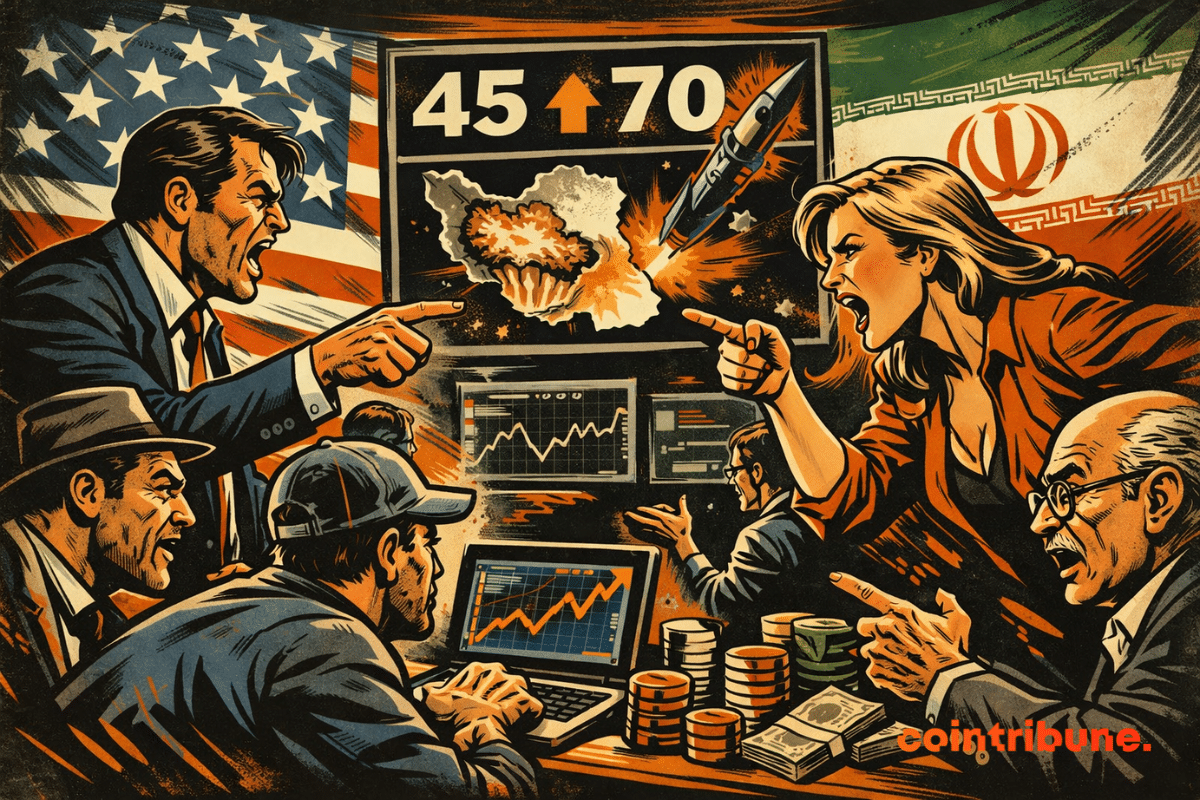
Iran now offers to sell advanced weapons systems to foreign governments in exchange for cryptos. These include ballistic missiles, armed drones, and warships. Iran aims to bypass Western financial controls and maintain its military exports despite sanctions.
In Manosque, France, a woman experienced a true nightmare: kidnapped and assaulted at gunpoint for cryptos. This shocking news story reveals an alarming trend, criminals increasingly targeting holders of digital assets. Why this violence and how to protect yourself? The investigation and answers in this article.
Morgan Stanley has never been the type to chase trends. So when the bank announces a digital asset wallet, designed for crypto but also for tokenized real-world assets (RWA), the signal is clear. Wall Street no longer just wants to “tolerate” the sector, it wants to hold the keys. According to Barron’s, this digital wallet is expected to launch in 2026 and aim, from the start, at a hybrid mix: crypto on one side, real-world assets (stocks, bonds, real estate) on the other.
Bitcoin, born as a decentralized currency, could become a key player in the global economy by 2050. According to a study by VanEck, one of the leading crypto asset managers, the value of bitcoin could reach 2.9 million dollars as it establishes itself as a settlement currency in international trade and as a reserve for central banks. This bold scenario raises questions about the future of traditional currencies and bitcoin's place in the global financial system.