
Wed 11 Feb 2026 ▪
3 min read
▪
by
Ethereum falls below a major psychological threshold. Blockchain indicators show unexpected accumulation. Analysis.
Ethereum falls below a major psychological threshold. Blockchain indicators show unexpected accumulation. Analysis.
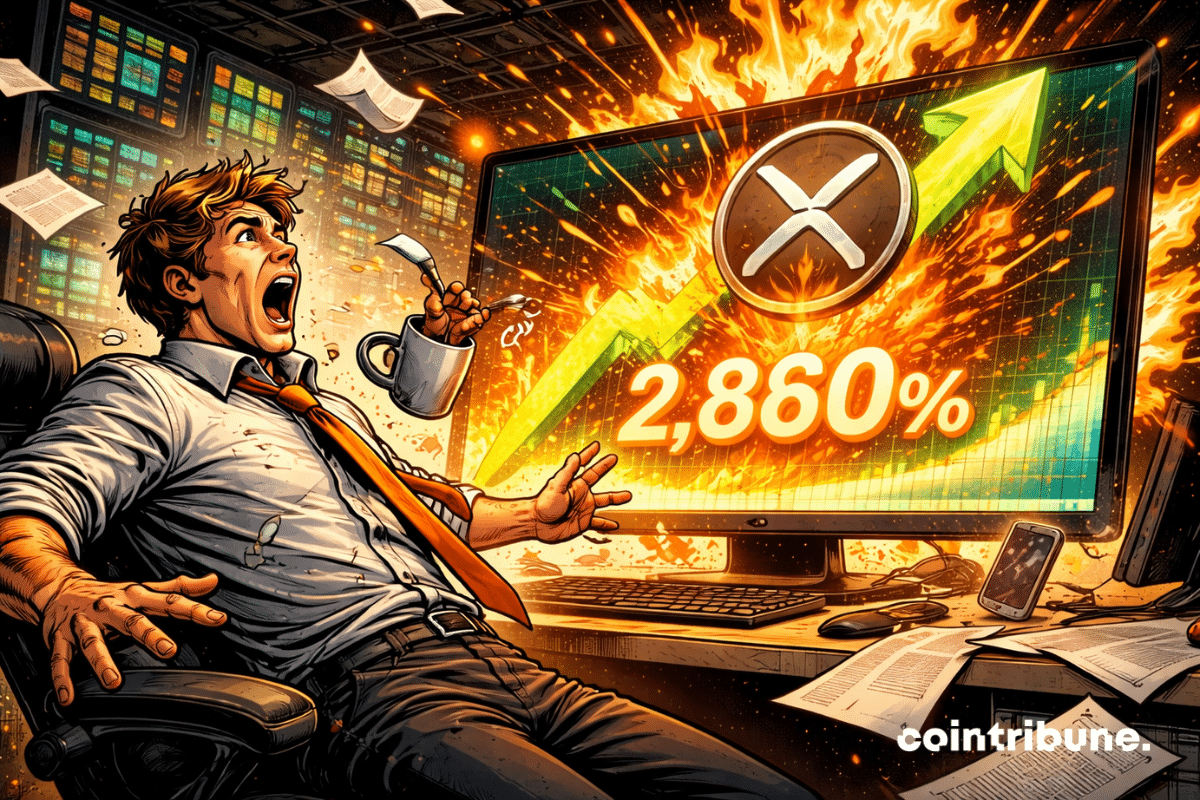
XRP surprised this weekend with a sudden surge of +2,860% on its spot flows in barely eight hours. This historic peak, occurring in a quiet market, reignites speculation about a possible cycle change. While some see it as a simple technical rebound, others detect a precursor signal. In any case, this volatility spike breaks the stupor that had surrounded crypto for several weeks.

The largest holders of Ethereum are changing strategies and accumulating ETH at a frantic pace. After the recent dip below $2,000, could these massive moves signal a historic rebound? Between technical analysis and expert predictions, here’s why the crypto market is holding its breath.
Ethereum has just lost 40% of its value, but Tom Lee sees a rare opportunity in it. Between historical parallels and technological potential, this drop could well mark the beginning of a spectacular rebound. Should you seize the opportunity or stay cautious?

Zcash has entered a prolonged pullback after a strong run late last year. Prices have fallen sharply since November, erasing gains that once made the token a market leader in 2025. At the same time, activity from a key corporate holder has slowed, raising questions about near-term demand. Elsewhere in crypto, other treasury firms continue to buy despite heavy paper losses.

Ether has fallen below $2,000, confirming a marked retracement phase. Indeed, the movement is accompanied by a visible disengagement of holders, an influx toward exchanges, and degraded technical signals. This threshold break tests the market structure and investor resilience.
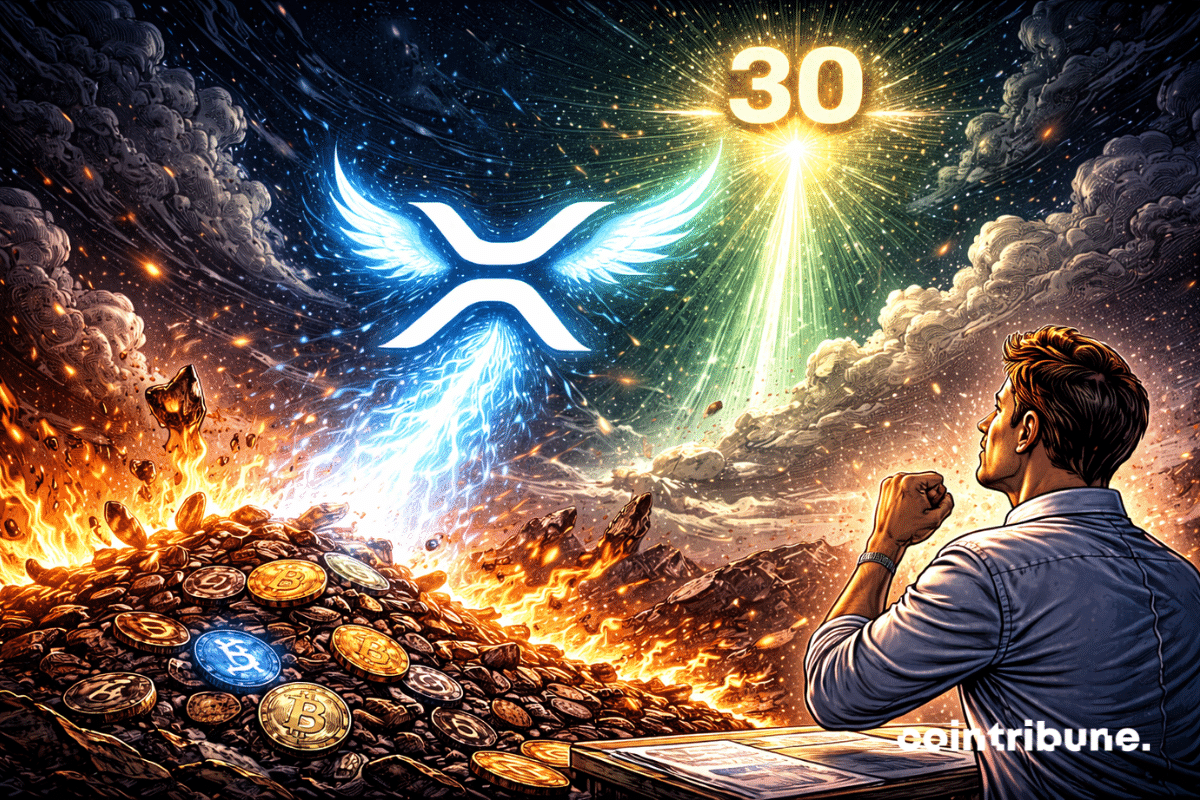
While the crypto market remains without a clear direction, XRP attracts attention. According to analyst XForceGlobal, the token has entered a "washout zone," an intense correction phase potentially preceding a major reversal. Relying on Elliott wave theory, he suggests a scenario where the current drop precedes a surge up to 30 dollars. As selling pressure intensifies and technical signals blur, this interpretation divides opinion.
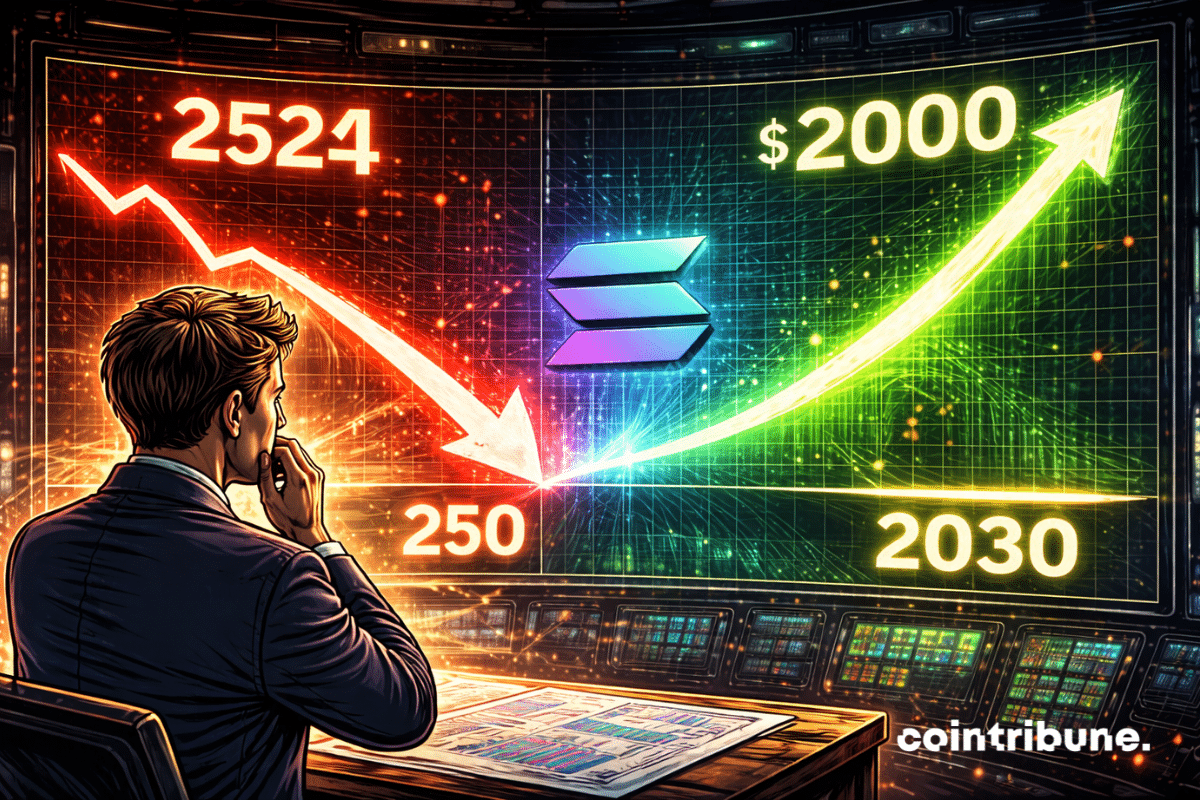
The crypto market has just received a strong signal from traditional finance. By sharply revising its forecasts for Solana, the Standard Chartered bank caused a shock in the ecosystem. While SOL remains one of the most watched assets by institutional investors, the lowering of the target for 2026 contrasts with a spectacular long-term projection. This decision reveals a much more nuanced reading of the future of blockchain than simple price movements suggest.

Solana (SOL) flirts again with the critical threshold of 100 dollars, its lowest in 10 months. For some analysts, this level marks a possible floor, signaling a rebound of +150%. For others, it is just a stage in a still fragile trend. Between hopes for a recovery and technical doubts, the market hesitates. Are the current signals really enough to reverse the momentum?
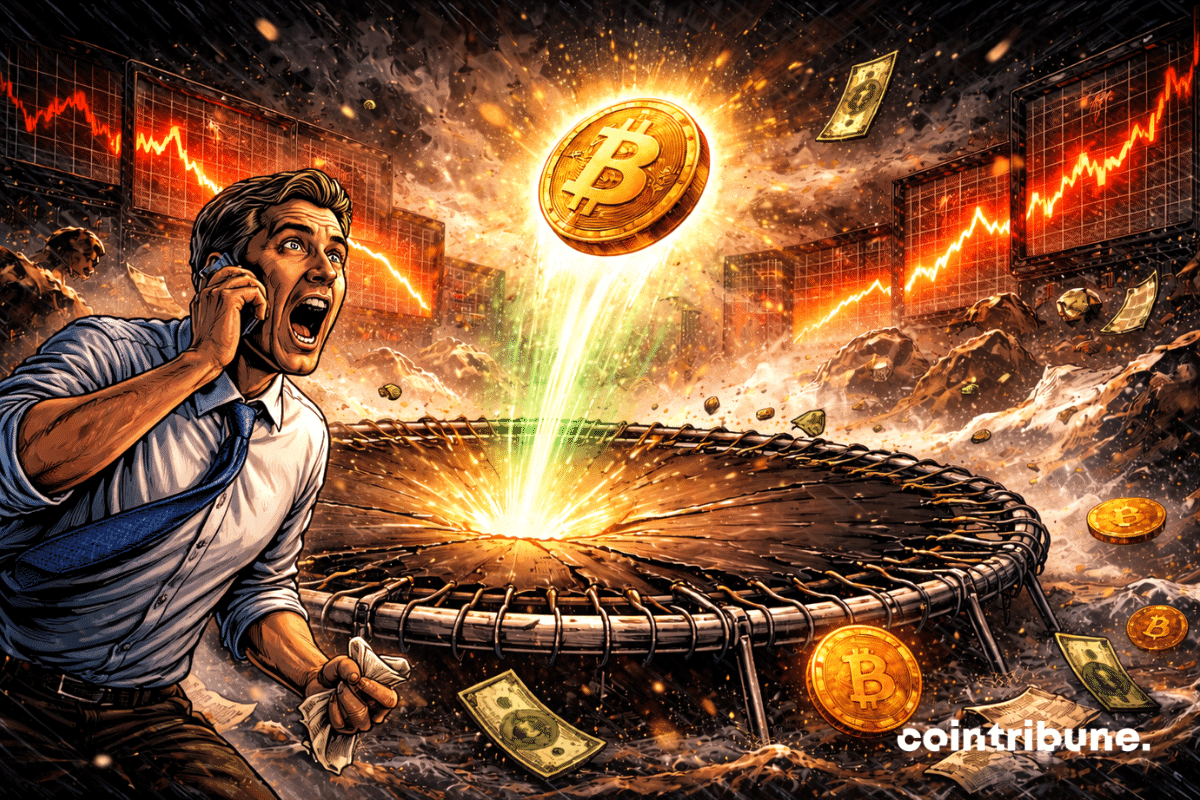
While the market digests a wave of massive liquidations, bitcoin and Ethereum register an unexpected rebound. In a still tense climate, this recovery intrigues as much as it divides. The contrast between extreme volatility and price increase reignites debates about the market's real solidity. After a week marked by instability, signals are blurred and positions are opposed.
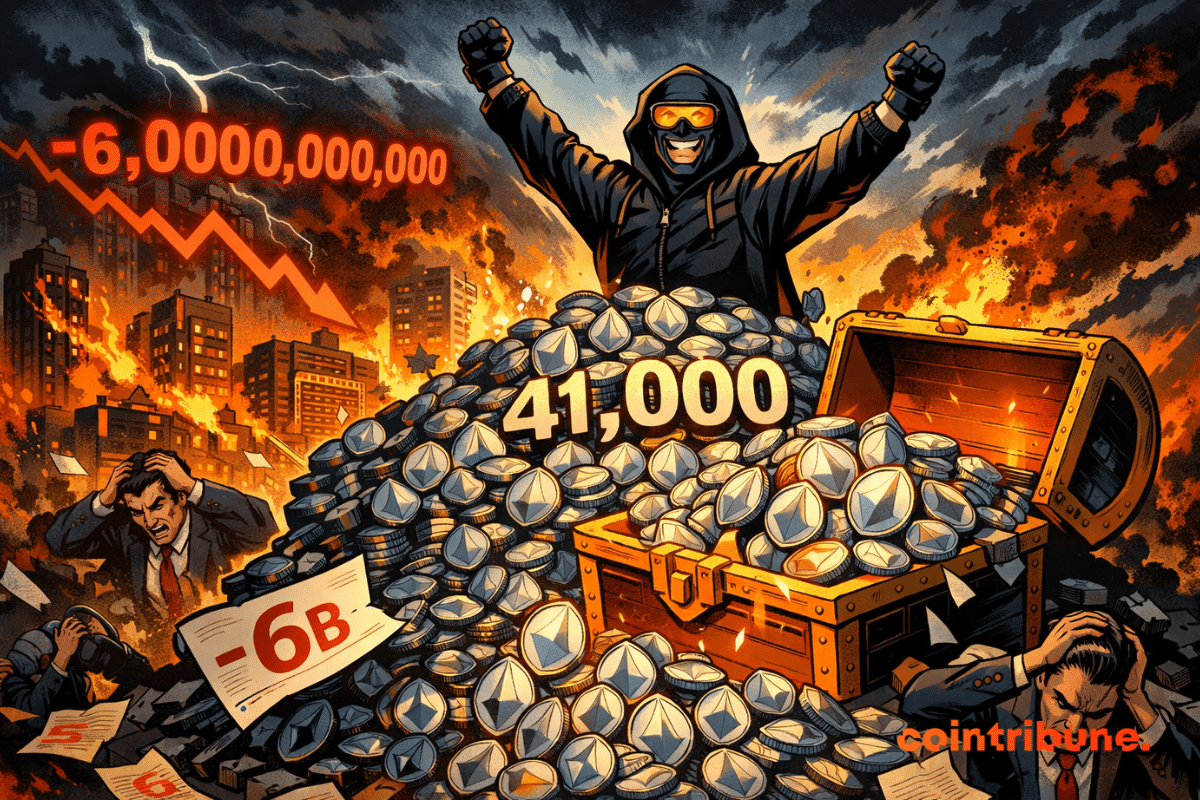
In crypto, there are two ways to get noticed: announce a cautious strategy (nobody listens) or buy when it stings. This week, BitMine Immersion Technologies chose the second option: a big block of ether is added to the vault, while the "on paper" losses grow.
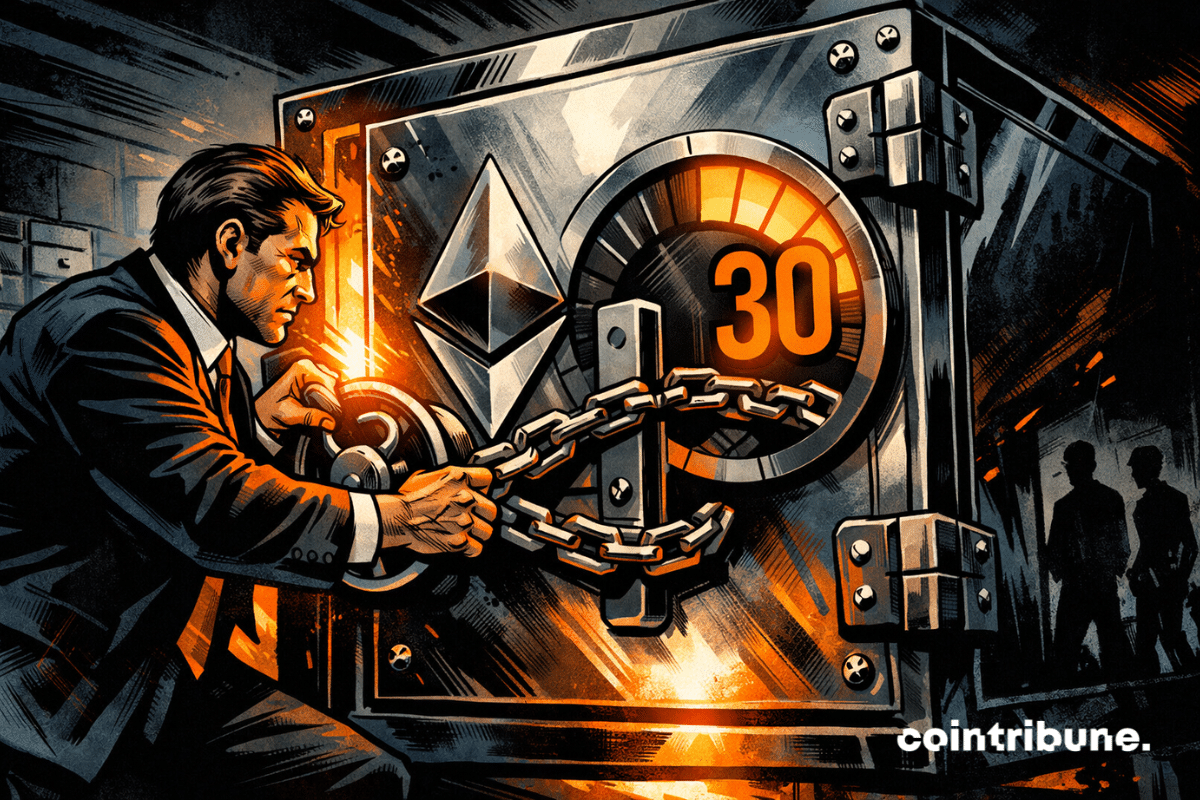
A silent revolution is underway on Ethereum. The network has reached a major milestone with 36.6 million ETH staked, representing 30% of the total supply. Giants like Bitmine and BlackRock are accumulating and locking their positions, radically transforming the crypto market structure.

BitMine Immersion Technologies falters under the weight of an unprecedented collapse: more than 6 billion dollars of latent losses on its Ether treasury. This rout, amid massive selling and prolonged crypto market decline, raises questions about the strength of institutional strategies. Between excessive concentration, illiquidity, and heightened volatility, this situation exposes the limits of the system facing extreme volumes. The shock is technical, but the consequences could be systemic.
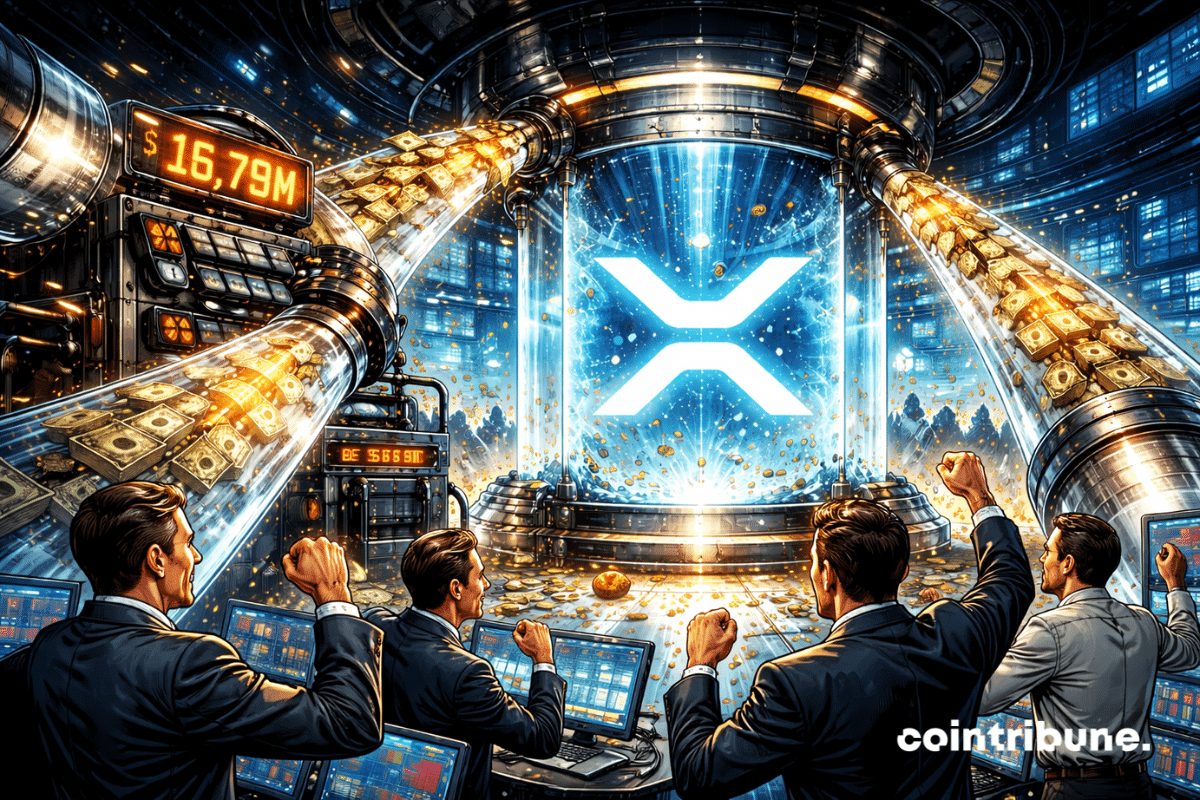
Within twenty-four hours, ETFs backed by XRP collected 16.79 million dollars, partially erasing a massive withdrawal that occurred a few days earlier. This sudden reversal illustrates the volatility of institutional flows in crypto, but also XRP's ability to trigger a renewed strategic interest. At the crossroads of traditional finance and cryptos, this movement marks an unexpected turning point in investors' perception of this long-controversial asset.

A Fidelity token arrives on Ethereum and threatens $500 billion in bank deposits. We provide all the details in this article.

While the crypto market is stagnating and prices struggle to bounce back, a subtle signal draws observers' attention: XRP whales are back. According to Santiment's on-chain data, the number of wallets holding more than one million tokens is rising sharply, despite a falling price. This surge in activity, flying under the radar, could mark a turning point in the token's dynamics, as analysts scrutinize signs of a new cycle.

The American justice system has just dismissed a class action lawsuit against Ripple Labs, offering strategic relief to XRP. In a climate where regulatory uncertainty weighs on the entire crypto sector, this type of decision acts as a strong signal. This judicial setback for the plaintiffs comes shortly after the end of the standoff between Ripple and the SEC. While the case raised the question of the legal status of XRP, its dismissal without further action could strengthen Ripple's credibility with markets and institutions.

Bitcoin has extended its decline following a sharp market shock in October, while traditional safe-haven assets continue to climb. Data from on-chain analytics and price movements suggest investors are withdrawing funds from crypto and shifting toward assets seen as more stable during periods of uncertainty. A falling stablecoin supply has added to concerns that a broader market recovery may take longer to materialize.
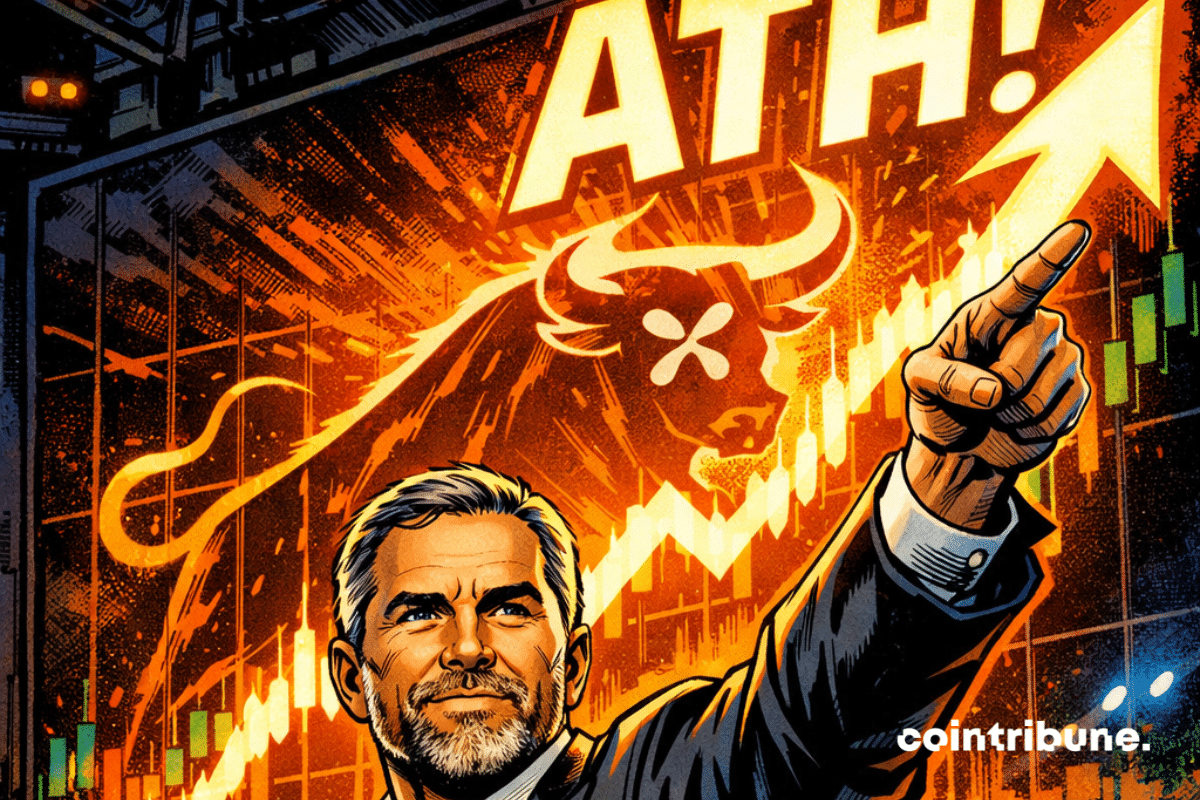
The crypto market is starting to lift its head again after turbulent weeks. And when the head of Ripple takes a public stand, the signal deserves decoding. Brad Garlinghouse, CEO of Ripple, says he expects a new all-time high in the crypto market. He stated this during an appearance on CNBC, calling himself "very bullish" and ready to "go on the record" with this forecast.

While volatility continues to drive the crypto market, Bitmine Immersion Technologies charts a more structured path. The company reveals a clear strategy: to turn its Ethereum holdings into a stable and sustainable revenue source through staking. Its latest report, backed by figures, reveals a massive accumulation of ETH and a confident vision. Behind this maneuver is a clear message: staking is no longer an experimental option but a central pillar of asset management for institutional players.

While crypto ETFs dance with billions, VanEck bets on Avalanche: a well-calculated gamble, between yield, blockchain, and institutional insight.

Vitalik Buterin has just reminded us of something the crypto industry forgets too quickly: being open does not mean saying yes to everything. In a fairly broad interview, the Ethereum founder sets a clear limit. A community that applauds everything that drives the price up ends up shooting itself in the foot. Not immediately. But surely.

Solana is taking a new bet: making hardware a driver for crypto adoption. And, this week, the scenario took an unexpected turn. The token linked to the Seeker smartphone, $SKR, jumped more than 200% in a few days, according to CoinGecko data. The movement followed the TGE and the airdrop associated with Solana Mobile's second phone: a $500 Android, designed from the start for on-chain uses. Everyone expected volatility. But the speed and magnitude of the increase clearly awakened the market.

Can a simple meme trigger a frenzy in the crypto market? That's exactly what a White House post showing a penguin alongside the US president caused. Within hours, the memecoin PENGUIN, unknown the day before, soared in value by more than 350 times. With no announcement, no news, this Solana token attracted a massive speculative wave, illustrating once again how the attention economy brutally reshapes market dynamics.

The crypto ETF dance does not slow down. It changes tune. After Bitcoin and Ethereum, now the market attacks more "political" tokens, more linked to ecosystems, thus more sensitive to regulators' scrutiny. And Grayscale, true to its style, does not timidly knock on the door: it files a dossier and forces the conversation.

Ethereum may have chained updates, but doubt persists about its ability to generate sustainable activity. In a report published this Wednesday, JPMorgan analysts question the real effects of the Fusaka update, which nevertheless caused an immediate surge on the network. Behind the technical gains, the question of economic viability remains unresolved. The blockchain co-founded by Vitalik Buterin faces limits that even its latest advances do not seem able to correct.

For years, the narrative has been well-oiled: Bitcoin as the ultimate reserve, the rest of the market playing more or less exotic satellites. Yet, some lines are starting to crack. According to crypto analyst and YouTuber FireHustle, the next wave of institutional adoption could well be built elsewhere. More precisely around Solana. A bold hypothesis, almost uncomfortable for maximalists, but deserving more than a shrug.

According to ARK Invest's projections, the value of tokenized assets could climb to 11 trillion dollars by 2030, compared to a current market estimated around 22 billion. In other words, ARK is not talking about a gadget, but about a plumbing change for finance.

XRP is once again worrying analysts. A rare technical signal, identical to the one that preceded a 68% drop in 2022, has reappeared. As tensions return to the crypto market, this alert strengthens fears of a major pullback. At the same time, massive XRP ETF outflows increase the pressure on Ripple's crypto. Is history repeating itself?

The recent surge in activity on Ethereum might be less a sign of euphoria and more a malicious background noise. A security researcher, Andrey Sergeenkov, believes that part of this increase resembles an "address poisoning" campaign, a variant of dusting that takes advantage of transaction fees that have been very low since December. "Activity retention" nearly doubled in a month, around 8 million addresses, while daily transactions reached a record close to 2.9 million.