Sat 22 Mar 2025 ▪
3 min read
▪
by
Ethereum is collapsing, but reserves on crypto platforms are evaporating even faster. Is a historic rebound near? Analysis!
Ethereum is collapsing, but reserves on crypto platforms are evaporating even faster. Is a historic rebound near? Analysis!
The end of the endless legal battle between the SEC and Ripple surprised no one, as investors had already anticipated this withdrawal due to a pro-crypto shift driven by the Trump administration. While the announcement marked the closure of one of the sector's most emblematic legal cases, the markets had already priced in this outcome well before it was officially announced.
Ethereum ETFs pave the way for broader institutional adoption, but remain incomplete. According to Robbie Mitchnick of BlackRock, their main drawback lies in the absence of staking, a pillar of yield on Ethereum. This lack could limit their competitiveness against direct investment strategies, calling into question their ability to meet the expectations of professional investors.
Nearly half of crypto experts express optimism about the future of AI tokens by 2025, according to a recent CoinGecko survey. This positive sentiment may signal favorable momentum for this sector valued at $23.6 billion.
In the arena of cryptos, Solana plays the gladiators. Despite a turbulent sea, it withstands, shines, and aims for a peak that could very well shake the skeptics.

The battle between Ripple and the SEC lasted four years, plunging the crypto market into increasing uncertainty. Thus, investors remained skeptical, while XRP faced constant pressure on its legitimacy. Against all odds, the SEC dropped its lawsuits, a decision perceived as a historic victory for Ripple and a decisive turning point for its native token.

Cardano (ADA) is generating exceptional optimism among investors. According to Santiment, the positive sentiment around this cryptocurrency has reached its highest level in four months, despite the recent collapse of its price.

Cathie Wood cuts to the chase: memecoins are nothing but illusion and speculation. A dizzying plunge is looming, leaving behind only ruins and disillusionment.

The Dogecoin is once again flashing on the radars. At $0.13, it teeters on the edge of a technical precipice… or a springboard. The charts whisper a contradictory story: oversold indicators, weakened historical supports, but also signals that have preceded rallies of +400% in 2024. So, is DOGE a neglected gem or a trap for speculators? Crypto experts lean towards the former option... provided the stars align.
Bitcoin dominates at 61.6% and altcoins struggle to survive. Are we witnessing the definitive end of altseason? Analysis and figures to support!

Solana, the rising star of cryptocurrencies, dances with the giants of the CME. Its futures contracts sow the hope for an ETF, but the SEC plays the cautious divas. Guaranteed suspense!
The battle for crypto custody is intensifying. Ripple Labs, a key player in cross-border payments with XRP, takes a new step by filing the trademark "Ripple Custody." This application reflects a clear ambition: to expand its influence beyond transactions and target the strategic sector of institutional custody, a booming market fueled by growing demand from investors and the rise of crypto ETFs.
The forecasts of major financial institutions are often scrutinized closely by investors. Indeed, when a renowned bank like Standard Chartered drastically lowers its price target for Ethereum (ETH), the news does not go unnoticed. From a marked optimism of 10,000 dollars for 2025, the bank has reduced its estimate to 4,000 dollars, which is more than a halving of its previous anticipation.
A recent study reveals that all leaders of small and medium enterprises are now aware of cryptocurrencies, and more than a third personally invest in them, despite still limited professional adoption.

As of March 17, 2025, Tisséo allows residents of Toulouse to pay for their bus, metro, tramway, and cable car tickets in cryptocurrency. This initiative, a first for a European transport network, aims to diversify payment methods and keep up with the evolution of financial practices.

XRP, this rebellious insurgent, rises from the ashes while Ethereum stumbles. The crypto-sphere holds its breath: the established order wavers, and the throne of altcoins threatens to change hands.

They were said to be dead, those brave SHIB. But the team is barking, burning tokens in batches and preparing a revenge that could bite much harder than expected. It's going to bleed!
Crypto ETFs are crashing down like an uncontrollable wave. Avalanche joins the dance, but history has taught us that markets sometimes have a short memory... and a brutal correction.
After a period of slowdown, XRP is making headlines again with a surge in its on-chain activity. The network has surpassed 2 million transactions, a threshold that, in the past, has often been a precursor to renewed interest from investors.
In a constantly shifting crypto market, Pi Network is at a decisive turning point. While investors were waiting for signs of stabilization, the asset is facing a concerning downward trend, fueled by increased selling pressure. The expiration of the migration period to the Mainnet, combined with technical indicators in the red zone, is fostering growing uncertainty.

The Dencun upgrade of Ethereum has led to a dramatic decrease in transaction fees on the network. Etherscan data reveals that a swap now costs an average of $0.39, down from $86 last year.

The craze for memecoins on the Pump.fun platform is drastically fading. The survival rate of tokens has fallen below 1% for four consecutive weeks, reflecting a growing disinterest from investors in this type of speculative asset.

Ethereum in free fall against Bitcoin: mere turbulence or alarm signal? As the ETH/BTC ratio hits its lowest level in 5 years, some traders are fleeing to more profitable altcoins. Should we follow the trend or wait for a rebound? Discover the analyses and strategies to not miss the next crypto wave!
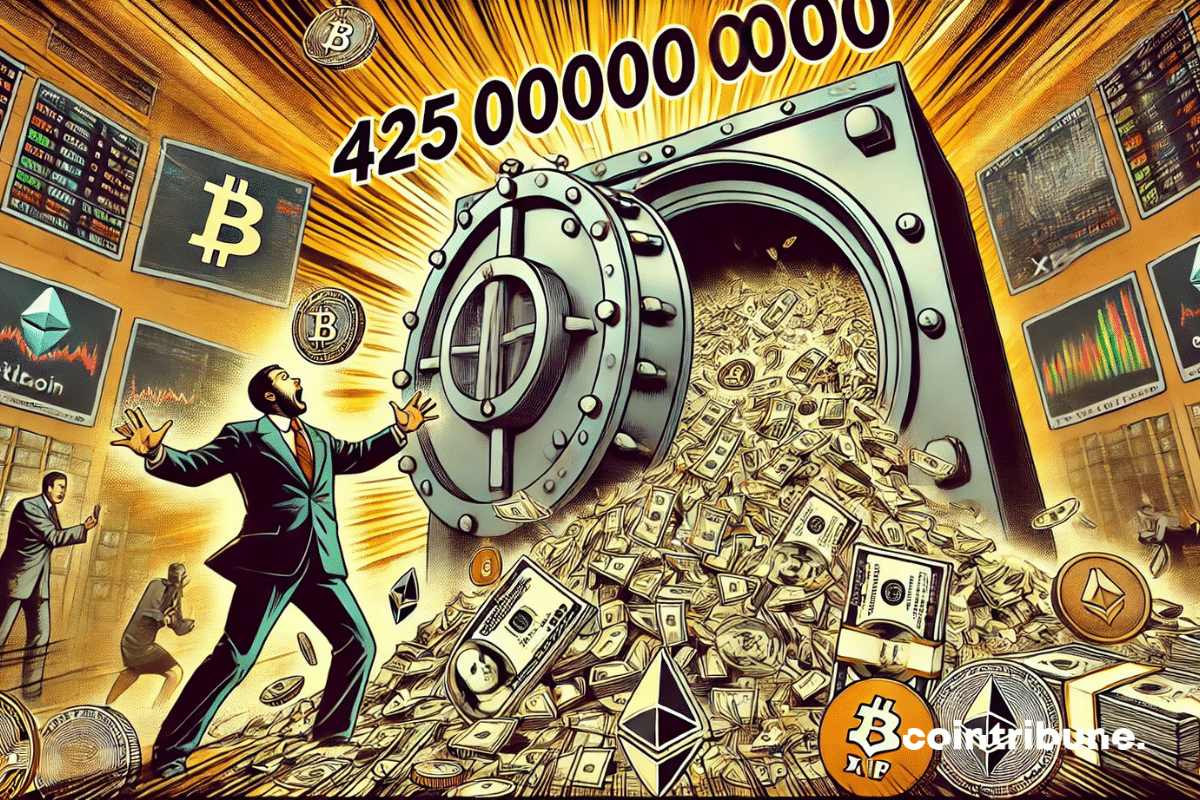
The crypto market is undergoing a transitional phase, marked by Bitcoin consolidation and stagnation of altcoins. However, several technical indicators suggest that a trend reversal is on the horizon. The $425 billion threshold on the market capitalization of altcoins, which has long been a major obstacle, may soon give way, paving the way for a surge in alternative assets.

Financial markets have their own memory, and cryptocurrencies are no exception. Thus, when an asset shows alarming similarities to a past crash, analysts sound the alarm. Ethereum, the second largest crypto on the market, sees its price plummet, reviving the specter of the March 2020 crash. Trader Ted Pillows claims that the current behavior of the ETH market almost mirrors the capitulation of that dark period, suggesting a scenario where the asset could drop to as low as 1400 dollars.

Bitcoin strengthens its hegemony in the crypto market, reaching a dominance of 61.2% according to recent data. This rise confirms the weariness of the recent altcoin rally, weakened by macroeconomic volatility. In the face of an uncertain context, investors are refocusing on BTC, perceived as a safe haven.
The former CEO of Binance, Changpeng Zhao (CZ), has made waves in the crypto community by mentioning a possible "altcoin season" following the announcement of a record $2 billion investment in the platform. This statement comes in the context of a recovery in the crypto market and has sparked enthusiasm among investors.

The SEC's case against Ripple is reaching a decisive turning point. After more than four years of legal confrontation, the U.S. Securities and Exchange Commission (SEC) appears ready to close this emblematic case. This trial, one of the most publicized in cryptocurrency history, has raised a fundamental question: Is XRP a financial security subject to U.S. stock market regulations? While the stakes extend far beyond Ripple and its native token, the outcome of the case could reshape the regulatory approach to cryptocurrencies in the United States.
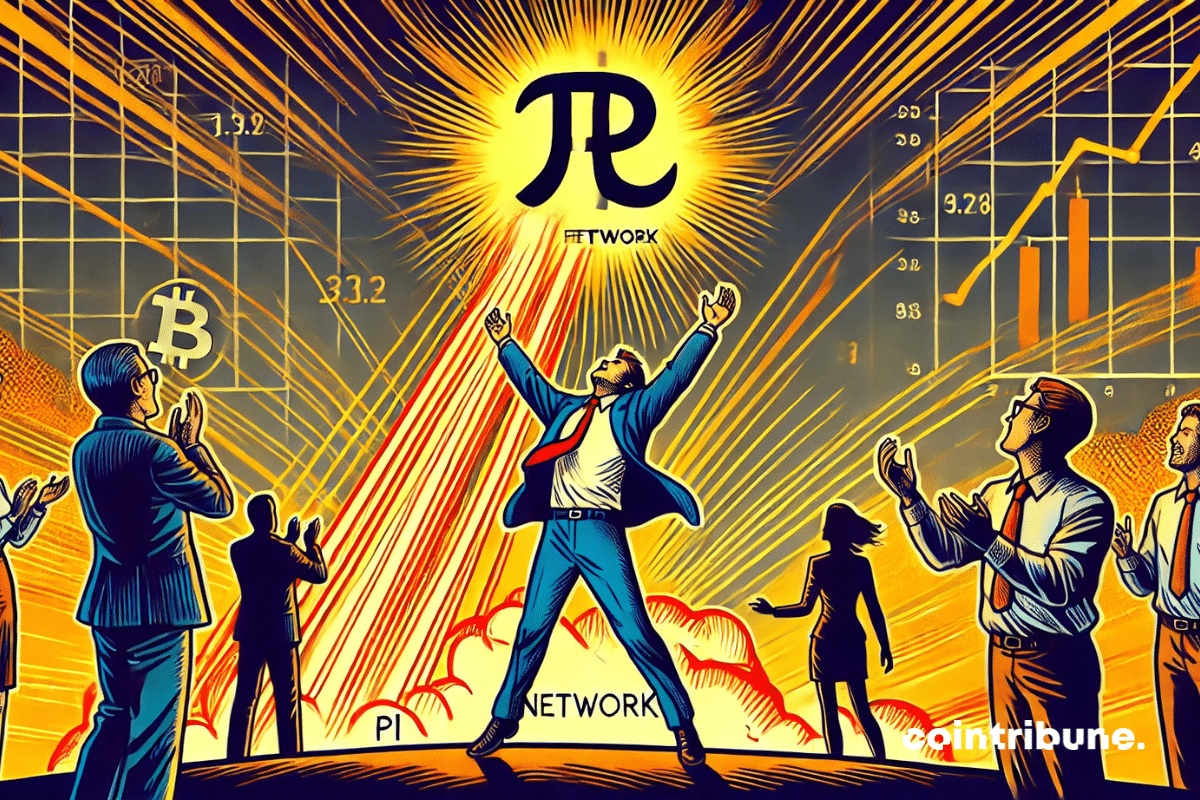
The crypto market is unpredictable, as it fluctuates between periods of euphoria and significant corrections. Among the most followed assets, Pi Network is generating increasing interest. Within 24 hours, its price saw a staggering increase of 20%, reaching $1.74, despite a discount of 44% from its all-time high of $2.99. This sudden surge raises questions: is it a precursor signal for broader adoption or merely a speculative push fueled by strategic announcements? Two factors appear to have triggered this movement: the anticipation of Pi Day and rumors of a possible listing on Binance.

The rapid rise of the Solana network at the beginning of the year seemed to herald a new era for its ecosystem. Fueled by an unprecedented speculative frenzy around memecoins, the blockchain recorded record revenues, reaching $55.3 million per week. However, the party was short-lived. Within weeks, the excitement evaporated, leading to a brutal collapse. Today, Solana's weekly revenues have fallen back to $4 million, a staggering drop of 93%. This sudden turnaround raises a central question: Can Solana survive the end of this euphoria and find a sustainable growth model? On one hand, the frenzied speculation around meme coins has revealed an undeniable pull of the network, but on the other hand, its dependence on these ultra-volatile tokens undermines the entire economy.