While Washington refines its Clarity Act, bitcoin is falling. Regulation on display, volatility behind the scenes: what if the real shock came from somewhere other than laws?


Arthur Hayes views altcoin season as an ongoing cycle, but many traders missed out on key winners despite market gains.
Financial products backed by XRP have just crossed the one billion dollar mark in assets under management. For several weeks, inflows have accelerated, driven by renewed institutional interest. In a market dominated by Bitcoin and Ethereum ETFs, the growth of Ripple's asset surprises by its consistency. This movement contrasts with capital outflows observed elsewhere, signaling a discreet but firm repositioning of investors towards an asset long kept in the background.
Brazil did not wait for crypto to fall in line. It simply decided to open the official path for it. With the arrival of the Solana (VSOL) product on the B3, the country’s main stock exchange, the Brazilian market takes a step forward, that of assumed regulated crypto. And for Valour, the DeFi Technologies subsidiary, this is much more than a simple launch. It is a signal addressed to an entire continent.
Hyperliquid submits a rare decision to its validators: to recognize as excluded from the supply the 37 million HYPE accumulated in its assistance fund, an address without a private key funded by trading fees. This governance vote, without on-chain action, could remove nearly one billion dollars from the circulating metrics. In a context where readability of economic data becomes central, the protocol plays a strategic card to clarify its tokenomics and strengthen its credibility.
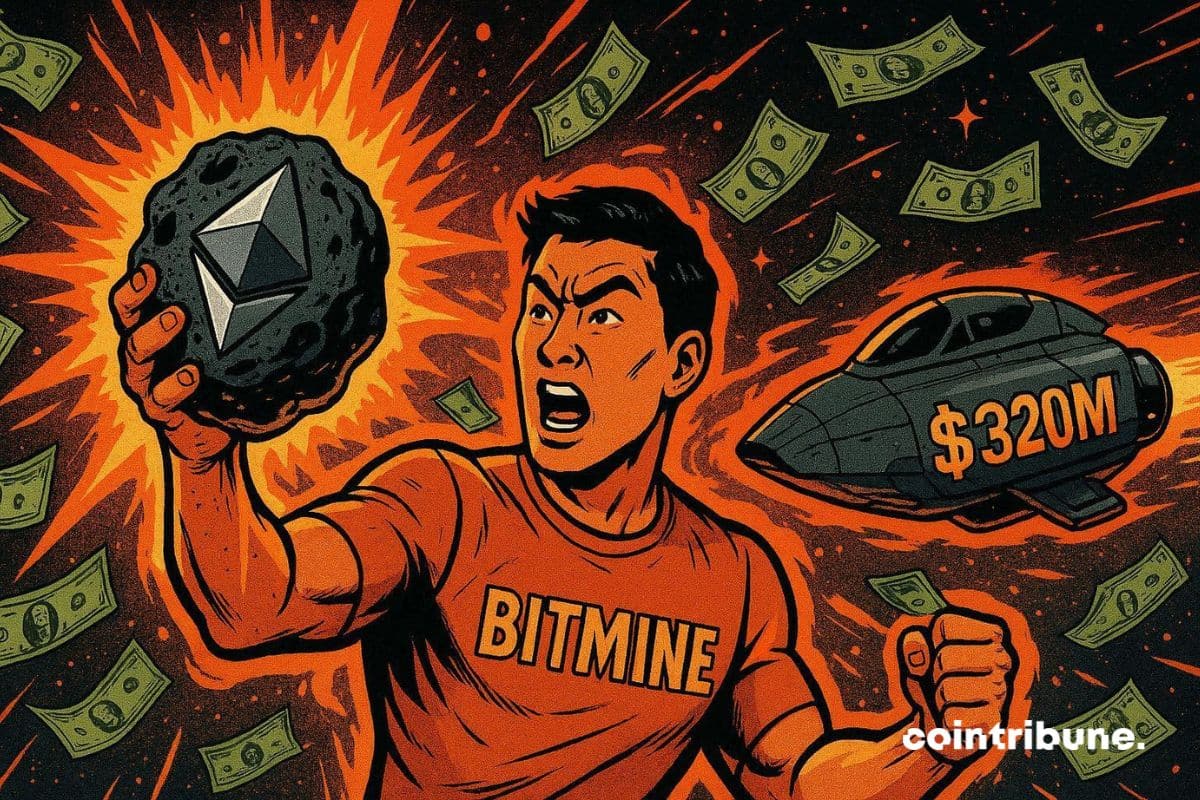
Amid a falling market, BitMine strikes big: + $140 million in Ethereum added to its crypto treasury, defying the downward trend. A risky strategy or a visionary bet? Dive into the analysis of this bold move that could redefine ETH's future and inspire institutional investors.
In 2024, memecoins stopped being just digital jokes to become tools for political mobilization. Driven by the US elections and the influence of divisive figures, these tokens captured the attention of markets and crystallized electoral narratives on the blockchain. Their meteoric rise redefined the codes of crypto speculation. However, this bubble fueled by emotion and virality did not hold. A few months later, the market collapsed, revealing the fragility of this dynamic.
Bitcoin made no noise. It simply resisted. In a crypto market that crumbled silently, the leading crypto fell, yes, but it fell less than the rest. And in this kind of quarter, "less worse" becomes a performance. The data cited by Glassnode mention a persistent relative weakness in almost all segments against BTC, as if liquidity, instead of exploring, had regrouped around the main mast.
Bitcoin has outperformed most altcoins over the past three months despite a broader market pullback. As investors rotated capital toward BTC, sectors such as Ethereum, AI tokens, and memecoins recorded significantly deeper declines.
For the third consecutive week, crypto ETPs have attracted new capital, according to CoinShares. Last week, net inflows accelerated further, extending an already strong sequence after the previous two weeks. In detail, the momentum is mainly American. The United States accounts for the majority of purchases, far ahead of Germany and Canada, while Switzerland stands out against the trend with net outflows during the period.
Despite strong institutional demand and nearly a billion dollars injected into XRP ETFs, the token fell below the symbolic $2 threshold. While incoming flows multiply, the spot market remains under pressure. This divergence between fundamentals and price is striking. Why is XRP falling while major investors are buying? Between a bullish signal and technical fragility, the market seems divided. Such a situation complicates reading the upcoming trends.
Tom Lee and BitMine strike hard: 320 million dollars in Ethereum added in one week, despite a volatile market. A risky or visionary strategy? While ETH is breaking transaction records, BitMine bets everything on its crypto treasury.
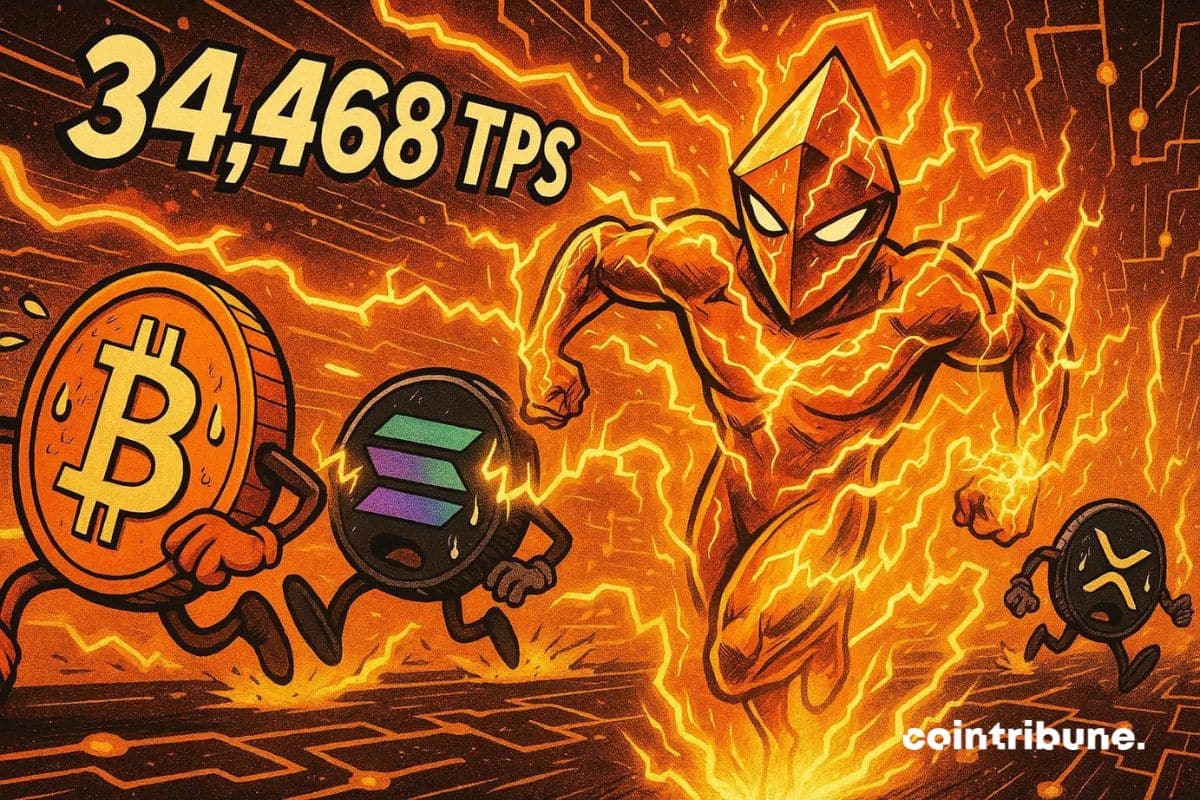
Ethereum just made a thunderous impact in the crypto world: 34,468 transactions per second, a record that shatters everything that existed so far. Thanks to Layer 2 and ZK-Rollups, the blockchain proves it is ready for mass adoption. But how will this record affect the price of ETH in 2026?
BONK continues to face steady selling pressure, with price action offering no clear signs of a rebound. Recent moves reflect hesitation rather than strength, leaving traders cautious. As expected, the market remains without a clear direction, and volatility stays muted.
The XRP market shows encouraging signs as retail investor optimism reaches new highs on social platforms. Meanwhile, exchange-traded funds linked to this crypto continue an impressive streak of capital inflows.
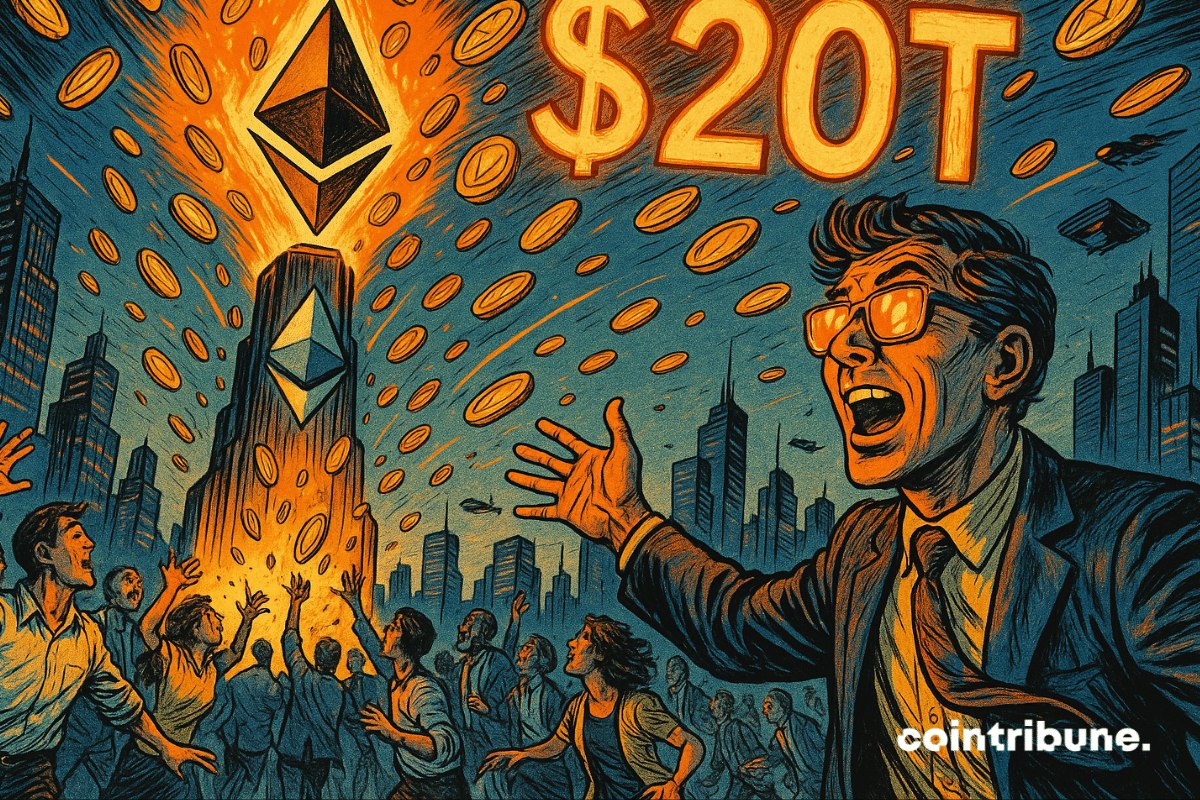
Ethereum faces short-term volatility but shows strong long-term potential, with intrinsic value projected to reach trillions as the network grows.
While Solana is losing ground in the crypto market, its ETFs show an unprecedented series of seven days of net inflows. In a downtrend, this institutional flow is intriguing: why inject so much capital into a declining asset? This contrast, between disinterest in the spot and enthusiasm for regulated products, raises questions about the real perception of the Solana project and its medium-term prospects.
Cardano shows weakened momentum. Its price remains under pressure after several weeks of decline, and some retail investors are gradually reducing their exposure. However, major ADA holders are strengthening their positions while small wallets decrease theirs. This divergence between the activity of large investors and that of retail frequently appears in the final phase of a bearish trend.
Solana falters. Long presented as one of Ethereum’s most serious competitors, the blockchain today faces a significant decline in its fundamentals: liquidity drop, user disengagement, innovation slowdown. After months of euphoria, the ecosystem shows clear signs of slowdown.
Ethereum is stagnating: whales are accumulating, ETFs are flowing, but the breakout is on strike… Behind the scenes, there is movement, but the chart breakout still boycotts the party.
Memecoins are dead, long live memecoins? While the entire market is burying them, some see... a nap. The crypto circus may not have said its last word.
Sei is making crypto easily accessible by embedding its wallet and payment features directly into Xiaomi smartphones.
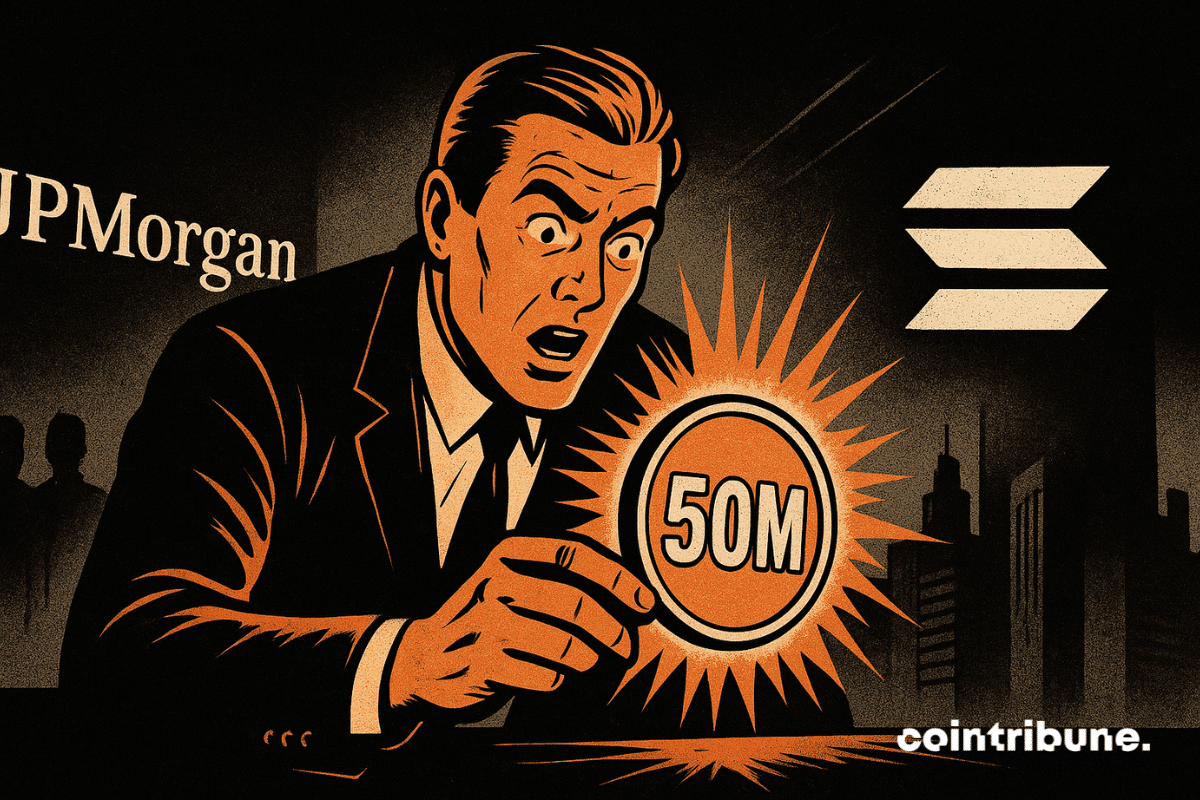
JPMorgan, one of the largest American banks, has just completed a historic transaction: a 50 million dollar commercial paper fully managed on the Solana blockchain. Galaxy Digital, Coinbase, and Franklin Templeton participated in this pioneering operation settled in USDC.
While the entire crypto market is showing signs of stabilization at the end of the year, XRP sends an atypical and potentially worrying signal. Its funding rate on perpetual contracts plunged to -20%, a threshold rarely reached even during high volatility periods. This configuration reflects a marked imbalance: short positions dominate while bulls seem to be withdrawing from the game. In a market so sensitive to liquidity and sentiment signals, this anomaly deserves special attention.
Crypto markets have started coughing again. No spectacular crash this time, but a slow loss of breath: crypto trading volumes are declining, prices are correcting, and even spot bitcoin ETFs are turning red. For JPMorgan, the picture is clear: the appetite for risk is fading, and the market stalls just as it was supposed to confirm its strong comeback.
Bitcoin pauses in the balance sheets, but some actors buy more than ever. Here are the numbers worrying analysts.
Shiba Inu is moving through a quiet but steady phase as the broader crypto market works toward a gradual recovery. Price action stays compressed between $0.0000085 and $0.000009, creating a stable zone while traders wait for a clearer shift in sentiment. Even with the calm movement on charts, several ecosystem updates show the project continues to focus on long-term progress.
Dogecoin struggles to convince institutional investors. Despite a strong capitalization and a media-covered launch, crypto-backed ETFs show volumes in free fall. In a sector where Bitcoin and Ethereum concentrate the bulk of flows, the disinterest in DOGE illustrates the limits of assets perceived as too speculative.
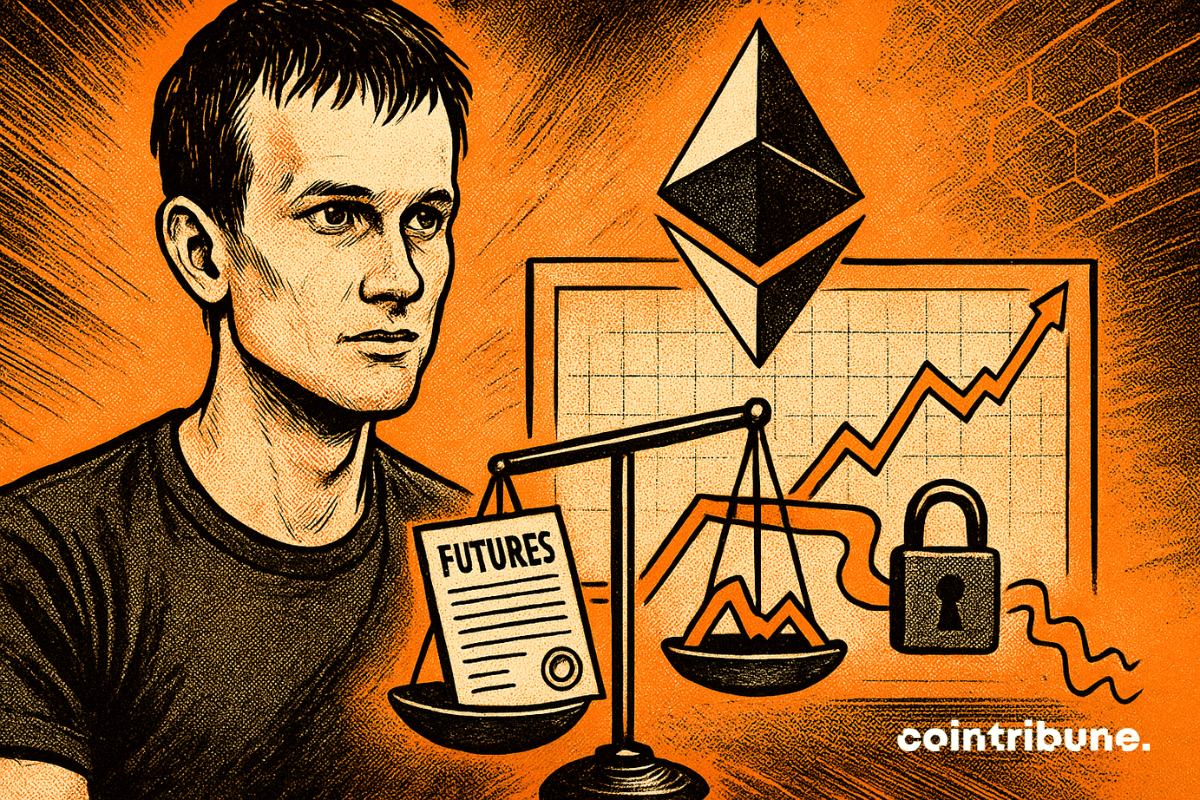
What if Ethereum users could lock in the price of their future transactions in advance? This is the bold path opened by Vitalik Buterin. Facing the persistent volatility of network fees, Ethereum's co-founder envisions the creation of gas futures contracts, a hedging mechanism that could revolutionize economic planning on the blockchain.
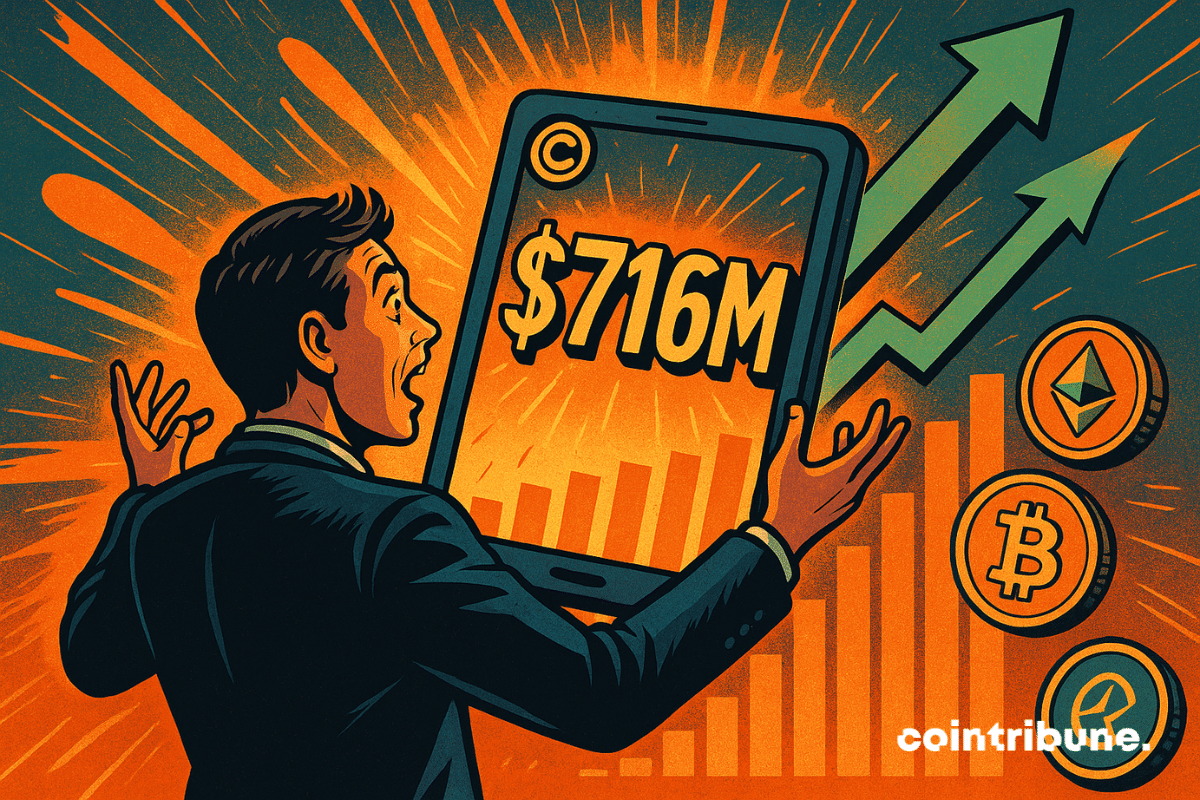
CoinShares reports $716 million in weekly inflows into its digital asset ETPs, marking the second consecutive week of positive flows. This growth brings assets under management to $180 billion, up 7.9% from their November low. Data show increased investor participation, with significant contributions from the United States, Germany, and Canada.