
Fri 11 Sep 2026 ▪
6 min read
▪
by
Polymarket and Kalshi in ESMA's sights: can the prediction market survive European tightening? Comprehensive analysis.
Polymarket and Kalshi in ESMA's sights: can the prediction market survive European tightening? Comprehensive analysis.

On September 9, 2026, Solana issued 263,000 tokens in 24 hours, an absolute record. Yet, it is not this figure that impresses the most. With 5.09 million dollars in daily revenues, Solana outpaces all competing blockchains. Between memecoins and regulated markets, discover how the crypto network combines volume and economic solidity.
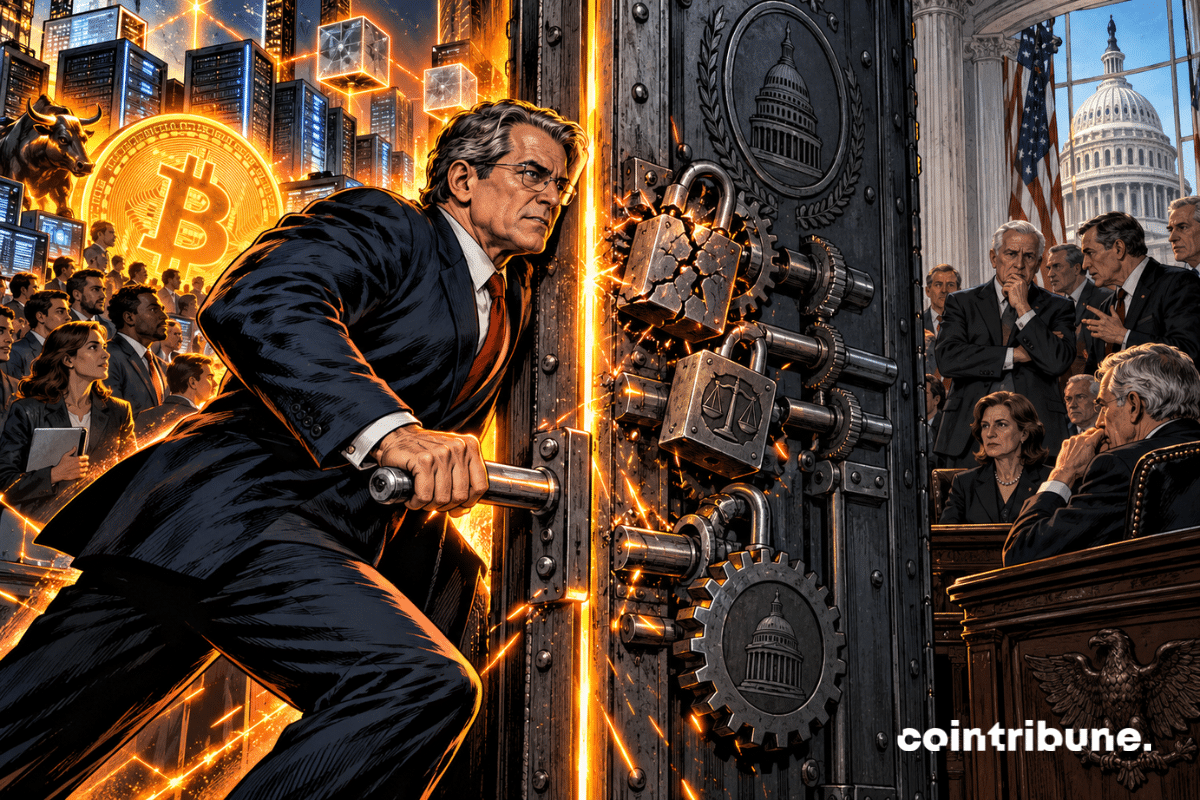
Scott Bessent puts the CLARITY Act back at the center of the American crypto agenda. The Treasury Secretary asks senators to stay at the negotiating table and advance the bill as soon as they return to Washington. The Senate resumes its work on September 14, with a procedural step expected on the 15th. The bill aims to create the first comprehensive federal framework for the structure of the crypto market in the United States.
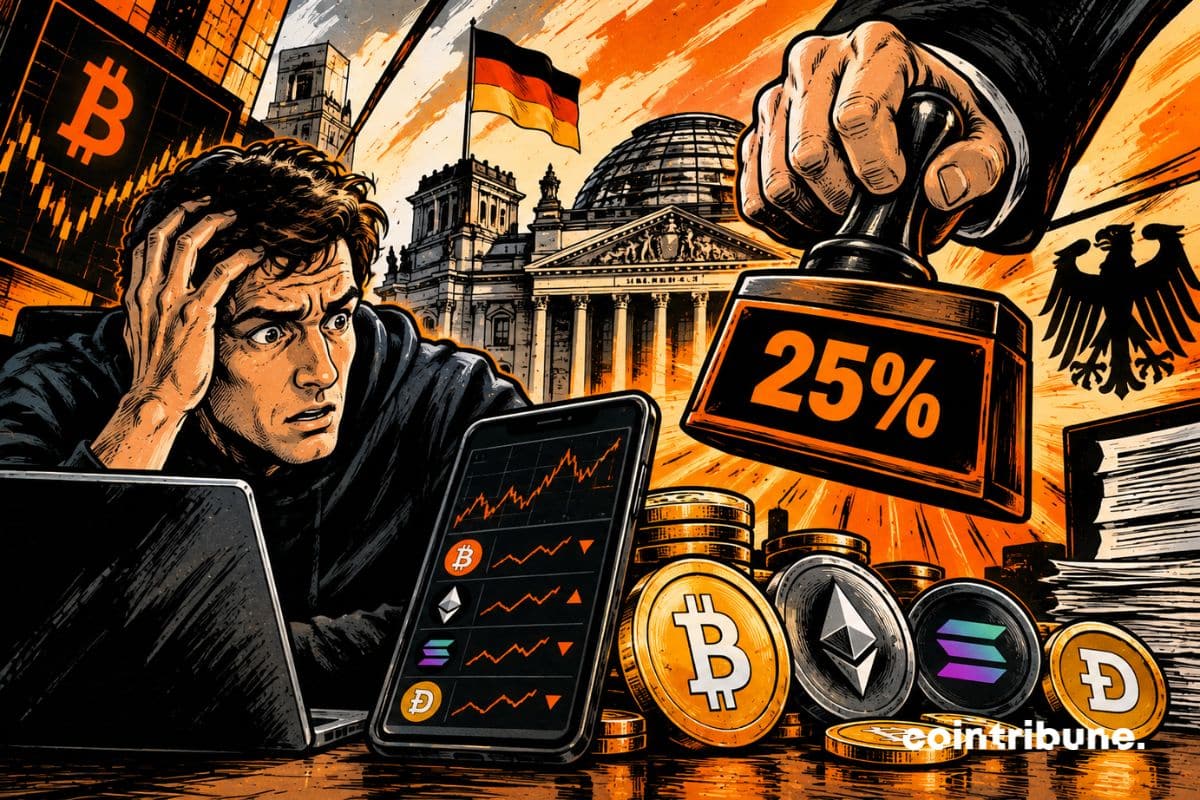
Germany is ready to blow the whistle on its crypto tax haven status. A bill proposes a flat tax of 25% from 2028, compared to 0% currently after one year of holding. At the same time, in the United States, Jack Dorsey is calling for a federal banking charter to custody bitcoin and stablecoins. Two countries, two approaches to normalization.

Solana strengthens its crypto transaction ceiling to catch up with Ethereum on complexity, during the same week Ethereum, on its side, is preparing the end of the obligation to hold ETH to transact. Two competing networks, two opposite strategic projects, and a shifting balance of power quietly taking shape behind the scenes.
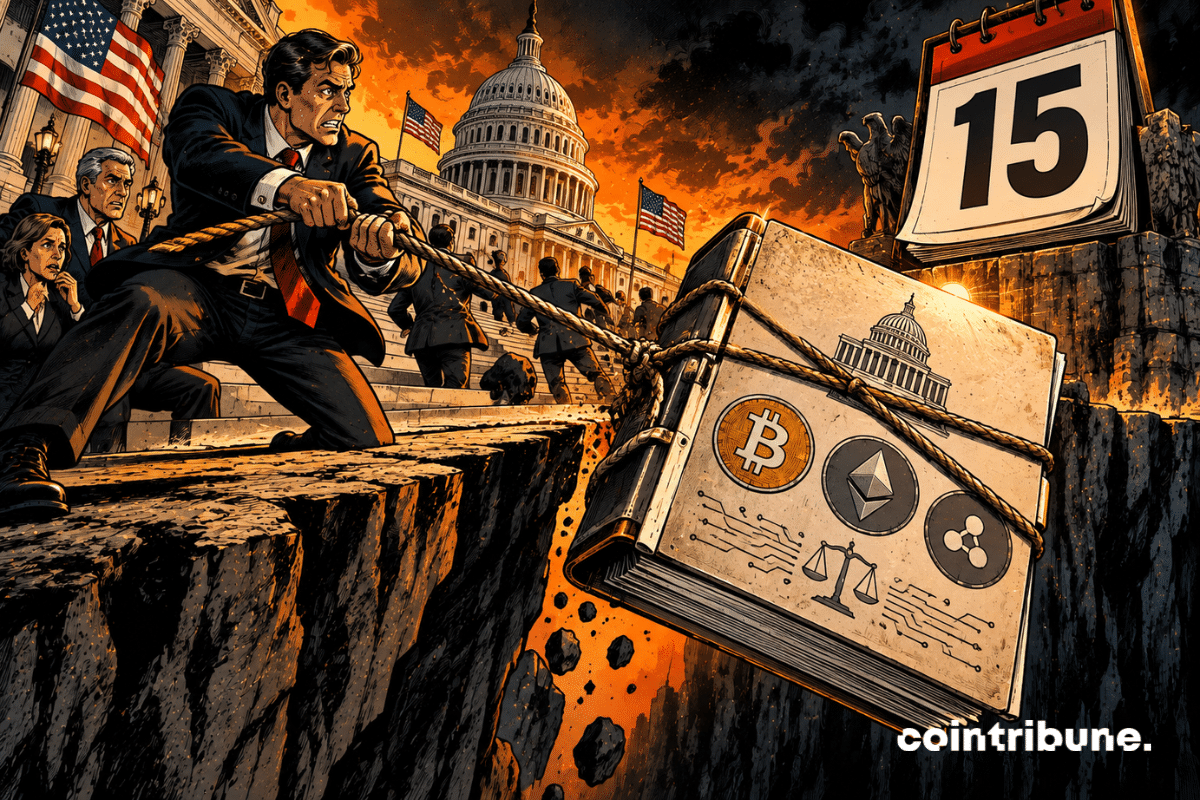
According to former federal prosecutor Renato Mariotti, the CLARITY Act is already "dead" in the U.S. Congress. However, the bill is still subject to a crucial procedural vote on September 15, which prevents its failure from being definitively confirmed.

Fomo surpasses Pump.fun in one day with 1.76 million dollars. But the PUMP token itself soars by 7.8%. Is the crypto market right to snub major press headlines?

The Polish parliament failed on Friday, September 5 to overturn the third presidential veto on the crypto-asset markets law. The Sejm only gathered 241 votes of the 266 required, despite pressure from Prime Minister Donald Tusk amid the Zondacrypto scandal, an exchange accused of embezzling 94 million dollars of client funds.
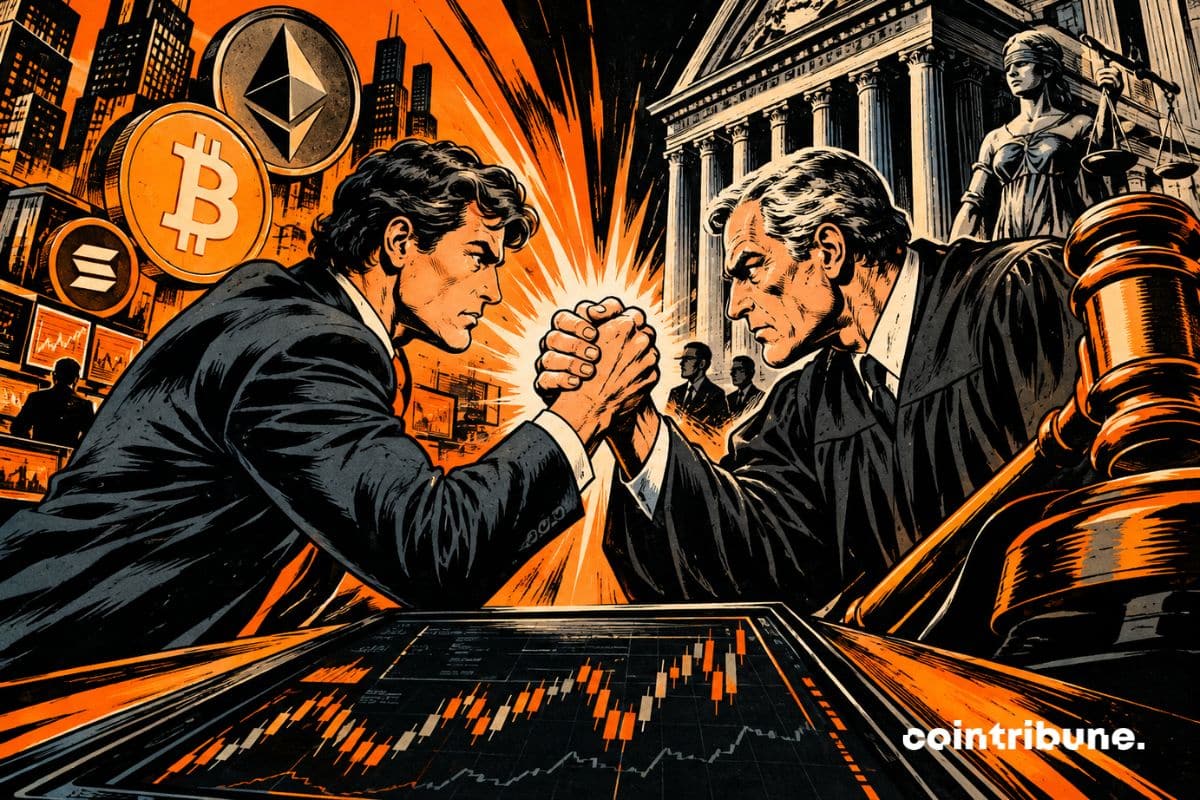
Kalshi's US traffic soared by 1,520% in one year, driven by sports betting which accounts for 83% of its volume. At the same time, the platform launches leveraged crypto perpetuals on BTC, ETH, BNB and 14 other assets, while its regulatory status is being decided before the Supreme Court.
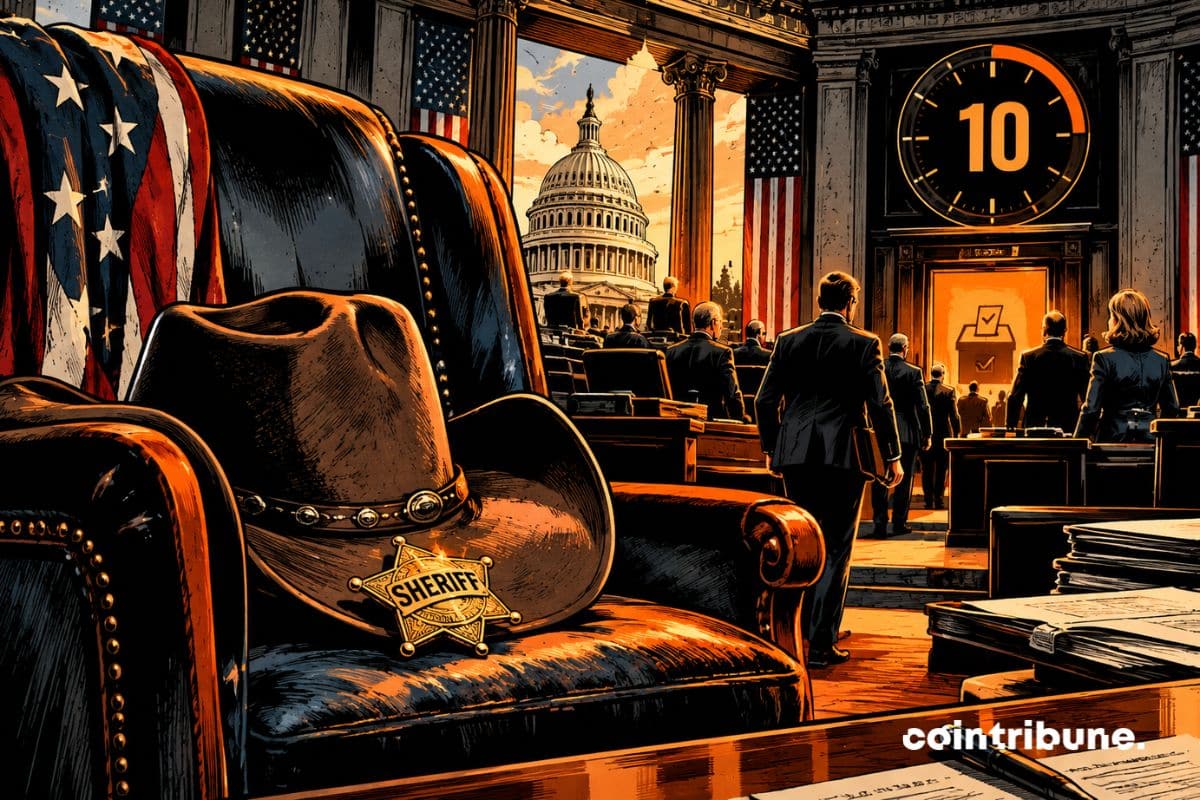
The National Sheriffs' Association (NSA) has just eased up on the CLARITY Act, a few days before a tight vote in the Senate. A turnaround that changes the game for hesitant Democrats. But on the crypto market side, an expert warns that regulatory clarity could well turn into a "sell the news" trap.
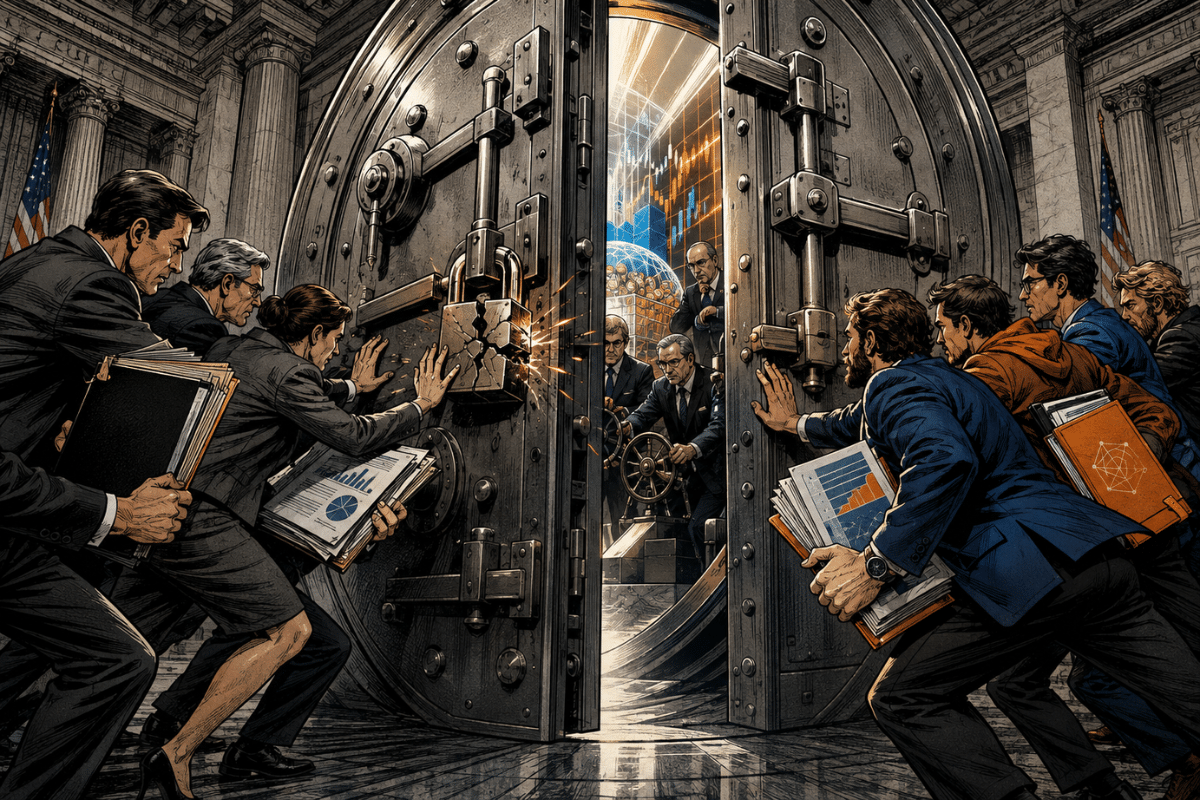
Grayscale, a16z and the Crypto Council for Innovation ask the SEC not to automatically tighten the rules for the new generation of ETFs. The crypto sector especially refuses that Bitcoin, Ethereum or other digital assets be placed in the same category as private asset funds, leveraged strategies or event contracts. The three organizations want faster reviews tailored to the real risk of each product.
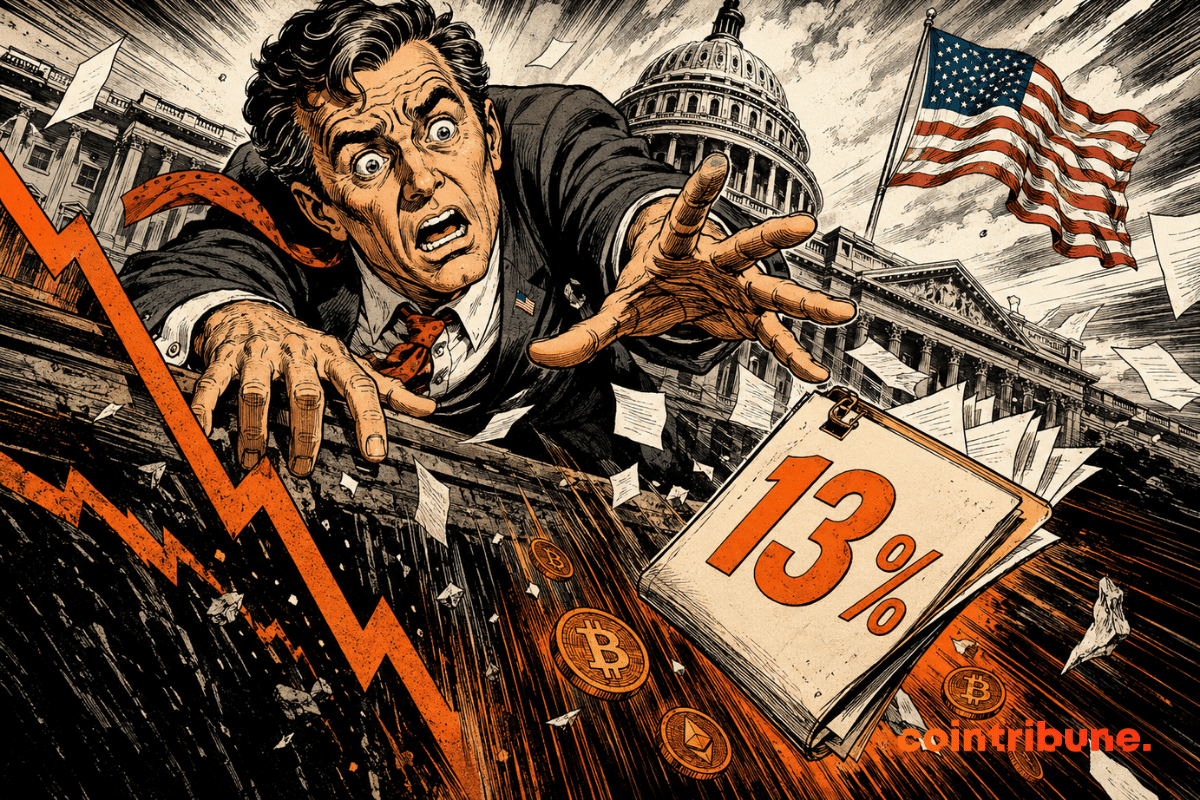
A crypto vote is imminent in the Senate, but the CLARITY Act falls to a 13% chance. Is the market already anticipating failure? Analysis.

Bitmine never lets up. Tom Lee's company has just added 131 million dollars worth of ETH to its treasury, its biggest weekly purchase since June, bringing its holdings to 4.9% of the total supply. And Tom Lee doesn't intend to stop there... He already sees further for Ethereum.

On August 19, 2026, the Belgian Department for Combating Online Harm (BAPO) issued five decisions requiring four registrars and one registry to provide a complete file on operators of illicit sports streaming sites: identity, IBAN, bank cards, crypto wallets, and transaction identifiers, plus twelve months of connection logs. All under seal of secrecy. The cross-border scope of the injunction remains, in practice, to be tested.
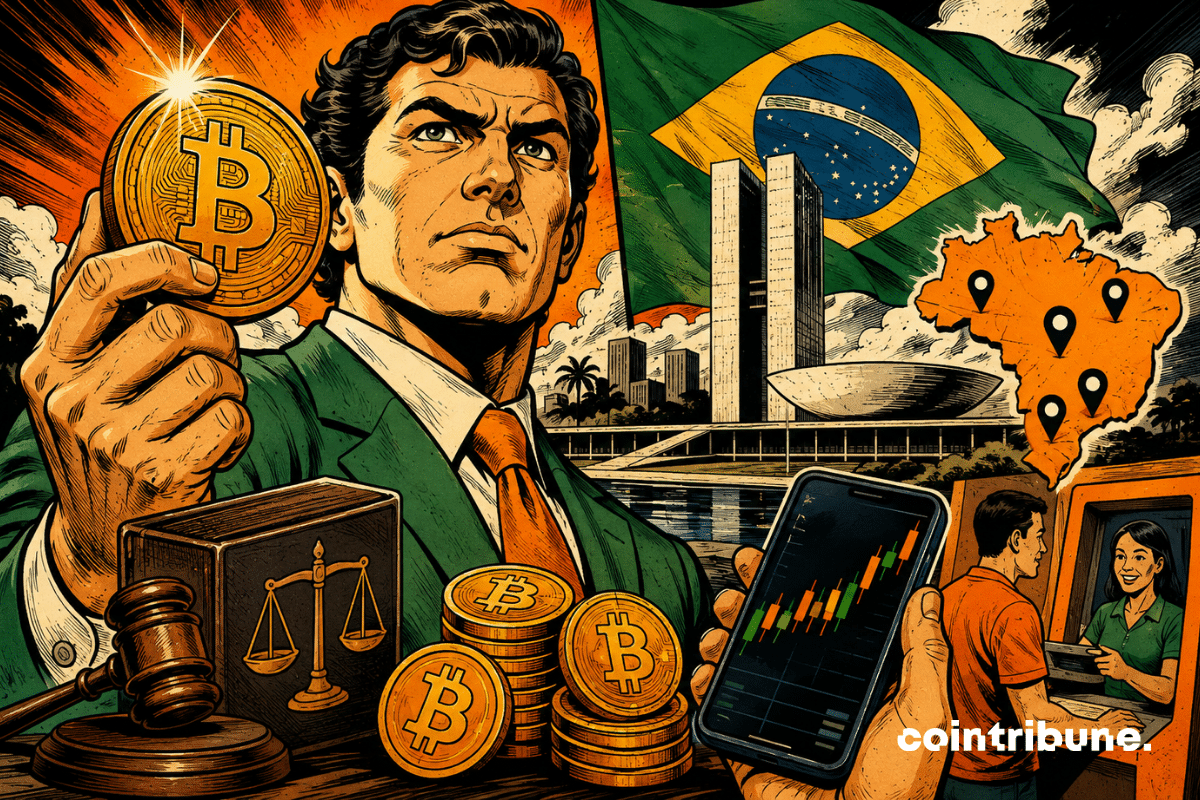
Brazil is one of the world's most active markets for cryptocurrency adoption. For travelers, digital nomads, and expats moving to or visiting the country, digital assets offer a practical way to move money across borders, manage living expenses, and navigate local financial needs smoothly.

The largest Russian bank Sber is preparing a new step in its crypto services. The institution wants to accept three assets as loan collateral while Russia prepares to enter a regulated framework. Bitcoin, Ether, and USDT are to join the existing collaterals. This development depends on the central bank's authorization for their listing. Meanwhile, Sber notes limited demand for the digital ruble before its wider deployment as part of this transformation of the current national financial sector.
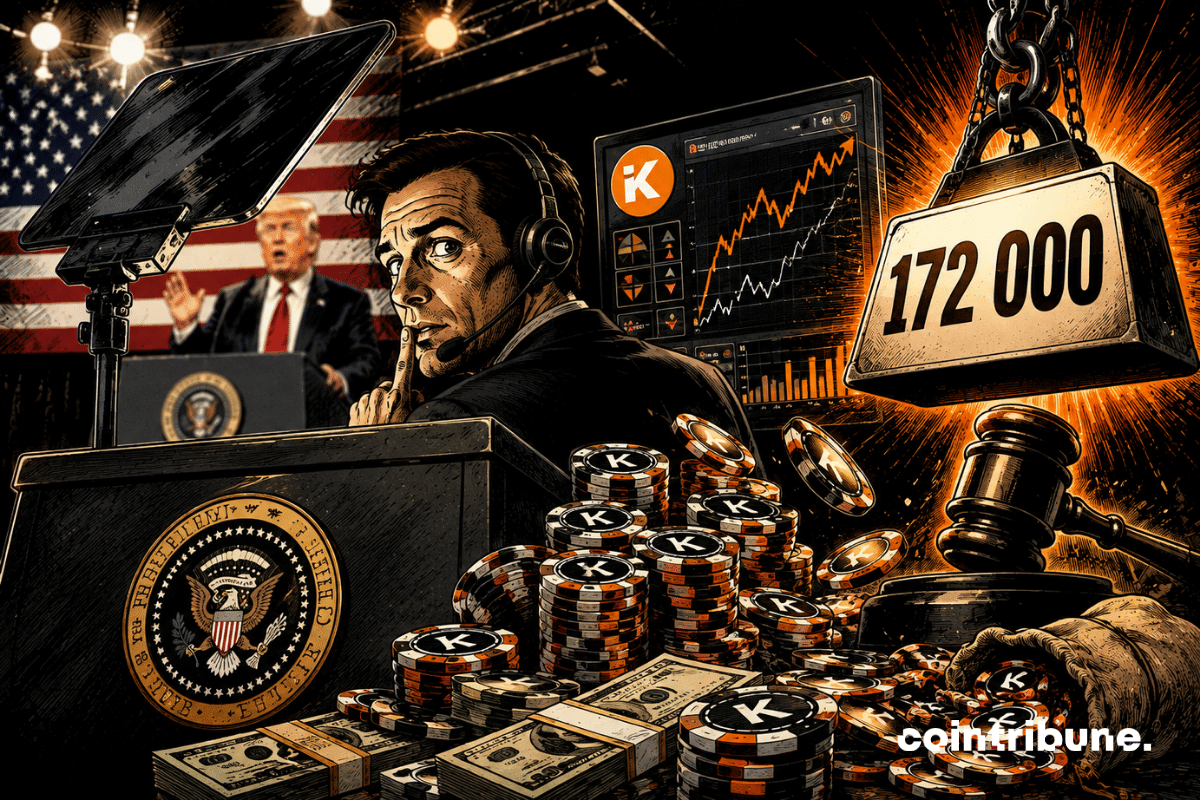
The Commodity Futures Trading Commission (CFTC) has sanctioned Gabriel Perez, former teleprompter operator at the White House. He will have to pay 172,539.02 dollars after using non-public information to trade on the predictive markets platform Kalshi, notably on contracts related to Donald Trump's interventions.
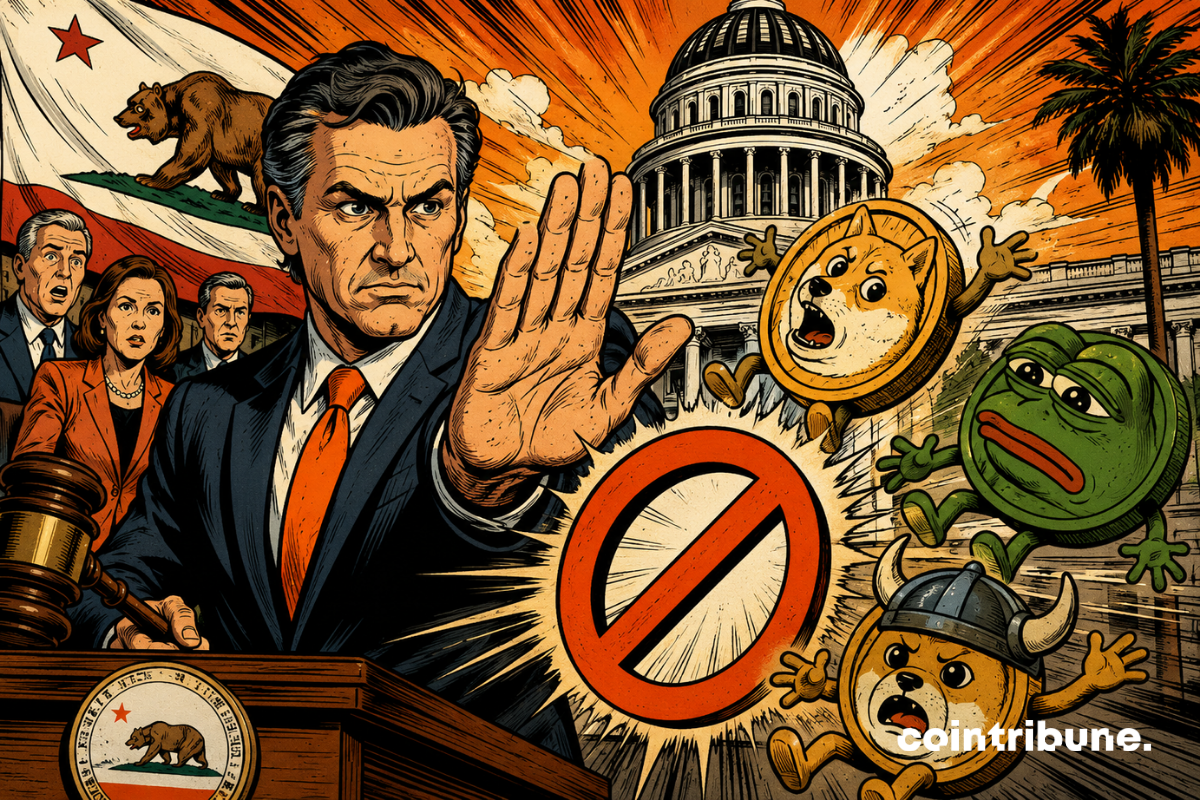
California takes a new crucial step in regulating memecoins and digital assets linked to Californian elected officials. Bill AB 2409, led by Avelino Valencia, distinguishes rules applicable to public officials and digital providers. After its adoption by the Senate on August 26, the Assembly unanimously validated the amendments. The bill still has to go through final formalities before being reviewed by Governor Gavin Newsom. It notably targets the issuance of tokens by certain individuals exercising public authority in California. A targeted ban for public officials
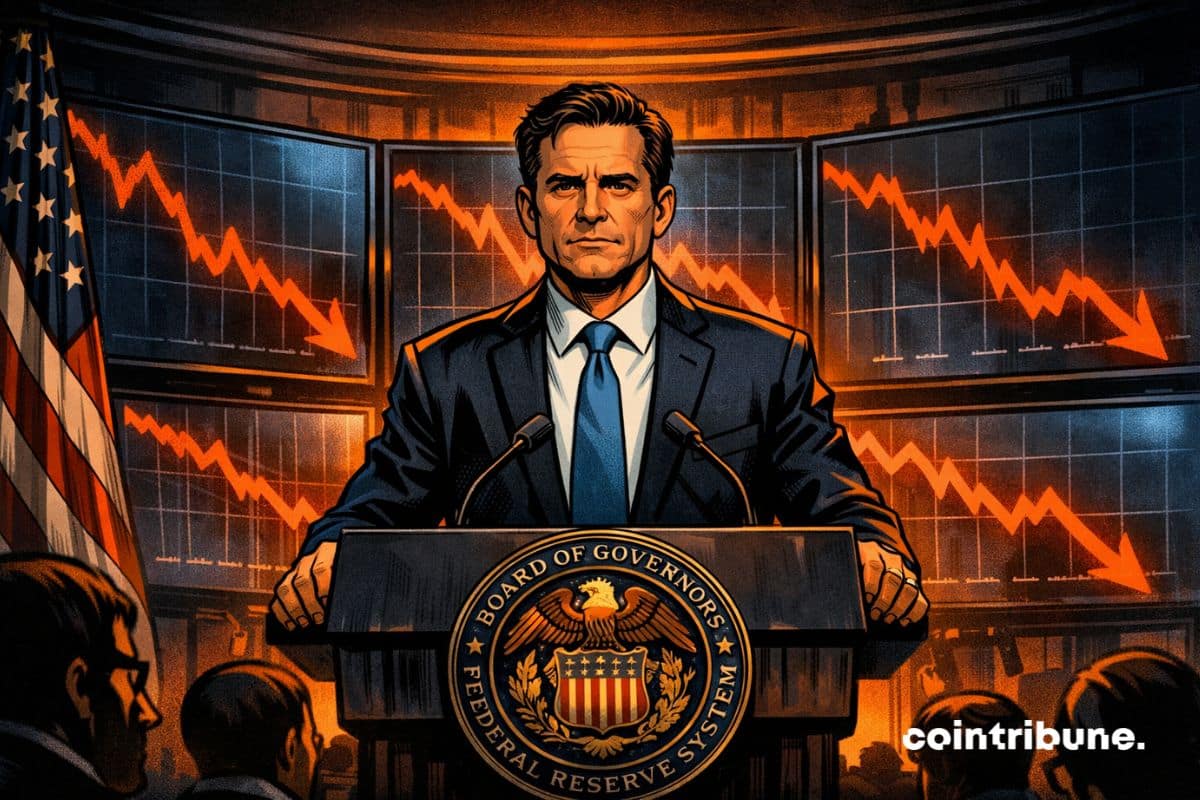
The SEC has just sent a reform project on the custody of crypto assets by investment advisers to the White House. The stated goal is to end the legal uncertainty that has paralyzed the industry for years.

International tax rules still see only a small part of on-chain crypto activity. Chainalysis estimates potentially taxable flows observed in 2025 across six major blockchains at at least $457 billion. The OECD's CARF would directly cover only 14% of this. The remaining 86% notably go through DeFi, peer-to-peer transfers, staking, or payments.

American students want more crypto in their courses. A survey commissioned by OKX shows that 90% of them support the teaching of cryptocurrencies and blockchain at university. The curricula lag far behind: only about 28% of accredited American business schools offered blockchain courses in a separate 2025 study. Between the two, social networks are taking the place.

Solana has just shortened its block creation time to 350 milliseconds, a first step towards the ultimate goal of 200 milliseconds. Faster confirmations for crypto users, a clear roadmap... And as one signal never comes alone, SOL surged beyond 94 dollars.

The locking of the European crypto market with MiCA already shows flaws. Indeed, the Binance exchange may have found loopholes. Despite the entry into force of this new regulatory framework, it is still possible for European citizens to open functional accounts without a MiCA license thanks to the world's leading crypto exchange platform. Such a scenario would therefore become a real-world test for the credibility of this standard and the future of international exchanges on the old continent.
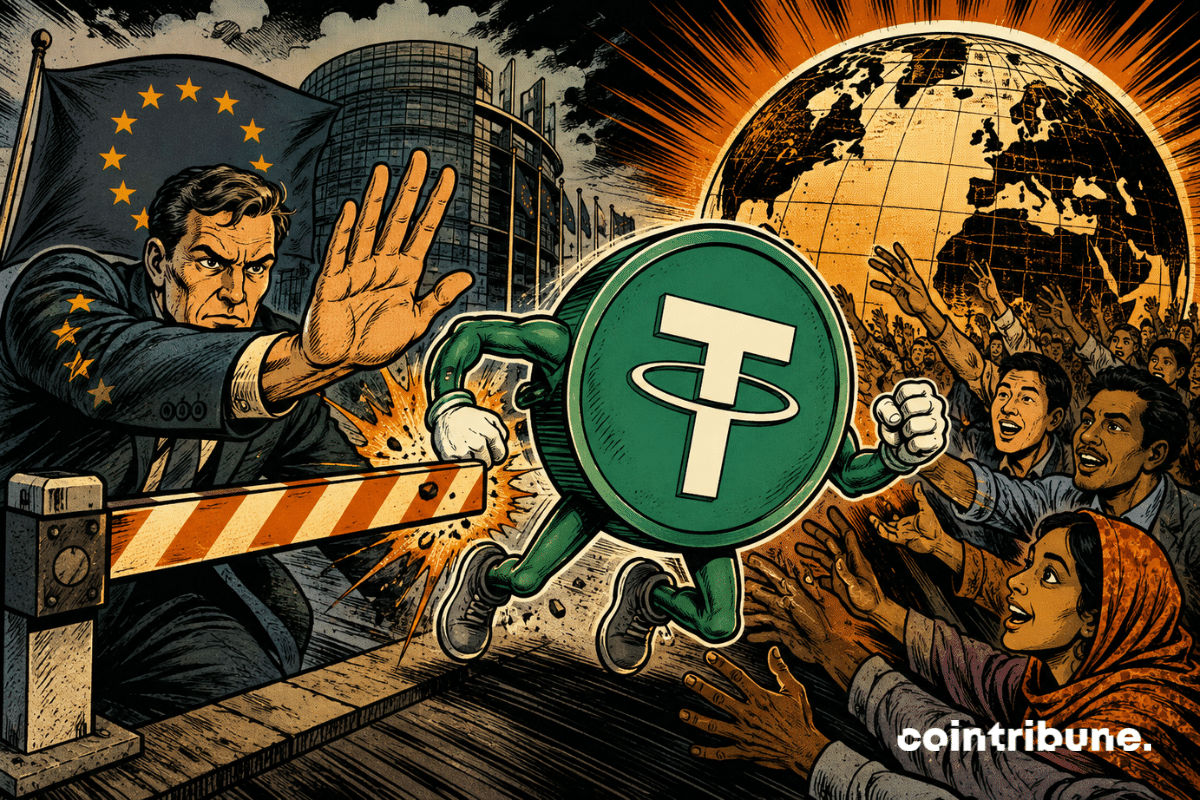
European pressure on stablecoins is changing access to digital assets. Since the end of the European transition period, several platforms have removed USDT from their offerings. However, available data do not show a net decline in global demand. Activity is growing in some emerging markets, where people use stablecoins for payments, transfers, and financial services. This development places MiCA at a central challenge: regulating European access without altering global usages of the digital dollar.
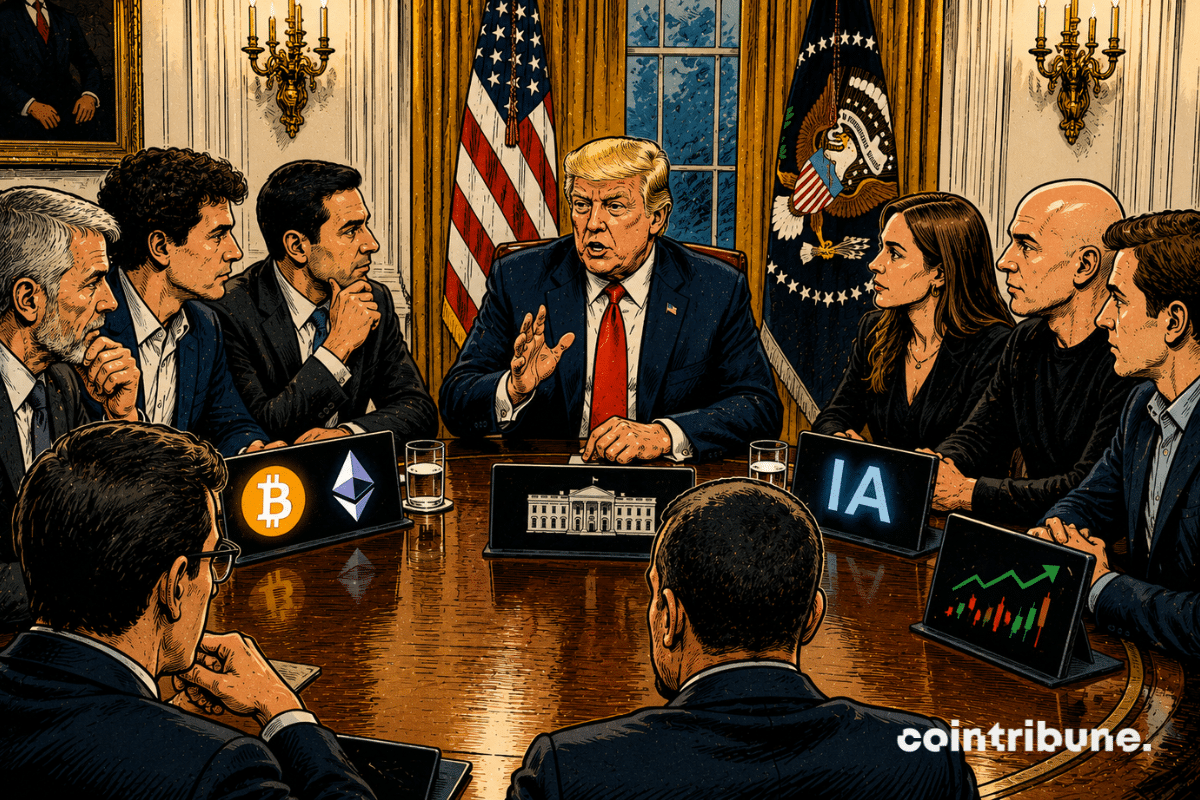
Donald Trump pressures the American Senate. This Wednesday, the president gathered several major figures from the crypto industry at the White House to try to unblock the CLARITY Act. The text, stuck in Congress, now crystallizes a confrontation that goes beyond the mere regulation of cryptos. Washington is also playing its ability to maintain its technological lead over China, against a backdrop of political tensions and disagreements over the sector's framework.
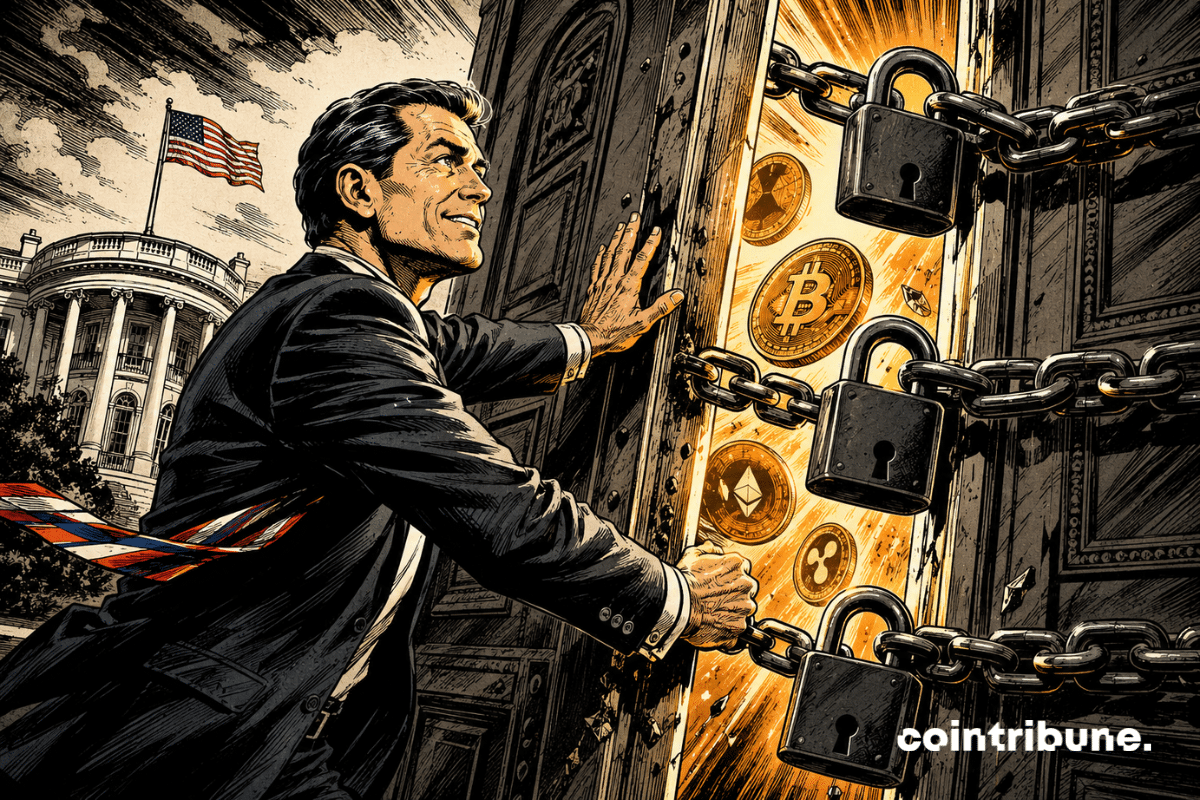
The Clarity Act is still not dead. Patrick Witt, the White House crypto advisor, even says he is "optimistic" ahead of the next vote scheduled in the Senate on September 15. The text exceeds 600 pages and aims to give the United States a federal framework for the crypto market. However, an old issue complicates the discussions again: the rewards paid on stablecoins.
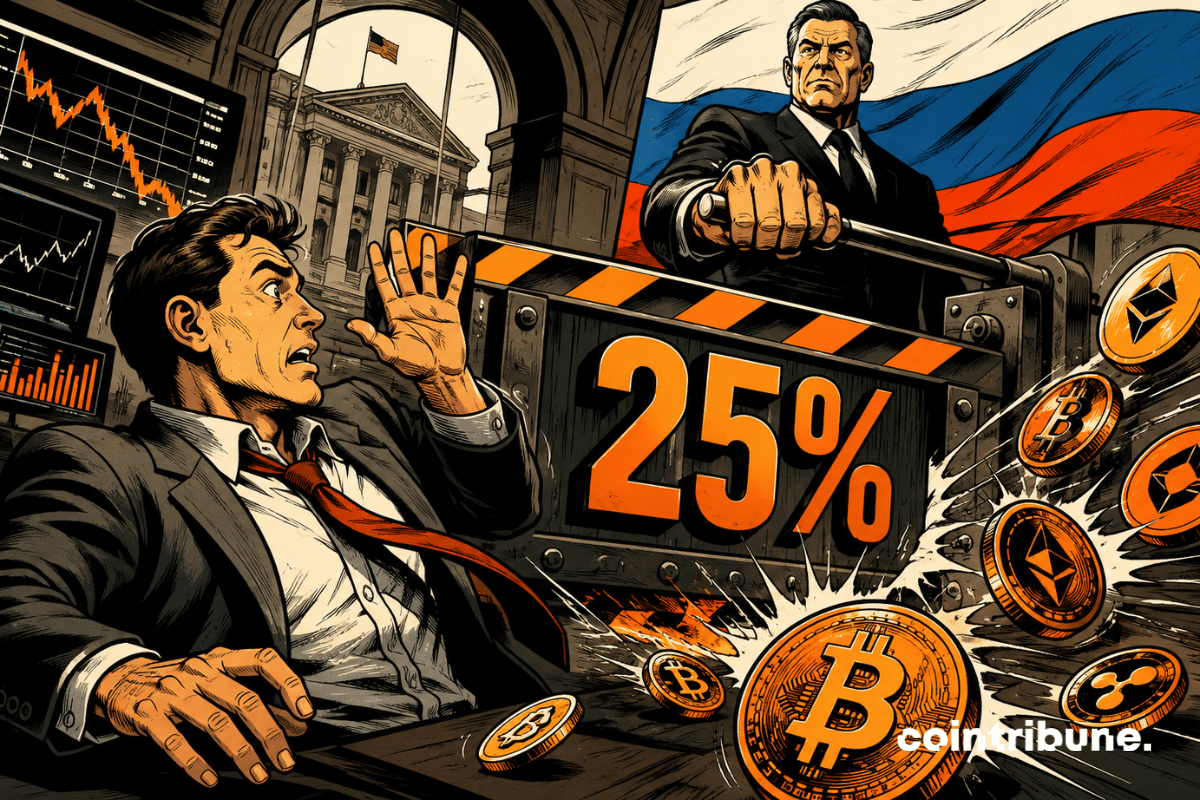
The Bank of Russia wants to limit the role of crypto in market professionals’ accounts. Its new draft regulation sets a 25% threshold for digital assets considered in the calculation of their equity. Brokers, managers, forex dealers, and crypto exchange platforms are concerned. Moscow thus allows crypto more, without giving it too much space in intermediaries’ balance sheets.
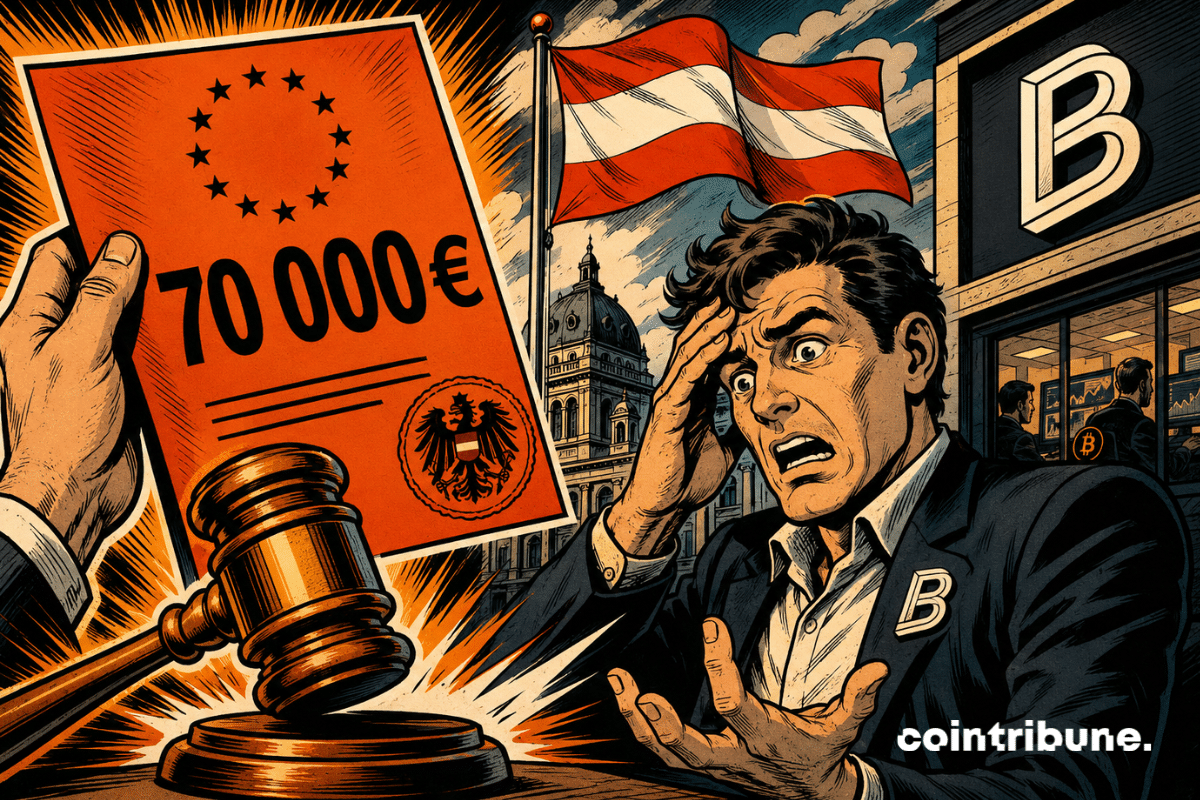
The European cryptocurrency framework enters a new phase with an official sanction. Bitpanda is fined 70,000 euros in Austria for several breaches of MiCA rules. The FMA notably reproaches the platform for errors in the transmission and communication of certain documents. This legally final decision marks an important step in the concrete application of the new European regulation. It also shows that transparency obligations become a central issue for European crypto actors.
The American crypto industry is now invited to the heart of power. Donald Trump is set to convene key figures from this ecosystem, prediction markets, and artificial intelligence at the White House. This meeting highlights the growing attention Washington is paying to these strategic sectors. Behind this meeting also lies the future direction of American policy towards these assets. Who will attend this meeting and what decisions might result?

Nigel Farage has just regained his Clacton parliamentary seat with 63% of the votes. His return to Parliament also reignites an investigation suspended since his resignation in July. The British standards commissioner is interested in several million dollars in donations and benefits received from two men linked to crypto.