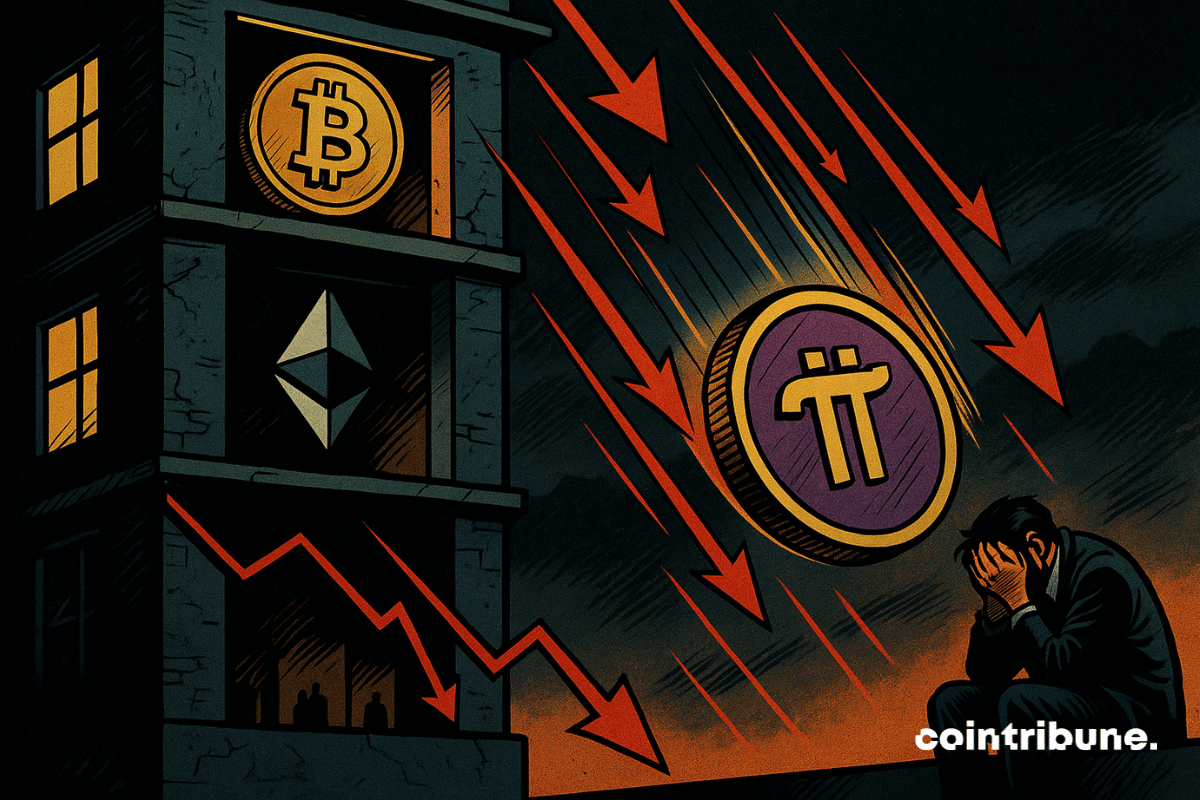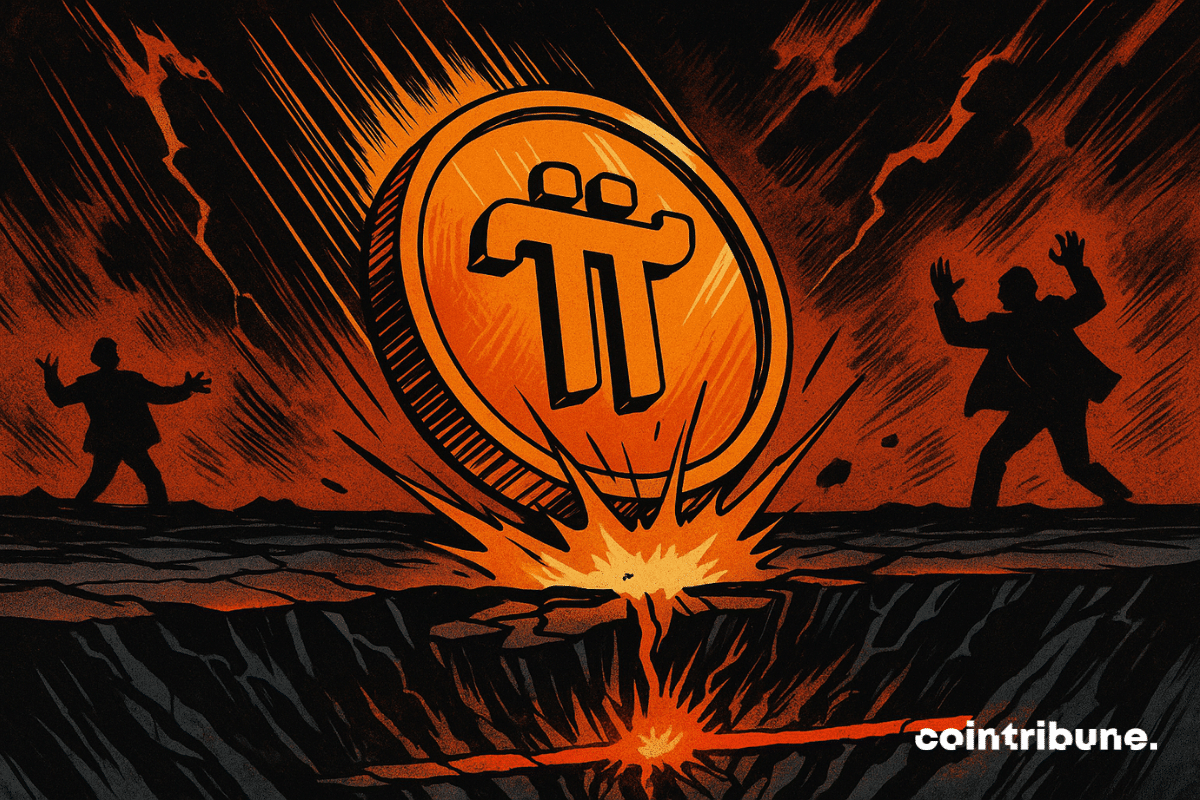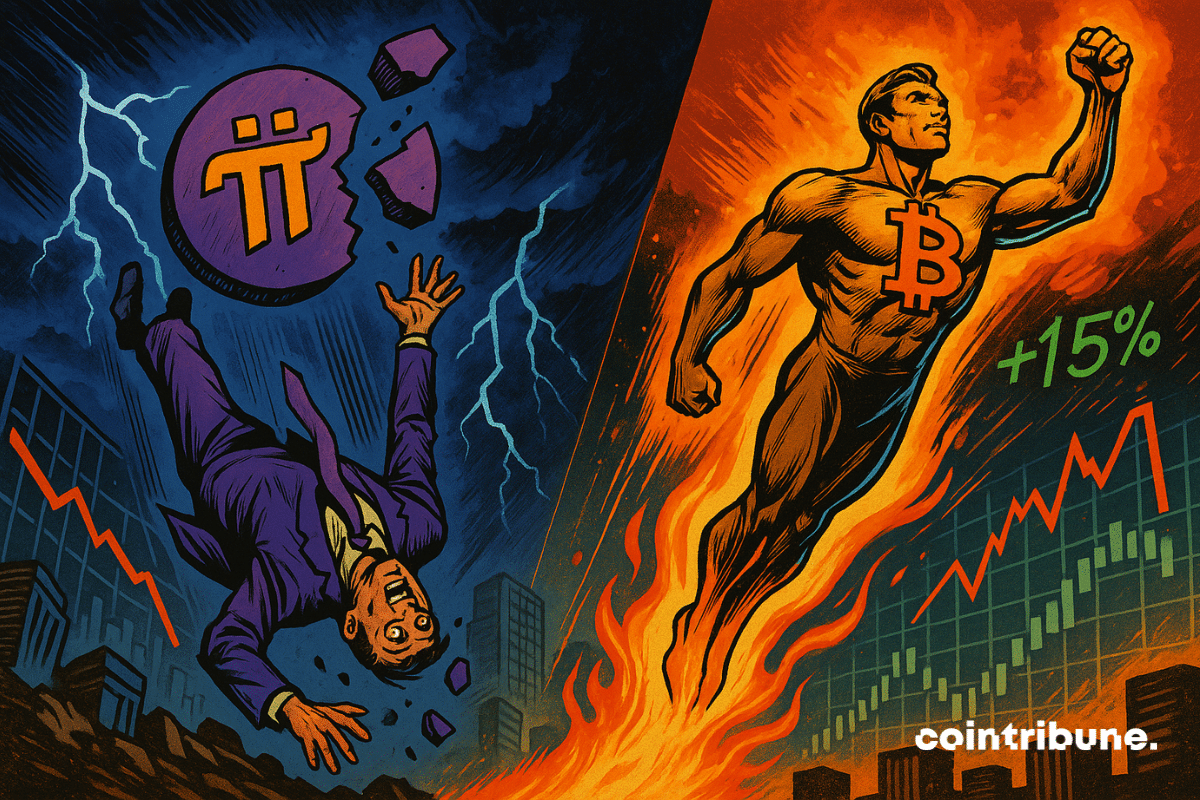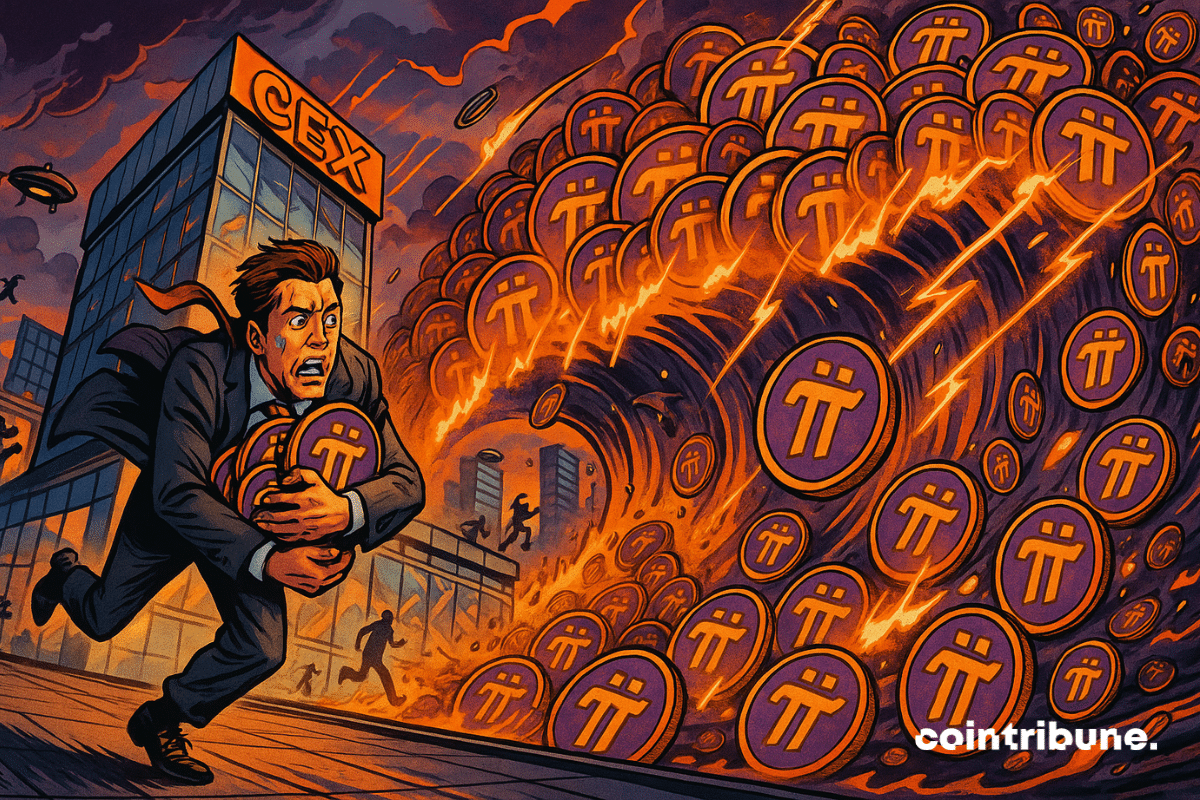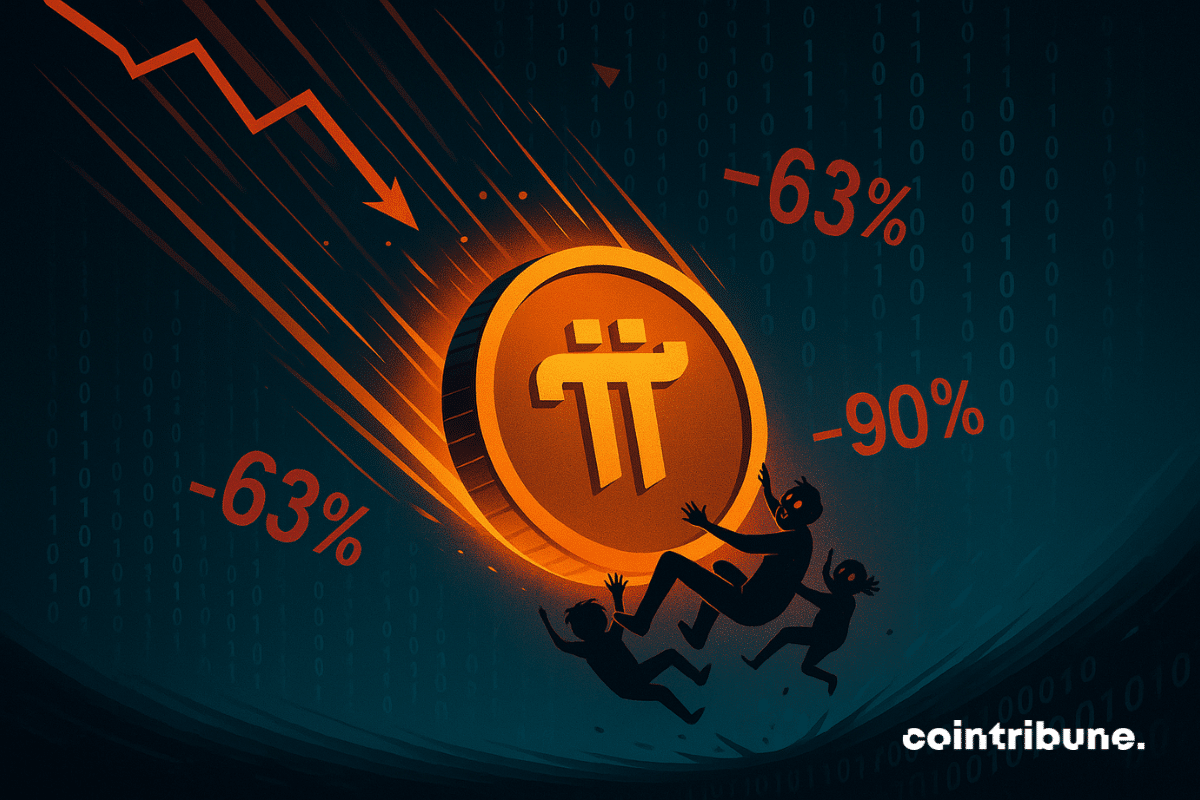
The Pi mining dream just turned into a waking nightmare — 97% gone, 103M tokens flooding the market. Binance? Coinbase? Who's that? They wouldn't touch Pi with a bargepole.
The balance of a decentralized protocol is ensured by an invisible, yet absolute synchronization between the alignment of its validation infrastructures and the financial structure of its asset on the markets. Pi Network is precisely going through one of those pivotal phases where technological imperatives clash with the speculative dynamics of its community. The native PI token, although showing some technical resilience by bouncing on a critical chart support after a particularly difficult start of the month, sees its founding team issue an urgent alert reminding of the underlying operational fragility of the project.
Markets can sometimes penalize an asset even as its ecosystem continues to grow. Pi Network is facing this paradox. While the PI token trades near its all-time lows, the project keeps announcing new initiatives to strengthen its infrastructure. The latest is SLICE, an experimental token launched on the Pi Launchpad as part of a new testing campaign. This operation, which coincides with Pi2Day on June 28, demonstrates the team's determination to continue its developments despite the market difficulty.
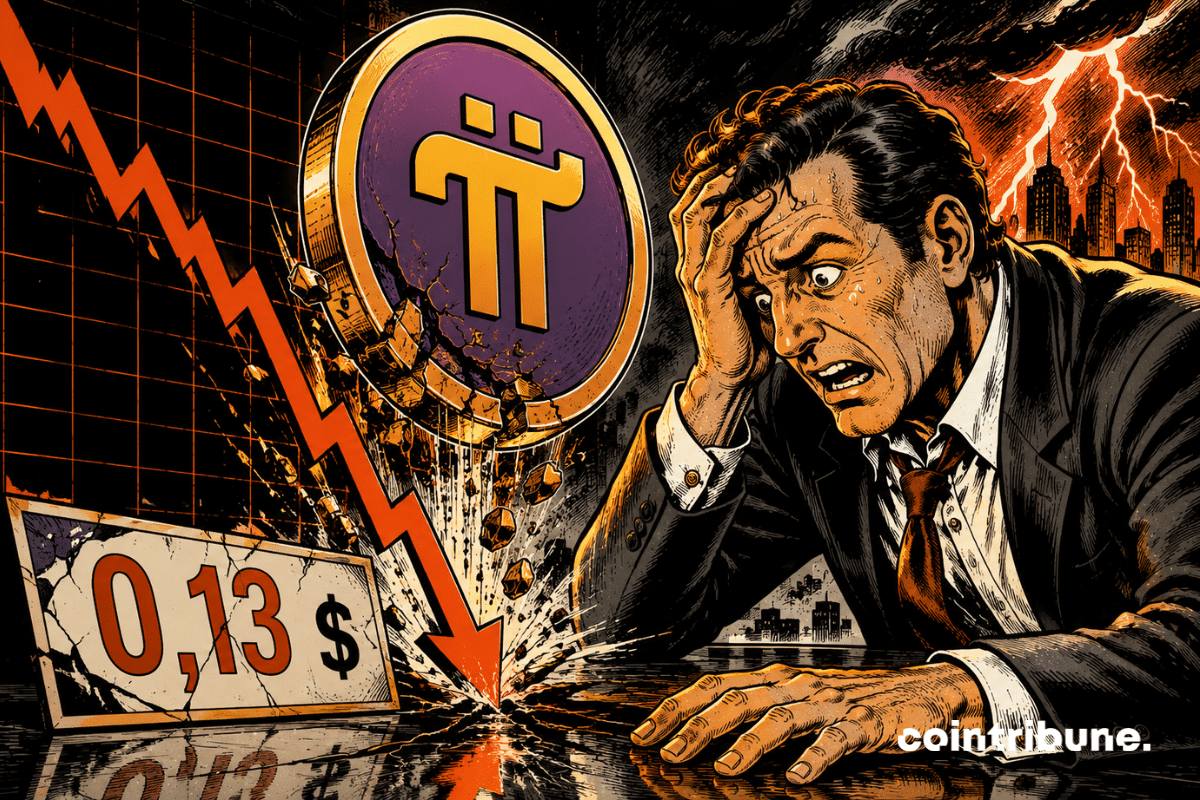
Pi Coin dangerously returns to its lows. Weakened by a continuous decline in investor interest, the Pi Network token now trades near the 0.13 dollar threshold. At the same time, several market indicators signal a deterioration of momentum, including technical weakness, a decline in social activity, and a gradual withdrawal of speculative capital.
The recent KYC update of Pi Network triggered a historic uproar! Thousands of people blocked for years explode with anger. Why did this announcement set the powder keg alight?
Pi Coin plunges back into a technical setup reminiscent of a very unfavorable previous scenario. Several crypto market signals converge towards a new phase of weakness while confidence around Pi Network remains fragile. Is history rhyming once again?
In a crypto market marked by wait-and-see, Pi Network struggles to trigger a real recovery. Far from its promising beginnings, the asset now moves between consolidation levels and mixed technical signals. Some indicators show an improvement in flows but without a clear breakthrough of key thresholds. The momentum remains fragile, and the selling pressure latent. Between timid investor support and lack of a strong catalyst, Pi is going through a prolonged phase of uncertainty. The risk of technical deadlock persists.
Pi Network, launched in 2019 to democratize mobile mining, gathers millions of users. Yet, its token still has no real value, and its blockchain remains under control. Since the partial opening of its mainnet, the project oscillates between collective fascination and technical warning signs. Centralization, lack of transparency, invasive KYC... despite everything, enthusiasm does not wane. Why does such a controversial project continue to unite people?
As euphoria fades more and more in the crypto market, Pi Network, already controversial, has just brushed a new historic low. Officially, the global context is to blame. However, technical signals paint an even darker picture: absence of rebound, low volume, indicators in the red. Doubt is setting in. Is Pi Network losing control of its trajectory?
Despite a major update to version 23 of its protocol, Pi Network struggles to spark market enthusiasm. In a sector where every innovation is scrutinized to revive bullish momentum, the announcement of technical advances inspired by Stellar Protocol 23 and the integration of new functionalities were not enough to boost its token price. This dissonance between technological progress and stock market inertia raises questions about the project's ability to convert its evolutions into real value.
While the wait around Pi Network drags on, a discreet statement from a moderator reignites hopes. Millions of users are still waiting to access their mined tokens, but a second migration to the mainnet could change the game. This signal, although unofficial, comes amid growing frustration. If it materializes, it would mark a strategic turning point for a project still locked in its mainnet, far from the promises of a truly accessible blockchain.
In an ecosystem already weakened by bitcoin volatility, the project based on mobile mining dangerously approaches its historic low. Long supported by a massive but controversial community, Pi Network now faces an acute confidence crisis. Extreme correlation to BTC, selling pressure, technical indicators in the red: warning signals are piling up. Can the project still avoid going off the rails?
As distrust settles in the crypto ecosystem, Pi Network fuels tensions with a controversial decision: a voluntary token lockup in exchange for a mining bonus that can rise up to 200%. In a context of free-falling prices and lethargic liquidity, the initiative provokes the outrage of a community already tested by technical delays and the lack of use cases.
Driven by millions of supporters since its launch, Pi Network is currently experiencing a period of intense instability. The price of its token is falling sharply, approaching a concerning historical threshold. This project, once presented as a decentralized alternative accessible to all, now raises growing doubts about its viability. Caught between community enthusiasm and selling pressure, Pi Network finds itself at the center of discussions, crystallizing the tensions of a market where initial euphoria gives way to expectation.
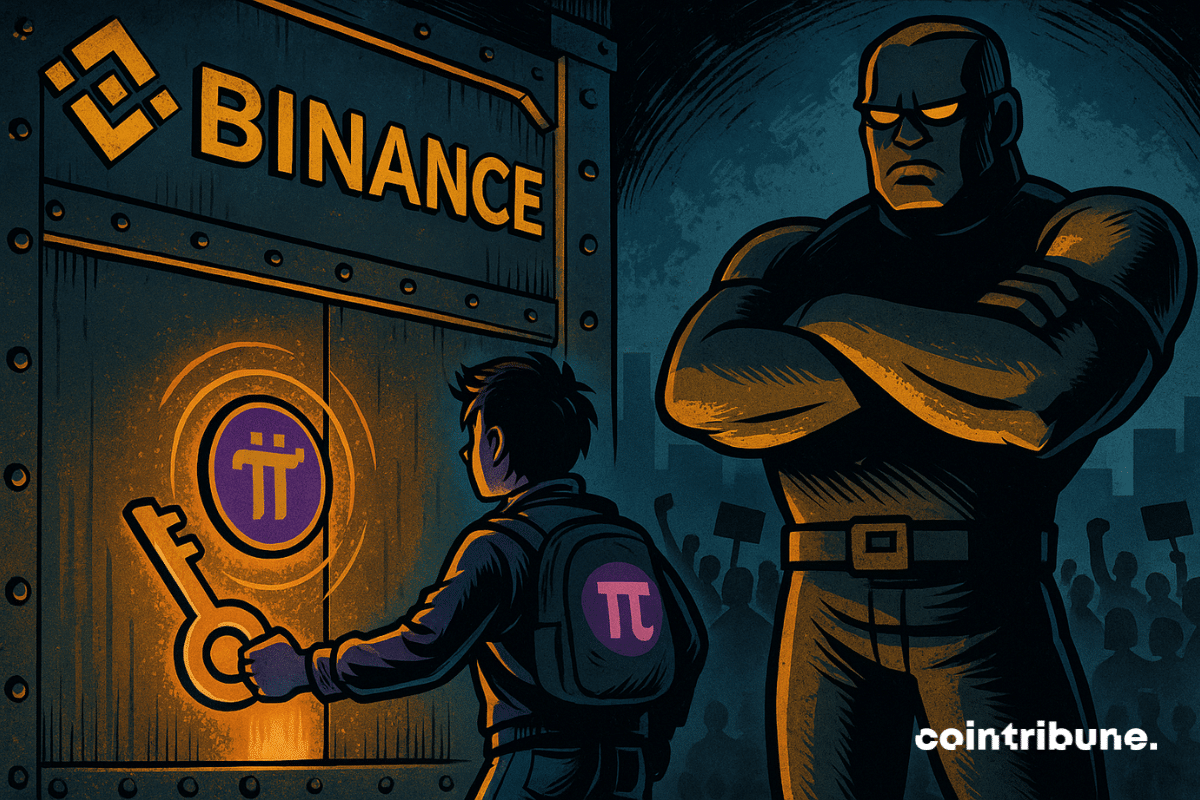
While Pi Network mobilizes millions of users worldwide, its absence on Binance raises questions. Why does the largest exchange platform ignore such a popular project? While Gate.io and Bitget already allow the exchange of PI tokens, Binance remains inflexible. This strategic silence in the face of community enthusiasm does not go unnoticed and reignites debates about the project's credibility, security, and maturity. A decision that, by itself, could reshape the future of cryptocurrency.
While bitcoin flirts with yearly highs, some cryptos are experiencing a clear downturn. Pi Network, once praised for its participatory and mobile-first model, sees its valuation wobble under the effect of degraded technical indicators and a marked climate of distrust. The project, long supported by its community, now faces a…
Pi Network is entering an unstable period. On July 4th, a massive influx of tokens will inflate the available supply in an already pressured market. After declining for six days, the PI cryptocurrency is struggling to convince, especially since the announcements from Pi2Day left investors wanting more. Between community disappointment and upcoming tensions, the project has a lot at stake in the coming days.
On the occasion of Pi2Day, celebrated every June 28, Pi Network unveiled two strategic features: a no-code application creation tool powered by AI and a community staking mechanism to promote projects. This initiative marks a turning point towards a more accessible platform, governed by its users. By focusing on intelligent automation and the decentralization of referrals, Pi Network aims to redefine the rules of mobile-first Web3, at the intersection of technological innovation and community engagement.
The Pi Network token jumped 38% this week, fueled by a series of signals interpreted as the beginnings of a partnership with Google AI. In the wake of this momentum, Nicolas Kokkalis's participation in a panel on artificial intelligence at Consensus 2025 and the imminent Pi2Day, scheduled for this Saturday, June 28, are stirring speculation. Although still in transition to its mainnet, the project is capturing attention and fostering hopes for a strategic turning point for its ecosystem.
While the crypto market hesitates on the direction to take, Pi Network captures attention at a pivotal moment. After a spectacular rally followed by a marked drop, the project now intrigues with a technical setup rarely observed: a descending wedge, often seen as a precursor to a reversal. This signal, combined with intense community news, places the PI token at the center of speculation about a potential rebound.
While Bitcoin is stagnating, some altcoins are wavering. This is the case with Pi Network, whose token PI, still not officially listed, just brushed against a new low of $0.40. This sharp drop, followed by a slight rebound, fuels a renewed tension around a project that is as closely followed as it is questioned. Between intense speculation, conflicting technical indicators, and imminent deadlines, the cryptocurrency is now moving in a critical zone that could determine its short-term future.
Driven by the promise of mining accessible from a smartphone, Pi Network had successfully mobilized a vast community. However, as volumes explode on centralized exchanges and official announcements struggle to convince, the project is going through an unstable period. Now, enthusiasm is giving way to doubts, fueled by opaque decisions and communication deemed disappointing. A strategic turning point seems inevitable, or else one of the most closely followed projects in the crypto sphere may disappear.
After six years of waiting and millions of accounts created, Pi Network began its transition to the mainnet with the promise of a decentralized cryptocurrency accessible to all. However, as the migration accelerates, an increasing number of users are finding themselves stuck: empty wallets, validated but ignored KYC, failed verifications. What was supposed to mark the culmination of the project is turning into a technical deadlock for many, raising doubts about the reliability of the system and the network's ability to fulfill its commitments.
In the ruthless world of crypto, some drops leave no room for ambiguity. The Pi Network crypto, which promised public access to mobile mining, now falters under the weight of a challenging market. As its PI token slips towards $0.60, technical indicators turn red and confidence erodes. Where advocates hoped for a rebound, it is a constant selling pressure that prevails, signaling a potentially lasting shift in the project's trajectory.
When a project touted for its mass adoption collapses under market pressure, the signal is strong. The PI token of Pi Network dropped by 22%, reaching $0.61 on May 31, 2025. This decline comes as the overall crypto market has seen more than $170 billion evaporate in a week. The magnitude of the downturn now raises questions about the project's viability and the confidence that its historical investors can still place in it.
Launched as a revolution in mobile mining, Pi Network has captivated millions of investors before faltering under the weight of its own promises. Since the launch of its mainnet in February 2025, the project has faced setbacks: blocked tokens, lack of listing on major platforms, and ambiguity around its funding. The result is a drop of over 75% in price within three months and a disillusioned community. Behind the initial excitement, doubt is emerging about the actual viability of this "inclusive" cryptocurrency.
BNP Paribas makes a notable entry into the crypto world by partnering with Pi Network. This strategic partnership could revolutionize the European financial landscape by combining the power of blockchain with the efficiency of SEPA transfers. A promising alliance that could propel the PI token to new heights.
In the span of two months, Pi Network has lost nearly 90% of its value. The cryptocurrency fell from $2.99 to a low of $0.40. This collapse could have marked the end of the hype, but a recent rebound is rekindling interest. While some see it as just a temporary surge, others suggest it could be the beginning of a turnaround. As the project is poised to reach a key milestone, the price movement in the coming days could reshape the trajectory of this controversial cryptocurrency.
While Web3 projects compete with announcements, Pi Network surprises with a marked surge in its token. Within 24 hours, its price rises by 5%, accompanied by a trading volume increase of 66%. This resurgence of interest coincides with a long-awaited milestone: the launch of the migration to the mainnet. For a project often deemed enigmatic, this shift to a fully operational blockchain environment redefines expectations around its credibility and roadmap.
While the crypto market oscillates without a clear direction, some internal dynamics are stirring tensions. This month, the Pi Network project is preparing to inject a massive amount of tokens into the market. This operation is being closely watched, as its scale could worsen the selling pressure on the price of Pi, an already fragile asset. The chosen timeline, combined with alarming technical signals, outlines a scenario to be monitored very closely.