Fri 31 Oct 2025 ▪
4 min read
▪
by
With scammers growing more sophisticated, Binance outlines essential security measures to protect user accounts.
With scammers growing more sophisticated, Binance outlines essential security measures to protect user accounts.
Crypto phishing explodes in 2025, even targeting official accounts like BNB Chain. Faced with this growing threat, SEAL deploys a solution: a transparent and tamper-proof reporting system. How could this innovation change the game for your digital assets?
A new report by blockchain analytics firm Chainalysis reveals that more than $75 billion in cryptocurrency linked to illicit activity could soon be within reach of law enforcement. The findings come as governments consider forming official crypto reserves, raising questions about how seized digital assets could fit into national financial strategies.
Crypto hack losses fell sharply in the third quarter of 2025, signaling progress in curbing large-scale exploits. Still, September offered a stark reminder of ongoing risks, logging a record number of million-dollar hacks. While attackers stole less overall, their tactics continued to evolve, with wallets and centralized platforms increasingly targeted over smart contracts.
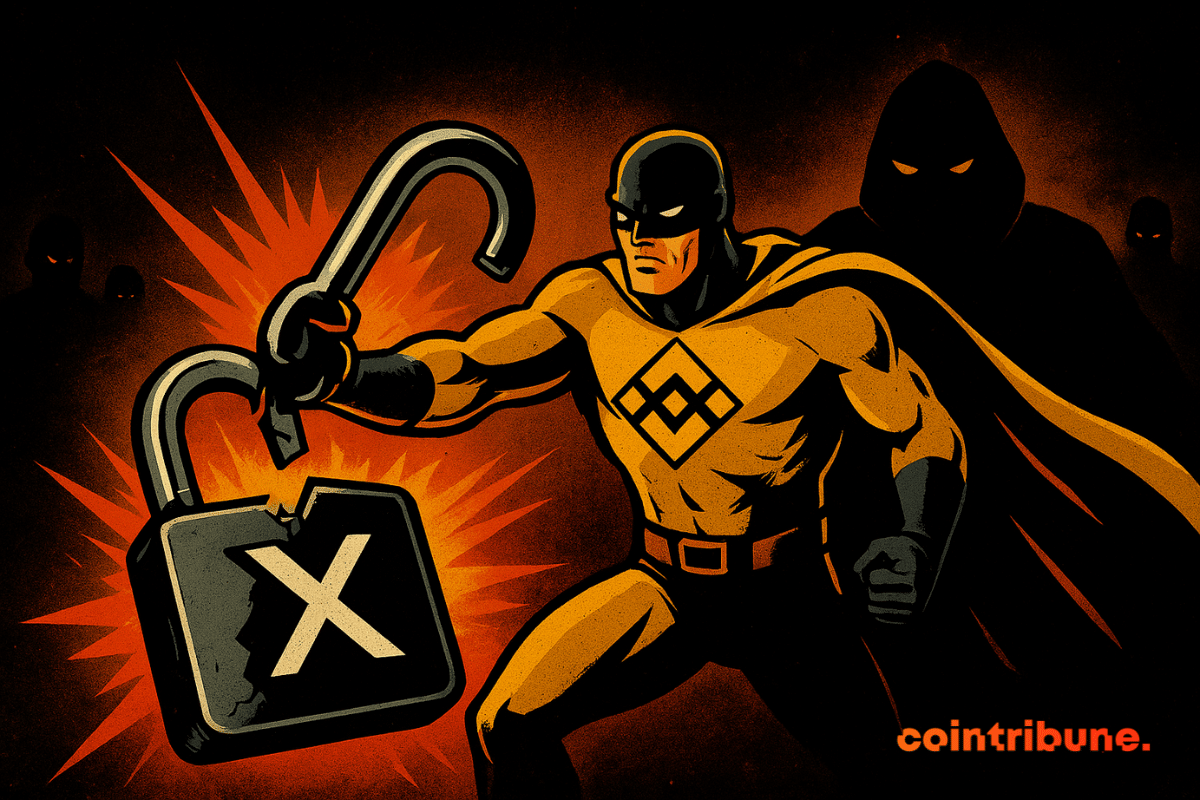
BNB Chain has restored control of its official X account after a phishing attack briefly misled users with fake reward links. Although limited in scale, the breach is the latest reminder of the growing threat of scams targeting crypto communities. Losses were contained, but the event comes amid a broader rise in phishing-related thefts across the industry.
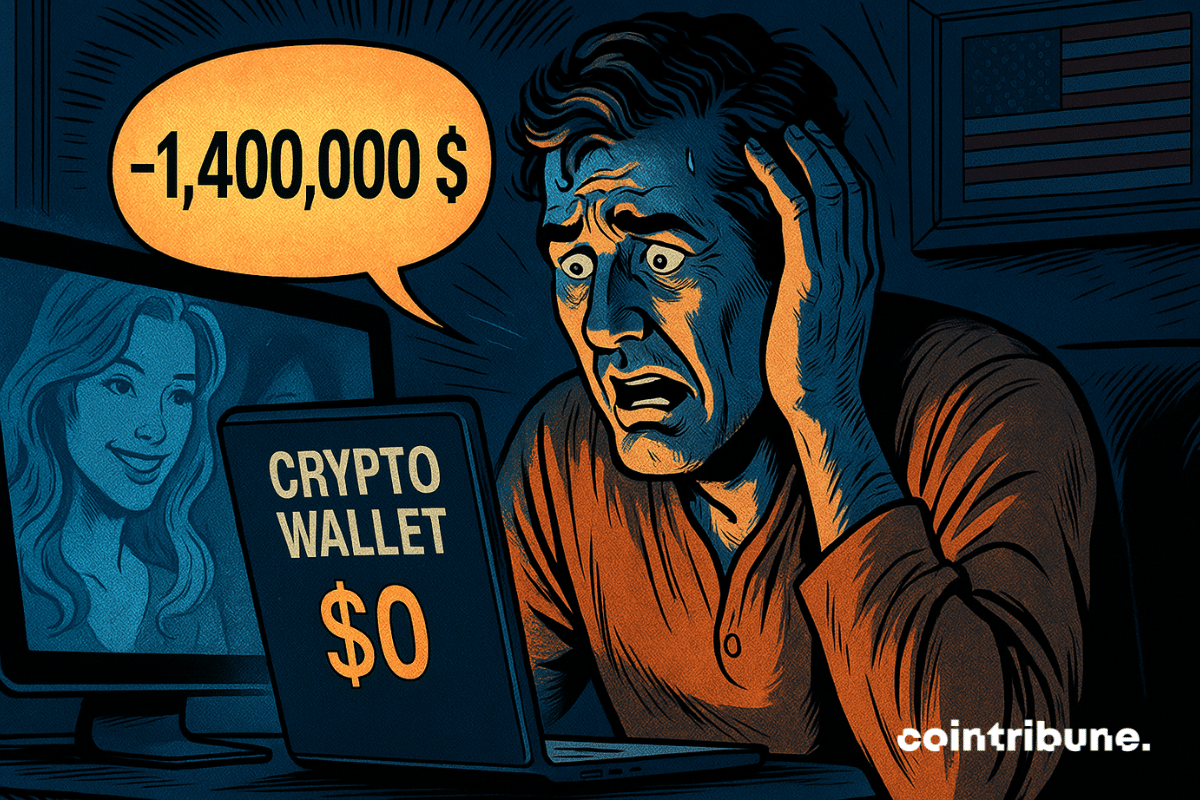
Online seduction, blind trust, and promises of quick profits: it only took a few months for a retiree from Colorado to see 1.4 million dollars disappear. But behind this individual tragedy lies a more worrying reality: the proliferation of scams in a crypto sector still too little regulated.
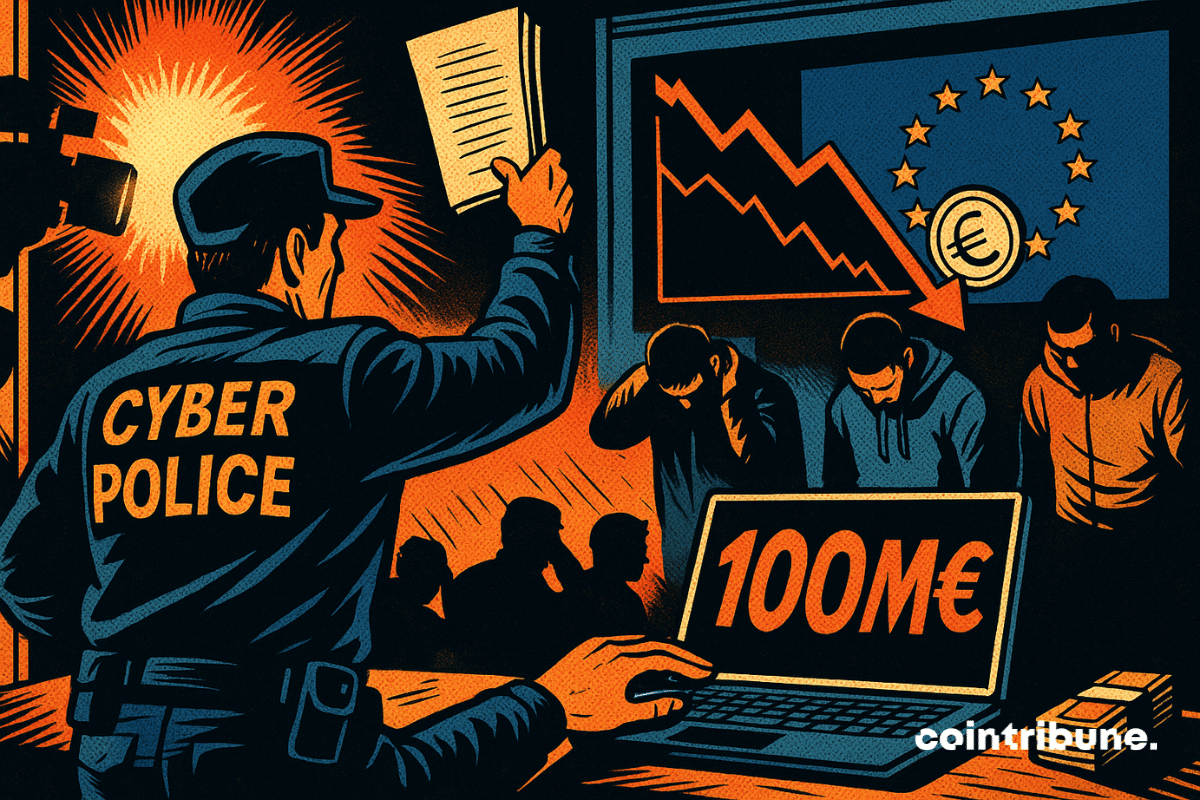
When cryptos become mirages, scammers become experts: 100 million stolen, 23 countries affected, 5 crooks arrested. And meanwhile, Bitcoin looks elsewhere, impassive.
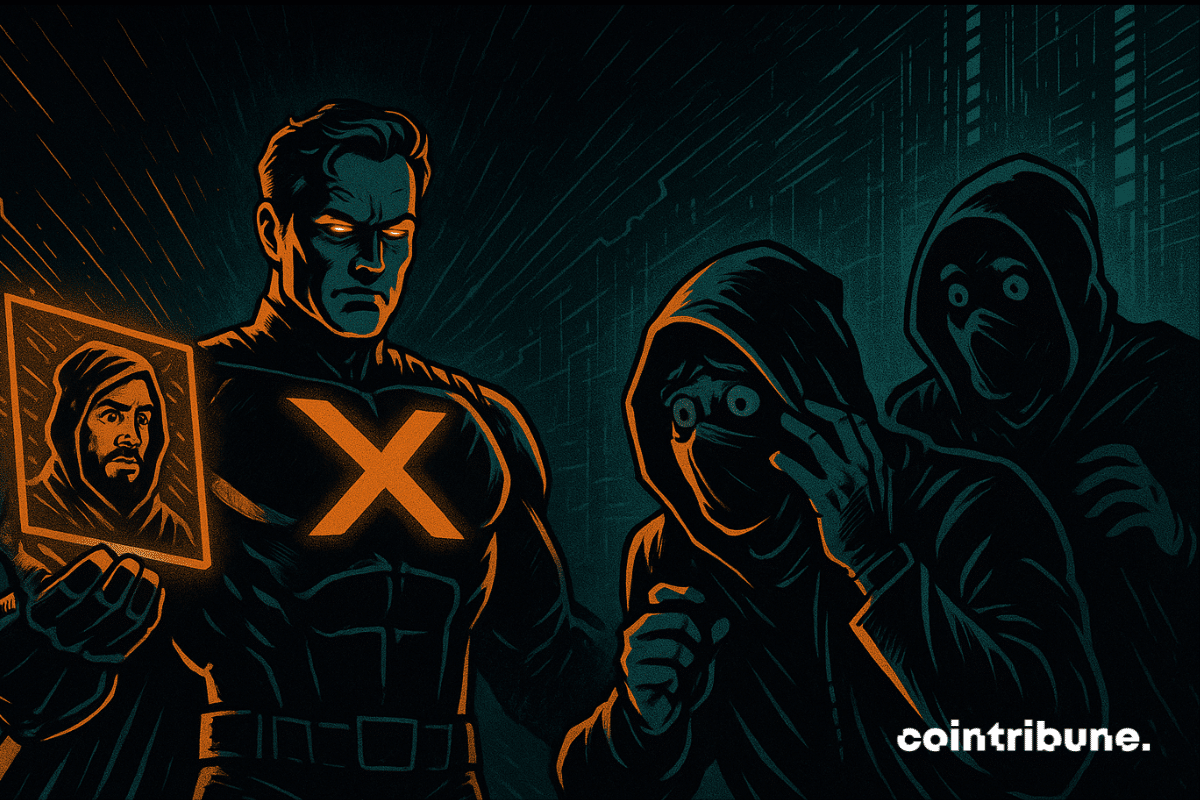
X is taking legal action against banned accounts that tried to regain access through bribery and fraud, some of which are linked to the larger Com network under FBI scrutiny.
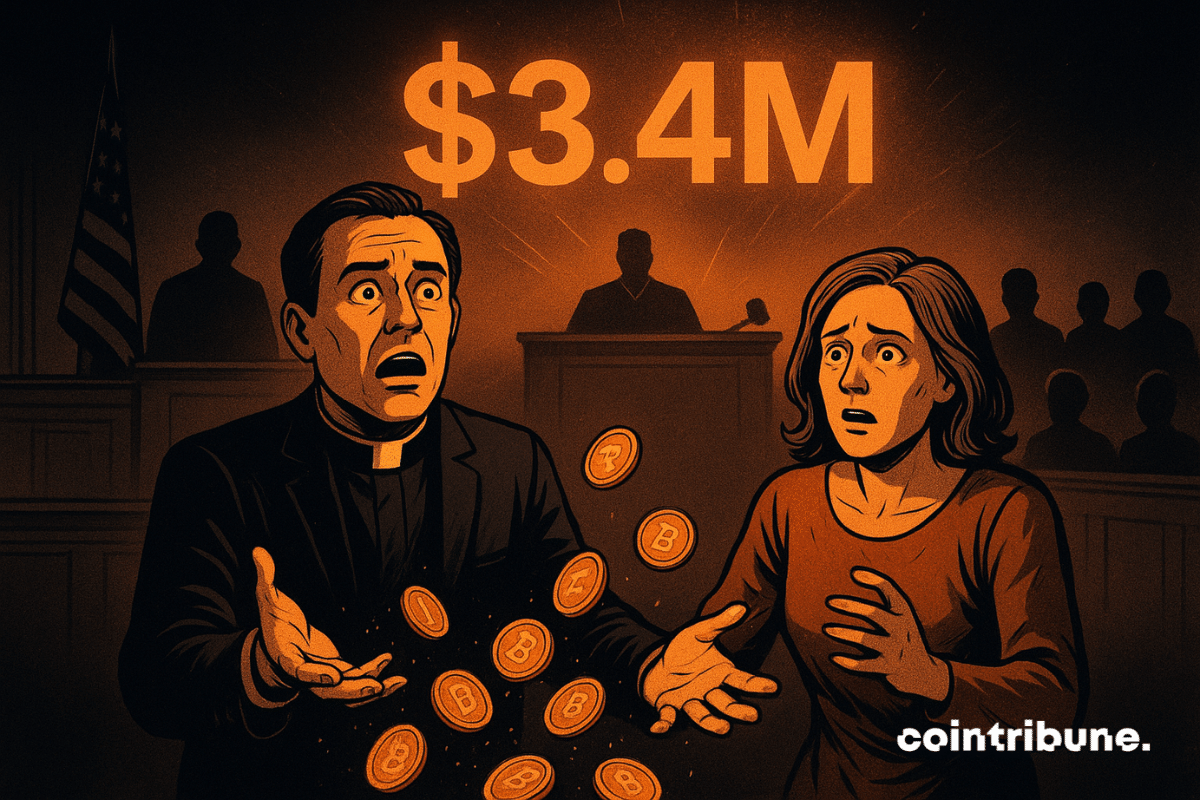
Popular names like the Lazarus Group often make headlines when it comes to crypto scams. But in an interesting twist, market participants were shocked to learn that digital asset fraud has crept into the sacred corridors of religion. A U.S. court has convicted a Denver pastor and his wife of running a fake cryptocurrency scheme following their indictment in July.

The spectacular fall of SafeMoon continues to cause ripples. After the conviction of its CEO for fraud, the FBI now opens its doors to victims to try to recover part of the lost funds. But is restitution in the crypto universe as complex as hoped?

Nearly two years after his conviction, the former CEO of FTX sees his crypto future replayed in a judicial appeal. The Second Circuit Court of Appeals has set the hearing for November 4, a key step in the crypto trial.
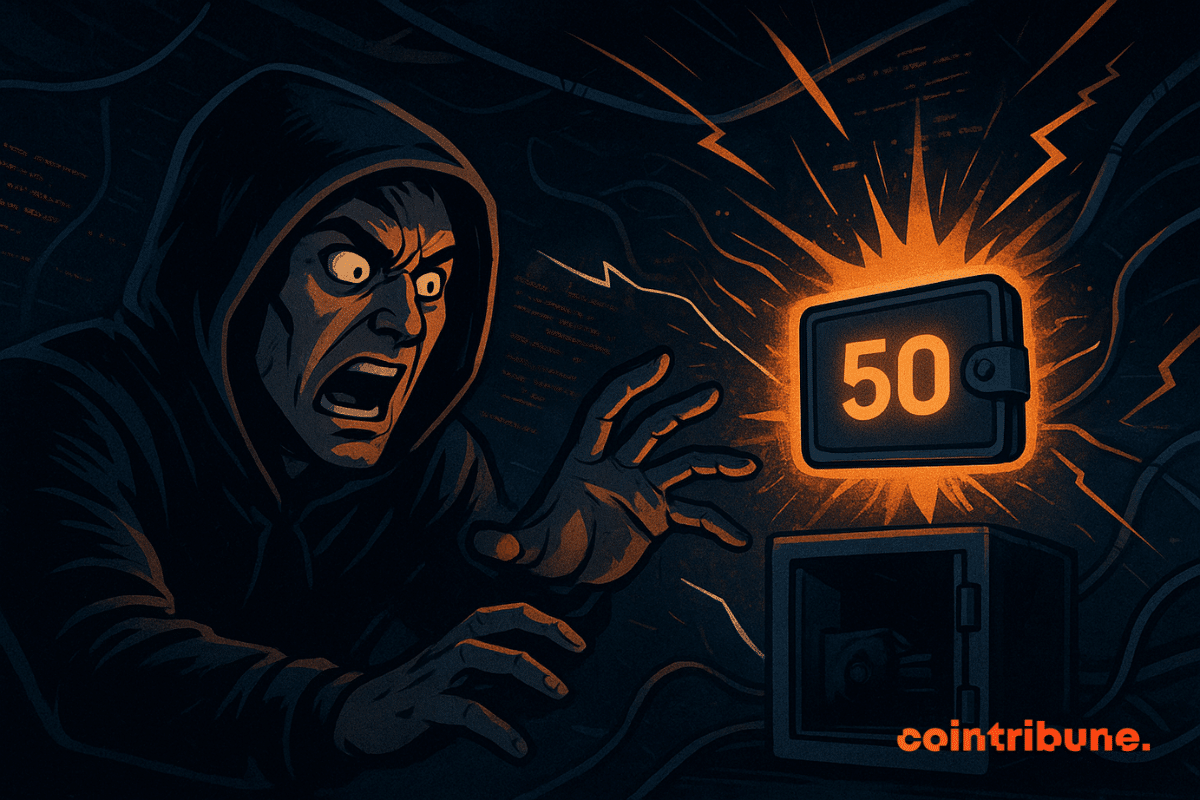
Malicious actors are at it again, this time targeting the account of a well-known software developer's node package manager (NPM). Investigations revealed that the hackers added malware to popular JavaScript libraries, primarily attacking crypto wallets. However, after launching what industry sleuths describe as the largest supply chain attack in crypto history, the hackers managed to steal only $50 worth of crypto assets.
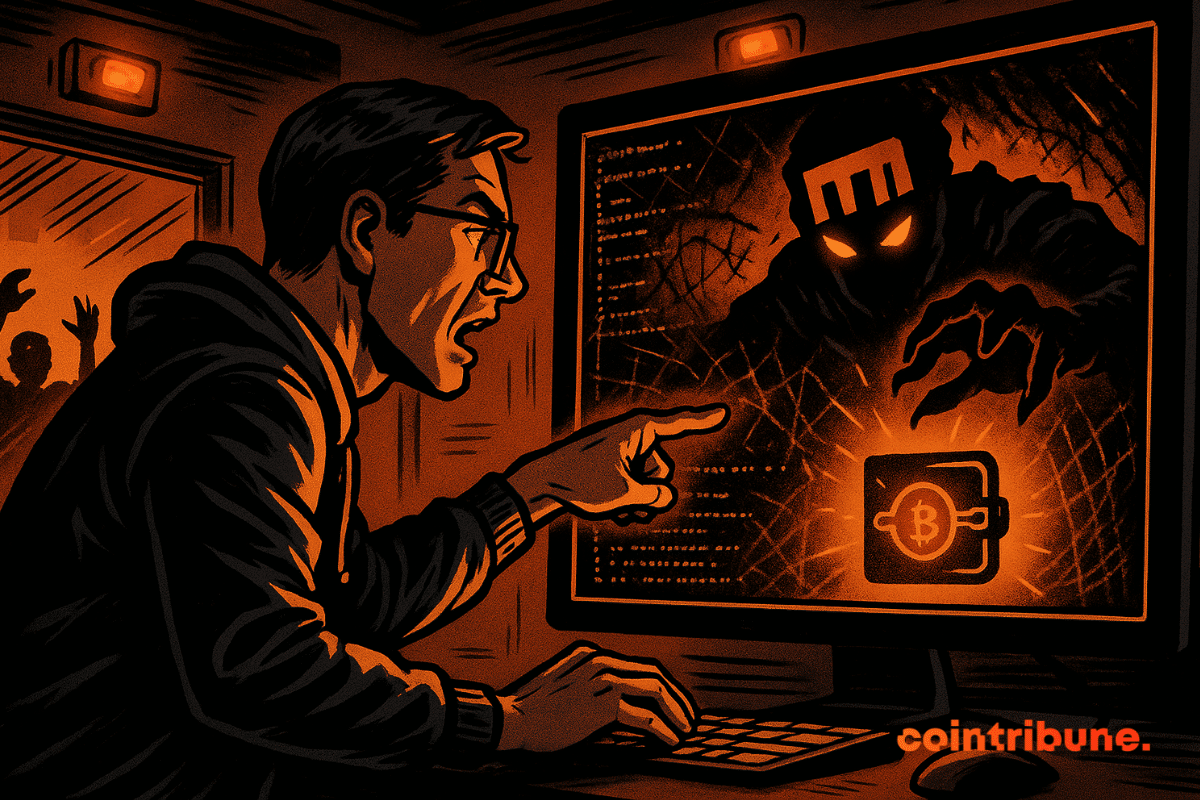
A hijacked NPM account was at the center of a major supply-chain breach, putting the JavaScript ecosystem and crypto users at risk.
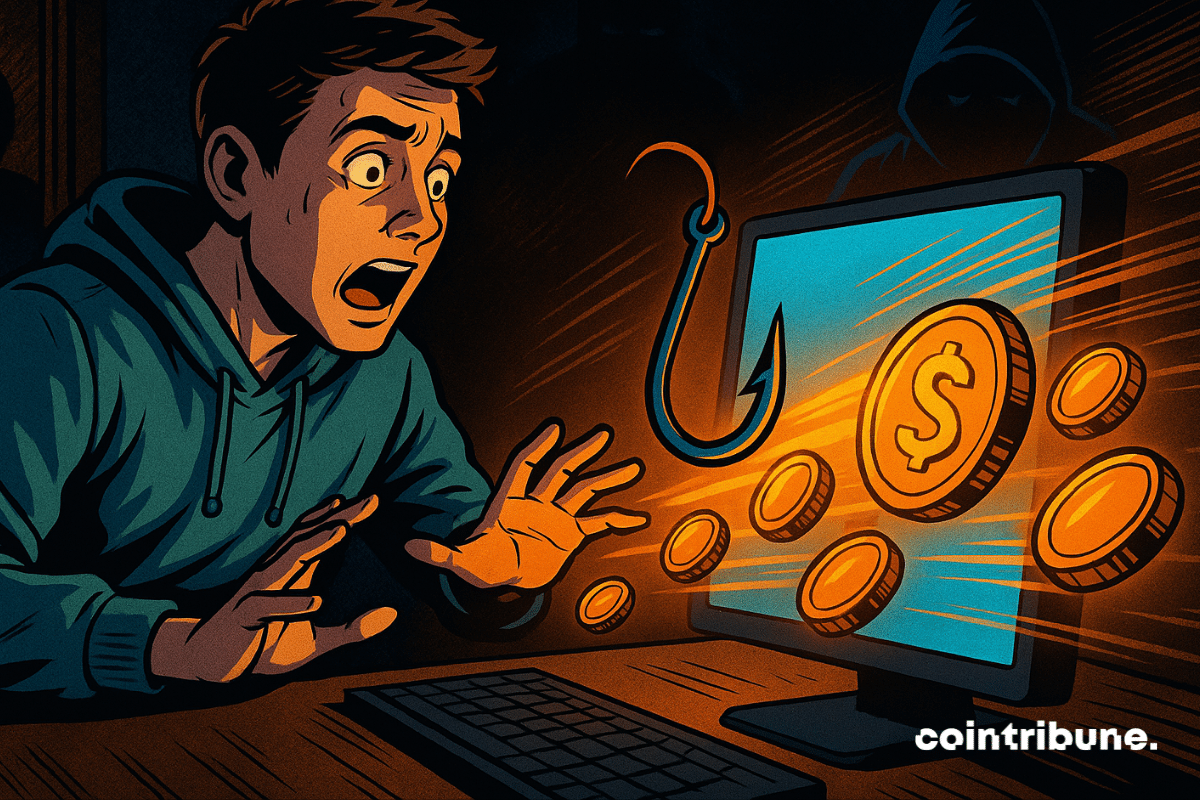
A BNB whale fell victim to a $13.5 million phishing attack on Venus Protocol. The platform paused operations, but the stolen funds were later recovered.

Rumors are circulating about the possible kidnapping of a CEO of a crypto platform that allegedly took place this morning in Le Bourget in the 93. A video is circulating showing the kidnapping live. For now, no official confirmation has been given by police services.
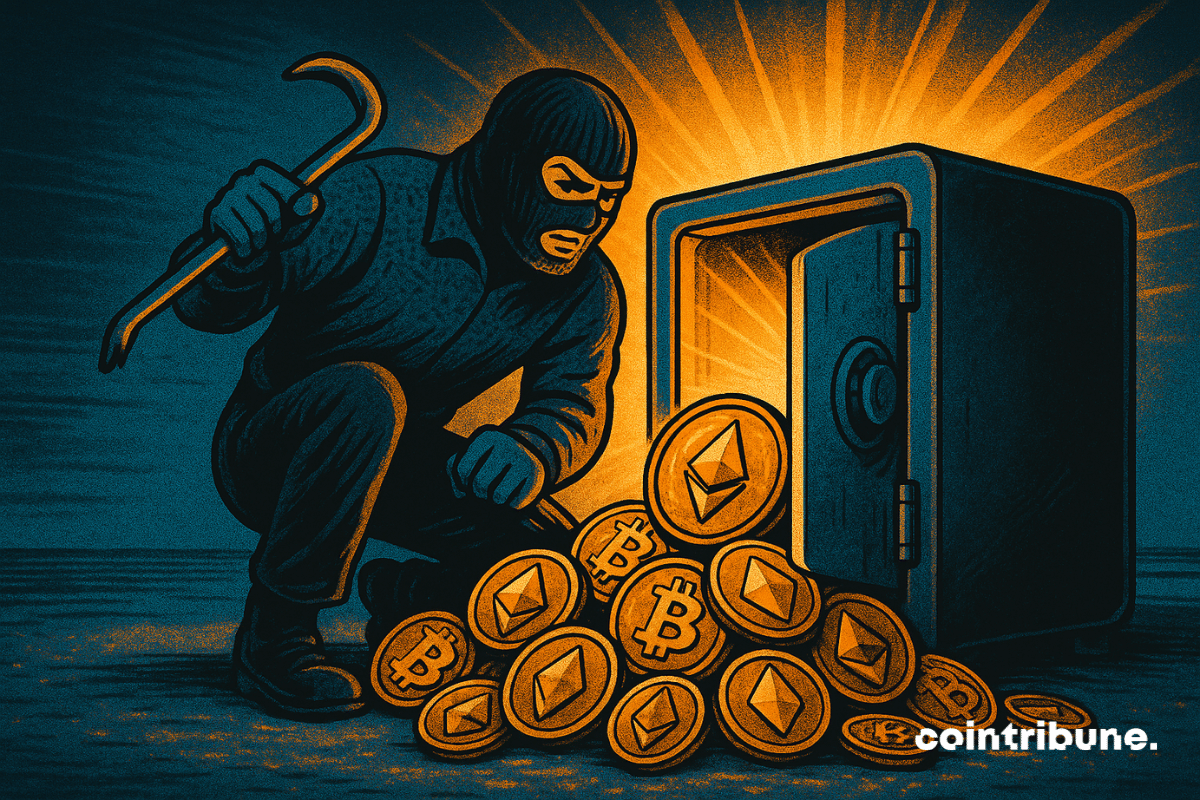
Onchain analytics platform Bubblemaps has published a detailed investigation suggesting that crypto figure Hayden Davis (also known as Kelsier) may have been behind a coordinated snipe of the newly launched $YZY token, allegedly generating $12 million in profits.
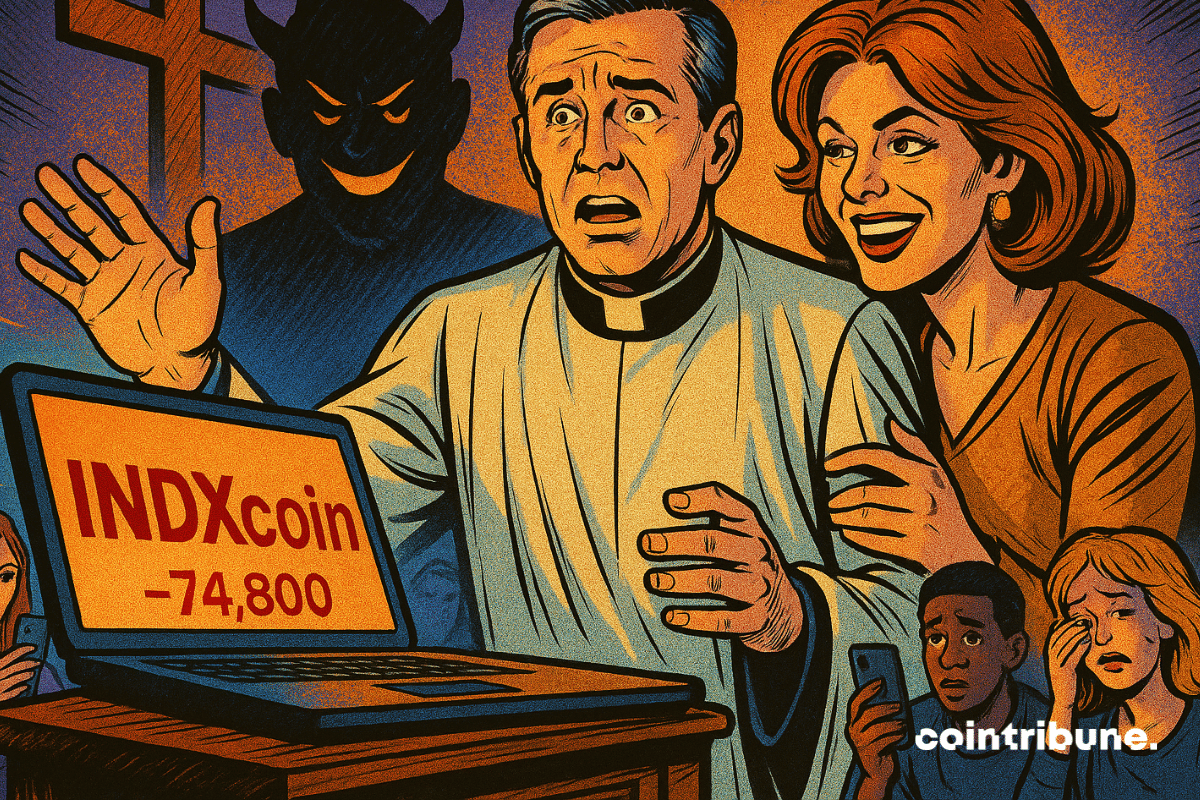
A Denver pastor and his wife have been indicted for allegedly running a $3.4 million cryptocurrency scam targeting their own faith community.

Valeria Fedyakina, a 24-year-old Russian influencer known online as “Bitmama,” has been sentenced to 7 years in a prison colony after running a major crypto scam that stole over $21 million from investors. Russian prosecutors say some of the stolen funds were used to support Ukraine’s military, a claim that adds a geopolitical twist to this case.

A coffee, an unfindable place, a disappearance: in Maisons-Alfort, crypto comes out of the virtual to end up in a bag, version grand banditisme 3.0.

New development in the crypto jungle: the police have apprehended another suspect, while the alleged leader, hiding in Morocco, awaits extradition... The noose is tightening.
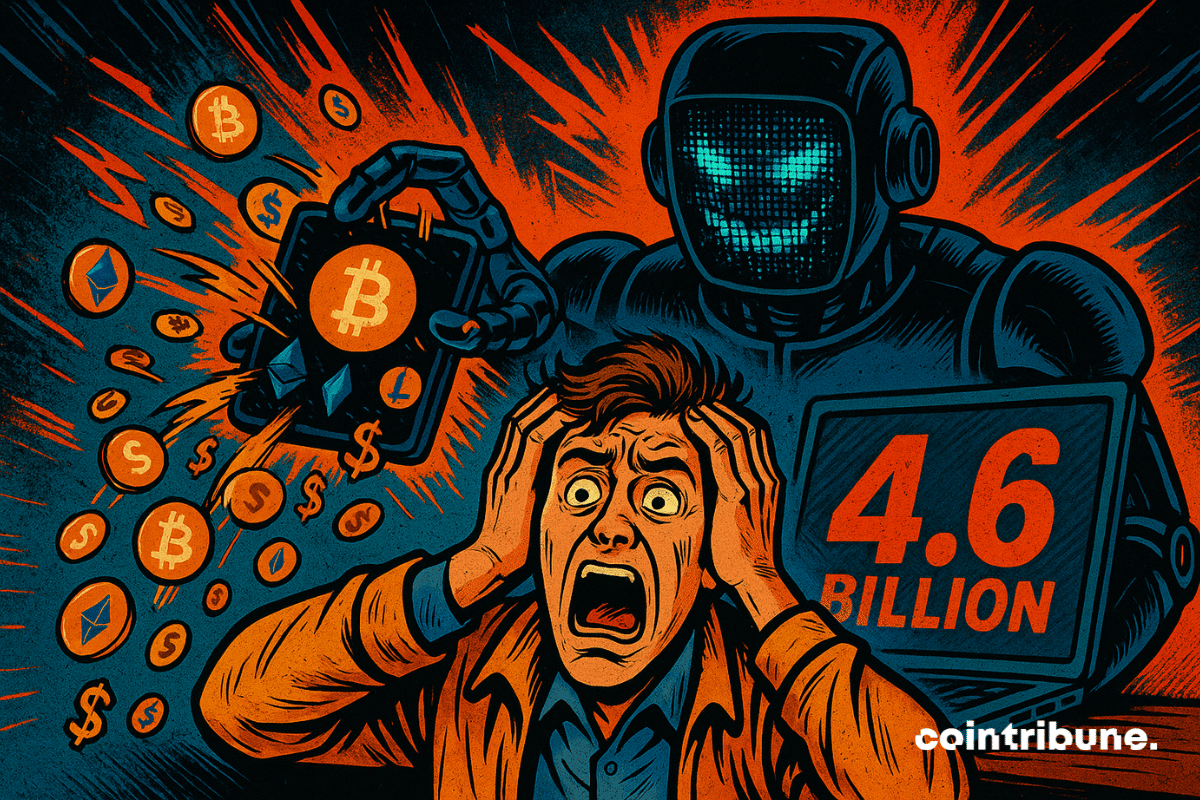
The promise of crypto was financial freedom. Today, it also attracts the most ingenious fraudsters on the planet. Fueled by artificial intelligence, their schemes are becoming undetectable and massive. In 2024, these scams caused $4.6 billion in losses, according to Bitget's anti-scam report. A staggering figure that forces the industry to rethink its priorities.
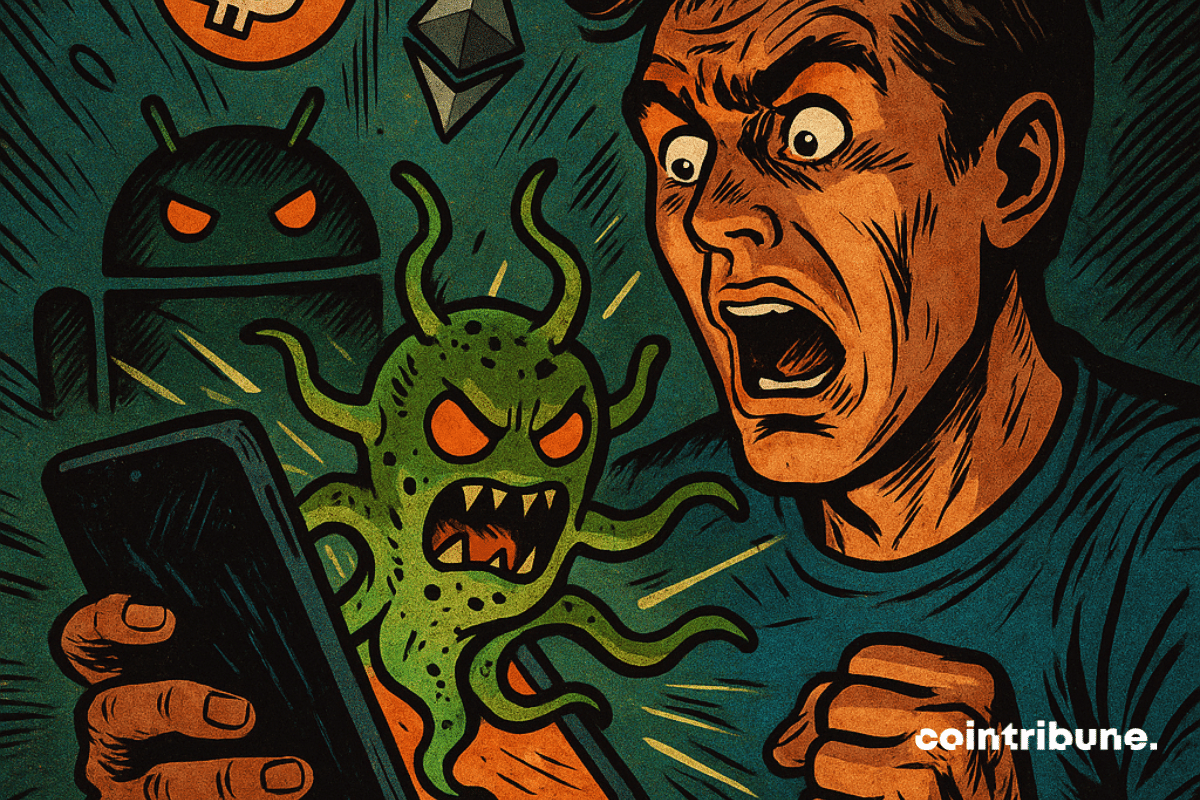
The global digital landscape is witnessing the emergence of an invisible yet formidable predator: Crocodilus, a malware for Android with voracious ambitions. Detected for the first time in March 2025, it quickly mutated, transitioning from a simple regional test to a planetary offensive. And it’s not your vacation photos that interest it, but rather your money — especially that which you thought was safe in your crypto wallets.
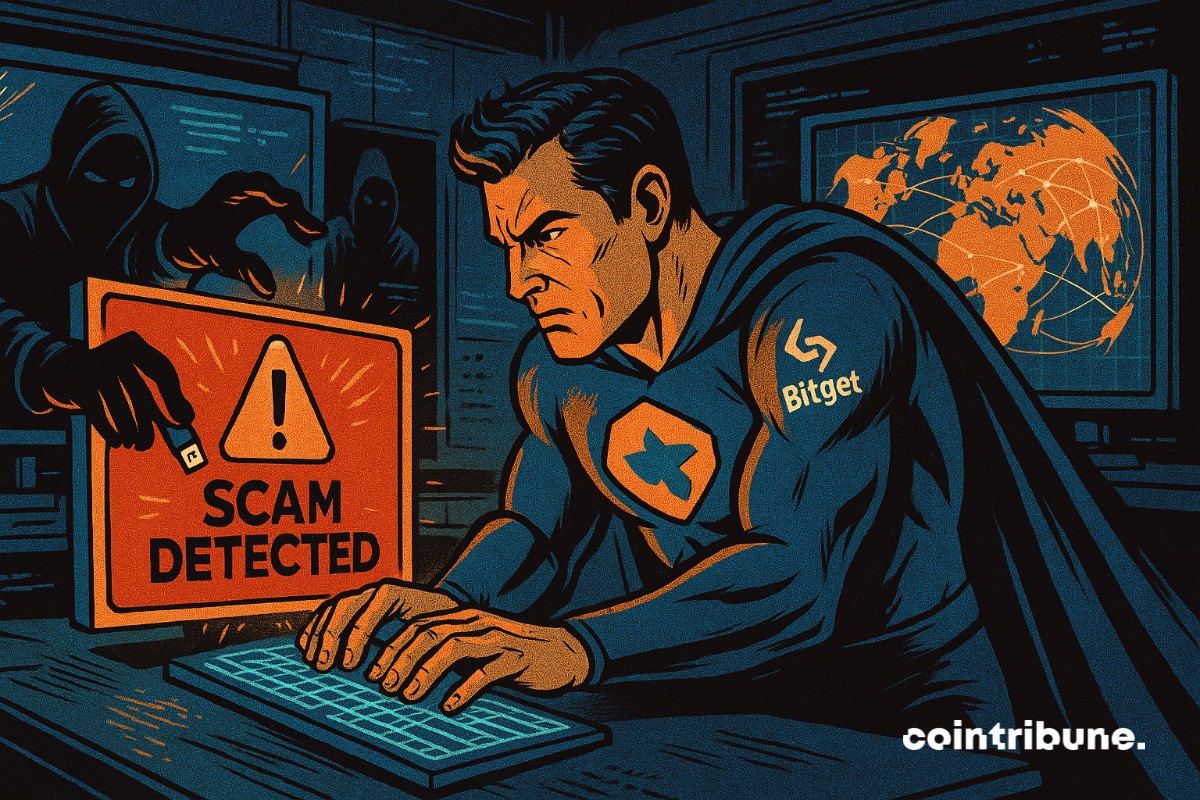
Crypto, AI, deepfakes: scams are evolving... and Bitget strikes back! Discover how Anti-Scam Month 2025 transforms security into a collective reflex. Mini-games, interactive hub, Web3 alliances... a whole month to better protect yourself.
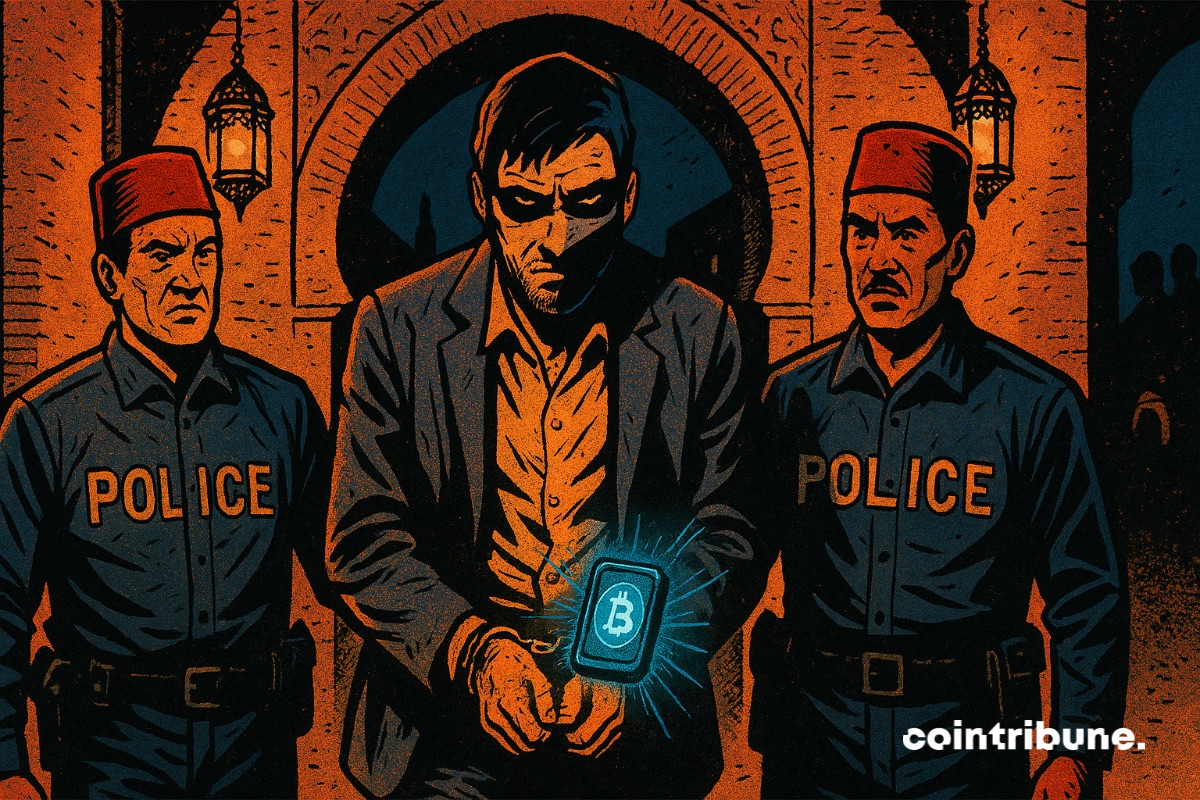
A criminal crypto network, targeted tech figures, a suspect tracked down to Morocco. The case that shakes France and forces the state to react. Between violence, crypto, and security: dive into the burning file that exposes the flaws of an ecosystem.
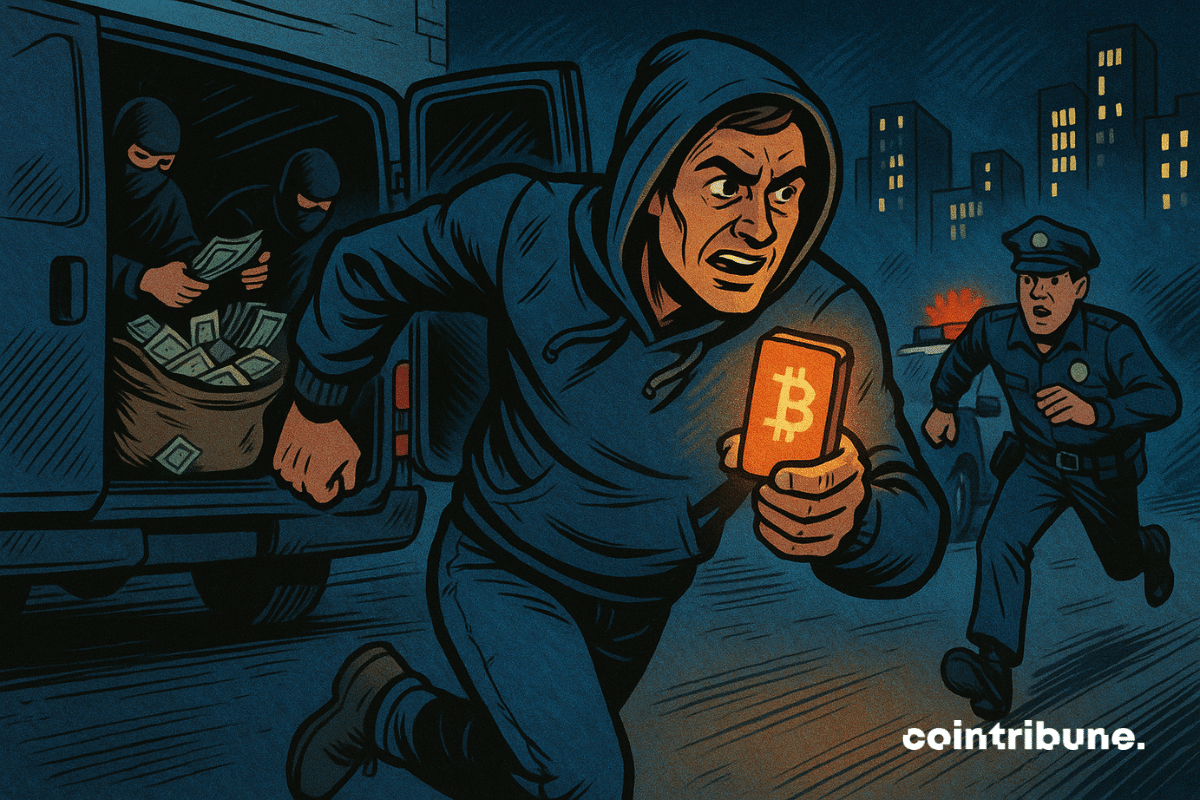
A large judicial operation is shaking up the French crypto ecosystem. The Paris prosecutor's office has just indicted 25 individuals, including six minors, for their alleged involvement in several kidnapping attempts targeting figures in the crypto sector. Does this offensive finally mark a turning point in the fight against this new form of crime?

The judicial police are conducting a large-scale operation this Monday morning. More than a dozen suspects have been arrested in connection with two kidnapping cases targeting crypto entrepreneurs. This offensive highlights a worrying phenomenon shaking the French cryptocurrency ecosystem. But will these arrests be enough to reassure a sector plagued by an unprecedented wave of violence?
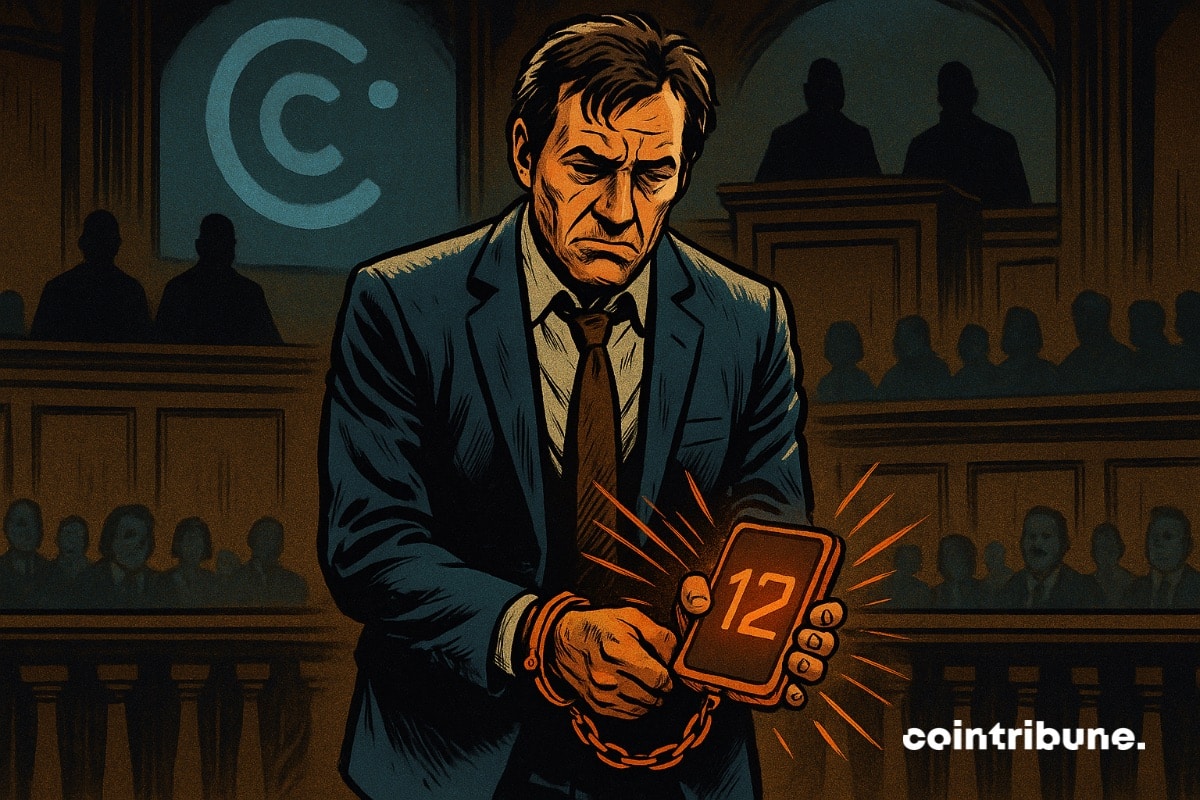
The former CEO of Celsius, Alex Mashinsky, has been sentenced to 12 years in prison for fraud by a federal court in New York. A surprising decision, at a time when Donald Trump begins his second term with several presidential pardons granted to major figures in the crypto sphere. While markets were predicting a light sentence, this conviction shows that certain red lines will not be crossed.

The Ekaterina Djanova case resembles a financial thriller where crypto, organized crime, and judicial loopholes intertwine. While this 38-year-old Frenchwoman, nicknamed 'the shadow banker,' has been languishing in prison for two years, a legal twist could set her free. Behind this possible legal escape lie burning questions: how does the crypto system facilitate large-scale money laundering? And to what extent does digital impunity extend?
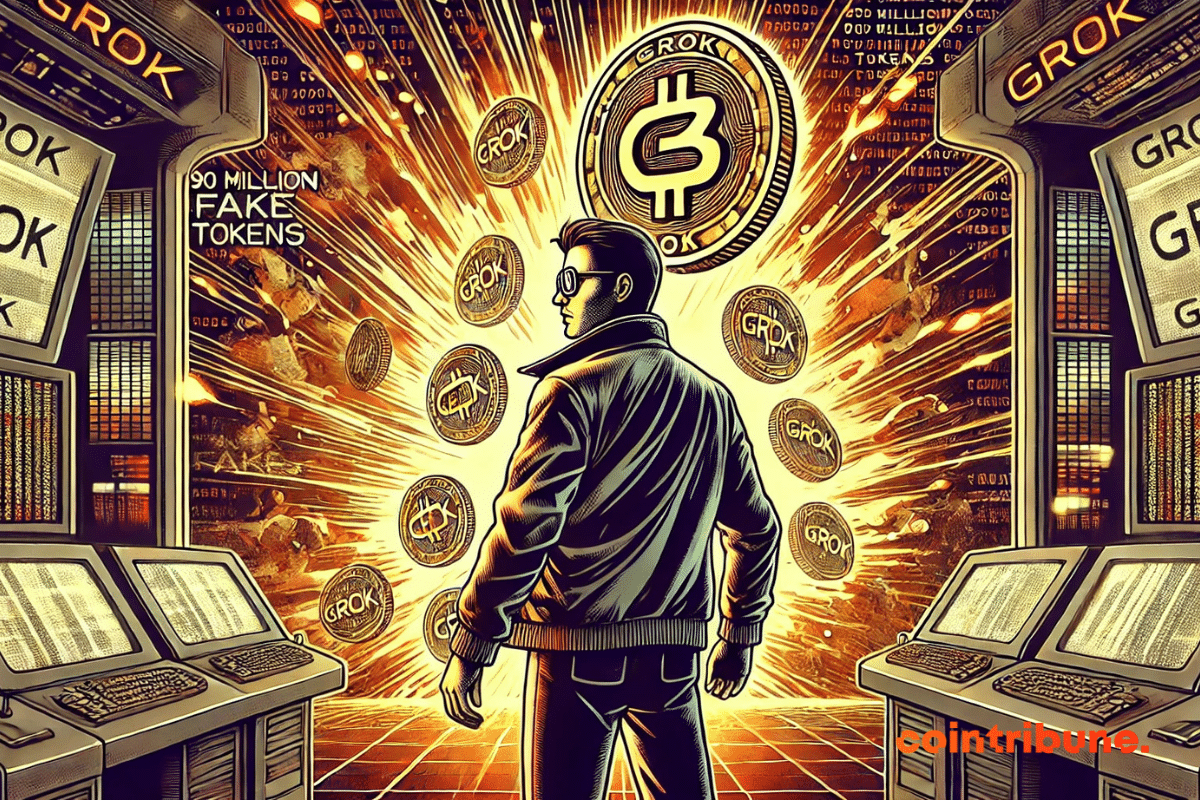
Grok AI spits out a coin name, scammers seize it, CZ pockets 90 million fake dollars, and crypto rediscovers that artificial intelligence sometimes rhymes with very real scams.

Storms can erupt in the blink of an eye in the crypto sphere. Mantra (OM), once hailed by its supporters, has just experienced a dizzying 95% drop. As accusations of manipulation and opacity fly, John Mullin, CEO of the project, steps up. Between firm denial and promises of recovery, the scenario mixes a crisis of confidence with survival strategies.