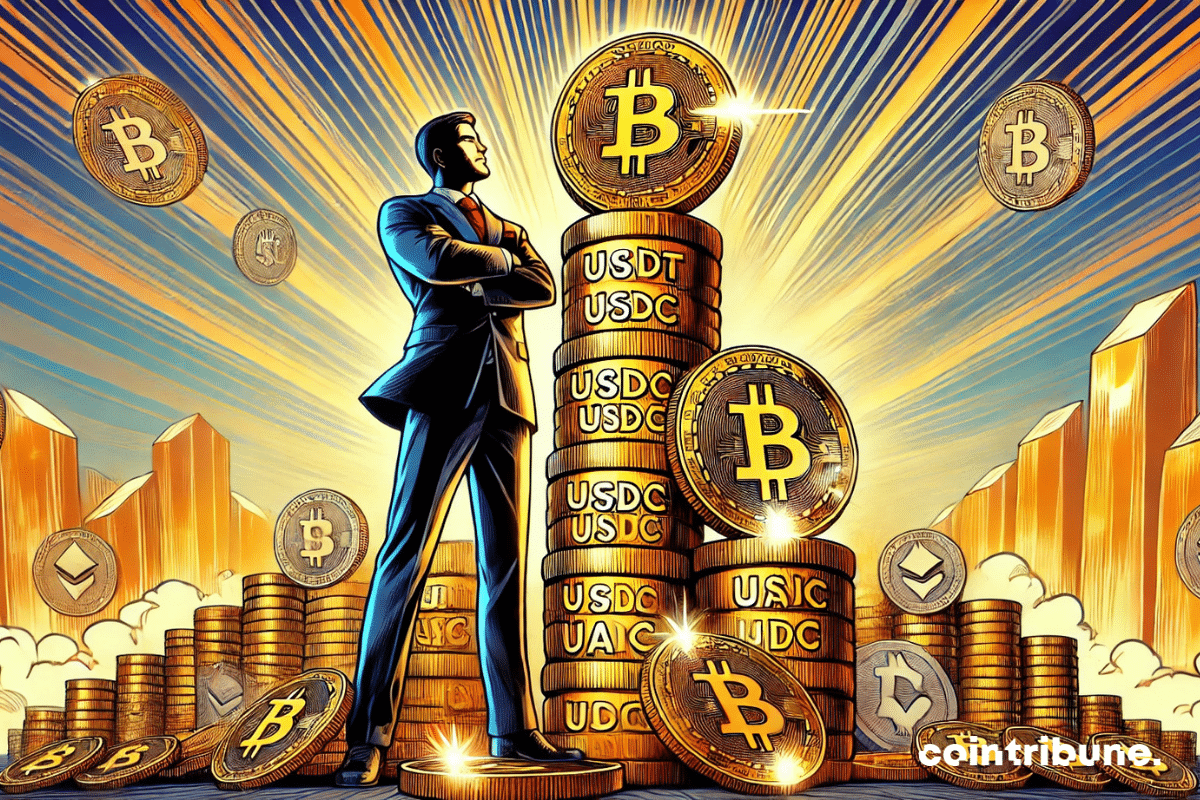
The stablecoin market has just crossed a historic threshold, reaching a total capitalization of over $200 billion. This growth is largely dominated by Tether's USDT, which accounts for $142.9 billion in circulating assets.
The U.S. Secretary of the Treasury, Janet Yellen, recently warned that the U.S. debt ceiling could be reached as early as mid-January 2025. According to her statements, the Treasury expects to hit this new limit between January 14 and 23, at which point extraordinary measures will need to be taken to avoid a default.
Cryptos based on artificial intelligence, long perceived as a revolution in the sector, are currently facing a major crisis. At the beginning of December, their market capitalization reached an impressive peak of $70.4 billion, reflecting investors' enthusiasm for this new technological niche. However, within a few weeks, this valuation has dropped by 28%, now standing at $50.5 billion. This decline is explained both by a general downturn in the crypto markets and by declining interest from investors, hindered by the lack of concrete use cases for AI tokens. Such a correction, while critical for some, fits into a cycle where altcoins could soon regain popularity. Experts remain optimistic about a potential rebound of these assets in 2025, thanks to a more favorable expected environment, particularly with altcoin season.
In a blockchain sleight of hand, Akridge allegedly emptied his ex-wife's crypto wallet. A crypto-marital tragedy with a scent of millions!
Elon Musk's artificial intelligence company, xAI, has just raised an additional $6 billion, bringing its valuation to nearly $50 billion. This strategic funding aims to strengthen its technological infrastructure and position against AI giants like OpenAI.
Binance's vaults are welcoming massive deposits. Whales, silent strategists, weave their web of stablecoins for a promising bullish dance.
Since the end of November 2024, the prices of Solana (SOL) have fallen by more than 30%, raising concerns among investors and crypto enthusiasts. This significant decline comes after a period of strong growth, where Solana had reached historical highs.
While speculation is running high about the institutional adoption of bitcoin, Galaxy Research tempers expectations. According to the report published on December 27, the U.S. government will not buy bitcoin in 2025 but may explore new strategies regarding its existing reserves.
The growing dominance of the stablecoin Tether in the crypto market could signal a significant correction for Bitcoin, according to a well-known expert on TradingView. This analysis comes as BTC struggles to maintain its upward momentum after its recent all-time high of $108,365.
Bitcoin has recently shown impressive resilience despite the expiration of $14.2 billion in options in December 2024. However, a significant correction followed, causing BTC to drop to $93,000! 2025 is shaping up to be risky for the crypto industry.
Ukraine halts Russian gas transit starting in 2025. Discover the major consequences for the European economy!
The price of Ripple (XRP) has seen a spectacular increase of over 300% in the last two months, reaching $2.10 on December 27, 2024. However, warning signs suggest that the XRP cryptocurrency could collapse by at least 25% in the coming days.
The Dollar-Cost Averaging (DCA) strategy attracts many crypto investors. By regularly investing a fixed amount, they hope to mitigate market fluctuations and achieve a favorable average purchase price. However, some experts believe that the DCA opportunity in Bitcoin may soon disappear, leaving investors to seek new strategies to maximize their gains.
In the tumultuous arena of crypto, the bloodless Bitcoin ETFs find an unexpected resurgence after Christmas, like a benevolent wink from Santa Claus.
China, long seen as the unwavering engine of the global economy, is currently undergoing a major crisis. Years of double-digit growth, which symbolized its rapid ascent, have given way to a period of deep economic uncertainties. The fragility of its economic model, primarily based on investment and exports, is becoming increasingly evident. Issues such as the rise of public and private debts, the collapse of the real estate sector, and the emergence of the specter of deflation are exacerbating internal economic tensions. These dysfunctions raise a fundamental question: after decades of development often described as miraculous, can the Middle Kingdom still sustain its role as a pillar of global growth?
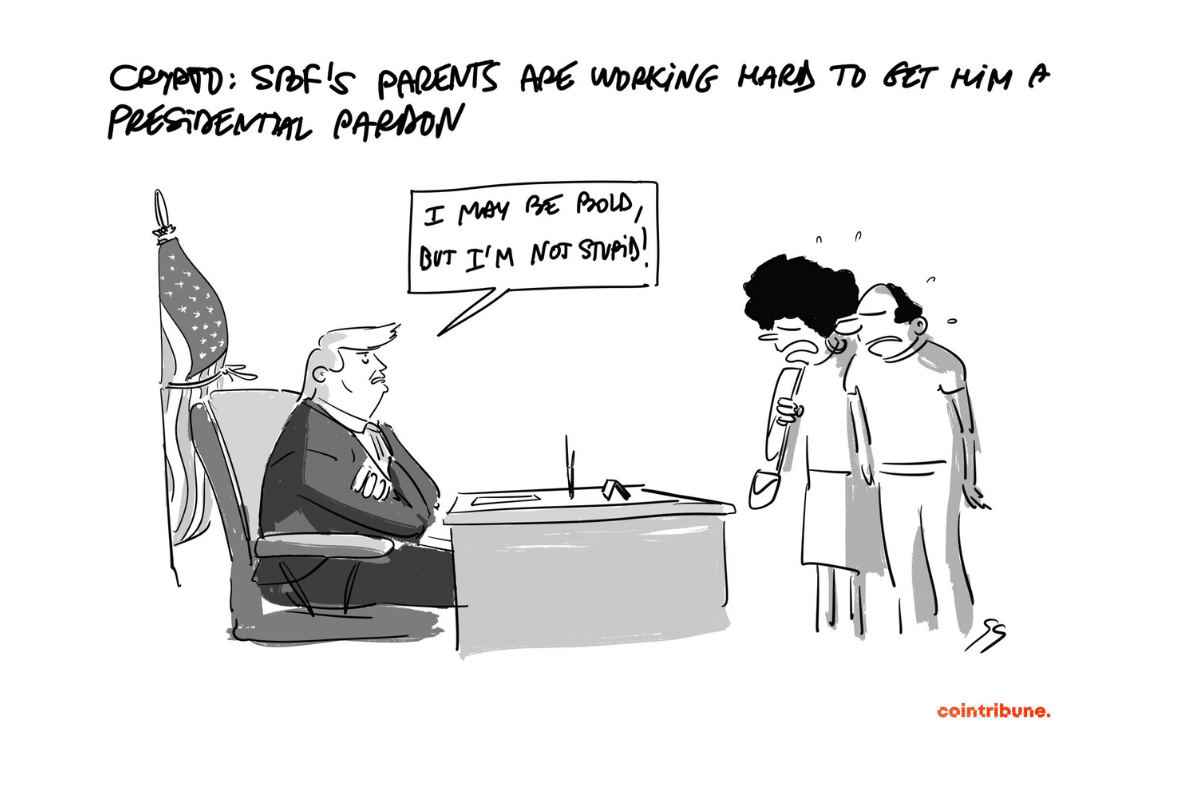
Ryan Salame, former co-CEO of the crypto exchange FTX, has had his prison sentence reduced, as has Caroline Ellison. Initially sentenced to 7.5 years in prison in May 2024, Salame was set to be released in April 2032. However, things have changed, and his new release date is now set.
As the crypto market experiences a correction towards the end of 2024, Chainlink (LINK) maintains a remarkable performance with a 53% increase since January. Analysts are forecasting a record year in 2025 for this digital asset that has distinguished itself in the blockchain ecosystem.
ONDO traces a doomed trajectory: a misstep below $1.48 and the altcoin will plunge, leaving behind dreams and illusions.
The real estate market is at the center of concerns in 2025, attracting attention from investors as much as from first-time buyers and economists. This evolution of mortgage rates, a true indicator of economic and financial health, plays a decisive role in this dynamic. Between 2023 and 2024, rates saw a significant decrease. Thus, they dropped from 4.5% to 3.23%, a change that illustrates both the effects of the European Central Bank’s flexible monetary policies and the banks' strategy to stimulate access to property ownership. This decline is not just a simple statistic. It has already increased the borrowing capacity of thousands of households, creating an unprecedented opportunity to revive an already fragile market. In a context marked by increased competition among financial institutions, this trend could intensify in 2025, potentially ushering in a new phase of growth for real estate.
Global trade is going through a period marked by increasing tensions, where diplomacy and economy intertwine in strategic rivalries. Indeed, China's opening of an anti-dumping investigation into European cognac imports signals a new front in the trade conflict with the European Union. This move, perceived as a direct response to European accusations against Chinese subsidies for electric vehicles, reflects an escalation of economic retaliations between two major powers. Such a case goes beyond a mere trade dispute. It raises fundamental questions about the balance of international exchanges and the role of institutions like the World Trade Organization in arbitrating these disputes in an increasingly complex rivalry context.
In the crypto arena, XRP stands out as a flamboyant gladiator, ready to jump by 65%, leaving Bitcoin and Ethereum in the shadows. Guaranteed suspense, according to an admiring expert.
Like a deserted chest, Binance sees its bitcoins fleeing. But in the shadow of withdrawals, the brilliance of an upcoming bull run is already taking shape.
The performance of Bitcoin, often seen as a barometer for the entire crypto sector, reveals a paradox this year. Indeed, the price of the flagship asset has risen by 128% over a twelve-month period, reaching levels reminiscent of its glory days. However, this exceptional momentum does not seem to benefit mining companies, whose stocks have seen dramatic declines. This situation indicates a disconnect between the soaring Bitcoin price and the stock performance of mining firms. Investors and analysts are questioning: what are the factors behind this divergence? While Bitcoin continues to attract attention with its resilience and the growing enthusiasm for ETFs and institutional purchases, mining companies face major structural challenges, notably related to energy costs, regulatory pressures, and operational inefficiencies.
In 2024, the intersection of artificial intelligence (AI) and blockchain has become a major trend. AI-focused crypto projects are now concentrating on developing autonomous agents capable of performing tasks such as trading, investment management, and user interaction.
Crypto, AI, and hybrid worlds: Buterin, like a digital alchemist, presents us with a vision where blockchain and biotechnology intersect to ward off threats from another century.
During this festive Christmas season, the crypto market is buzzing with a notable surge of optimism. Data from the bitcoin derivatives market suggest a strong likelihood of seeing the queen of cryptos reach 105,000 dollars, driven by a persistent bullish sentiment and favorable technical indicators.
Rune transactions on the Bitcoin network have recently hit a new historical low, representing only 1.67% of daily transactions. This figure marks a significant decrease compared to the period between April and November when Rune transactions often accounted for over 50% of daily transactions on the Bitcoin network.
Under the shadow of sanctions, Moscow embraces Bitcoin, the digital gold. Siluanov dreams of free exchanges and a digital empire free from the dollar's grip.
MicroStrategy, one of the pioneers of institutional investment in bitcoin, once again pushes the boundaries with a spectacular initiative: raising 42 billion dollars to strengthen its position in the crypto market. This bold plan, dubbed 21/21, marks a decisive step in its long-term strategy. While some see it as a visionary bet, others point out the colossal risks associated with such ambition.
A famous economist recently announced the arrival of the "Santa Claus rally" for Bitcoin, predicting a spectacular price increase by the end of the year. This trend, supported by strong technical backing, could propel BTC to new historical highs, despite some challenges.