BitMine purchased 12,532 ETH in the week ending October 11, 2026. Despite this Ethereum accumulation, the total value of its crypto assets, cash, and holdings decreased from $17.4 billion to $16.2 billion in one week.
1.5 million ETH waiting to enter staking and 786,000 other ethereum outflows, after a peak at 851,000 ETH related to the MetaMask incident. And to make matters worse, ETH is stuck below $2,800. What is really happening?
MetaMask announced Wednesday night a security incident affecting part of its infrastructure. As a precaution, the company is initiating the withdrawal of its Ethereum validators operated via Lido. However, it specifies that it has detected no immediate threat to wallets. For now, the origin and extent of the compromise remain unknown.
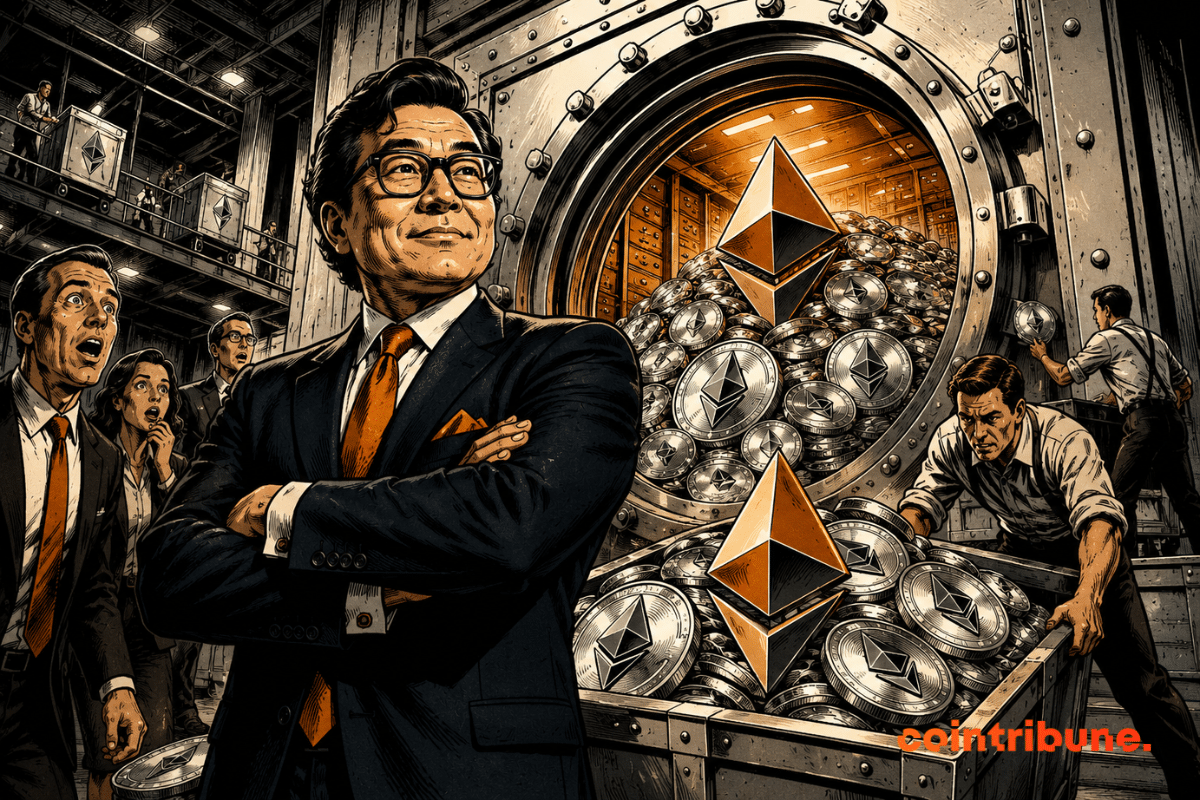
BitMine is not slowing down: 17,362 more ETH in seven days, 6 million now held in its Ethereum crypto treasury. But the most surprising may still be to come with the 5%.
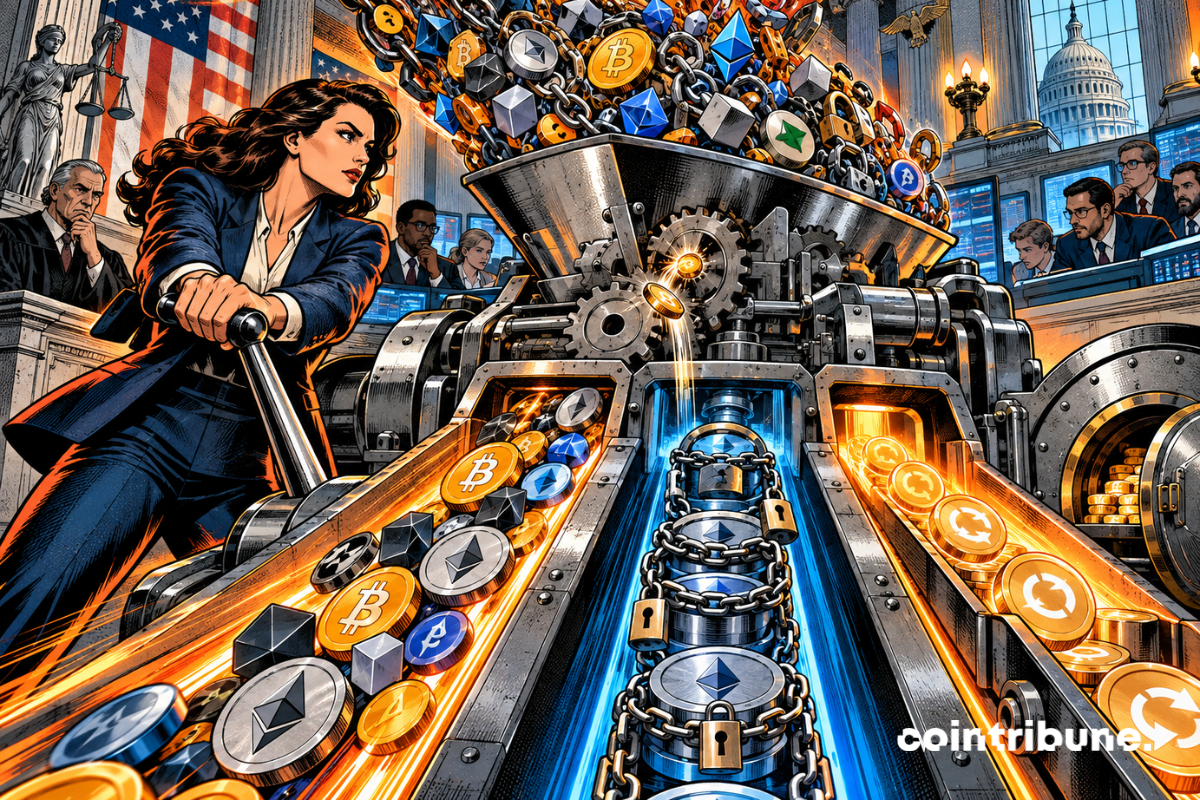
The SEC brings new clarifications to the crypto market. In an FAQ published on September 25, its staff details the treatment of tokens, liquid staking, buyback programs and promises made by issuers. A crypto asset that is not itself a security can still be sold under an investment contract. It all depends in particular on what the issuer promises to buyers.
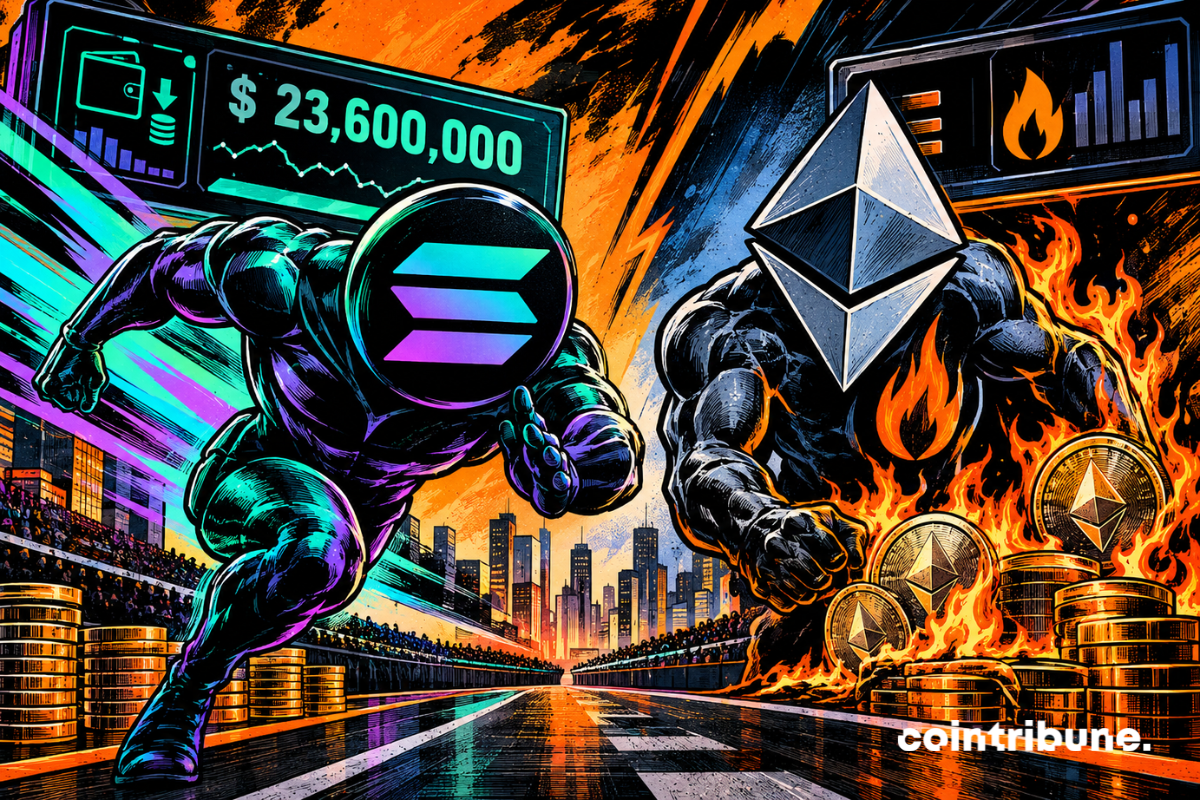
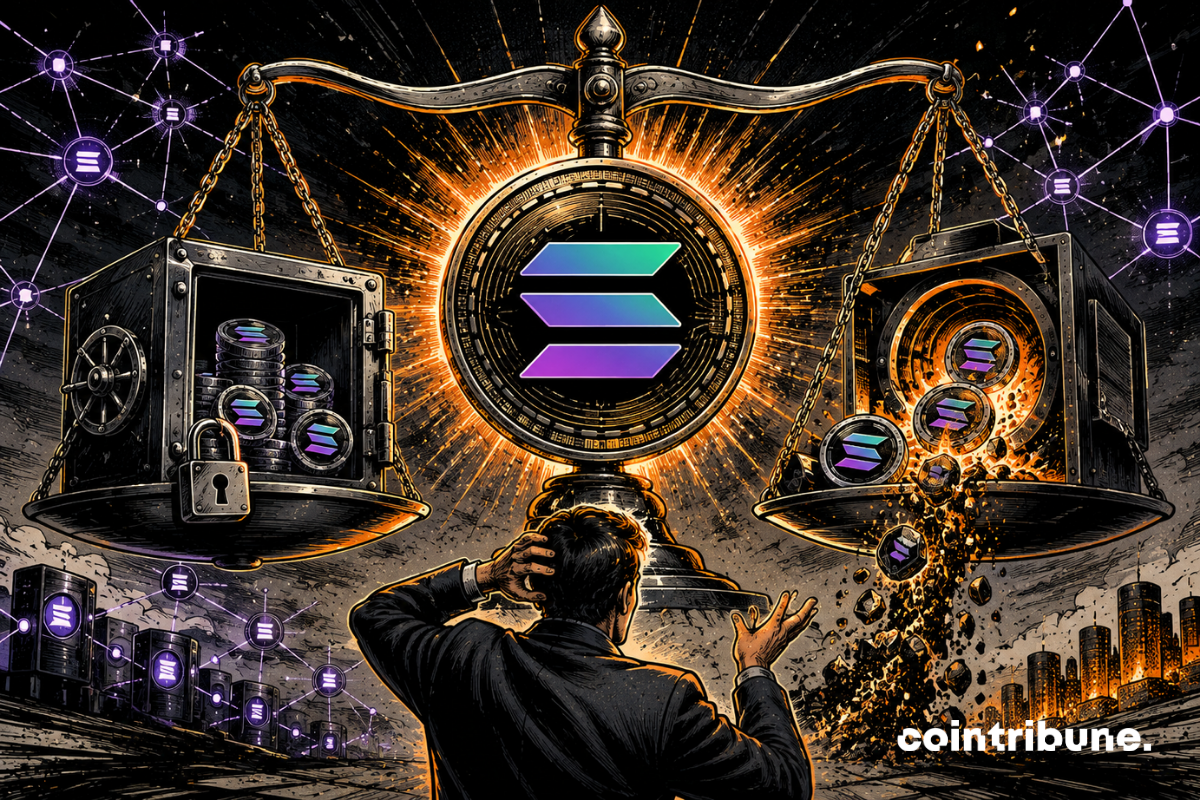
Solana is generating more fees than Ethereum, but ETH still leads on burn. The gap reveals two very different crypto economic models.
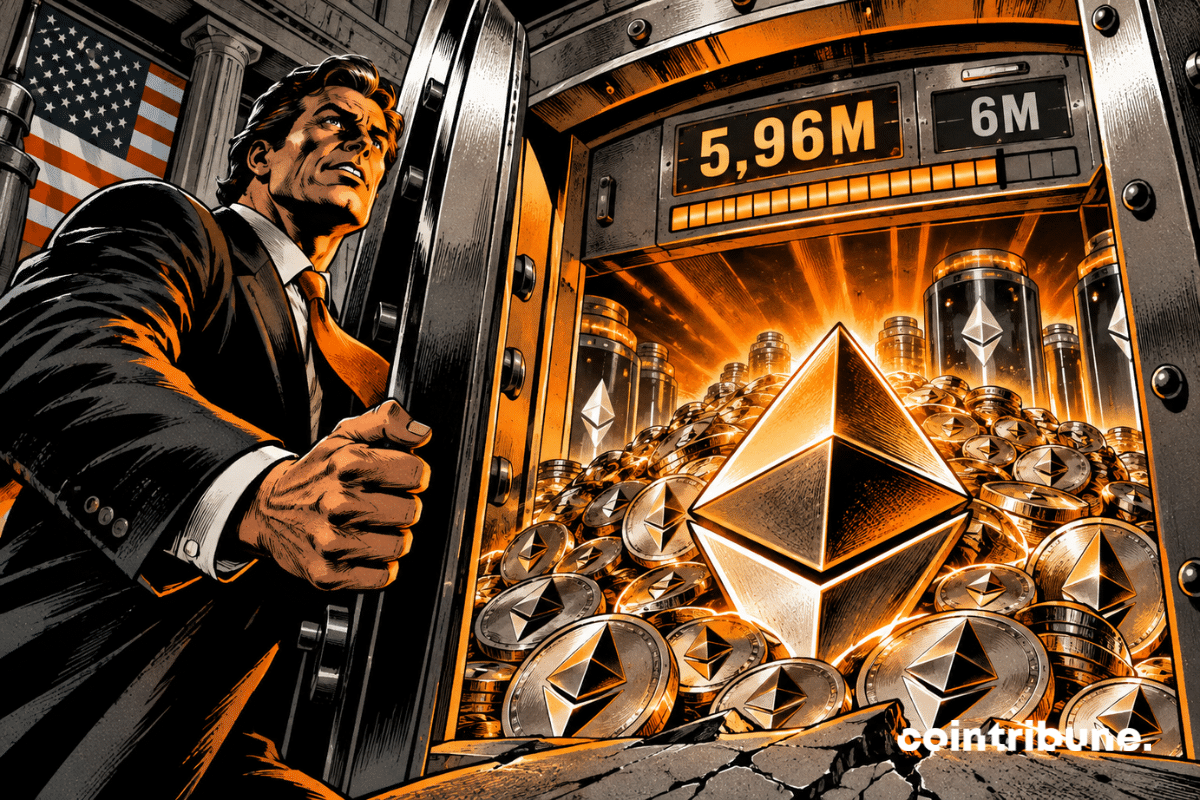
BitMine has just acquired 27562 additional Ethers for nearly 75.2 million dollars, bringing its treasury to about 6 million ETH. Thus, the company is approaching its goal of owning 5% of the total supply of the world's second largest crypto.
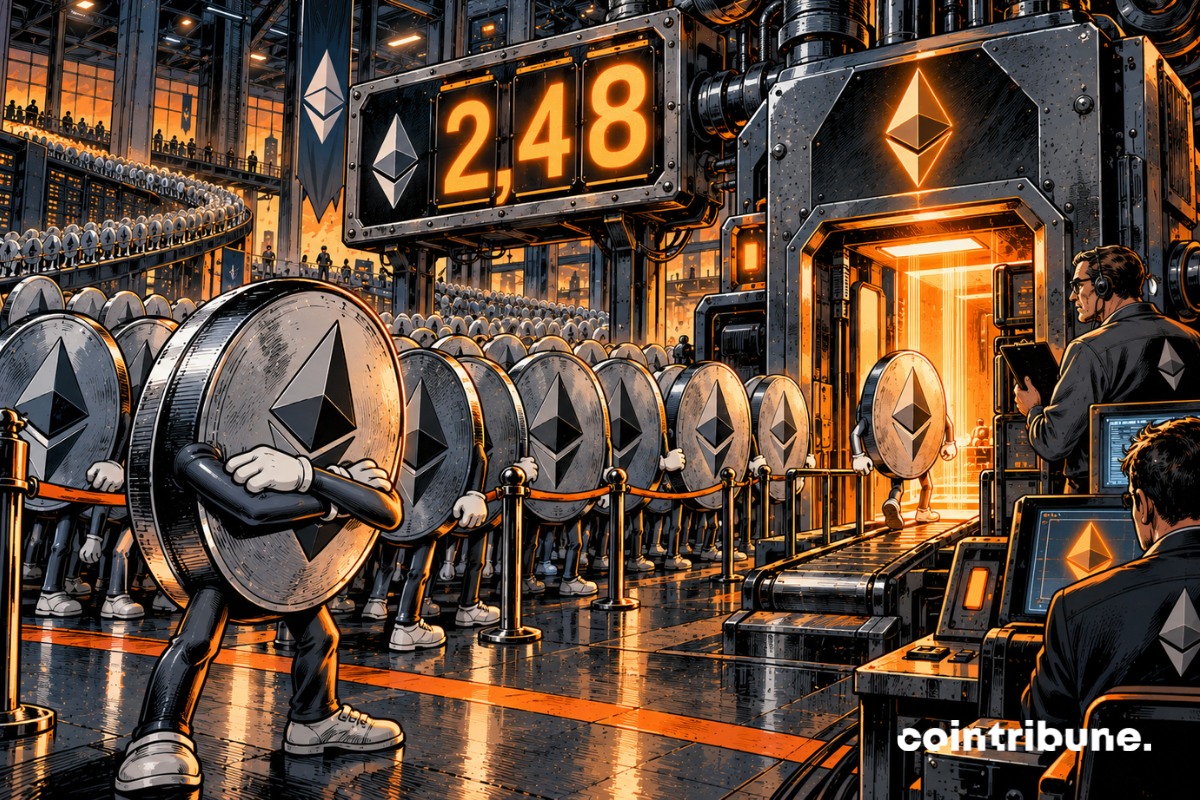
Ethereum staking regains real momentum, with thirteen times more ETH awaiting entry than exit. This imbalance potentially reduces the available supply, without by itself guaranteeing a price increase.
BitMine strengthens its Ethereum reserve with 27,180 ETH. Does this new crypto purchase change the game for ETH? Complete analysis.
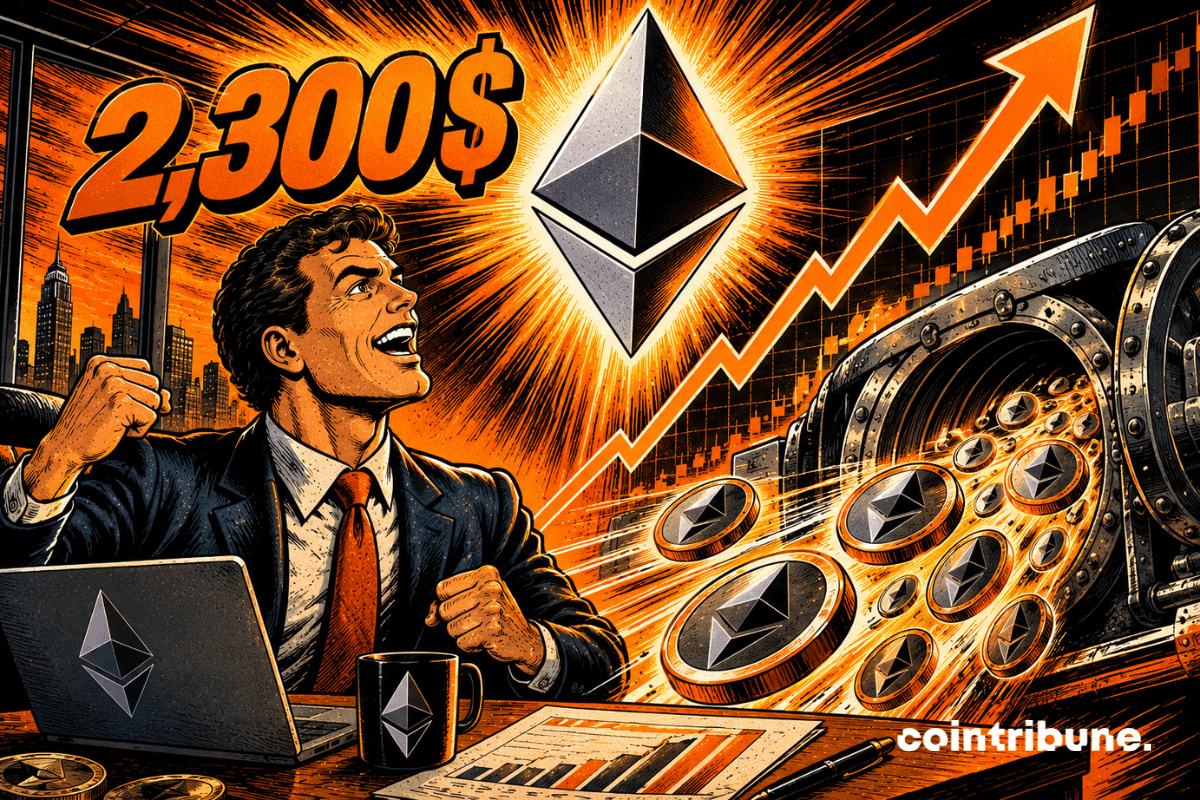
The price of Ether jumped 7.46% to 2619 dollars following the release of data on US inflation. Tom Lee mentions the probable start of a "brutal rally", however his projection more broadly concerns risky assets and does not set any specific target for ETH.
Ethereum: crypto reserves on exchanges collapse to a multi-year low. Will the shortage trigger a price explosion?
Solana could soon significantly reduce the remuneration of its stakers. The SIMD-550 proposal, currently submitted to a community vote, plans to accelerate the decline of SOL inflation. In the long run, the nominal staking yield could fall from about 5.25% today to 2.25% in three years. The community must decide between immediate income for stakers and increased scarcity of SOL.
Ethereum specialists issue the proposal to rebuild the contract that gives validators the ability to deposit their ETH. Their intention is to authorize new cryptographic systems to relinquish the BLS signatures currently used. Nearly 42.4 million ETH, valued at nearly 104 billion dollars, depend on this format. The project remains a working document. It does not choose any post-quantum algorithm and does not yet ensure network protection against any attack.
Like many companies, SharpLink Gaming transforms its treasury into a yield machine. Indeed, the Nasdaq-listed firm has just injected an additional 39,319 ETH into staking, approximately 91 million dollars. This new investment thus strengthens its position as the second largest institutional holder of Ether after BitMine. Like a volatile market, the company executives have decided to make their reserves work directly on Ethereum. This maneuver explains the transformation of crypto treasuries, currently developed as productive assets likely to generate on-chain income, rather than as reserves intended to sit idle on a balance sheet.
Ethereum reserves are depleting on centralized exchanges at an unprecedented rate. A potential supply shock is emerging behind this contraction. This scenario is certainly fueled by the massive movement of tokens towards long-term holding as well as the return of institutional investors. Such a reduction is amplified by buybacks through ETFs and various corporate treasury strategies. However, the U.S. administration is sending new signals to the crypto market. The increase in institutional capital combined with ETH scarcity creates a situation where the balance between supply and demand could tighten.
BitMine Immersion Technologies scales up on Ethereum. By bringing its holdings to 4.8% of the global ETH supply, the company led by Tom Lee no longer limits itself to an accumulation strategy. It also strengthens its exposure to the very operation of the network through staking. This concentration now places its acquisitions and infrastructure at the heart of questions about available supply, staking yields, and Ethereum governance. Thus, this rise could have a lasting impact on the economic balance of the second largest crypto.
Rarity could soon no longer be the exclusive domain of bitcoin. According to projections published by Grayscale, the annual growth of Ethereum and Solana supply could fall below gold's 1.8% by 2031. Indeed, several reforms are currently being debated, including EIP-8361 on Ethereum and SIMD-0550 and SIMD-0553 on Solana. If adopted, ETH's annual inflation could drop to 0.4%, compared to 1.1% for SOL. This development is likely to reshuffle the cards between rarity, staking yield, and valuation of these two cryptos.
Solana prepares SIMD-0553: a fee change that could reduce the crypto validators' revenue. All the details here!
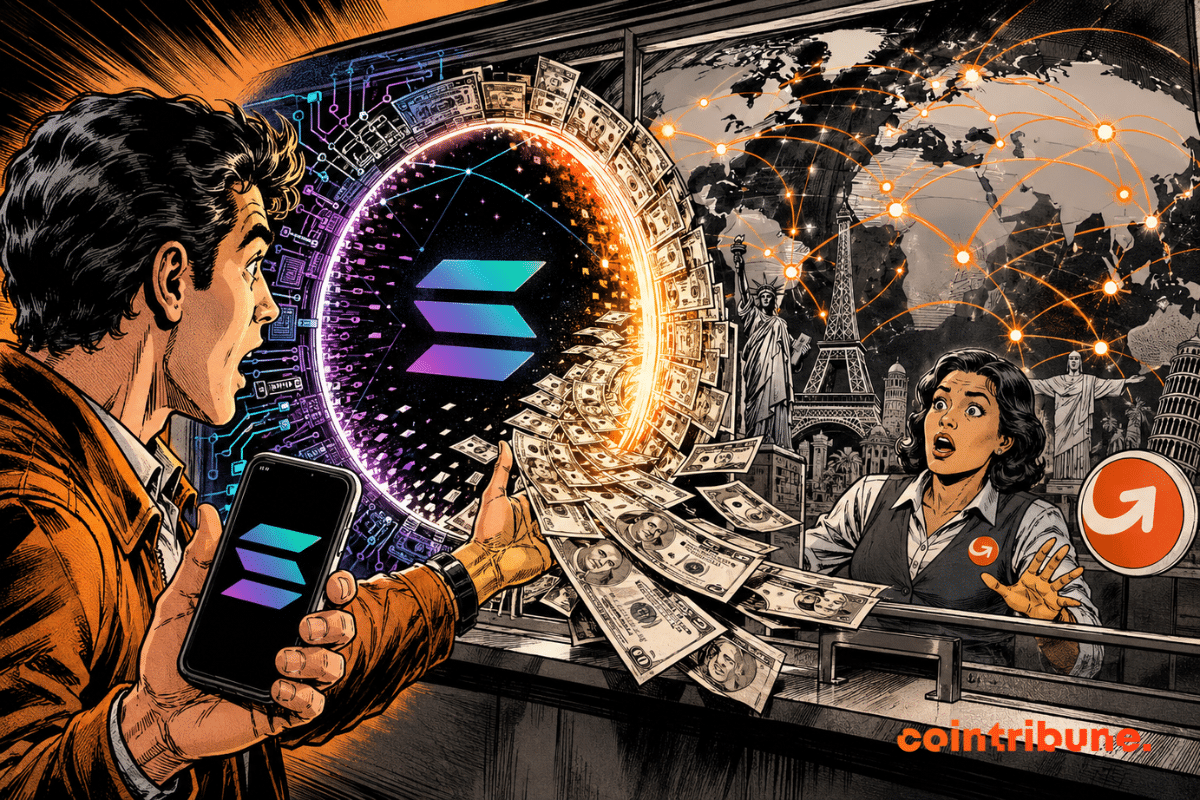
MoneyGram officially launches Ramps on Solana and opens cash access in more than 170 countries. A major turning point for crypto adoption!
Since the transition to proof of stake in 2022, the reward mechanisms for validators have taken a central role in discussions around the network. A new proposal today rekindles this debate by suggesting a progressive reduction of rewards paid to staking participants. The project aims to modify economic incentives while limiting the creation of new tokens. Ethereum thus finds itself at the heart of a reflection that already divides the actors of its ecosystem.
Intesa Sanpaolo's latest SEC filing reveals a radical shift in its crypto ETF: less BTC, more staked Ethereum. The details!
MiCA already scaring off some crypto players, but Brussels wants to add DeFi, staking and NFTs. While exchanges digest round one, eurocrats are already cooking round two.
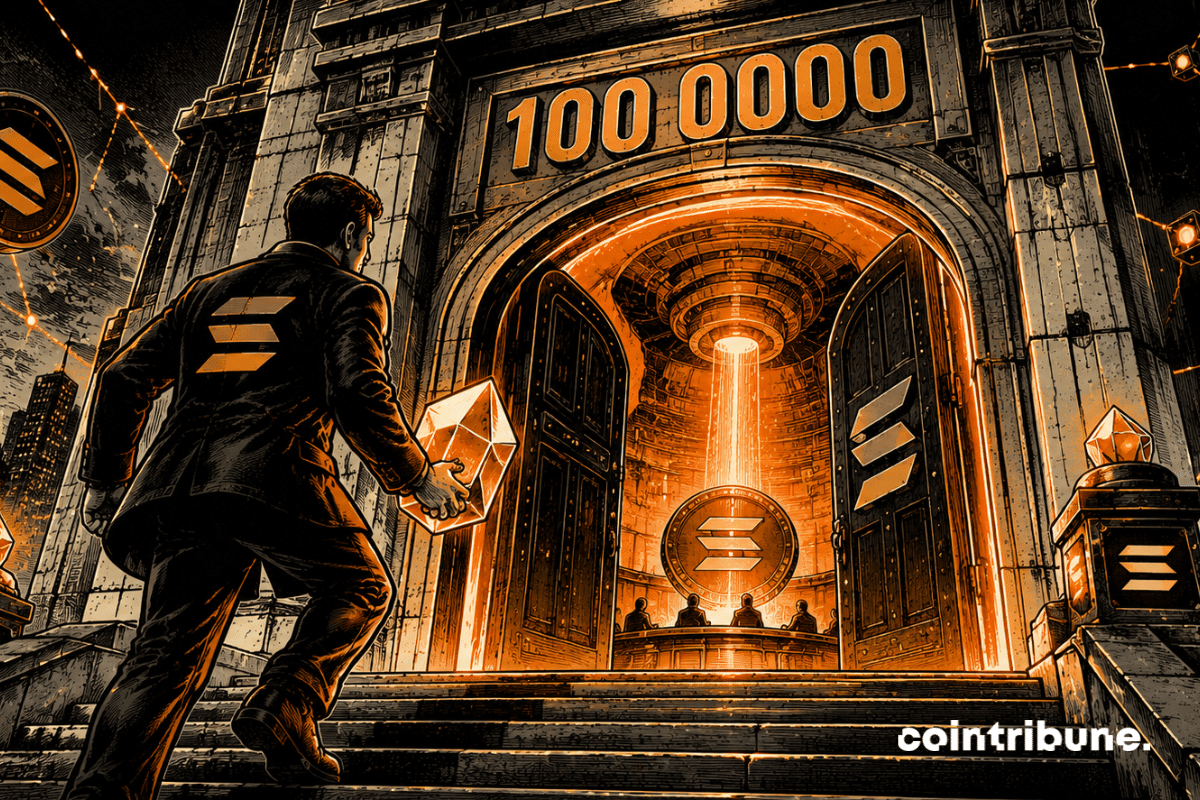
Solana has activated a formal on-chain governance system, requiring 100,000 SOL staked to submit a proposal. Validators thus lose their decision-making monopoly, now shared with their delegators. Does this new voting power permanently change the network's balance?
The European Union could expand its crypto framework to DeFi, staking, lending, and NFTs. MEPs are asking the Commission to assess activities still poorly covered by MiCA. The project creates no immediate obligation, but it already outlines the next step of European digital asset regulation.
Sharplink pounces on ETH at rock bottom with $1.7 billion in paper losses. Whales buy, analysts choke, and the promised crypto spring is still nowhere to be seen.
The funding of blockchain networks remains a major challenge for decentralized projects. Ethereum is currently facing a new governance proposal that could change validator participation. The mechanism presented aims to redirect part of staking rewards toward ecosystem funding, particularly tools, research, and infrastructures necessary for network development.
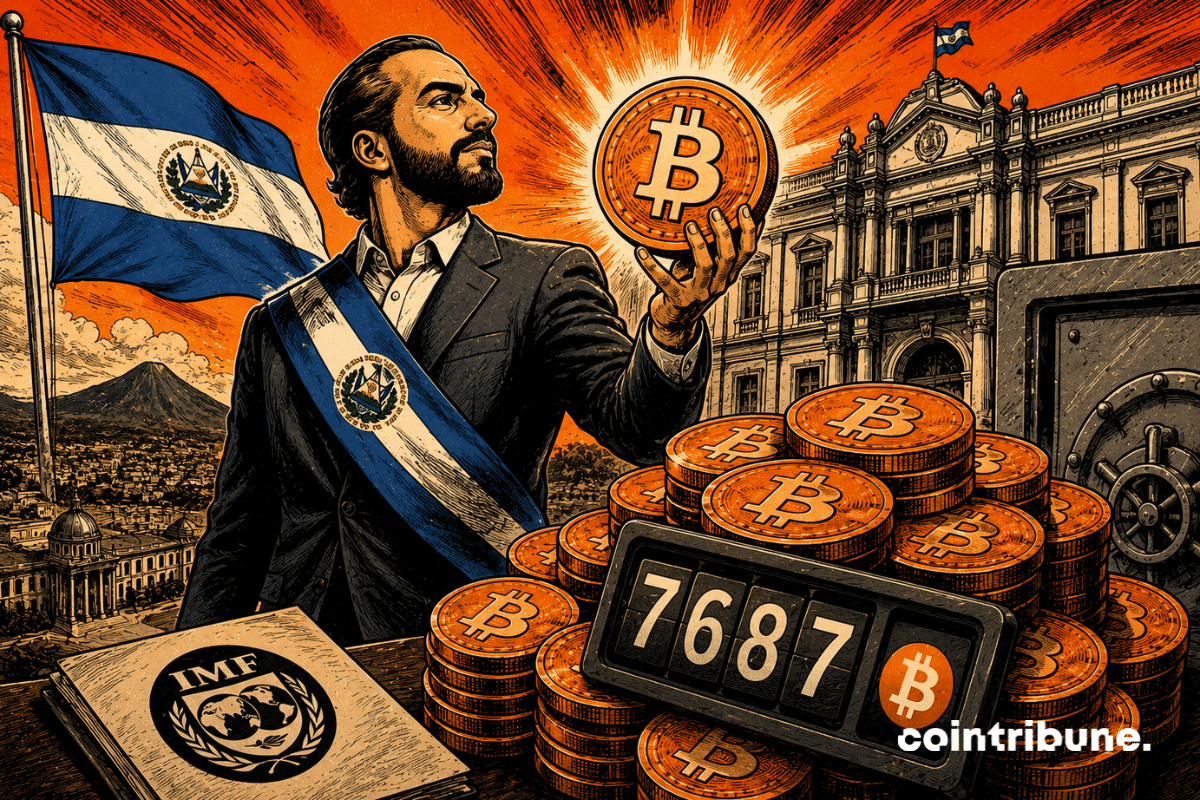
El Salvador buys bitcoin like there's no tomorrow despite the IMF's stern warnings. 7,687 coins already in the vault. Creditors grind their teeth, but Bukele just laughs it off.
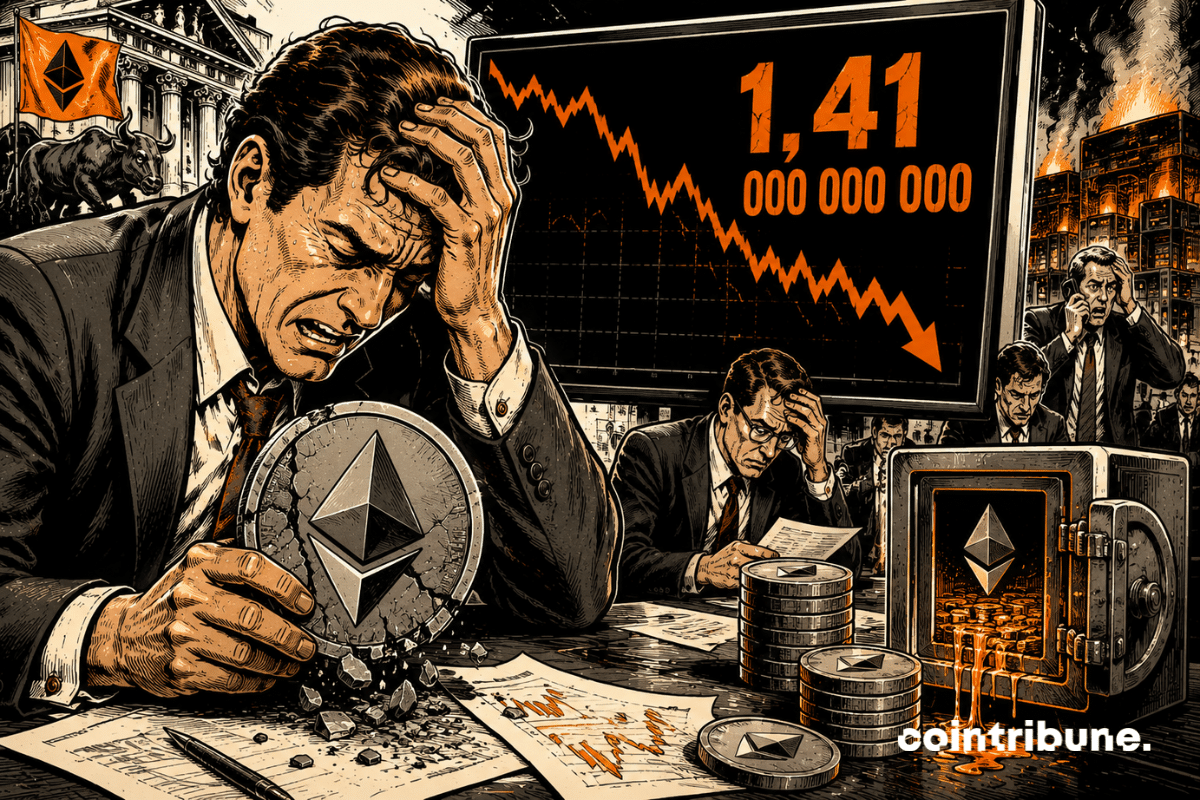
Tom Lee waters his ethers like a perched gardener, but his beautiful garden suffers 10 billion losses. Crypto no longer understands anything.
For a long time, accumulating ether was enough to drive up crypto companies' valuations. However, this model now shows its limits. Despite billions of dollars in ETH reserves, several publicly traded companies report massive losses, according to an Everstake study. In a market now dominated by Ethereum spot ETFs, investors expect more than mere price exposure. Staking and revenues generated by blockchain infrastructure become the new key criteria. Ethereum is thus beginning a major transformation, shifting from a speculative asset to a true yield engine.
Michael Saylor piles up bitcoins like a mason on caffeine, while TD Cowen is already drawing stock skyscrapers. Skeptics nervously check the cracks behind this giant facade.