
Thu 05 Feb 2026 ▪
4 min read
▪
by
Gold recovered to 5,000 per ounce after a historic drop, with major banks including J.P. Morgan forecasting further gains later in 2026.
Gold recovered to 5,000 per ounce after a historic drop, with major banks including J.P. Morgan forecasting further gains later in 2026.

Binance creates a staggering gap. CoinMarketCap's Proof of Reserves report reveals overwhelming domination: $155.6 billion in assets, far beyond any other platform. As transparency becomes a vital requirement in a market under regulatory pressure, this ranking raises a crucial question: who can be trusted today? Binance establishes itself decisively.

Crypto.com bets big on a crypto prediction app with up to $500 offered at sign-up. Discover the details in this article.
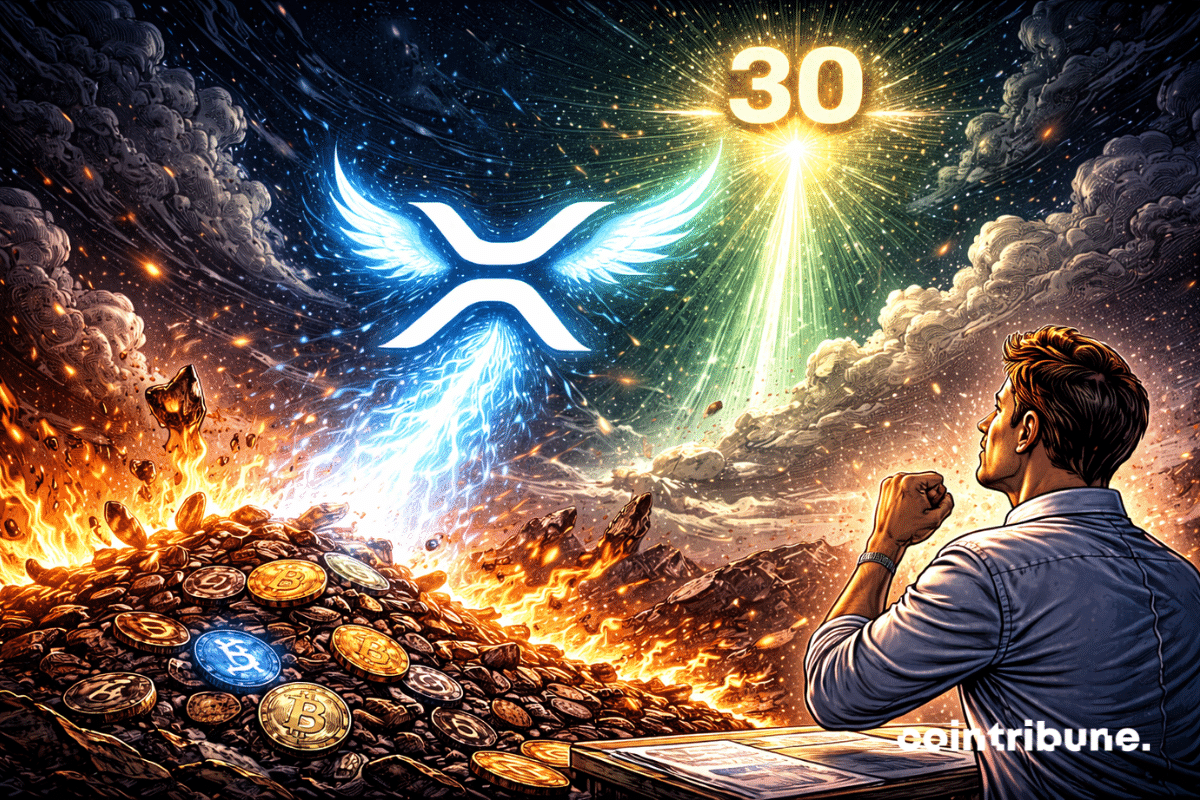
While the crypto market remains without a clear direction, XRP attracts attention. According to analyst XForceGlobal, the token has entered a "washout zone," an intense correction phase potentially preceding a major reversal. Relying on Elliott wave theory, he suggests a scenario where the current drop precedes a surge up to 30 dollars. As selling pressure intensifies and technical signals blur, this interpretation divides opinion.

Bitcoin is sliding, ETFs are fleeing, Binance is coughing, traders are tensing up. And we were told that cryptos were rock solid...
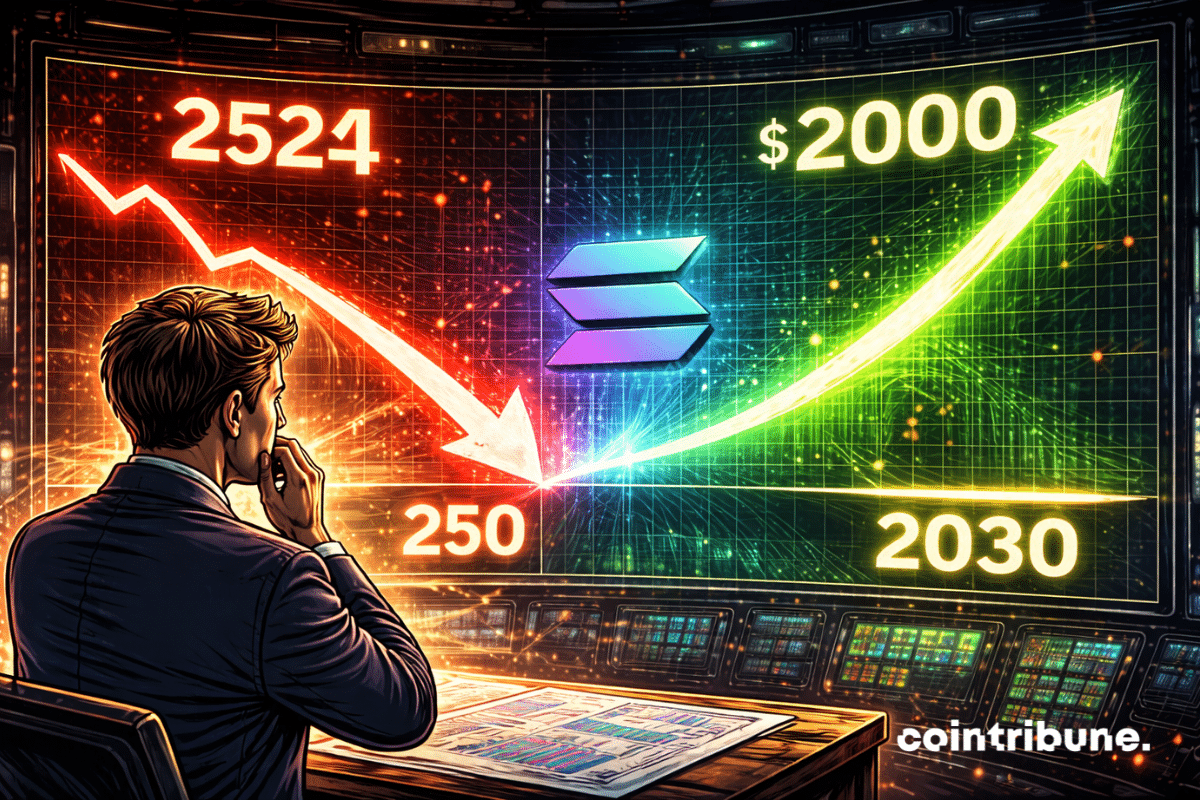
The crypto market has just received a strong signal from traditional finance. By sharply revising its forecasts for Solana, the Standard Chartered bank caused a shock in the ecosystem. While SOL remains one of the most watched assets by institutional investors, the lowering of the target for 2026 contrasts with a spectacular long-term projection. This decision reveals a much more nuanced reading of the future of blockchain than simple price movements suggest.

Vitalik Buterin turns a page in Ethereum's history. In a published post, the protocol's cofounder calls into question the strategic vision of Layer 2, long considered the key to the network's scalability. For him, the rollup-centric model no longer delivers on its promises. As Ethereum continues its transformation, Buterin calls for a profound rethinking of the role of second-layer solutions. This stance could well redefine the future of the ecosystem.
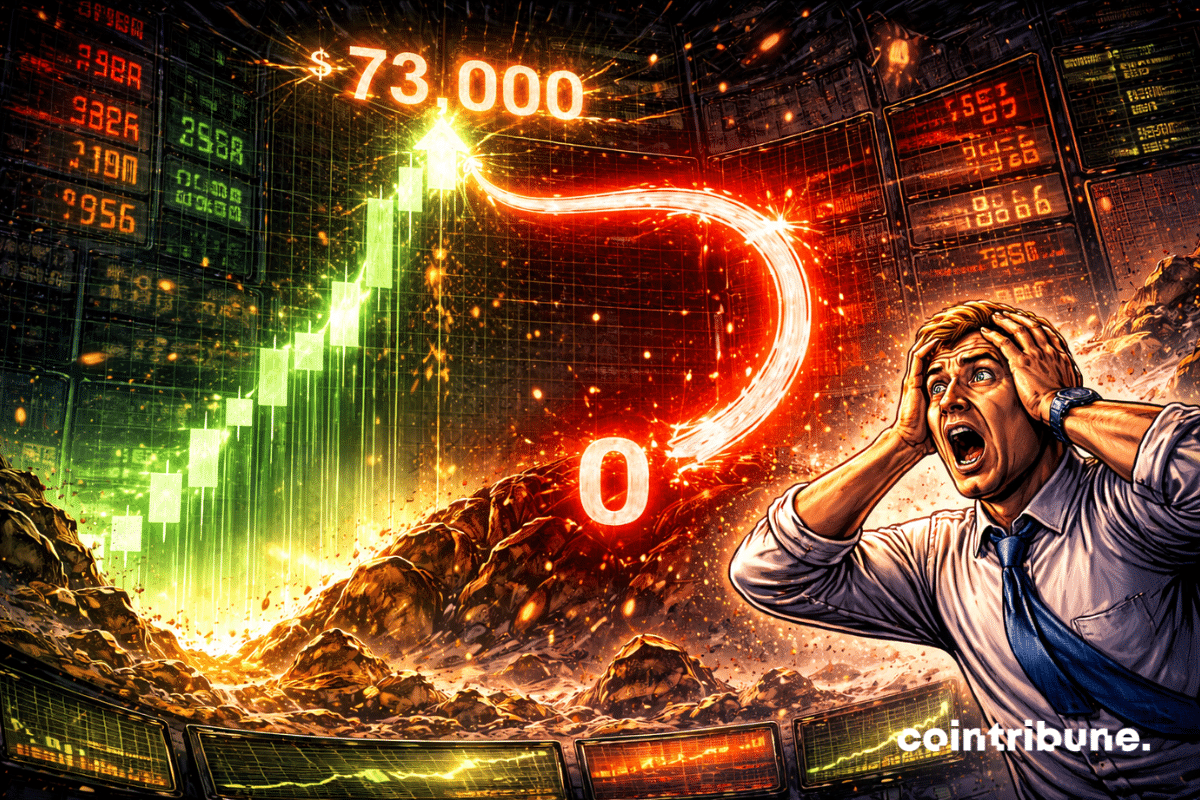
It fell back below $74,000 on February 2, Bitcoin suddenly erases gains recorded since Trump’s 2024 election. This sharp decline occurs in a climate of widespread distrust towards risky assets, as selling pressure intensifies. After a peak close to $126,000 reached at the end of 2025, the market now questions the strength of the bullish cycle and leaves doubt over the continuation of the movement.

Solana (SOL) flirts again with the critical threshold of 100 dollars, its lowest in 10 months. For some analysts, this level marks a possible floor, signaling a rebound of +150%. For others, it is just a stage in a still fragile trend. Between hopes for a recovery and technical doubts, the market hesitates. Are the current signals really enough to reverse the momentum?

While volatility establishes itself as a new norm, the recent drop in bitcoin goes beyond a simple technical correction. It reflects a brutal disengagement of institutional capital and a questioning of crypto market dynamics. Between ETF panic and rarely observed undervaluation signals, the crypto leader finds itself at a critical crossroads.

While the market digests a wave of massive liquidations, bitcoin and Ethereum register an unexpected rebound. In a still tense climate, this recovery intrigues as much as it divides. The contrast between extreme volatility and price increase reignites debates about the market's real solidity. After a week marked by instability, signals are blurred and positions are opposed.

Trump finally places his pawn at the Fed: Kevin Warsh. Monetary hawk, he promises discipline and rigor… While Wall Street and crypto collectively hold their breath.
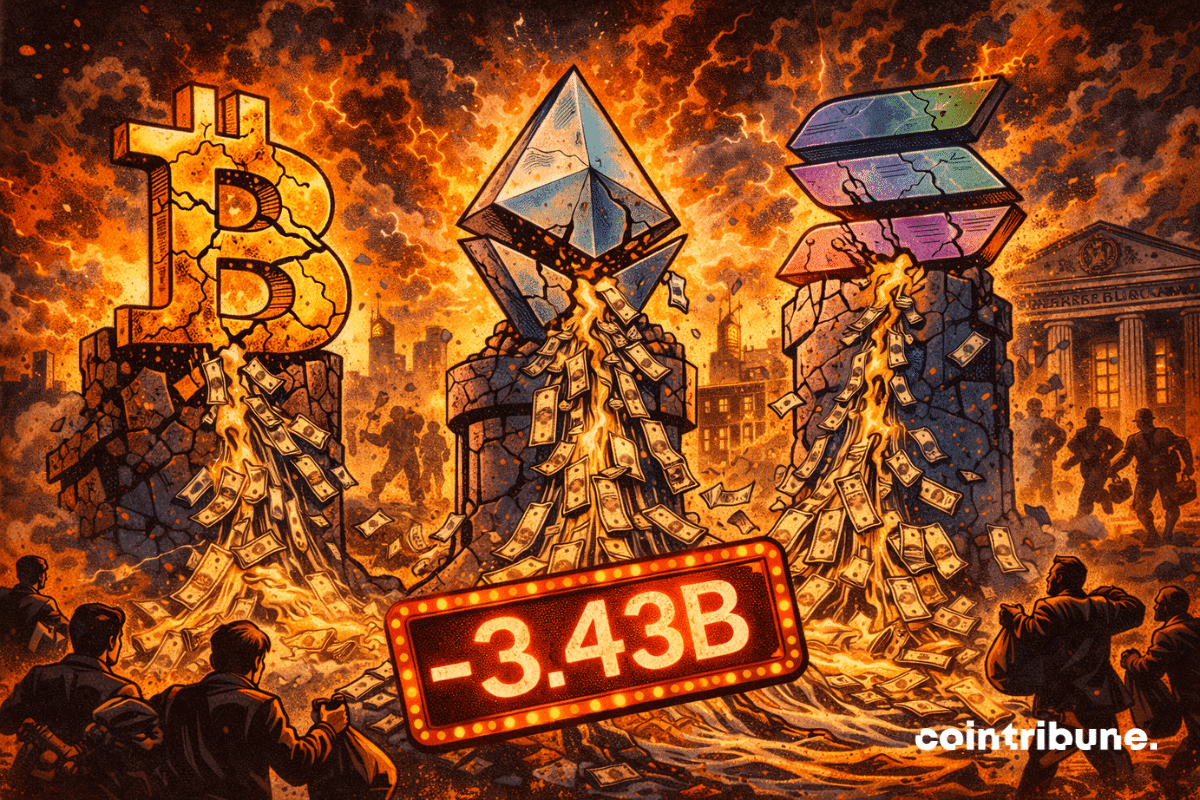
Panic among crypto traders: capital is evaporating, the Fed is frowning, and even bitcoin is coughing. A chill wind is blowing across the blockchain world.

The official figures of American inflation are directly opposed to those of alternative indicators. While the Fed is cautious about a possible monetary pivot, independent data suggest that real inflation would already be well below the 2% mark. This discrepancy raises doubts about the relevance of the tools used by the authorities and could disrupt market expectations, especially in the crypto ecosystem, where every macroeconomic signal is closely scrutinized.

The Bitcoin network is faltering in the face of the American winter. In January, an extreme cold wave paralyzed part of the territory of the United States, causing a sharp slowdown in mining activity. As the United States now concentrates a large share of the global hashrate, this episode highlights the sector's dependence on local energy infrastructures. The sudden drop in production raises questions about the network's real ability to withstand climate shocks and the limits of a model nonetheless considered resilient.

Bitcoin is faltering, and warning signals are multiplying. As hopes for a recovery fade, the market seems to be returning to the bearish patterns of previous cycles. Key technical thresholds have broken, reviving projections of a return below $50,000. This scenario, long considered extreme, is gaining ground among analysts and seasoned traders. The prospect of a prolonged bearish phase is no longer a mere hypothesis but is becoming a concrete risk for investors still exposed.
Crypto investment products suffered steep losses on Thursday as a broad sell-off swept through global markets. The total crypto market value fell roughly 6%, prompting one of the largest single-day fund outflows of the year. Bitcoin and Ether investment products bore the brunt of the decline as investors moved decisively to reduce risk.

The Bitcoin network is going through a turbulent period. Its computing power, the hashrate, records a sharp drop, the most significant in several years. This major technical decline draws the attention of mining specialists and analysts, at a time when the crypto ecosystem is already under increasing pressure. Between market volatility and declining mining profitability, warning signals are accumulating, revealing a tense start to the year for sector players. This performance drop raises questions about the operational resilience of the network.

BitMine Immersion Technologies falters under the weight of an unprecedented collapse: more than 6 billion dollars of latent losses on its Ether treasury. This rout, amid massive selling and prolonged crypto market decline, raises questions about the strength of institutional strategies. Between excessive concentration, illiquidity, and heightened volatility, this situation exposes the limits of the system facing extreme volumes. The shock is technical, but the consequences could be systemic.

Within twenty-four hours, ETFs backed by XRP collected 16.79 million dollars, partially erasing a massive withdrawal that occurred a few days earlier. This sudden reversal illustrates the volatility of institutional flows in crypto, but also XRP's ability to trigger a renewed strategic interest. At the crossroads of traditional finance and cryptos, this movement marks an unexpected turning point in investors' perception of this long-controversial asset.

Panic on the crypto planet: whales flee, the small ones bite the hook... what if this widespread fear was just a foretaste of a spectacular comeback?

Bitcoin has just lost its place among the ten most valuable assets in the world. This downgrade, far from trivial, reveals a growing fragility of the crypto market, caught up by revived volatility. While traditional markets rebound, the iconic crypto suffers rare intense selling pressure. Behind this brutal setback, the entire solidity of the narrative around bitcoin wavers, questioning its ability to withstand macroeconomic shocks and violent market adjustments.

While the crypto market is stagnating and prices struggle to bounce back, a subtle signal draws observers' attention: XRP whales are back. According to Santiment's on-chain data, the number of wallets holding more than one million tokens is rising sharply, despite a falling price. This surge in activity, flying under the radar, could mark a turning point in the token's dynamics, as analysts scrutinize signs of a new cycle.

Binance plans to move its primary user protection fund from stablecoins into Bitcoin within the next 30 days, marking a major shift in how the exchange backs emergency safeguards. The transition will convert the Secure Asset Fund for Users (SAFU) entirely into Bitcoin, reflecting what company leadership describes as long-term confidence in Bitcoin’s role in the digital economy. Critics and industry observers warn that increased exposure to Bitcoin’s price volatility could weaken user protections during periods of market stress.

The crypto market is going through a period of uncertainty where indecision reigns. For several weeks, investors have been operating in an atmosphere of distrust fueled by a Fear & Greed index stuck in an extreme fear zone. Prices are stagnant, volumes are eroding, and no clear signal manages to revive confidence. This emotional inertia, coupled with a lack of technical direction, reflects a latent tension that weighs heavily on market dynamics. Doubt is settling permanently within the ecosystem.

The crypto market has just crossed a critical threshold at the beginning of this year. On Thursday, January 29, 2026, bitcoin abruptly fell below $83,000, triggering a wave of sales that wiped out the last hopes for stabilization. Such a drop occurs in an already tense macroeconomic climate, where investors are reducing their exposure to risky assets. More than a simple technical pullback, this movement revives fears of a deeper correction.

Bitcoin falls to around $85,200, its lowest level at the beginning of the year, in a climate of widespread tension in the markets. While gold regains ground as a safe haven, tech stocks retreat, pulling the Nasdaq down. This new shock in the crypto market triggers concern among investors, both professional and retail, as Bitcoin seems to lose its status as an alternative in times of uncertainty.

While gold smashes a new record above $5,300 per ounce, bitcoin stalls below $90,000. This stark contrast between two assets often described as safe havens raises questions. Why is the precious metal attracting massive capital while the leading crypto is stuck? In a tense economic context, this gap reveals a shift in investors' perception in the face of uncertainty.

While the Fed is buying time, the dollar is nosediving. And while Trump congratulates himself, bitcoin is smiling. The global economy, much less so...

Gold has just crossed 5,311 dollars an ounce, sparking a race to the safe haven. Facing this historic high, two crypto giants adopt opposite strategies. Tether bets on physical gold, Coinbase on derivatives. This divergence is no coincidence. It reveals two visions of the financial future: grounded in the tangible for one, focused on markets for the other. Such a strategic turning point could redefine the balance of power in the crypto ecosystem.