While Bitcoin Falters, Metaplanet Shares a Contrary Message
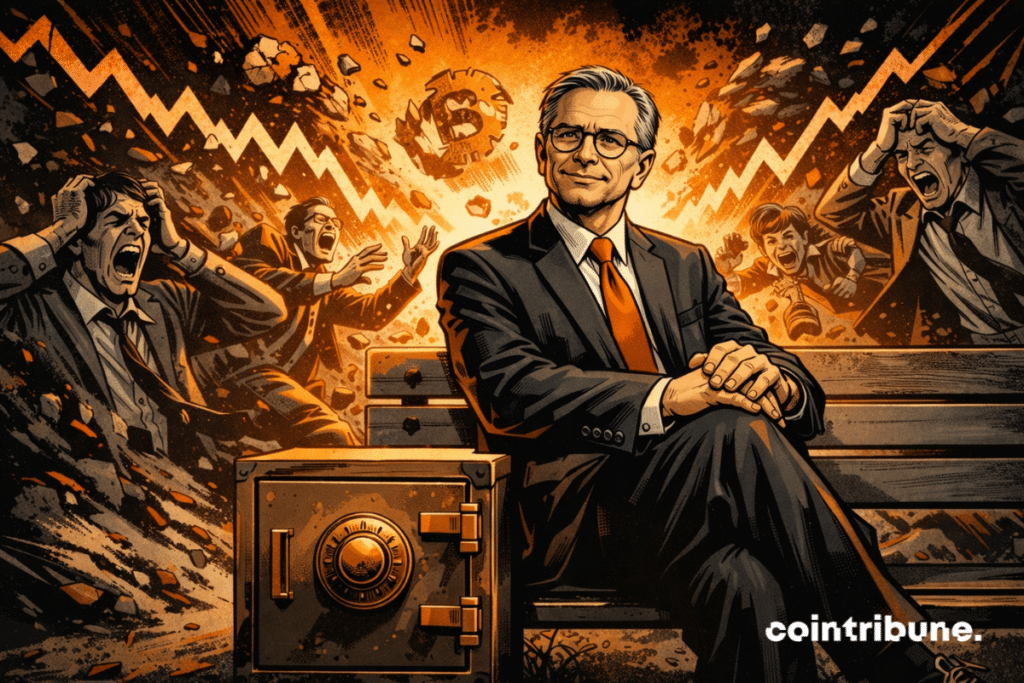
While the crypto fear index reaches historic highs, Metaplanet’s CEO displays a disconcerting calm. Simon Gerovich brings up Buffett’s philosophy to encourage investors to do exactly the opposite of the crowd: buy when everyone is selling. A bold stance as his company continues accumulating bitcoin despite the storm.
In Brief
- Metaplanet’s CEO cites Warren Buffett to encourage buying during the current crypto panic.
- CoinMarketCap’s Fear and Greed Index hits historically low levels, signaling extreme investor fear.
- Bitcoin hit 60,000 dollars before quickly rebounding to 70,000 dollars.
- Extreme fear zones have historically coincided with the best market entry points.
Metaplanet’s Bold Bet Amid Crypto Collapse
On February 7, Simon Gerovich shook the crypto community with a striking post. The head of Metaplanet invoked the legendary saying of Warren Buffett: “Be greedy when others are fearful.” A message broadcast at the exact moment CoinMarketCap signaled a plunge of its Fear and Greed Index into the “extreme fear” zone.
This timing is no coincidence. Bitcoin had just flirted with 60,000 dollars, wiping out two years of gains and sowing panic among holders. Massive sell-offs were multiplying, volatility was exploding.
Yet, Gerovich sees something other than a collapse. His graph accompanying the message reveals a repetitive pattern: every zone of intense terror over the past twelve months coincided with a market low, systematically followed by a vigorous rebound.
This contrarian market analysis is based on solid historical data. Investors who dared to buy during previous panic phases consistently recorded substantial profits.
Bitcoin itself illustrates this dynamic by quickly reclaiming the 70,000 dollar threshold after testing 60,000 dollars.
Institutional Resilience Amid Turbulence
Metaplanet does not just preach. The Japanese company applies its philosophy with determination. It now holds 35,102 BTC in its treasury, placing it among the largest institutional holders in the world. A position assumed despite an average acquisition price exceeding 107,700 dollars.
This strategy weighs on traditional financial markets. Metaplanet’s stock fell 5.56% in Tokyo, reflecting investor nervousness about the company’s crypto exposure. Latent losses are real and significant. But management refuses to capitulate.
Metaplanet’s approach fits into a broader institutional trend. Strategy, the world leader with 713,502 BTC, also maintains its accumulation strategy. Despite 12.4 billion dollars of losses reported in the fourth quarter of 2025, Michael Saylor persists with his famous “HODL.” The company even acquired an additional 855 BTC during the correction.
Its CEO Phong Le specifies that Strategy would hold out until Bitcoin drops to 8,000 dollars before considering restructuring. This confidence reflects a long-term vision that transcends short-term moves. Bitcoin thus becomes a cash management tool rather than a mere speculative asset.
Technical analysis corroborates this outlook. Market cycles show that collective capitulation periods often precede smart accumulation phases. Long-term holders use these windows to strengthen their positions while emotional investors liquidate their assets.
In summary, Metaplanet’s bet on the contrarian strategy crystallizes a clear conviction: markets reward patience and discipline. While extreme fear drives the masses to sell, some strategic actors accumulate silently. An approach that could shape institutional adoption of Bitcoin for years to come.
Maximize your Cointribune experience with our "Read to Earn" program! For every article you read, earn points and access exclusive rewards. Sign up now and start earning benefits.

Passionné par le Bitcoin, j'aime explorer les méandres de la blockchain et des cryptos et je partage mes découvertes avec la communauté. Mon rêve est de vivre dans un monde où la vie privée et la liberté financière sont garanties pour tous, et je crois fermement que Bitcoin est l'outil qui peut rendre cela possible.
The views, thoughts, and opinions expressed in this article belong solely to the author, and should not be taken as investment advice. Do your own research before taking any investment decisions.