
Fri 20 Feb 2026 ▪
4 min read
▪
by
Bitcoin network activity has fallen nearly 50% since 2021, revealing a sharp drop in on-chain engagement even as market caps climbed.
Bitcoin network activity has fallen nearly 50% since 2021, revealing a sharp drop in on-chain engagement even as market caps climbed.

While the bitcoin price struggles to regain its peaks, the network itself shows robust health. The mining difficulty has just recorded its largest increase since 2021, a paradox worth examining.
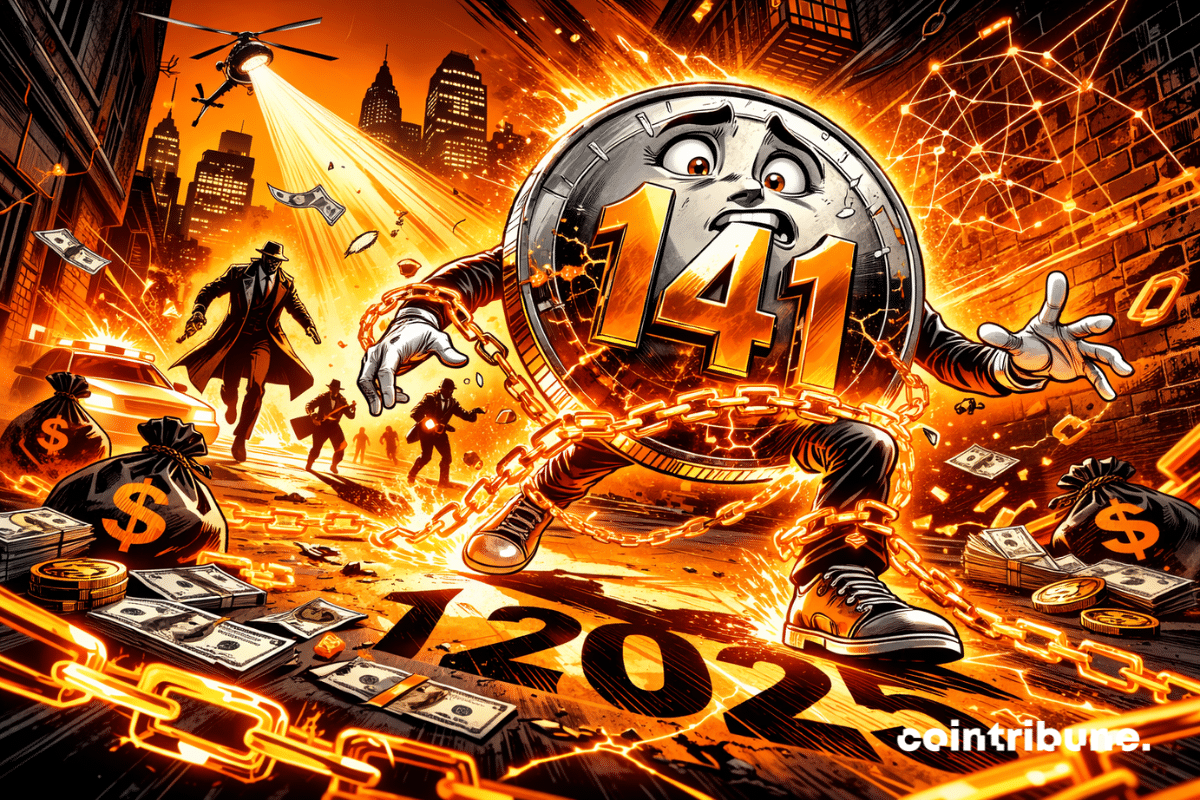
Stablecoins reach $141 billion of illicit activities in 2025. A record that reignites the debate on global crypto regulation!

On April 15 and 16, 2026, the Carrousel du Louvre will host the Paris Blockchain Week, an event that has become in a few editions the must-attend meeting where traditional finance and digital assets stop observing each other and finally start to dialogue. Far from crypto conferences focused on speculation and community narratives, PBW 2026 embodies a paradigm shift: financial institutions are no longer spectators, they become actors of the blockchain infrastructure. Analysis of an event that materializes the maturity of a sector.

One can see a Bitcoin pullback as a diagnosis… or as a mirror. Brian Armstrong, CEO of Coinbase, clearly chooses the second option: according to him, the recent drop looks more like a collective nervous breakdown than an engine failure. The network is not damaged. It is the emotions that make the noise.

Quantum scares, bitcoin falls. But devs work, seed phrases save, and 1.7 million BTC sleep. The real question lies elsewhere.

Nearly $4 billion has left Bitcoin ETFs in five weeks. Indeed, investment vehicles meant to embody Bitcoin's institutional anchoring are going through a phase of sustained withdrawals. After months of record inflows, the mechanism reverses and raises questions. Is this a mere tactical adjustment or a deeper change in investors' perception regarding indirect exposure to the flagship asset?

The Clarity Act could change everything for crypto, and Brad Garlinghouse bets 90% on its adoption in April 2026. A regulation that would finally clarify the status of digital assets, reduce legal uncertainties, and pave the way for a new era for Ripple and stablecoins.

The threshold of 50% of ETH "in staking" announced by Santiment looks like a reassuring milestone, almost triumphant. But it triggers a controversy: does this figure really measure active staking or only accumulated deposits? The difference is not trivial, as it changes the reading of supply, network security, and market sentiment.

After absorbing 230,000 BTC from a massive wave of sales, the largest wallets have triggered a "V" shaped accumulation that reshuffles the market cards. In an environment marked by high volatility and significant flows to exchange platforms, this strategic turnaround intrigues. Rapid rebuilding of reserves, large movements towards Binance: on-chain signals suggest a possible shift in the balance between supply and demand.