Nexo reinvents itself and announces zero interest crypto loans. The crypto finance market finally seems to turn the page on post-FTX chaos. Beware of getting too excited.
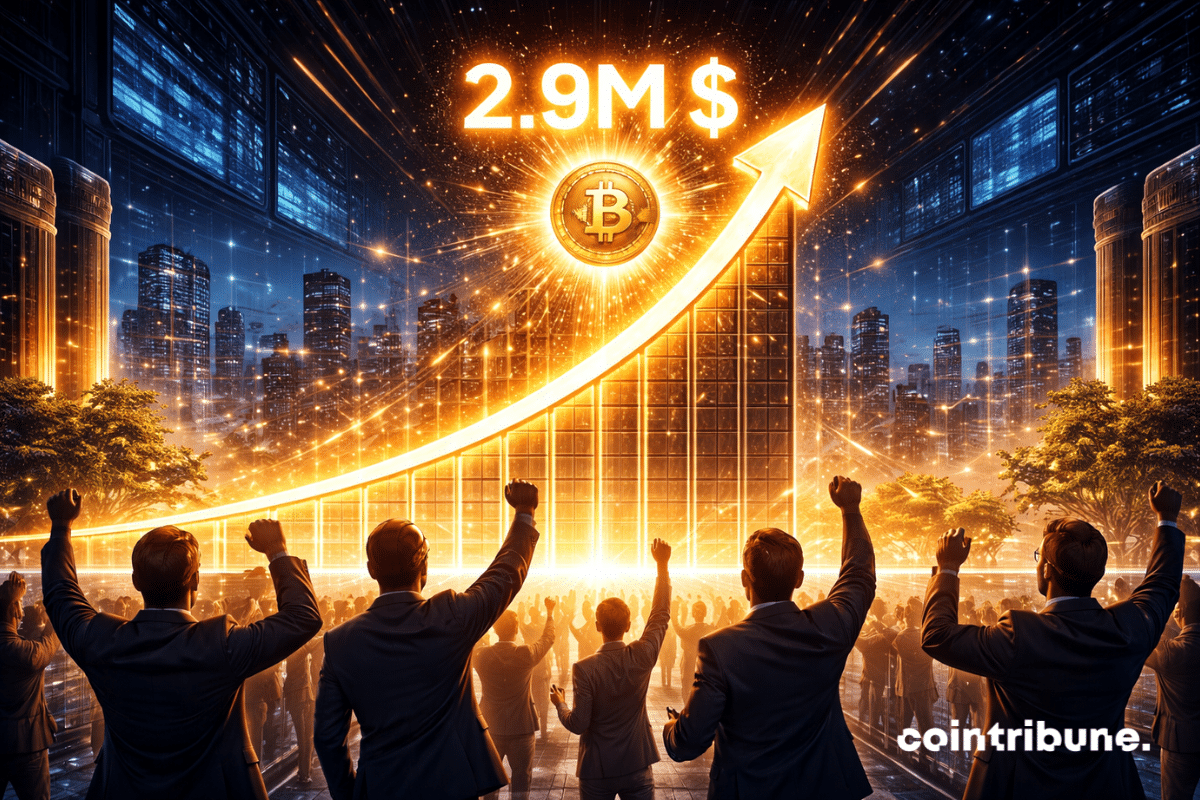
Bitcoin, born as a decentralized currency, could become a key player in the global economy by 2050. According to a study by VanEck, one of the leading crypto asset managers, the value of bitcoin could reach 2.9 million dollars as it establishes itself as a settlement currency in international trade and as a reserve for central banks. This bold scenario raises questions about the future of traditional currencies and bitcoin's place in the global financial system.
Morgan Stanley has never been the type to chase trends. So when the bank announces a digital asset wallet, designed for crypto but also for tokenized real-world assets (RWA), the signal is clear. Wall Street no longer just wants to “tolerate” the sector, it wants to hold the keys. According to Barron’s, this digital wallet is expected to launch in 2026 and aim, from the start, at a hybrid mix: crypto on one side, real-world assets (stocks, bonds, real estate) on the other.

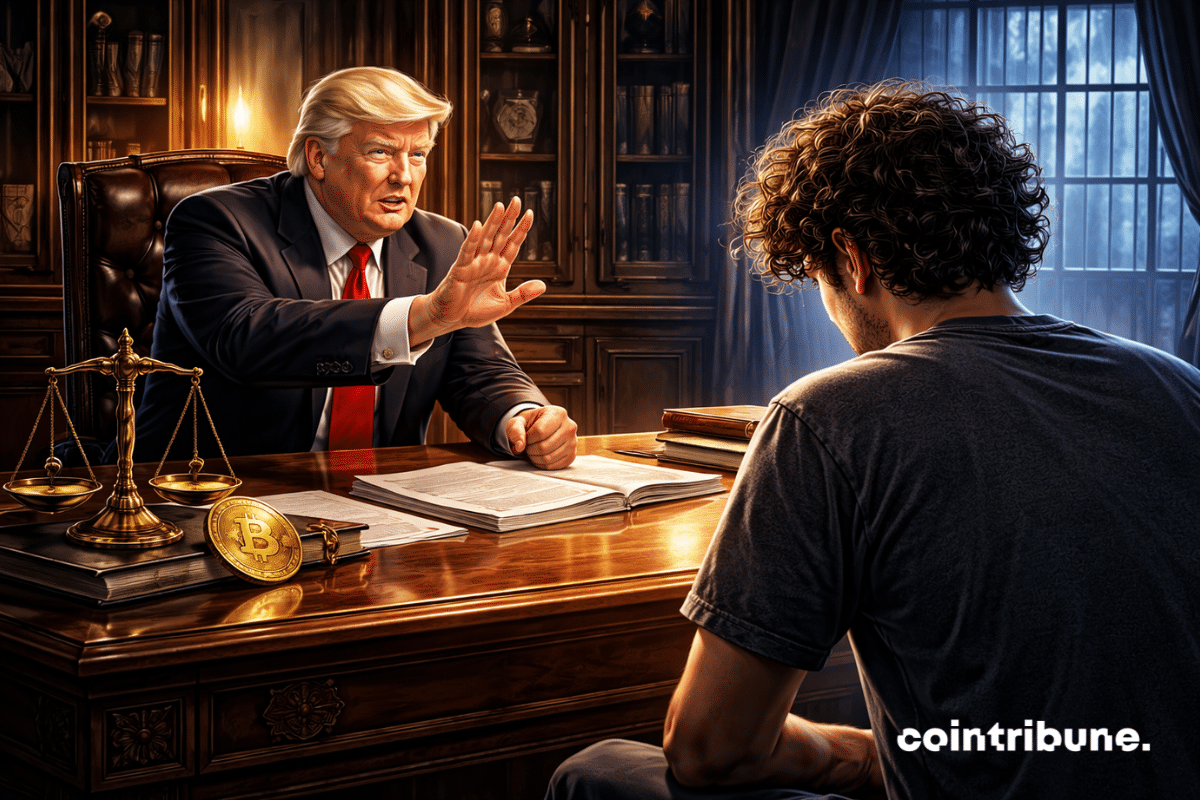
Donald Trump has refused to grant a pardon to Sam Bankman-Fried, the former CEO of FTX, involved in one of the biggest scandals in crypto history. This decision, far from anecdotal, raises questions about the balance between politics and the crypto industry. It also raises issues about sector regulation and the future of executives accused of fraud, in a context where investor and regulator confidence is already weakened.
In Manosque, France, a woman experienced a true nightmare: kidnapped and assaulted at gunpoint for cryptos. This shocking news story reveals an alarming trend, criminals increasingly targeting holders of digital assets. Why this violence and how to protect yourself? The investigation and answers in this article.
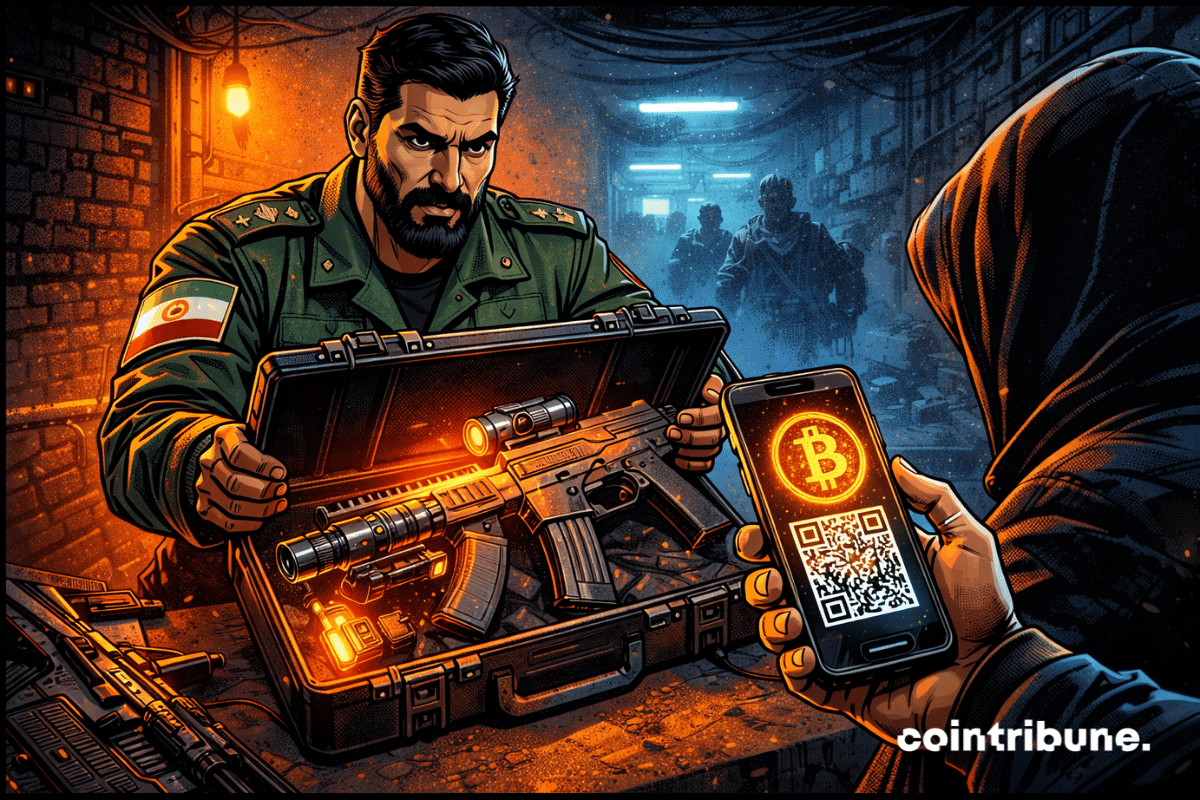
Iran now offers to sell advanced weapons systems to foreign governments in exchange for cryptos. These include ballistic missiles, armed drones, and warships. Iran aims to bypass Western financial controls and maintain its military exports despite sanctions.
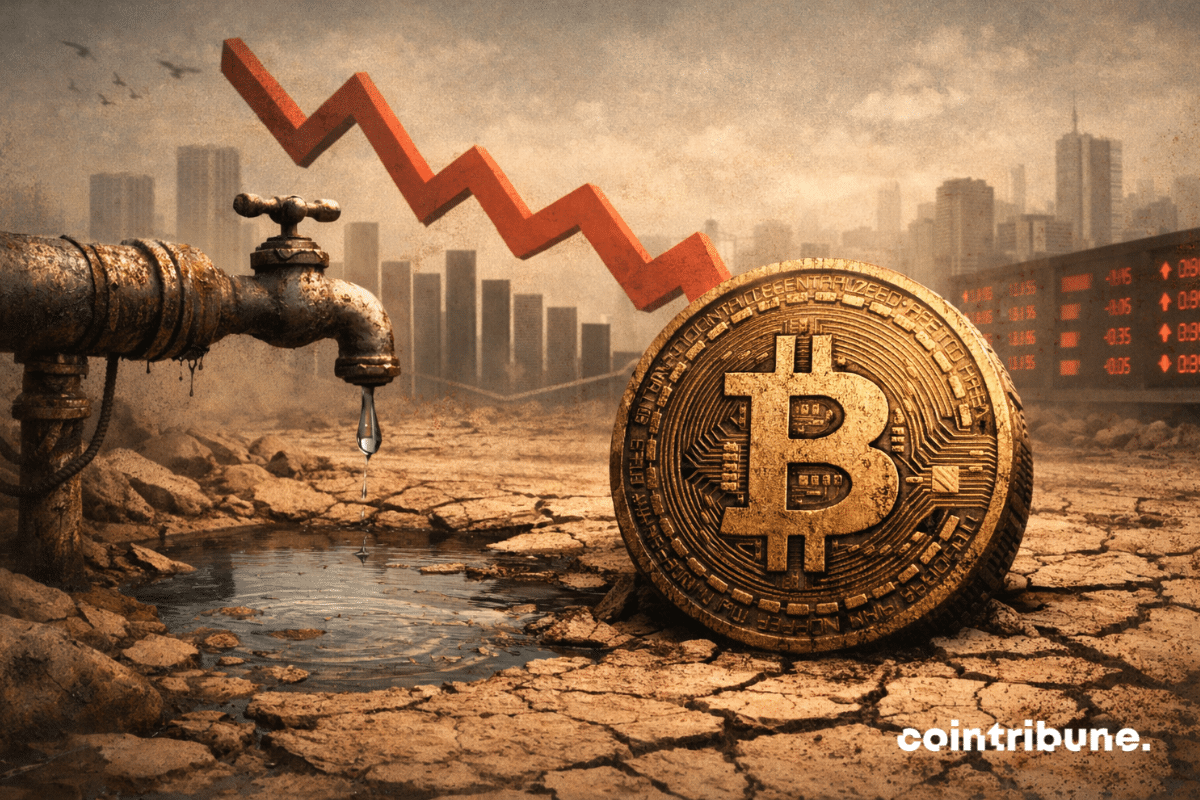
Bitcoin's price has been stuck in a narrow range as capital flow slows, leading to a period of consolidation. Experts predict continued sideways movement until market conditions shift.
Rising global sanctions and increased state involvement drove illicit cryptocurrency activity to record levels in 2025. Data indicates that sanctioned entities were the primary source of these flows, even though illegal use continued to account for only a small portion of total crypto transactions. Analysts describe the shift as a response to mounting geopolitical pressure rather than a breakdown in compliance.
At the beginning of 2026, memecoins establish themselves as the stars of the crypto market. PEPE, Dogecoin and Shiba Inu record spectacular gains, driven by massive whale accumulations and short position liquidations. This spectacular rebound, marked by a 20% increase in the sector's capitalization in a few days, raises questions: is it a simple technical rebound or the start of a new memecoin season?
The crypto sector, already weakened by tax issues and complex regulation, faces a new threat: the leak of sensitive data. An investigation in France reveals that a tax agent allegedly exposed private information about crypto owners. This revelation raises concerns about the security of tax data and the increased risk of physical attacks against investors. Such a scandal highlights the vulnerabilities of a system meant to protect citizens' confidentiality.