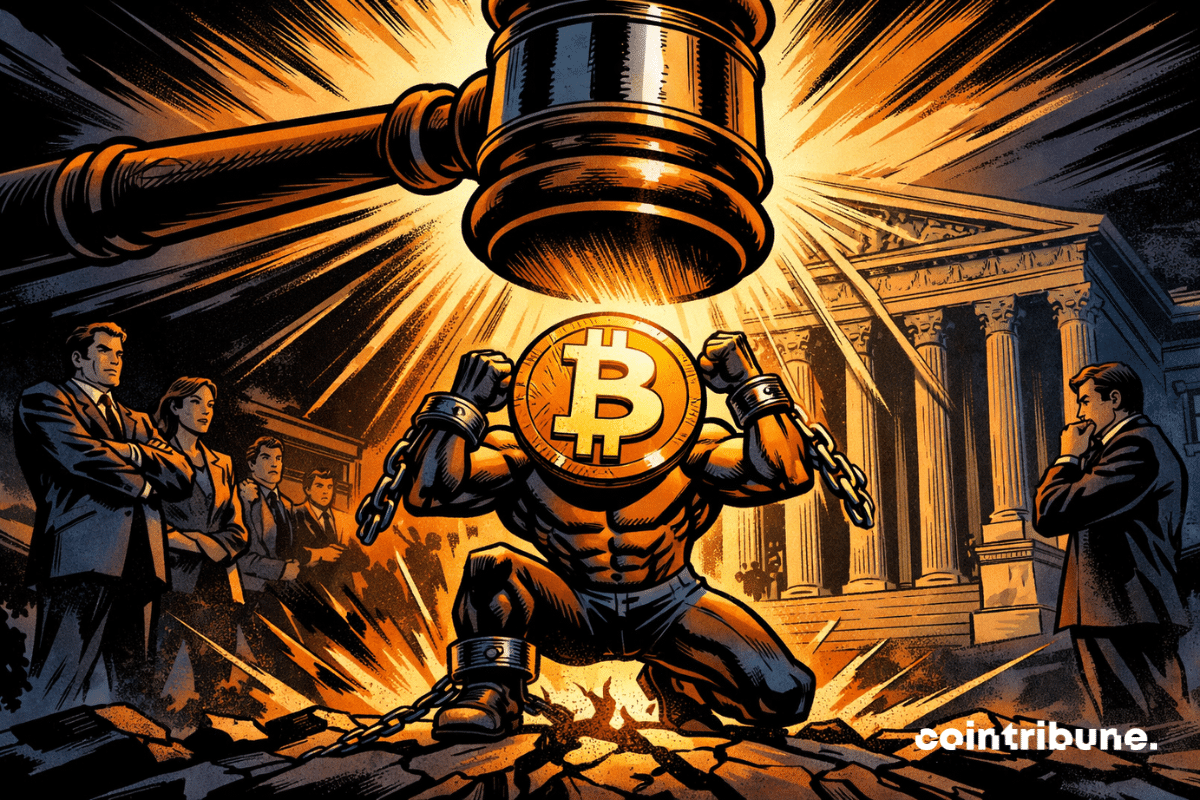
While the US Supreme Court plays the role of economic arbitrator, Bitcoin itself meditates at $90,000, like a tired crypto king waiting for a judge to revive its digital crown.


Solana is changing its status. Long perceived as a fast alternative to Ethereum, the blockchain now attracts leading institutional investors. This rise comes as the network consolidates its technical fundamentals. The accumulation of SOL by specialized funds fuels a new dynamic, at the crossroads of real uses and financial flows. At the start of this year, Solana no longer just promises: it establishes itself as a structuring player in the ecosystem.
Bitcoin is nearing 90,000 dollars, but the main action is happening elsewhere. While ETFs suffer massive outflows, institutional investors are beginning a strategic repositioning. This double movement, discreet but structuring, reveals a market in transition, where capital flows no longer respond solely to price logic. Behind the apparent euphoria, a rigorous selection of assets is taking place, a sign of a new maturity in the crypto ecosystem.
A crypto user known as “The Smart Ape” lost about $5,000 from a hot wallet during a short hotel stay. No phishing links were opened, and no fake sites were used. Instead, a chain of small missteps created the conditions for a delayed wallet drain. Security researchers say the case shows how everyday actions, both online and offline, can combine into a serious loss.
Pump.fun has just made crypto history by exceeding 2 billion dollars in daily volume thanks to Solana memecoins. Between rapid opportunities and legal risks, this explosion raises questions: sustainable revolution or bubble ready to burst?
Vitalik Buterin draws a parallel between Ethereum and Linux. Goal: to revolutionize digital governance. Details here!
The hope for sustainable institutional adoption through spot Bitcoin ETFs meets a harsh return of volatility. Praised in 2024 as vectors of stability, these products have just recorded over 680 million dollars in net outflows in the first week of 2026. This sudden decline, in a climate of monetary uncertainties and geopolitical tensions, calls into question the solidity of their anchorage in traditional finance and raises doubts about the market's ability to absorb shocks in the long term.
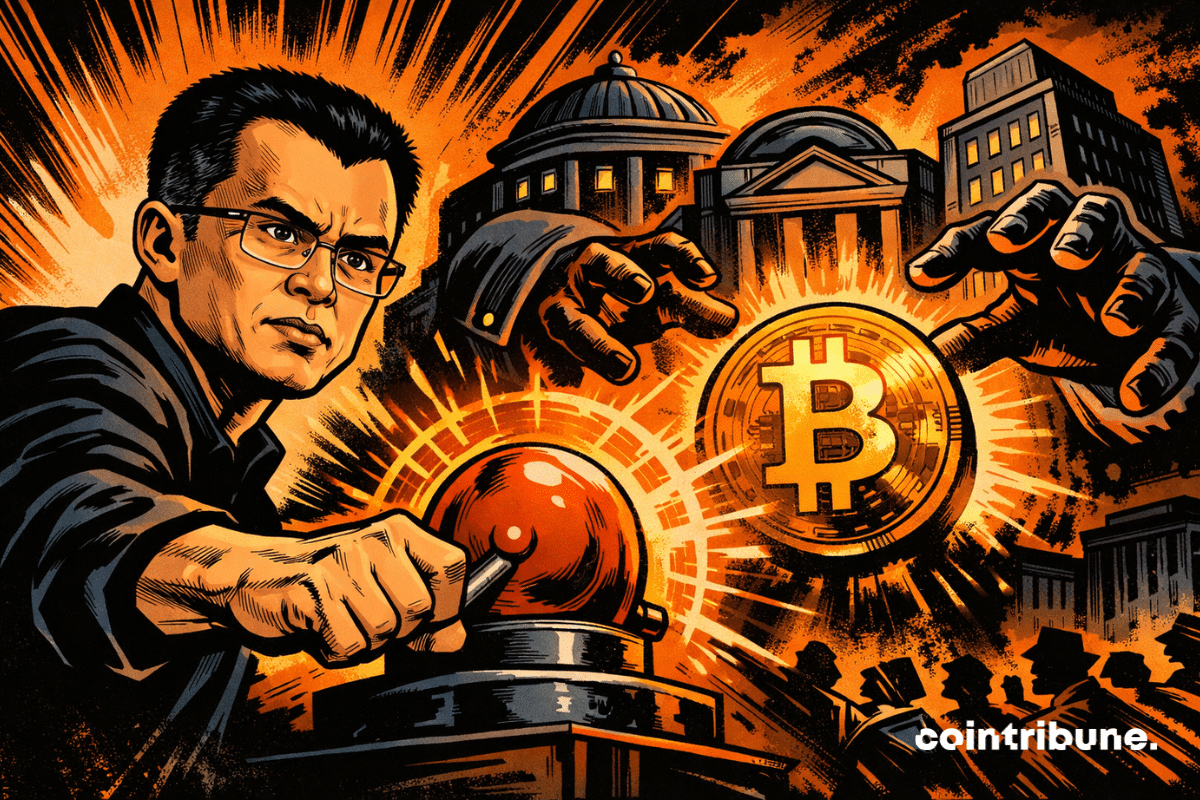
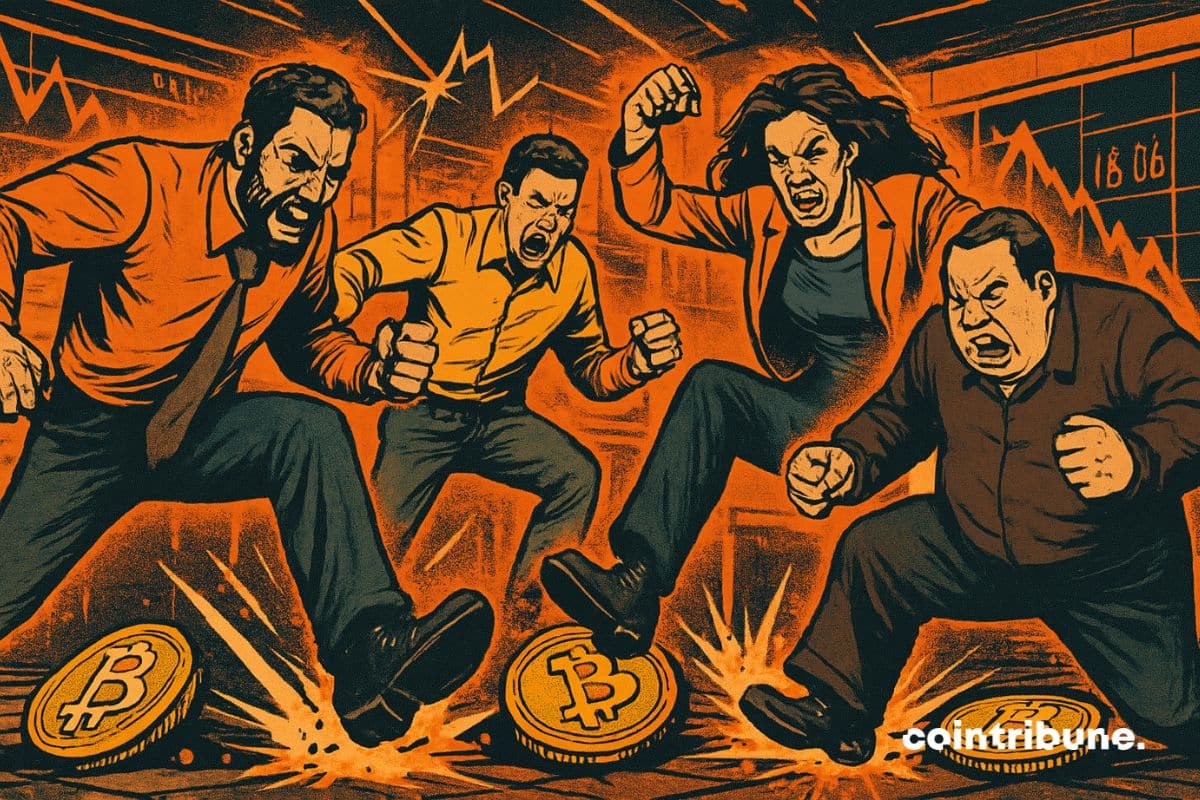
While small wallets tremble, banks are piling up bitcoin. CZ watches, half amused, half worried: the crypto Wild West is changing sheriffs without warning.
On January 10, 2009, Hal Finney wrote "Running Bitcoin" on Twitter. Unknown to him, he had just engraved the public launch of the first decentralized digital currency network into modern monetary history. That day, he ran Satoshi Nakamoto's software and became the very first recipient of a BTC transaction. Seventeen years later, yesterday January 10, 2026, this message still echoes as the founding act of a technological and financial revolution.
On-chain data reveals a troubling trend: Bitcoin whales have sold 220,000 BTC in one year. A massive leak or anticipation of an imminent crash? Analysis of causes, risks, and opportunities to seize before it's too late.