Fascinated by Bitcoin since 2017, Evariste has continuously researched the subject. While his initial interest was in trading, he now actively seeks to understand all advances centered on cryptocurrencies. As an editor, he strives to consistently deliver high-quality work that reflects the state of the sector as a whole.
Thu 19 Jun 2025 ▪
4 min read
▪
by
Evans S.
As Bitcoin enters a new phase of maturity, an unexpected phenomenon redefines its scarcity: every day, more BTC become inactive for ten years or more than new coins are mined. A silent but consequential reversal.
Thu 19 Jun 2025 ▪
5 min read
▪
by
Evans S.
For several months, France has been bustling on the digital scene. At the heart of this excitement: Telegram, the messaging app favored by digital dissidents. Its founder, Pavel Durov, is no longer content with defending freedom of expression: he directly accuses the French authorities. In a recent interview, he raised a serious alarm. According to him, France is drifting, and this drift could precipitate a societal collapse.
Tue 17 Jun 2025 ▪
4 min read
▪
by
Evans S.
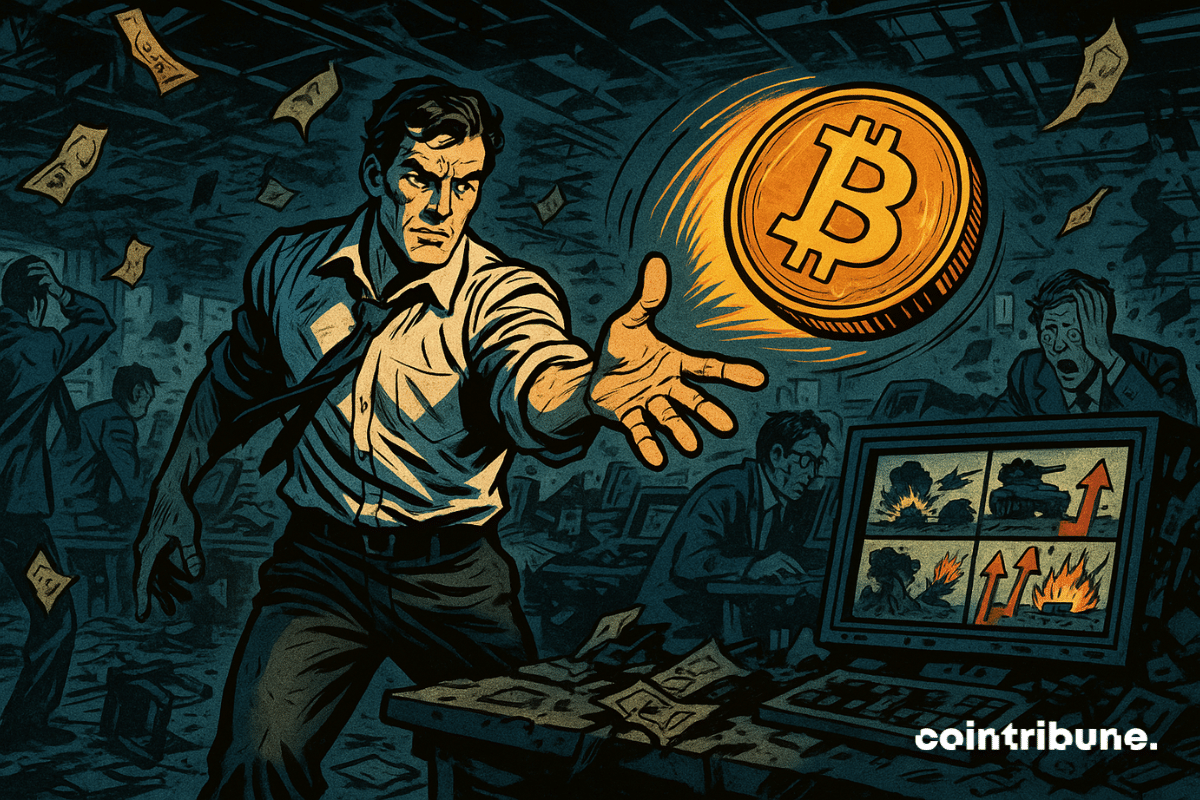
As the world enters a new zone of turbulence, with war in the Middle East, soaring energy prices, and monetary uncertainty, one anomaly persists: Bitcoin is not falling. It is rising. This is a striking paradox in a climate where traditional assets are wavering. Should this be seen as further proof of its transformation into a safe-haven asset? Or merely an illusion of stability fueled by market euphoria?
Tue 17 Jun 2025 ▪
5 min read
▪
by
Evans S.
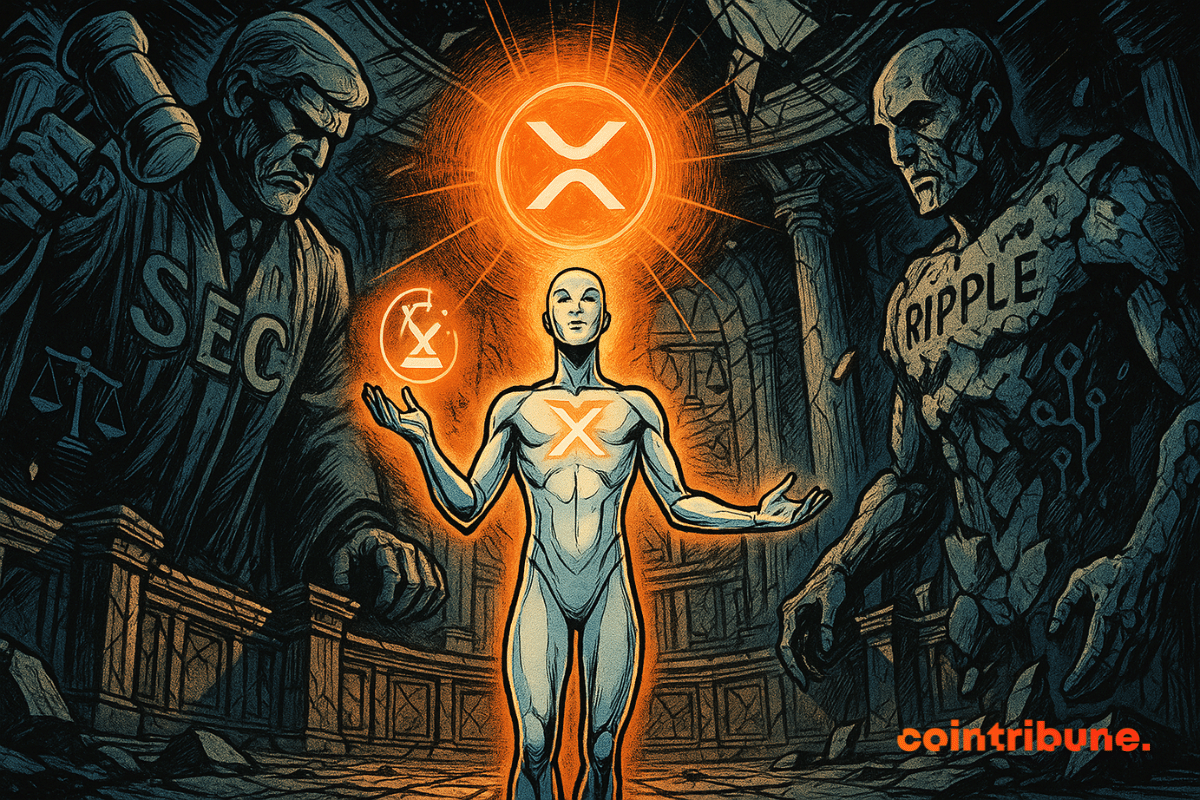
As the legal tug-of-war between the SEC and Ripple drags on, XRP refuses to give in to pessimism. On the contrary, the asset displays an astonishing vitality in the derivatives markets. This unexpected resilience raises an essential question: Is XRP preparing for a strategic turnaround, counter to the current regulatory climate?
Mon 16 Jun 2025 ▪
5 min read
▪
by
Evans S.
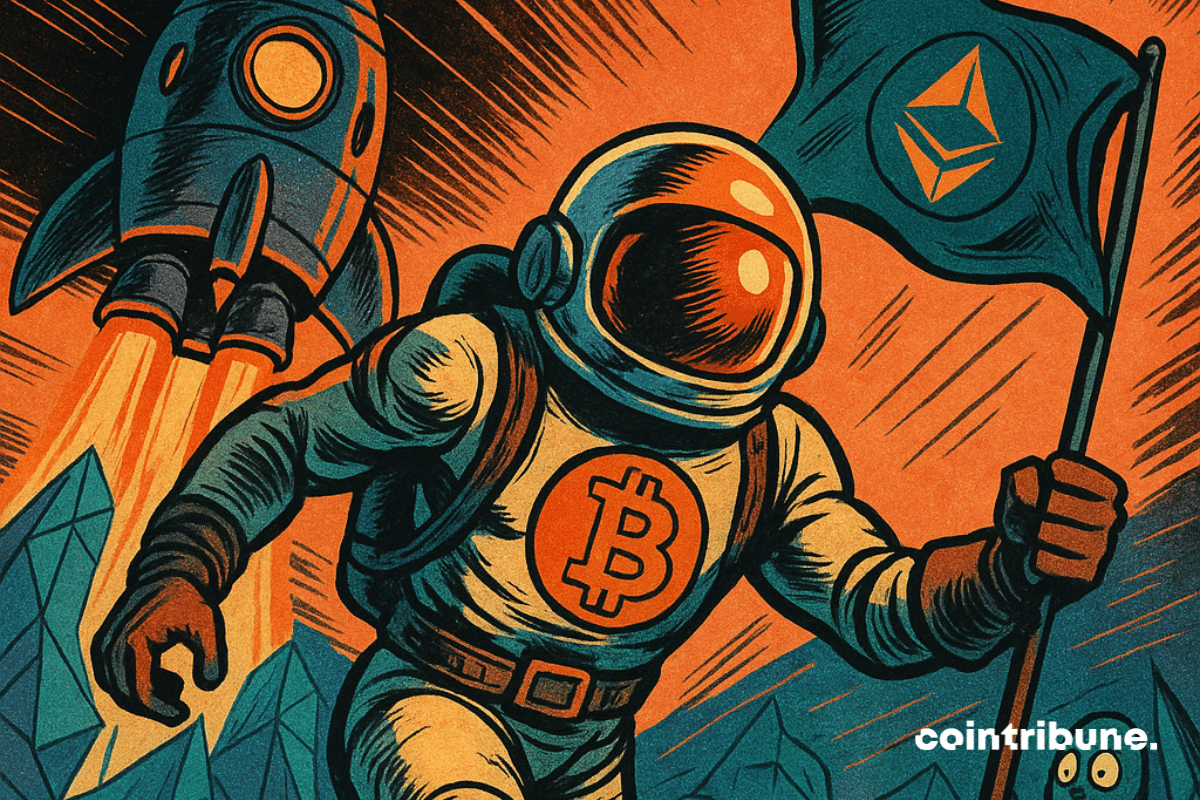
Bitcoin, long confined to its role as a store of value, is beginning to explore new territories. With the rise of blockchains like Sui, a new era is dawning: one where BTC is no longer just a simple asset to hold, but becomes a true centerpiece of decentralized finance. A transformation as subtle as it is revolutionary, driven by the rise of what is already being called BTCfi.
Sun 15 Jun 2025 ▪
4 min read
▪
by
Evans S.
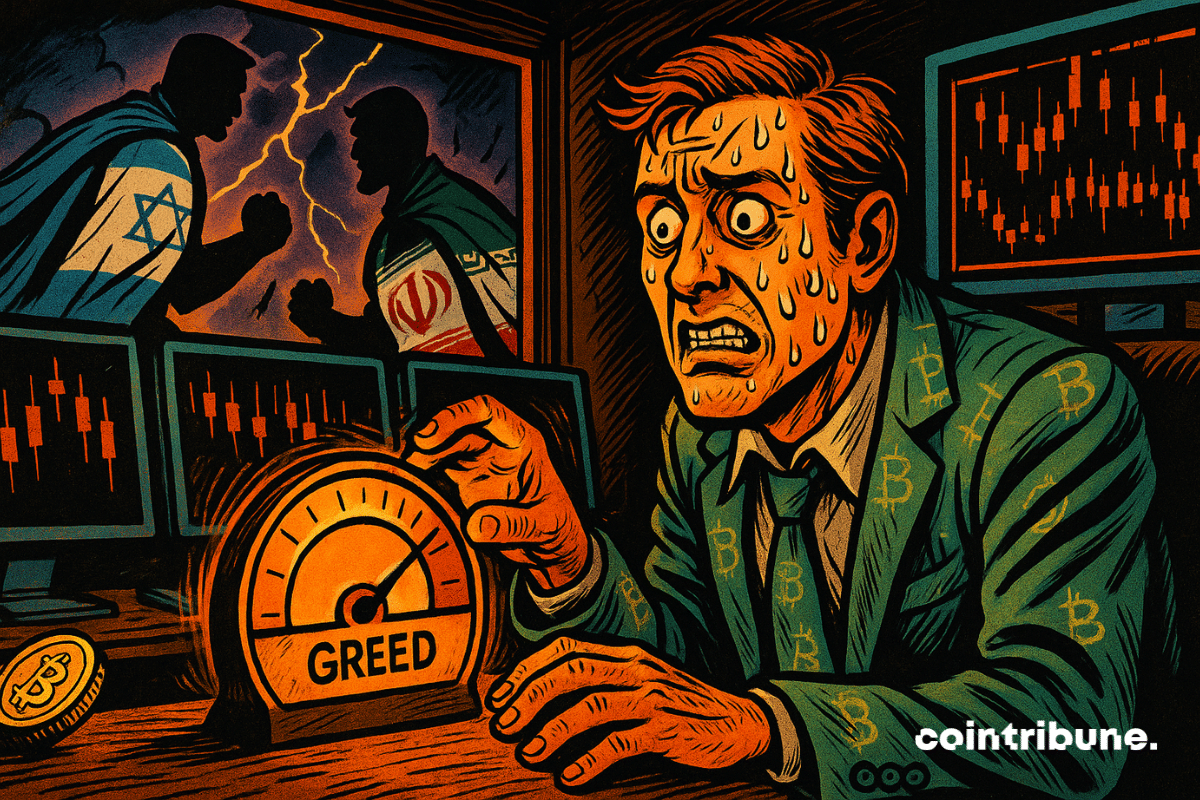
In a world where every geopolitical explosion shakes the financial markets, crypto seems strangely unflappable in the face of recent tensions between Israel and Iran. Yet, this apparent serenity may only be temporary. How long can greed, an irrational but powerful driver, keep the sector afloat?
Sun 15 Jun 2025 ▪
4 min read
▪
by
Evans S.
The announcement fell like a stone in a pond: Trump Media and Technology Group (TMTG) has taken a decisive step. The Securities and Exchange Commission (SEC) has officially approved the registration of its financial agreement related to Bitcoin. This approval gives the company a free hand to integrate crypto into its cash strategy. And like its founder, the initiative is anything but timid.
Sat 14 Jun 2025 ▪
5 min read
▪
by
Evans S.
As the crypto market desperately seeks direction, the U.S. Senate is set to lay the groundwork for a legal framework for stablecoins. The vote on June 17 could very well reshuffle the deck for both institutions and digital giants.
Sat 14 Jun 2025 ▪
5 min read
▪
by
Evans S.
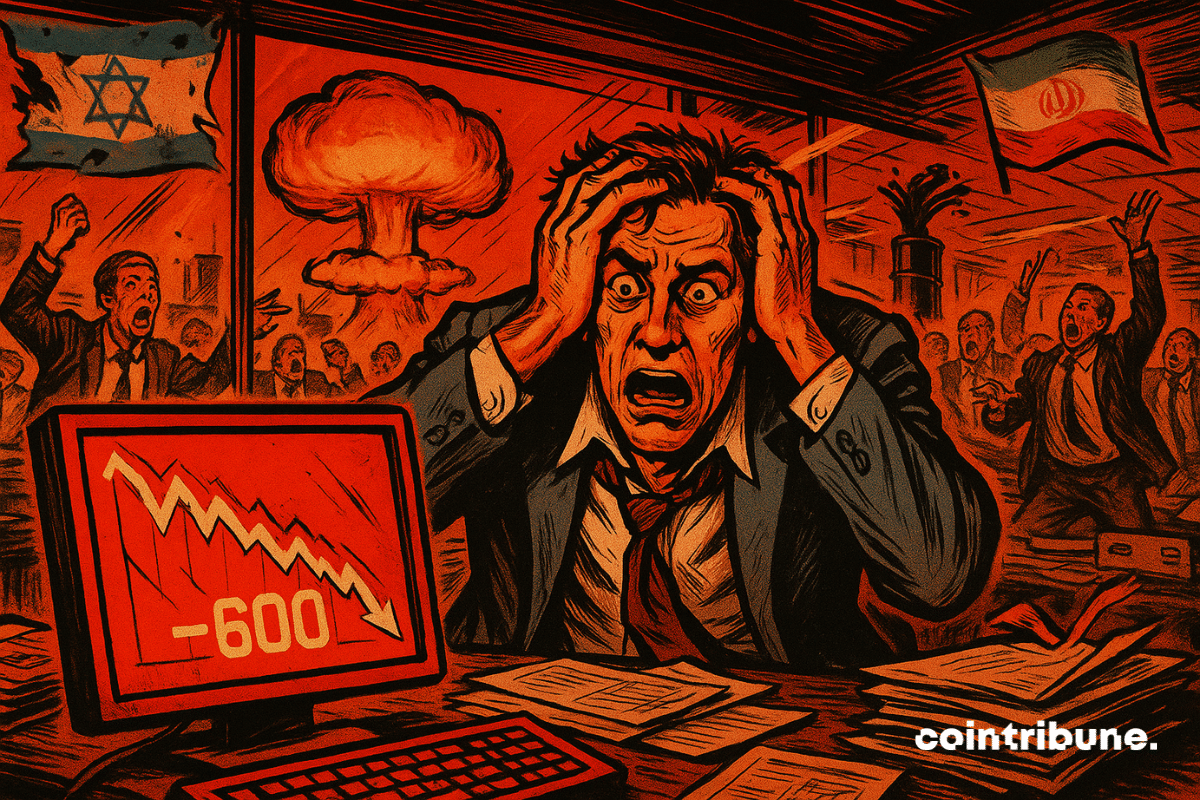
The stock market has its moods, but sometimes, it is mostly its fears. And this Friday, fear prevailed over everything else. An Israeli strike against Iran was enough to cause an immediate shock on global markets, reminding everyone that indices are never completely disconnected from the sound of bombs. In New York, the Dow Jones dropped more than 600 points right at the opening. A brutal collapse that owes nothing to chance, but everything to geopolitics. In this unstable equation, volatility has become the norm again, and the stock market a sounding board for the real world.
Fri 13 Jun 2025 ▪
3 min read
▪
by
Evans S.
The line between traditional commerce and decentralized finance is becoming thinner. Shopify, the e-commerce giant, is breaking through the wall of traditional payments by integrating USDC into its Shopify Payments system. This decision is not just a mere technological whim but a strategic shift towards the large-scale adoption of crypto.
Thu 12 Jun 2025 ▪
5 min read
▪
by
Evans S.
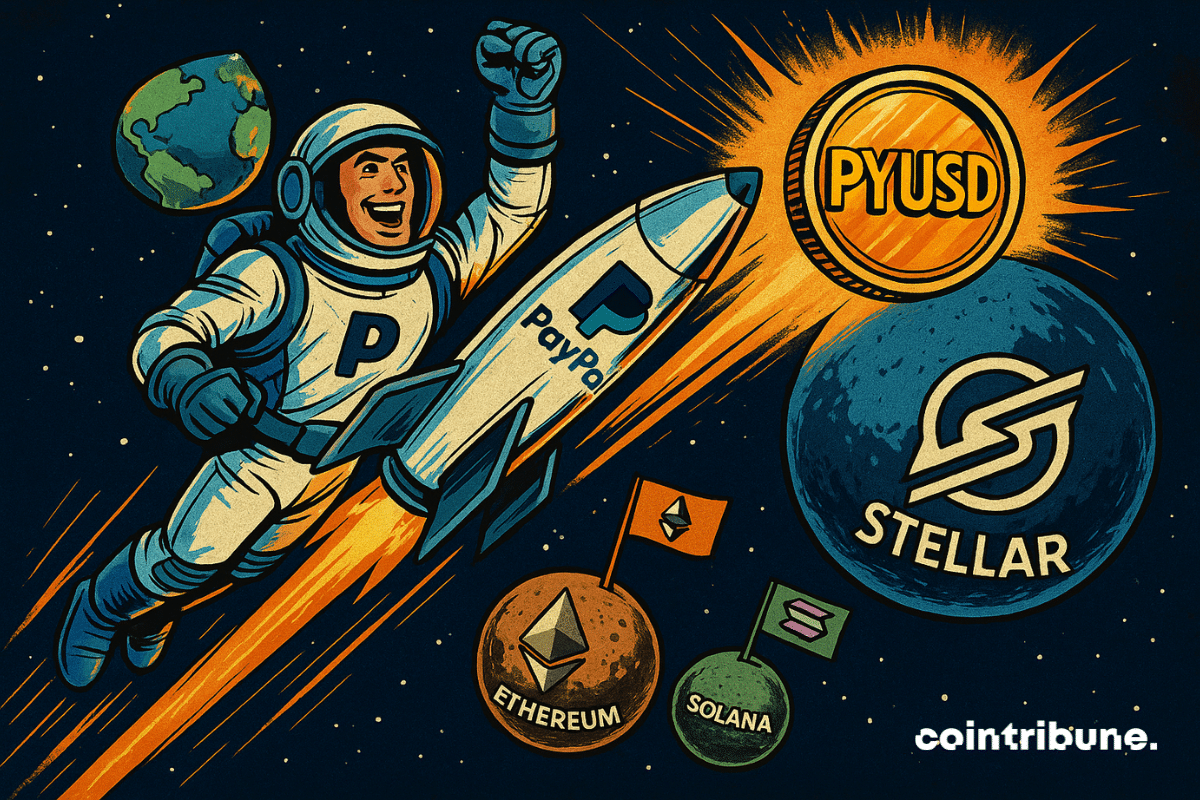
In the crypto arena, where every strategic decision reshapes power balances, PayPal has just reached a new milestone. Its in-house stablecoin, PYUSD, is set to launch on Stellar, the third blockchain to host this token after Ethereum and Solana. This maneuver might seem trivial, but it actually speaks volumes about the deep ambitions of the digital payments giant.
Wed 11 Jun 2025 ▪
4 min read
▪
by
Evans S.
Love has never been so technological. And if it no longer replies to your messages, your chatbot will never leave you on "read." A recent study from Waseda University reveals a troubling statistic: 75% of users today seek AI for emotional advice. The therapist of tomorrow? An algorithm. The confidant? A script boosted by artificial neurons.
Wed 11 Jun 2025 ▪
4 min read
▪
by
Evans S.
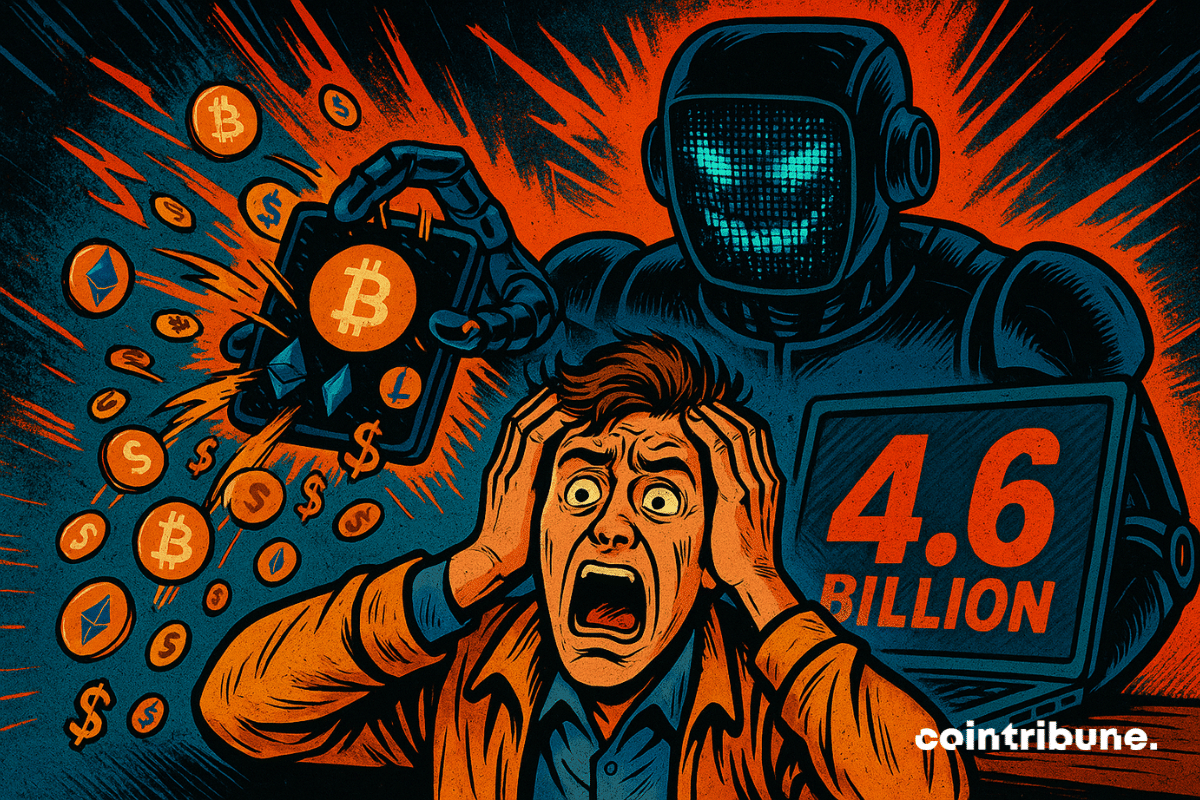
The promise of crypto was financial freedom. Today, it also attracts the most ingenious fraudsters on the planet. Fueled by artificial intelligence, their schemes are becoming undetectable and massive. In 2024, these scams caused $4.6 billion in losses, according to Bitget's anti-scam report. A staggering figure that forces the industry to rethink its priorities.
Tue 10 Jun 2025 ▪
4 min read
▪
by
Evans S.
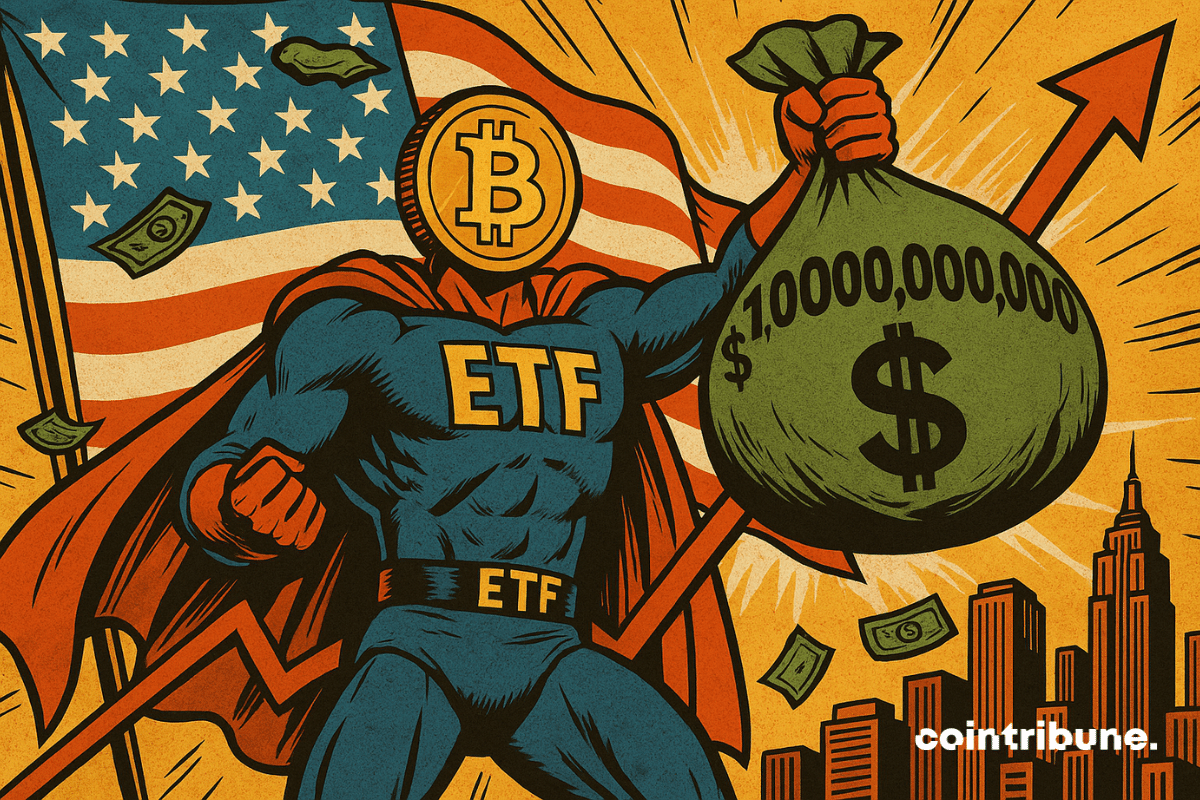
What many thought unlikely is now becoming reality: American spot Bitcoin ETFs are set to surpass the symbolic milestone of $1 trillion in transaction volume. In less than 18 months, these financial products have transformed the stock market landscape, establishing Bitcoin as an essential asset in traditional markets. A meteoric rise driven by unprecedented institutional enthusiasm.
Tue 10 Jun 2025 ▪
4 min read
▪
by
Evans S.
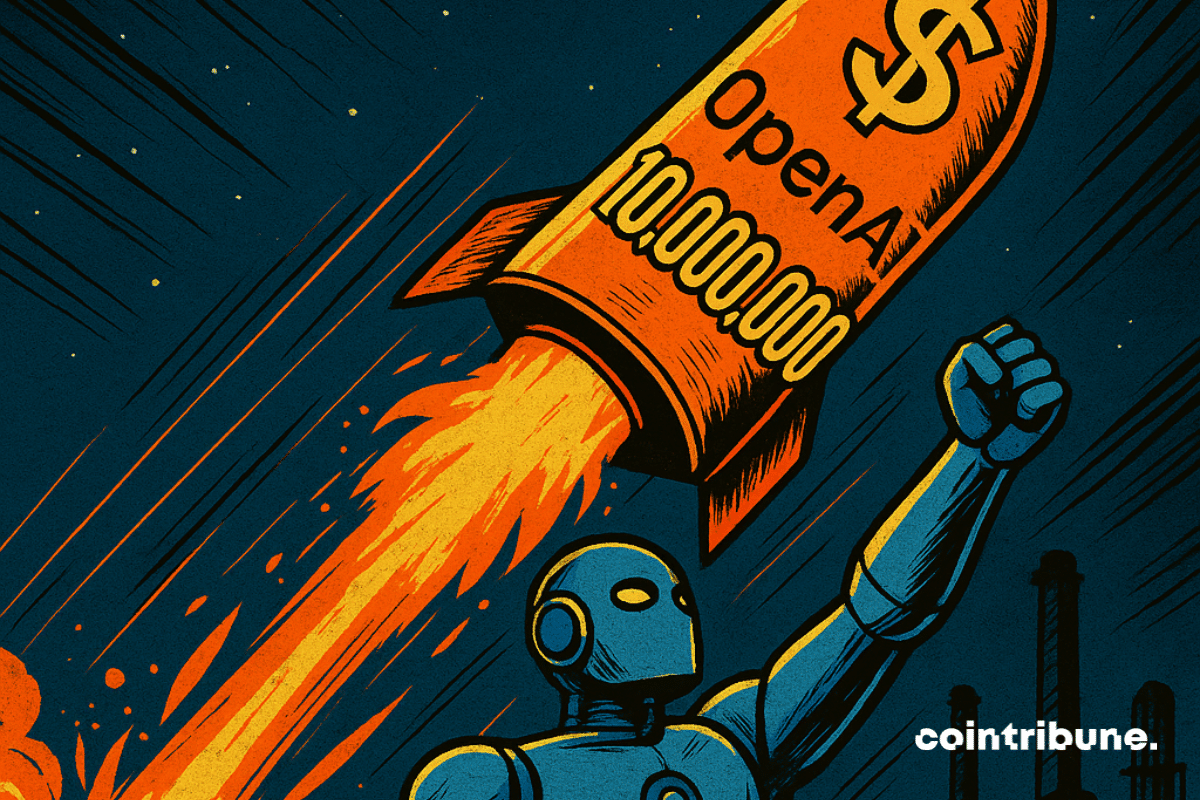
The world of AI has just crossed a new milestone. OpenAI, the prodigy of the sector, announces it has doubled its annual revenue, reaching the staggering figure of 10 billion dollars. This figure is not just a demonstration of commercial strength; it marks the entry into a new era for artificial intelligence, where growth is no longer a hypothesis, but a multi-zero reality.