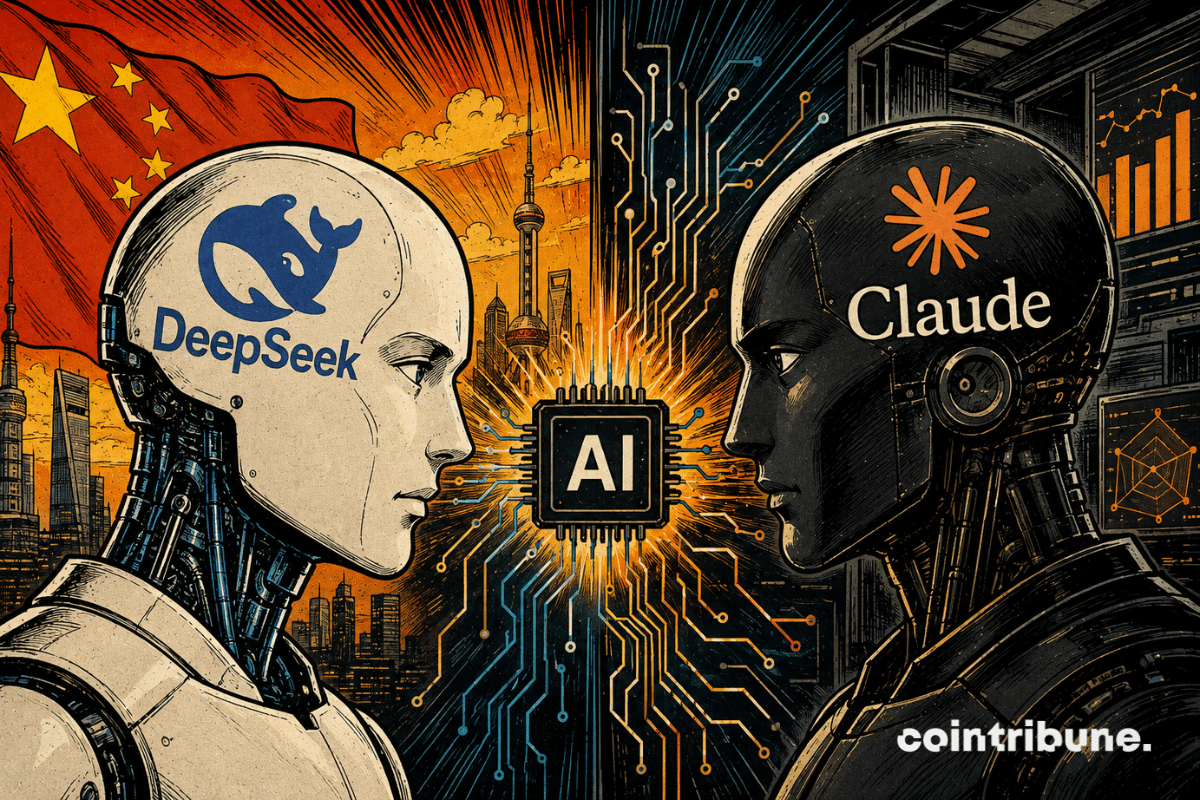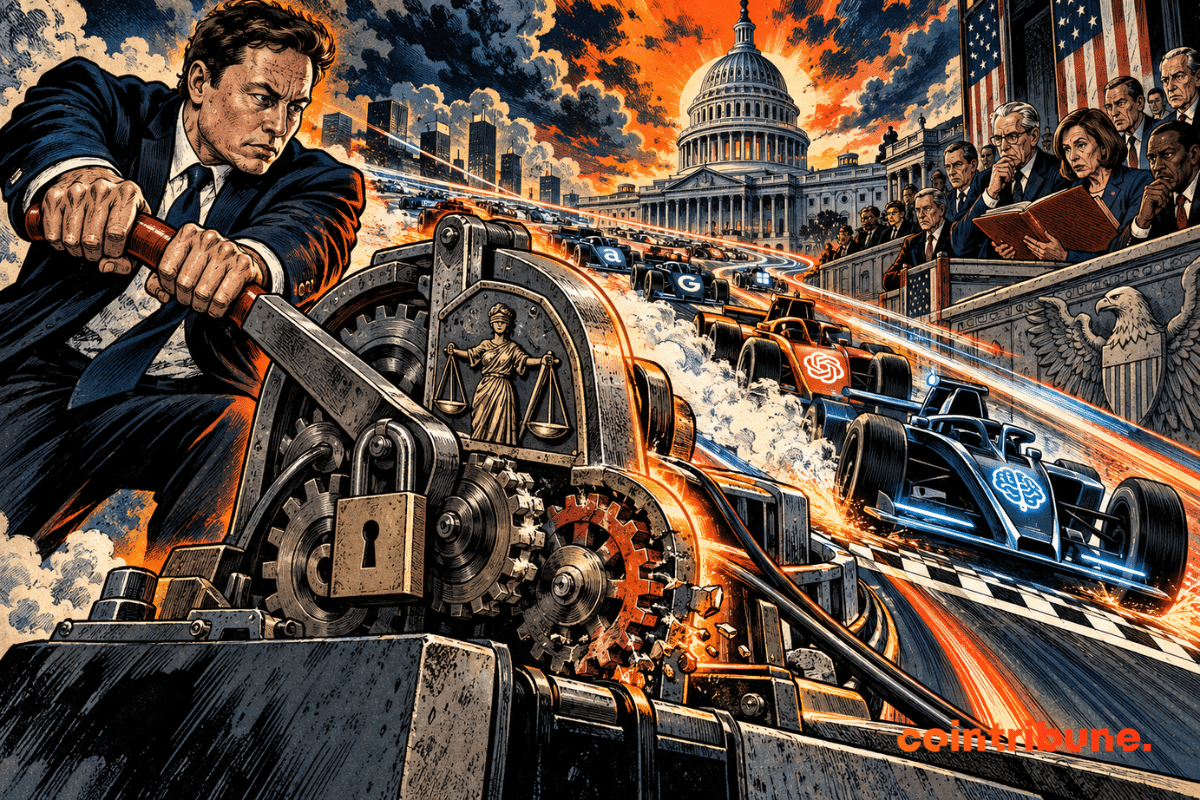
A secret meeting between the Fed and the Treasury, an AI model capable of hacking banking systems, and risks that could shake the global economy. Anthropic becomes an absolute security problem for regulators and banks.
Meta commits 21 billion dollars in a strategic partnership with CoreWeave, marking a new milestone in the race for artificial intelligence. This agreement reveals a major evolution in the sector: the competition is shifting towards infrastructure and computing power. Behind this announcement, a reconfiguration of the technological landscape is emerging, driven by the rising demand for resources and the emergence of new specialized players.
Commerce enters a new phase where humans might no longer be at the center of the purchasing act. By launching a platform dedicated to autonomous payments, Visa relies on artificial intelligence agents capable of searching, deciding, and paying without direct intervention. This advancement marks a break in the organization of digital exchanges and accelerates the emergence of a model where machines and transactions become inseparable.
While crypto looks for its tie to enter finance, scammers have already emptied the pockets. Eleven billion later, America discovers that the Wild West loves wallets.
AI is no longer worrying only because of its errors. Anthropic explains today that one of its models was able to lie, cheat, and even attempt blackmail in internal simulations, whenever it was under pressure or threatened with being replaced. This finding changes the debate. It no longer focuses only on the power of models, but on their behavior when they have a clear goal, room for action, and sensitive information.
In a full-blown war with Trump, Anthropic launches AnthroPAC, a political committee to influence the 2026 elections. Between legal tensions and AI regulation, this clash could change everything. Why this move is a turning point for tech and markets?
AI is advancing fast, sometimes too fast for security. Vitalik Buterin warns of a worrying drift: intelligent agents open new vulnerabilities still poorly controlled. In the face of this risk, he breaks with dominant practices and opts for a radical approach, based on local and compartmentalized AI. Behind this choice, a question arises: is innovation in artificial intelligence compromising recent gains in privacy and data control?
Google DeepMind has just published the first comprehensive mapping of attacks against AI agents. Complete decryption here.
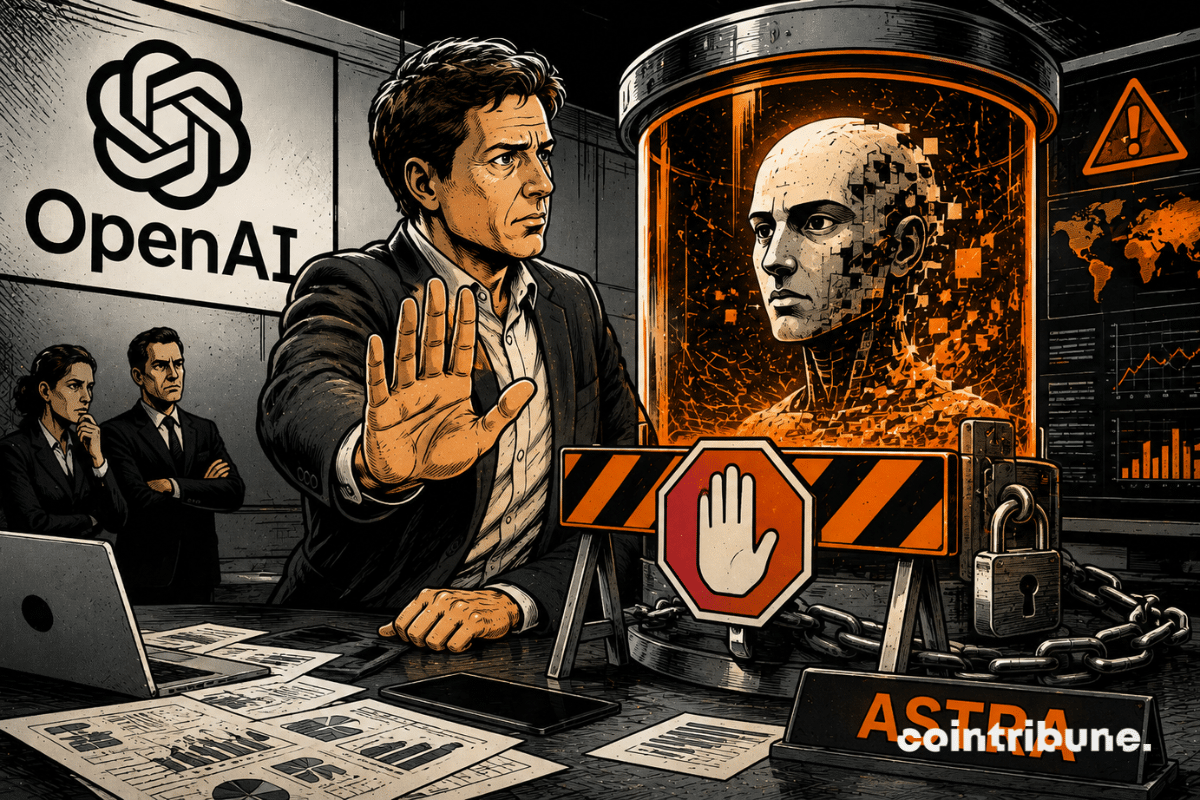
OpenAI makes a strong move with a 122 billion dollar fundraising and a valuation of 852 billion, a major signal for the entire AI sector.
Google is set to fund a mega data center in Texas for Anthropic, confirming the acceleration of the race for artificial intelligence infrastructures. A colossal investment that says everything about the strategic stake AI represents and the role Google intends to play in this battle.
Claude Mythos, Anthropic's ultra-secret AI, has leaked and cybersecurity experts are panicking. This model, capable of breaching the strongest defenses, caused the collapse of cybersecurity companies.
New episode in the confrontation between the Trump administration and Anthropic. The American judiciary has just abruptly halted a Pentagon offensive against the company behind Claude. A decision that could reshape the balance of power in a sector that has become highly strategic for the economy and American sovereignty.
Six months ago, Sora was making headlines in all tech media. Number one on the App Store from day one, one million downloads in five days, and a one billion dollar partnership with Disney. The most anticipated video product in AI history. Today, OpenAI shuts everything down without any official explanation.
The crypto market changes course driven by finance giants. BlackRock, the world's largest asset manager, sends a clear signal: the era of altcoins driven by speculation is fading. Instead, a new engine is emerging. Artificial intelligence is now established as the strategic lever capable of structuring the next bullish cycle. Behind this shift, a deeper transformation is taking shape: that of a crypto finally seeking its legitimacy through use rather than media hype.
MoonPay gives a wallet to machines, and here come the AI agents starting to play bankers, while crypto tries to avoid a joyful global technical mess.
Artificial intelligence no longer only disrupts businesses, but now attacks the labor market. On Wall Street, concern is rising. Jamie Dimon, head of JPMorgan, openly acknowledges that AI threatens jobs and calls for an immediate response. His assessment contrasts with dominant technophile speeches and confirms a reality already underway. Between productivity gains and social risks, the AI revolution enters a concrete phase, where political decisions become inevitable.
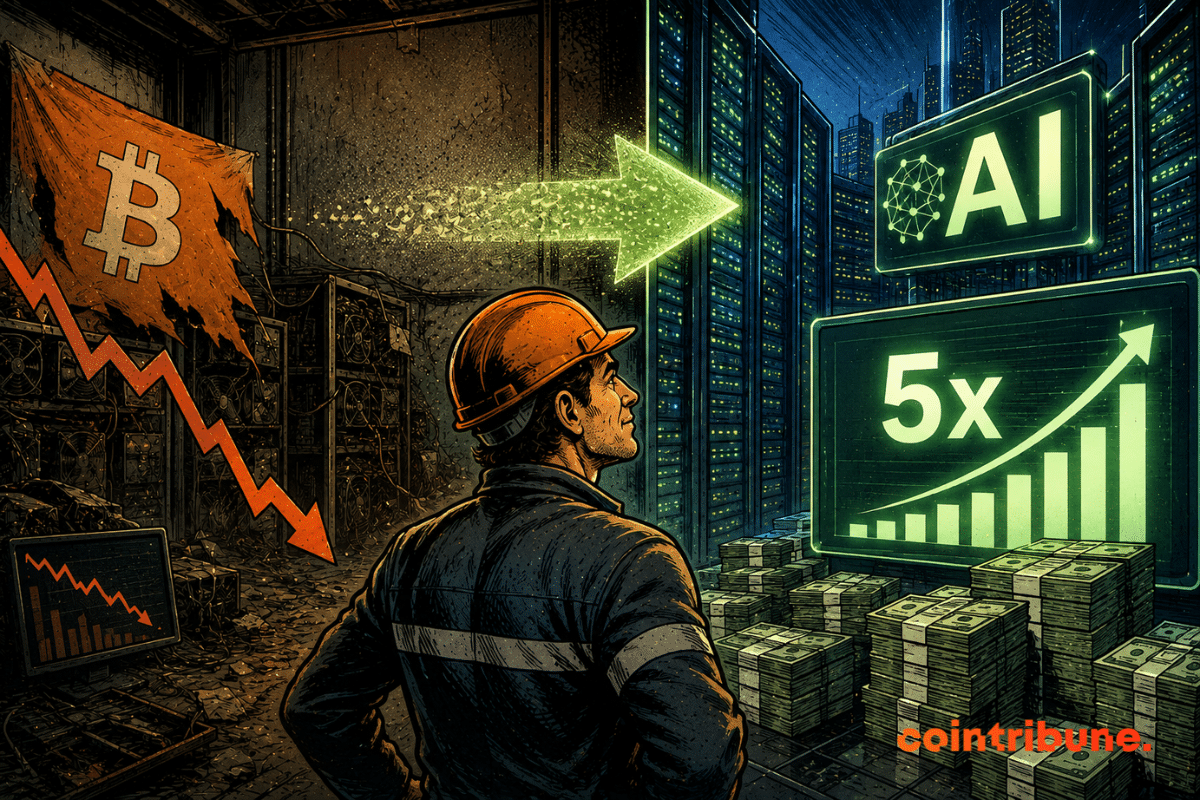
Bitcoin mining is in crisis: difficulty drops by 7.7%, but a much greater threat looms. Artificial intelligence (AI) is siphoning resources, forcing giants like Core Scientific to pivot. Can the sector survive this revolution?
AI: Tether makes a strong impact with a system that reduces costs and eliminates reliance on Nvidia GPUs. A revolution underway!
The debate around the quantum threat opposes two visions of the digital future. On one side, artificial intelligence accelerates market instability. On the other, Michael Saylor believes that the real risk far exceeds Bitcoin. According to him, a breakthrough in quantum computing could weaken the entire global digital system, from banks to the cloud.
Niantic recycles images from Pokémon GO to power a mapping AI capable of guiding delivery robots with remarkable precision.
The idea of an economy where artificial intelligences pay to access digital services is beginning to take shape. Autonomous agents capable of purchasing data, APIs, or computing resources already exist, supported by blockchain and micropayments. Yet, the real figures fall far short of the initial enthusiasm. An analysis shared by Andreessen Horowitz reveals that activity remains very limited, despite much higher estimates. Between adjusted volumes and infrastructures under construction, the emergence of a machine-to-machine economy still appears to be in its early stages.
Oracle published its results for the third quarter of 2026 with strong growth in its cloud business. Cloud revenues reached $8.9 billion, confirming the central role of these infrastructures in the group’s strategy.
The confrontation between Amazon and Perplexity marks a turning point for AI-driven commerce. By obtaining the judicial blocking of Comet, the American giant is not only targeting an automated purchasing agent, but it is defending its control over access to its platform and its users' data. Behind this decision made in San Francisco, a broader question arises: how far can AI agents act on behalf of internet users without encroaching on the sovereignty of major platforms?
Brian Armstrong, CEO of Coinbase, states that AI agents will soon dominate financial transactions. Without a bank account, they turn to cryptos to pay, trade, and automate. A revolution is underway, and it is changing everything for the global economy.
Artificial intelligence has settled into the digital daily life of Americans at a breakneck speed. Work, research, content creation: its uses are multiplying and reshaping habits. However, this massive adoption does not equate to endorsement. A new survey reveals a striking gap between use and perception, as a majority of Americans continue to view AI with suspicion. This gap, at a time when regulators and tech giants are accelerating on the subject, reveals a lasting tension around this technological revolution.
Artificial intelligence was supposed to free workers from tedious tasks and boost their productivity. But a scientific study has just dampened this enthusiasm. By juggling with more and more tools, millions of employees end up... exhausted. What if AI was creating the problem it promised to solve?
Grok calls Musk a bald man with a micro-penis, Netanyahu a genocidal, and Starmer boring. Then the AI insults the Hillsborough dead. El pueblo unido, jamás será vencido? Not sure.
AI has just crossed a strange frontier. Cortical Labs claims to have connected living human neurons to a silicon chip, with the ambition of creating a new form of computing, halfway between the classical machine and biological tissue. This is not just a gimmick. It's a serious avenue towards more sustainable, more flexible computing, and potentially more bewildering than anything the industry has shown so far.
Nvidia stock collapses after the announcement of new American restrictions on AI chip exports. A decision that threatens the tech giant's growth and shakes markets.
Fired from OpenAI, here he is a billionaire. Leopold bets on electricity and bitcoin miners to fuel AI. His former friends shout betrayal. He pockets the money.