Bitcoin Climbs Amid Mixed Signals From Inflation And Energy
Bitcoin reaches 73,000 dollars amid a mixed macroeconomic context. The latest US inflation data signal a moderate price increase but mask a historic surge in energy costs. This gap fuels an uncertain market reading, between apparent stability and underlying tensions.
In brief
- Bitcoin hits 73,000 dollars after the release of the latest US inflation data.
- The consumer price index came in slightly below expectations, supporting risky assets.
- Markets react cautiously in a context where no rate cuts are expected.
- A marked rise in energy prices, driven by gasoline, contrasts with moderate overall inflation.
Bitcoin climbs after a CPI below expectations
Bitcoin crossed 73,000 dollars at the opening of Wall Street, driven by a highly anticipated release: the US consumer price index (CPI). The lower numbers slightly surprised, supporting risky assets.
The official report indicates : “over the last 12 months, the overall price index rose by 3.3 % before seasonal adjustment”. This reading was interpreted as a signal of controlled inflation, encouraging an attempt to return to recent highs.
Here are the key elements from this release :
- Annual inflation at 3.3 %, slightly below expectations ;
- A first consideration of the effects of the conflict involving the United States, Israel, and Iran ;
- A measured reaction from traditional markets at the open ;
- Bitcoin moves without strong volatility despite these figures ;
- No rate cuts are expected by the Federal Reserve.
In this context, financial markets remain cautious. The absence of prospects for monetary easing maintains latent pressure on risky assets, even if the CPI surprise allowed a temporary boost of optimism.
An unprecedented shock on gasoline since 1967
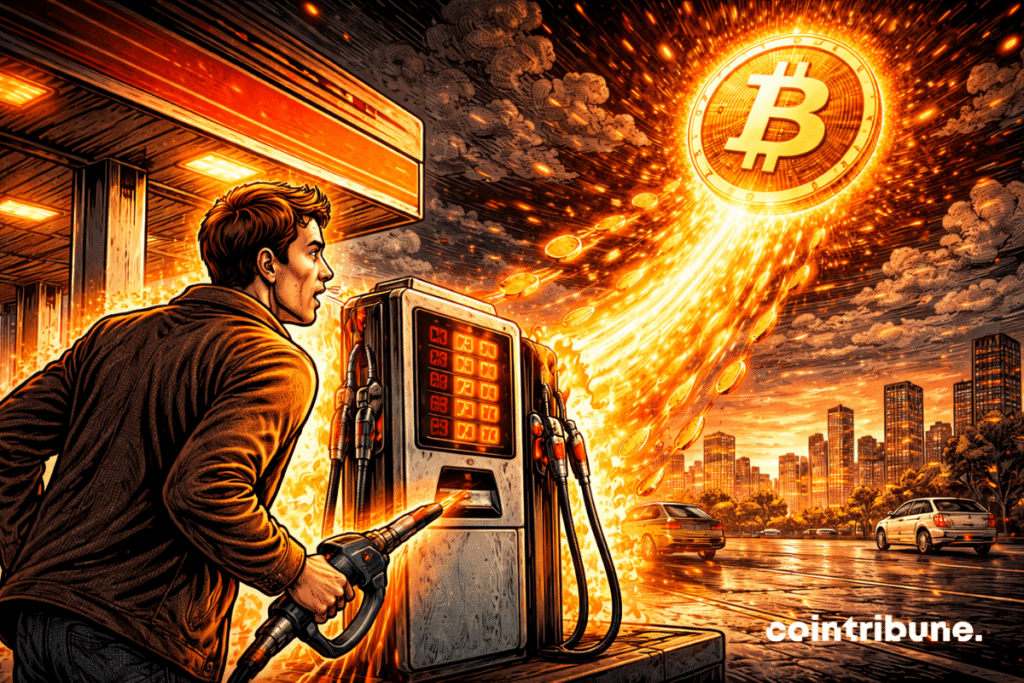
Behind this apparent inflation calm, a much more brutal signal emerges. The same report specifies: “the energy index rose by 10.9% in March, driven by a 21.2 % increase in gasoline prices, which account for nearly three quarters of the overall monthly index increase”.
This surge in gasoline prices is a major event. According to The Kobeissi Letter, it is the strongest monthly increase since 1967, while the overall energy rise reaches an unprecedented level since 2005.
This gap between contained overall inflation and exploding energy costs complicates the macroeconomic reading. In the crypto market, this situation results in measured caution. Traders now identify a key resistance zone below 74,000 dollars for Bitcoin, with a compressed price structure. Some technical signals, such as the RSI trend, even recall the end of the 2022 bear market, fueling moderate optimism.
In the short term, this setup reveals several possible trajectories. If energy tensions persist, they could revive inflationary pressures and delay any monetary easing, indirectly weighing on risky assets. Conversely, Bitcoin’s ability to advance in this environment demonstrates resilience that could reinforce its status as an alternative asset. The 74,000 dollar threshold now establishes itself as a pivot point for the next cycle.
Maximize your Cointribune experience with our "Read to Earn" program! For every article you read, earn points and access exclusive rewards. Sign up now and start earning benefits.

Diplômé de Sciences Po Toulouse et titulaire d'une certification consultant blockchain délivrée par Alyra, j'ai rejoint l'aventure Cointribune en 2019. Convaincu du potentiel de la blockchain pour transformer de nombreux secteurs de l'économie, j'ai pris l'engagement de sensibiliser et d'informer le grand public sur cet écosystème en constante évolution. Mon objectif est de permettre à chacun de mieux comprendre la blockchain et de saisir les opportunités qu'elle offre. Je m'efforce chaque jour de fournir une analyse objective de l'actualité, de décrypter les tendances du marché, de relayer les dernières innovations technologiques et de mettre en perspective les enjeux économiques et sociétaux de cette révolution en marche.
The views, thoughts, and opinions expressed in this article belong solely to the author, and should not be taken as investment advice. Do your own research before taking any investment decisions.