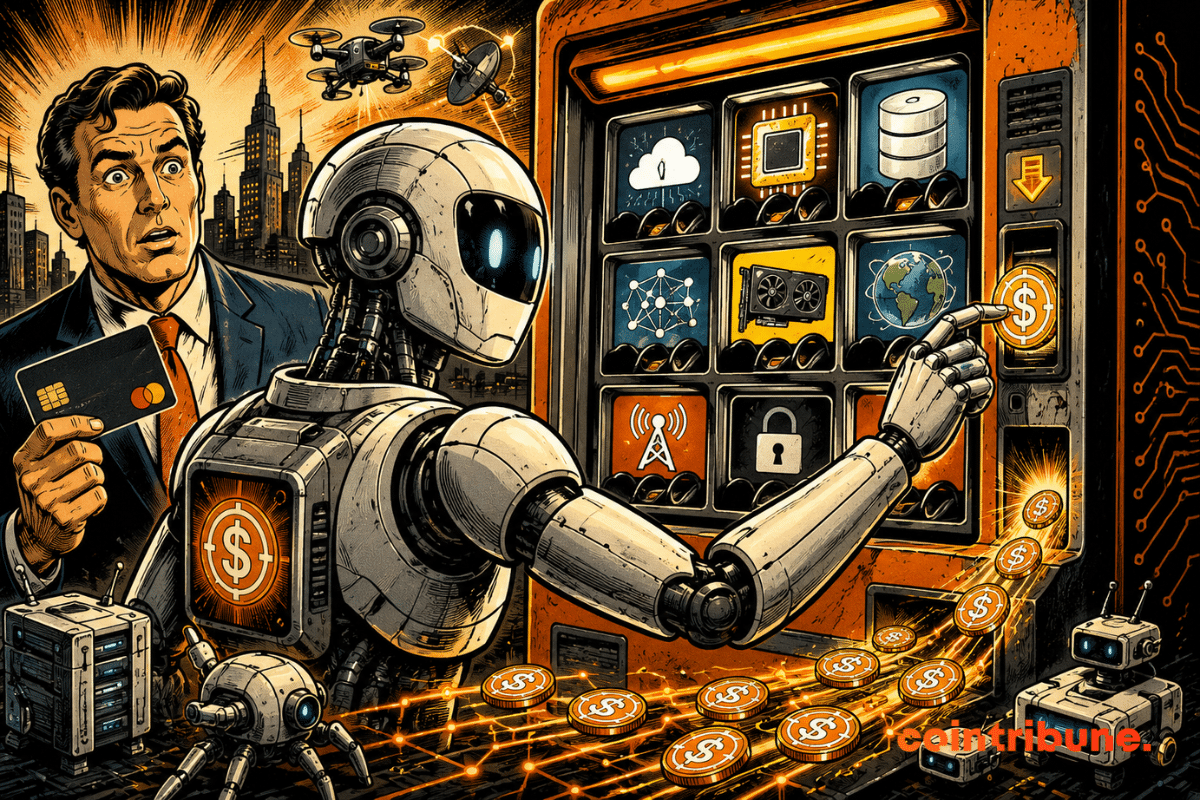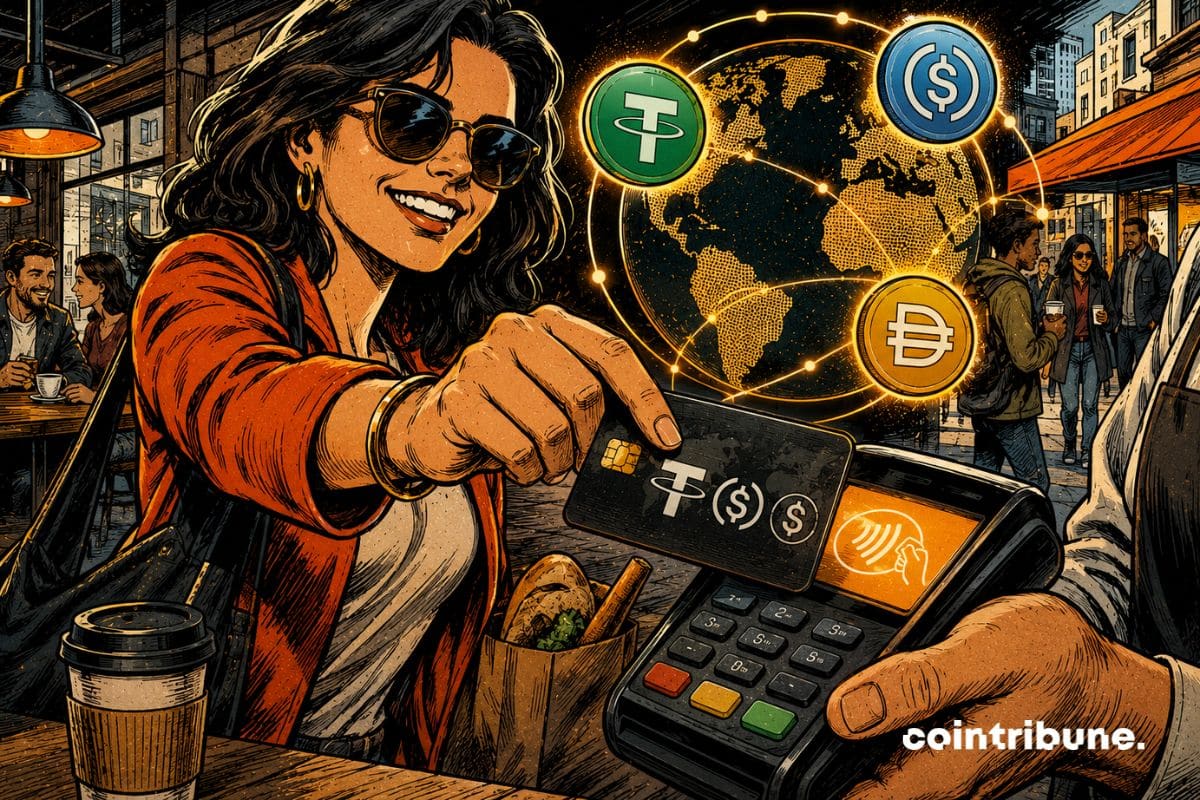
Circle has just equipped AI agents with real USDC stablecoin wallets. They can now pay, transact, and manage funds without any human intervention. The autonomous economy has reached a major milestone.
The United States has just crossed a historic threshold. Indeed, their debt now exceeds the size of their economy. This shift fits into a sustainable trajectory marked by repeated deficits and postponed budget decisions. Despite these imbalances, market confidence remains intact, revealing growing tension between the perceived strength of the world's leading power and the reality of its public finances.
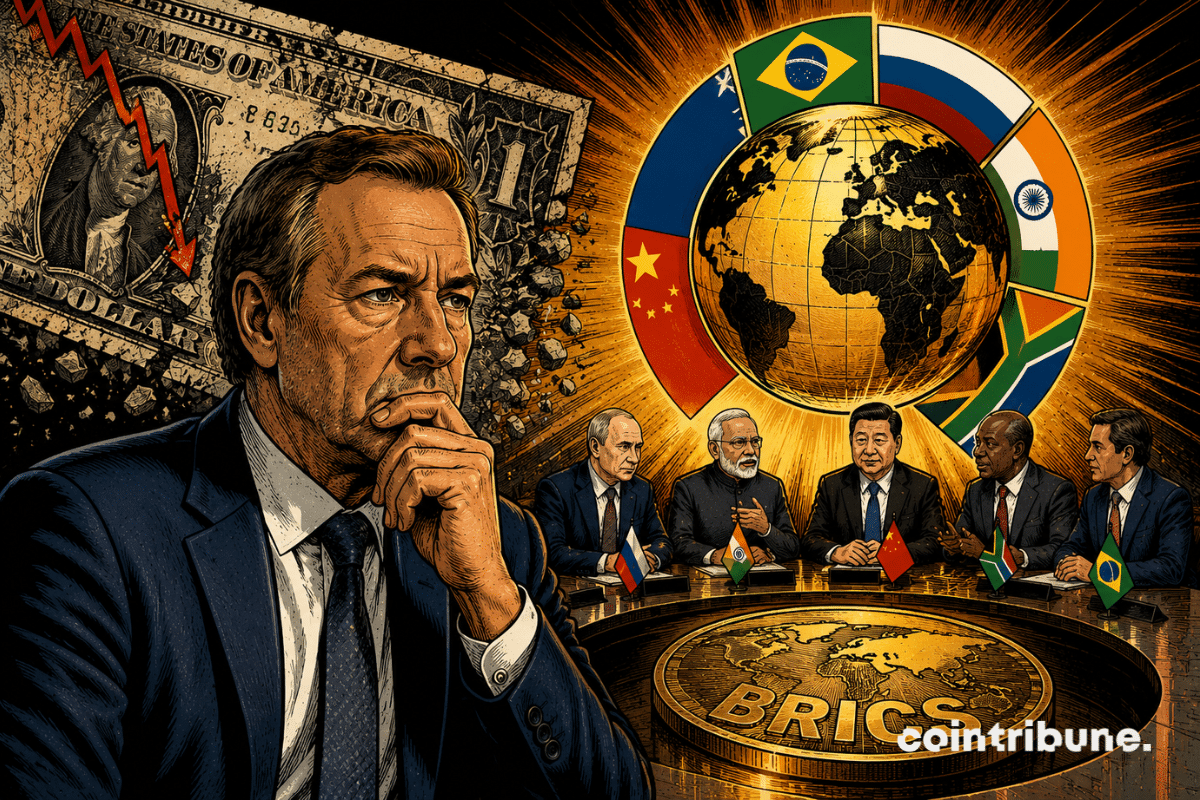
The dollar dominates international trade, but its monopoly is weakening. Amid geopolitical tensions and Western sanctions, the BRICS are accelerating their strategy to break free from it. The bloc is now working on a system of payments in local currencies, capable of profoundly transforming global trade flows. Behind this initiative lies a clear ambition: to reduce Western financial influence and reshape monetary balances on a global scale.
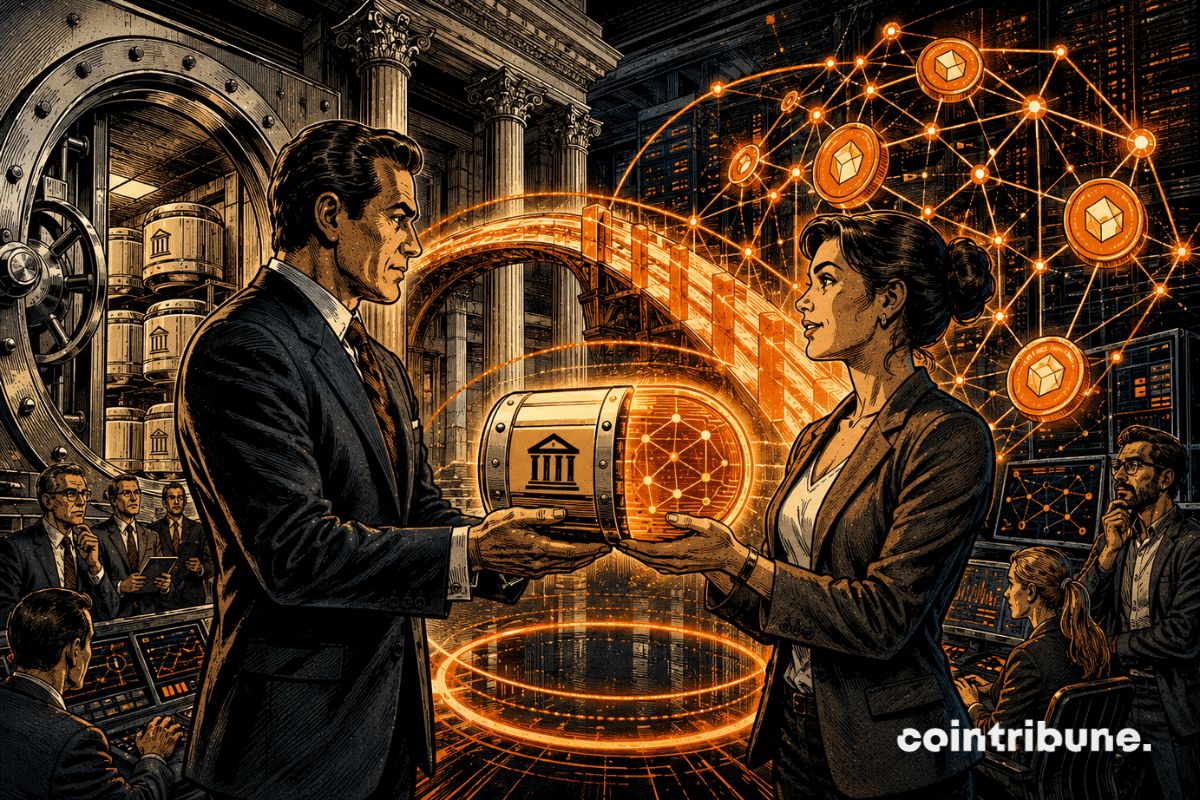
A seemingly minor technical reform could profoundly reshape dollar payments. In the United States, the idea of granting certain stablecoin issuers access to the Federal Reserve is disrupting the established balance between banks and fintechs. In this context, XRP is re-emerging with an unexpected promise: to become a key component in the circulation of monetary flows. Still hypothetical, this scenario fits into a broader transformation of the U.S. financial infrastructure.
Visa is betting big on stablecoins with Polygon and Base. $7 billion at stake. A direct threat to traditional banks? Full analysis here.
The dollar is no longer just contested, but it is now bypassed in real usage. Starting April 30, 2026, the BRICS take a decisive step with the deployment of an operational payment system between China and Indonesia. Behind this initiative is a clear ambition: to concretely reduce dependence on the greenback in daily transactions. This progress marks the transition from a political strategy to a tangible application, likely to reshuffle the cards of the international monetary system.
As digital uses evolve, a question arises at Paris Blockchain Week 2026: how to simplify value exchanges in a world where banking systems and blockchain infrastructures coexist? OZAPAY provides a concrete answer with a hybrid super app that aims to streamline payments, regardless of the system used. Between traditional finance and crypto, users still face unnecessary complexity: multiplicity of tools, fragmented experiences, dependence on intermediaries. This is precisely the area the Parisian fintech has chosen to invest in.
The integration of cryptos into daily uses takes on a new dimension with the arrival of a heavyweight in e-commerce. In Japan, Rakuten is preparing to connect 44 million users to XRP by integrating it directly into its payment application. Behind this announcement, a concrete evolution emerges: crypto is no longer limited to investment, it is entering the real economy. Payment, trading, and loyalty programs now converge in a single environment, signaling a turning point in mainstream adoption.
While the price of the crypto XRP tries to extend a recent rebound, activity on its network plummets. This divergence between market and actual usage weakens the ongoing momentum and raises questions about the strength of the movement. On-chain data therefore draws a signal that investors cannot ignore.
Crypto is now establishing itself in areas where geopolitical tensions dictate the rules. According to Chainalysis, crypto payments related to Iran could expose certain companies to international sanctions. This signal comes as maritime transport players explore new ways to circumvent traditional constraints. Between financial innovation and regulatory risk, the use of blockchain in these sensitive contexts raises questions.
Commerce enters a new phase where humans might no longer be at the center of the purchasing act. By launching a platform dedicated to autonomous payments, Visa relies on artificial intelligence agents capable of searching, deciding, and paying without direct intervention. This advancement marks a break in the organization of digital exchanges and accelerates the emergence of a model where machines and transactions become inseparable.
The BRICS are rapidly increasing their gold reserves. In a few years, their share of global stocks has significantly risen, reflecting a strategic shift. This movement takes place in the context of questioning the role of the dollar in the international monetary system. Behind these acquisitions, a trend is confirmed: several major economies seek to reduce their dependence on the greenback. This development could permanently alter the balance of financial powers.
The digital euro and bitcoin are profoundly reshaping the use of money in Europe. Between flow centralization and individual autonomy, these two opposing models are transforming payments, fund management, and privacy issues.
The BRICS currency does not exist, at least not yet. While Lula ends speculation about a common currency, a much deeper transformation is happening quietly. Behind this denial, the major emerging economies are accelerating the overhaul of international exchanges, gradually bypassing the dollar. Between political discourse and financial realities, a new global monetary architecture is already beginning to take shape.
Oil, a historic pillar of the dollar, is beginning to slip away from it. Through a series of discreet but strategic agreements, the BRICS accelerate a shift that undermines the established monetary order. The yuan is gradually asserting itself in energy trade, supported by new financial infrastructures. Between geopolitical rivalries and the reconfiguration of global flows, this dynamic opens a breach in the dominance of the greenback and signals a profound mutation in the international monetary system.
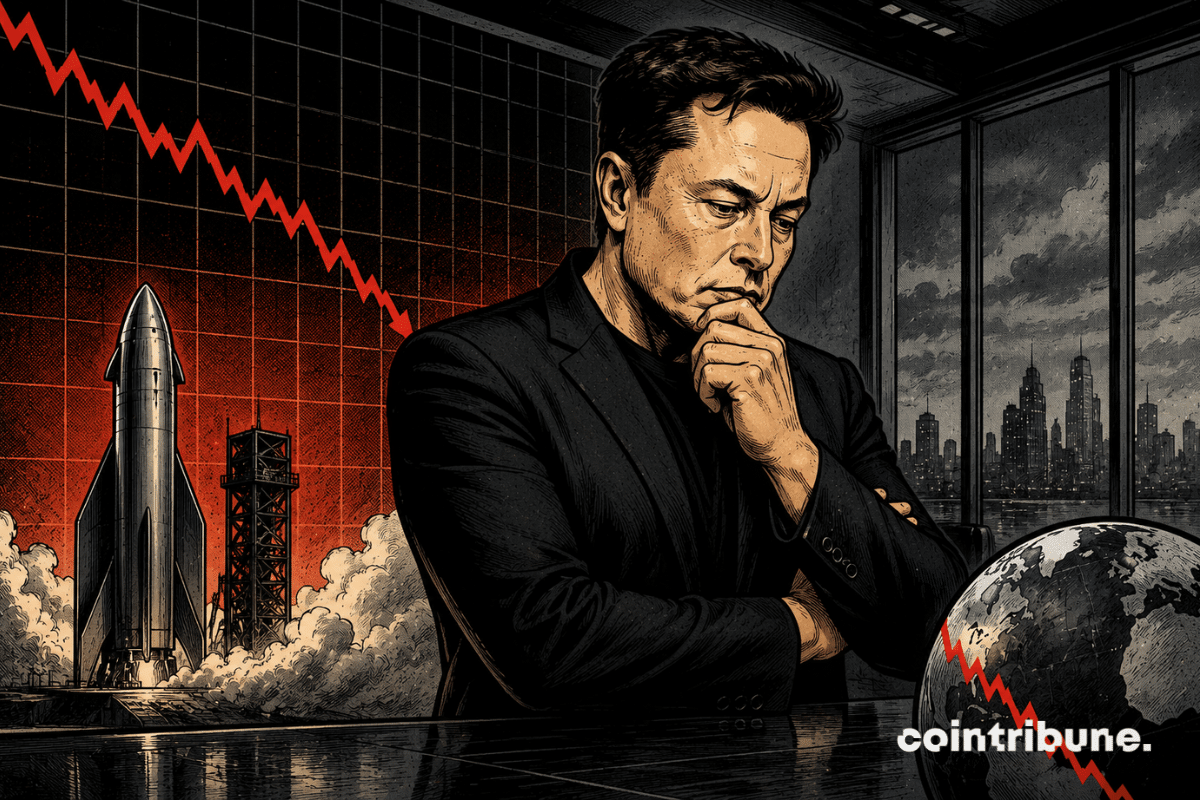
With Musk, the stock market offers an orbital firework: rockets, satellites, billions and this question already scratching Wall Street, industrial genius or giant magic trick?
Crypto news: In the United Kingdom, 65% of under 25s recognize bitcoin as primarily a savings product. All the details here!
The dollar takes the initiative and sets its pace for the markets. In March, it recorded its best monthly performance since December 2024 supported by geopolitical tensions and an adjustment of expectations on U.S. monetary policy. This move caught part of Wall Street off guard and forced investors to review their positions. In the foreign exchange market, the balance shifts quickly, with repercussions already extending beyond Forex.
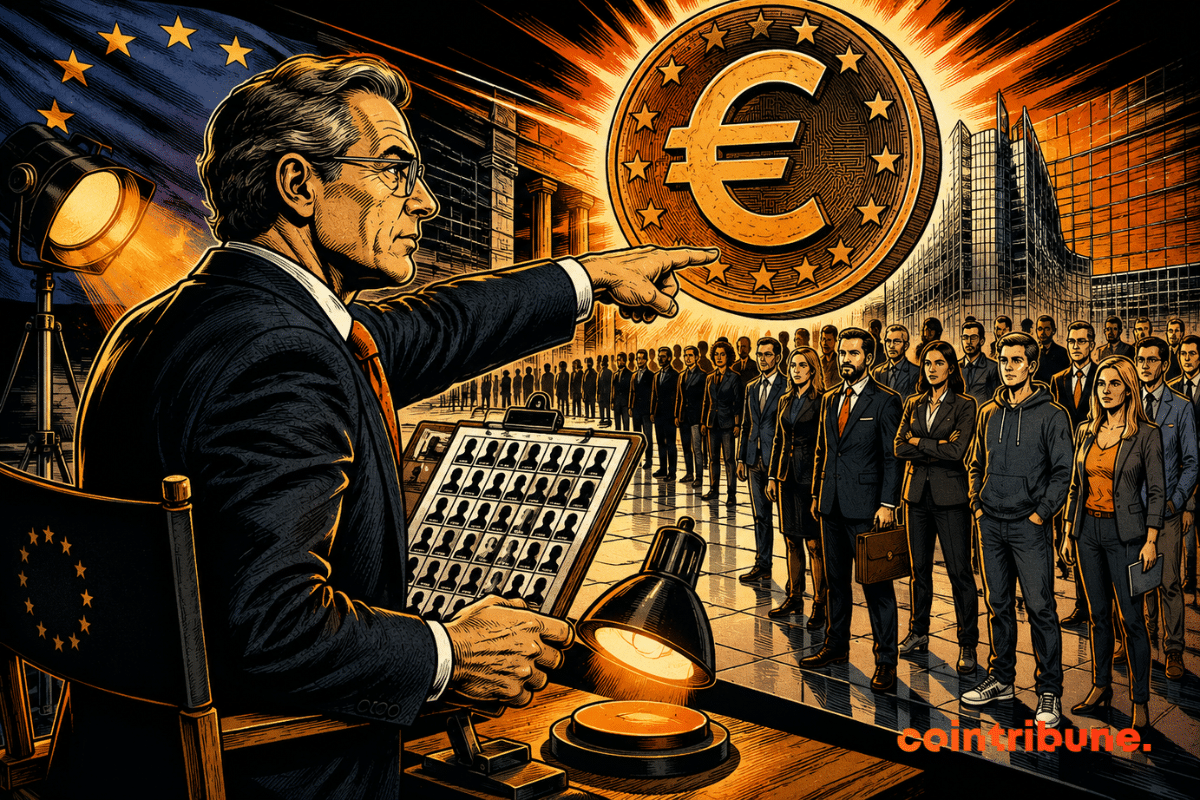
The ECB accelerates the development of the digital euro by launching calls for applications to structure its integration into payments, ATMs, and infrastructures in Europe.
Four years after the sudden collapse of FTX, the case continues to shake the crypto ecosystem. The FTX Recovery Trust announces a new distribution of 2.2 billion dollars, rekindling both creditors’ expectations and tensions around the repayment terms. Behind these payments, one question remains: do these restitutions really mark a turning point for the victims or do they prolong the frustrations born from the 2022 collapse?
A billionaire who earned 30% annually without ever losing announces the death of banks. Stablecoins will devour everything. Even the dollar trembles on its century-old foundations.
The idea of an economy where artificial intelligences pay to access digital services is beginning to take shape. Autonomous agents capable of purchasing data, APIs, or computing resources already exist, supported by blockchain and micropayments. Yet, the real figures fall far short of the initial enthusiasm. An analysis shared by Andreessen Horowitz reveals that activity remains very limited, despite much higher estimates. Between adjusted volumes and infrastructures under construction, the emergence of a machine-to-machine economy still appears to be in its early stages.
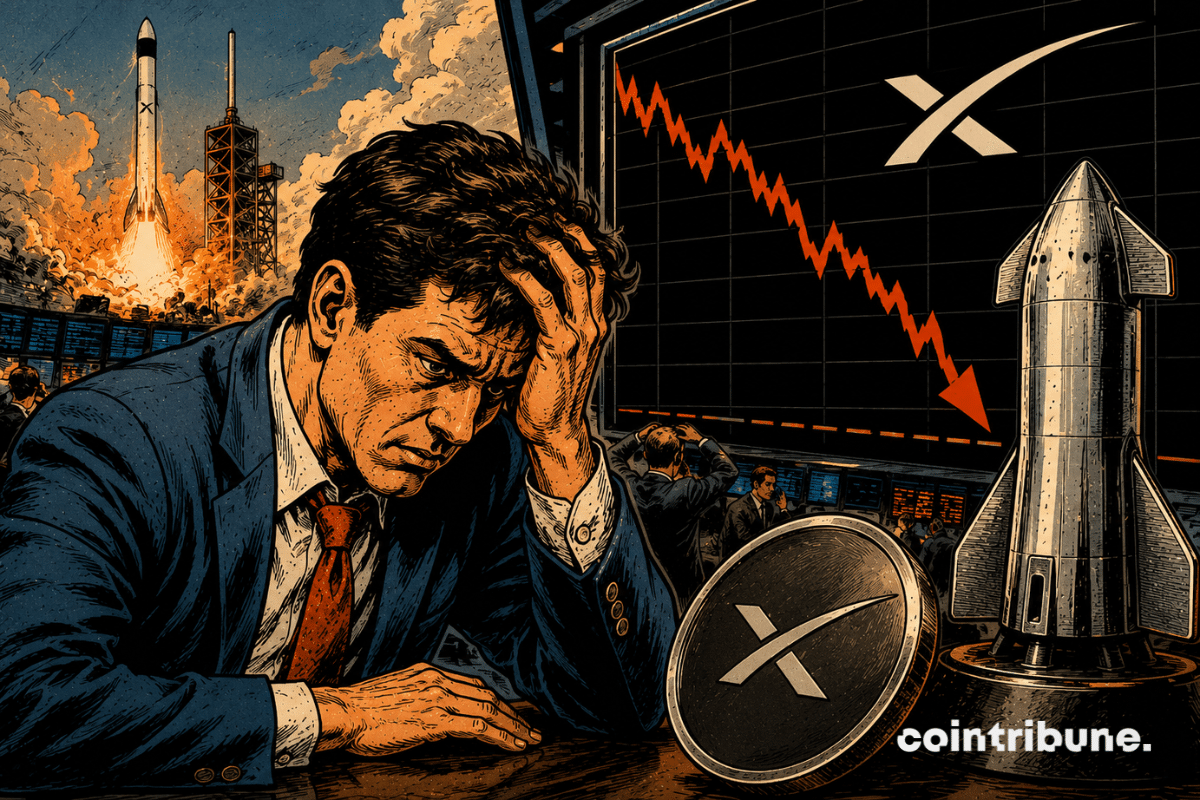
Elon Musk has just officially announced the public launch of X Money for the month of April. The financial super-app he has promised for years is finally taking shape, but without any trace of crypto. Enough to surprise, and perhaps worry, some industry players.
China is accelerating the deployment of the digital yuan to modernize international payments and strengthen the influence of its currency. Between financial cooperation, geopolitical strategy, and the ambition to make the yuan a future reserve currency, Beijing is gradually advancing in the transformation of its monetary system.
MetaMask's fox pulls out its credit card at Uncle Sam's. Even New York opens its doors. While exchanges tremble, it builds its empire. Clever.
Remember Libra, Zuckerberg's baby strangled by regulators. Five years later, daddy is back. But this time, he lets Stripe hold the bottle.
Stripe could acquire PayPal, merging technological innovation and a massive user base to establish itself as a key player in digital payments and cryptocurrencies.
MARA makes a big move by taking control of 64% of Exaion, EDF's technological gem. A strategic acquisition marking the end of traditional Bitcoin mining and the start of an era dominated by artificial intelligence (AI).
The digital euro is moving out of the laboratory into concreteness. The European Central Bank now sets a precise schedule: payment service providers will be selected as early as 2026, followed by the launch of a one-year pilot in 2027. After years of studies and consultations, the project reaches an operational milestone. Behind these deadlines lies a global ambition: to sustainably embed the digital euro at the heart of the European payment system and redefine the balance of power in the Eurozone.
Elon Musk’s social platform X is moving deeper into financial services with the upcoming launch of “Smart Cashtags,” a feature designed to improve how users track and reference stocks and cryptocurrencies. While rumors have circulated for months about X entering the trading space, executives have made one thing clear: the platform will not execute trades. Instead, it aims to enhance financial data visibility and asset identification.