Bitcoin Faces “Rektember” After Surging 25% In August
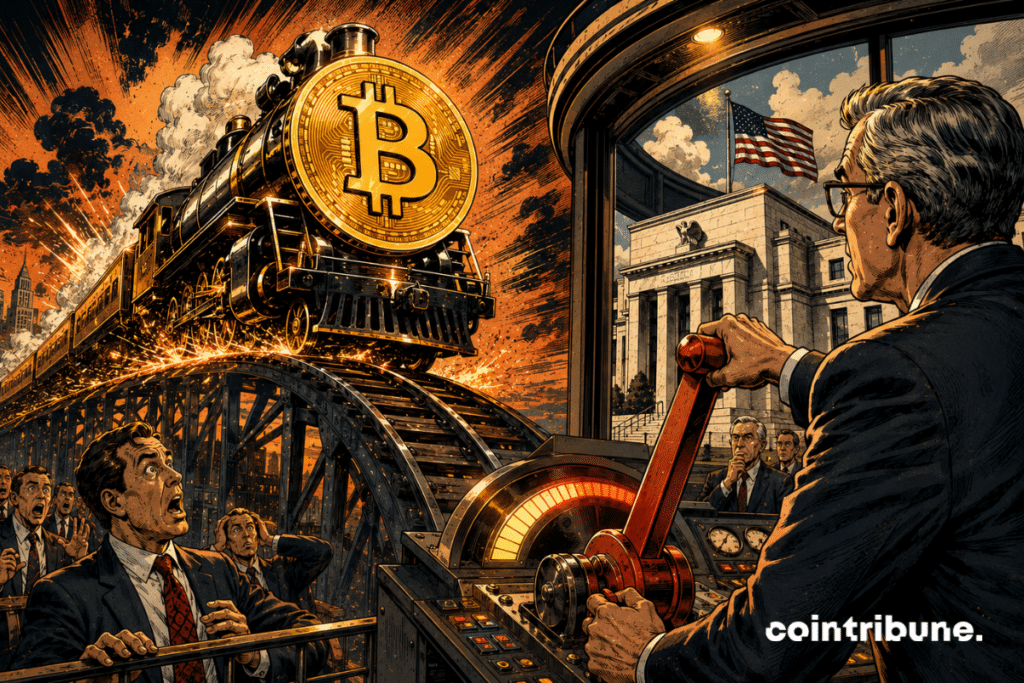
Bitcoin started September below 78000 dollars after a 25% rise in August, its best monthly performance since November 2024. Indeed, this entry into the month called “Rektember” revives an unfavorable seasonality. Bitcoin loses on average about 3% in September since 2013. In 2026, the main risk however does not come from the calendar but from the Federal Reserve. Markets now anticipate a possible rate increase starting September 16.
In brief
- Bitcoin enters ‘Rektember’ after a 25% rise in August.
- September historically shows an average return of -3% for BTC.
- The risk of a Fed rate hike reaches 66%.
- High bond yields increase the pressure on risky assets.
- Inflation and upcoming US statistics could steer Bitcoin.
September remains the least favorable month for Bitcoin
While the market enters the period cautiously, the expression “Rektember” combines September with the English term “rekt” used in the crypto ecosystem to signal heavy losses. This word is based on Bitcoin’s historically weak performance during the ninth month of the year.
BTC has closed September in the red eight times since 2013. Its average monthly return is -3%, making it its worst-performing month over the period.
Some important data summarize this seasonality :
- Bitcoin has lost on average nearly 3% in September since 2013 ;
- Only five of the last thirteen Septembers ended in the green ;
- BTC gained about 25% in August 2026 ;
- Its price dropped 1% below 78000 dollars at the beginning of September.
Thus, this historical average does not directly predict a correction. This sample only covers thirteen years. Moreover, the last three Septembers all saw increases. Bitcoin notably rose by 5.16% in 2025.
However, the August rebound might facilitate profit-taking. After a monthly gain of 25%, some owners may secure part of their gains, especially when Bitcoin fails to sustainably reclaim the 80000 dollar mark.
The probability of a rate hike reaches 66%
The monetary risk is a more real factor than seasonality. As August ended, CME FedWatch assigned a 66% probability to a 25 basis point increase at the upcoming Fed meeting. This estimate was still 40% a week before.
In this light, this decision could raise the federal funds rate range from 3.50%-3.75% to 3.75%-4.00%. A second increase before year-end would then raise the range to 4.00%-4.25%. These probabilities come from futures contracts. They may still increase before the September 15 and 16 meeting.
Kevin Warsh consolidated his expectations during his speech at Jackson Hole. Thus, the Fed chairman recalled that the PCE inflation was about 3.7% over twelve months and 4.1% annualized over six months, against a 2% target.
In his official speech, he stated:
We must be convinced that core inflation is clearly and quickly moving toward our target. Otherwise, we have work to do.
This explanation does not guarantee a hike in September. However, it proves that the Federal Reserve remains ready to tighten its policy if upcoming data do not reveal a sufficient slowdown in prices.
Higher yields reduce the appeal of risky assets
Kevin Warsh’s remarks sparked a new phase of tension in the bond market. Thus, the yield on the US ten-year Treasury approached 4.8%, its highest level since January 2025.
Higher yields have made bonds and dollar investments relatively more attractive. Bitcoin pays no regular income. Investors typically require a stronger upside to accept its volatility if rates rise.
The pressure is not exclusively related to cryptos. Indeed, the S&P 500 recorded a 0.7% loss on September 1, while the Nasdaq dropped 1%. Gold also retreated under the pressure of a rising dollar and yields.
Moreover, geopolitical tensions between the United States and Iran add another risk. WTI crude oil is above 90 dollars a barrel after new American strikes. A sustained increase in energy would fuel inflation and strengthen arguments for a rate hike.
Bitcoin’s progress will therefore truly depend on upcoming US employment and price figures. A slowdown in inflation would reduce the probability of a rate increase. Conversely, strong data would strengthen the dollar and keep BTC under pressure before the September 16 decision.
Maximize your Cointribune experience with our "Read to Earn" program! For every article you read, earn points and access exclusive rewards. Sign up now and start earning benefits.

Diplômé de Sciences Po Toulouse et titulaire d'une certification consultant blockchain délivrée par Alyra, j'ai rejoint l'aventure Cointribune en 2019. Convaincu du potentiel de la blockchain pour transformer de nombreux secteurs de l'économie, j'ai pris l'engagement de sensibiliser et d'informer le grand public sur cet écosystème en constante évolution. Mon objectif est de permettre à chacun de mieux comprendre la blockchain et de saisir les opportunités qu'elle offre. Je m'efforce chaque jour de fournir une analyse objective de l'actualité, de décrypter les tendances du marché, de relayer les dernières innovations technologiques et de mettre en perspective les enjeux économiques et sociétaux de cette révolution en marche.
The views, thoughts, and opinions expressed in this article belong solely to the author, and should not be taken as investment advice. Do your own research before taking any investment decisions.