Dozens of Crypto Channels Removed on YouTube Without Explanation
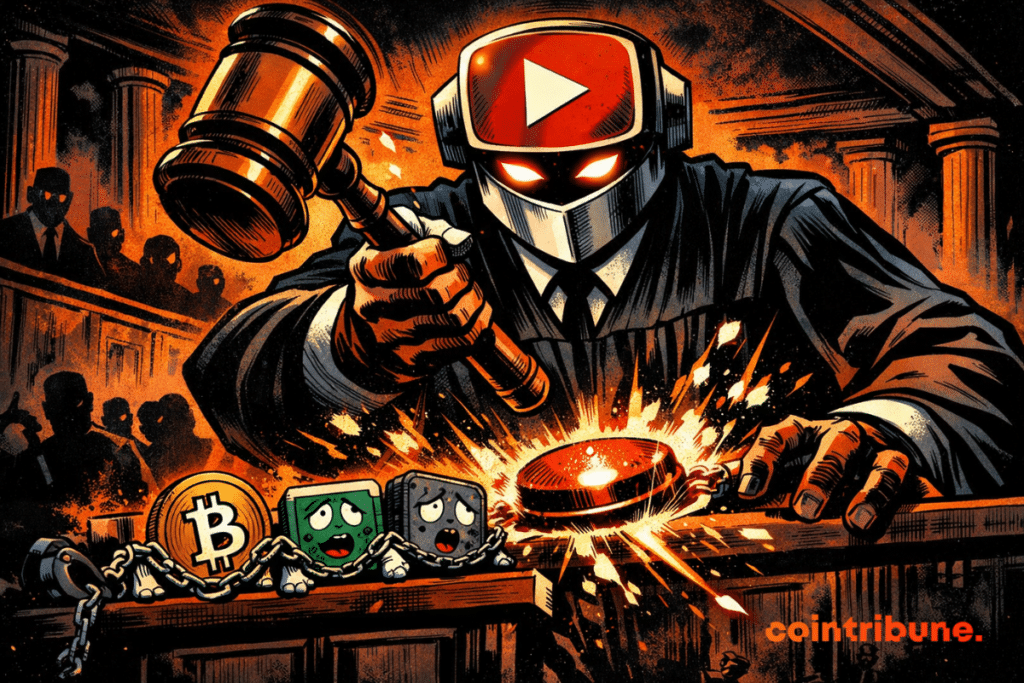
On April 8, 2026, YouTube removed several crypto channels without any prior warning. The stated reason: “harmful and dangerous” content. No strikes, no explanation. The crypto community is shocked.
En bref
YouTube hits the crypto industry: Bitcoin.com among the first victims
Bitcoin.com remains the most emblematic victim of this crypto censorship wave. Founded in 2014 by Roger Ver (nicknamed “Bitcoin Jesus”), the company had run its YouTube channel since 2015. Over 100,000 subscribers as well as years of tutorials on wallets, crypto news, and bitcoin education… All disappeared overnight!
The company responded with biting irony on X:
Its message aptly summarizes the paradox: crypto scams thrive on the platform while legitimate content creators are banned.
Bitcoin.com adds that this removal also causes real commercial harm. Its videos embedded on its website and app now show errors. This can sow doubt among users of its digital assets and wallet services.
Bitcoin Magazine was also expelled in April 2026 for “low-quality and repetitive content.” This is its second ban in four years. Meanwhile, the channel BTCsessions has been removed from YouTube three times between 2019 and 2025.
Crypto censorship or algorithm error? The crypto market reacts
Behind these removals lies a central question: is this deliberate policy or faulty algorithmic moderation? YouTube’s official response is still awaited. Neal Mohan, the platform’s CEO, repeats his “creator-first” rhetoric without ever addressing crypto community reports.
The figures are staggering. Early 2026 saw a first wave of crypto purges costing creators 35 million collective subscribers and millions of dollars in revenue. In 2026, crypto audience on YouTube dropped to its lowest level in five years.
On X, the mobilization is total. Thousands of crypto investors and blockchain enthusiasts denounce clear discrimination against cryptocurrency-related content. Several creators are already considering migrating to decentralized alternatives like Odysee or Rumble to protect their digital asset content.
In any case, this case reignites discussions about digital regulation, algorithmic transparency, and how blockchain companies are treated by web giants. One question remains: who truly controls the dissemination of financial information online? Food for thought.
Maximize your Cointribune experience with our "Read to Earn" program! For every article you read, earn points and access exclusive rewards. Sign up now and start earning benefits.

My name is Ariela, and I am 31 years old. I have been working in the field of web writing for 7 years now. I only discovered trading and cryptocurrency a few years ago, but it is a universe that greatly interests me. The topics covered on the platform allow me to learn more. A singer in my spare time, I also cultivate a great passion for music and reading (and animals!)
The views, thoughts, and opinions expressed in this article belong solely to the author, and should not be taken as investment advice. Do your own research before taking any investment decisions.