Elon Musk Seeks Up to $134B in Damages in Lawsuit Against OpenAI and Microsoft
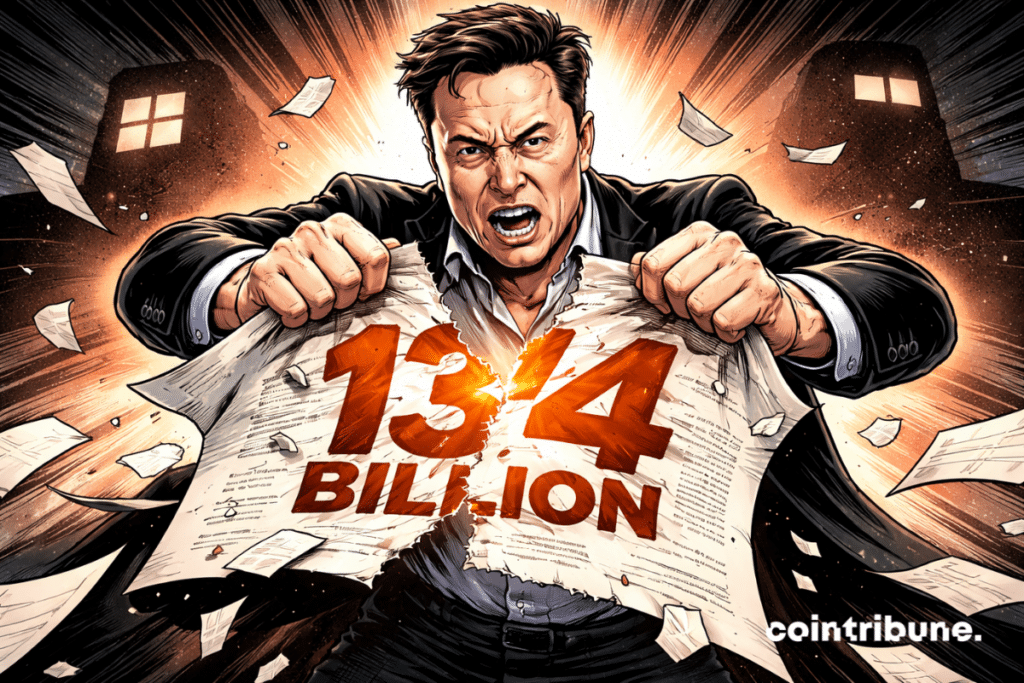
Elon Musk is seeking between $79 billion and $134 billion in damages from OpenAI Inc. and Microsoft. He alleged that the companies misled him about the future of the artificial intelligence firm he helped establish. Court filings indicate the lawsuit could become one of the most significant legal battles in the rapidly evolving AI industry.
In brief
- Musk claims OpenAI’s shift toward a for-profit model violated its original mission and allowed others to benefit from his early backing.
- Court filings show the damages estimate is tied to OpenAI’s reported $500B valuation and Microsoft’s growing financial stake.
- The lawsuit moves toward a jury trial after a judge rejected efforts by OpenAI and Microsoft to block proceedings.
- OpenAI denies all allegations, while Altman says the lawsuit is intended to hinder competition in the AI sector.
Jury to Weigh Musk’s Claims Over OpenAI Governance and Profit Structure
At the center of the dispute is OpenAI’s transition from its original nonprofit structure to a model closely aligned with a major corporate partner. Musk contends that this shift violated the organization’s founding mission and allowed others to profit from early contributions he made.
The damages claim was filed on Friday in federal court. Notably, this was one day after a judge rejected attempts by OpenAI and Microsoft to block a jury trial scheduled for late April in Oakland, California. Musk’s legal team argues that his financial and strategic support during OpenAI’s early years played a critical role in building value that later benefited both companies.
The damages estimate was prepared by financial economist C. Paul Wazzan. His analysis is based on OpenAI’s reported $500 billion valuation and Musk’s early backing. The support included approximately $38 million in funding when the organization launched in 2015, along with technical guidance and business advice.
According to the filing, the damages calculation considers several factors :
- Musk’s early financial contributions ;
- His technical and strategic input during OpenAI’s formation ;
- The company’s valuation growth following key partnerships ;
- Financial gains linked to Microsoft’s involvement ;
- Lost opportunities resulting from the shift to a for-profit model.
Musk stepped down from OpenAI’s board in 2018 and later launched a competing artificial intelligence company in 2023. He initiated legal action in 2024, naming OpenAI co-founder and chief executive Sam Altman in connection with plans to expand for-profit operations. OpenAI and Microsoft have denied all allegations of deception or misconduct.
Altman Says Musk Lawsuit Aims to Stifle Competition
OpenAI has characterized the lawsuit as baseless and part of a broader effort to undermine the company. A spokesperson said the claims lack merit and will be contested at trial. The company has also warned investors that Musk may continue making public statements as the case progresses.
In October, OpenAI disclosed a restructuring plan that granted Microsoft a 27 % ownership stake while retaining nonprofit oversight of its commercial activities. The company said the changes were designed to support long-term research initiatives, including products such as ChatGPT. Altman has criticized Musk’s lawsuit, describing it as an attempt to hinder competition through litigation.
Wazzan’s analysis estimates that OpenAI received between $65.5 billion and $109.43 billion in improper gains, with Microsoft’s share ranging from $13.3 billion to $25.06 billion. A jury will ultimately decide whether those claims withstand legal scrutiny.
Maximize your Cointribune experience with our "Read to Earn" program! For every article you read, earn points and access exclusive rewards. Sign up now and start earning benefits.

James Godstime is a crypto journalist and market analyst with over three years of experience in crypto, Web3, and finance. He simplifies complex and technical ideas to engage readers. Outside of work, he enjoys football and tennis, which he follows passionately.
The views, thoughts, and opinions expressed in this article belong solely to the author, and should not be taken as investment advice. Do your own research before taking any investment decisions.