Tue 03 Feb 2026 ▪
3 min read
▪
by
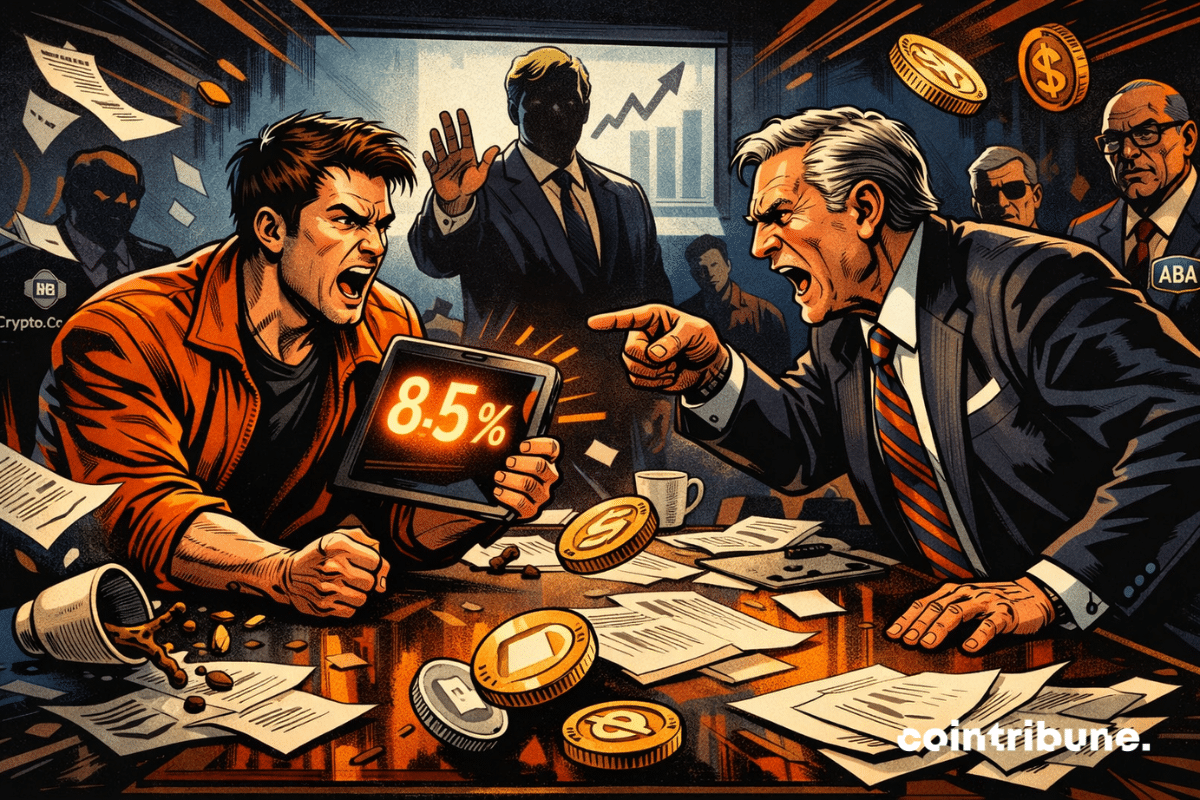
White House: Donald Trump pushes for a deal on stablecoins. Coinbase and banks are tearing each other apart over rewards.
White House: Donald Trump pushes for a deal on stablecoins. Coinbase and banks are tearing each other apart over rewards.
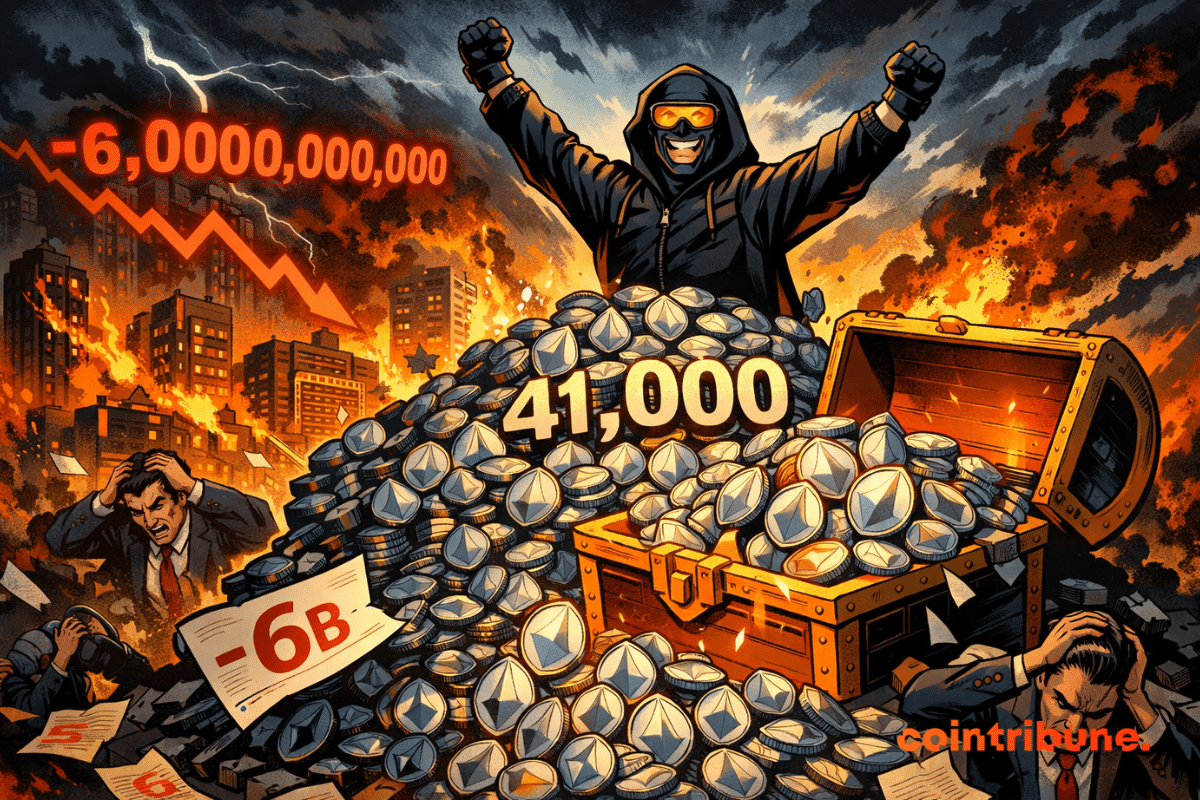
In crypto, there are two ways to get noticed: announce a cautious strategy (nobody listens) or buy when it stings. This week, BitMine Immersion Technologies chose the second option: a big block of ether is added to the vault, while the "on paper" losses grow.

While bitcoin briefly fell below $75,000, Michael Saylor did not hesitate to strengthen his positions. The Executive Chairman of Strategy invested $75.3 million to acquire an additional 855 BTC. A strategic choice, made official via the SEC, that fits into an uninterrupted accumulation policy since 2020. In a tense market, this move confirms the long-term vision of a key player on the crypto scene.

Five New York prosecutors denounce a major legal gap in the US regulation of stablecoins. According to them, the GENIUS law protects issuers more than fraud victims. Tether and Circle find themselves at the center of explosive accusations.
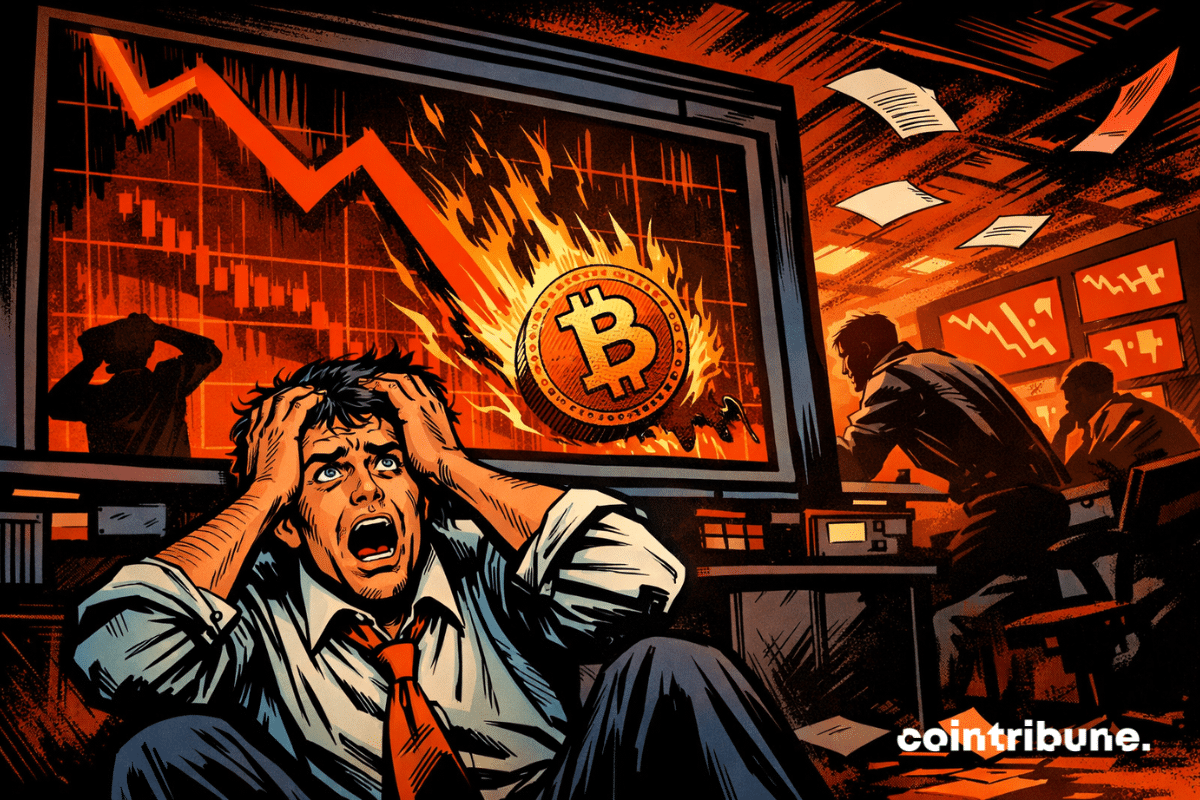
Bitcoin sharply dropped this weekend, and the clearest signal does not come from the spot market. It comes from derivatives. The drop of over 10% between a peak at $84,177 and a low at $75,947 opened a rare gap on CME futures contracts, with a price difference exceeding 8% at reopening. It's the fourth largest gap since the launch of Bitcoin futures in 2017.
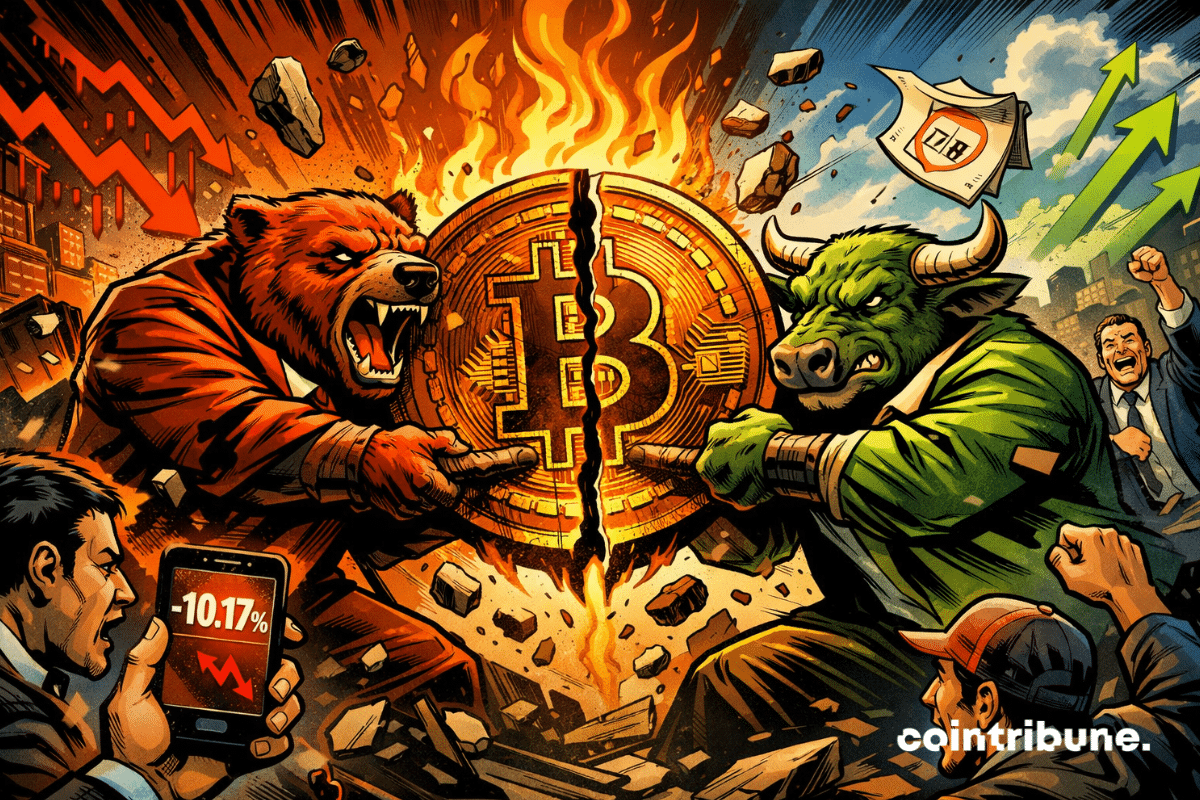
Bitcoin extends its losing streak to four months as the market struggles, but analysts remain cautiously hopeful for a rebound in February.

The IBIT ETF records historic losses after Bitcoin's drop. We provide all the details in this article.

The Bitcoin network is faltering in the face of the American winter. In January, an extreme cold wave paralyzed part of the territory of the United States, causing a sharp slowdown in mining activity. As the United States now concentrates a large share of the global hashrate, this episode highlights the sector's dependence on local energy infrastructures. The sudden drop in production raises questions about the network's real ability to withstand climate shocks and the limits of a model nonetheless considered resilient.

Bitcoin is faltering, and warning signals are multiplying. As hopes for a recovery fade, the market seems to be returning to the bearish patterns of previous cycles. Key technical thresholds have broken, reviving projections of a return below $50,000. This scenario, long considered extreme, is gaining ground among analysts and seasoned traders. The prospect of a prolonged bearish phase is no longer a mere hypothesis but is becoming a concrete risk for investors still exposed.
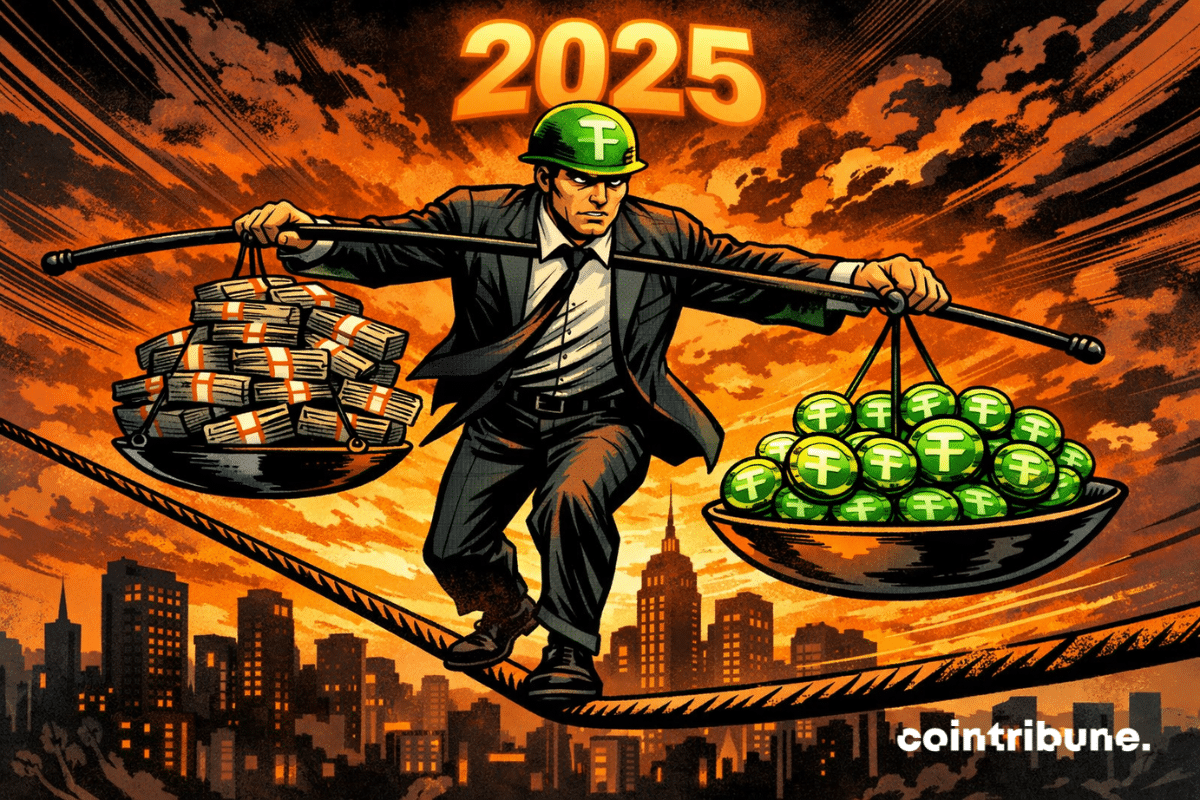
Tether, the world’s apex stablecoin issuer, reported a sharp decline in profit in 2025 while continuing to expand its holdings of U.S. government debt. New financial data shows a clear shift toward capital preservation and liquidity as global demand for stablecoins rises. Despite weaker earnings, asset growth remained strong throughout the year. The results confirm Tether’s continued importance to global crypto market activity.

Investors are turning away from Bitcoin, driving strong demand for gold and silver. JPMorgan highlights potential gold prices of $8,500 as metals attract new inflows.
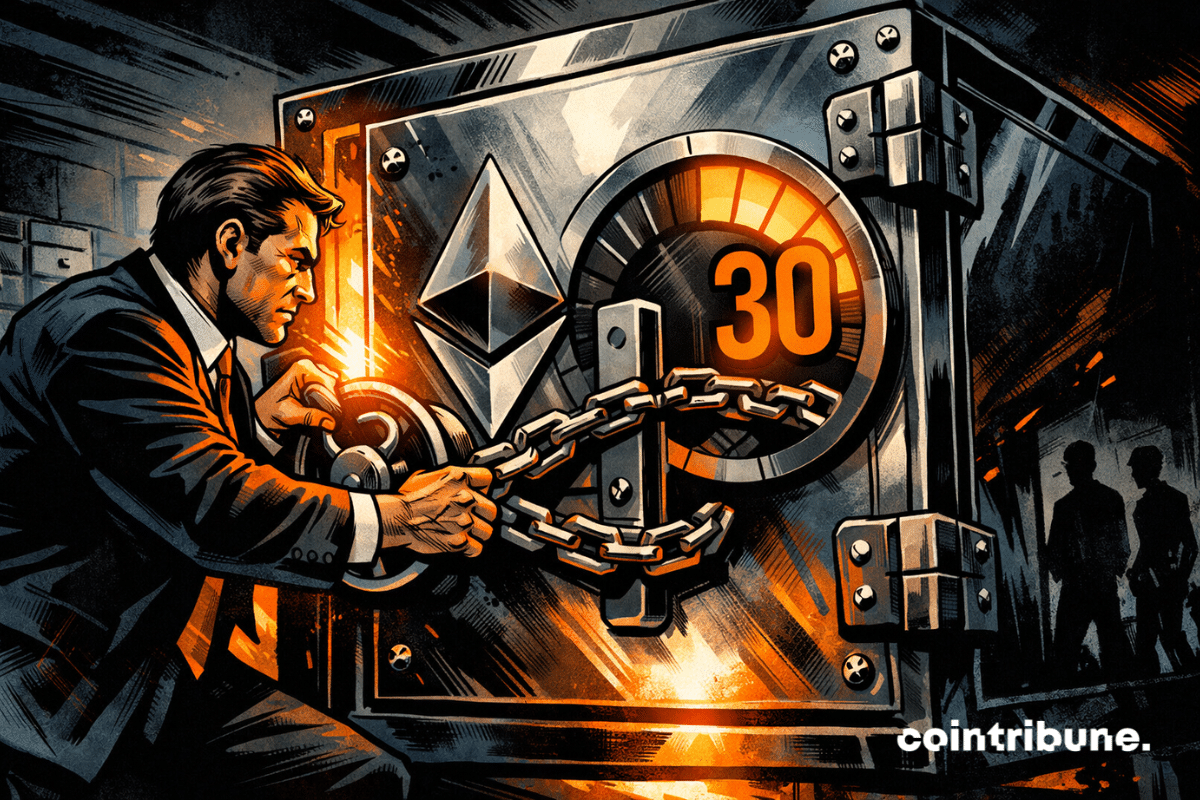
A silent revolution is underway on Ethereum. The network has reached a major milestone with 36.6 million ETH staked, representing 30% of the total supply. Giants like Bitmine and BlackRock are accumulating and locking their positions, radically transforming the crypto market structure.

For the first time, the United States targets crypto platforms linked to Iran, triggering a shockwave in the markets and a geopolitical escalation. Bitcoin free fall, Middle East tensions, and tightened regulation: what are the risks for investors and global stability?

The Bitcoin network is going through a turbulent period. Its computing power, the hashrate, records a sharp drop, the most significant in several years. This major technical decline draws the attention of mining specialists and analysts, at a time when the crypto ecosystem is already under increasing pressure. Between market volatility and declining mining profitability, warning signals are accumulating, revealing a tense start to the year for sector players. This performance drop raises questions about the operational resilience of the network.

BitMine Immersion Technologies falters under the weight of an unprecedented collapse: more than 6 billion dollars of latent losses on its Ether treasury. This rout, amid massive selling and prolonged crypto market decline, raises questions about the strength of institutional strategies. Between excessive concentration, illiquidity, and heightened volatility, this situation exposes the limits of the system facing extreme volumes. The shock is technical, but the consequences could be systemic.
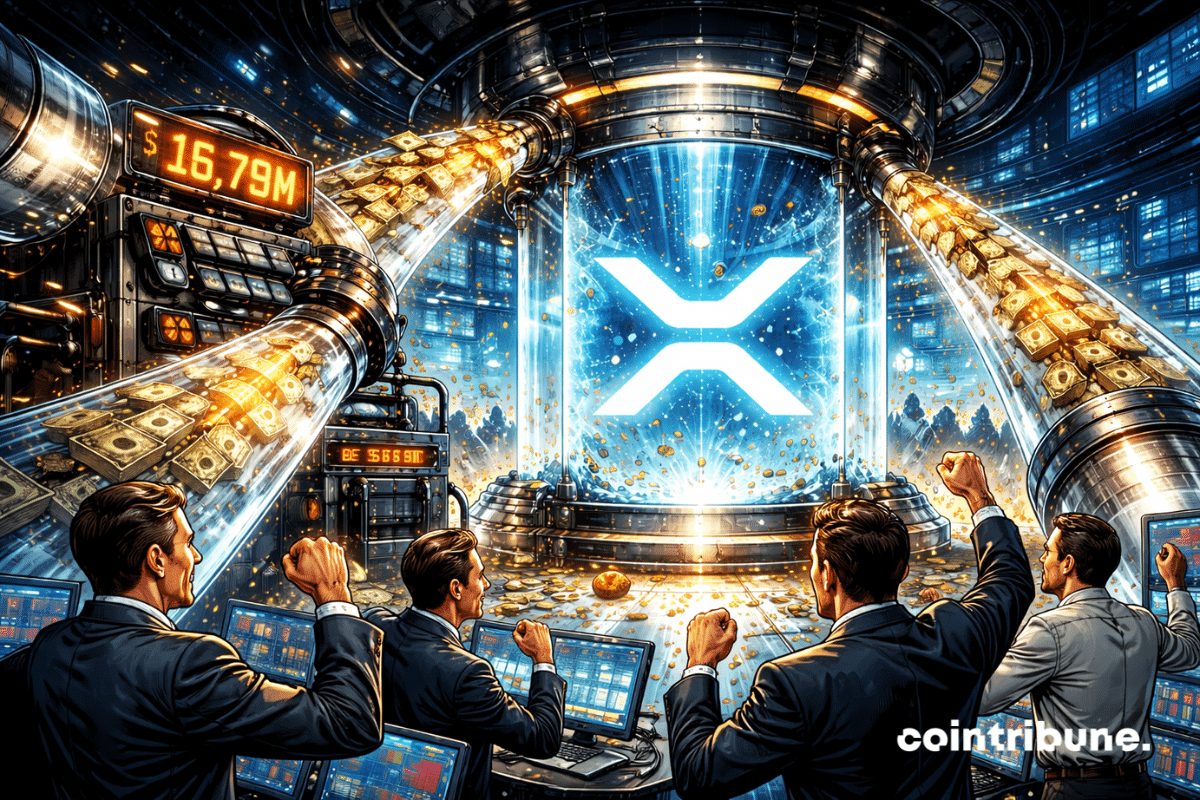
Within twenty-four hours, ETFs backed by XRP collected 16.79 million dollars, partially erasing a massive withdrawal that occurred a few days earlier. This sudden reversal illustrates the volatility of institutional flows in crypto, but also XRP's ability to trigger a renewed strategic interest. At the crossroads of traditional finance and cryptos, this movement marks an unexpected turning point in investors' perception of this long-controversial asset.

A Fidelity token arrives on Ethereum and threatens $500 billion in bank deposits. We provide all the details in this article.

The American exchange Kraken has officially added Hyperliquid's HYPE token to its spot trading offering. The HYPE/USD and HYPE/EUR pairs have been available since January 28, 2026, at 15:00 UTC, according to the announcement published on the platform's official X account. This listing comes as the token shows a spectacular increase of more than 50% over one week, driven by the explosion in trading volumes on the protocol's commodity markets.
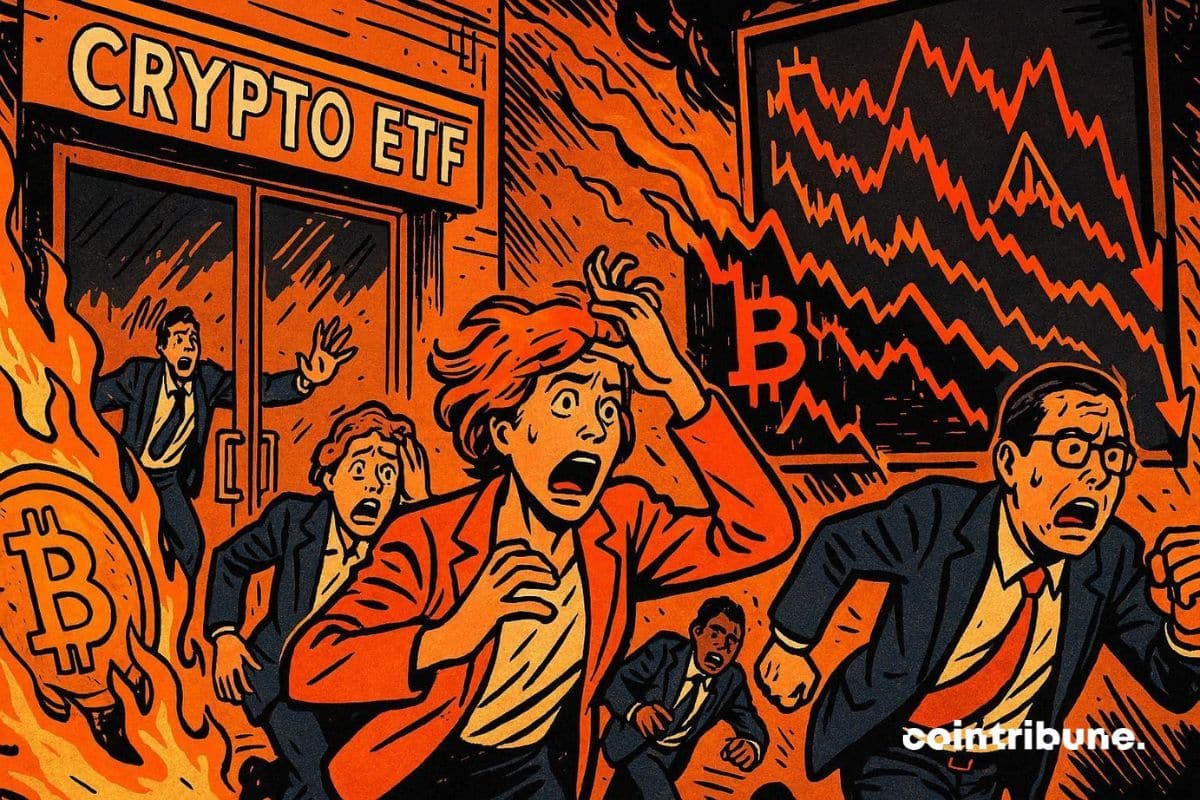
In just five days, crypto ETFs suffered massive withdrawals totaling $1.82 billion. This hemorrhage, occurring in the context of a widespread crypto downturn, raises questions about the future of institutional investments. Why are funds fleeing? What possible scenarios lie ahead in the coming months?
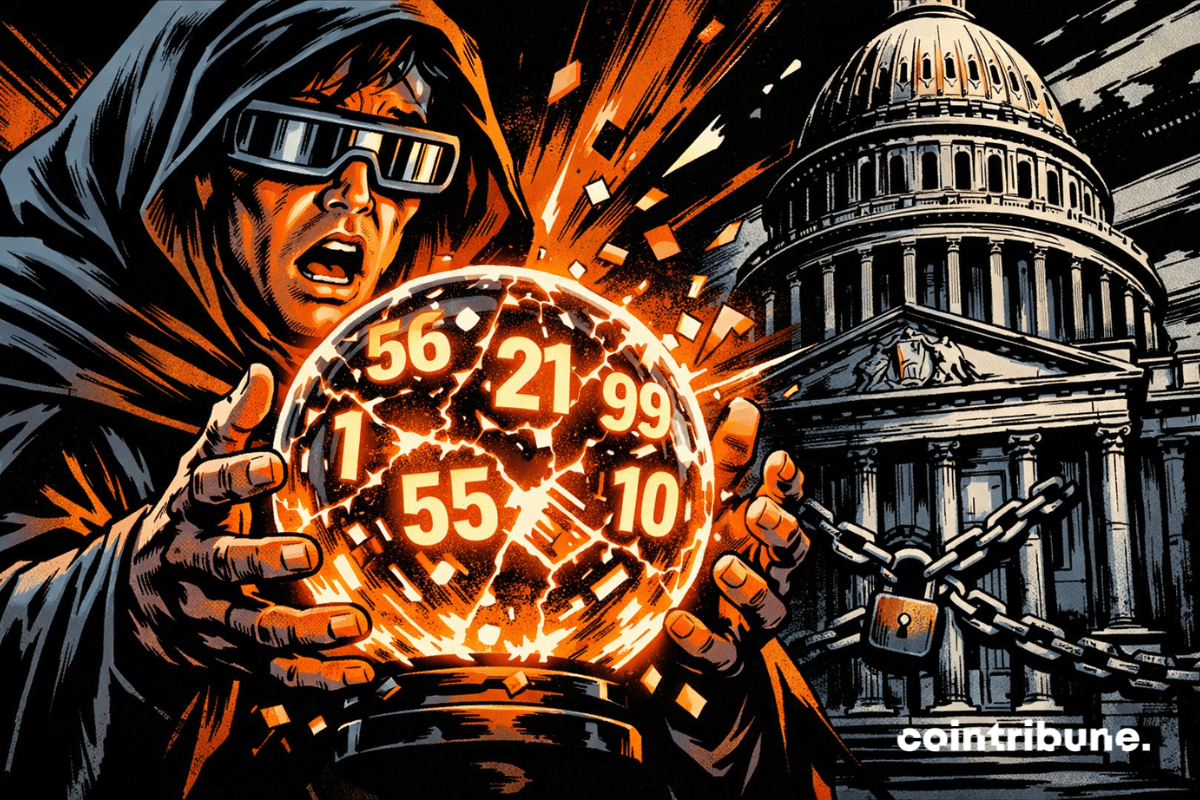
As the US government slides into partial paralysis, crypto prediction platforms Polymarket and Kalshi find themselves at the heart of a troubling controversy. Their contracts, meant to allow traders to bet on this event, reveal major flaws in their formulations.

Bitcoin has just lost its place among the ten most valuable assets in the world. This downgrade, far from trivial, reveals a growing fragility of the crypto market, caught up by revived volatility. While traditional markets rebound, the iconic crypto suffers rare intense selling pressure. Behind this brutal setback, the entire solidity of the narrative around bitcoin wavers, questioning its ability to withstand macroeconomic shocks and violent market adjustments.

In Brussels, the eurocrats are pounding the table: twelve countries are dragging their feet while cryptos dance, MiCA in hand and taxation struggling.

The appointment of a new chairman at the head of the Federal Reserve is never trivial. This Friday, Donald Trump announced his intention to entrust the reins of the Fed to Kevin Warsh, a former governor critical of current monetary policy. Such a strategic choice, interpreted as a possible ideological shift, is already shaking up financial and crypto markets. As Jerome Powell’s term comes to an end, the Warsh hypothesis reshapes monetary expectations and power balances.

While the crypto market is stagnating and prices struggle to bounce back, a subtle signal draws observers' attention: XRP whales are back. According to Santiment's on-chain data, the number of wallets holding more than one million tokens is rising sharply, despite a falling price. This surge in activity, flying under the radar, could mark a turning point in the token's dynamics, as analysts scrutinize signs of a new cycle.
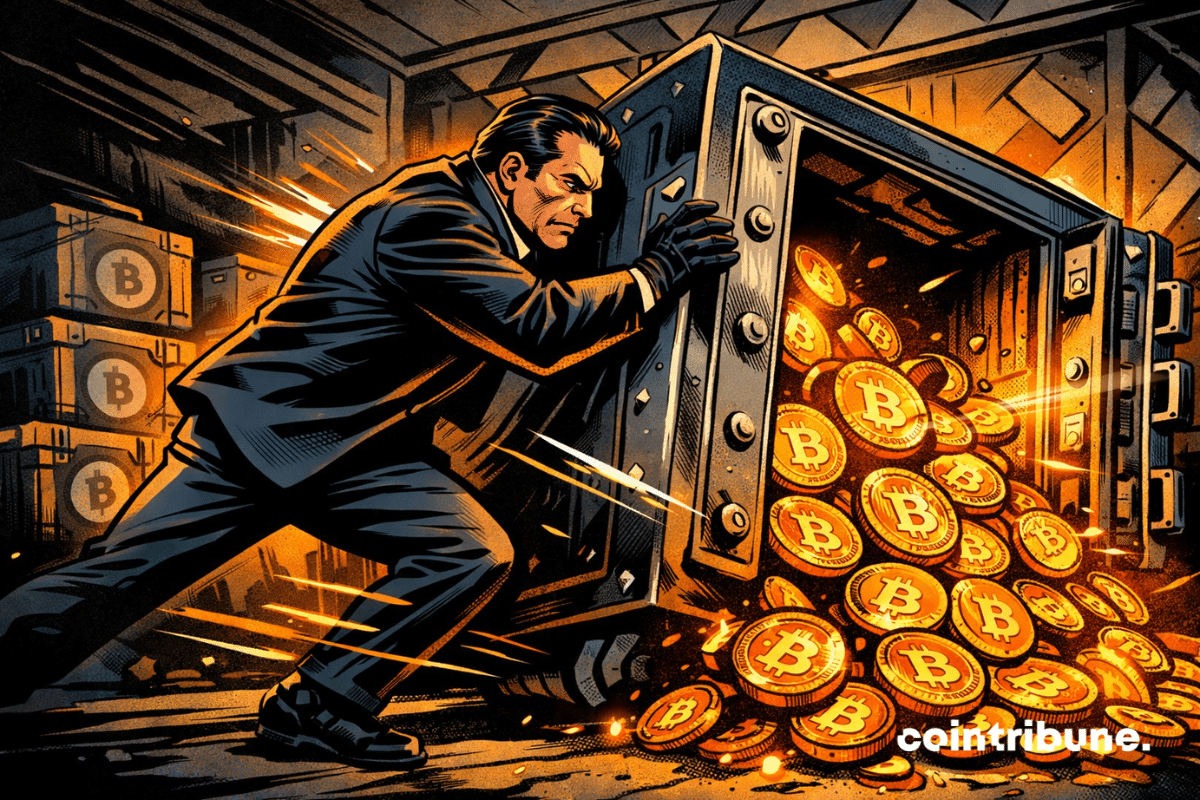
Binance plans to move its primary user protection fund from stablecoins into Bitcoin within the next 30 days, marking a major shift in how the exchange backs emergency safeguards. The transition will convert the Secure Asset Fund for Users (SAFU) entirely into Bitcoin, reflecting what company leadership describes as long-term confidence in Bitcoin’s role in the digital economy. Critics and industry observers warn that increased exposure to Bitcoin’s price volatility could weaken user protections during periods of market stress.
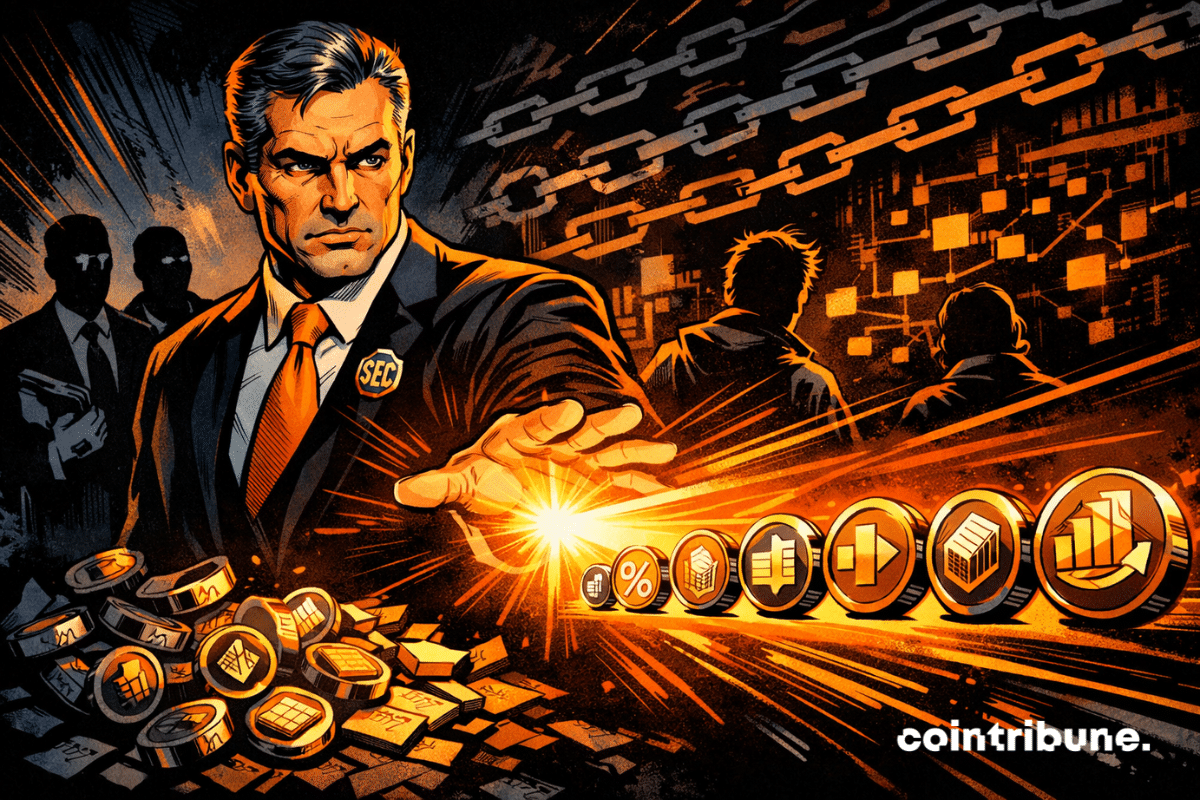
U.S. regulators have taken a clearer position on how securities laws apply to blockchain-based financial products. New guidance from the Securities and Exchange Commission (SEC) addresses growing interest in tokenized securities and how they fit within existing legal frameworks. Market participants have pushed for clarity as tokenization expands beyond experimental use into real-world applications. The latest statement aims to reduce uncertainty without altering core regulatory expectations.

The White House will meet banks and crypto companies on Monday to address stalled digital asset legislation and bridge industry divisions.

The crypto market has just crossed a critical threshold at the beginning of this year. On Thursday, January 29, 2026, bitcoin abruptly fell below $83,000, triggering a wave of sales that wiped out the last hopes for stabilization. Such a drop occurs in an already tense macroeconomic climate, where investors are reducing their exposure to risky assets. More than a simple technical pullback, this movement revives fears of a deeper correction.

Bitcoin falls to around $85,200, its lowest level at the beginning of the year, in a climate of widespread tension in the markets. While gold regains ground as a safe haven, tech stocks retreat, pulling the Nasdaq down. This new shock in the crypto market triggers concern among investors, both professional and retail, as Bitcoin seems to lose its status as an alternative in times of uncertainty.
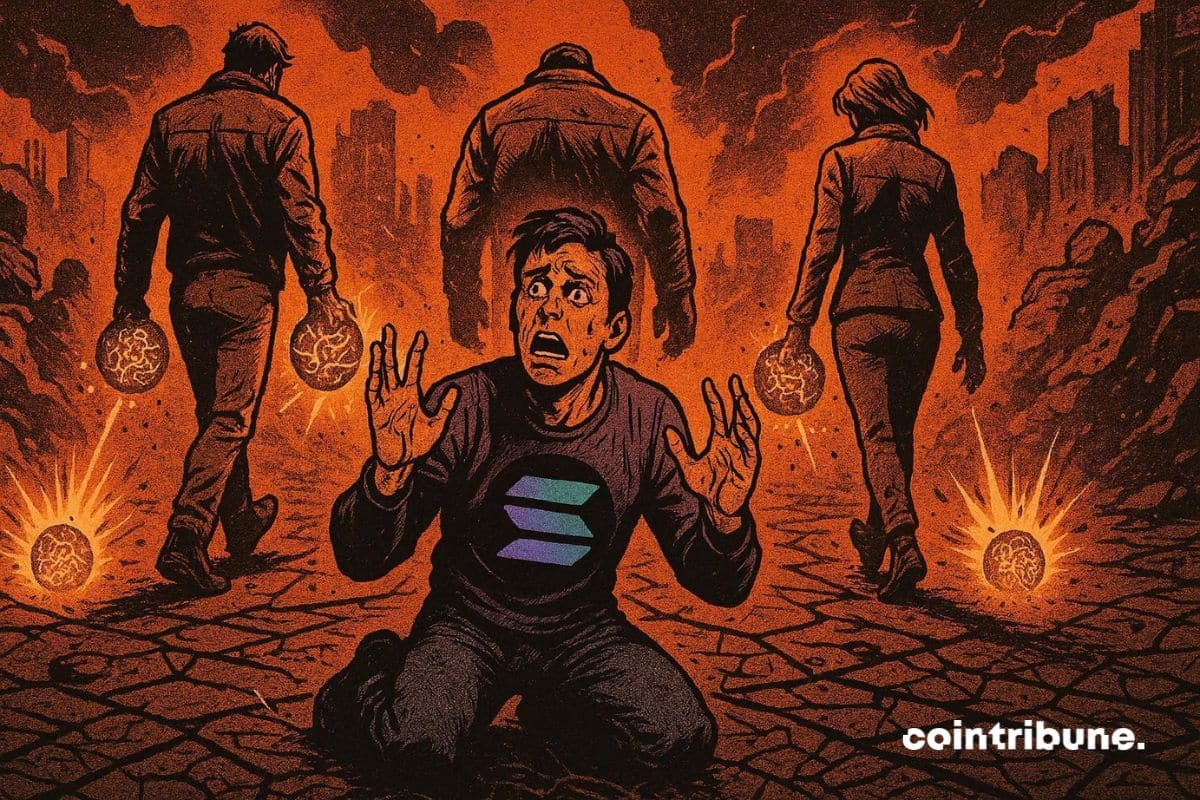
Solana sees its validators disappear at an alarming rate, 68% of them have thrown in the towel since 2023. Behind this hemorrhage lies a crucial dilemma: how to reconcile performance and decentralization when costs crush small operators? Between transaction records and growing centralization, the crypto network is betraying its promises.