The SEC Chairman clarifies the status of NFTs in the United States, likening them to collectibles rather than securities. However, their qualification still depends on their structure and use.
The Clarity Act could soon be adopted in the United States. Senator Cynthia Lummis announces a crucial Markup in April 2026 to finally pass the law before the end of the year. Between crypto, Stablecoins and DeFi, this text will change the game for investors.
Moody’s has just disrupted finance by launching a groundbreaking tool: credit analysis directly on the blockchain. With its Token Integration Engine (TIE) and a revolutionary methodology for stablecoins, the rating agency opens a new era of transparency and trust for cryptos.
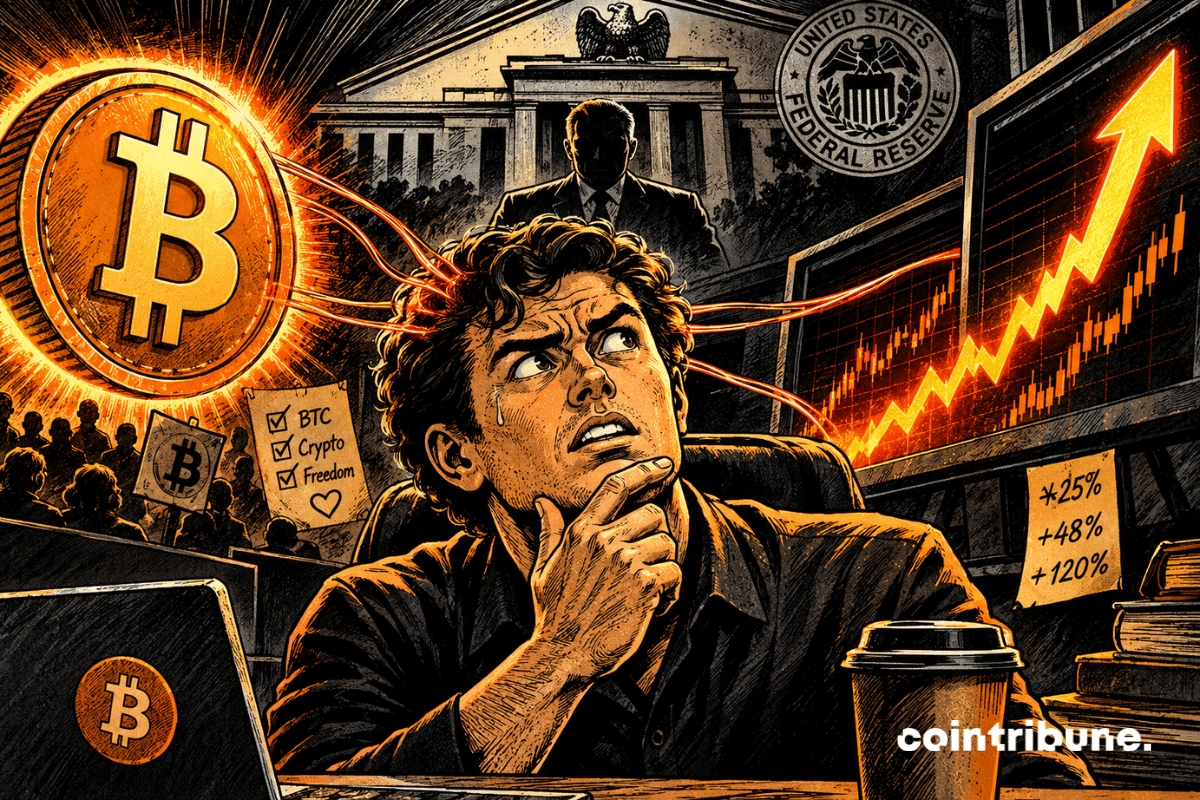
Bitcoin retreats at the worst moment. Just hours before the Federal Reserve's decision, stronger-than-expected U.S. inflation suddenly cooled the crypto market, reigniting doubts about a rapid monetary easing. This movement reveals an unavoidable reality: BTC evolves with the pace of macroeconomic indicators. Between inflationary pressure and expectations around the Fed, this sequence could well redefine the short-term market dynamics.
The TRUMP token is rising again, but not for a technical or fundamental reason. This time, it is the promise of privileged access to Mar-a-Lago that rekindles speculation. A few weeks before the gala announced for April 25, large wallets are back in action, transforming this memecoin once again into a prestige asset rather than a simple market token.
The American regulator changes tone. SEC Chairman Paul Atkins declares that the American financial watchdog now intends to grant targeted exemptions to crypto companies, offering them a more flexible legal framework to raise funds. An announcement that could redefine the rules of the game in the United States.
Mastercard no longer just watches the wave of stablecoins. The group now wants to position itself at the heart of this new financial plumbing. With the announced acquisition of BVNK for an amount that could reach 1.8 billion dollars, the payment giant sends a simple message: the battle for crypto payments will not only be played on tokens but on the infrastructure that connects traditional money and blockchain.
The SEC throws in the towel. No more witch hunts. Mining, staking, airdrops breathe freely. Only "digital securities" remain in its sights. Wall Street applauds, the old guard cries scandal.
PayPal's stablecoin finally leaves its American stronghold. The company has just announced its deployment in 70 countries, an expansion that confirms its global ambition. Facing the giants Tether and Circle, the battle for cross-border transfers is officially launched.
Institutional capital is making a consistent return to the crypto market. In just a few sessions, spot Bitcoin ETFs have accumulated significant inflows, far from a mere opportunistic move. This dynamic fits within a context marked by a major regulatory evolution in the United States, which changes the sector's benchmarks and could sustainably redefine market balances.
The crypto market often shifts without warning, and Ethereum provides a new demonstration of this. After a period of massive liquidations, a signal from Binance now captures the attention of the most seasoned traders. Behind this movement, one question arises: is a new liquidity cycle taking shape? Between leverage recovery and renewed activity, recent data outline a potential turning point for the market's second largest capitalization.
Dogecoin pauses after several days of increase, but on-chain data suggests that demand remains present. Amid contrasting capital flows, technical resistance and emerging institutional interest, the market evolves in a phase of fragile balance where several scenarios remain possible.
XRP has just dethroned BNB and becomes the 4th largest crypto by market capitalization, with an 11% surge in one week! Between broken resistance and record open interest, discover why this crypto is shaking the market in 2026.
Bitcoin holds its breath before one of the most sensitive macro appointments of the month. This Wednesday, March 18, 2026, the Federal Reserve must announce its monetary policy decision at 2:00 pm Eastern Time, before Jerome Powell's press conference at 2:30 pm. For the crypto market, the stakes go far beyond a simple central bank formality. The next moves of the dollar, bond yields, and risk appetite are decided within minutes.
The memecoin market sends a signal that does not go unnoticed. Shiba Inu (SHIB) is approaching a decisive on-chain threshold, rarely reached in recent months, while the overall momentum remains fragile. Behind this movement, rising tensions on exchanges rekindle questions: is it a simple technical adjustment or the return of deeper selling pressure? As it approaches 81 trillion tokens, this indicator could well redefine SHIB’s next trajectories.
Robert Kiyosaki revives the scenario of a major crash with a prediction that is already shaking the crypto market. The author of "Rich Dad, Poor Dad" sees bitcoin reaching 750,000 dollars and Ethereum 95,000 dollars one year after a global financial crisis. Beyond the announcement effect, his statement raises a decisive question: what would alternative assets be worth if distrust towards the financial system suddenly worsened?
Bitcoin has surpassed 75,000 dollars, crossing a highly symbolic threshold that revives market euphoria. Yet, behind this rapid progress, signals sent by professional investors remain ambiguous. The rise seems more fueled by technical dynamics than by a clear return of institutional demand. This gap raises a central question: is this the beginning of a new bullish cycle or a fragile movement driven by temporary market mechanisms?
The fight against crypto fraud reaches a new level. The United States, the United Kingdom, and Canada have just announced a joint operation to track down scam networks and protect investors. The response begins, and it could change the game.
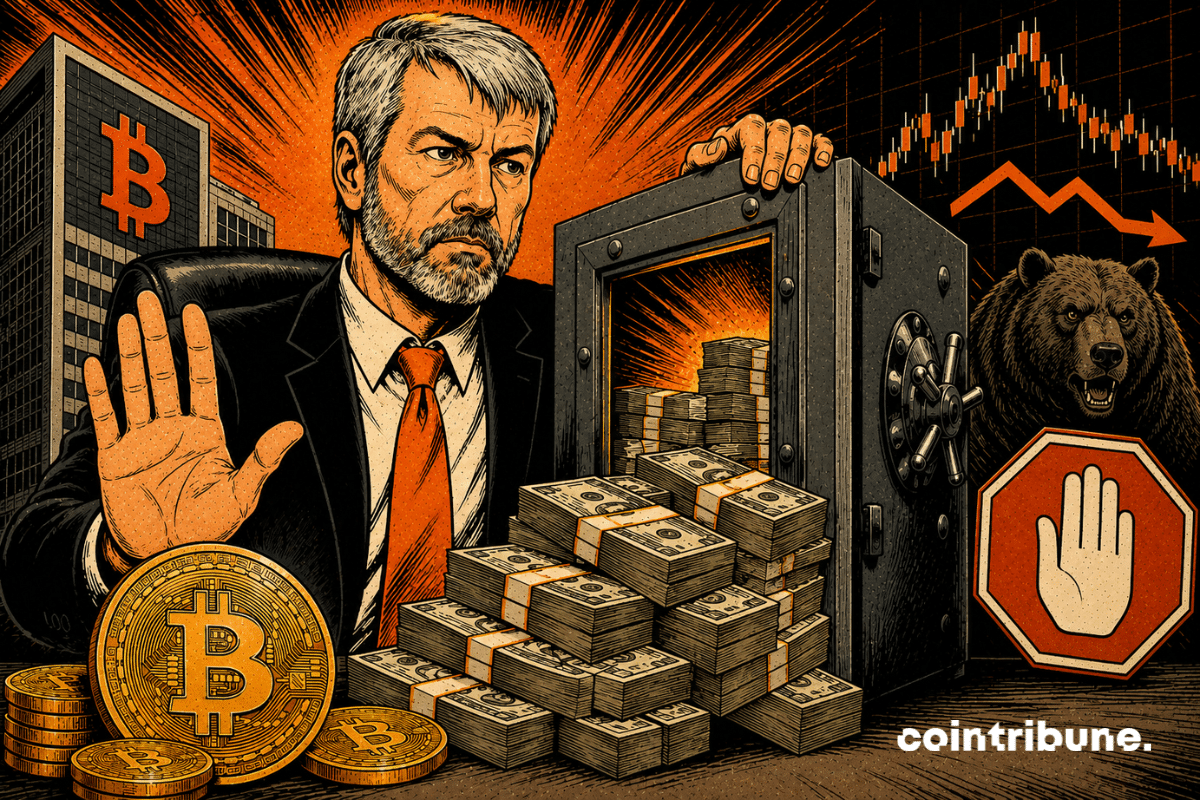
Strategy's bitcoin accumulation strategy reaches a new milestone. The company led by Michael Saylor has just purchased $1.57 billion worth of BTC, bringing its reserves to 761,068 bitcoins. Such an operation further strengthens the company's position as the world's largest public bitcoin holder. For several years, Strategy has been gradually converting its treasury into BTC, making the company a central player in institutional accumulation. This new acquisition confirms the scale of a strategy that continues to influence the market.
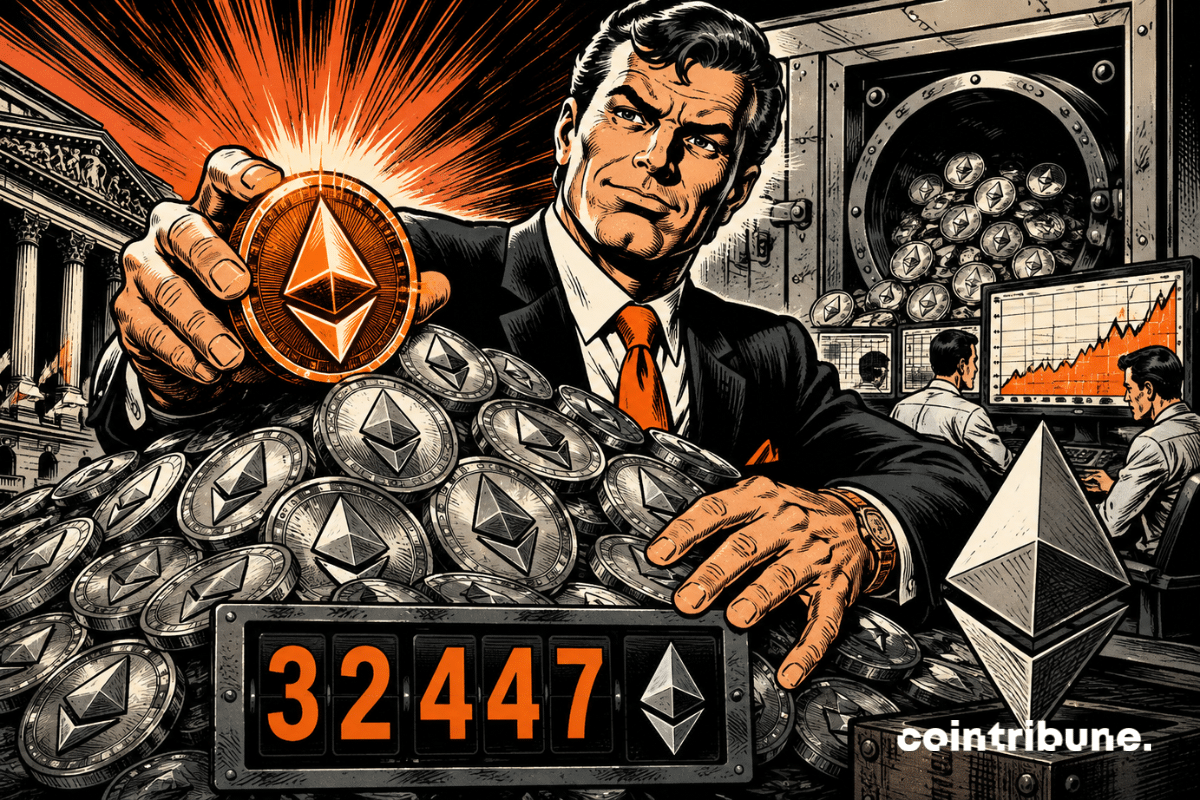
The largest American bank reaches a decisive milestone. JPMorgan Chase now allows its institutional clients to pledge bitcoin and Ethereum to obtain loans. A decision that, seemingly technical, sends a strong signal to the entire global financial sector.
What if the Internet collapsed tomorrow? A recent study reveals that Bitcoin would survive even a massive failure of 72% of submarine cables. Discover why the crypto queen is designed to withstand the worst scenarios.
The crypto market reopened the week with a brutal move. Bitcoin surpassed 73,000 dollars on March 16, while Ether regained the 2,200 dollar zone. At the same time, nearly 300 million dollars of short positions were liquidated within 24 hours, which accelerated the rise.
Bitcoin regains strength as the rest of the market moves with much more hesitation. Amid geopolitical tension in the Middle East, the asset is having its best week since September 2025. This movement is not only based on a technical rebound. It also relies on the return of institutional flows and on a dynamic that is beginning to distinguish bitcoin from other major assets.
Paris, March 143, 2026 – Following the announcement that Token 2049 Dubai will not take place as planned, many companies across the digital asset sector are now reconsidering their plans for the spring conference season.
A new controversy shakes the Bitcoin ecosystem. The BIP-110 proposal, aimed at limiting certain data recorded on the blockchain, provokes an open confrontation between developers and historical figures of the network. Designed to curb the rise of inscriptions linked to Ordinals and Runes, this protocol modification triggers strong criticism. Among them, Adam Back, a pioneer of the cypherpunk movement, denounces a true "regression" for Bitcoin. Behind this technical debate lies a central question: how far can bitcoin evolve without betraying its fundamental principles?
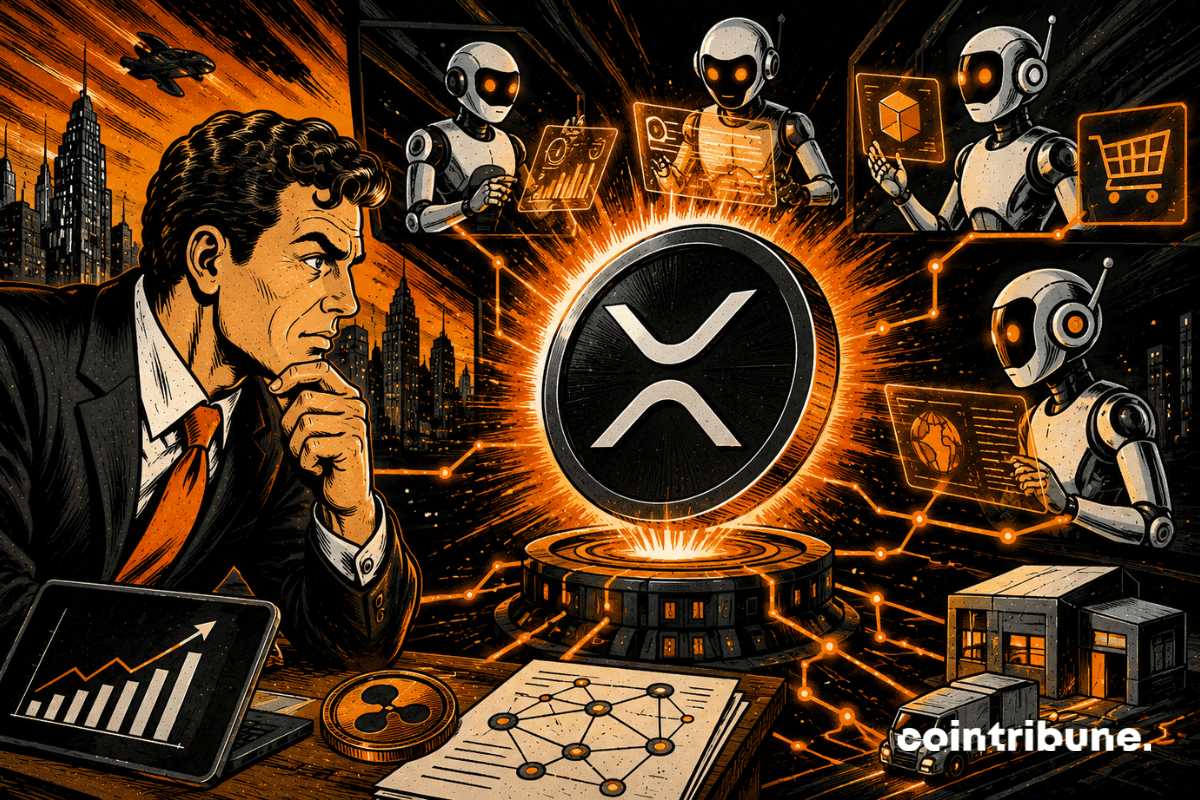
Transparency of public blockchains is both their strength and their limitation. Every transaction is visible, a feature that still deters some businesses and institutions. The XRP Ledger could soon provide an answer to this dilemma. A key contributor to the XRPL ecosystem has revealed the outlines of a development based on Zero-Knowledge Proofs, a technology that allows validating a transaction without disclosing the sensitive data it contains. This is a breakthrough likely to change how privacy is viewed on the XRP network.
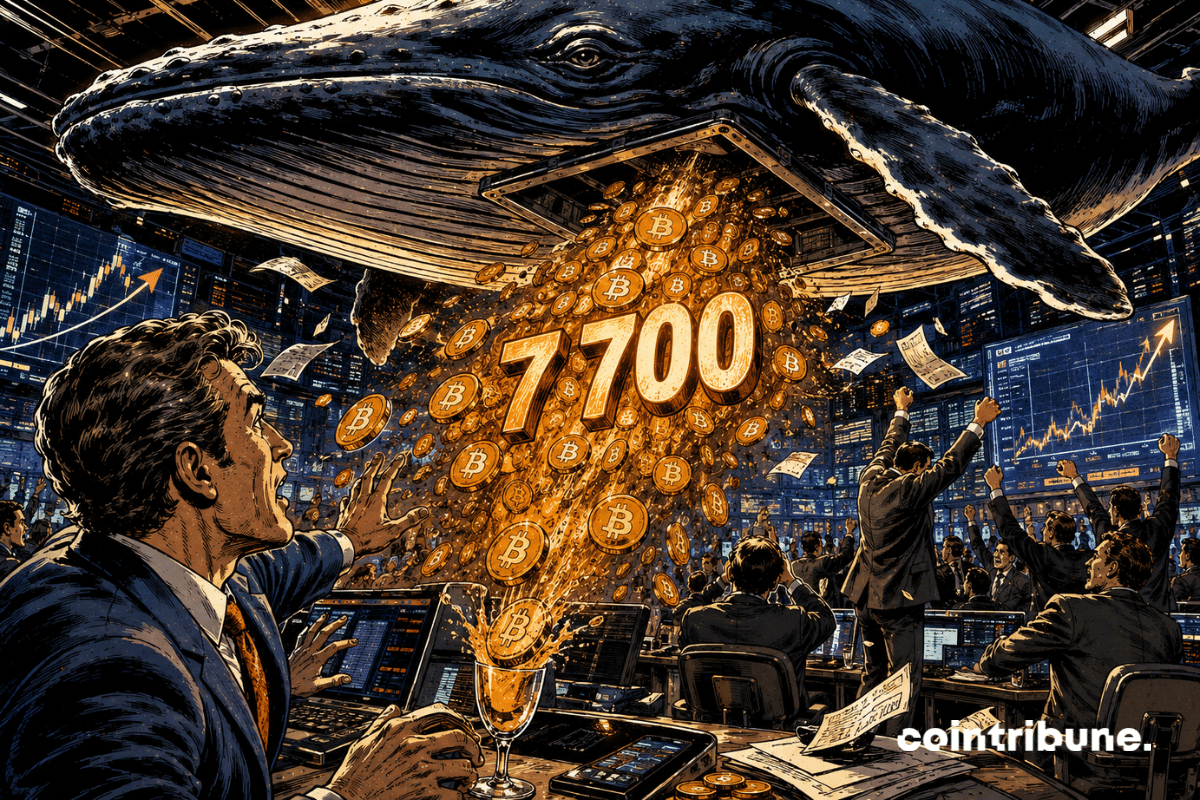
Bitcoin hides a strategic move: whales are buying while retail investors are selling. Preparing for a new cycle?
For years, crypto investors have followed an almost immutable rule: when bitcoin takes off, altcoins eventually explode too. This phenomenon, called altseason, has long shaped market cycles. However, this pattern might belong to the past. The explosion in the number of tokens and the redistribution of capital are disrupting the market balance. Some industry leaders now talk about shorter cycles and brutal rotations. Is altseason disappearing?
Bitcoin could soon experience a historic turning point thanks to a reform of Basel banking rules. If current constraints are eased, banks could finally adopt the crypto queen and trigger an unprecedented influx of liquidity.
The former British Prime Minister finds out that a friend got scammed by a crypto fraud. Logical conclusion according to BoJo: it's the bitcoin's fault. Saylor sets the record straight.