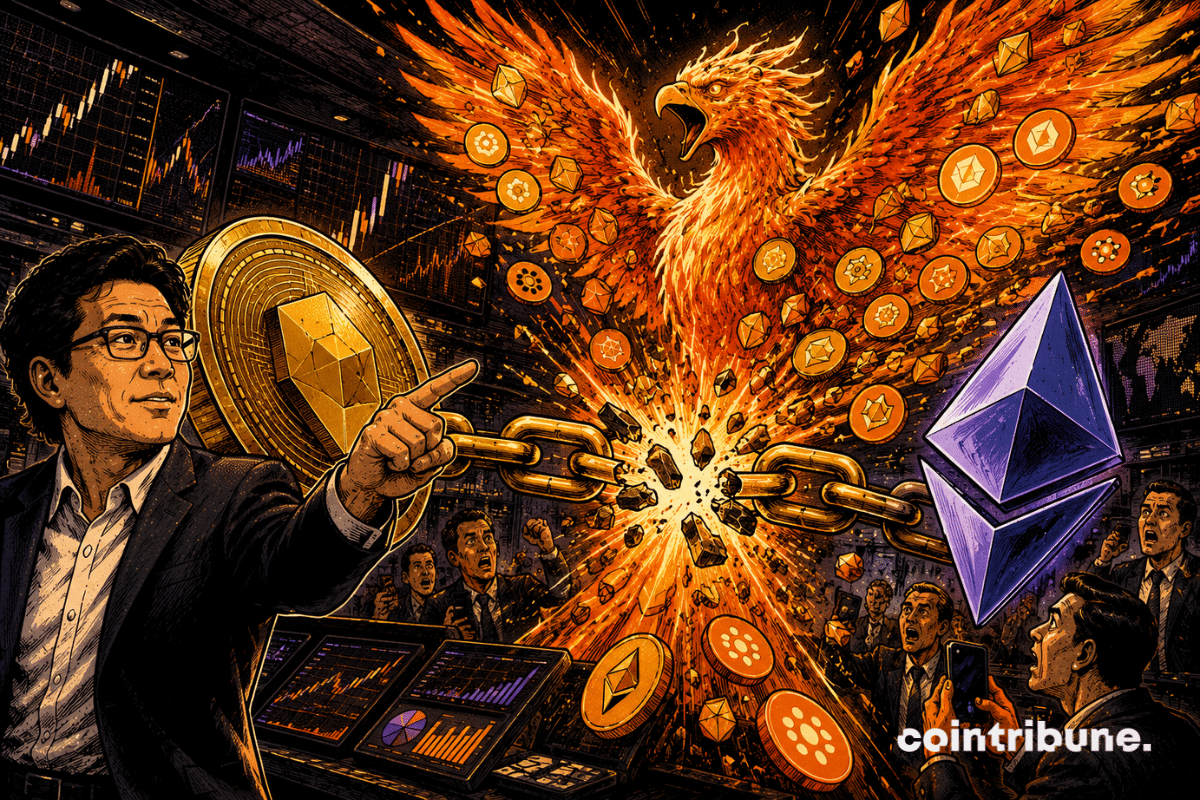
Earthquake alert on the crypto market! Grayscale has just filed the very first application for a spot Zcash (ZEC) ETF in the United States. Towards an explosion of privacy coins?
Crypto investors are no longer staying inside one market. Bitget’s 2026 User Asset Allocation Report shows a clear shift: retail traders still hold crypto, but many now add equities, commodities, and AI tools to build broader portfolios.
XRP records a new all-time high on its network. According to Santiment data, 332,230 wallets now hold at least 10,000 XRP, a level never reached before. This increase in the number of large wallets comes while the crypto price remains far from its previous peaks. Such momentum revives discussions around the positioning of long-term investors on Ripple's asset.
The recent KYC update of Pi Network triggered a historic uproar! Thousands of people blocked for years explode with anger. Why did this announcement set the powder keg alight?
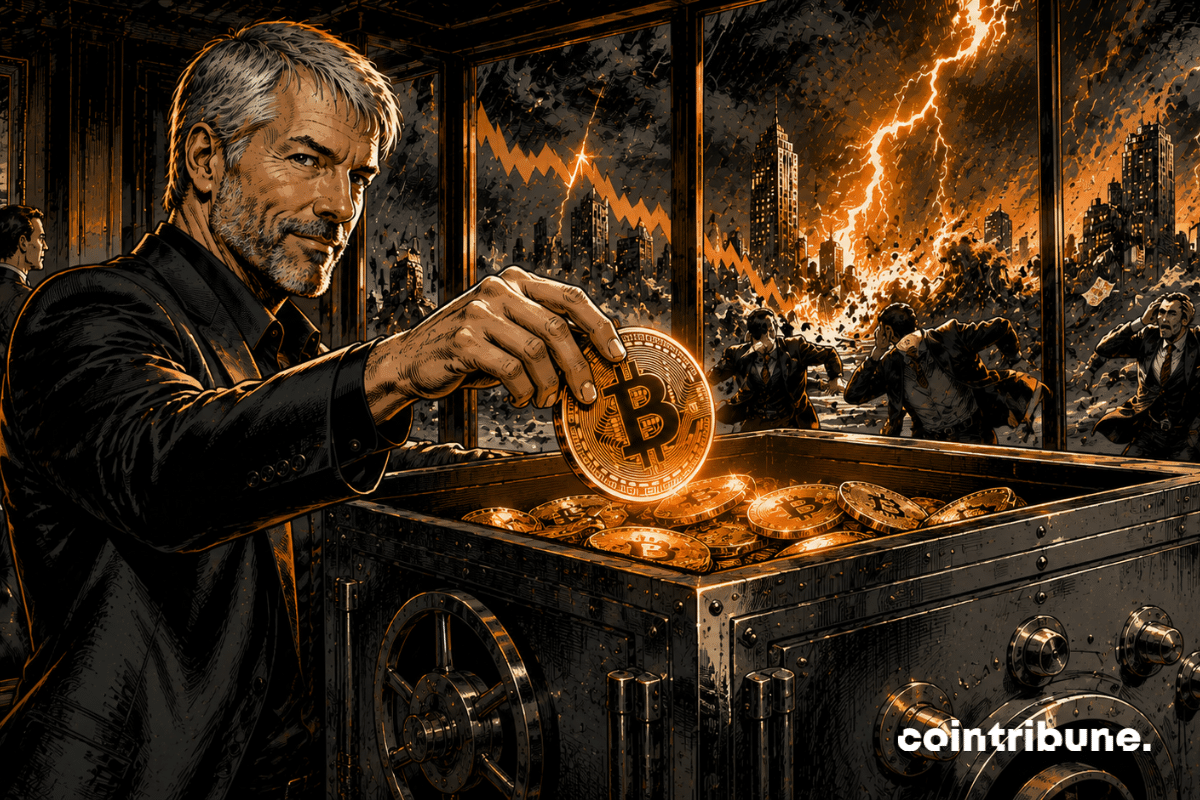
For several months, Michael Saylor and Strategy have been transforming the bitcoin market into a large-scale financial experimentation ground. The company reportedly once again strengthened its position with the estimated purchase of 2,110 BTC financed through its STRC program. An aggressive strategy that fascinates as much as it worries Wall Street. How far will this historic accumulation of bitcoin go?
XRP is recovering on a still hesitant crypto market. Investment products linked to Ripple's token have just recorded their strongest inflow since January, driven by a marked return of institutional capital. This surge rekindles bullish expectations around the asset, as several market indicators signal a gradual rise in speculative appetite for XRP.
Institutional capital is beginning to shift direction in the American crypto market. While Bitcoin regains inflows thanks to Morgan Stanley, ETFs linked to XRP and Solana now attract a growing share of flows. Driven by expectations around the Clarity Act, this movement contrasts with the persistent weakness of Ethereum ETFs and reveals a gradual repositioning of investors on assets most exposed to the future American regulatory framework.
Ledger, Trezor, MetaMask, WalletConnect and the Ethereum Foundation want to close one of the most dangerous breaches in crypto: blind signing. Behind this cold term lies a simple gesture. The user validates a transaction without clearly understanding what it will trigger. The issue became impossible to ignore after the Bybit hack. In February 2025, the exchange acknowledged that an attacker had taken control of an Ether wallet and transferred about 1.5 billion dollars worth of assets to an unknown address. Reuters had then reported that only the Ether cold wallet was affected, according to Bybit CEO Ben Zhou.
Kevin Warsh has just been appointed governor of the Federal Reserve after a close vote in the US Senate. This first step now opens the way for a decisive vote for his confirmation as head of the US central bank this week. Known for his open positions towards financial innovation and Bitcoin, Warsh is already attracting market attention, with some investors believing that his arrival could strengthen the favorable narrative for digital assets in a context of monetary and regulatory transition in the United States.
Cardano has just passed an important technical milestone with the arrival in testing of five new Plutus primitives. Behind these additions, the network is primarily preparing its van Rossem hard fork, designed to make smart contracts faster, cheaper, and more flexible.
GameStop dreamed of a masterstroke at 56 billion dollars to acquire eBay. But the categorical refusal of the e-commerce giant abruptly changed the dynamics of the case. Behind this financial battle now lies another question: how far is GameStop willing to go with its bitcoin reserves to finance its ambitions?
Bitget is pushing deeper into tokenized private-market access with preOPAI, a Solana-based product tied to OpenAI’s potential future public listing. The move puts the exchange at the crossing point of three powerful narratives: artificial intelligence, pre-IPO exposure and real-world asset tokenization.
A technical signal absent since 2023 on bitcoin has just reappeared. This on-chain crossover, closely monitored by analysts, preceded the last major bullish phases of BTC. As the market tries to regain positive momentum, this return of the golden cross reignites speculation about a possible trend change. Investors are now scrutinizing Bitcoin's next key levels in a climate mixing optimism and caution.
Solana reaches a decisive stage with Alpenglow. The upgrade of its consensus now enters a community testing phase, before a possible activation on the mainnet between the end of the third quarter and the beginning of the fourth quarter of 2026.
The US Senate reaches a critical moment for digital assets. After several months of tensions, the banking committee is set to review the CLARITY Act this Thursday, a much-anticipated bill to regulate a large portion of the crypto market in the United States. However, three issues remain sensitive: yields on stablecoins, ethics rules for elected officials, and the protection of DeFi developers.
While some buried Solana between two lukewarm coffees, ETFs quietly fill their pockets, while crypto traders and speculators relight their greasy screens around the famous $120 now nervously watched.
Why is Bitmine, the largest buyer of ETH, suddenly slowing down its purchases after a record accumulation? Between the 5% target and market strategy, this reversal could change everything for Ethereum.
Is Bitcoin about to enter the largest bullish phase in its history? Raoul Pal, one of the most respected macro strategists in the industry, is convinced. According to him, the increasing pressure on global debt, massive liquidity injections, and the historic investment boom combine all conditions to trigger a true "supercycle" by the end of 2026.
XRP returns to the spotlight as bitcoin consolidates its dominance above $80,000. Behind this rebound around $2, a signal intrigues the markets. Institutional investors strengthen their positions while retail investors remain largely absent. Supported by the rise of XRP ETFs and a climate once again favorable to risky assets, Ripple's token seems to enter a new phase where speculation gradually gives way to more structured flows.
An old Bitcoin whale has just moved 500 BTC that had been immobile since 2013. At the time, this jackpot was worth about 457,000 dollars. Today, it weighs nearly 40.6 million dollars. This onchain movement recalls a simple reality: in Bitcoin, time can turn a forgotten address into a historical vault.
The crypto market finds a foothold after a more active week on dollar-indexed assets. According to Defillama data, stablecoins attracted well over 2 billion dollars in seven days. In this context, USDT maintains a central place, while several competitors progress at different rates. The sector now shows a total capitalization of 322.74 billion dollars.
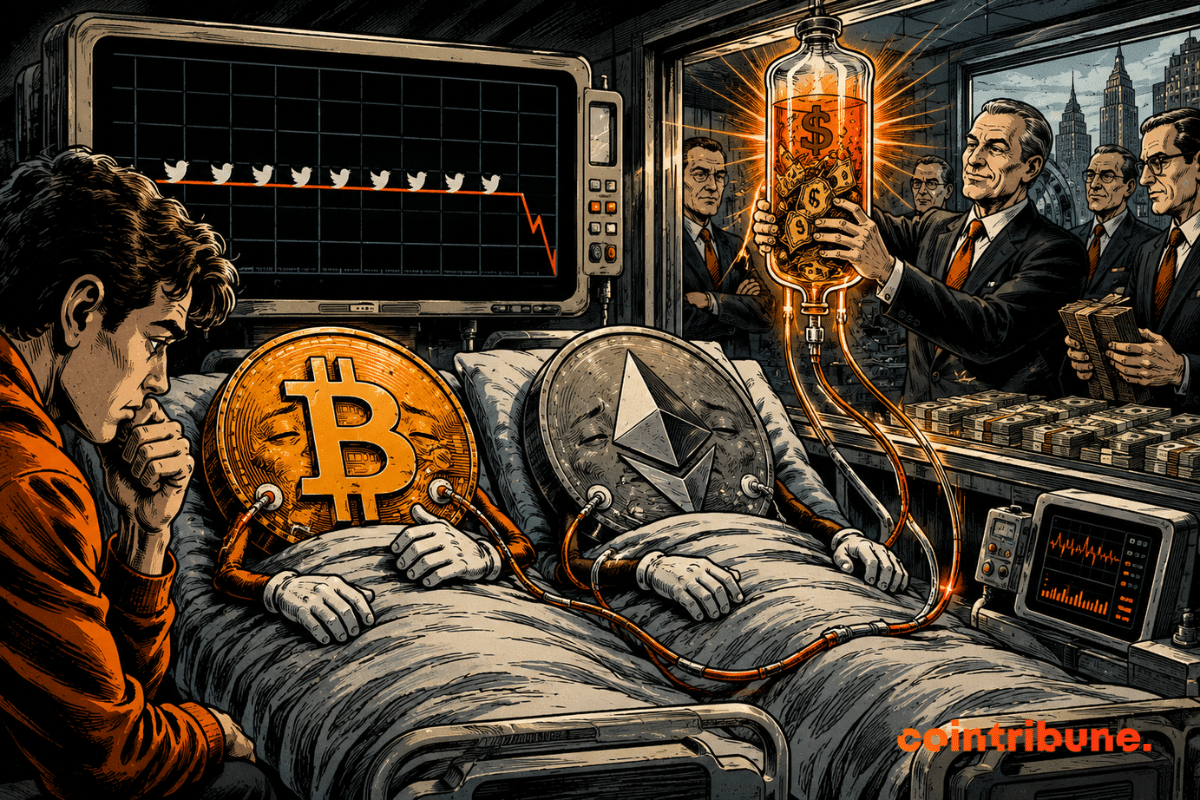
Bitcoin keeps hitting records while Ethereum sinks into a weakness that is starting to seriously worry the market. In one year, ETH has lost more than 35% against BTC, despite the massive return of capital to cryptos. Behind this drop, several alarming signals emerge: increased selling pressure, rising ETH reserves on Binance and growing institutional dominance of bitcoin. This dynamic raises a central question on the market: Is Ethereum definitively losing its status as the leader of altcoins?
Michael Saylor changes the game again. After discussing a possible sale, Strategy seems already ready to buy more bitcoin. The crypto market did not take long to react.
For years, the quantum threat has remained a distant scenario for bitcoin. This perception is wavering. A report from Project Eleven now estimates that the network might lack time to prepare its cryptographic transition before the arrival of quantum computers capable of breaking its current protections. Behind this alert lies a colossal issue: several million BTC could become vulnerable if the ecosystem fails to coordinate its migration in time. Such a prospect brutally revives the debate about bitcoin's future security.
The digital asset market is regaining strength, but the optimism displayed on social networks draws analysts' attention. According to Santiment, this euphoria can weaken the ongoing rise and open the way to a possible pullback of bitcoin to 75,000 dollars. In this contrasting climate, crypto sentiment serves as a barometer to measure the rally's strength and risks of short-term exhaustion.
BlackRock pushes further its offensive in tokenization. The American giant is preparing a reserve fund for stablecoins and an onchain share class linked to a 6.9 billion dollar money market fund. The message is clear: traditional finance now wants to occupy blockchain territory before crypto players lock up this market alone.
In one week, Chainlink regained momentum in the crypto market. The LINK token rose by 15.27% and reached an intraday peak of $10.60, its highest level in over three months. This increase comes as reserves on exchange platforms decline and social media discussions increase significantly.
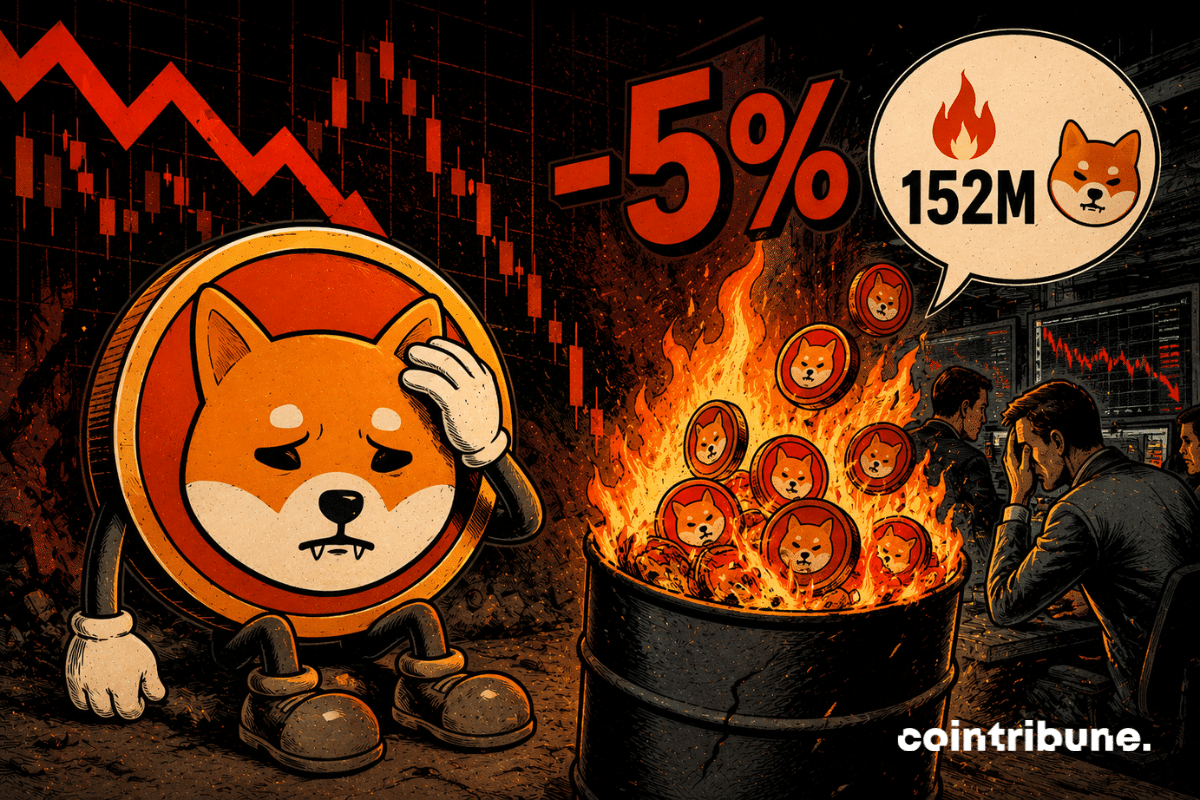
Millions of SHIB disappear from the market again. Within 24 hours, more than 6 million tokens have been sent to burn addresses, immediately reigniting speculation about the deflationary potential of the memecoin. While activity picks up on several major platforms, the Shiba Inu community continues to bet on scarcity to support investor interest. A strategy that is central to discussions in a crypto market always seeking new catalysts.
American spot Bitcoin ETFs have just recorded six consecutive weeks of net inflows. This is a first since August 2025. The signal is clear: institutional funds are returning, but the market remains tense around $80,000.
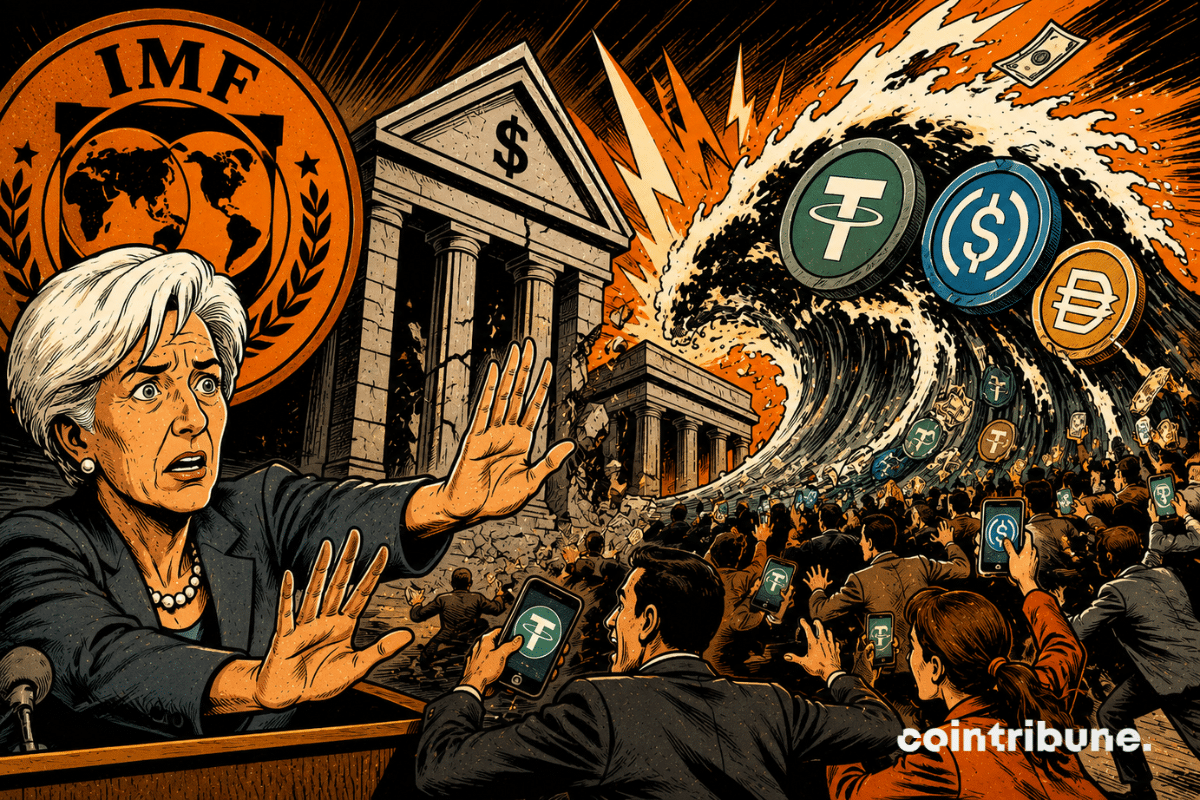
Europe does not want to let the stablecoin become the Trojan horse of the dollar in its digital payments. Christine Lagarde brought this issue back to the center of the debate, warning that the dominance of Tether and Circle could weaken European monetary sovereignty. The ECB does not reject the technology. It mainly refuses to import a model designed elsewhere.