Fri 30 Jan 2026 ▪
4 min read
▪
by
Amazon is in talks to take up to 50 billion dollars in OpenAI’s 100 billion dollar funding round, aiming to deepen its involvement in artificial intelligence.
Amazon is in talks to take up to 50 billion dollars in OpenAI’s 100 billion dollar funding round, aiming to deepen its involvement in artificial intelligence.

OpenAI would consider creating a social network where registration would require proof of humanity, via World ID and its “Orbs” for eye scan. The idea, reported by several media outlets, is simple on paper: to cut the ground from under the bots and armies of fake accounts, which have become a permanent background noise on X, Instagram or TikTok.
Crypto: a forgotten Ethereum hack becomes a secret weapon against cyber threats. We bring you all the details in this article.
AI data centers nibble away at electricity and the patience of local residents: the same recipe as with bitcoin, but wrapped in a well-oiled progress discourse.
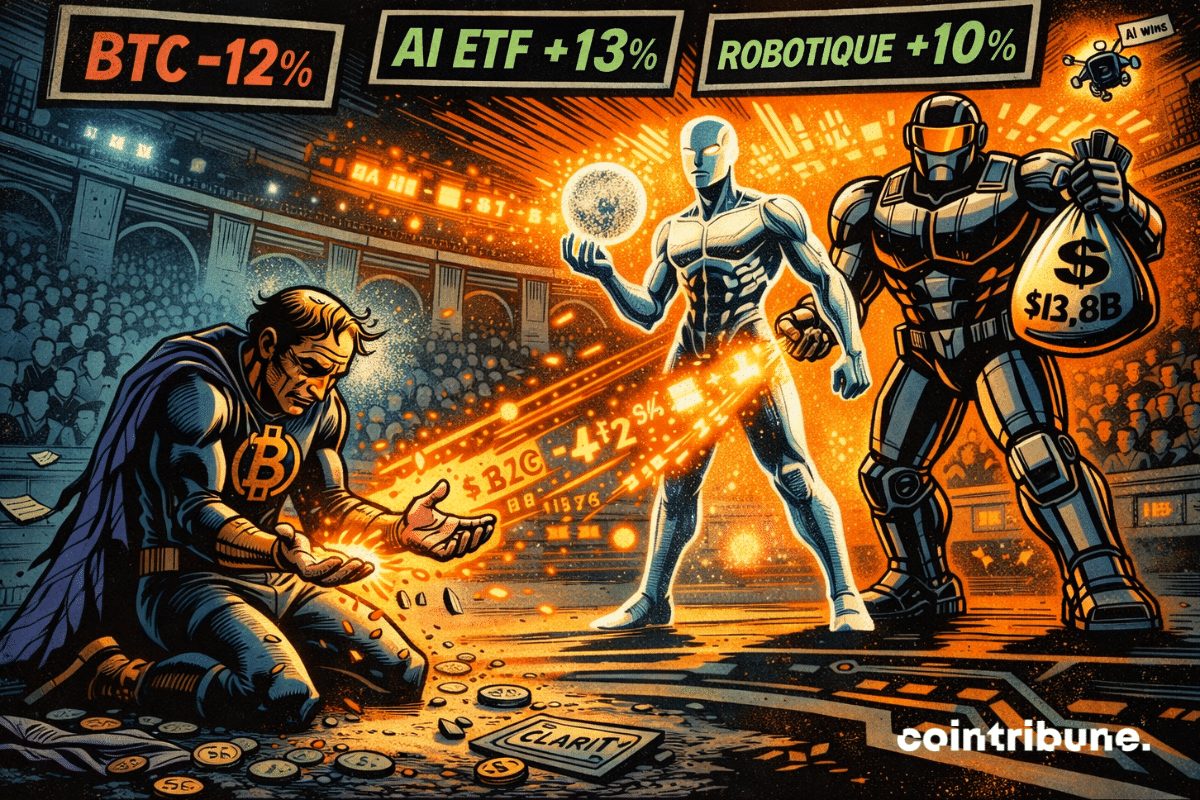
Is the crypto era coming to an end? Capital seems to be massively migrating towards AI and robotics. What the data says.

The European Union has just made a big move: Google must open Android to competing AI tools under threat of colossal sanctions. A decision that could revolutionize the tech market, boost innovation, and redefine the balance of power. What impacts will it have on users, businesses, and AI-related cryptos?

A new academic paper warns that influence campaigns powered by autonomous AI agents may soon become far harder to detect and stop. Instead of obvious bot networks, future operations could rely on systems that behave like real users and adjust their actions over time. Researchers say this shift poses serious risks to public debate and platform governance.
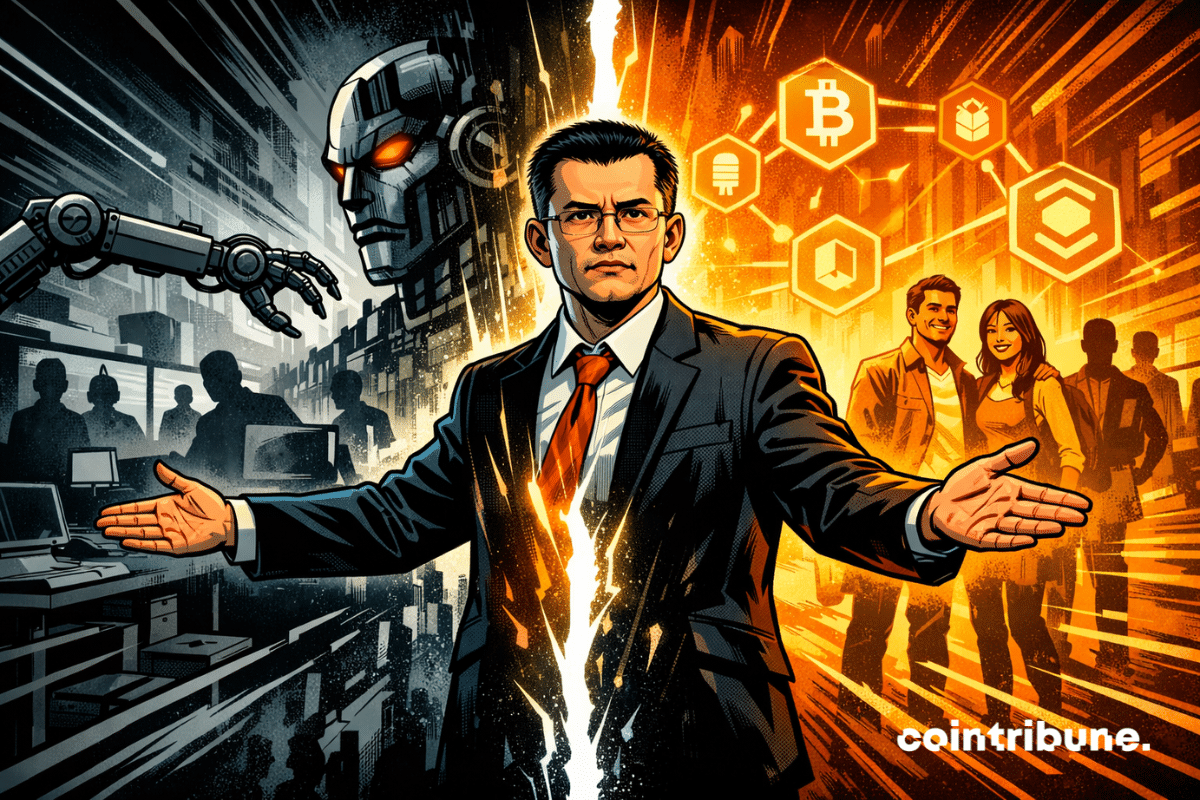
Binance founder Changpeng Zhao (CZ) has issued a stark warning about the future of work as artificial intelligence spreads across industries. He argues that rapid AI adoption will erase millions of jobs worldwide. Against that backdrop, Zhao believes cryptocurrencies can serve as financial protection for those who prepare early.

A boastful hacker, a dubious federal contract, and millions in crypto gone: when family cyber-arrogance turns Washington into the stage for a burlesque digital burglary.

XRP Ledger continues to show strong on-chain activity while Ripple leadership outlines where the crypto market may head next. New network data points to steady usage, low costs, and large transaction volumes. At the same time, Ripple executives are setting expectations for how institutions may engage with crypto in the coming years.

In a network where every line of code can become a manifesto, the slightest technical signal takes on the appearance of a political declaration. BIP 110, supported by a growing fraction of Bitcoin nodes, illustrates this internal tension. Behind this seemingly minor proposal lies a clear intention: to tighten control over data insertion into the blockchain and defend a stricter vision of the protocol.

While quantum computers sharpen their circuits, Ethereum brings out the heavy artillery: cryptographers, millions, and devnets. The blockchain wants to last a hundred years, even if it ages before us.
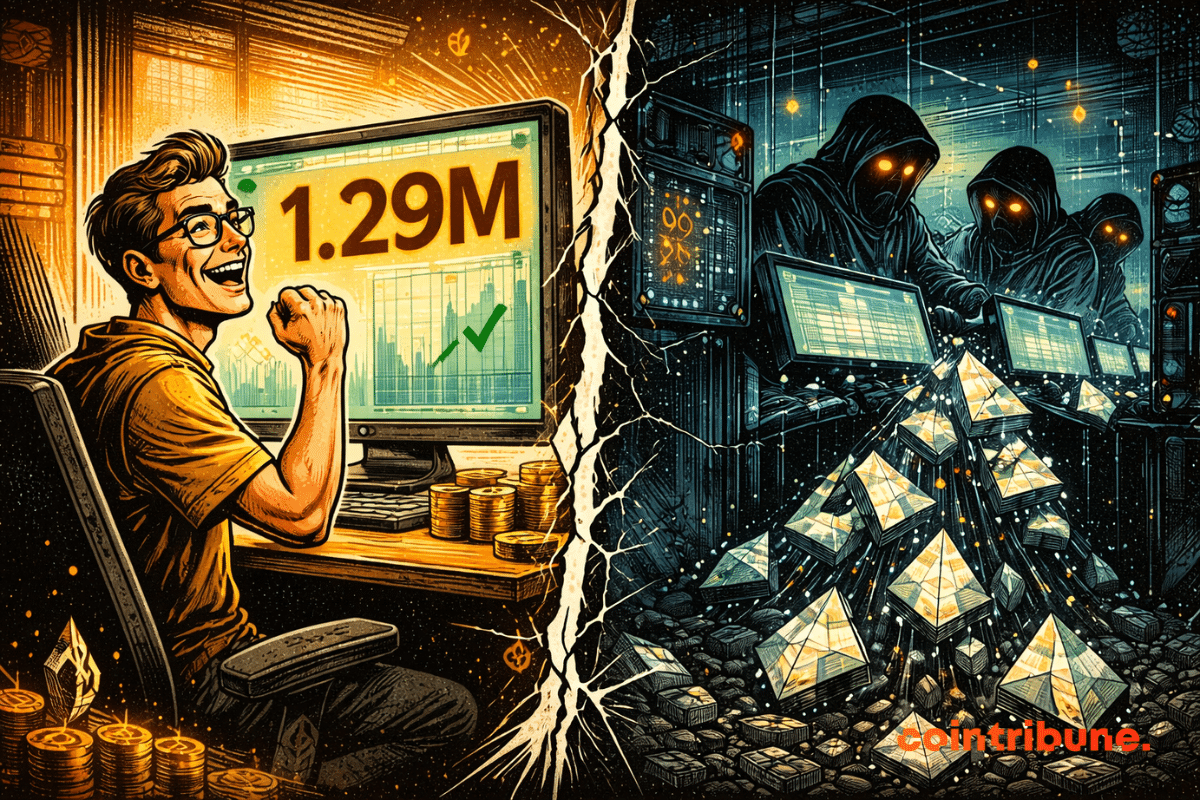
Ethereum is rejoicing, its counters are exploding! Except that 80% of the activity might be clever spam. Progress? Or just hackers who learned how to do sales?

BlackRock’s 2026 Thematic Outlook positions Ethereum as core financial infrastructure rather than a speculative asset. The report frames the network as a potential “toll road” for tokenized assets—capturing value through issuance, settlement, and transaction fees as real-world assets move onchain. For investors, the central question is whether growth in tokenization activity can translate into durable economic demand for ETH.

Coinbase is forming an expert panel to tackle future quantum threats and strengthen blockchain security before the technology becomes a real risk.

The security of crypto data falters once again. The French platform Waltio, specializing in tax declarations, was the victim of a massive leak of sensitive information. In response, an investigation was opened by the French authorities, mobilizing the National Gendarmerie. This incident rekindles concerns about the vulnerability of services related to cryptos, including those outside the blockchain. As the use of tax tools becomes widespread, users' trust is severely tested.
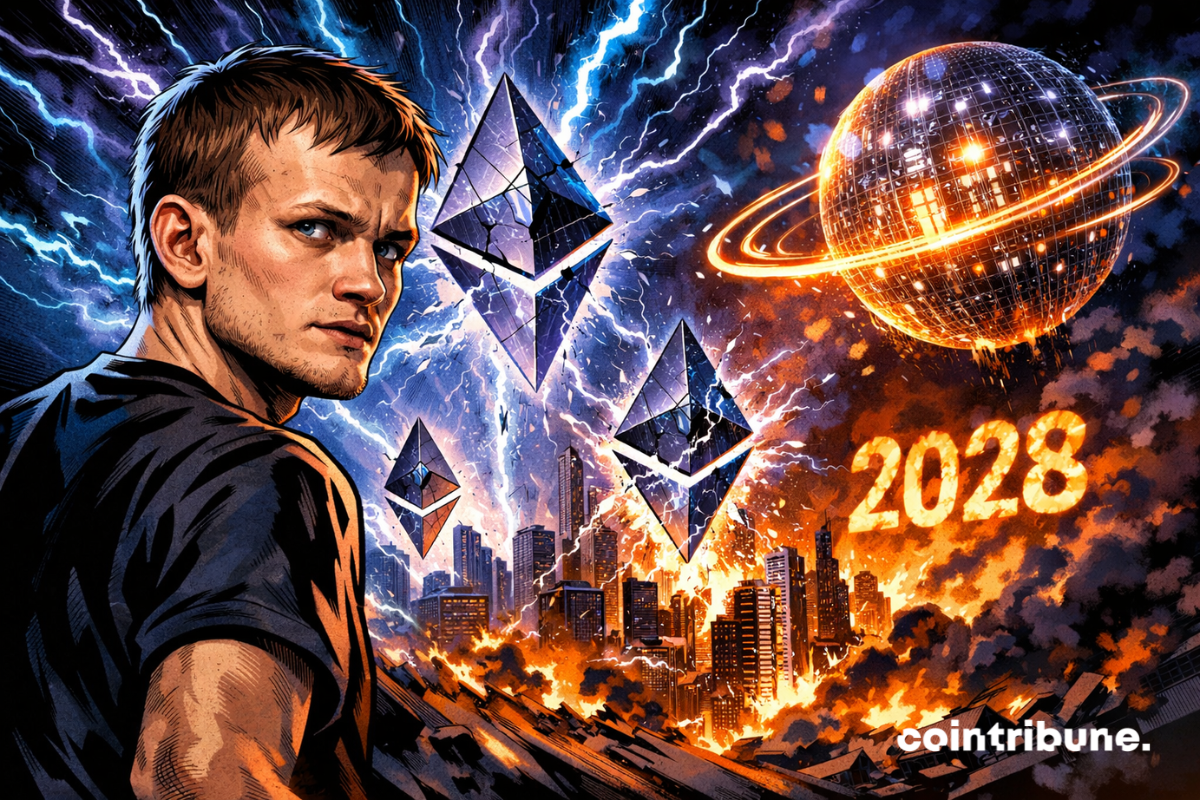
At the Devconnect conference in Buenos Aires, Ethereum's co-founder issued an unprecedented warning: the elliptic curves securing Bitcoin and Ethereum 'are going to die.' With a 20% probability that quantum computers could break current cryptography before 2030, the crypto industry has less than four years to migrate to quantum-resistant systems.
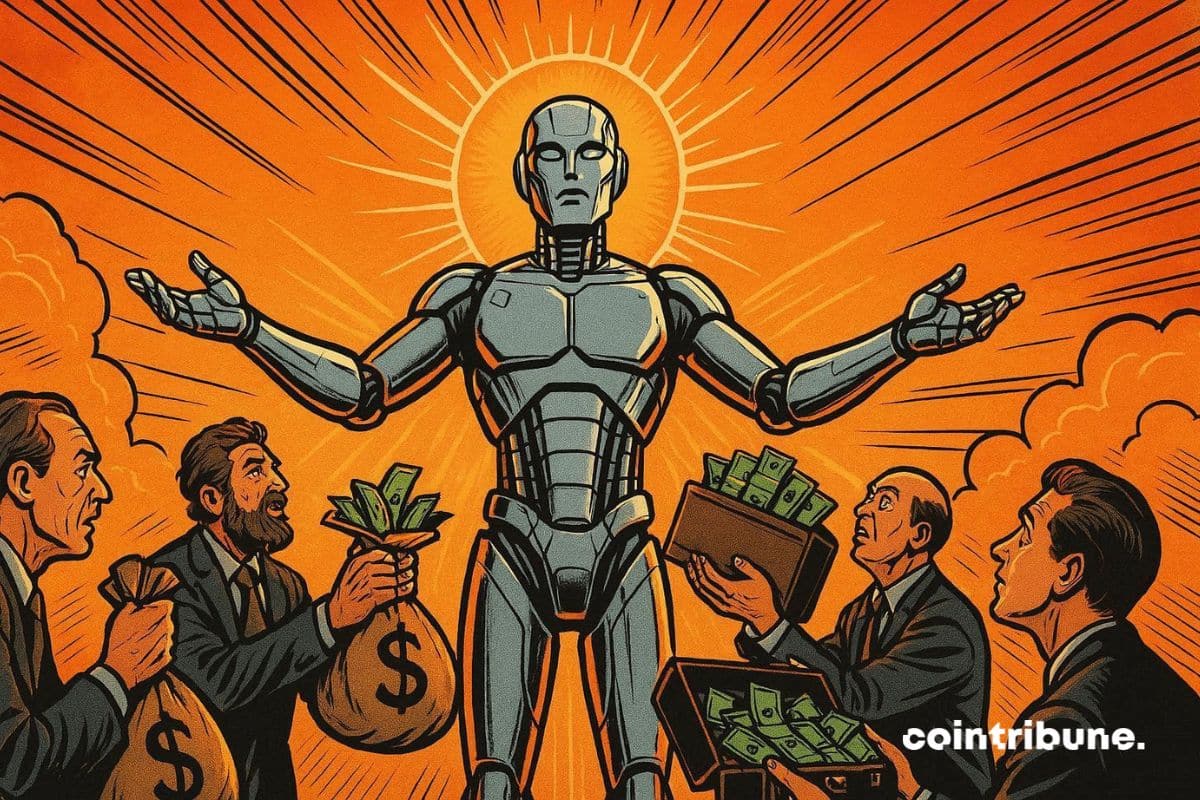
At Davos 2026, AI establishes itself as the new playground for private equity giants. OpenAI and Anthropic show record valuations, fueled by investors' FOMO. But could this frenzy overshadow interest in crypto and bitcoin?
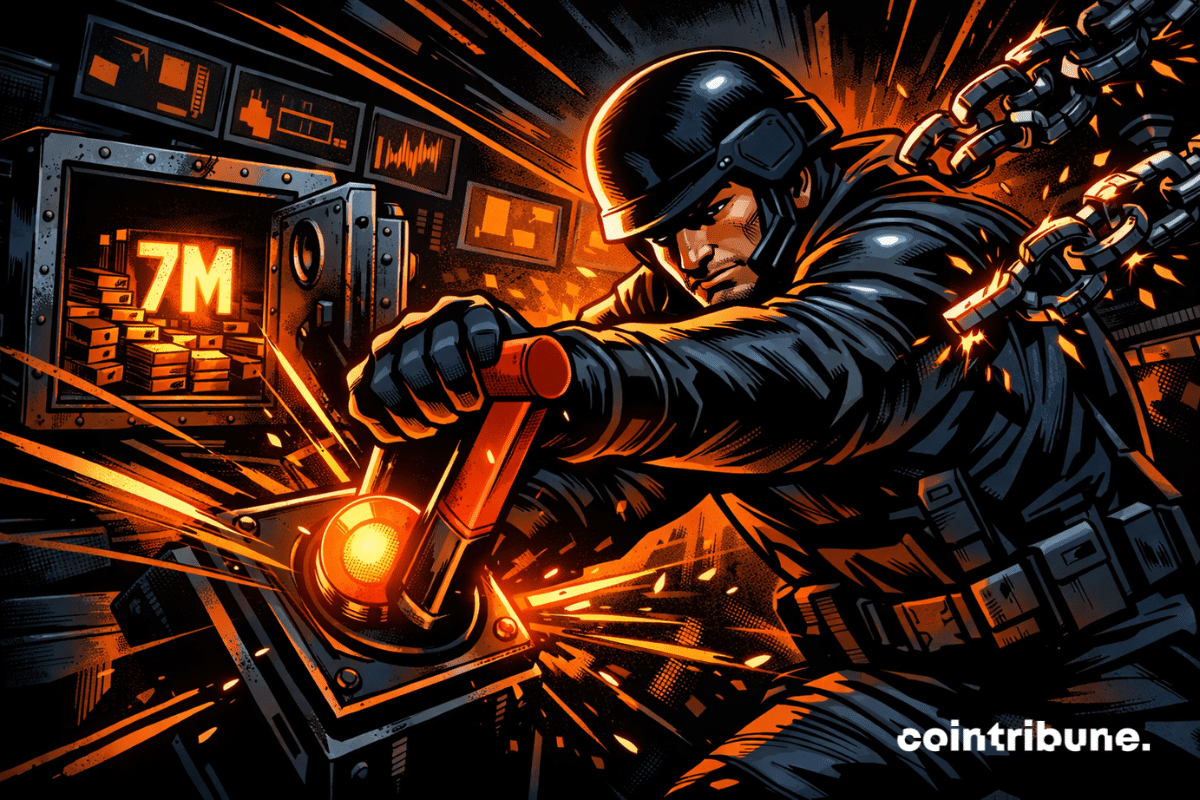
Saga, a Layer-1 blockchain protocol, has paused its Ethereum-compatible SagaEVM chainlet after a $7 million exploit triggered unauthorized fund transfers. The attack involved assets being bridged out of the network and swapped into Ether. Although the affected chainlet remains offline, Saga says the broader network continues to operate normally.

Faced with rising tensions around information control, Vitalik Buterin takes a stand. The Ethereum co-founder makes decentralized social networks his priority for 2026, calling for an open, interoperable model free from commercial logics. This choice marks a strategic and ideological turning point, supported by concrete actions and a frontal critique of dominant platforms. Buterin no longer just codes the Web's infrastructure but now wants to rethink how we exchange, debate, and share online.

The crypto market evolves at a crazy pace, and Binance Wallet has just changed the game with three new AI tools: Topic Rush, Social Hype, and AI Assistant. Discover how these innovations help you anticipate crypto market movements and make informed decisions without wasting time.

Rapid progress in artificial intelligence is forcing governments and institutions to confront a much shorter path toward human-level systems than previously expected. Industry leaders now say the gap between today’s tools and artificial general intelligence is narrowing quickly. As development accelerates, concerns around jobs, governance, and economic stability are moving to the center of the debate.
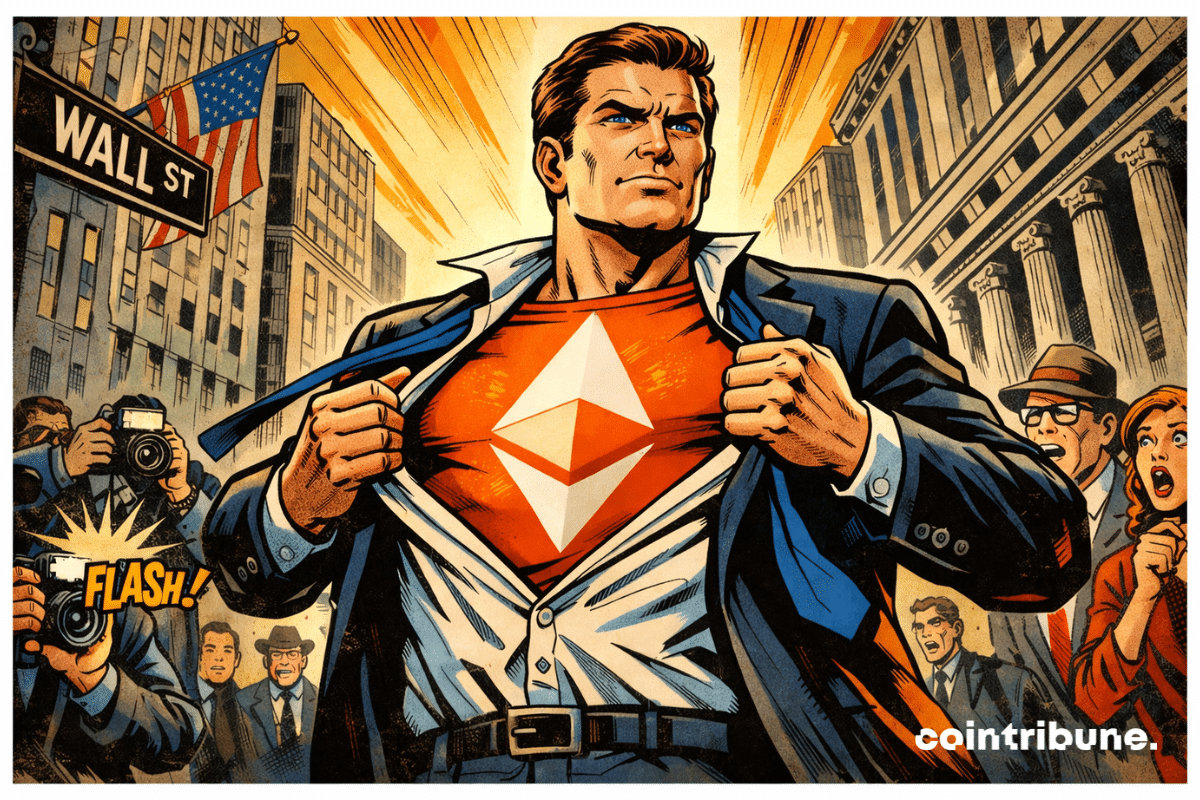
The so-called Ethereum Killer blockchains are stirring to nibble away market shares and gain media spotlight. But deep down, in reality as in collective perception, there is only one master. Its name comes up in every conference, every strategic plan, every institutional tweet. Ethereum is no longer just a technology…

Injective has voted on a plan to rarify INJ. An aggressive crypto strategy that could disrupt the rules of the game.

While DAOs were meant to embody the promise of decentralized governance, Vitalik Buterin today delivers a harsh assessment: their current model is exhausted. In a widely shared post, the Ethereum co-founder denounces rigid structures, dominated by large holders and unable to address complex coordination challenges. His call for a new design marks a pivotal moment for DAOs, urging them to move beyond simple voting logic to become true on-chain infrastructures.

While Americans talk ethics, Beijing codes at full speed: DeepSeek, the low-cost AI that is shaking Wall Street and bringing red colors back to the Chinese stock market.
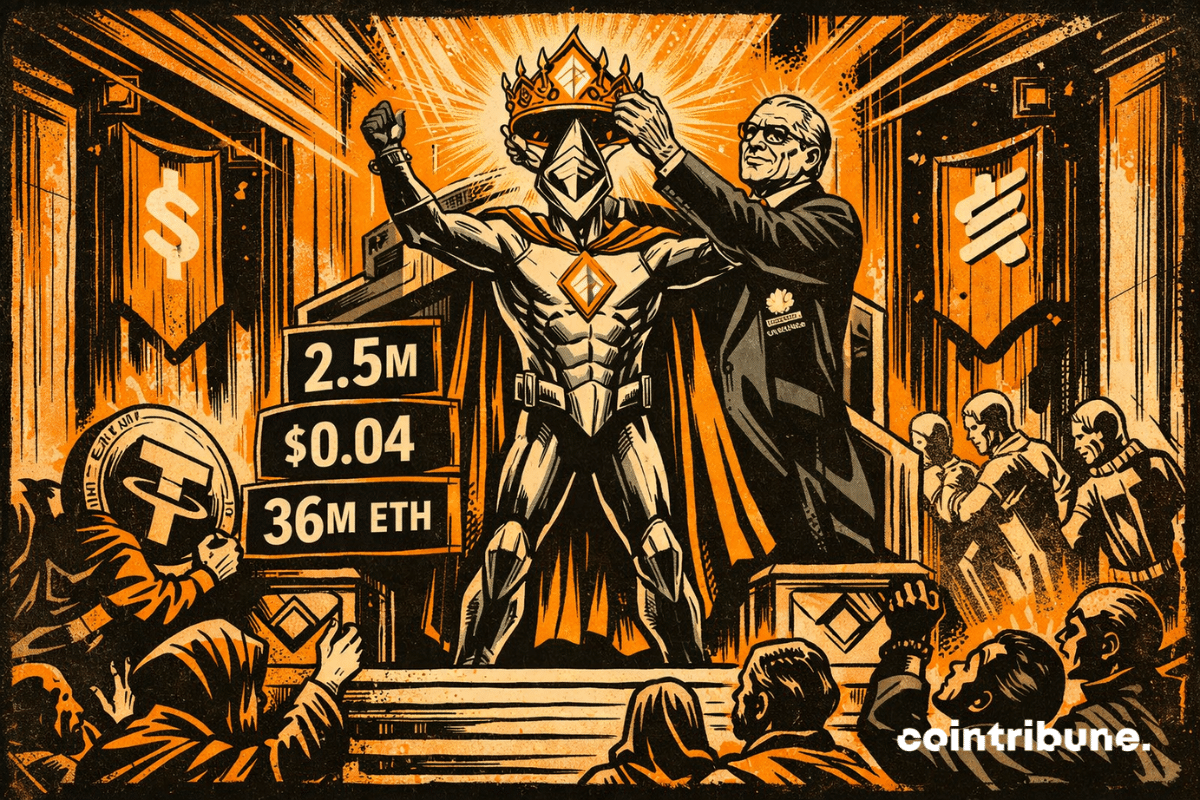
As the year 2026 is just beginning, Ethereum is already breaking transaction records and showing negligible fees. Analysis!

Ethereum, the engine of blockchain innovation, faces a major challenge: its growing complexity. Vitalik Buterin, co-founder of the network, warns about protocol congestion, an excess of complexity that threatens Ethereum's efficiency and security. To address this, he proposes a radical solution: simplifying the code by removing superfluous elements. However, this approach raises questions: can Ethereum be lightened without compromising its core principles of decentralization and trust?
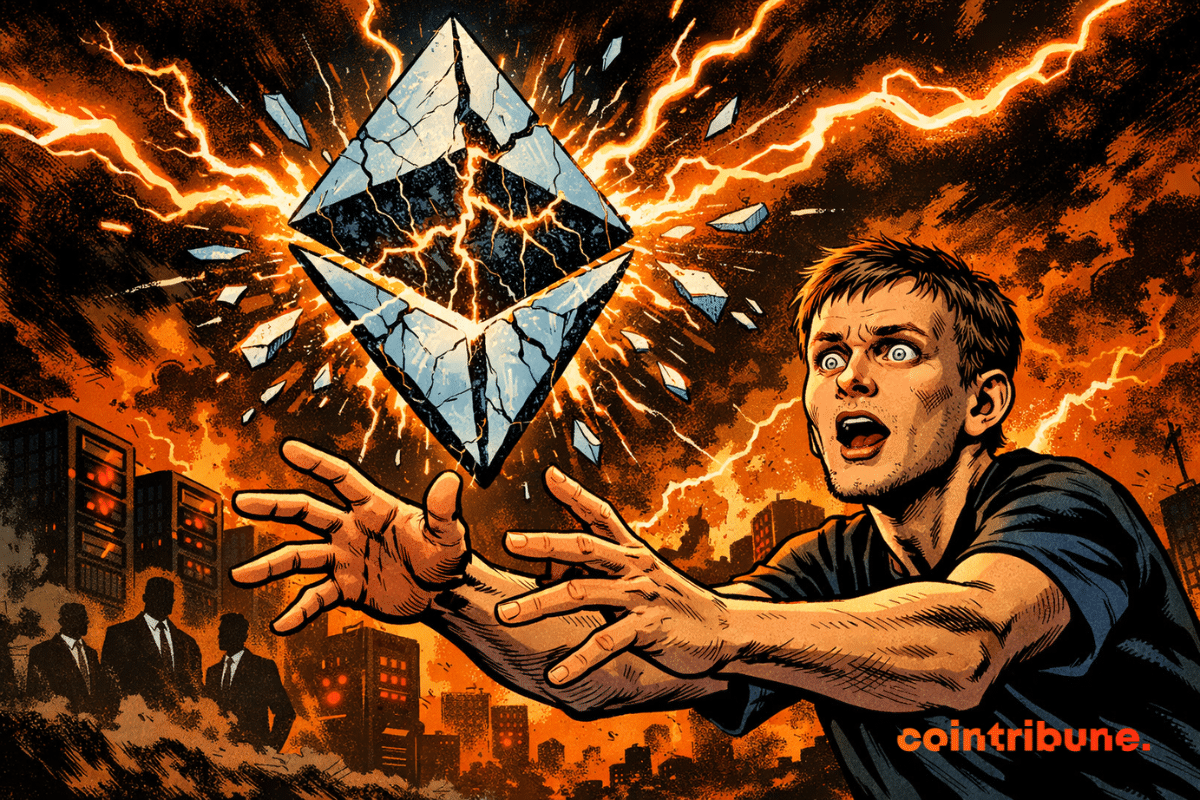
Vitalik Buterin is making his revolution again: fewer servers, more ideals. Ethereum wants to become pure again, without masters or Google, but with a touch of love and a lot of code.
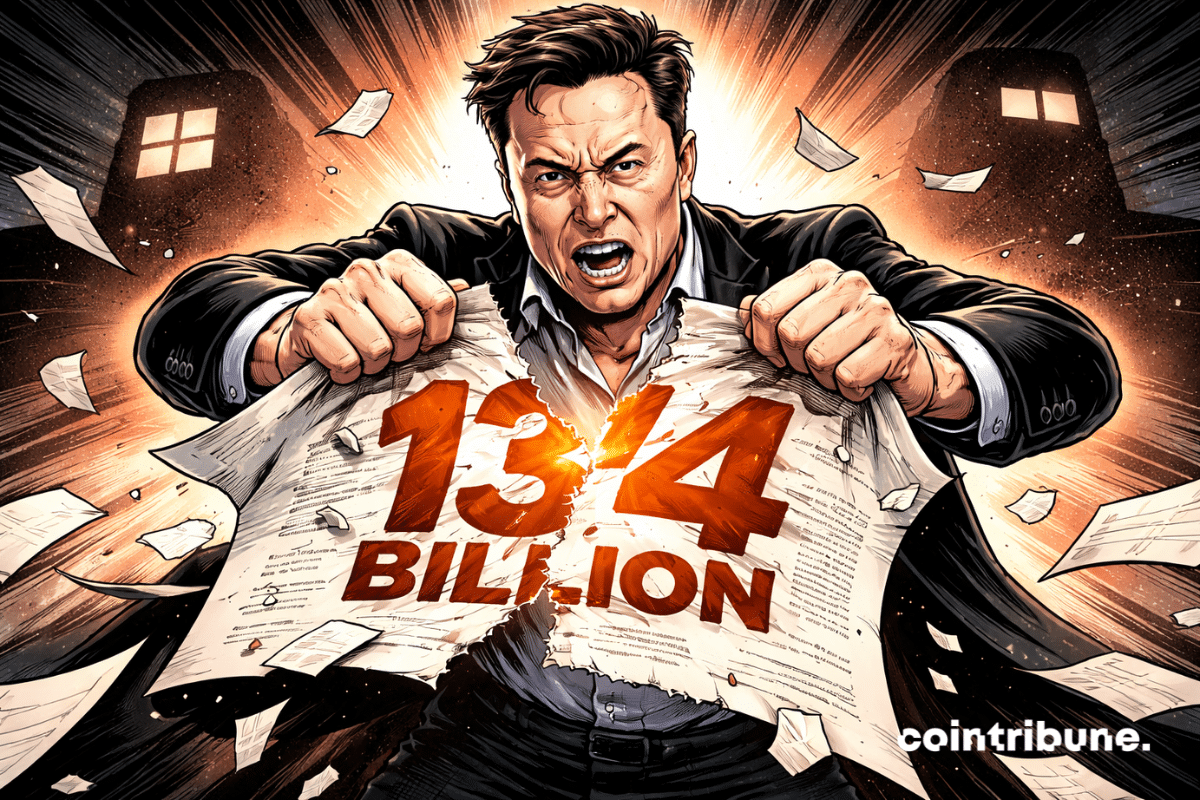
Elon Musk is seeking between $79 billion and $134 billion in damages from OpenAI Inc. and Microsoft. He alleged that the companies misled him about the future of the artificial intelligence firm he helped establish. Court filings indicate the lawsuit could become one of the most significant legal battles in the rapidly evolving AI industry.