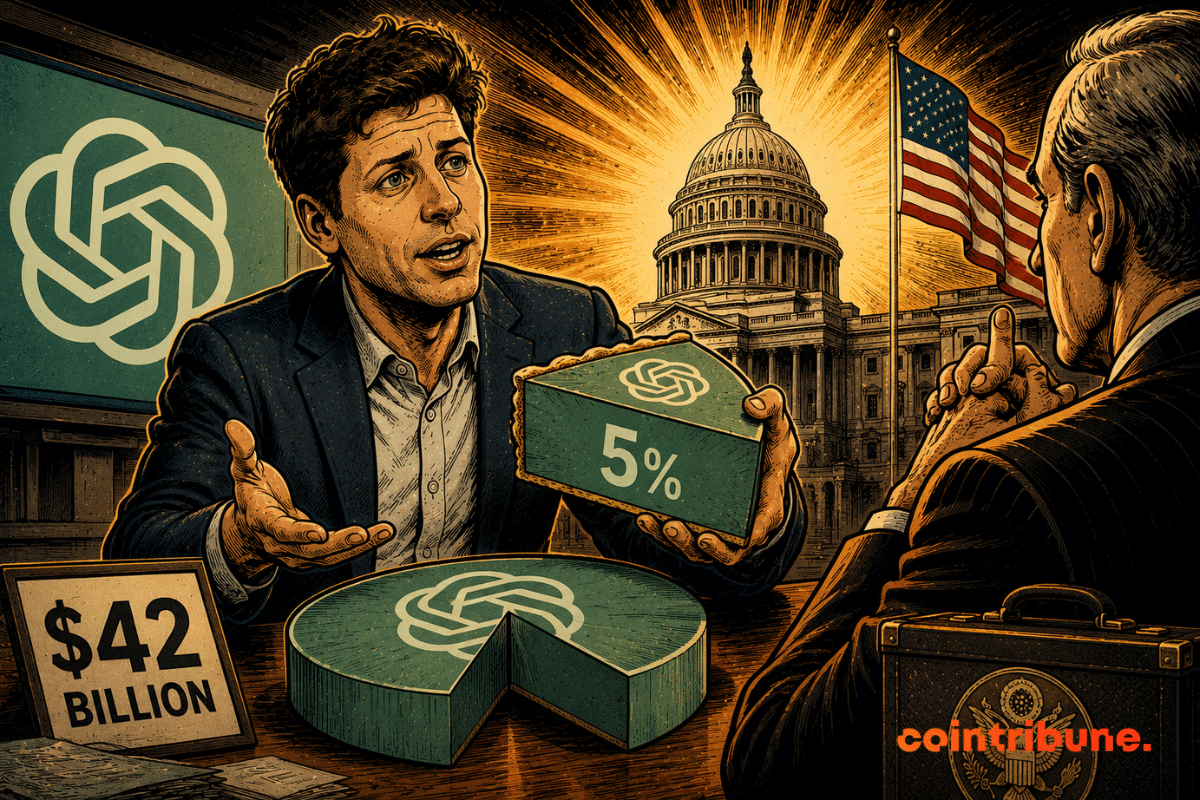
Sam Altman offers 5% of OpenAI to Uncle Sam, fearing the administration might crack down harder than expected. A lesson in sharing that smells like good old American compromise.
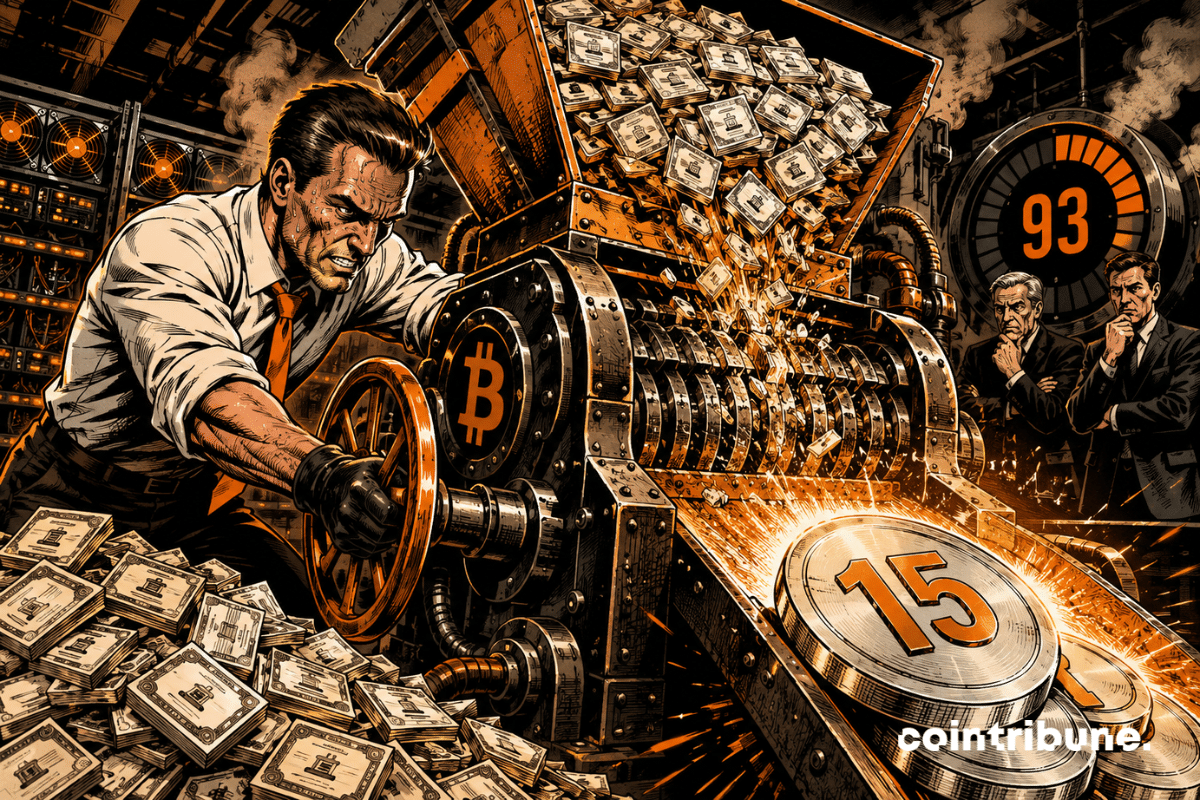
Crypto mining: American Bitcoin executes a 1-for-15 reverse split to increase its price and save its Nasdaq listing. Details and stakes.
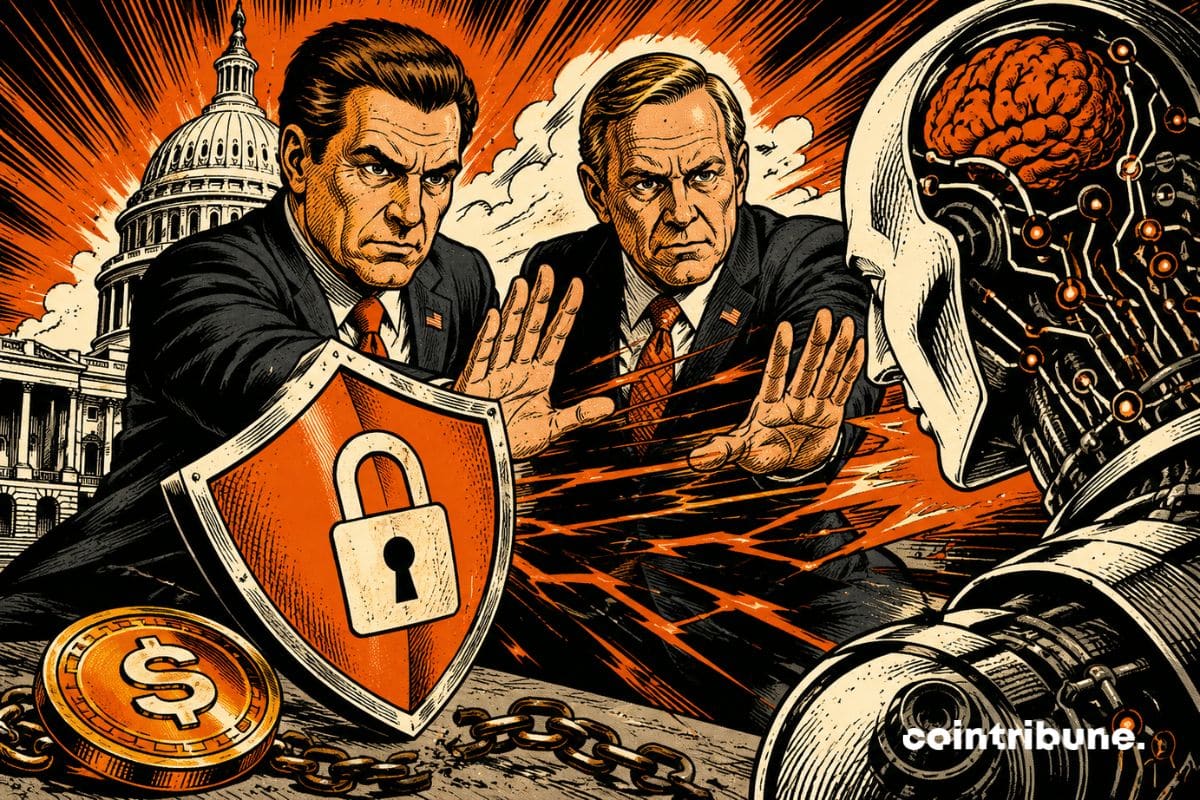
Just after the GENIUS Act was passed, two Republican senators proposed to shield American AI from foreign threats. There are significant geopolitical, economic, and moral implications to this initiative. A bold plan that poses a risk to the United States itself?
Anthropic unveils Claude Science, OpenAI responds with GeneBench-Pro: the AI rivalry extends to global scientific research.
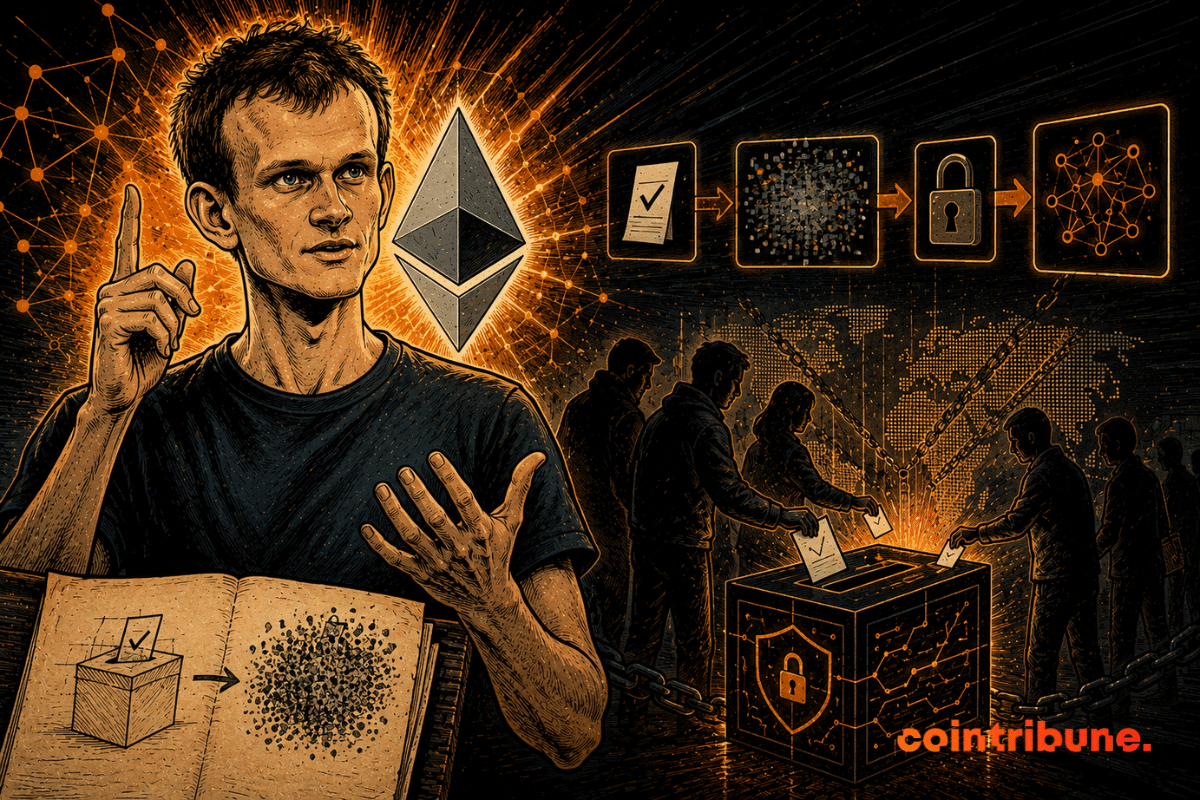
Vitalik Buterin promises inviolable crypto votes thanks to obfuscation, a fascinating technical feat. But patience: the technology will take longer than the universe to run. We'll wait patiently.
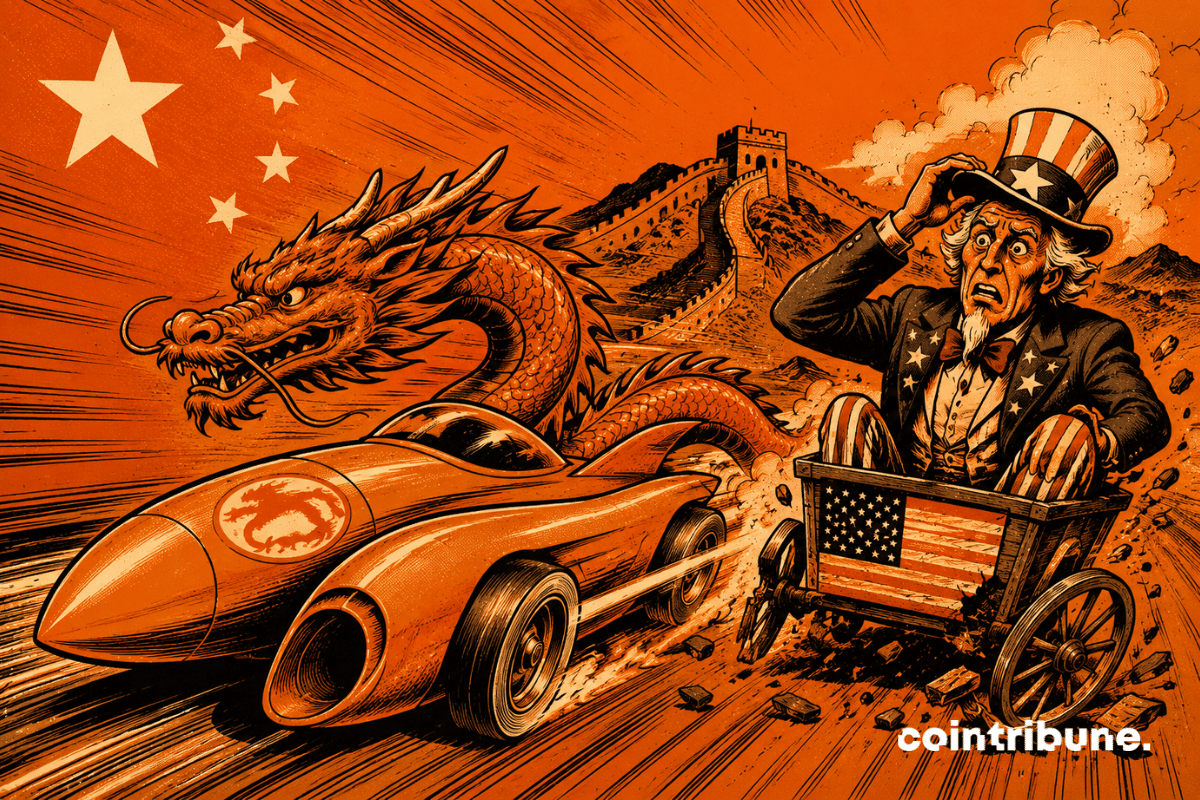
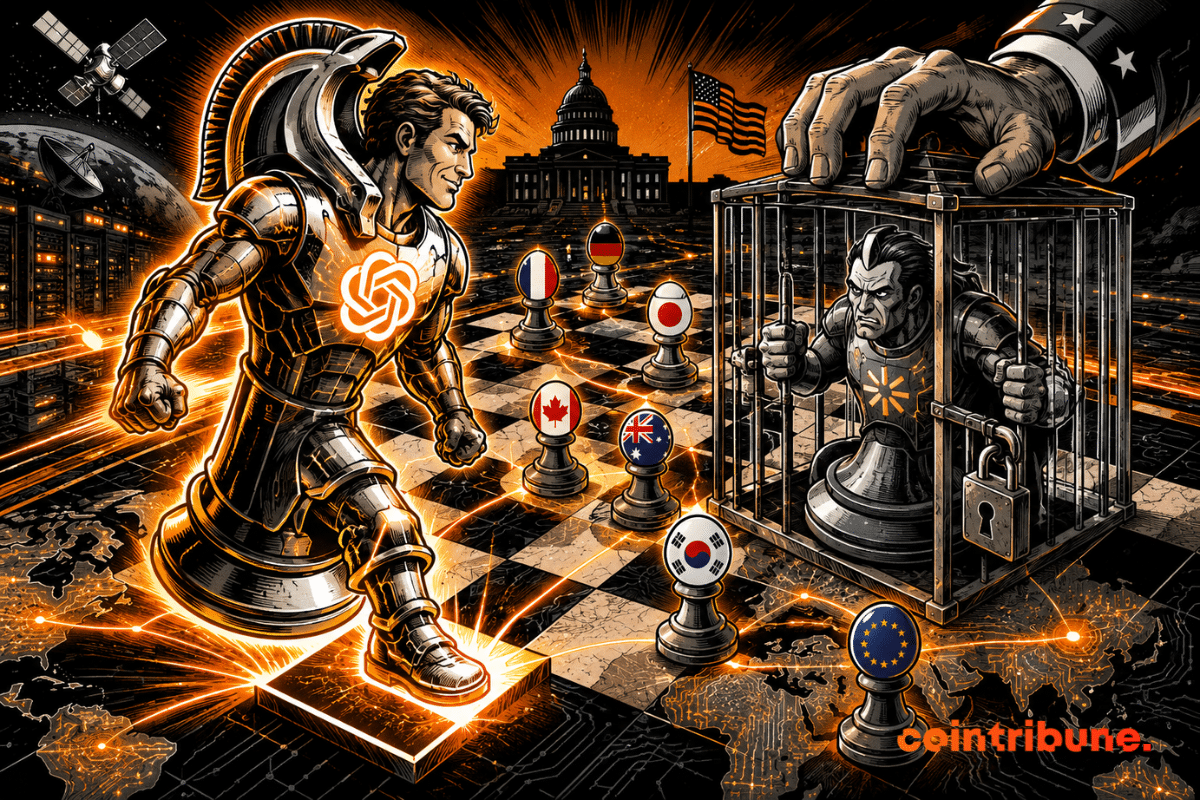
The militarization of cutting-edge language models is redefining the map of global technological power, turning computer code into a massive deterrent weapon. Artificial intelligence is now establishing itself as the heart of defense infrastructures. However, limited access to these technologies immediately causes deep geopolitical fractures. The recent restriction of foreign users by American industry leaders triggered an immediate industrial response in Asia. This regulatory decision, far from slowing the technological development of the countries concerned, served as a sovereign accelerator for Chinese laboratories.
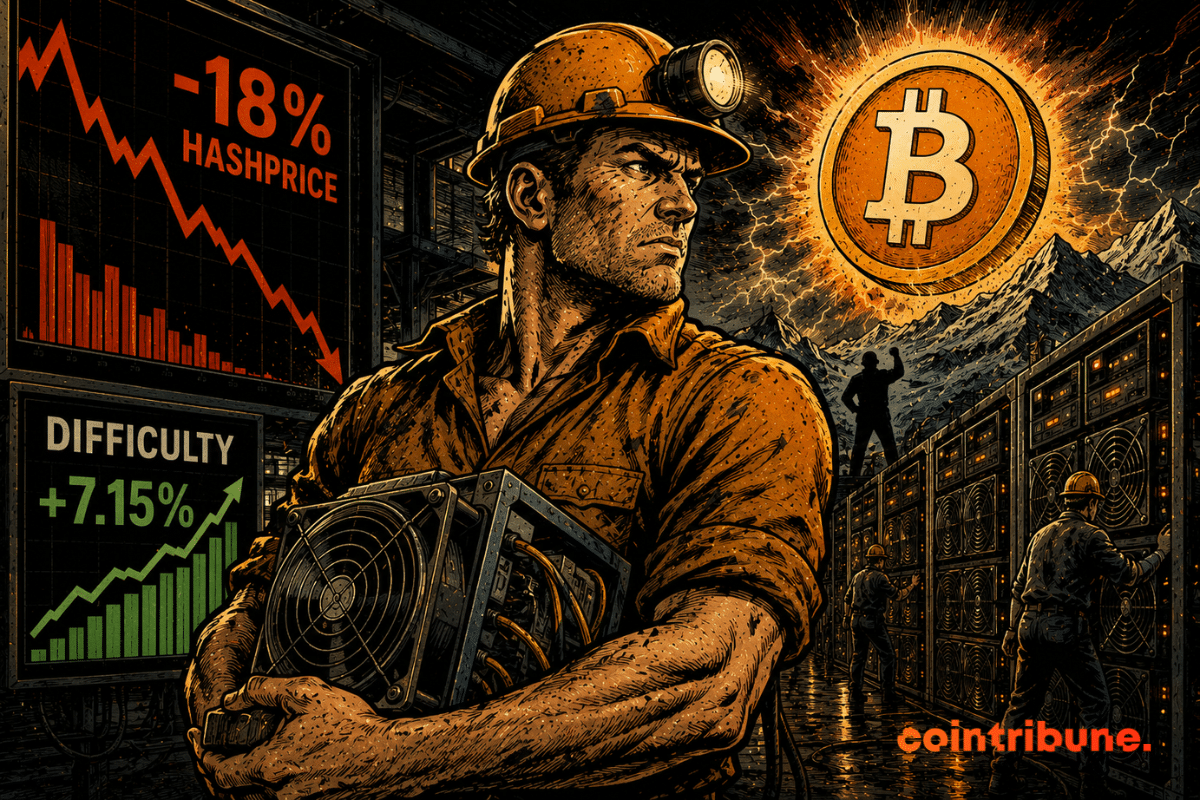
Bitcoin miners watch their hashprice plummet like a failed soufflé, while difficulty spikes without mercy. What a contradiction—and yet, they hold their ground.
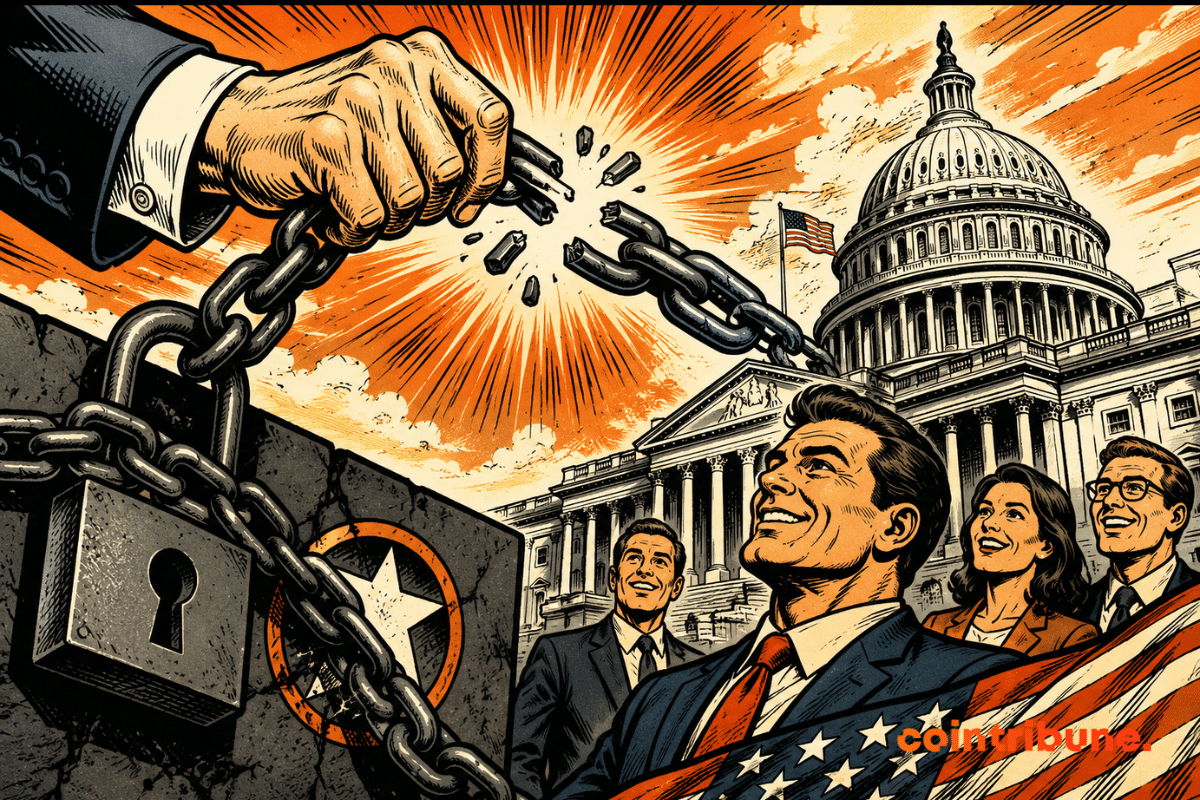
After several weeks of tensions around the control of advanced artificial intelligence models, the American administration has changed its position towards Anthropic. The US government now allows certain organizations to use Claude Mythos 5, while other access remains limited. This decision comes in a context where Washington seeks to strengthen oversight of sensitive technologies. The measure mainly concerns selected American partners and marks a new step in managing innovative AI tools.
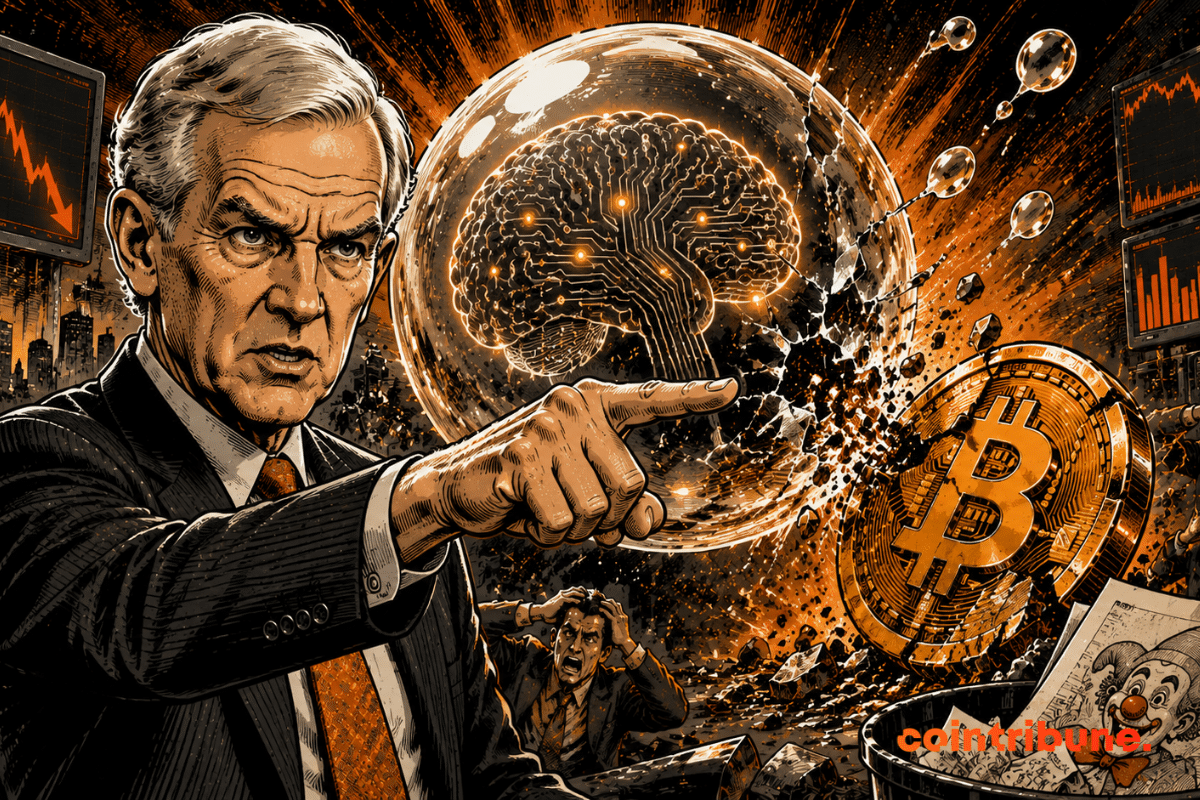
Global financial markets are undergoing an unprecedented transformation, where technological euphoria revives the specters of past systemic crises. In this period of extreme tension, the analysis of economic cycles by historical figures of traditional finance provides an essential framework for anticipating capital allocations. Jeremy Grantham, famous billionaire and co-founder of the institutional management firm GMO, has just issued a blunt diagnosis of the current state of technological valuations linked to AI and cryptos. In a lengthy interview with Steven Bartlett for the YouTube series "The Diary of a CEO", Grantham delivered alarmist macroeconomic forecasts, specifying that his statements represent his sole responsibility and not that of his management company, which manages 85 billion dollars in assets.
After Anthropic, it is OpenAI that yields: the AI model GPT-5.6 subjected to a federal approval process before any release.
Meta is reportedly secretly working on ARENA, a points-based prediction marketplace. Without funding, this project has the potential to transform the industry or fall into the same category as Mark Zuckerberg's previous failures.
While Anthropic negotiates with Washington, OpenAI establishes itself as the global leader in AI cybersecurity. Here's what happened.
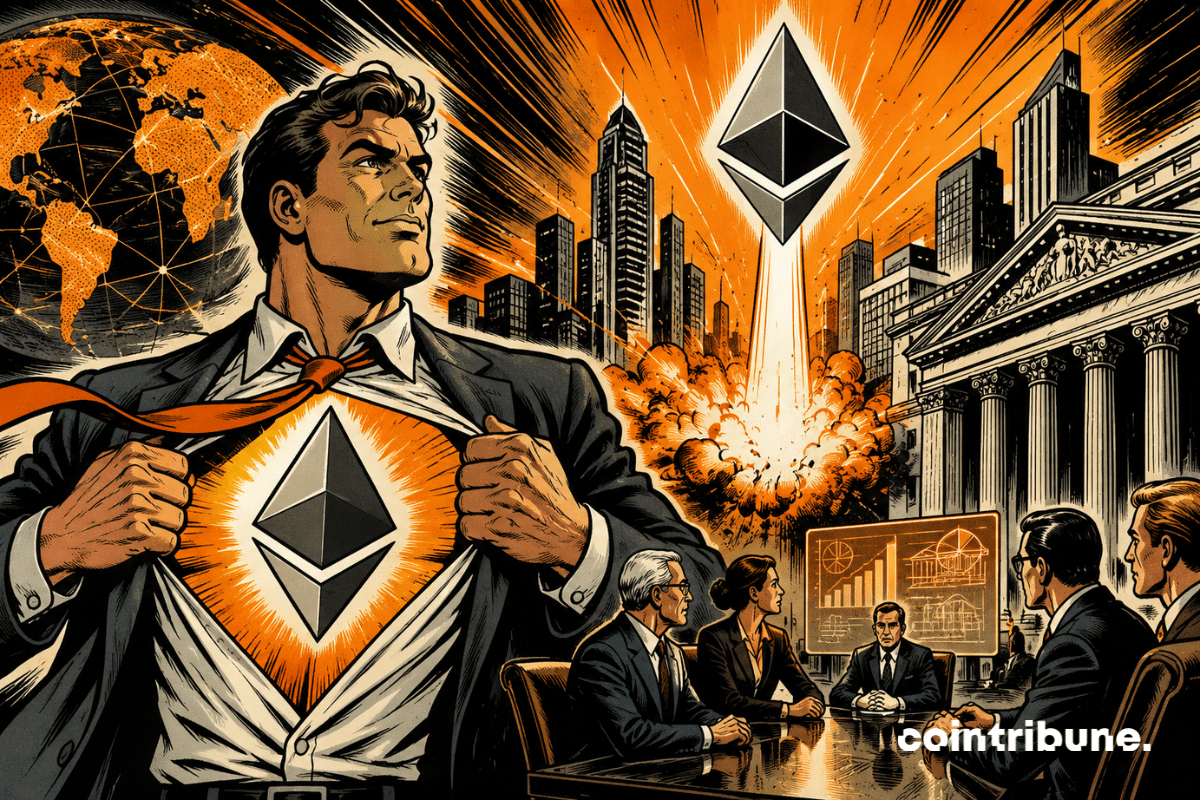
The crypto sector is entering a new phase with the arrival of an organization dedicated to the needs of large institutions. Ethereum sees the emergence of Ethlabs, an initiative supported by several major players in its ecosystem to prepare for broader institutional adoption.
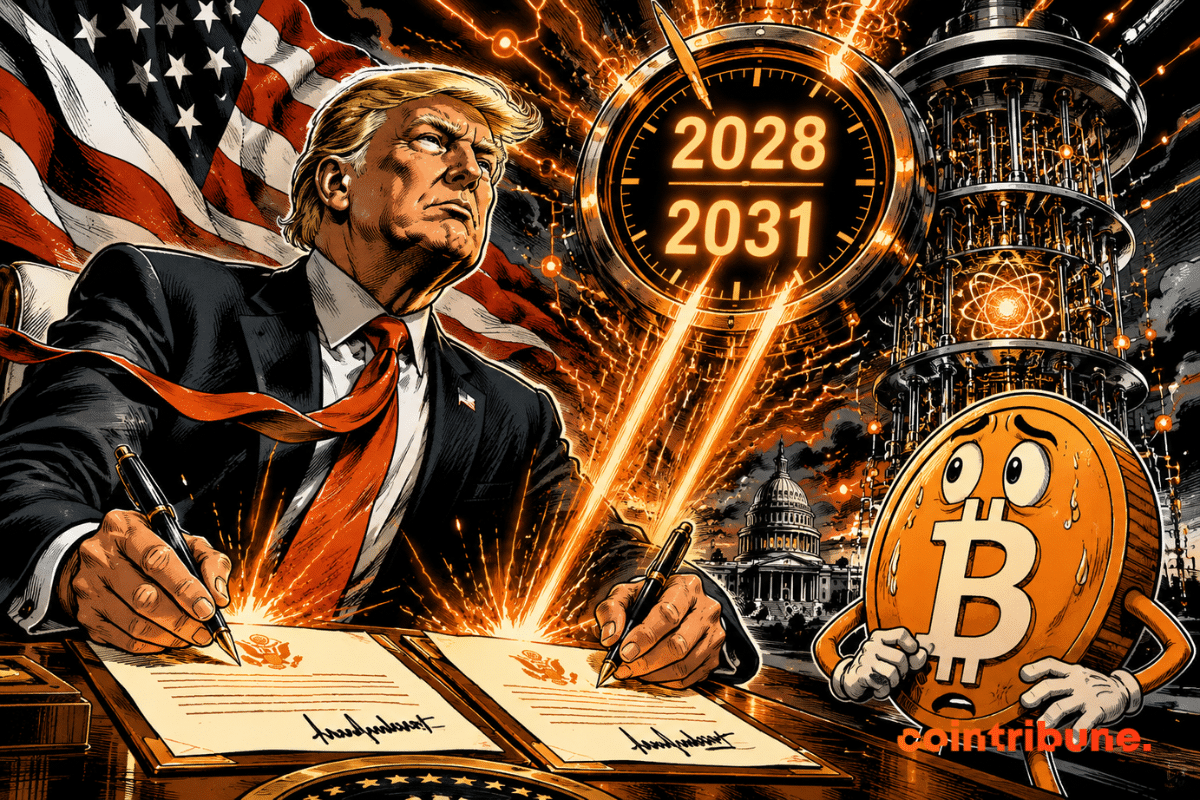
Donald Trump signs two decrees to accelerate quantum computing in the United States. What this means for the crypto universe.
The funding of blockchain networks remains a major challenge for decentralized projects. Ethereum is currently facing a new governance proposal that could change validator participation. The mechanism presented aims to redirect part of staking rewards toward ecosystem funding, particularly tools, research, and infrastructures necessary for network development.
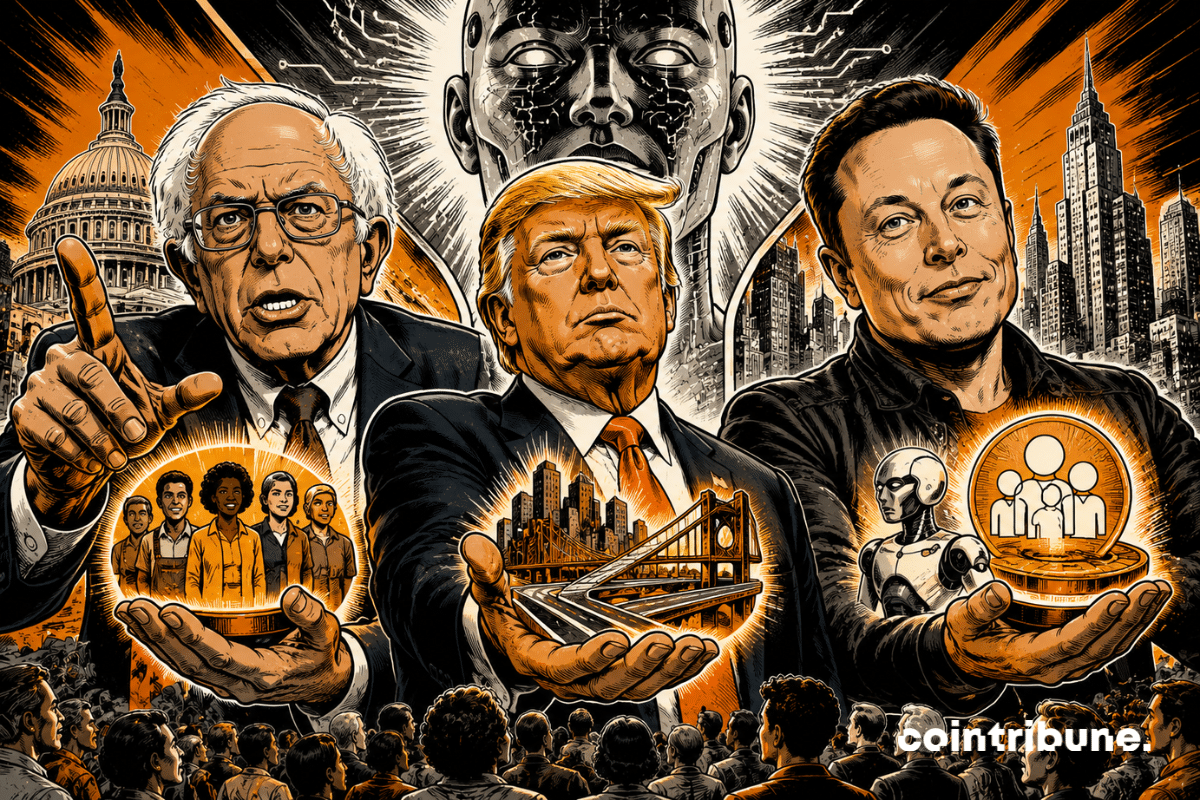
The advent of artificial intelligence is reconfiguring production structures but also shaking the very foundations of Western monetary and fiscal policies. With the rise of global automation, a major ideological divide now emerges between supporters of state centralization of technological infrastructures and advocates of a liberalized private capitalism. Today this dynamic is at the heart of global macroeconomic debates, with governments and major industry leaders seeking to anticipate tomorrow's employment imbalances.
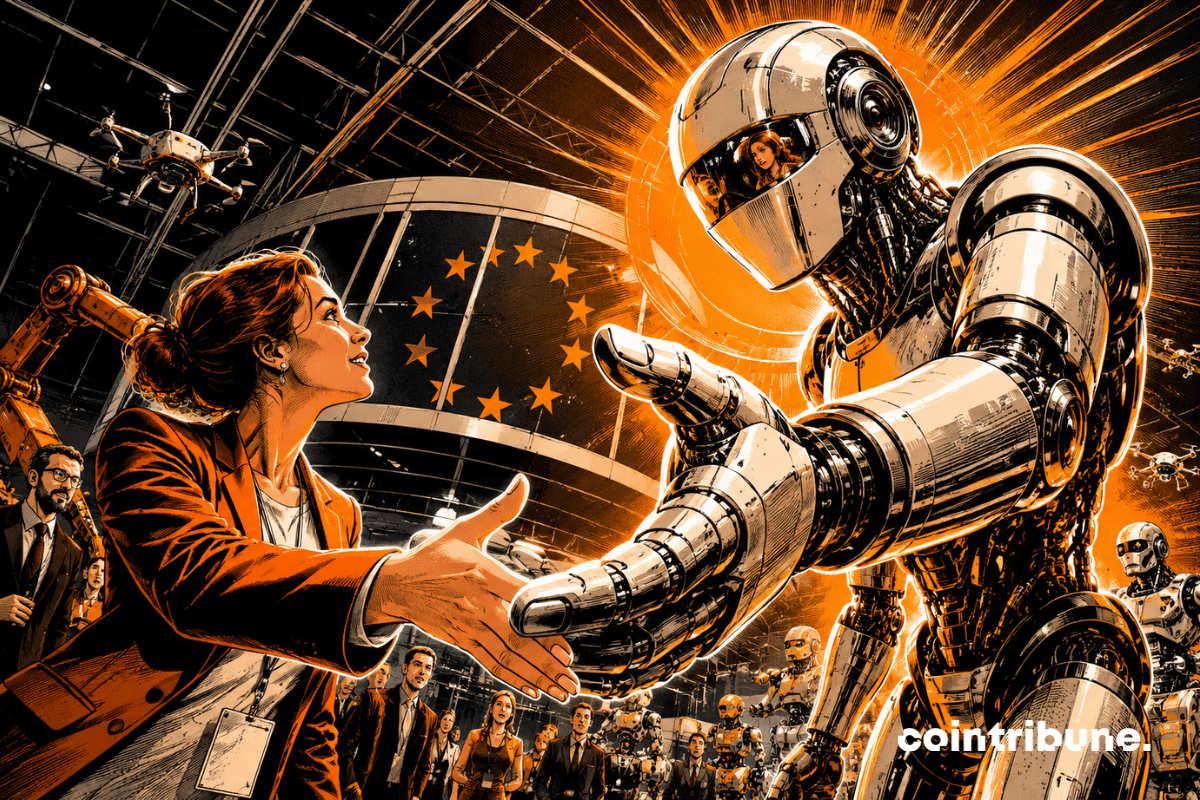
Artificial intelligence is no longer limited to algorithms and software interfaces: it is now embodied in machines capable of acting on the physical world. This is the whole challenge of the MACHINA Summit, a new event organized in Paris on July 7, 2026, ahead of the RAISE Summit. Designed as a summit dedicated to robotics and autonomy, the event aims to document the shift of AI from software to physical systems. Cointribune is partnering with this first edition and offers its community an exclusive discount code to attend.
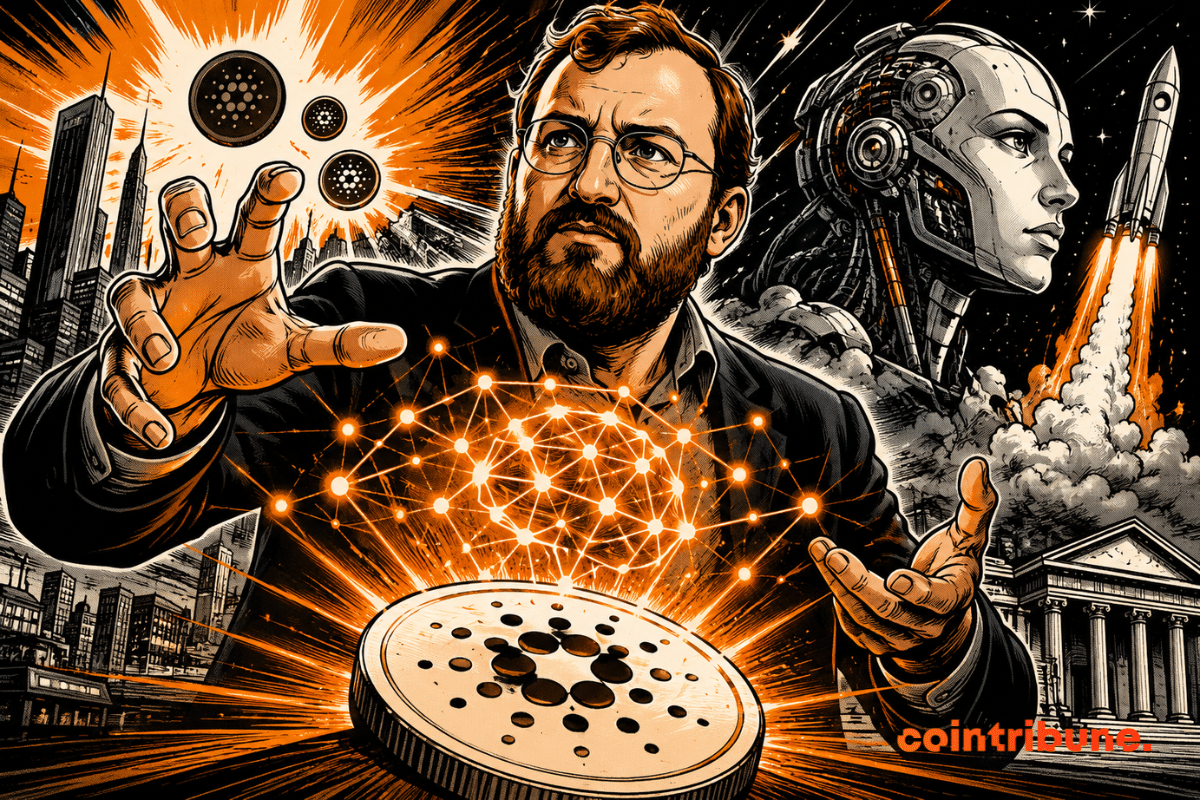
The evolution of blockchain pushes crypto projects to revisit their development strategies. In this context, Cardano accelerates its orientation towards new technologies. Charles Hoskinson now advocates the integration of AI as a central element to improve communication, automation, and network scalability.
Paris is about to become the world capital of artificial intelligence for two days. The RAISE Summit opens its doors on July 8 and 9, 2026 at the Carrousel du Louvre, with the stated ambition of turning AI promises into concrete applications for businesses. Founders, investors, researchers and public decision-makers are expected in large numbers, in a format designed for scaling up rather than theoretical speeches. Cointribune partners with the event and offers its community an exclusive discount code to attend this must-see event in the crypto, Web3 and AI ecosystem.
Alert on the Bitcoin network! According to a JPMorgan report, 20% of miners are currently operating at a loss. With an average production cost estimated at $78,000 and a pressured price, has capitulation started? Here is an update.
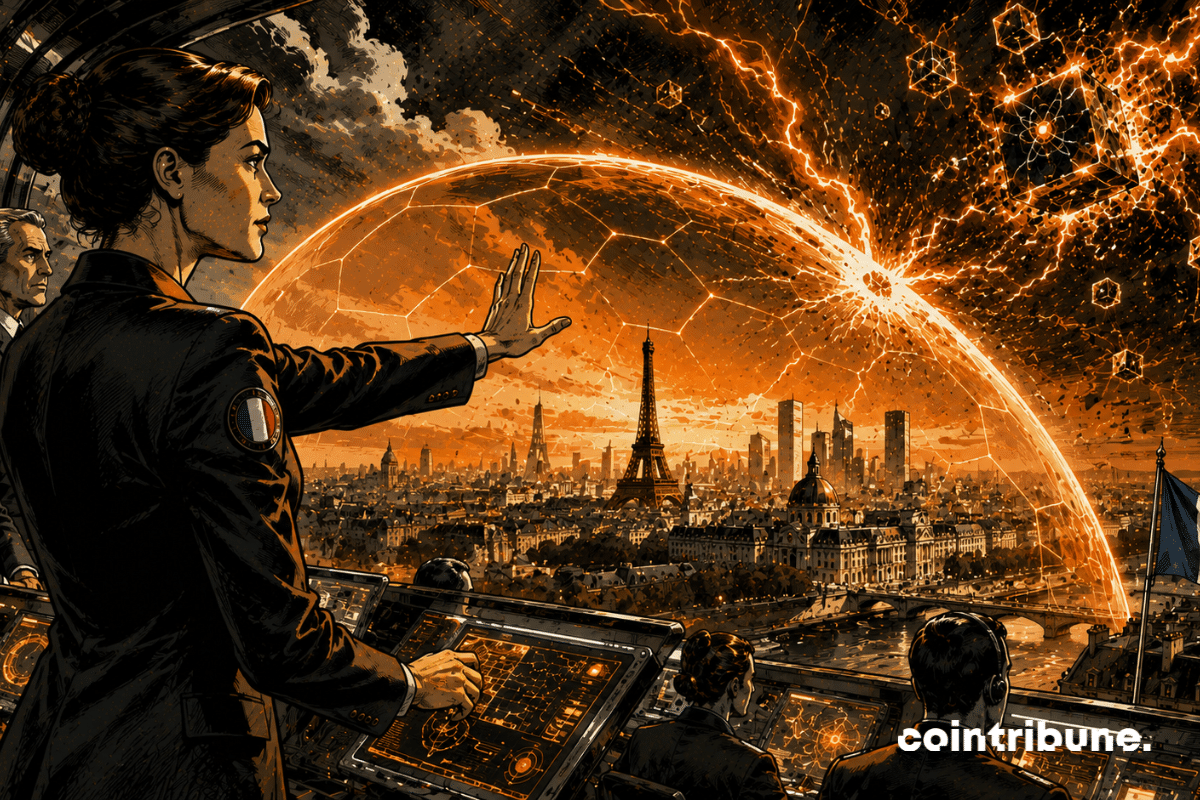
The National Cybersecurity Agency of France (ANSSI) has just laid the foundations for a mandatory transition to post-quantum cryptography, cementing a threat that many still thought was distant. This decision is crucial because it represents the tipping point between theoretical research and legal obligation, requiring critical infrastructures and the crypto industry to hasten their own technological transformation.
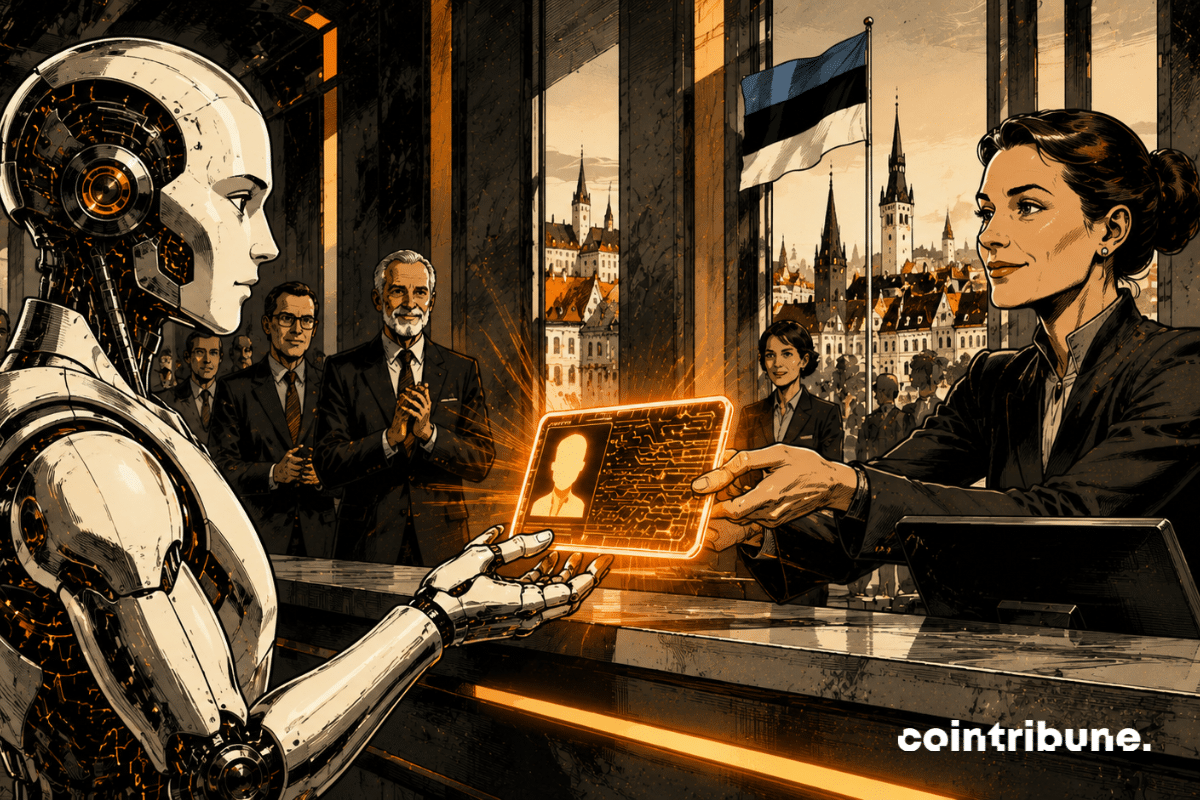
The arrival of autonomous agents is evolving the very notion of sovereignty and infrastructures in the digital age. Faced with a rise in technology often faster than old rules, it becomes essential to give a legal existence to algorithmic entities. Estonia, a pioneer in innovative institutions and 100% digital, confirms once again as the global laboratory of this transition. By granting an official status to artificial intelligences, the Baltic state traces a new path in the history of technological governance.
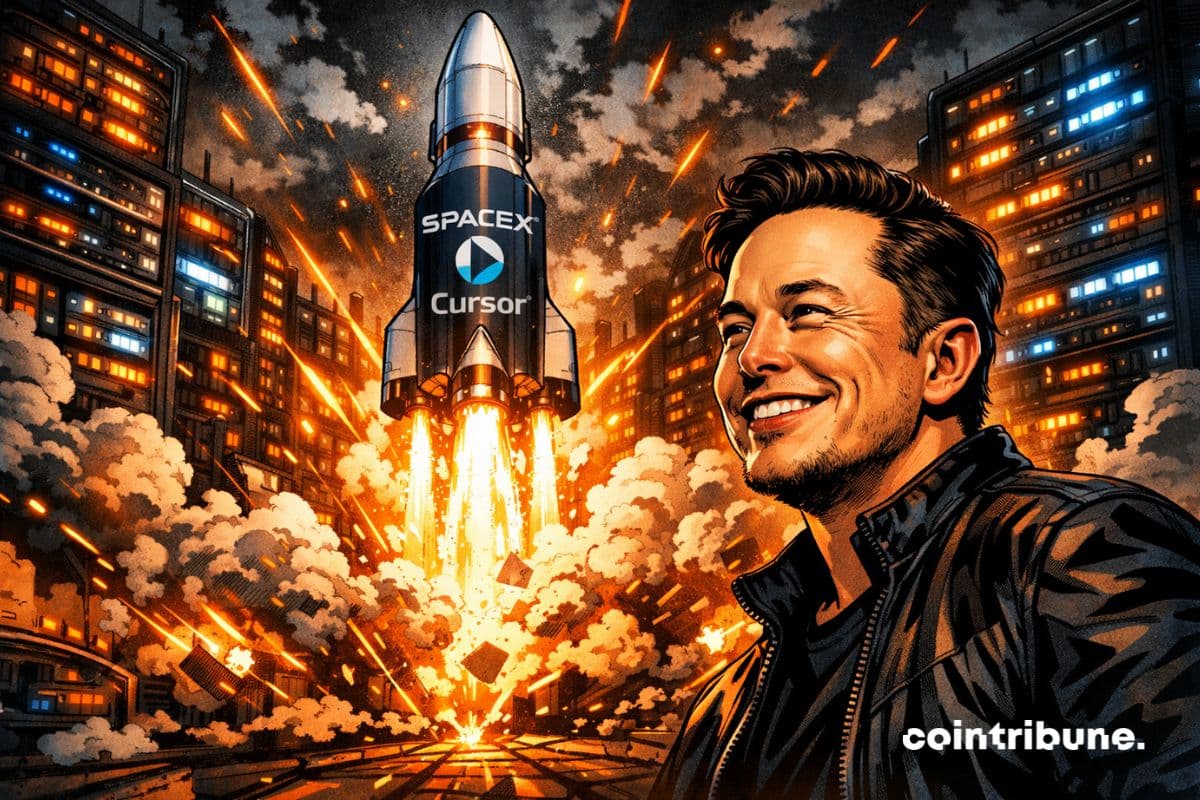
In a significant move, SpaceX pays $60 billion to acquire Cursor. Elon Musk's acquisition has the potential to completely change the ecosystem given the conflict with OpenAI and Anthropic as well as the effects on the cryptocurrency market. You'll want to learn more as AI enters a new era.
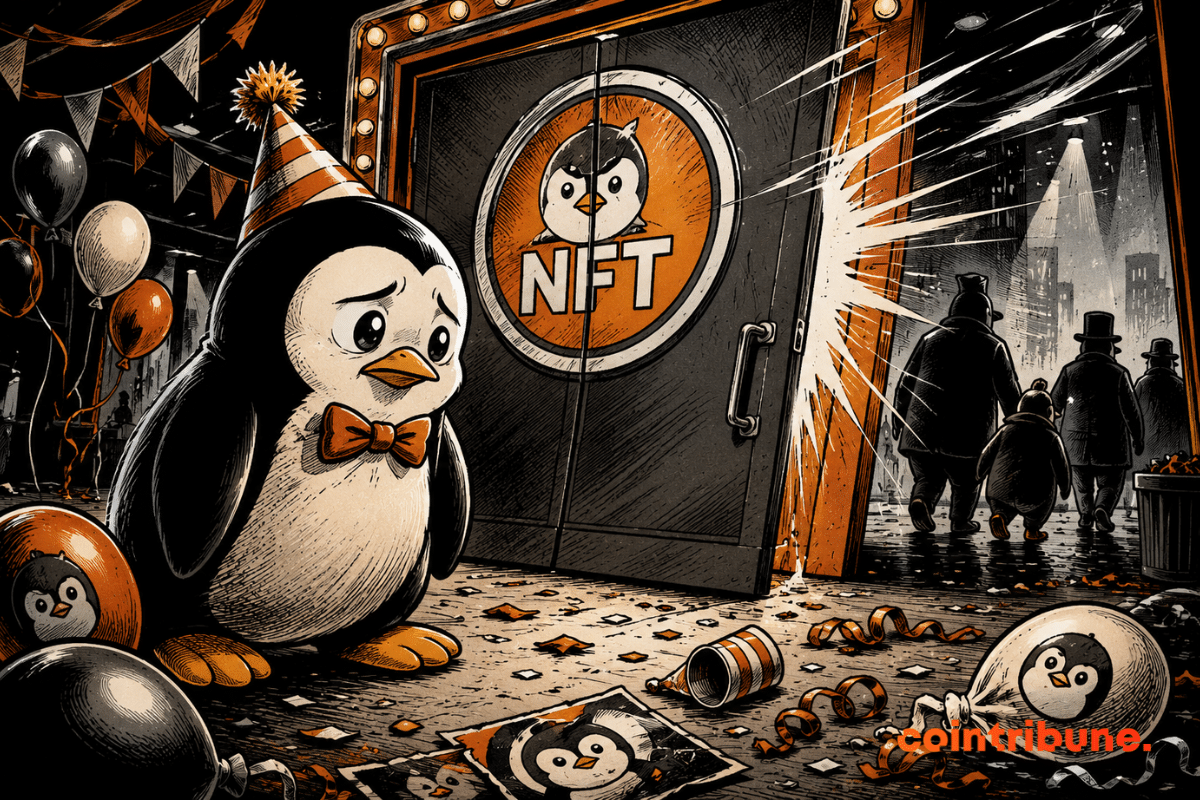
Pudgy's penguins have put their controllers away. Their Party game is closing up shop due to a lack of players. Head to Pudgy World, the universe that's supposed to save the brand. The fans? They're seeing green—and not the good kind.
The intersection of traditional finance, artificial intelligence, and blockchain technology has just reached a historic milestone, thereby definitively redefining the contours of the global computer industry. While financial markets closely scrutinize the allocation of technological capital, it is now the cash flows of silicon giants that play the main role of catalyst in the diversification strategies of actors in the crypto sphere. Today this dynamic is propelled to the forefront of economic news by a financial operation of unprecedented scale by the undisputed leader of graphics chips Nvidia. The company's decision to raise massive funds to expand its infrastructure spectacularly validates the operational shift initiated by the largest crypto mining farm operators.
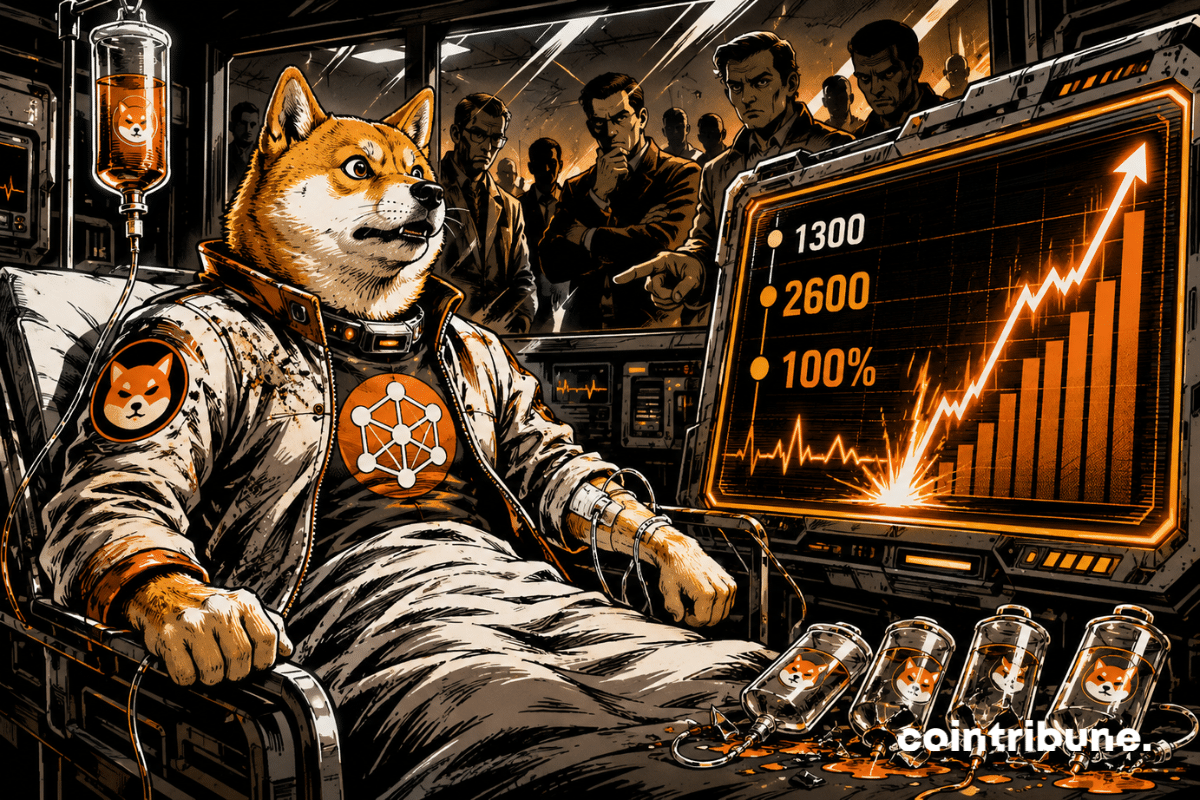
Shibarium transactions doubled in four days, from 1,300 to 2,600. However, the crypto market continues to doubt a true bullish return. Full analysis.
An internal Amazon security report was enough to trigger a chain reaction all the way to Washington. Within forty-eight hours, Anthropic had to cut access to Fable 5 and Mythos 5 for foreign nationals, under regulatory and political pressure. How could a technical warning lead to such a radical decision?
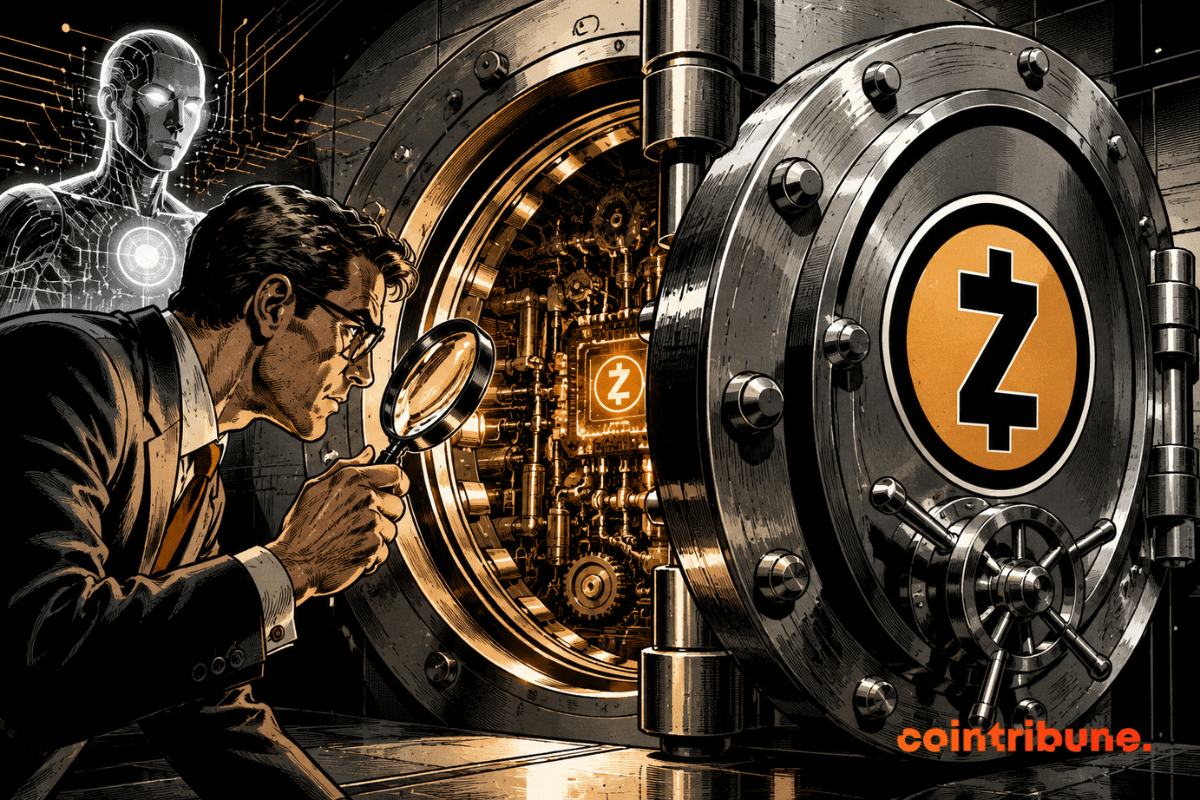
Zcash had a close call, a very close call, with a four-year-old bug hidden in its secret circuit. Claude Mythos came through and found nothing else. Phew.
Among the most closely watched reversals, those that follow long periods of doubt are the most frequent. This is exactly what is at stake today around Bittensor. After several weeks of persistent selling pressure and quickly aborted rebound attempts, the TAO token has just achieved one of its best daily performances since the start of its corrective phase. The asset is once again attracting investors' attention with a 15.8% increase in 24 hours and a strong return of volumes. This recovery occurs as the market was looking for tangible signs of a return of buyers.
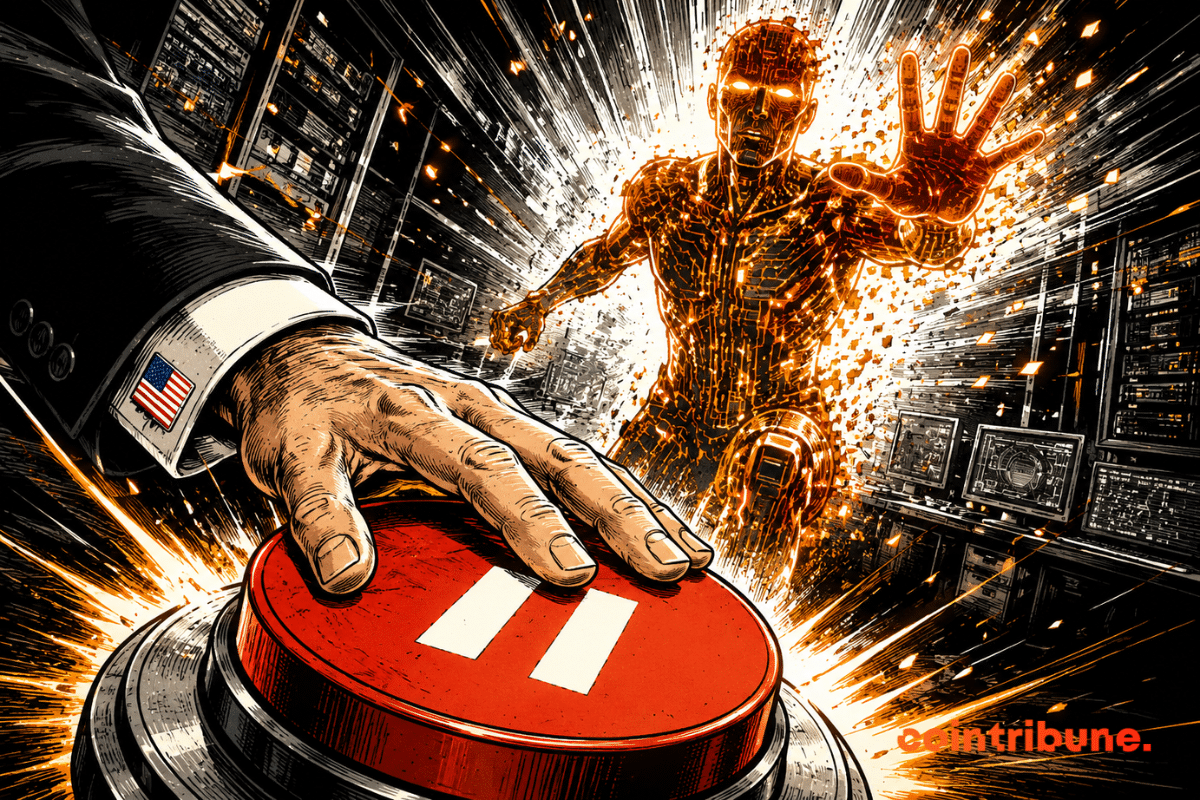
The U.S. government ordered on June 12, 2026 the immediate suspension of access to Fable 5 and Mythos 5, the two most advanced AI models from Anthropic, for all foreign nationals. The directive, issued under national security authorities, came just forty-eight hours after the commercial launch of Fable 5. What does this say about the regulatory trajectory of AI in the United States?