The crypto market keeps suffering. While bitcoin resists more or less, altcoins are collapsing. And CryptoQuant's data is unequivocal: this drop could well be the worst of the entire cycle.
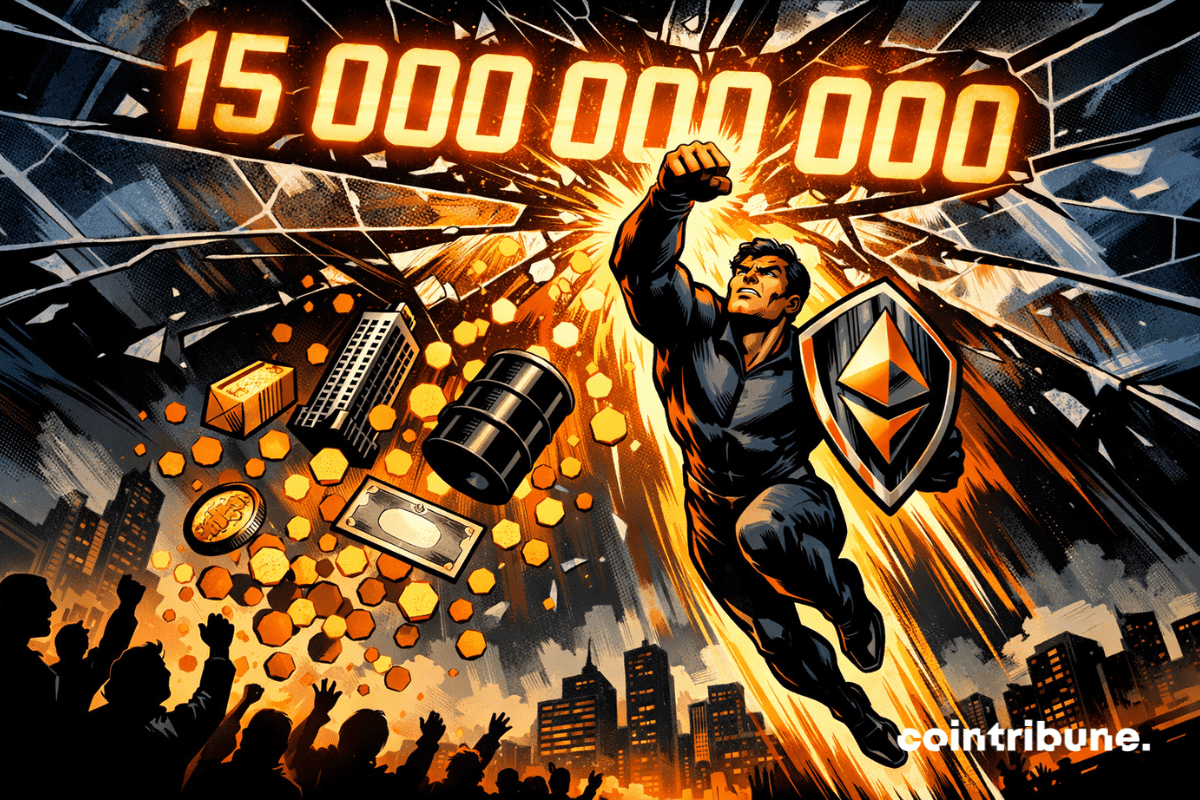

Tokenized real assets on Ethereum now exceed 15 billion dollars, largely driven by the rise of tokenized gold. Behind this figure, a deeper movement is visible. Crypto no longer just "creates tokens." It begins to package traditional assets in a 24/7 usable, transferable, and divisible format. And Ethereum establishes itself as the main track.
The $1 threshold is once again a point of vigilance for XRP. According to data from the derivatives markets, up to $650 million in positions could be exposed if this technical level is breached. Indeed, the charts indicate a weakening of the price structure and suggest a possible drop below this symbolic support. The market is entering a decisive phase where the technical momentum could quickly intensify.
Tom Lee's ether treasury company is not slowing down. Bitmine Immersion Technologies has just announced a massive purchase of ether, consolidating its position among the largest institutional holders of the world's second largest crypto. A strategy that raises questions and comes at a time when Ethereum is showing signs of awakening.
90% losses. Cardano's record is brutal. ADA is trading today around $0.27, far from its all-time high of $3.10 reached in September 2021. However, its founder Charles Hoskinson refuses to give up. He promises a comeback. Crypto markets, meanwhile, are still waiting to be convinced.
Shiba Inu heads into the weekend under mounting pressure. On-chain data shows that more than 531 billion SHIB flowed into exchanges over the past 24 hours—a figure well above recent norms. The surge tilts short-term control toward sellers. With technical signals weak and weekend liquidity thinning, downside risks are increasing.
Centralized crypto markets are under sustained pressure amid ongoing spot trading contraction. For five consecutive months, volumes across major exchanges have declined, signaling weaker participation and a clear reduction in speculative appetite. A large liquidation event in October accelerated this slowdown, impacting both spot and derivatives markets. Although January saw a brief rebound, overall activity remains far below prior cycle highs.
Ether is going through a lean period. After a plunge of more than 31% in one month, the second largest crypto in the world seems doomed to stall. And according to a leading analyst, this lull could last.
The UNI crypto soars 15% in 24 hours after a major vote on the fee switch. DeFi is scaling up. All the details here!
Shiba Inu has just sent a signal on the memecoin market: a price rebound that does not restart the derivatives machine. Over 24 hours, SHIB gains, but open interest falls, a sign of a shrinking appetite where conviction is measured fastest. In other words, the spot breathes while futures positions close.
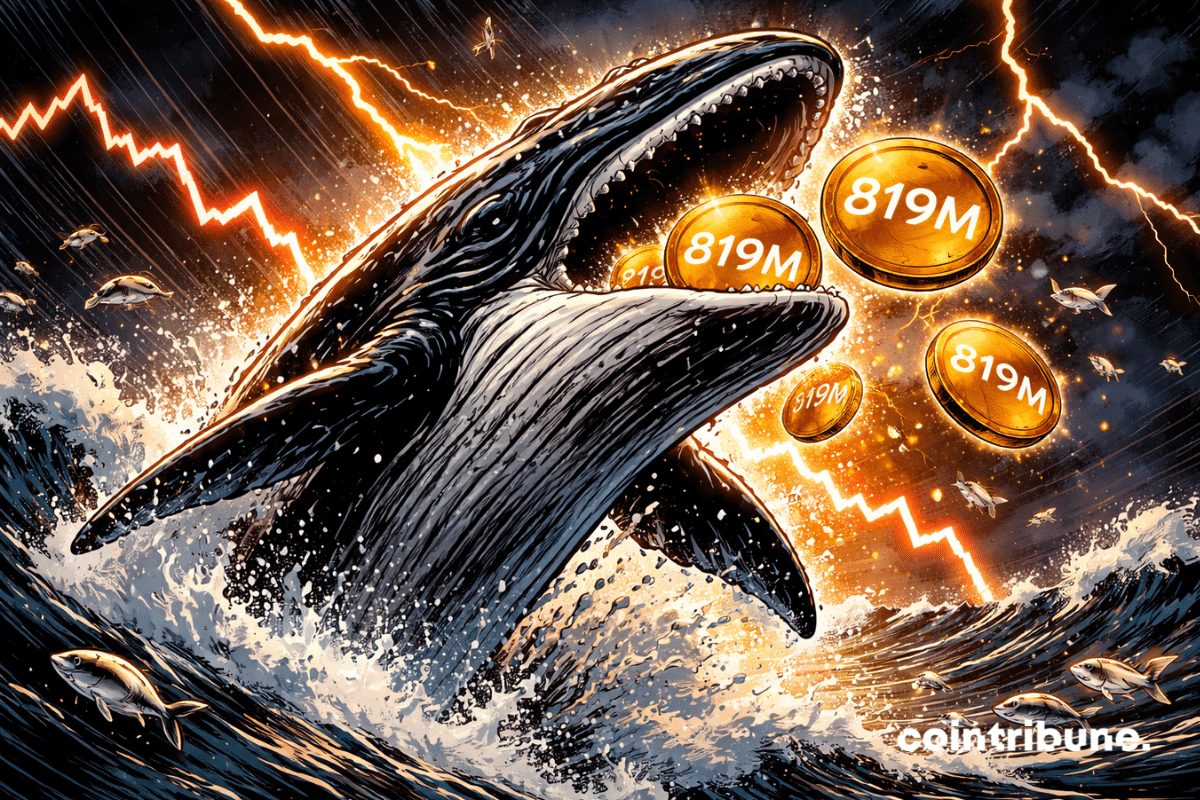
Large ADA holders have quietly accumulated 819 million tokens while prices fell, signaling potential upside amid a bearish trend.
In the middle of a 5% drop over 24 hours, nearly 96 million XRP were transferred between two unknown wallets, according to on-chain data. Spotted by Whale Alert, this massive transaction occurs in a context of increased pressure on the asset. Technical coincidence or a signal to watch? The operation's timing rekindles questions about the XRP dynamics.
XRP struggles under bearish pressure as whales move millions to exchanges, keeping a drop below $1 on the horizon.
The price of the Shiba Inu crypto seems to particularly attract the attention of analysts. Behind the fantasies of a 1 $ SHIB, a more significant figure indeed stands out. It is its market capitalization reaching 3.6 billion dollars. According to crypto experts, this figure changes everything. Explanations.
XRP has just triggered a signal that the market had not observed since 2022. Within a week, the token dropped by about 4% while on-chain data revealed nearly $1.93 billion in realized losses, an unprecedented level in nearly four years. This shock reflects a wave of massive selling. Is this a capitulation signaling a bottom, or a new warning in a still unstable macroeconomic environment?
Ethereum is refocusing on its base layer, pushing key upgrades to boost security and long-term resilience.
The big fish are emptying their pockets on Binance. The whale ratio soars to 0.64. Meanwhile, small holders watch their altcoins sink. Nice!
The post-election rally in the US was short-lived. Less than a year after the November 2024 presidential election, the crypto market has erased almost all the gains accumulated in its wake. Driven by a spectacular surge in altcoins, the sector peaked in October 2025 before sharply giving up ground. Since this peak, capitalization has fallen by about 40%, ending a bullish momentum that seemed firmly established. The electoral cycle ultimately did not fulfill its promises.
Ethereum is attempting to stabilize after heavy weekend selling, but confirmation of a durable bottom remains elusive. While price action has cooled following Sunday’s drop, the broader market structure still reflects a corrective phase rather than the beginning of a sustained uptrend. Meanwhile, momentum remains subdued, and derivatives positioning suggests the recent bounce was largely driven by short-term reactions rather than fresh accumulation.
Warning signals are multiplying around Solana. While SOL struggles to stabilize above a key technical threshold, derivatives market data show a clear retreat of bullish positions. Meanwhile, on-chain activity is slowing down and network revenues are eroding. As the 80 dollar level, now closely watched by investors, approaches, the question is no longer about a simple technical rebound, but about the very solidity of market support.
The bet "Ethereum on the Stock Market" has just lost its loudest sponsor. Peter Thiel and entities linked to Founders Fund have sold their entire stake in ETHZilla, according to a 13G filing with the SEC.
Memecoins were dying. Pump.fun got scared. No more parasitic creators, room for traders. Cashback galore. Volumes soar, millionaires cry. The circus continues.
Despite its removal from many platforms, Monero continues its growth. Transactions remain stable and darknet usage is booming, confirming its unique role in privacy-focused cryptocurrency.
For a long time, paying high fees on Ethereum symbolized security and prestige. But the market follows usage: in recent days, Polygon has generated more daily fees than Ethereum. This is not just a statistical anomaly, it is a concrete signal of activity shift and a question about the real evolution of crypto demand in 2026.
A whale just withdrew 19,820 ETH from exchanges, worth over 40 million dollars in a single transaction. This spectacular move confirms a strong trend: investors are betting on an imminent explosion in Ethereum's price!
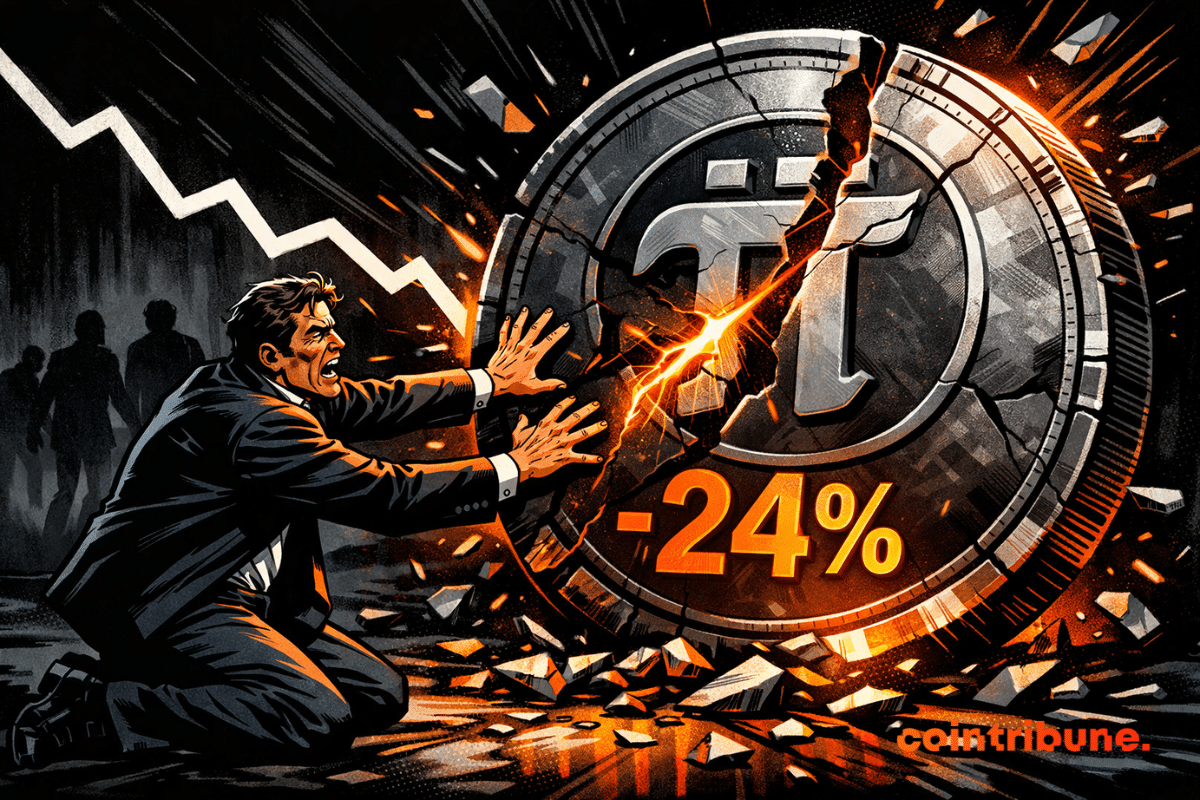
The crypto Pi Network is going through a critical zone. Its token Pi Coin loses 24% in one day. Analysis of a concerning signal.
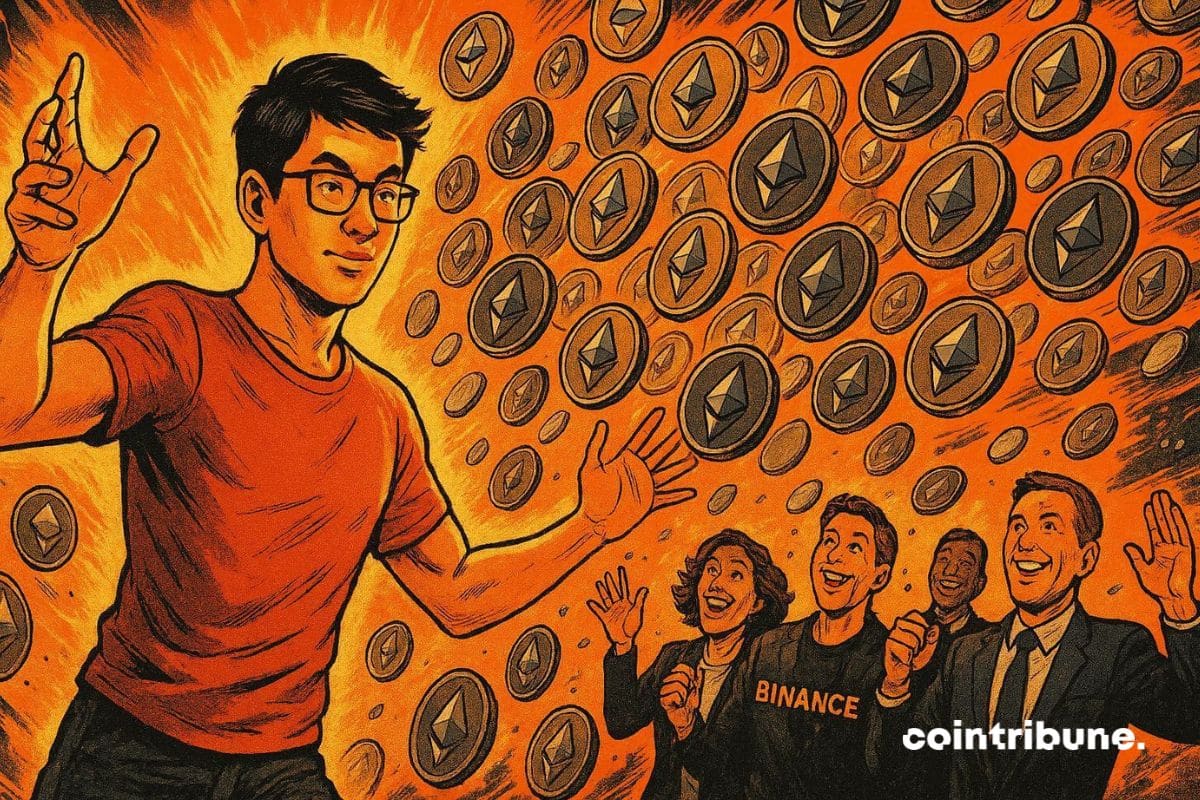
A massive deposit of 260,000 ETH on Binance in record time shakes the crypto market. Garrett Jin, a historic figure of Bitcoin, could be behind this move? Between selling pressure and whale accumulation, Ethereum is at a decisive turning point.
Memecoins have faced heavy selling pressure over the past month, reinforcing the view among many traders that the sector’s best days are over. Social media sentiment has turned sharply negative, and market participants are increasingly writing off meme tokens as a failed trend. However, crypto analytics firm Santiment argues that such widespread pessimism may signal a potential reversal rather than a permanent decline.
The session tastes more like a "breather" than a victory. Yes, Aster, Hyperliquid, and Hedera jumped, and yes, the total crypto market capitalization timidly goes back into the green. But this rebound looks more like a market catching its breath after bad macro news than a real regime change.
Crypto ETFs were supposed to mark the definitive entry of institutional investors into the ecosystem. A few months later, the reality is more mixed. While the market tries to identify a bottom, a clear gap is widening between bitcoin and Ethereum. The latest figures show that ETH ETF holders find themselves in a significantly more exposed position than their counterparts invested in Bitcoin ETFs. An imbalance that raises questions about the relative strength of the two assets during this correction phase.