Niantic recycles images from Pokémon GO to power a mapping AI capable of guiding delivery robots with remarkable precision.
The crypto market is regaining color, and it is the tokens linked to artificial intelligence that are leading the dance. In 24 hours, the AI sector jumped 5 %, raising its total capitalization to 15.1 billion dollars. A recovery that is no coincidence.
The most celebrated French researcher in the world has just succeeded in one of the most spectacular fundraising rounds in European AI. Behind this success, a radical ambition: to turn away from ChatGPT and chatbots to build an artificial intelligence that truly understands the world. But how far can this vision go?
AI has just crossed a strange frontier. Cortical Labs claims to have connected living human neurons to a silicon chip, with the ambition of creating a new form of computing, halfway between the classical machine and biological tissue. This is not just a gimmick. It's a serious avenue towards more sustainable, more flexible computing, and potentially more bewildering than anything the industry has shown so far.
The co-founder of Ethereum had never expressed things with such frankness before. In a message that immediately sparked a reaction from the crypto community, Vitalik Buterin publicly acknowledges the limitations of his own creation. Behind this unexpected mea culpa lies a vision much more strategic than it seems.
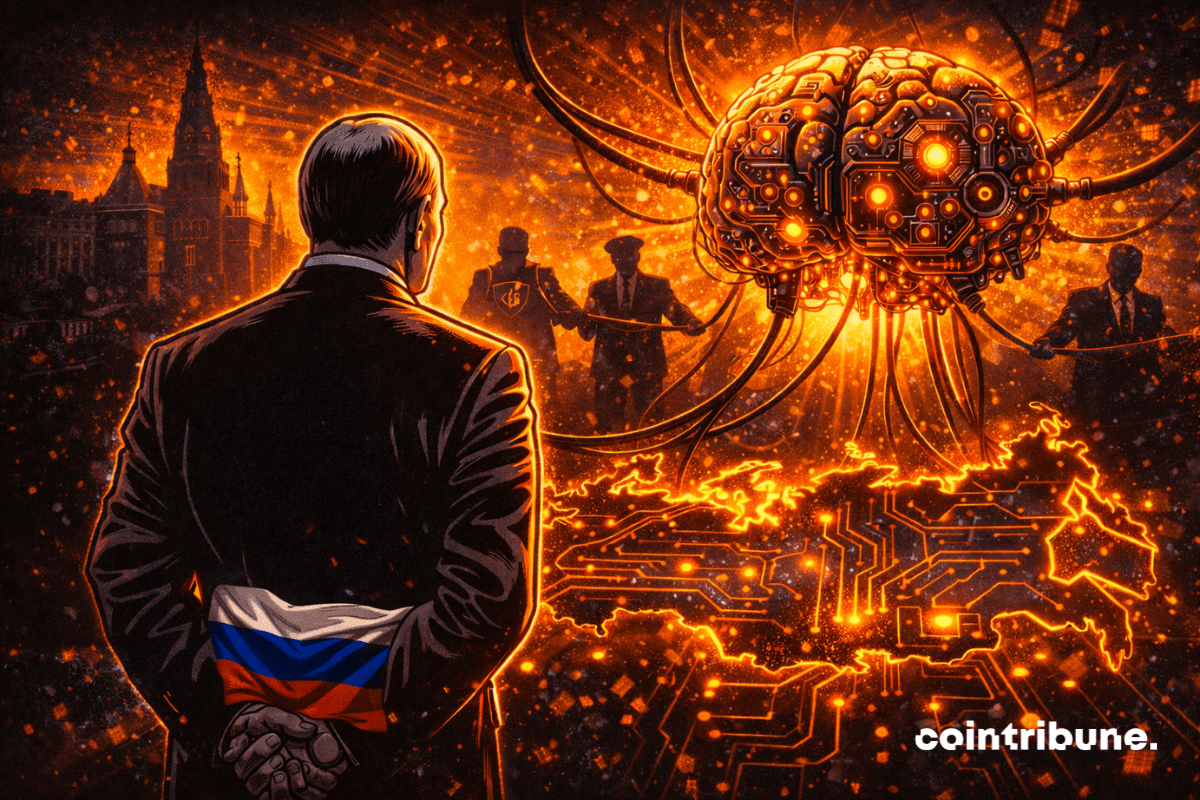
Putin wants an AI of his own, pure and hard. His engineers tinker with made in USA copies. Meanwhile, Moscow floods Europe with deepfakes. Masterful art.
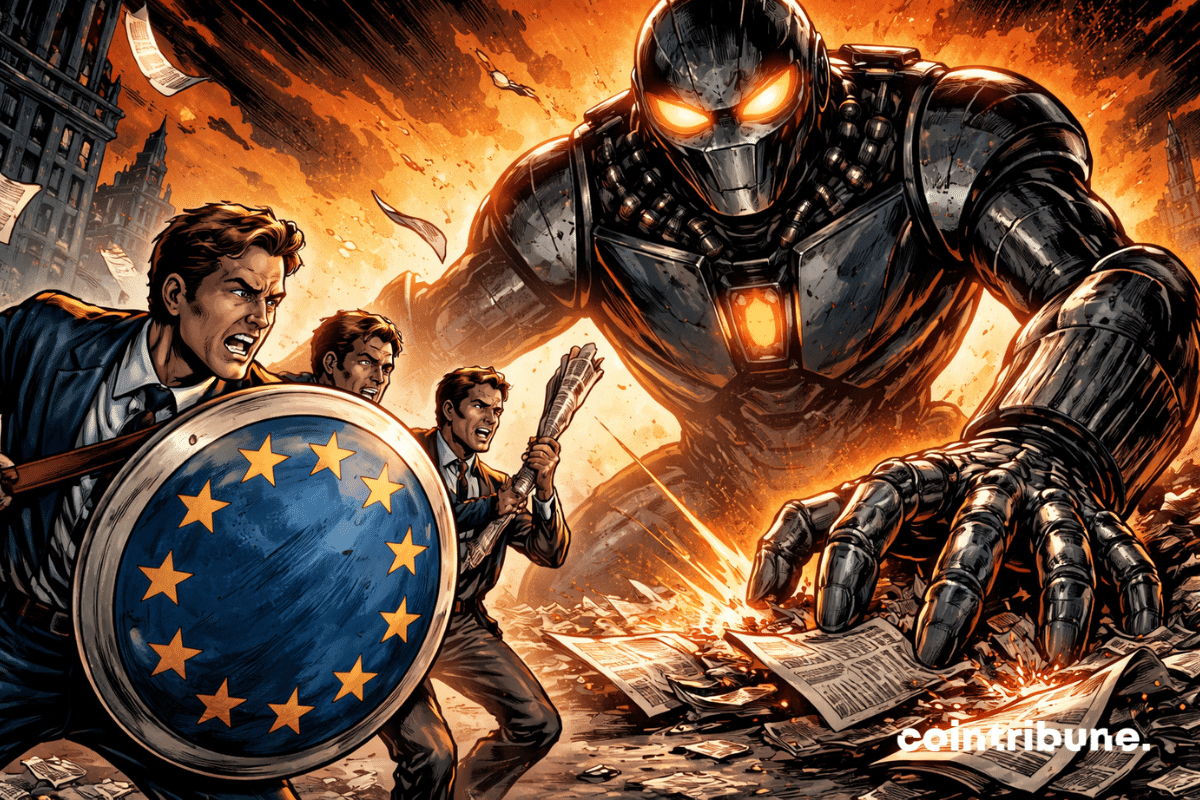
The standoff between the European press and Google has reached a new level. On February 10, 2026, the European Publishers Council filed an official complaint with the European Union authorities. It accuses the American giant of mining press articles to train its artificial intelligence tools, without ever asking for permission, and without paying a single cent to the newsrooms concerned.
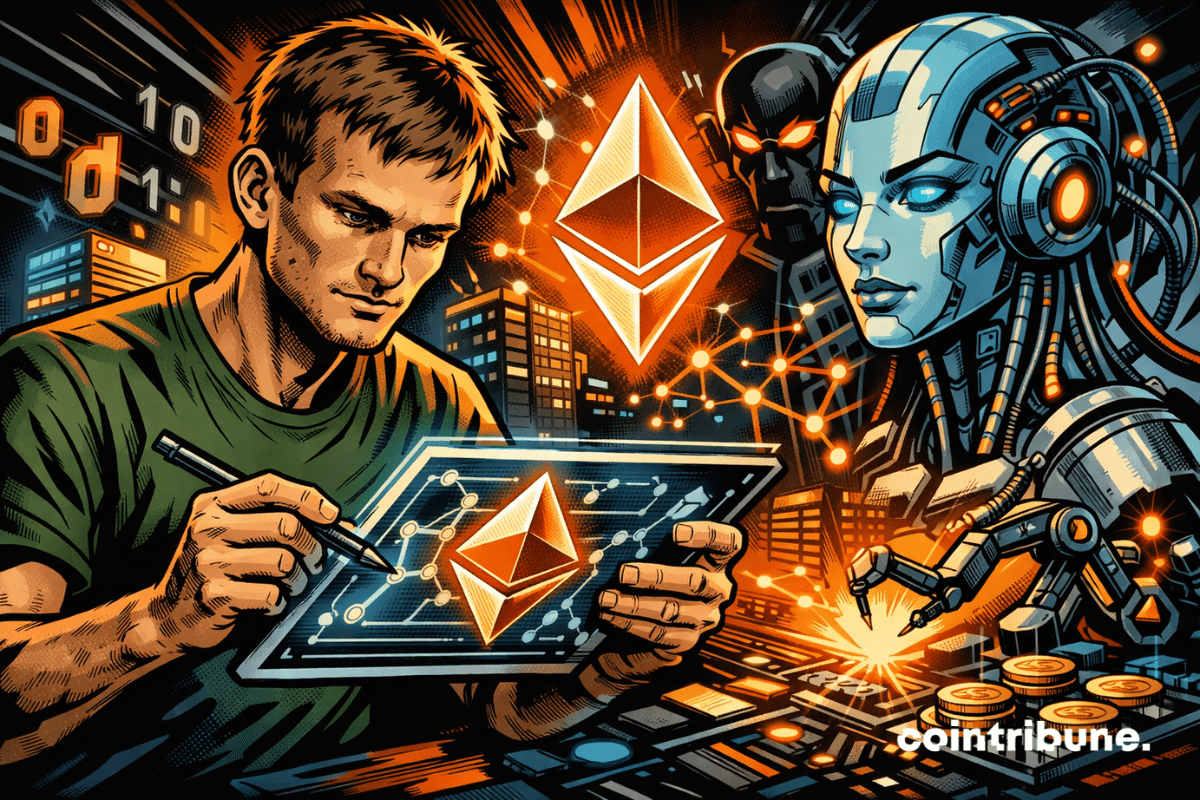
Vitalik Buterin reveals a nuanced vision for Ethereum's future amid the rise of AI. Rather than a blind technological race, he calls for a controlled integration where privacy, decentralization, and user autonomy remain at the core of development.
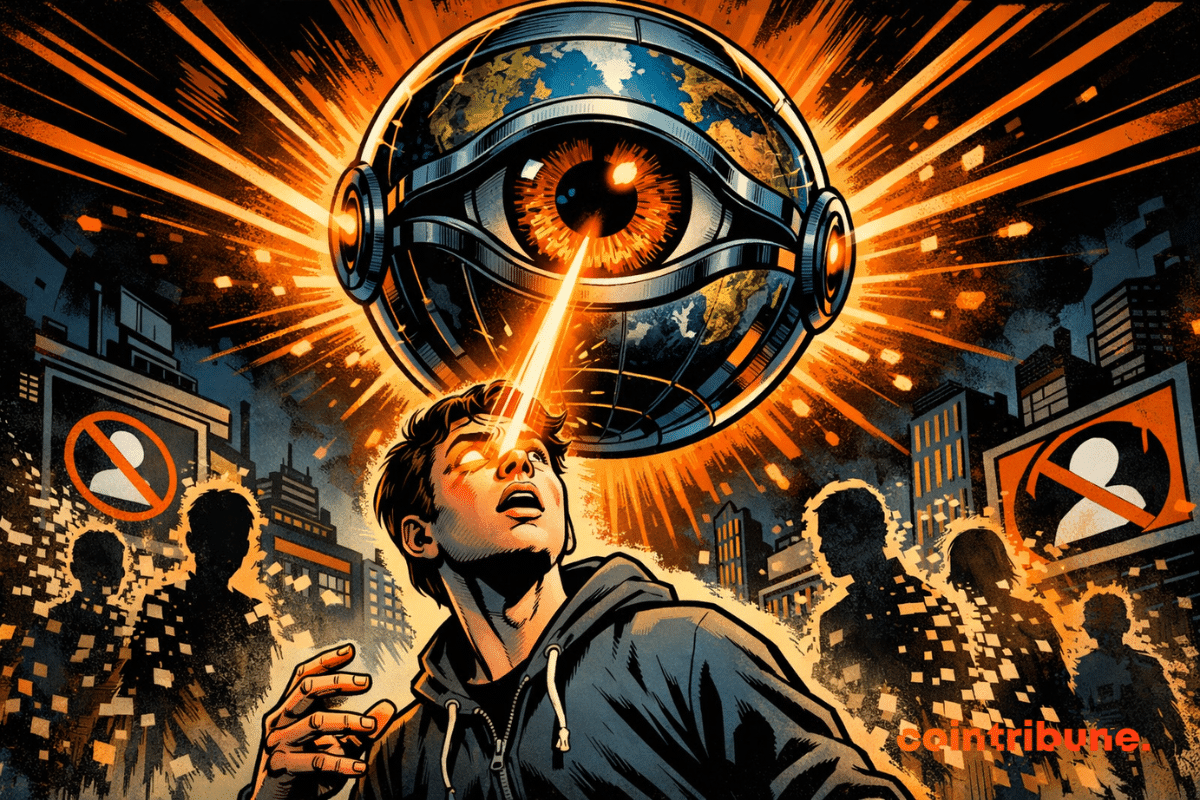
OpenAI would consider creating a social network where registration would require proof of humanity, via World ID and its “Orbs” for eye scan. The idea, reported by several media outlets, is simple on paper: to cut the ground from under the bots and armies of fake accounts, which have become a permanent background noise on X, Instagram or TikTok.
AI data centers nibble away at electricity and the patience of local residents: the same recipe as with bitcoin, but wrapped in a well-oiled progress discourse.
At Davos 2026, AI establishes itself as the new playground for private equity giants. OpenAI and Anthropic show record valuations, fueled by investors' FOMO. But could this frenzy overshadow interest in crypto and bitcoin?
While Americans talk ethics, Beijing codes at full speed: DeepSeek, the low-cost AI that is shaking Wall Street and bringing red colors back to the Chinese stock market.
Crypto markets are entering 2026 with stronger structural support than in earlier cycles. Clearer regulation, expanding financial products, and closer links to traditional finance are reshaping how digital assets are adopted and perceived. Coinbase’s research leadership expects this momentum to persist rather than weaken.
Suspicions turn into numbers. Two studies published in Science and Nature confirm that AI chatbots, similar to those everyone uses, can shift voting preferences by several points, up to about 15% in controlled scenarios.
A fake developer, real spies, and US tech trapped: arrested, Vong inadvertently revealed how Pyongyang hacks America without firing a single rocket.
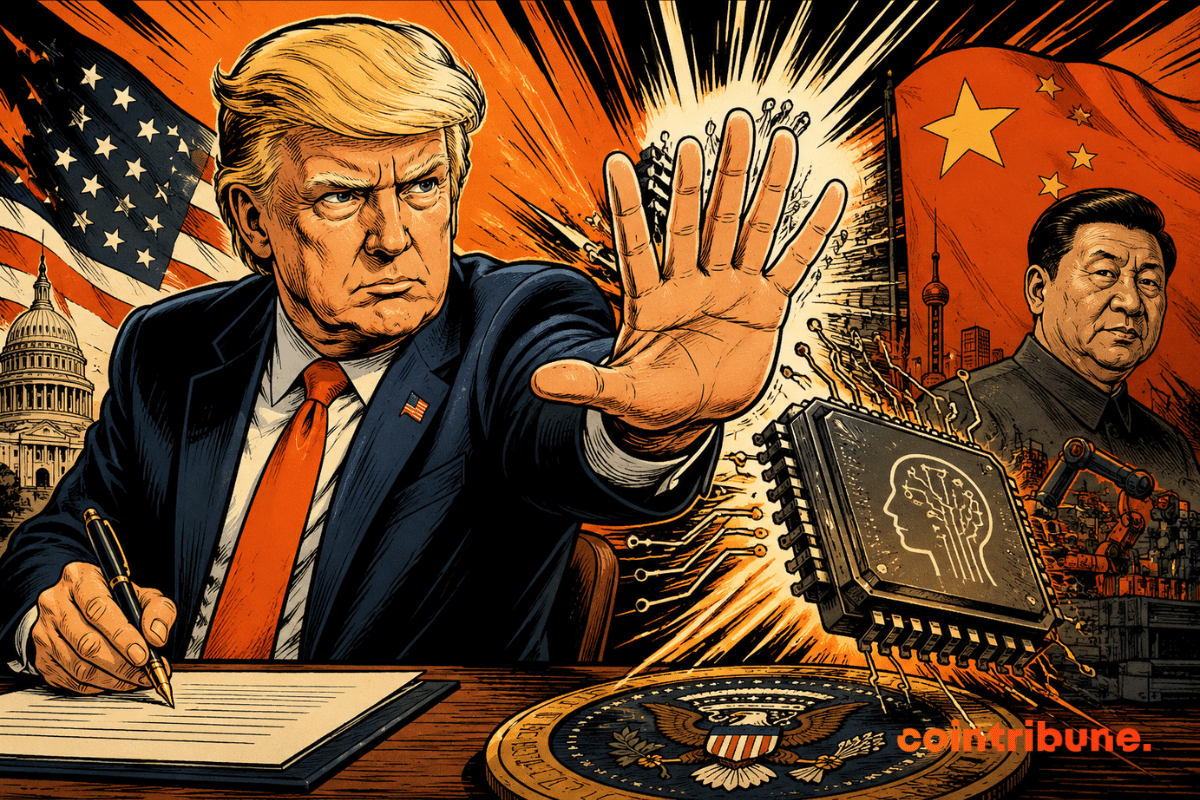
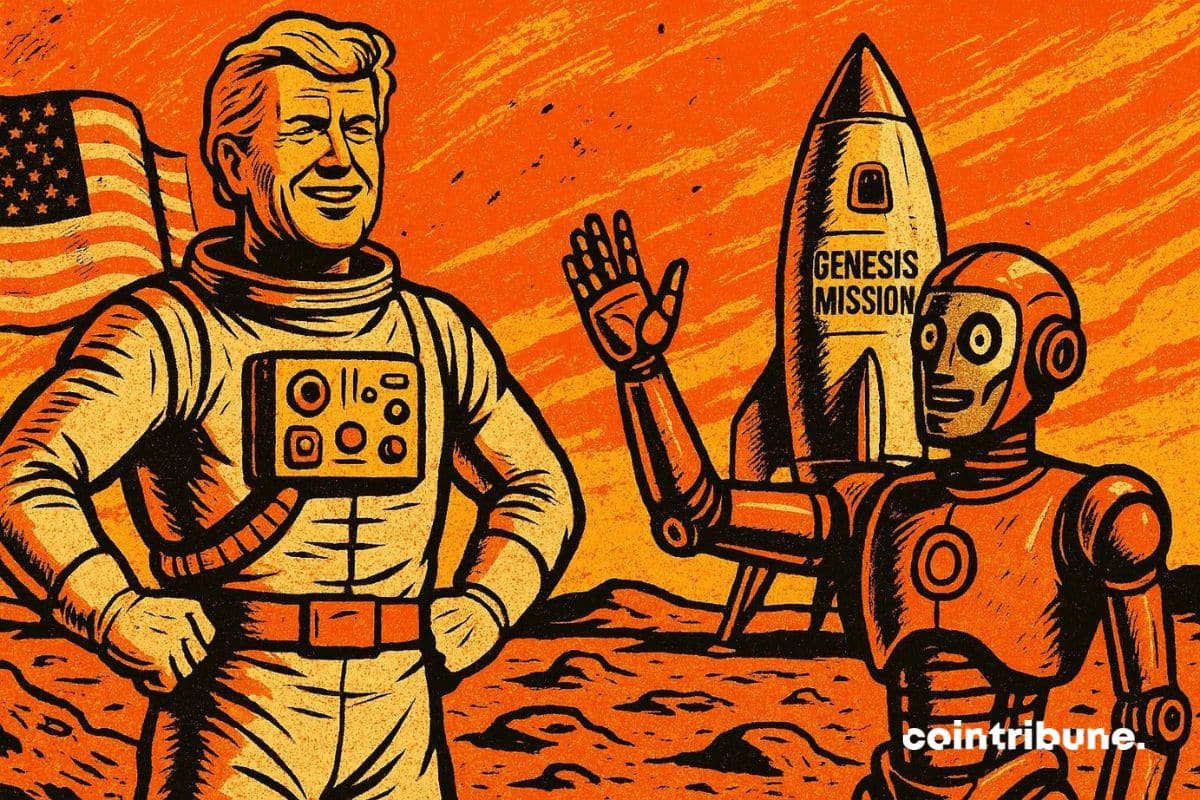
Donald Trump has just signed a groundbreaking decree: the "Genesis Mission." Objective? To propel the United States to the forefront of the AI race, with massive investments and strategic partnerships. An initiative that could change everything for global innovation.
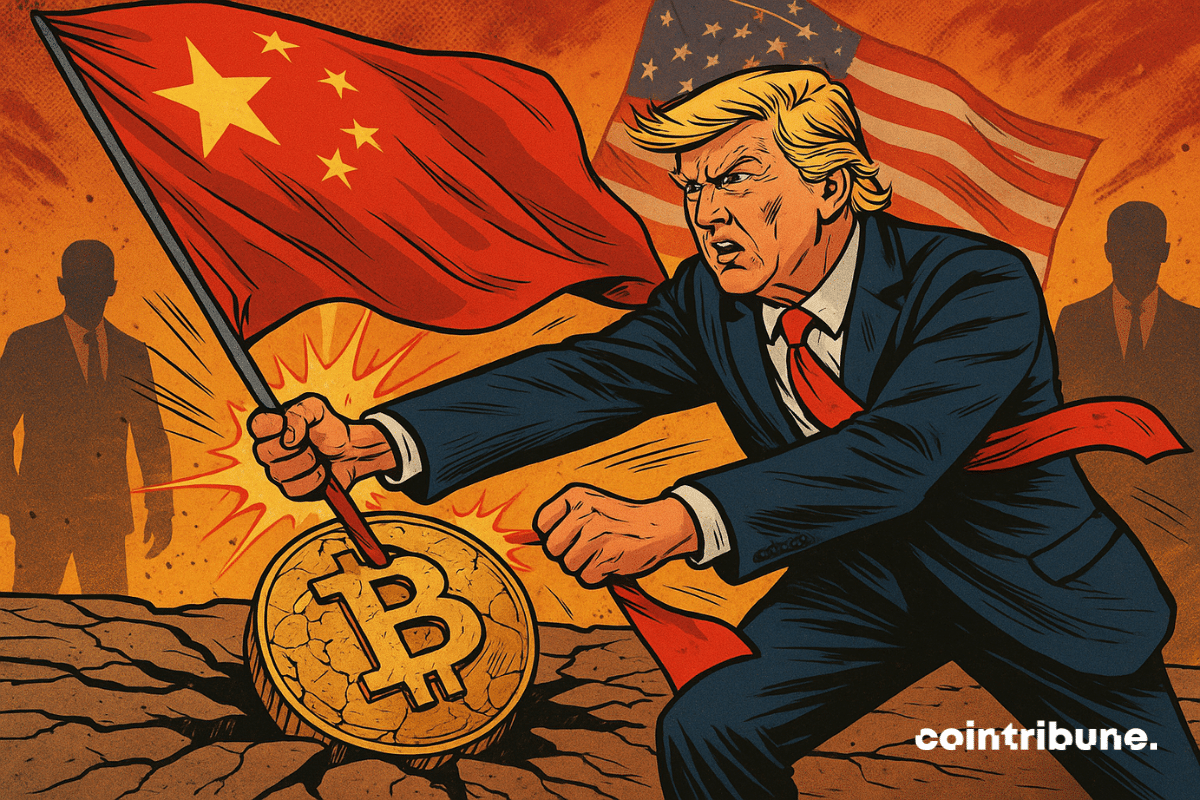
Trump, crowned president of mental mining, dreams of a bitcoin empire while Beijing prepares its tokens... A crypto-crusade to follow between tweets, stablecoins, and the digital yuan under surveillance.
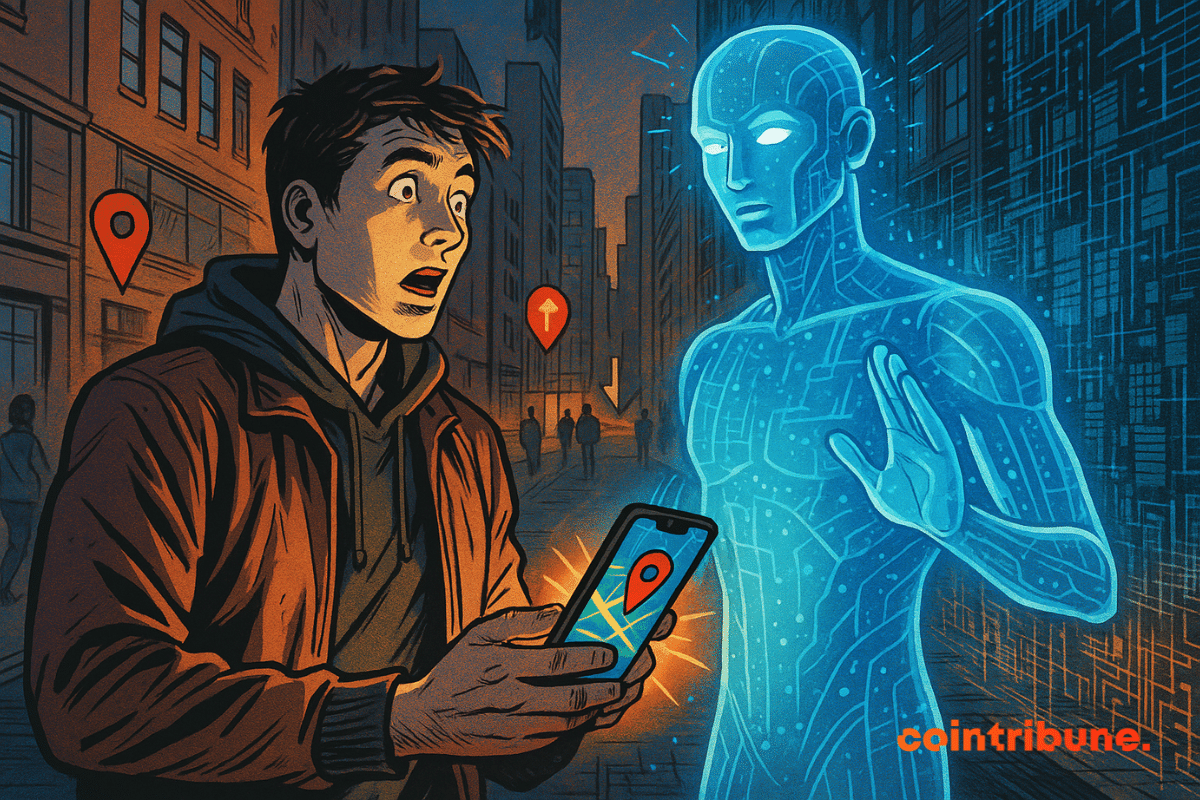
Google hides its spy in your dashboard: Gemini, a talkative, geolocated, multitasking AI that guides you... and maybe watches you. Soon a driving license for robots?
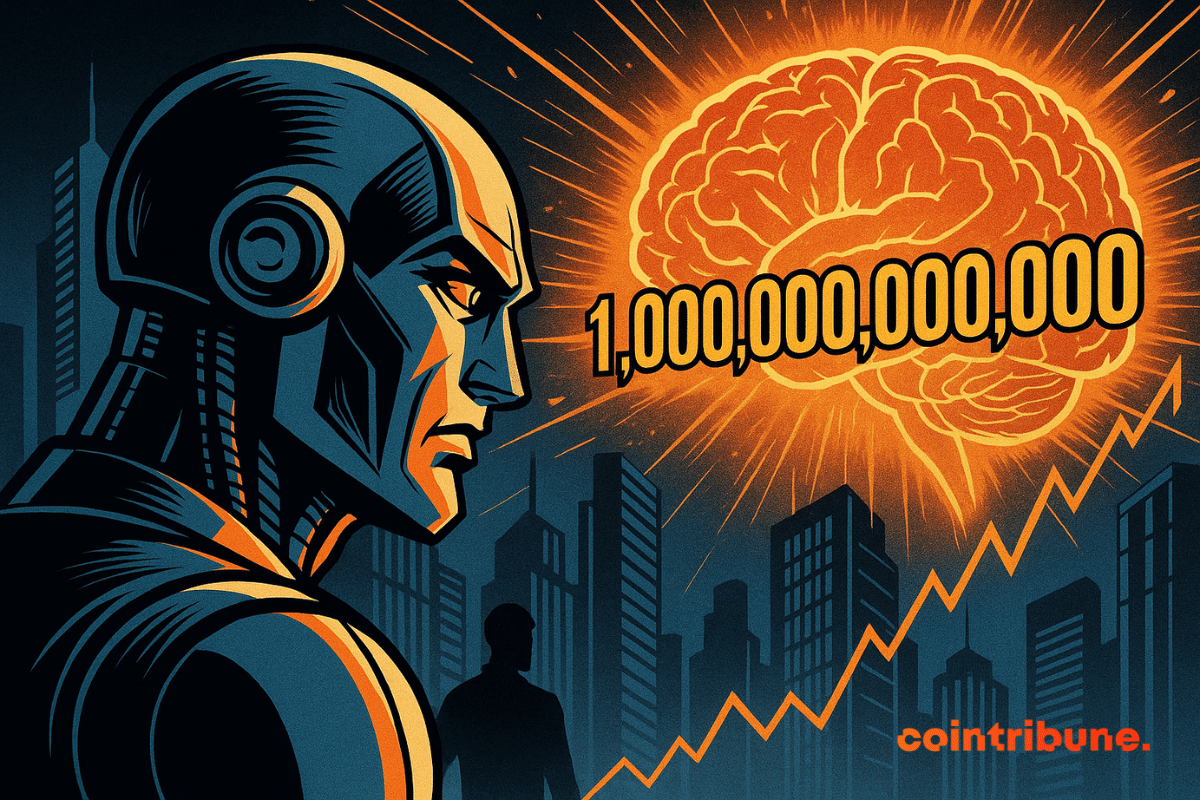
OpenAI is gearing up for what could be one of the largest public listings in history, with a target valuation of $1 trillion by late 2026. Reports indicate that the company is moving ahead with IPO plans to cement its status as the world’s most valuable startup, even as it faces rising competition in specialized areas such as autonomous crypto trading.
Ferrari hits hard: an unprecedented crypto auction for its legendary 499P Hypercar, triple winner of Le Mans. Discover how the Ferrari 499P token, AI, and blockchain are transforming automotive luxury. A historic turning point not to be missed for tech and speed enthusiasts.
The ongoing conflict between Fetch.ai and the Ocean Protocol Foundation may soon reach a peaceful resolution, as both sides signal a willingness to settle their differences outside the courts. The dispute, which began after their brief merger under the Artificial Superintelligence Alliance, centers on the alleged sale of millions of FET tokens.
Bitcoin miners are taking on record levels of debt to finance new equipment and expand operations into artificial intelligence (AI) and high-performance computing (HPC). As competition for hashrate intensifies and post-halving profits shrink, miners are increasingly turning to debt markets to maintain an edge in both Bitcoin production and data infrastructure growth.
Bitcoin miners are using their existing energy infrastructure to gain an edge in AI, enabling faster deployment of data centers.
The viral trend of Ghibli-style images generated by ChatGPT has overwhelmed OpenAI's servers, which are now on the brink of technical saturation. This phenomenon reveals the technical limits of generative AI and raises questions about the use of copyright-protected styles in automated art.
A French team secured third place at the prestigious Qubic 2025 Hackathon held in Madrid. Their project QuLang, which revolutionizes access to artificial intelligence on the Qubic blockchain, impressed the jury with its innovative approach to decentralized inference of large language models.
Artificial intelligence has just crossed a new milestone, and this time, a storm is brewing. GPT-4.5, the latest creation from OpenAI, is crushing the track with an outrageous ambition: to dominate by size. While 2025 is already overwhelmed by announcements of rival models – such as Claude from Anthropic or…
Naoris Protocol, the pioneer of Decentralized Cybersecurity, has launched the world’s first Post-Quantum DePIN Testnet, achieving over 2.5 million transactions and 500,000 users in its first week. This milestone signals a new era in Web3, where users fortify digital environments while earning rewards, and govtech and enterprises ensure data sovereignty with true post-quantum security.
OpenAI recently signed an agreement with the United States national laboratories to deploy its most advanced artificial intelligence (AI) models for scientific research. This collaboration aims to strengthen the technological leadership of the United States and contribute to major advancements in several scientific disciplines.
Tokens related to artificial intelligence are experiencing a significant rise following a report from Franklin Templeton published on January 14, predicting an imminent revolution in social media driven by AI agents. This announcement comes amid a context where the adoption of AI technologies in the crypto ecosystem is rapidly accelerating.
The convergence between artificial intelligence (AI) and asset tokenization is set to redefine the global financial landscape in 2025, according to Hunter Horsley, CEO of Bitwise. This major transformation should particularly benefit small businesses, paving the way for a new "long-tail capital market."