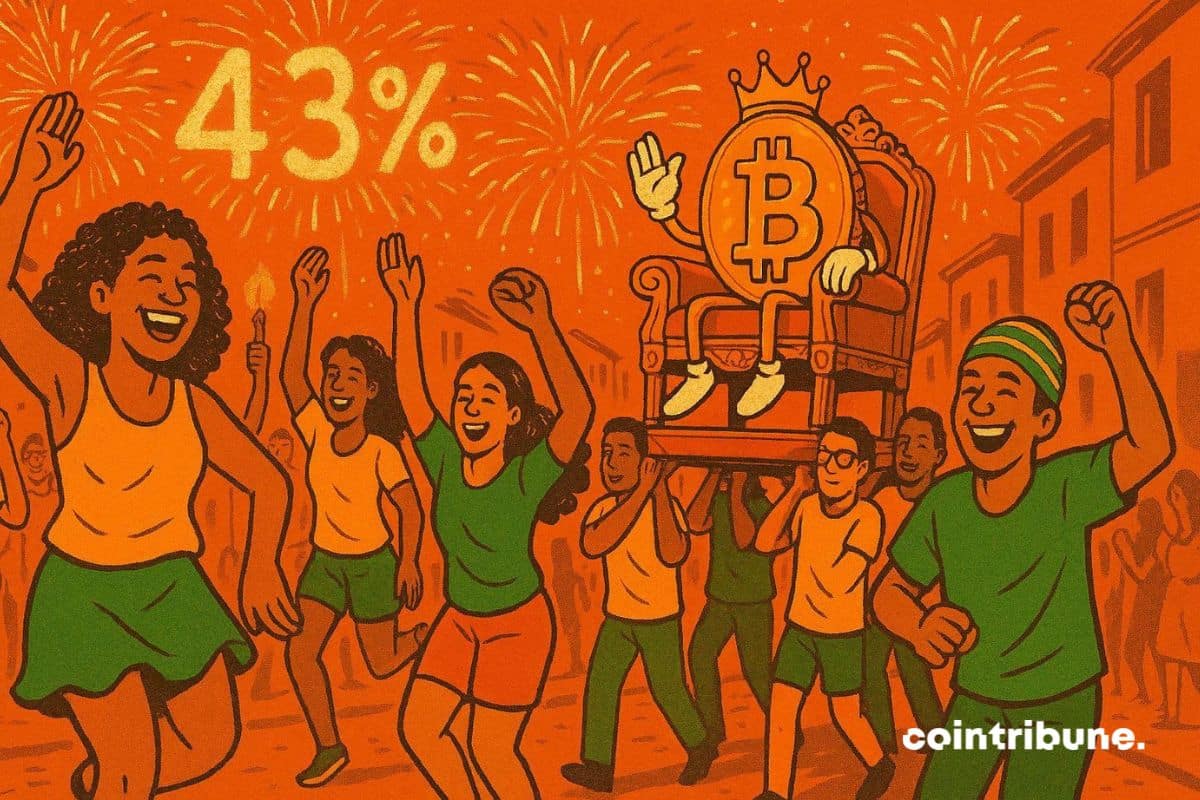
In 2025, Brazil writes a new page in financial history with a 43% explosion of the crypto market. Between historic records, massive adoption, and revolutionary investment strategies, this boom redefines the rules. Why such growth?
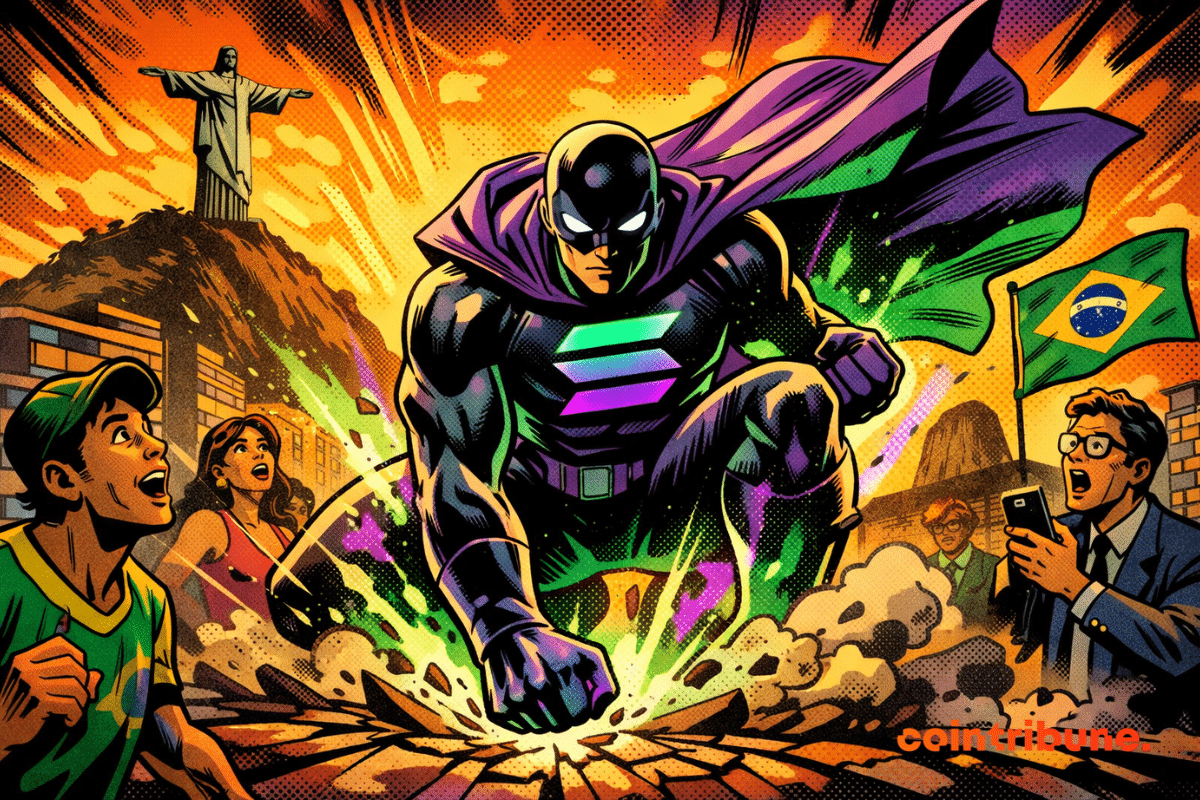
Brazil did not wait for crypto to fall in line. It simply decided to open the official path for it. With the arrival of the Solana (VSOL) product on the B3, the country’s main stock exchange, the Brazilian market takes a step forward, that of assumed regulated crypto. And for Valour, the DeFi Technologies subsidiary, this is much more than a simple launch. It is a signal addressed to an entire continent.
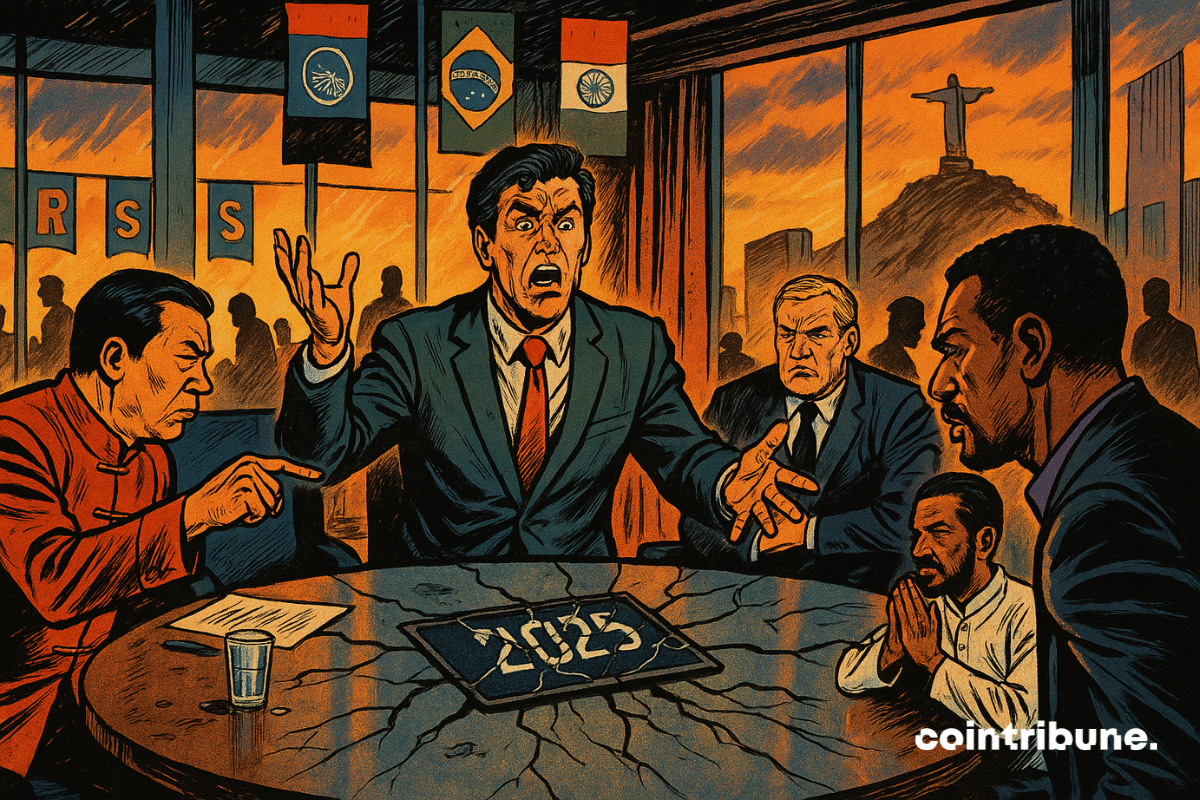
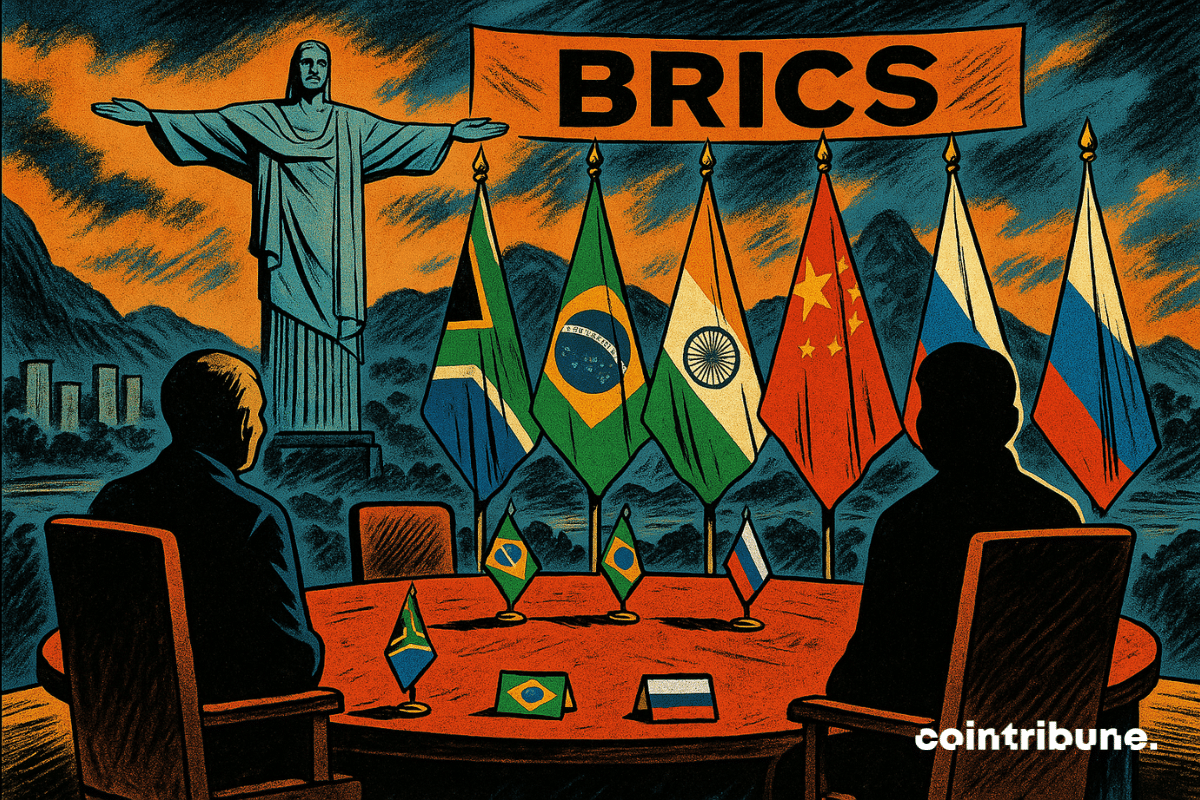
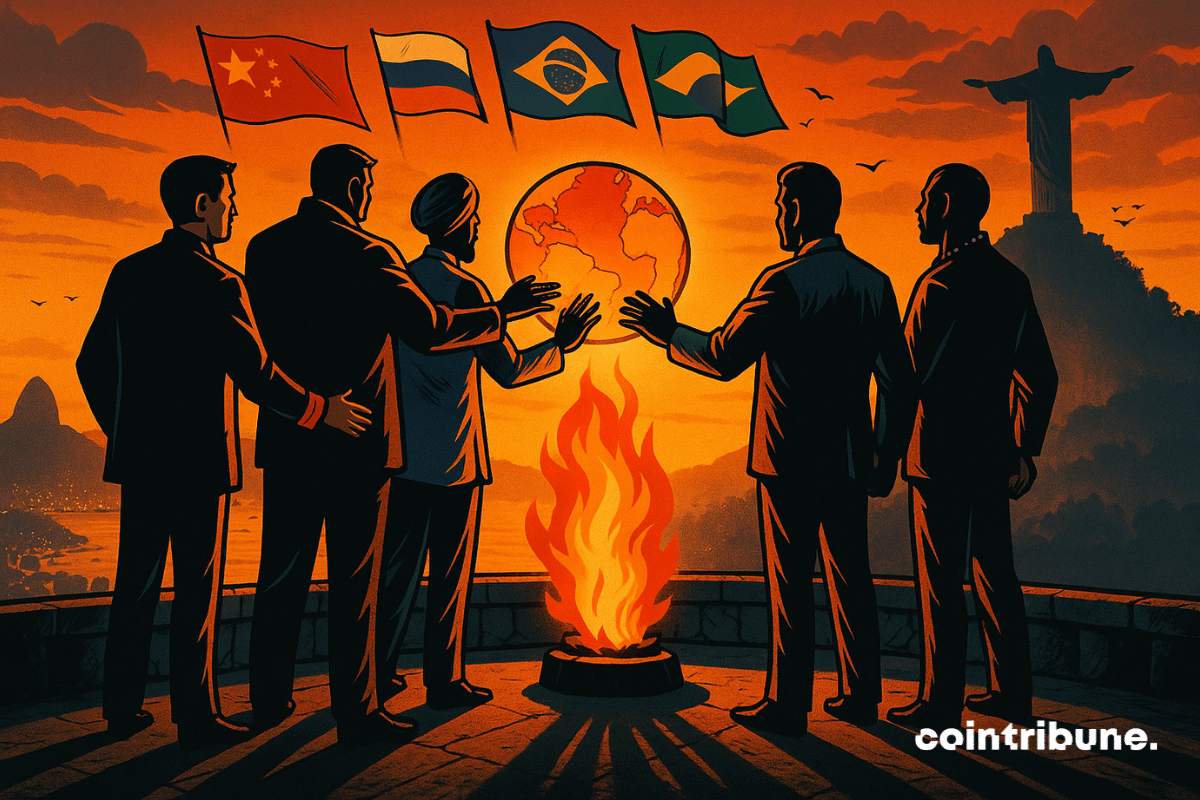
As global balances are being redrawn, the BRICS summit in Rio outlined the contours of a more pronounced multipolar influence. Behind the notable absence of Xi Jinping and Vladimir Putin, discussions led to concrete proposals: reform of international institutions, enhanced climate cooperation, and regulation of artificial intelligence. Less spectacular, but more strategic, this edition sheds light on the ambitions of the global South, while revealing the latent tensions that weaken the coherence of a bloc in search of credibility.
As the global geopolitical balance weakens, Rio will host a tense BRICS summit on July 6 and 7, 2025. Designed as a counterweight to the G7, the bloc struggles to embody the unity of the global South. Internal disagreements, Xi Jinping's absence, and Donald Trump's offensive comeback: the 17th edition illustrates less of a rise in power than a questioning of the strategic coherence among its members. In an era of multipolar ambitions, the BRICS are facing a crisis of legitimacy as much as a test of international credibility.
Rio is set to host a high-stakes BRICS summit, marked by two historic absences: Xi Jinping and Vladimir Putin. The Chinese president is withdrawing for the first time since 2013, while his Russian counterpart remains in the Kremlin, targeted by an arrest warrant from the ICC. At a time when the bloc wants to assert itself against the dollar and strengthen its influence, these withdrawals weaken the group's unity and raise doubts about its geopolitical trajectory.
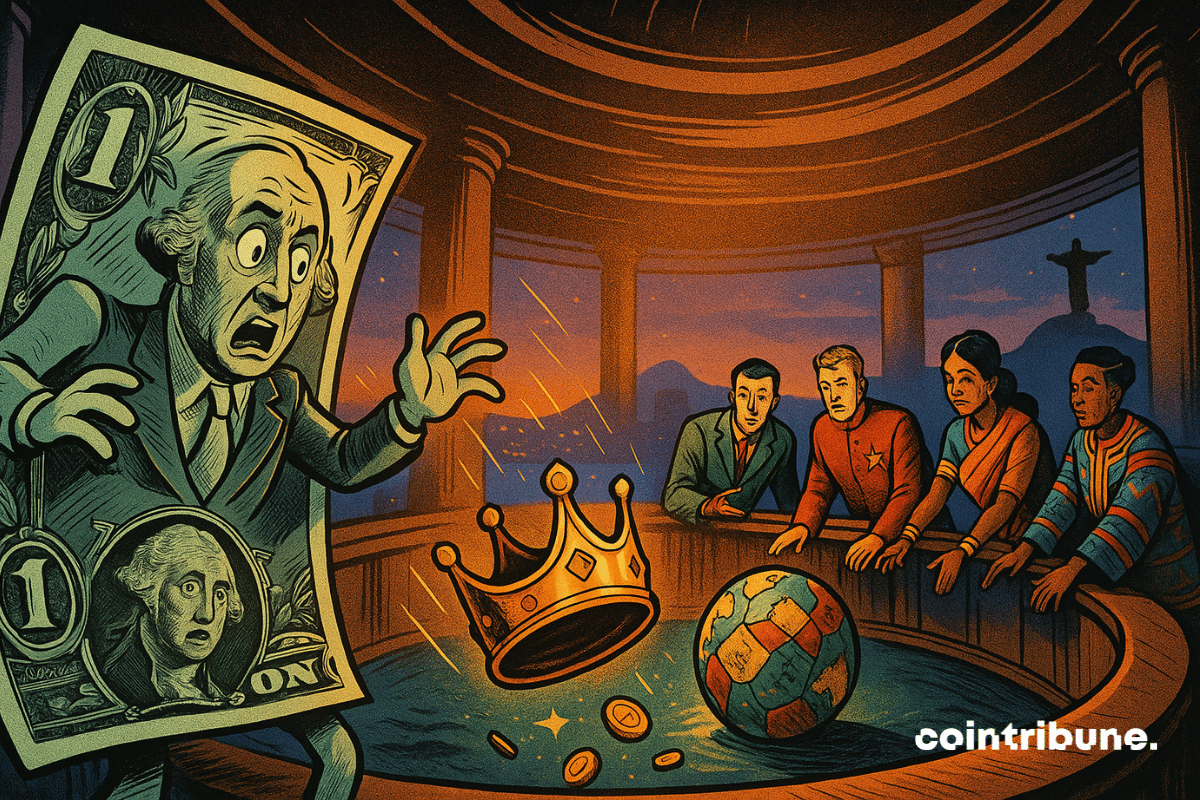
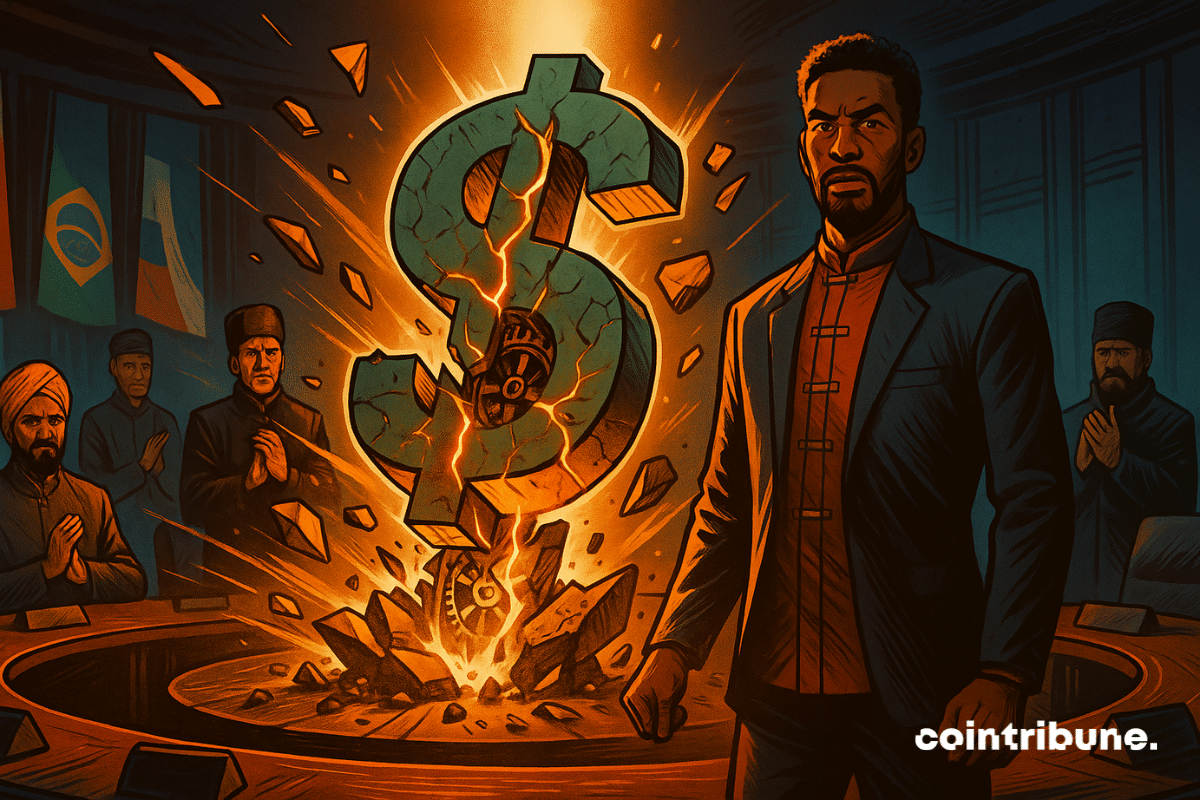
Can the dollar lose its global supremacy? What was once speculation is now taking a concrete diplomatic turn. As the BRICS summit approaches in Rio, major emerging economies are placing local currency transactions at the heart of their strategy. This shift occurs within a context of growing geopolitical tensions and demands from the Global South for a more balanced financial system. Behind this dynamic lies a possible redefinition of the rules of global trade.
A discreet yet massive shift is redefining the global monetary balances. Indeed, over 90 countries, led by the BRICS, are abandoning the dollar in their international exchanges. In its place, the yuan, the ruble, or the rupee are gradually taking over. This strategic realignment, far from being a mere technical adjustment, challenges the financial order built around the United States since the post-war period. A stated desire for economic sovereignty and a direct challenge to American hegemony over global flows are at the root of this movement.
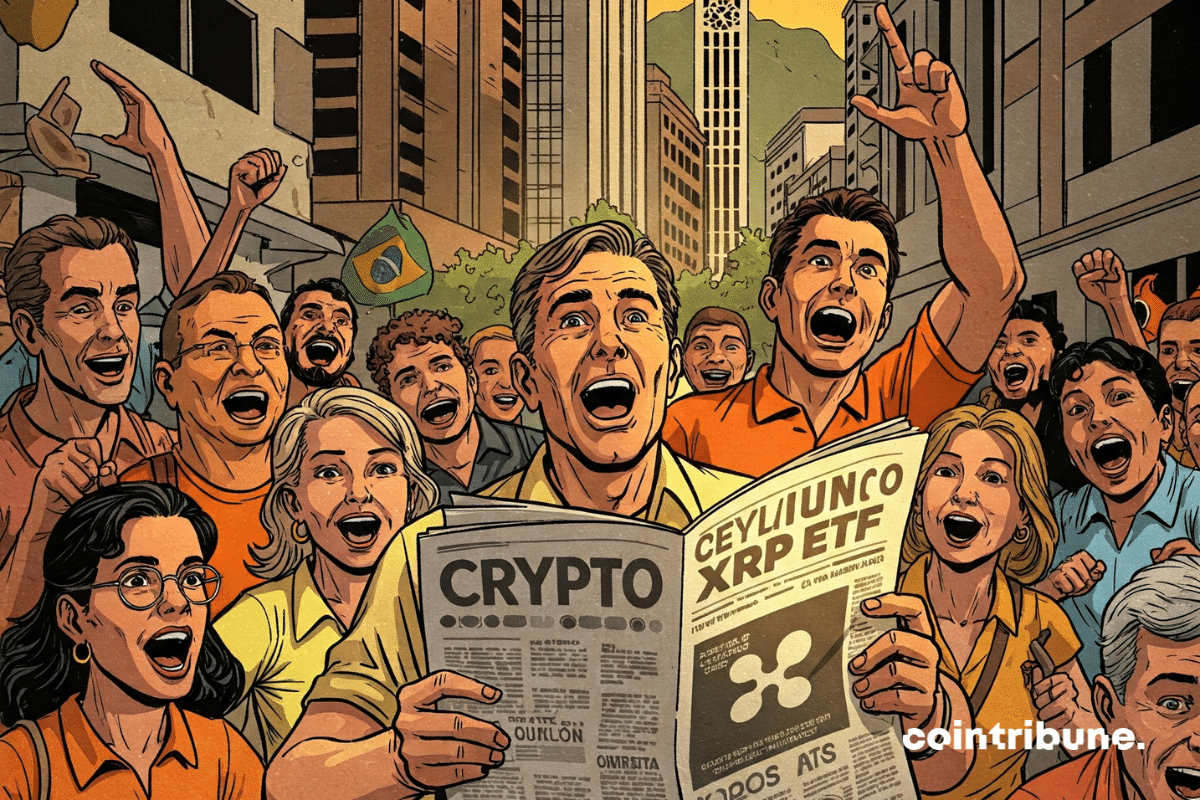
In a rapidly changing financial market, the boundary between traditional finance and cryptocurrencies continues to blur. The latest milestone is the launch in Brazil of the first XRP-backed ETF, initiated by Hashdex. This initiative provides investors with regulated access to one of the most traded cryptocurrencies in the world, thereby reinforcing Brazil's position as a driver of crypto innovation in Latin America.
In a Brazil facing a significant annual monetary devaluation of 13%, protecting one's assets has become a major challenge for investors. As the local currency, the Brazilian real, gradually collapses, the search for effective solutions to preserve purchasing power intensifies. In this context, Bitcoin, often seen as a risky asset, proves to be a top alternative. With positive returns over the last decade, it outperforms gold and many traditional stock indices.
There's a growing chorus insinuating that the American hegemon is threatened by the BRICS. But what's really going on?