Crypto: Banking giant BBVA gets the green light to offer Bitcoin and Ether. Find out the details in this article!
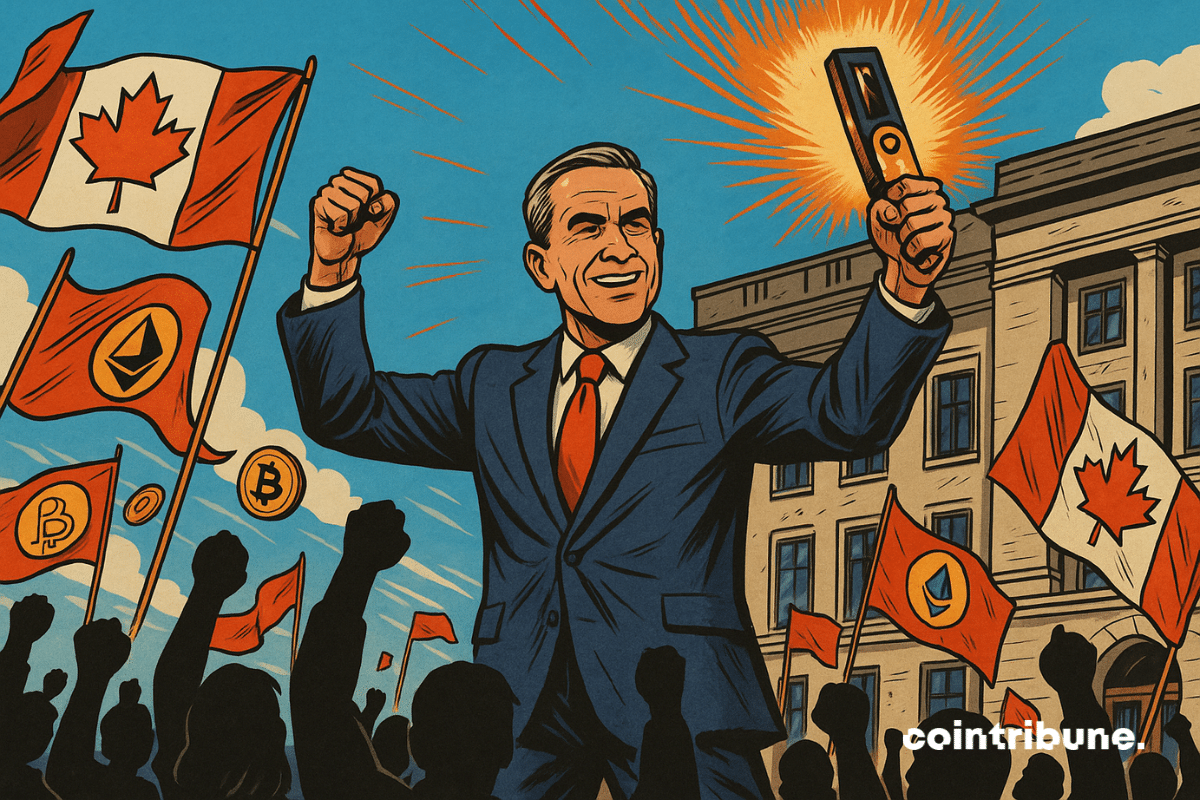
The evolution of the Canadian political landscape could disrupt the crypto ecosystem. Mark Carney, former governor of the Bank of Canada and the Bank of England, has just been appointed to succeed Justin Trudeau. His rise to power does not go unnoticed, particularly in the crypto sector. Known for his sharp criticisms of bitcoin, Carney has previously described the asset as a deficient monetary model, which fueled a "global speculative mania." His vision, rooted in a centralized approach to finance, suggests a restrictive policy towards cryptos. As Canada continues to seek its regulatory guidelines for these assets, Carney's appointment could represent a radical shift. His influence on the future of bitcoin and cryptos in Canada deserves close scrutiny.
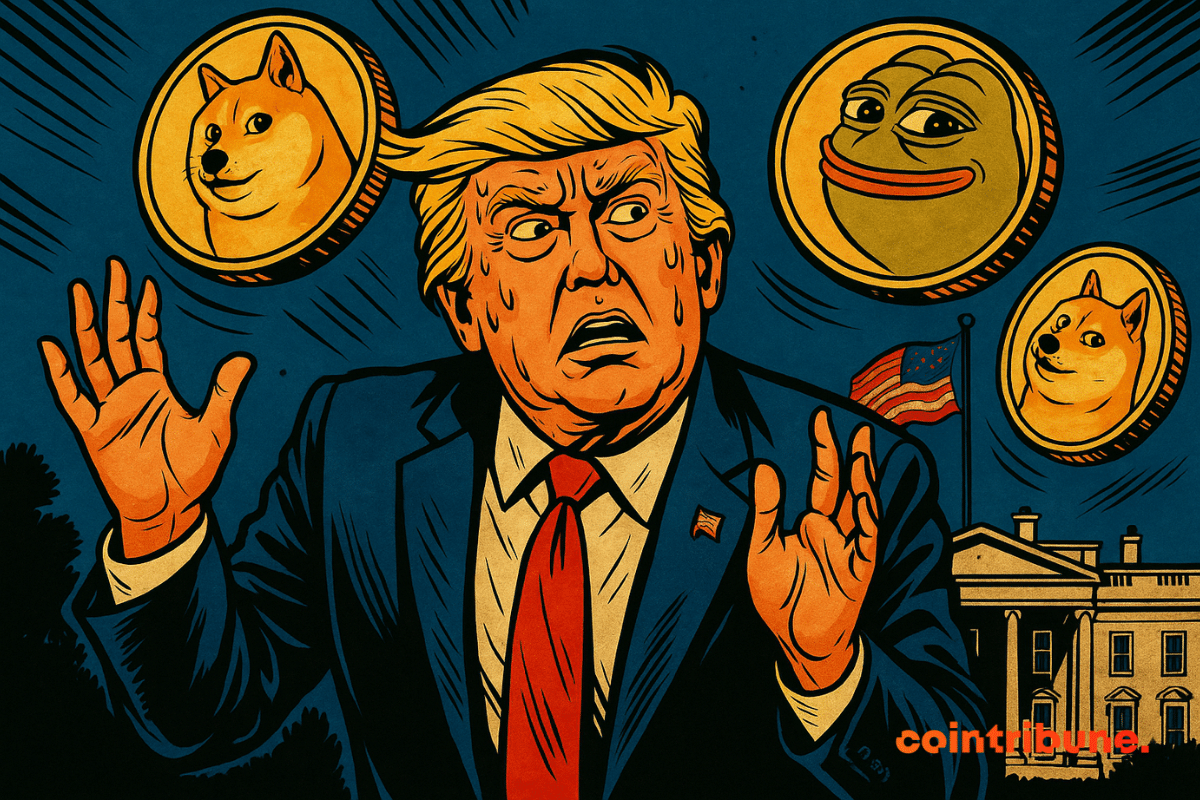
On the crypto scene, Trump plays the alchemists: he transforms tokens into gold… but the magic primarily works for those around him.
The crypto exchange Binance blocks airdrops in Nigeria. In this article, discover the real reasons behind this restriction.
Between ideology and regulation, the debanking war rages: a battle where crypto and "risky" industries fight for their survival.
At the heart of a debate as lively as it is surprising, the crypto universe is under the spotlight. The digital revolution and financial freedom clash with the imperatives of national security. This article boldly and clearly explores the issues related to crypto-friendly regulations and the potential excesses of an exacerbated surveillance state.
The Securities and Exchange Commission (SEC) has recently intensified its efforts to clarify the regulation of crypto assets. On March 3, 2025, the SEC announced that its Crypto Task Force would hold a series of roundtables entitled "Spring Sprint Toward Crypto Clarity" to discuss key issues related to the regulation of cryptocurrencies. The first session, scheduled for March 21, will focus on "How Did We Get Here and How to Get Out – Defining the Status of Security."
Kraken removes USDT from its platform in Europe and is considering a USD stablecoin. Discover this upheaval in the crypto market!
In a crazy quest to save the American economy, VanEck sees bitcoin as a miracle cure. Could a strategic reserve of cryptocurrency really wipe out 21 trillion in debt by 2049?
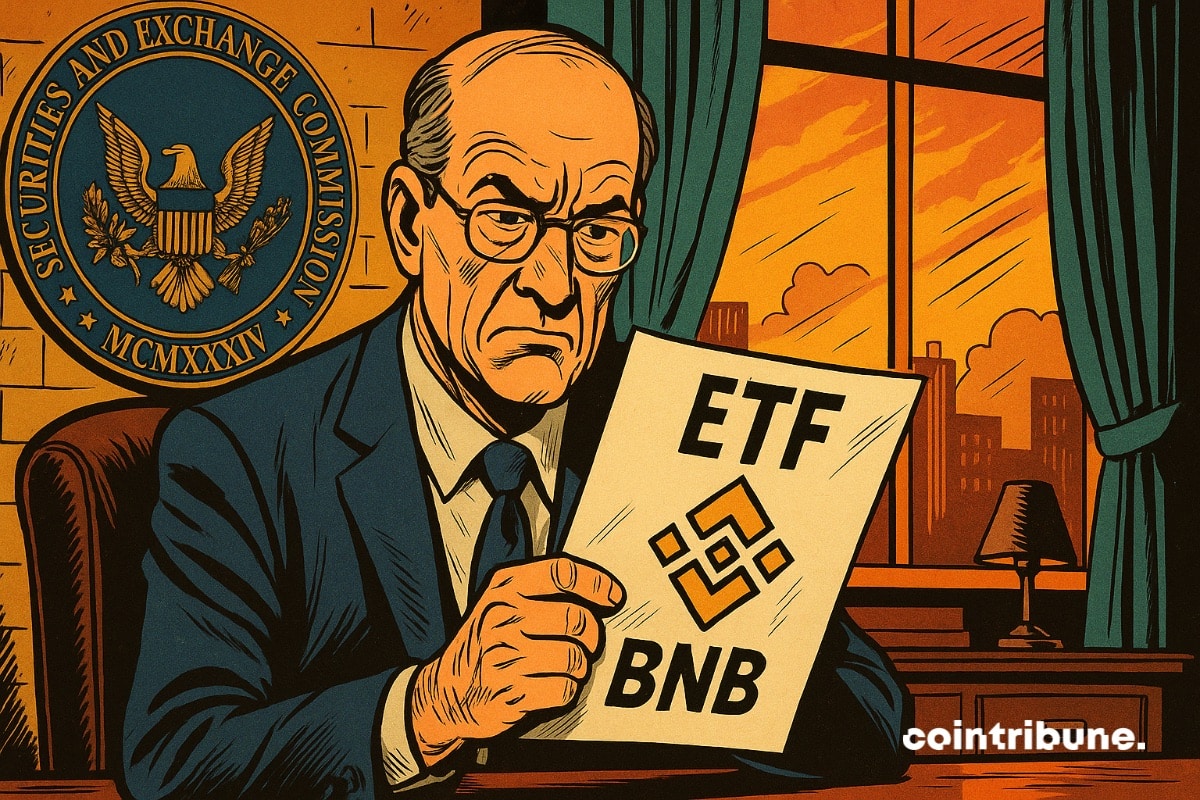
The SEC, once a bastion of conservatism, is finally awakening to the enchanting song of cryptocurrencies. ETFs are making a grand entrance, and the agency, once inflexible, seems to be discovering the virtues of compromise.
Regulations surrounding stablecoins are no longer a distant threat for crypto issuers. They are now an unavoidable reality. In this uncertain climate, Tether, the industry leader with a market capitalization exceeding 142 billion dollars, has chosen not to remain a spectator. Rather than directly opposing American lawmakers, the company seeks to influence the regulatory process. A strategic choice that could redefine the future of stablecoins and the entire crypto market in the United States.
The SEC, once inflexible, is making a turn towards crypto: Dogecoin and XRP are entering the fray, and time is working against the regulator, stuck in a tight schedule until October.
Crypto: Tether strikes back after JPMorgan's predictions of a massive Bitcoin sell-off. Should we be worried? Analysis.
813,000 washed-out investors, a memecoin that evaporates, 100 million in the pockets of insiders. The SEC looks the other way, Trump smiles: welcome to the Wild West of crypto!
Legal battles between the SEC and crypto platforms have become commonplace, but a 60-day pause in the Binance case surprises observers. In a climate of rising tension around crypto regulation, this joint decision marks a strategic shift. At the origin of this development is the establishment of a Crypto Task Force within the SEC, an initiative that could reshape the authorities' approach to the industry. This moratorium presents two scenarios: a tightening of the rules or a willingness for more structured compromise with market participants.
The United States is ramping up its efforts to regulate dollar-backed stablecoins. A new bill, led by Republican lawmakers, aims to establish a clear regulatory framework. This initiative reflects the desire to strengthen the dominance of the dollar while promoting innovation in the crypto sector.
The Canadian Investment Regulatory Organization (CIRO) has tightened the noose on cryptocurrencies. On February 5, the regulator excluded crypto funds from reduced margin eligibility, citing their high volatility and liquidity risks.
A key step has been taken in the regulation of the crypto market in the United States. Under the leadership of Mark Uyeda, acting chair, the Securities and Exchange Commission (SEC) has announced the creation of a Crypto Task Force, an entity responsible for providing more clarity to the rules governing cryptocurrencies. To structure its actions, the SEC has launched a dedicated website that offers companies and investors a space to submit their proposals and better understand regulatory requirements. This initiative comes as the crypto sector calls for clear guidelines and as the SEC faces off against the Commodity Futures Trading Commission (CFTC) over the issue of jurisdiction for cryptocurrencies. In addition to defining the boundary between securities and unregulated assets, this task force could shape the future of crypto ETFs and influence the oversight of trading platforms. However, its real impact will depend on its ability to establish a constructive dialogue with the industry, an approach that is still lacking in the SEC's current policy.
In the grand theater of power, Trump outlines a bold move: perhaps a crypto-friendly sovereign fund. Between a bluff and strategic genius, the suspense remains intact.
Kicked out of the SEC but not off the radar, Gensler bounces back at MIT. Supreme irony: he will teach what he methodically fought against. New stance or even an imposture?
The French economy ends the year 2024 on a worrying note with a contraction of 0.1% of its GDP in the fourth quarter. This situation arises in a particularly tense context, where the public deficit reaches the alarming level of 6% of GDP, placing France among the worst performers in the eurozone.
OKX and Crypto.com obtain their MiCA licenses. They gain access to 400M customers in 30 European crypto markets. Details here!
Donald Trump redefines the future of crypto with a decree banning CBDCs and favoring stablecoins. Discover his vision to make the United States a global leader.
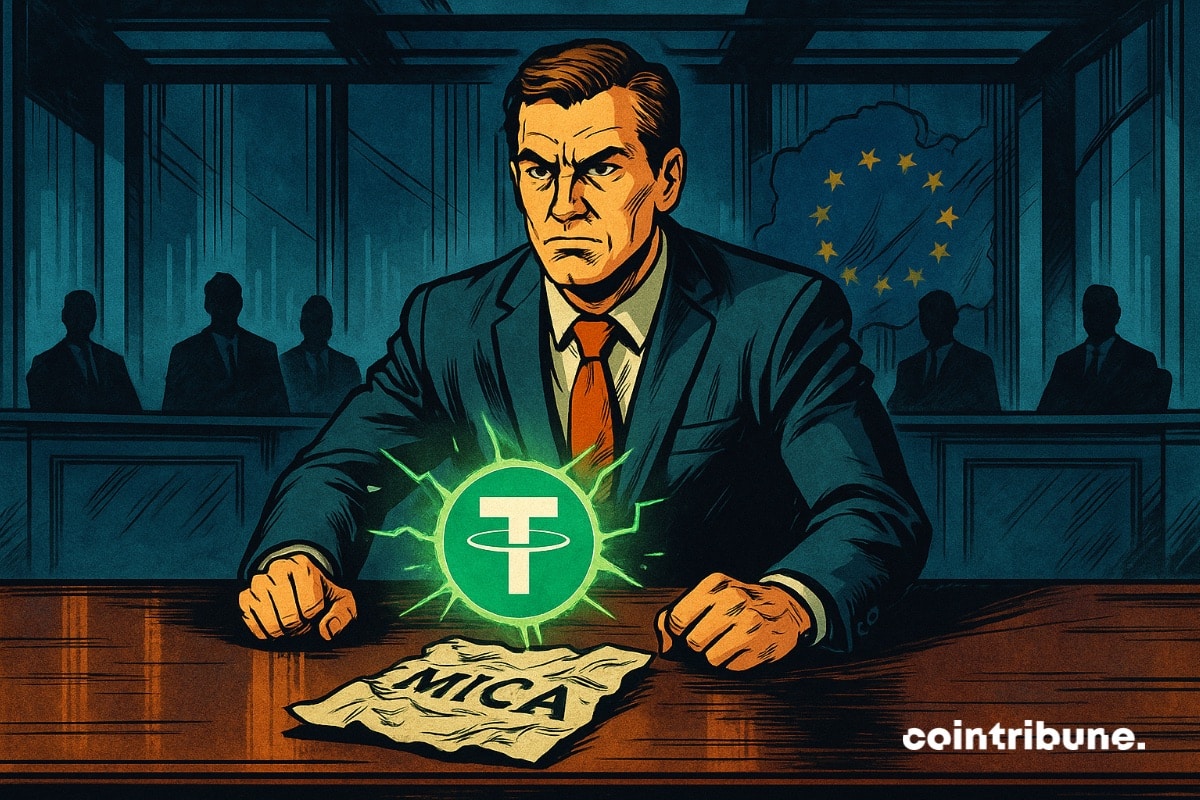
The European Union is strengthening its role as a pioneer in financial regulation and is addressing a critical issue: the regulation of cryptocurrencies. With the arrival of the MiCA regulatory framework (Markets in Crypto-Assets Regulation), ESMA, the financial markets authority, is calling for swift action against stablecoins that do not comply with the new standards. This regulatory shift, aimed at protecting investors and ensuring transparency, heralds a major overhaul of the European crypto ecosystem and poses significant challenges for both issuers and trading platforms.
The dance stops for American TikTokers. Between Chinese threats and political pirouettes, TikTok is stretching itself thin. Trump promises, but ByteDance resists. The suspense continues.
As Gensler packs his bags, the SEC is overwhelmed by a tsunami of crypto ETFs, with Solana and XRP at the forefront.
The world of cryptocurrencies continues to shake up the codes of traditional finance. This time, it is the Swiss public bank PostFinance that takes a new step by making Ethereum staking accessible to its 2.7 million clients. A bold initiative that reflects a growing enthusiasm for digital assets in Switzerland…
Pump.fun, the kingdom of crypto, falls into the abyss: ethical scandals, imminent lawsuits, and ruined users. A saga where the glitzy turns dark.
The Federal Deposit Insurance Corporation (FDIC) is at a decisive crossroads, facing challenges related to the "debanking" of crypto businesses and calls for regulatory reform. Debanking refers to the practice by which banks refuse or restrict access to financial services for certain sectors, including the cryptocurrency sector. What position will the FDIC take regarding crypto businesses in the United States?
The IMF, like a perplexed teacher, advises Kenya to abandon its old recipes for a fresher and more digestible crypto-regulation, not forgetting to eliminate the scammers from the menu.