Sat 30 Nov 2024 ▪
3 min read
▪
by
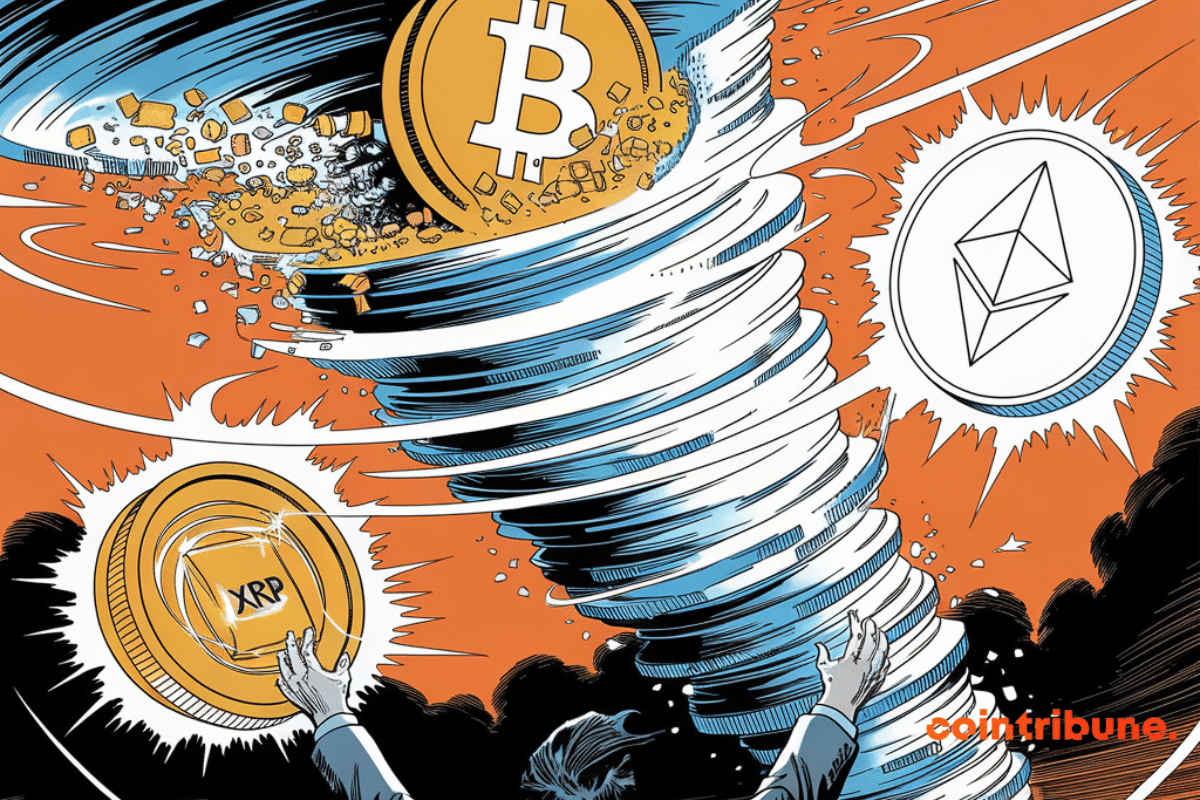
Altcoins on the attack! Bitcoin falters, XRP soars: an unprecedented crypto redistribution is beginning, under the worried gaze of investors.
Altcoins on the attack! Bitcoin falters, XRP soars: an unprecedented crypto redistribution is beginning, under the worried gaze of investors.
Many people are tempted to enter the world of cryptocurrencies by investing in Bitcoin. However, they often become hesitant when they learn that there are many risks associated with this investment, particularly the high volatility of the currency's price. In this guide, we will focus on the specific challenges inherent in investing in Bitcoin (BTC). We will analyze the factors that influence and effective strategies to reduce risks while optimizing your potential gains. Additionally, we will provide you with some Bitcoin security tips to confidently invest in this captivating world of crypto.
Bitcoin is a digital currency whose emergence has shaken up the world of finance. However, it does not have universal appeal. Its extreme volatility and the fact that it is outside the control of traditional financial institutions put it under scrutiny from some governments. Furthermore, the digital nature of Bitcoin makes it more susceptible to cyberattacks. For investors looking to bypass restrictions and conduct their transactions securely, the use of robust protective measures like a VPN is essential. In this guide focused on Bitcoin Security Tips [Insert Mother Page Bitcoin Security Tips link], we discuss the benefits of using a VPN for cryptocurrency transactions and provide guidelines for choosing the VPN that best suits your specific needs. We will cover the key features to consider and present our selection of the top five VPNs for Bitcoin.
In a context where hacking and cryptocurrency theft are unfortunately becoming common, Bitcoin security, which involves protecting your digital assets against various online threats, is a major concern. Therefore, understanding how Bitcoin wallets function is crucial. Indeed, these tools, designed to store, secure, and manage your cryptocurrencies, are at the heart of transactions in web3, and their wise use is essential for anyone looking to navigate this exciting yet complex universe with peace of mind. Through our comprehensive guide dedicated to these indispensable instruments, we aim to demystify Bitcoin wallets, explain their subtleties, and guide you step by step in their handling.
The crypto investor, in their perpetual quest for new techniques to protect and secure their assets, must consider various Bitcoin security tips [Insert link to the main Bitcoin security tips page]. Among these, multisig security, which involves the use of multisignature wallets or "multisig wallets," takes a prominent place. Indeed, establishing multiple levels of approval to spend your bitcoins proves to be an infallible method to safeguard them against hacking attempts. Therefore, it is imperative to deeply understand the concept of multisig security. Let’s explore this concept together.
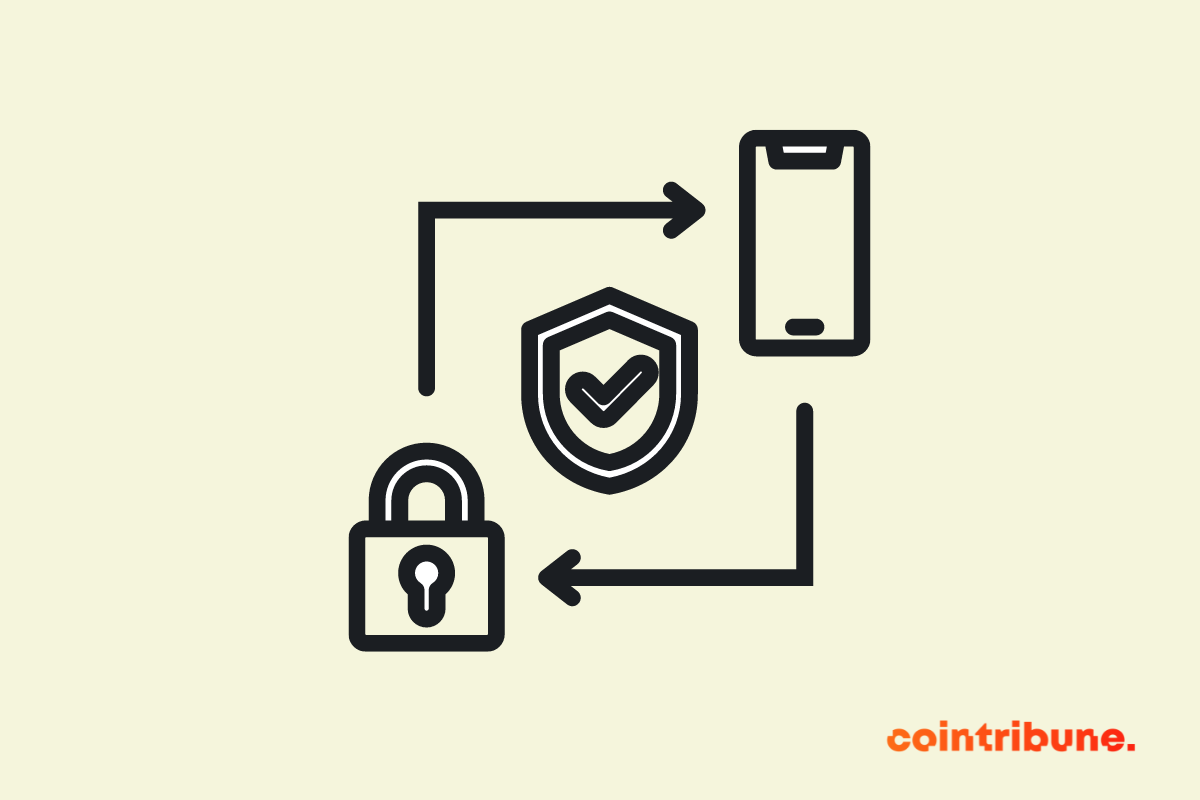
The bitcoins contained in your wallets do not benefit from optimal protection with the traditional passwords associated with them. Therefore, you need to add an extra layer of security such as two-factor authentication (2FA) to prevent any intrusion and better protect your assets. In this guide dedicated to Bitcoin security tips [Insert link to Bitcoin Security Tips main page], we will explore the critical importance of security in the cryptocurrency universe, and how implementing two-factor authentication can play a crucial role in protecting your valuable digital assets such as bitcoin. We will review the different 2FA methods, their implementation on the most popular exchange platforms, and the available alternatives to further strengthen the security of your accounts.
Bitcoin scams are an unfortunate reality in the booming world of cryptocurrencies. Indeed, the exponential success of Bitcoin and other cryptocurrencies has given rise to a multitude of frauds and scams. Therefore, Bitcoin security [Insert link to the main Bitcoin security page] has become a crucial issue. In this article, we will provide you with the necessary tools to detect these frauds and to ensure the security of your investments in Bitcoin and other cryptocurrencies.
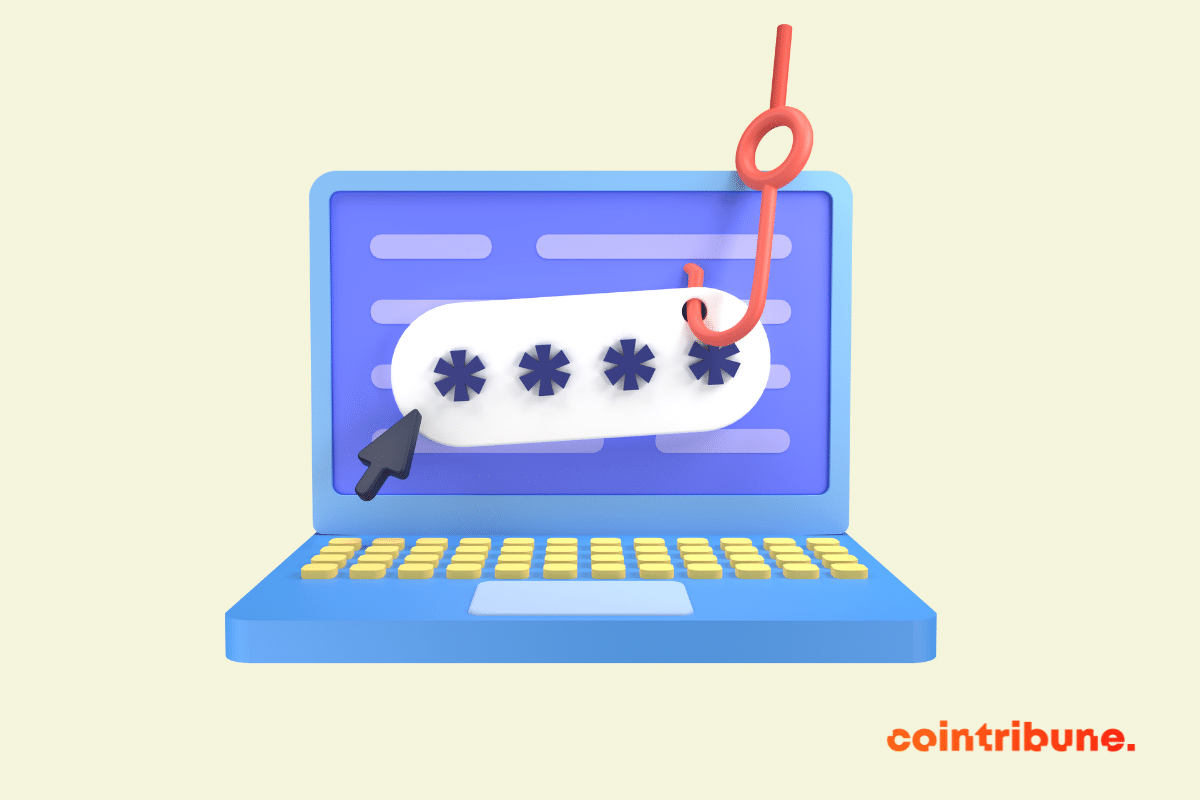
In the world of cryptocurrencies, security is of paramount importance for investors, especially when they are exposed to Bitcoin. This article examines a recurring and perilous issue for users of these assets: phishing scams. We will explain how to identify attempts at this Bitcoin scam [Insert link to Main Bitcoin Scam Page], and provide you with protection tips. You will also receive some recommendations on the steps to take in case you fall victim to this type of attack.
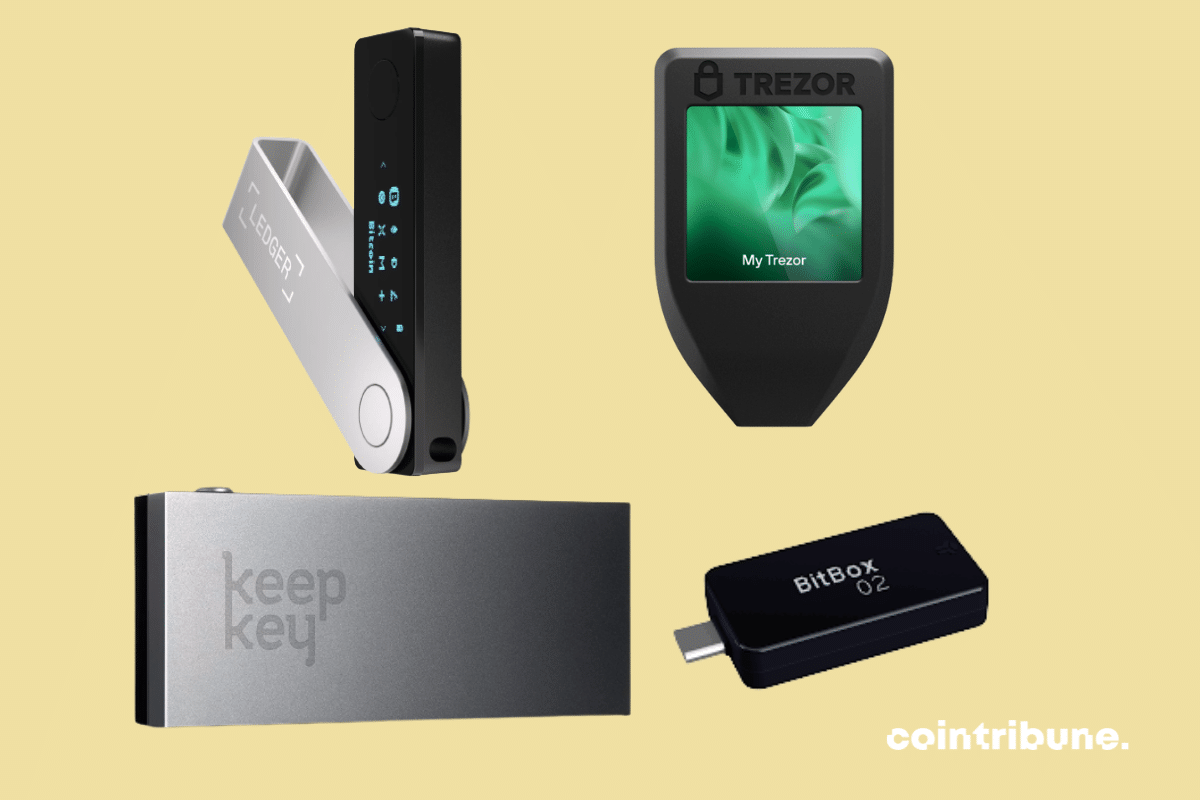
In the world of cryptocurrencies, security is paramount. Users are constantly looking for solutions to protect their digital assets, as hacks are prevalent. It is in this context that hard wallets, also known as hardware wallets, have gained popularity. These physical Bitcoin wallets [Insert link to the main Bitcoin Wallet page] come in the form of either a USB stick or a smart card. They are more valued than online wallets because they allow for complete control over your cryptocurrencies. In this article, we will explore in detail what Hard Wallets are, how they work, and how to choose the best one for your needs.
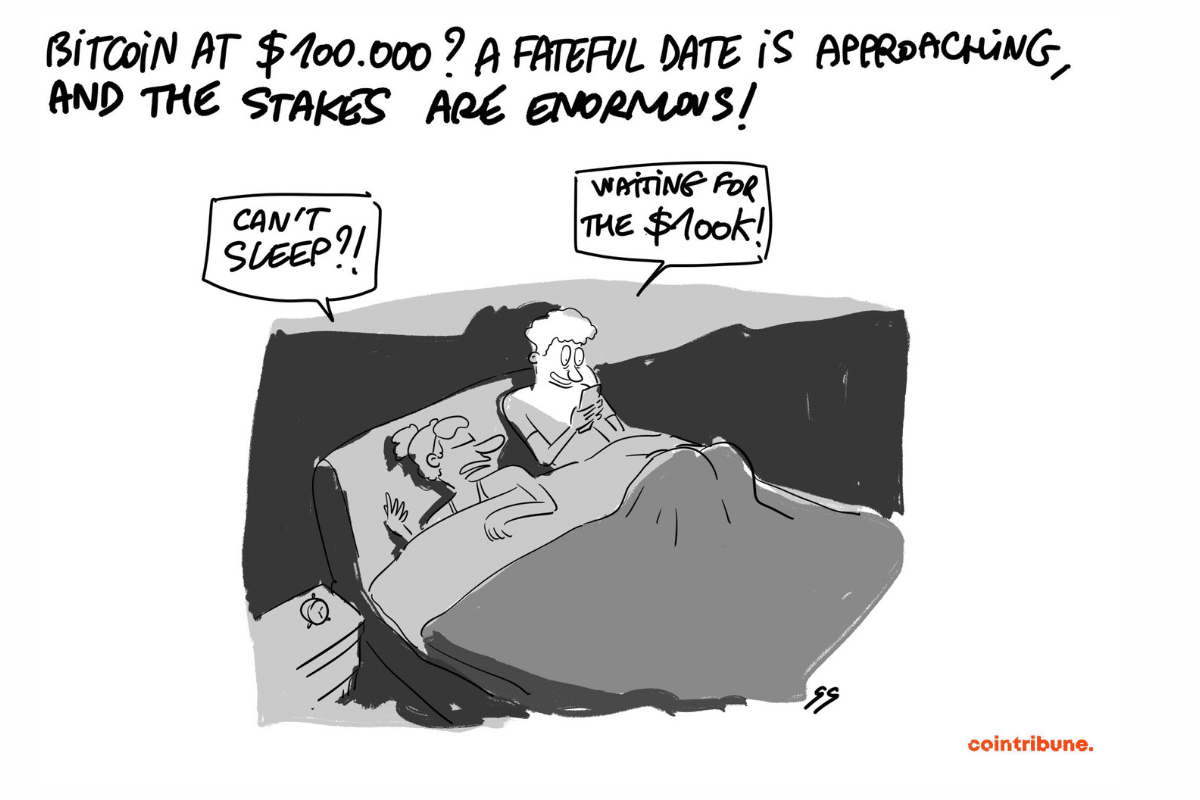
Amid revolutionary announcements, technological evolutions, and regulatory turbulence, the crypto ecosystem continues to prove that it is both a realm of limitless innovations and a battleground of regulatory and economic conflicts. Here is a summary of the most significant news from the past week surrounding Bitcoin, Ethereum, Binance, Solana, and Ripple.

The blockchain has already disrupted the global financial landscape, and this is just the beginning. According to experts, the tokenization of real-world assets (RWA) could explode to reach the colossal figure of $30 trillion by 2030. And who will be the architects of this revolution? Financial institutions, of course. But…

The world of crypto, this inconsistent and often unpredictable landscape, has a new champion that draws all eyes: Peanut the Squirrel ($PNUT). This Solana-based crypto recently surpassed the symbolic milestone of 1 billion dollars in market capitalization, propelled by a buzz reminiscent of the biggest market frenzies. But the question…
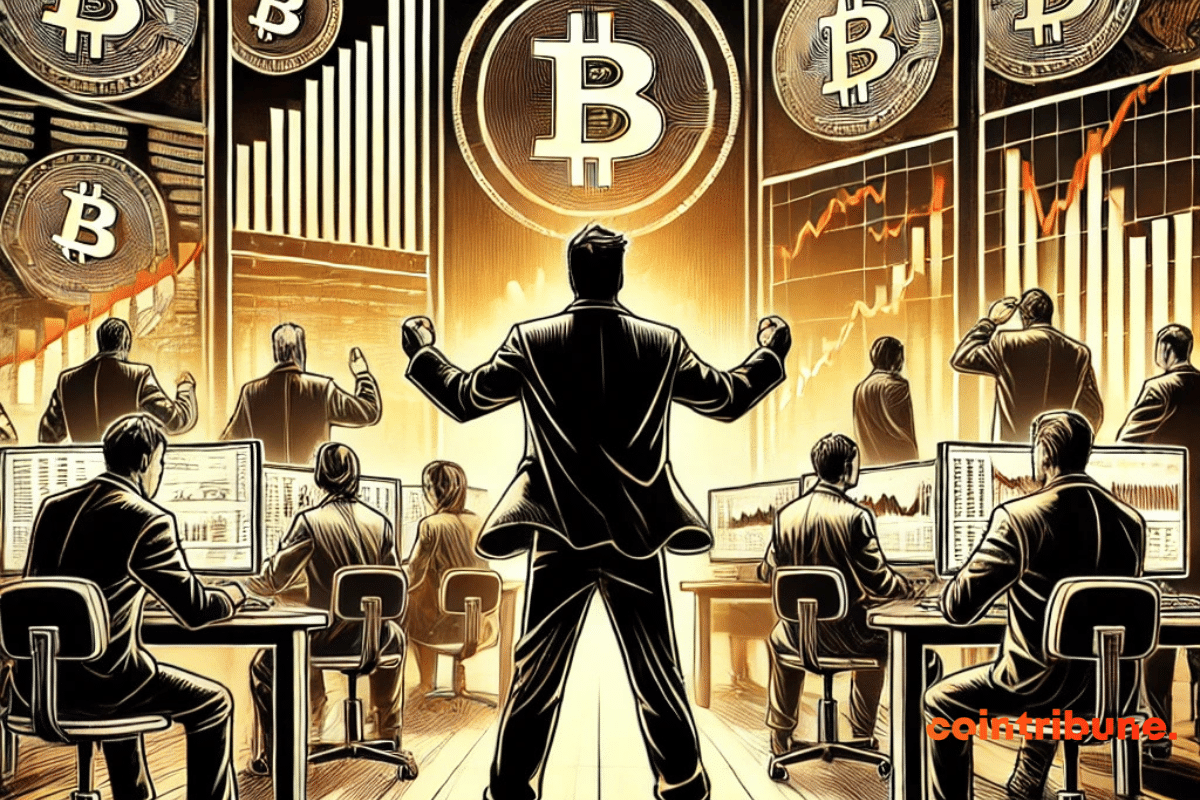
Après des mois d’attente, le Bitcoin a dépassé la barre des 90 000 $, marquant un tournant historique dans sa trajectoire de croissance. Pourtant, ce qui surprend, ce n’est pas seulement le prix, mais la réaction des traders. Habituellement, à ces niveaux de prix, les prises de bénéfices explosent. Mais…

The price of Solana (SOL) has made a spectacular rise, reaching $214 this Sunday, its highest level since December 2021. This exceptional performance represents a staggering increase of 2,500% since its all-time low post-FTX, driven by optimism in the crypto market and technical advancements of the network.
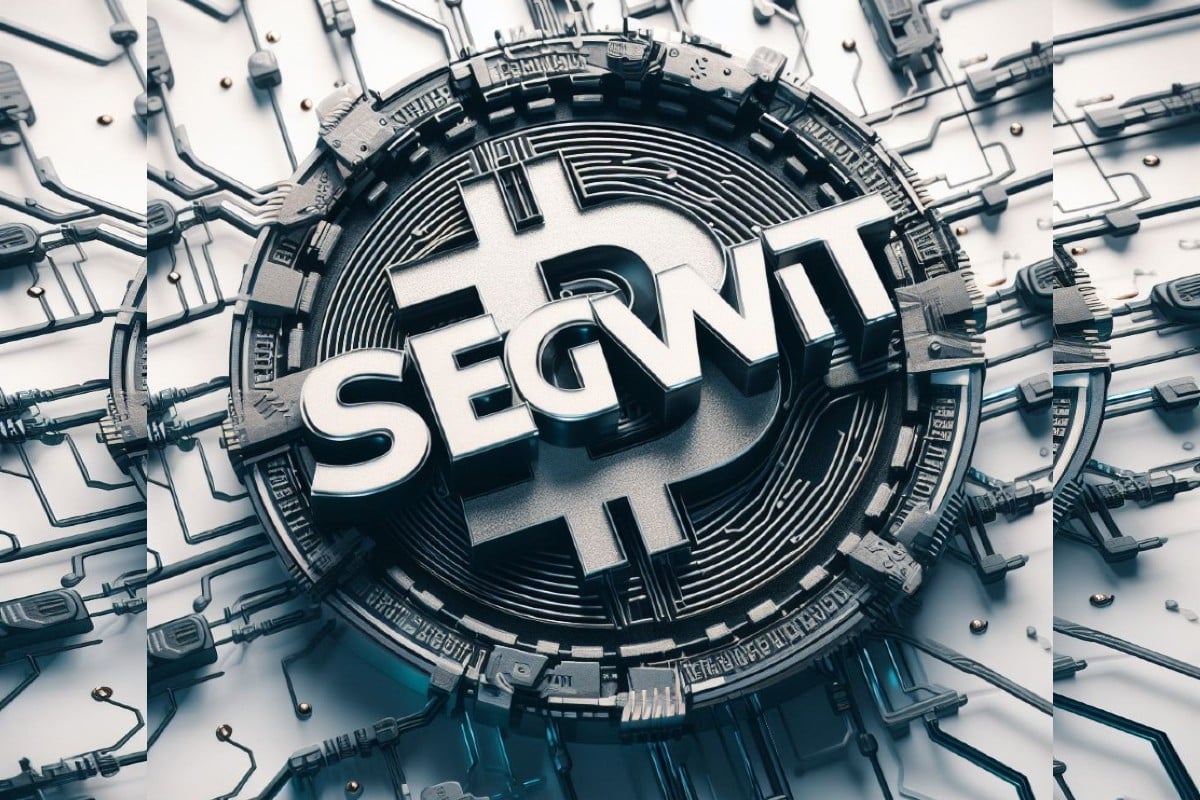
Victim of its success, the Bitcoin network faces congestion problems: cryptocurrency transactions take longer to be validated and fees are higher. It is in this context that Segwit came into being, bearing the improvement proposal number BIP141. This is a soft fork of Bitcoin that helps to address the scalability of the network. In addition to improving the performance of the ecosystem, this upgrade has also brought better security to transactions. But how does Segwit actually improve the BTC blockchain? We explain everything in this comprehensive guide.
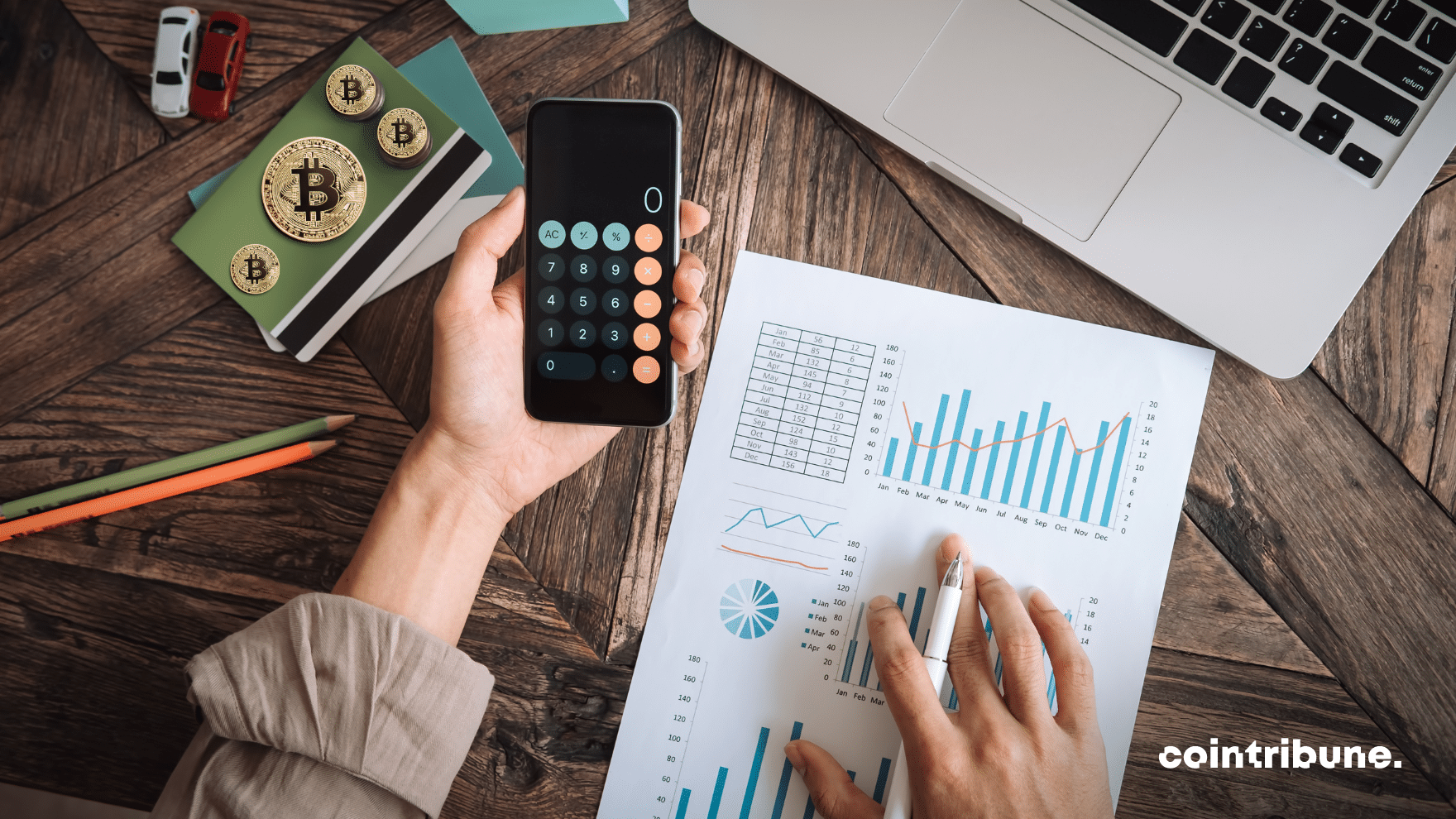
Data security is a crucial issue, especially in a digital world where hacking and privacy breaches are becoming increasingly prevalent. To ensure the protection of digital files, one of the most effective means is the use of hashing algorithms. These have the particularity of transforming any type of data into a unique digital fingerprint that preserves its integrity. In this article, we will explain how this fingerprint is calculated for a file. For this practical case, we will use SHA-256, the hashing algorithm used by the Bitcoin protocol. But first, let's explore the fundamentals of hashing in general, and SHA-256 in particular.
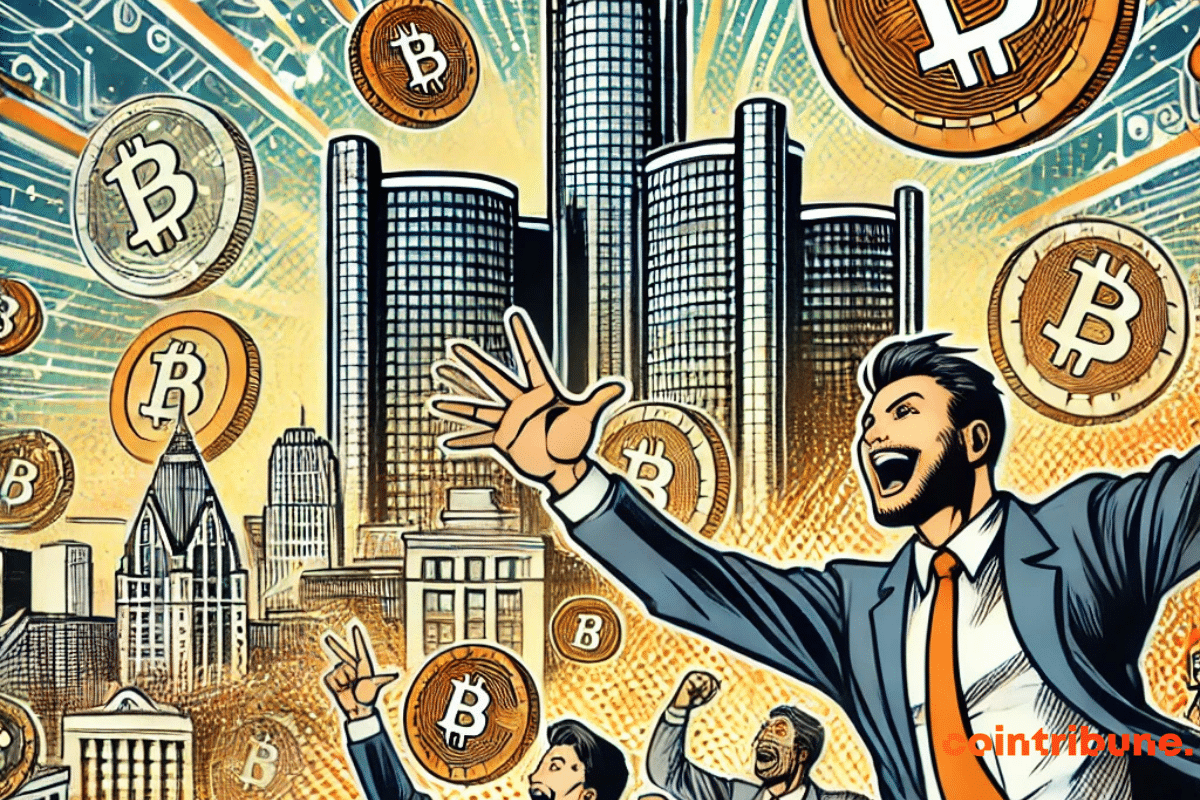
In a move that would have seemed like science fiction a few years ago, Detroit is preparing to welcome cryptocurrency into its municipal coffers. Starting in mid-2025, residents of this city in full resurgence will be able to pay their taxes and other municipal fees in Bitcoin, Litecoin, and perhaps…

Cryptos inspired by Donald Trump suffered a spectacular rout following his victory in the American presidential election, even as Bitcoin set a new historical record.
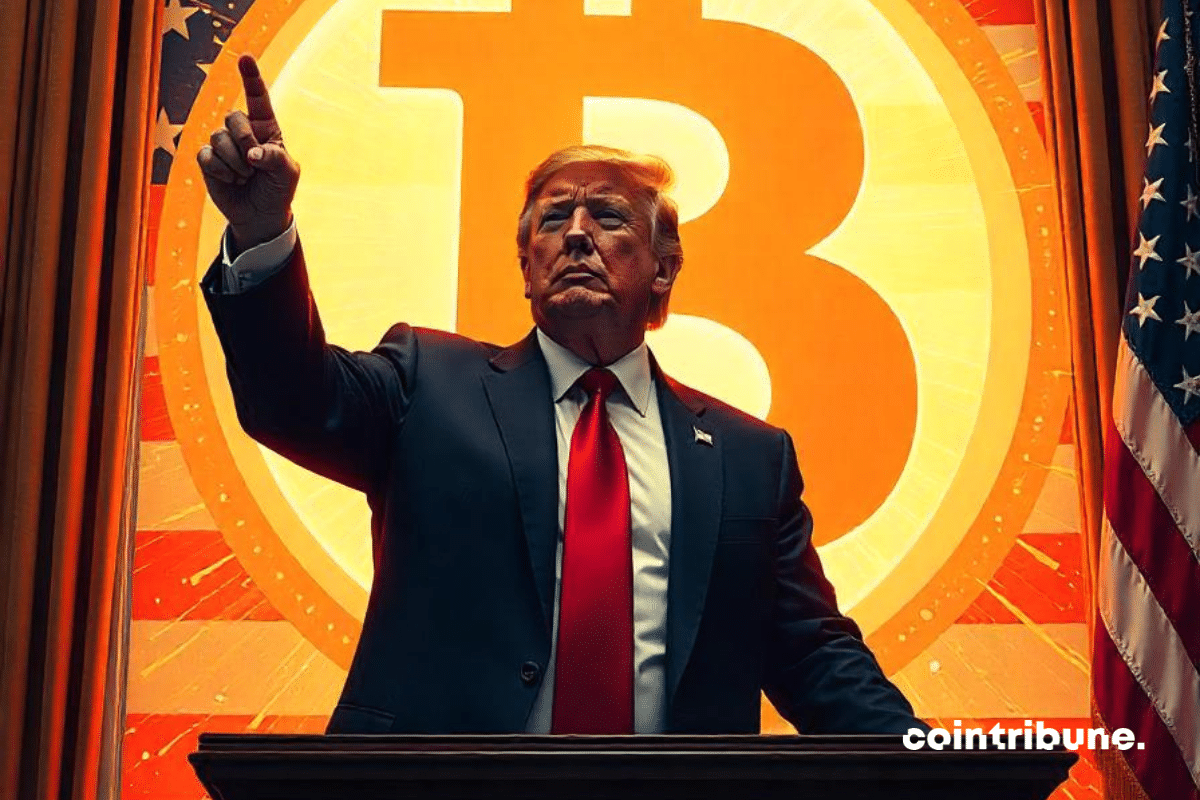
Donald Trump's victory in the presidential election on November 5, 2024, marks a potential turning point for the crypto industry. During his campaign, the freshly elected president of the United States made the crypto sector one of his key arguments, multiplying promises to the community.

The Michigan state's retirement system strengthens its position in the crypto market. After its initial investment in Bitcoin ETFs, the fund is now adding significant exposure to Ethereum ETFs, demonstrating a growing confidence in digital assets.

21Shares has just filed a spot ETF application for XRP with the SEC, becoming the third major player to attempt to introduce this type of financial product in the U.S. crypto market.
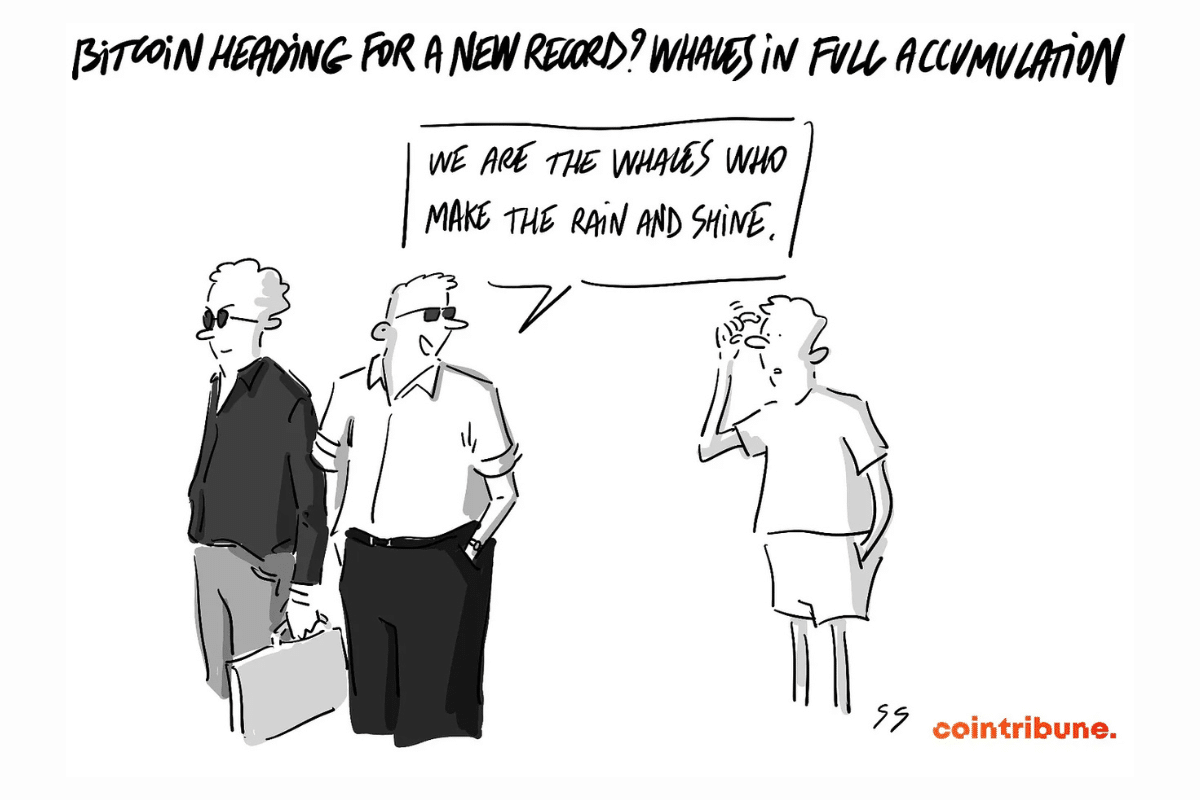
Amid revolutionary announcements, technological advancements, and regulatory turbulence, the crypto ecosystem continues to prove that it is both a territory of limitless innovations and a battleground of regulatory and economic conflicts. Here is a summary of the most notable news from the past week regarding Bitcoin, Ethereum, Binance, Solana, and Ripple.
Hamster Kombat announces season 2 and prepares for a global expansion, despite the falling price of the crypto token HMSTR. Details!

Ethereum co-founder Vitalik Buterin continues his thoughts on the evolution of the network with a detailed new blog post. He addresses the challenges of centralization, value extraction, and transaction fees, proposing ambitious solutions to sustain the crypto ecosystem.

As the crypto world continues to grow, it unfortunately attracts the attention of ever more inventive malicious actors. Recently, Ledger, a recognized leader in hardware wallet solutions, has become the target of a new wave of fraudulent emails seeking to seize its users’ funds. This phishing attack attempts to persuade…
Uniswap launches Unichain and promises $468M per year to UNI holders. Discover why this crypto blockchain could disrupt DeFi.
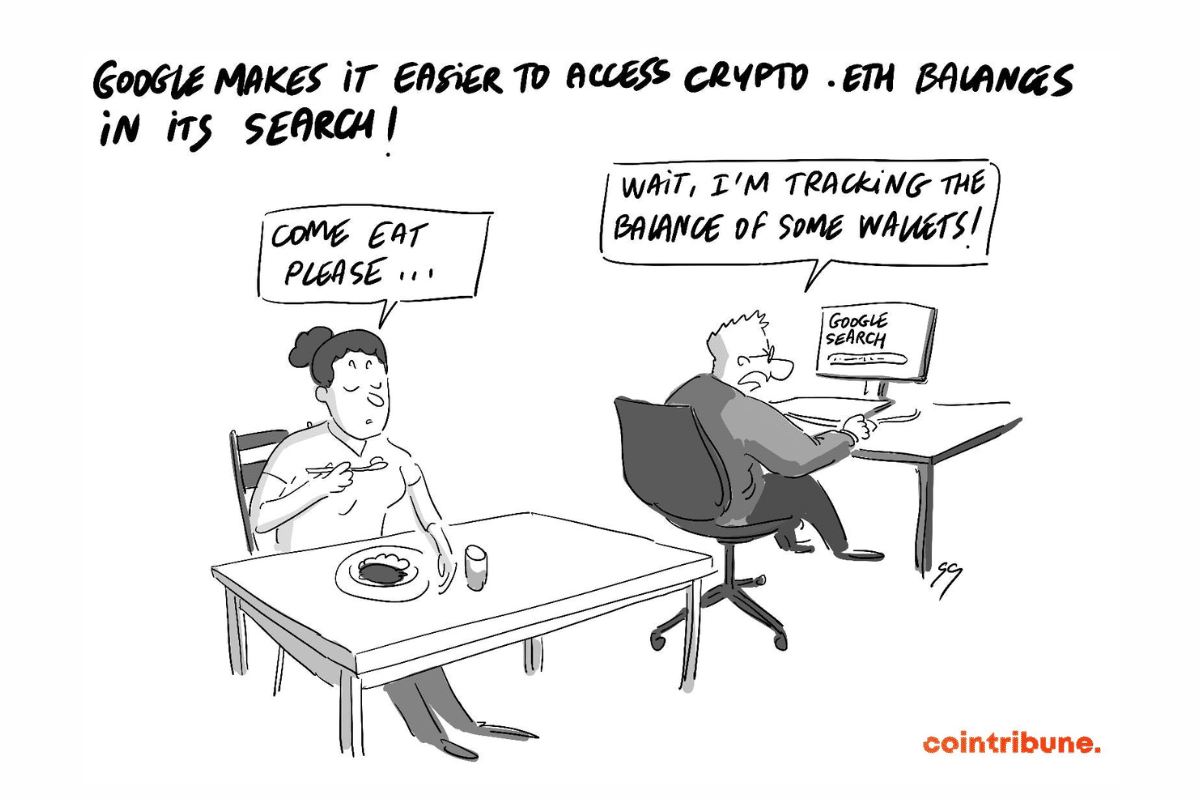
Amid revolutionary announcements, technological evolutions, and regulatory turbulence, the crypto ecosystem continues to prove that it is both a territory of limitless innovations and a battleground of regulatory and economic disputes. Here is a summary of the most significant news from the past week surrounding Bitcoin, Ethereum, Binance, Solana, and Ripple.

Ethereum co-founder Vitalik Buterin recently addressed the thorny issue of transaction fees on layer 1 and layer 2 of the network. In the face of growing congestion, he proposes innovative solutions to balance costs and maintain the attractiveness of the crypto ecosystem.

Millennials? Always fully invested in crypto, treating themselves to a little ETF to cushion the digital shocks!

The world of cryptocurrencies is ruthless. While some projects emerge with brilliance, others struggle to convince or sink into obscurity. This harsh reality is what Max Keiser, an iconic figure of Bitcoin maximalism, bluntly reminds XRP holders. With a statement as sharp as it is expected, he announces that "the XRP rally will never happen," attacking Ripple's cryptocurrency once again. While the XRP community still hopes for a rebound, the latest developments in the lawsuit against the SEC continue to weigh down its price. Nevertheless, optimistic voices persist and bet on a potential technical reversal.