Sun 14 Dec 2025 ▪
4 min read
▪
by
Ethereum faces short-term volatility but shows strong long-term potential, with intrinsic value projected to reach trillions as the network grows.
Ethereum faces short-term volatility but shows strong long-term potential, with intrinsic value projected to reach trillions as the network grows.
Tokenization of real-world assets (RWAs) is moving closer to mainstream finance, though its short-term impact on crypto markets may remain limited. NYDIG says longer-term value will depend on how open, connected, and regulated these assets become across blockchain networks.
Ethereum is stagnating: whales are accumulating, ETFs are flowing, but the breakout is on strike… Behind the scenes, there is movement, but the chart breakout still boycotts the party.

Bitcoin pauses in the balance sheets, but some actors buy more than ever. Here are the numbers worrying analysts.
A bug, a tweet, and here is Vitalik philosophizing while Ethereum wavers: could decentralization be a disguised monoculture? Prysm coughs, the blockchain sneezes... and doubt sets in.
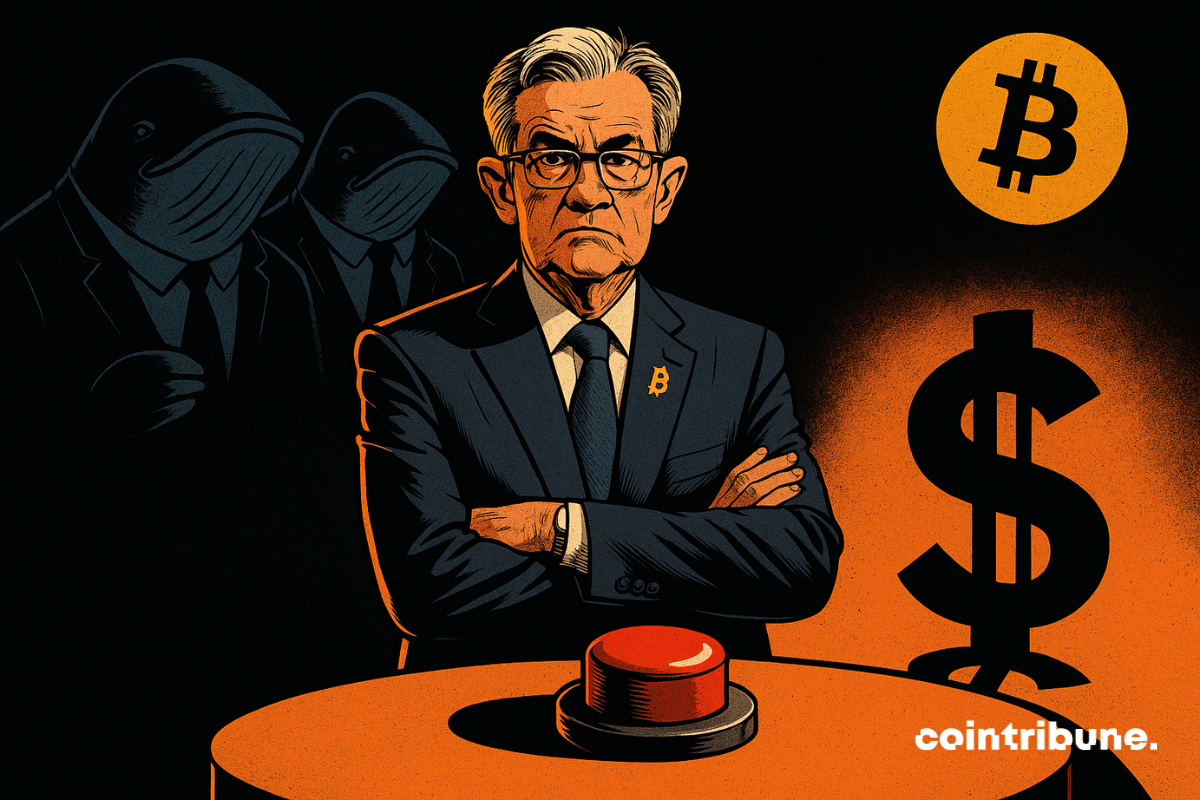
Bitcoin is playing roller coasters: Powell sneezes, whales wave their fins, and traders shout "to the moon"... or crash. The economy, meanwhile, is tense.
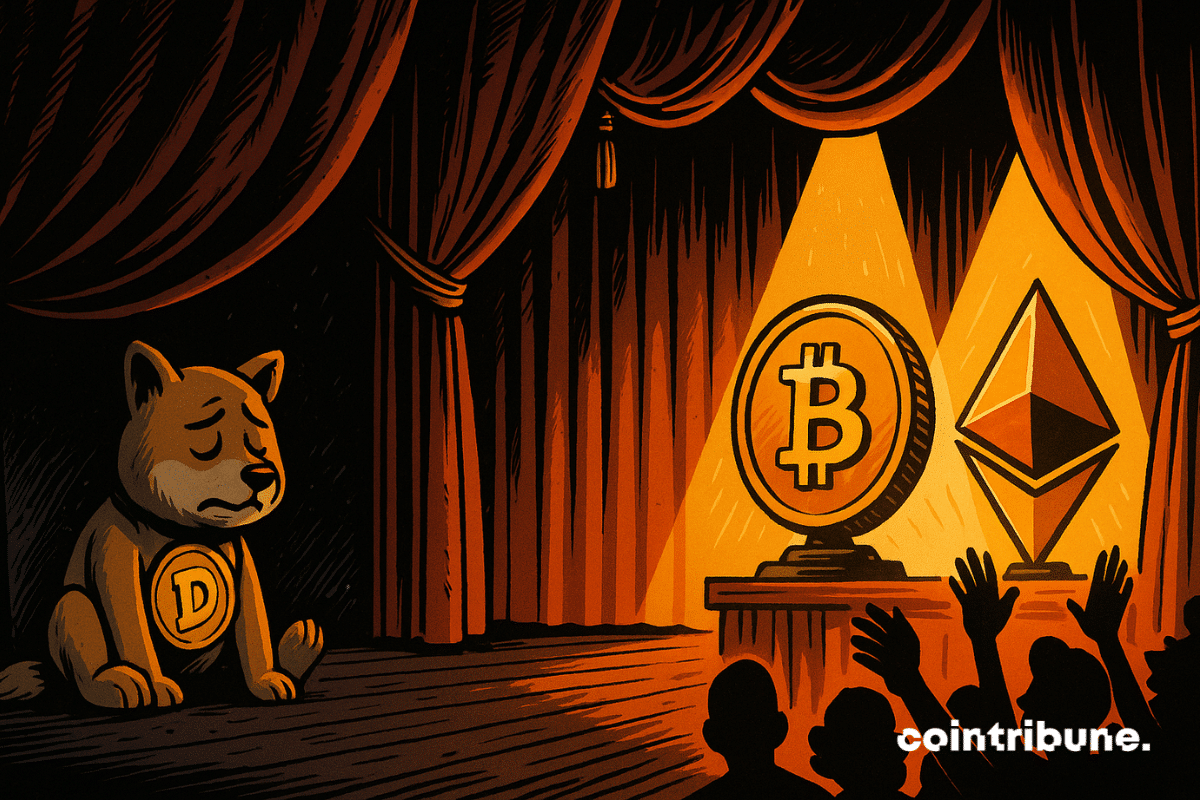
Dogecoin struggles to convince institutional investors. Despite a strong capitalization and a media-covered launch, crypto-backed ETFs show volumes in free fall. In a sector where Bitcoin and Ethereum concentrate the bulk of flows, the disinterest in DOGE illustrates the limits of assets perceived as too speculative.
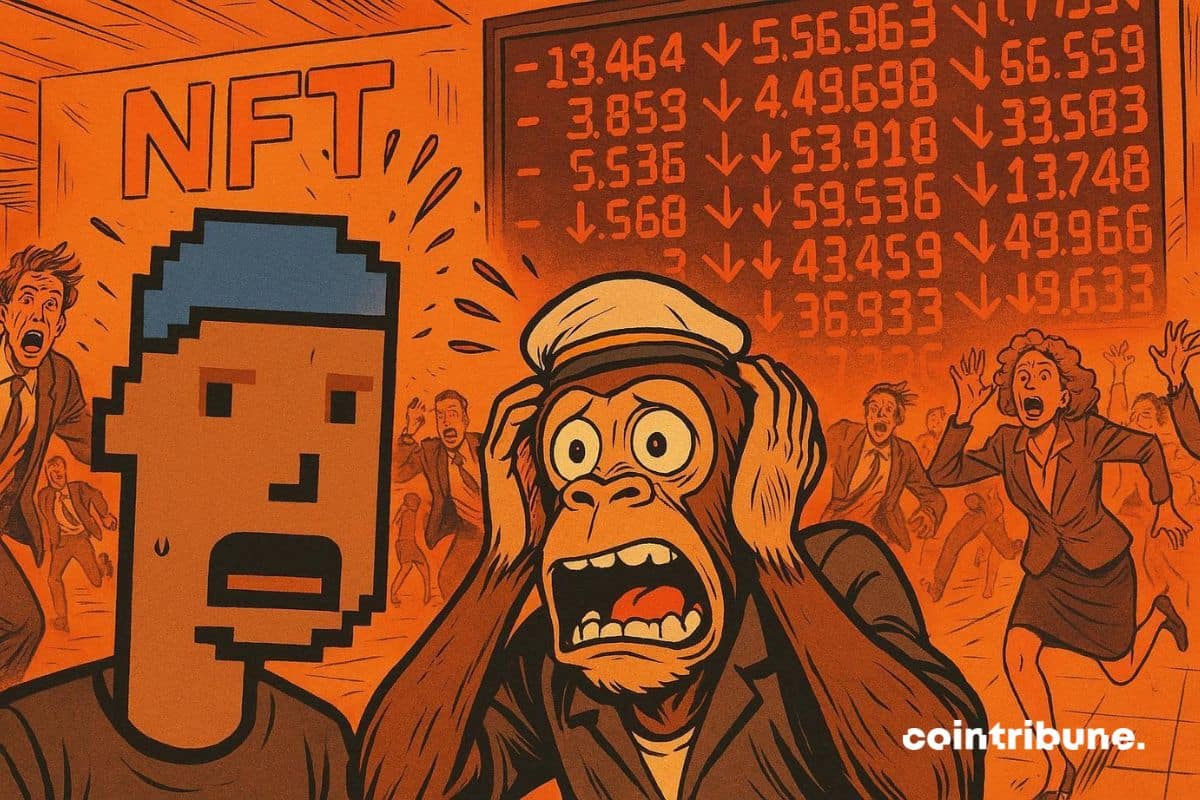
The NFT market collapses in 2025: with only $320 million in sales in November and a free-falling capitalization down 66%, the crypto winter hits hard. Which collections resist? Why is Ethereum shaking? Complete analysis of the numbers and upcoming risks.
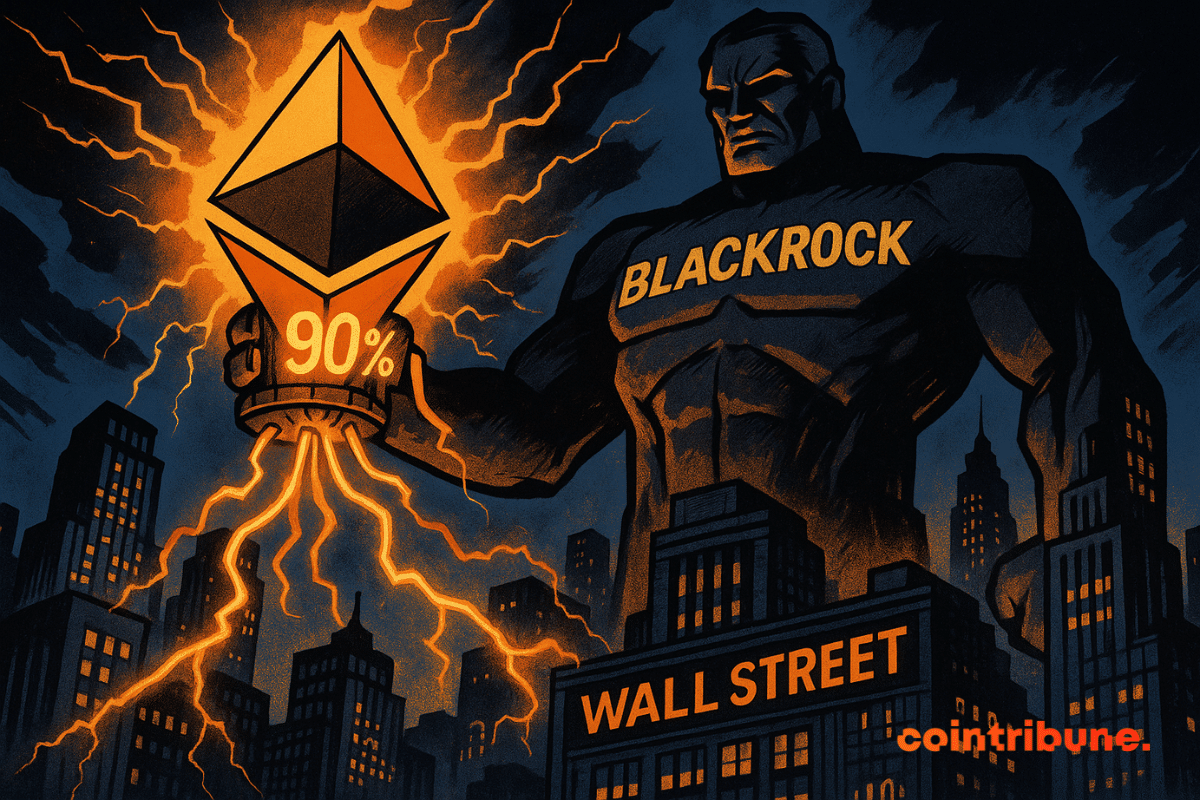
BlackRock discovers Ethereum staking and joins the yield banquet. But who is really dining at the table? The investor, the institution... or the tax authorities watching?
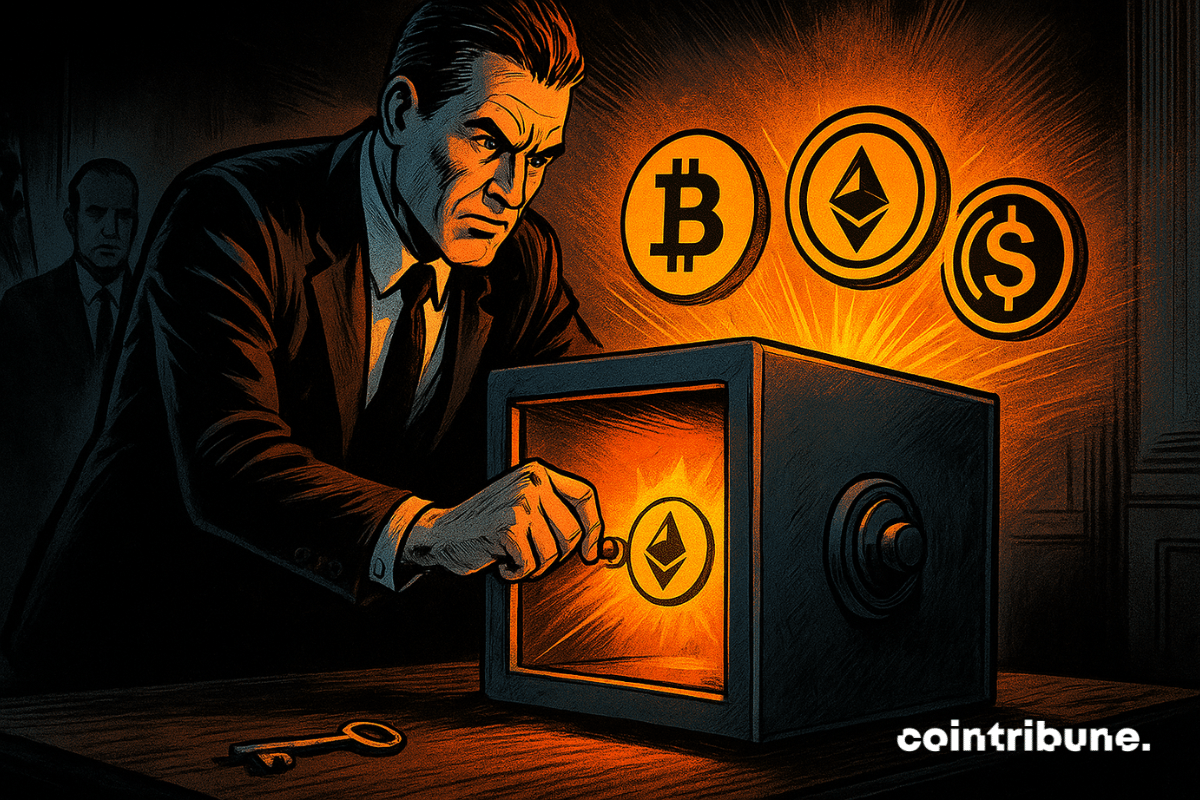
The United States takes a decisive step in integrating cryptos into the traditional financial system. Caroline Pham, acting chair of the CFTC, has just authorized the use of bitcoin, Ethereum, and USDC as collateral in the U.S. derivatives markets. A decision that could well redefine the rules of the game.
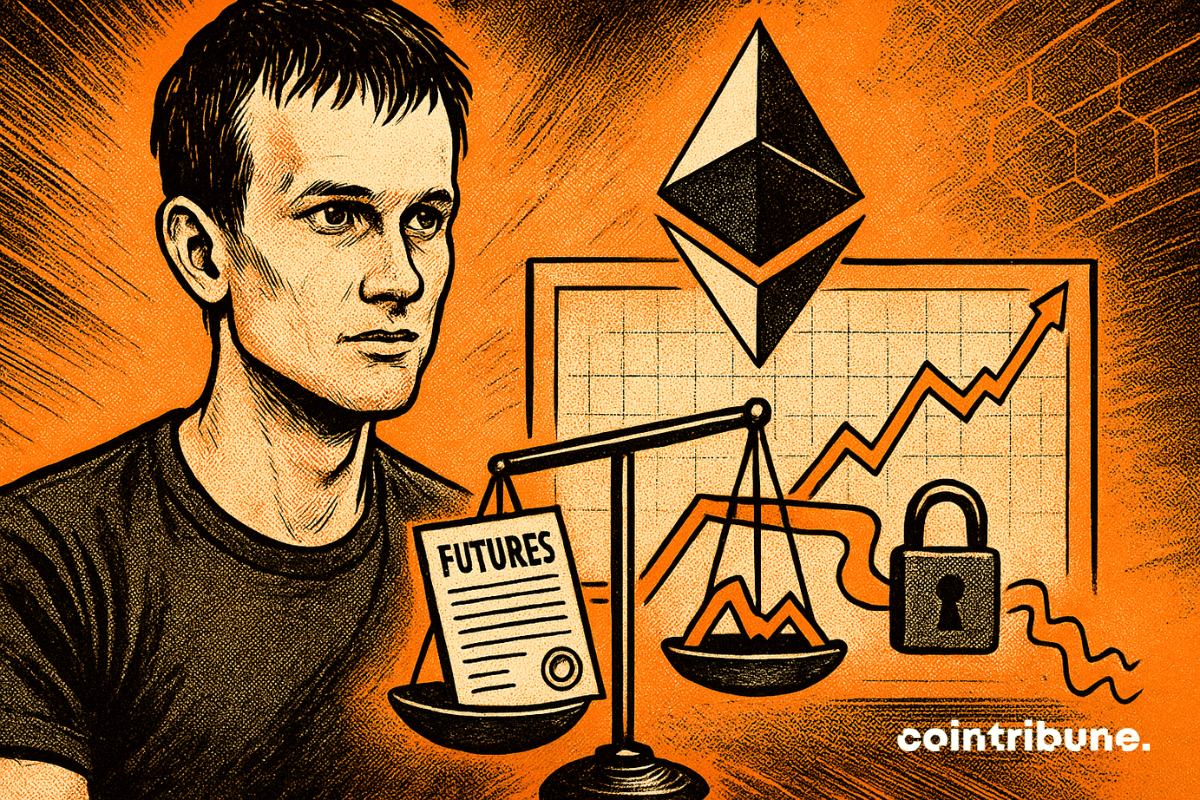
What if Ethereum users could lock in the price of their future transactions in advance? This is the bold path opened by Vitalik Buterin. Facing the persistent volatility of network fees, Ethereum's co-founder envisions the creation of gas futures contracts, a hedging mechanism that could revolutionize economic planning on the blockchain.
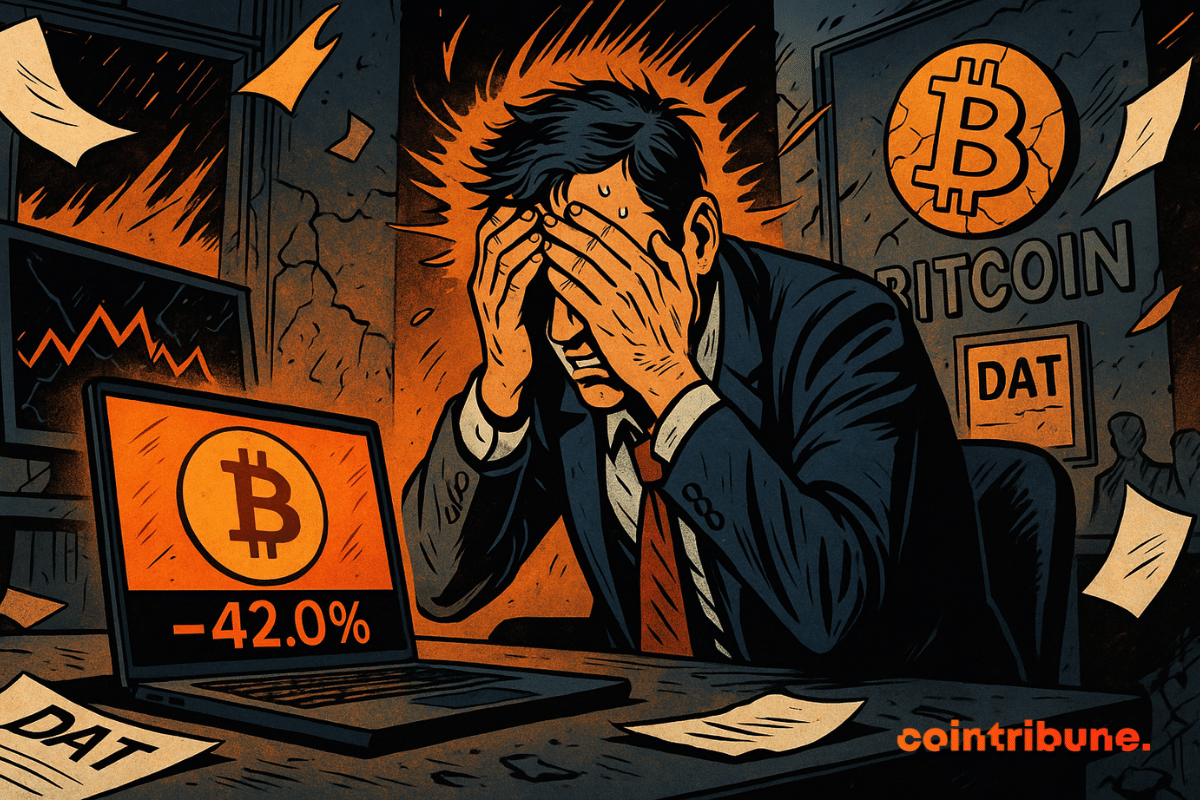
These companies thought they were riding the bitcoin wave, but they are drowning in their own debts. The crypto king is nosediving, and the kings of leverage are getting slapped.
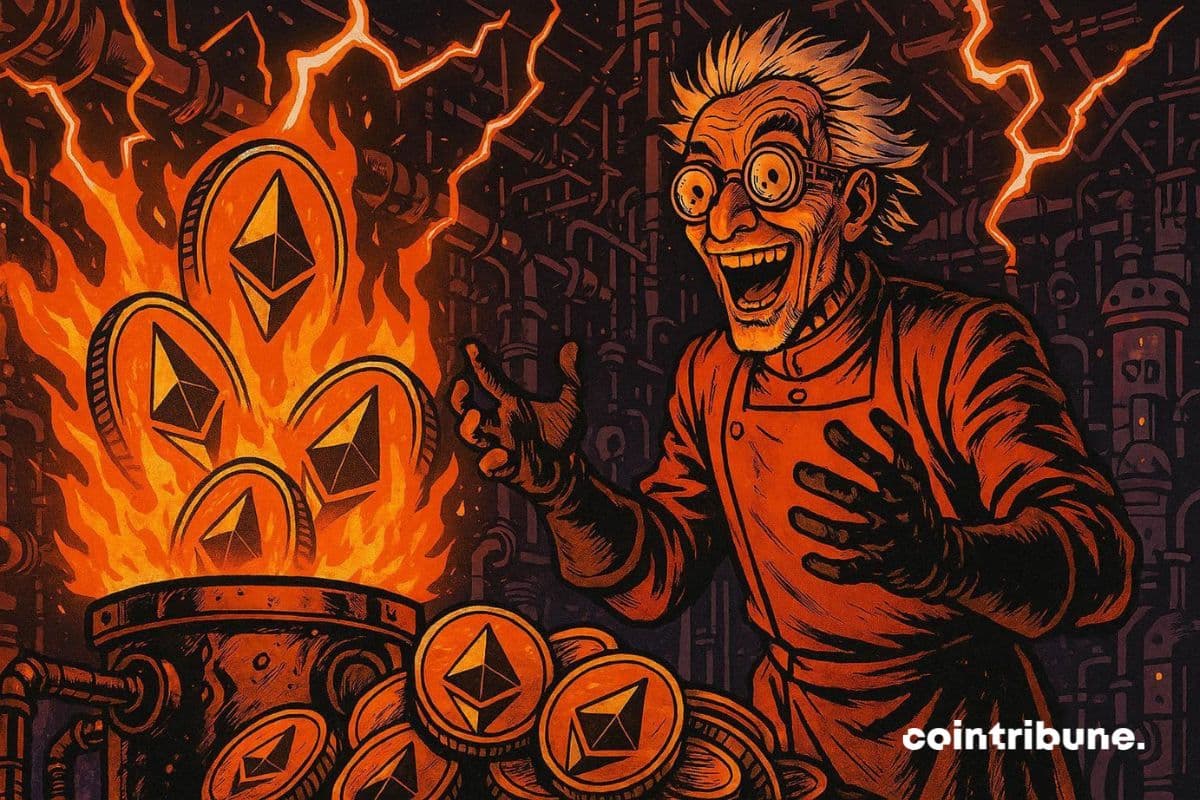
Ethereum has just reached a historic milestone: 6 million ETH burned, equivalent to $18 billion up in smoke. Yet, against all odds, its supply keeps increasing. How to explain this paradox that defies the logic of the crypto ecosystem?
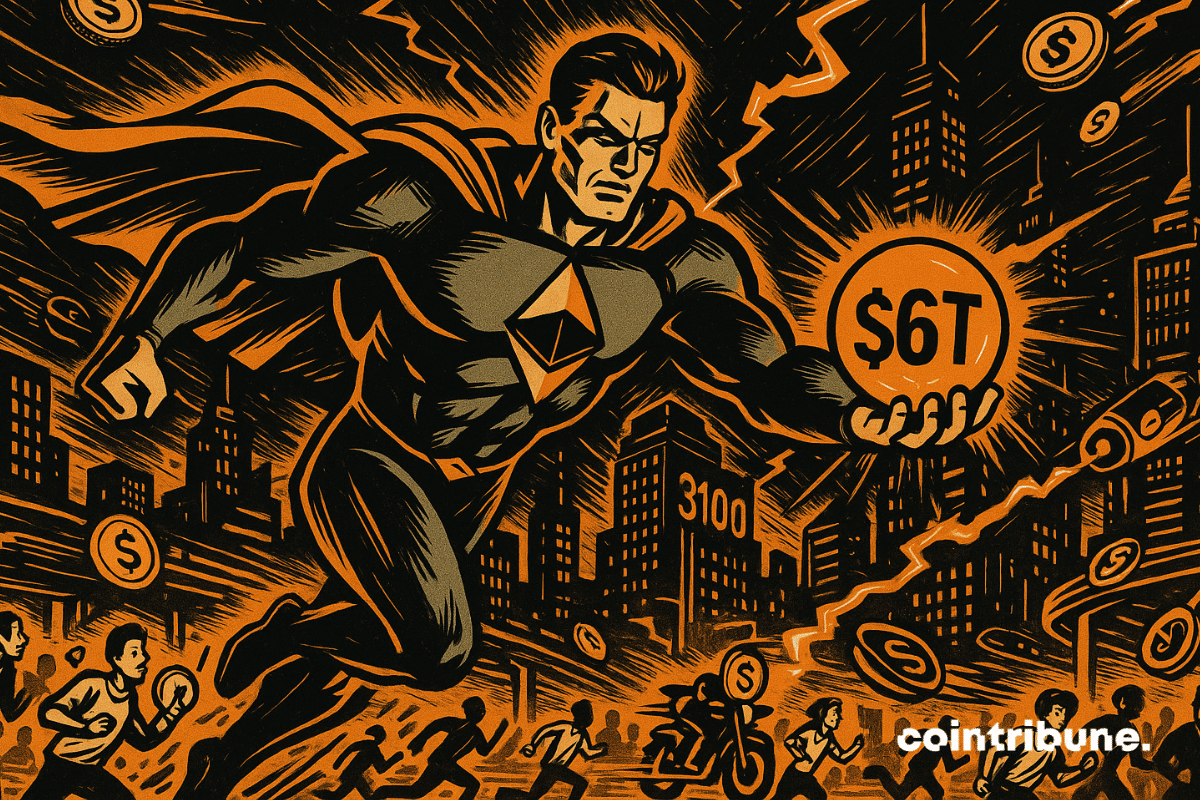
Ethereum’s network shows record stablecoin activity, $6T in Q4 settlements, low fees, and steady prices above $3,000.
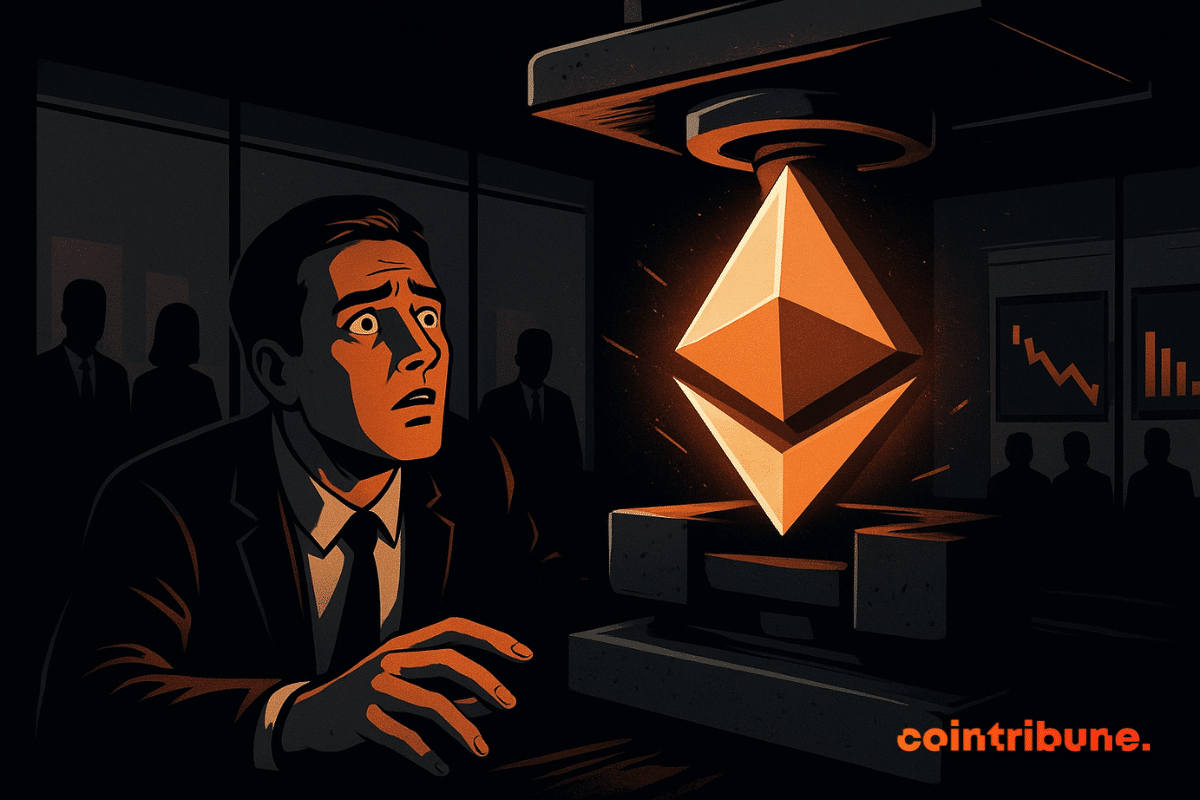
Ether has entered an important phase as exchange balances drop to their lowest level in nearly ten years. Supply continues moving into staking and long-term holding, leaving fewer tokens available for trading. Market structure is tightening even as investor sentiment remains cautious. Recent network events and steady institutional demand are also adding to this overall market trend.
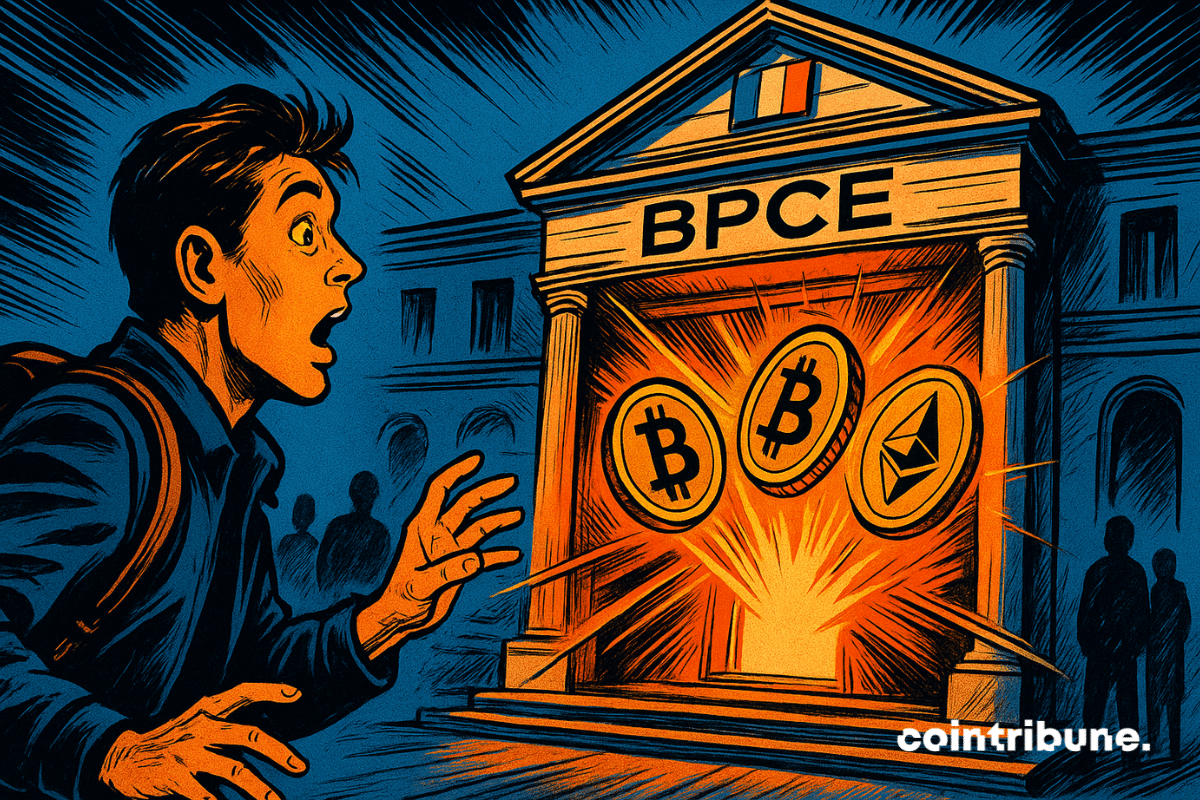
BPCE, a heavyweight in the French banking sector, launches its crypto trading service this week through its mobile applications. A revolution: buying Bitcoin will become as easy as checking your balance.

While bitcoin is bogged down under the spotlight, fleeing ETFs and traders under Lexomil: the crypto star rediscovers the joys of the plunge, 2022 version, remixed 2025.
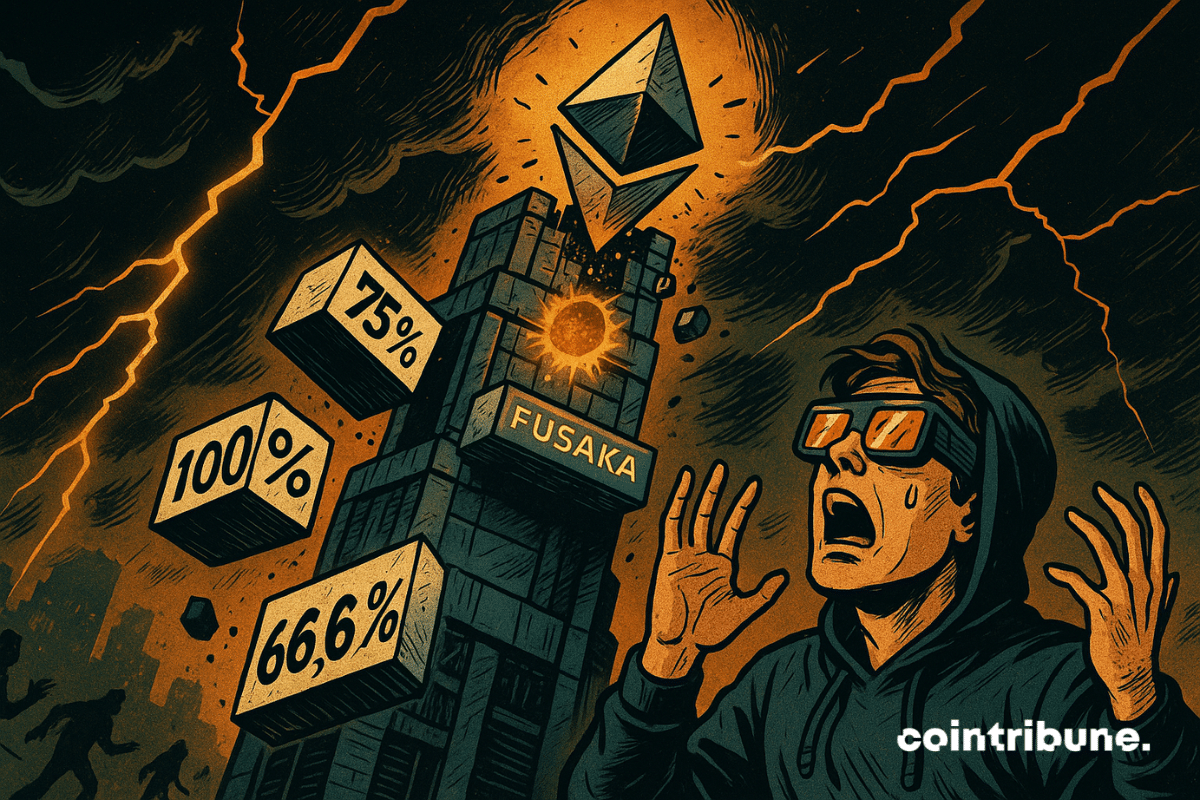
The Fusaka update nearly caused Ethereum crypto network finality to be lost. We give you all the details in this article!
Europe-based ETF issuer 21Shares has opened a new chapter for Sui-linked investment products in the U.S. after receiving approval to list the first exchange-traded product tied to SUI. The debut comes as crypto ETFs continue to roll out across major exchanges, attracting steady interest from both retail and institutional traders.
Supported by record inflows into spot ETFs and favorable technical setup, Ethereum quietly outperforms bitcoin. As flows shift and retail interest rises again, a turning point is happening. Is the trend changing permanently?

While Bitcoin is leading a new rally, Solana sends a much more puzzling signal: capital is exiting ETFs but continues to flow on the blockchain. On one side, 21Shares sees its TSOL crypto ETF lose $42M. On the other, over $321M redeploy directly on-chain on Solana. An apparent contradiction that says a lot about the real state of the market.
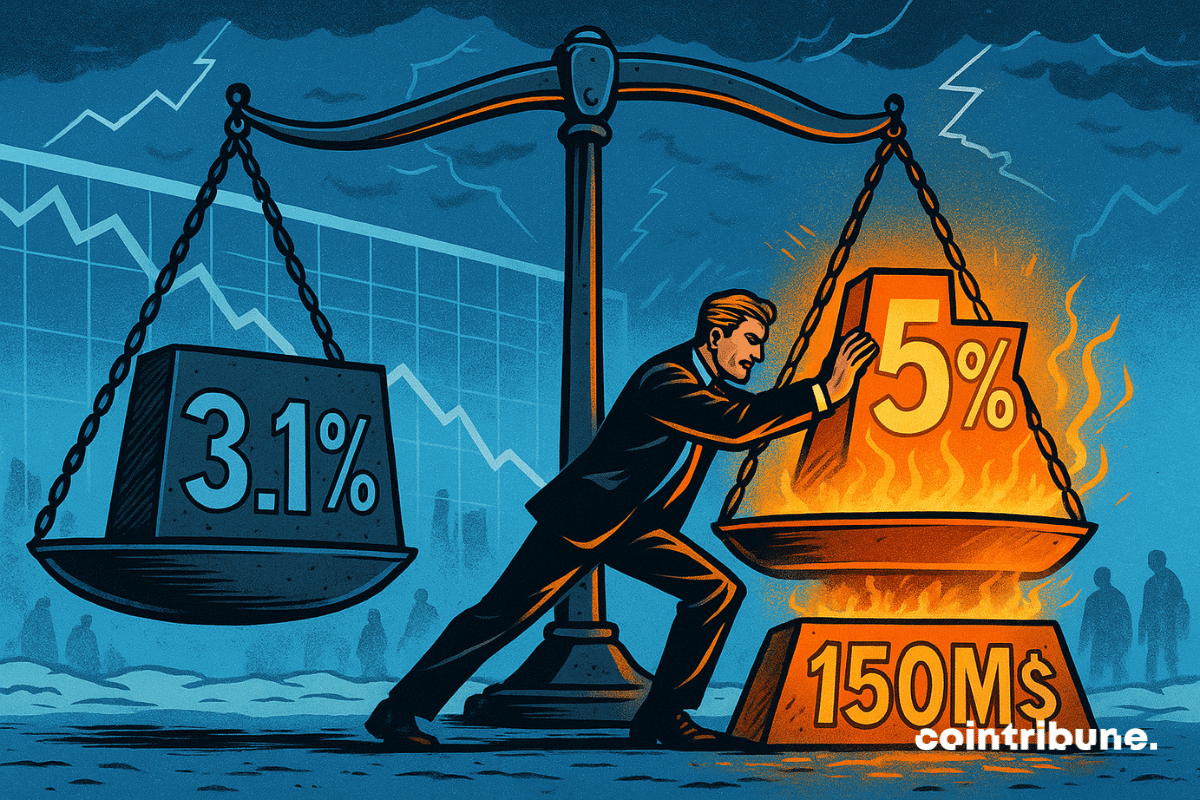
While the small holders sell, BitMine stuffs itself with ether: $150 million at once, aiming for 5%. Soon, Ethereum will be to Tom Lee what Twitter is to Musk.
When Ethereum no longer inspires companies, BitMine feasts, the small ones die... and the crypto market wonders: is it a pause or the end of recess?
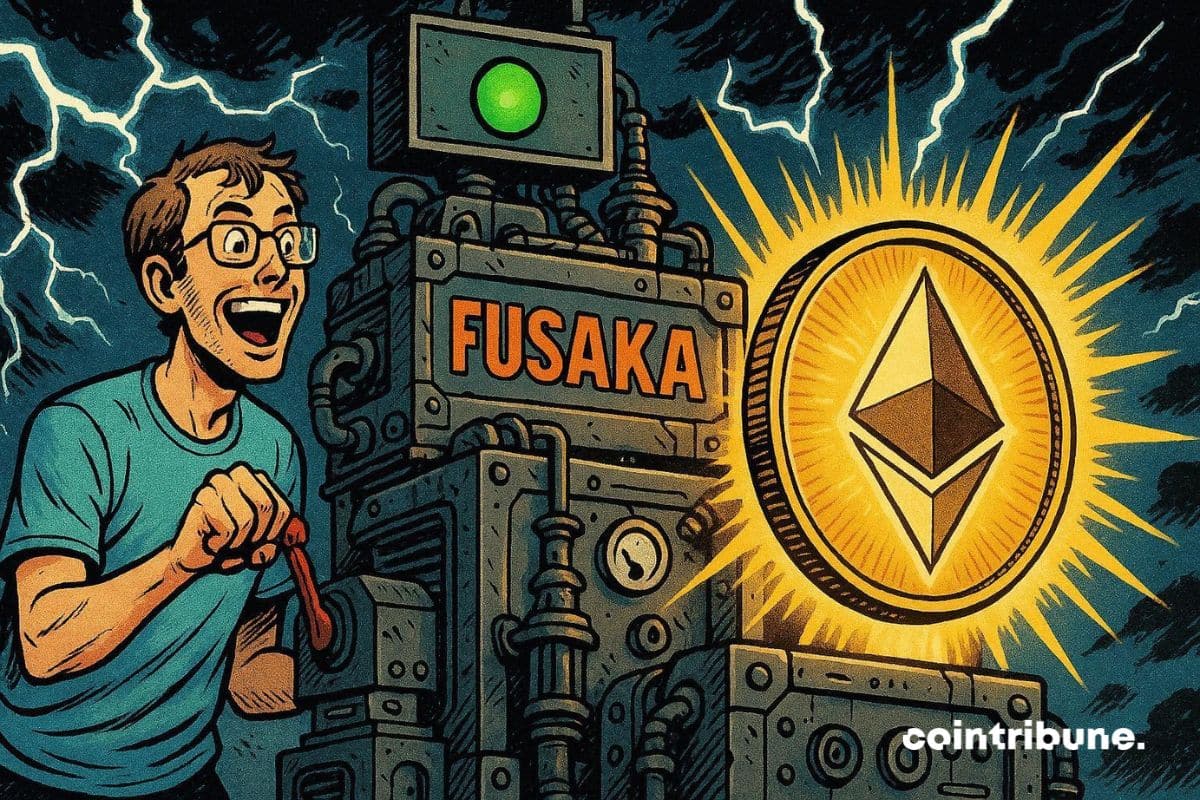
The Ethereum Fusaka update is finally active, marking a historic turning point for the blockchain. With faster transactions, reduced fees, and unprecedented scalability, this evolution could redefine the future of crypto. Discover in detail the immediate changes and their impacts on the Ethereum ecosystem.
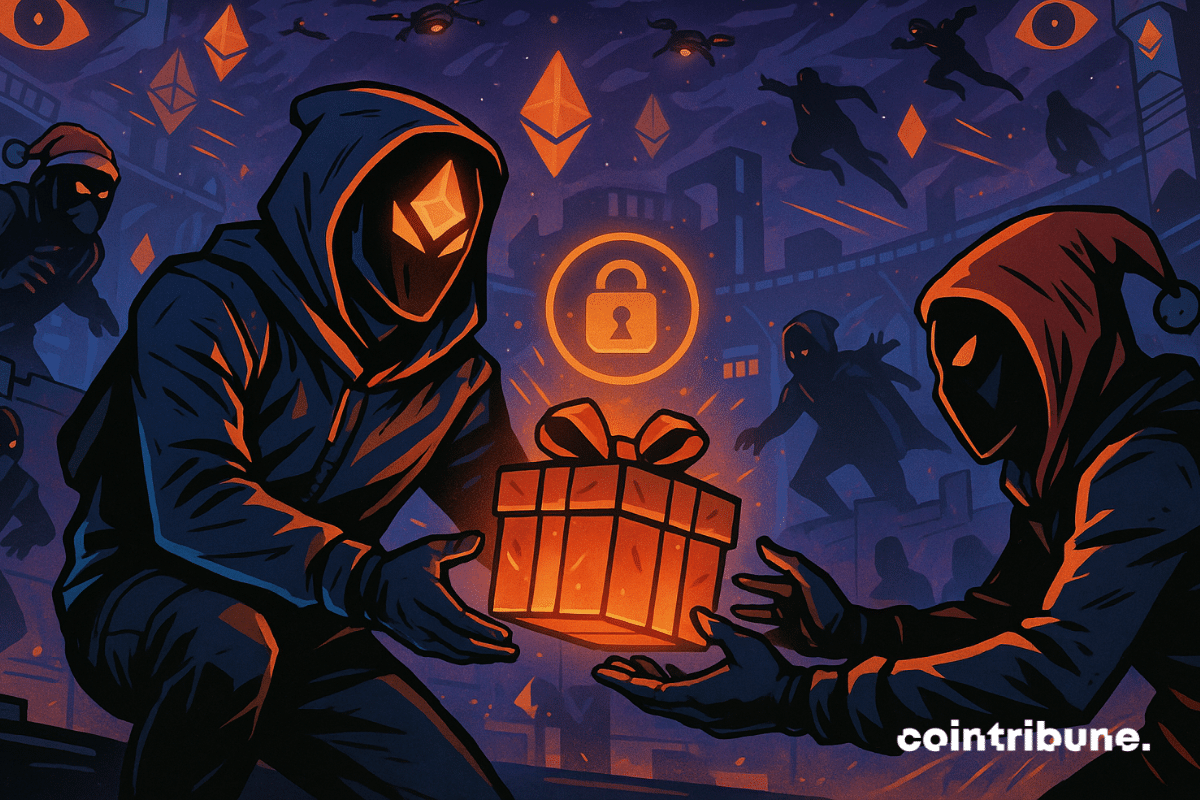
ZK Secret Santa uses zero-knowledge proofs to let users interact anonymously on Ethereum, keeping actions and identities private while ensuring fairness.
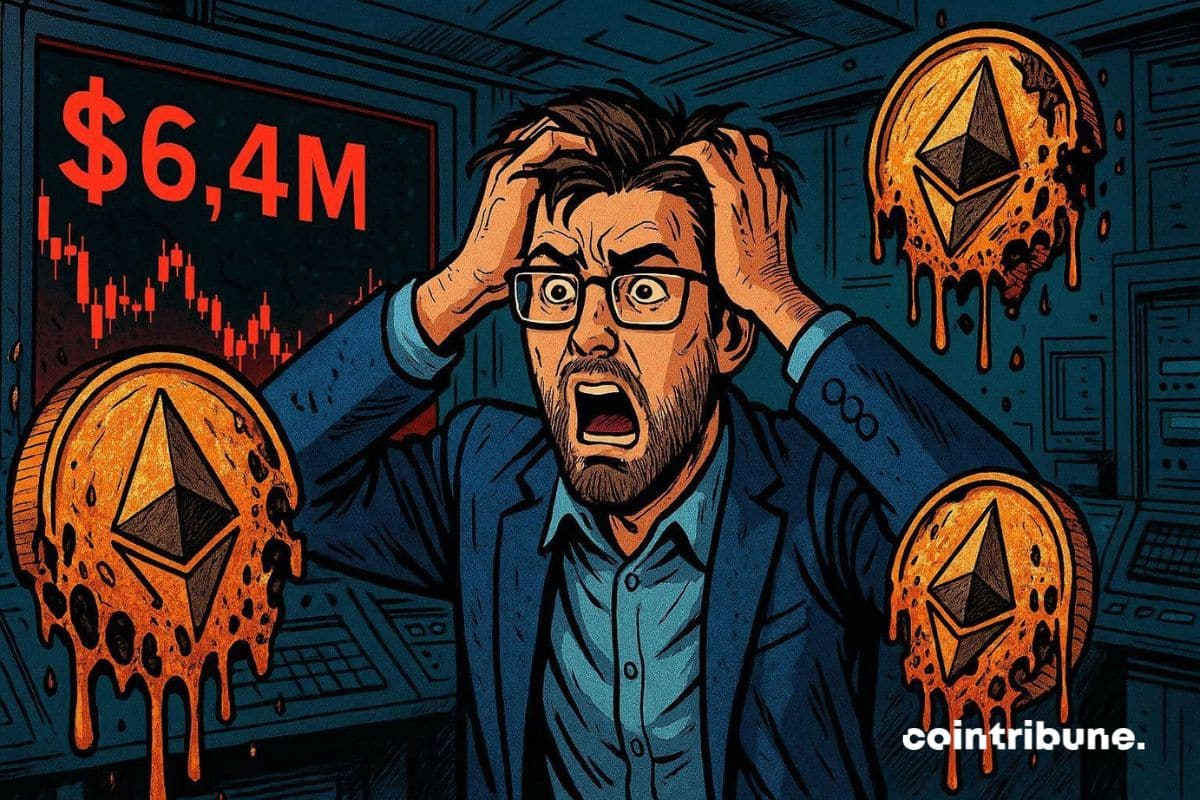
Ethereum just experienced a historic purge: 6.4 billion dollars in leverage evaporated, causing its price to drop. Yet, whales are taking advantage to massively accumulate. Why this paradox? A crisis or an opportunity? Analysis of a decisive turning point for crypto.
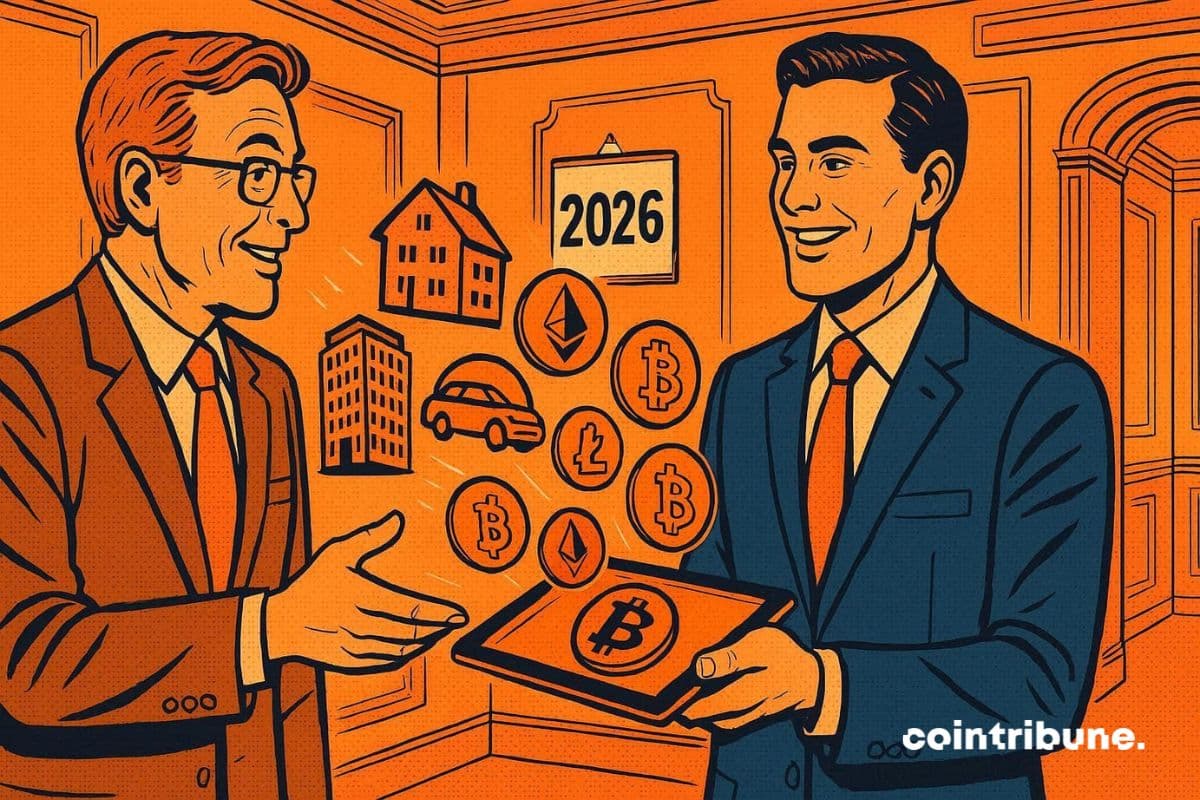
2026 will mark a historic turning point: real world assets (RWAs) tokenized are establishing themselves as the new standard for global payments. Programmable stablecoins, digitalized government bonds, and massive adoption by banks — this financial revolution is already redefining liquidity and transactions. Ready to understand how these assets are transforming the economy?
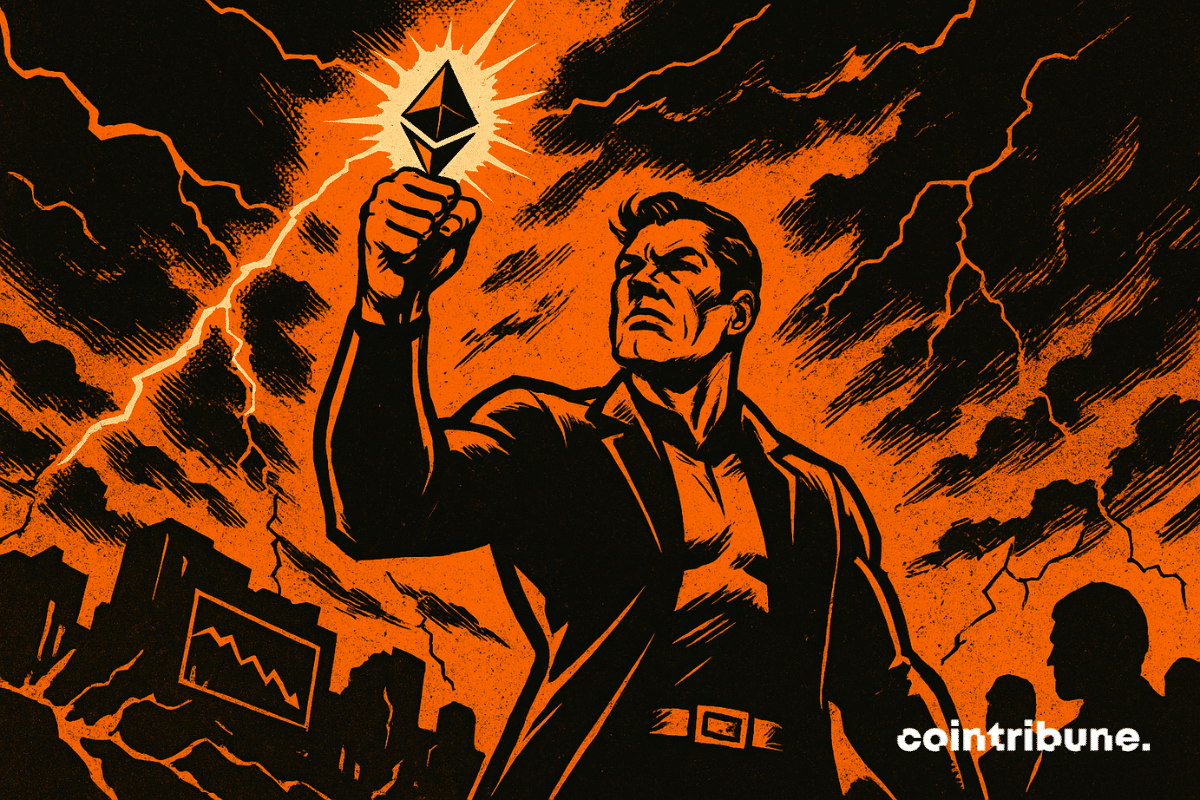
BitMine buys $70M of Ethereum in 3 days. Supercycle coming? Discover all the details of this massive operation.
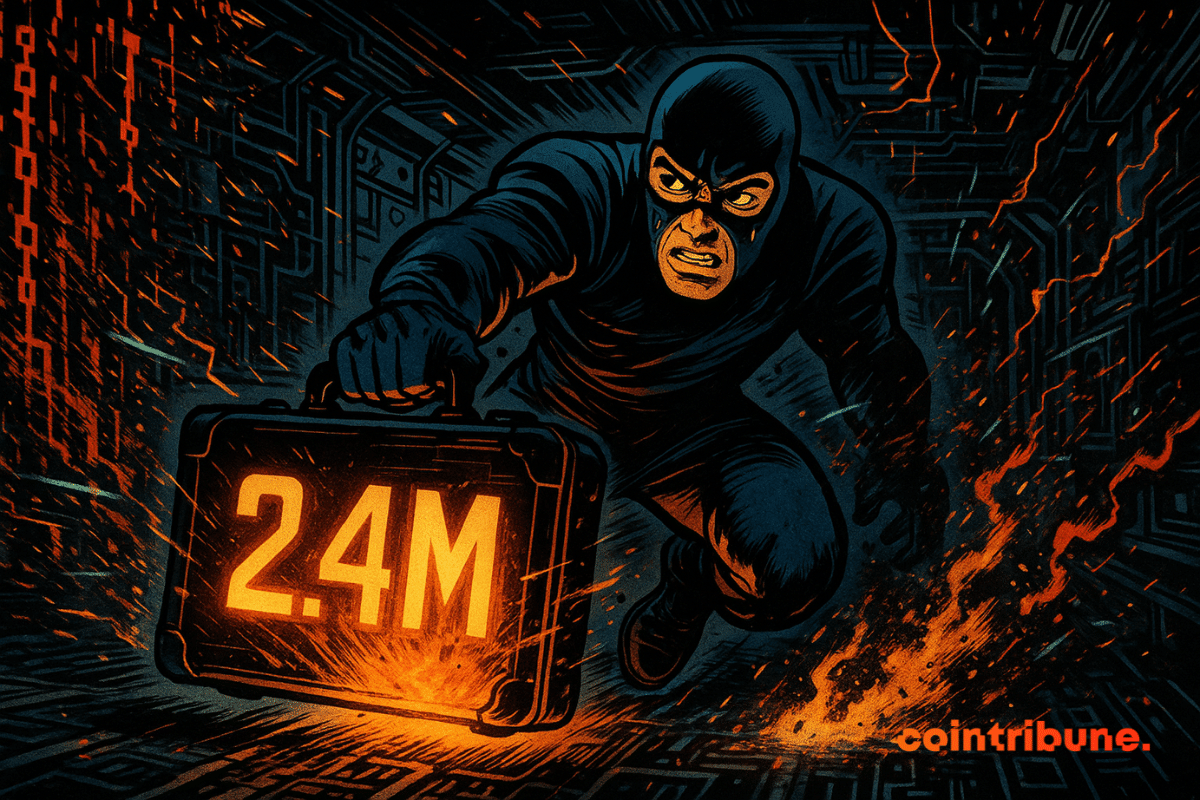
An arithmetic bug, billions of tokens, a hurried hacker… and Yearn retrieving $2.4M in commando mode. In the crypto jungle, treasure hunts are intensifying.
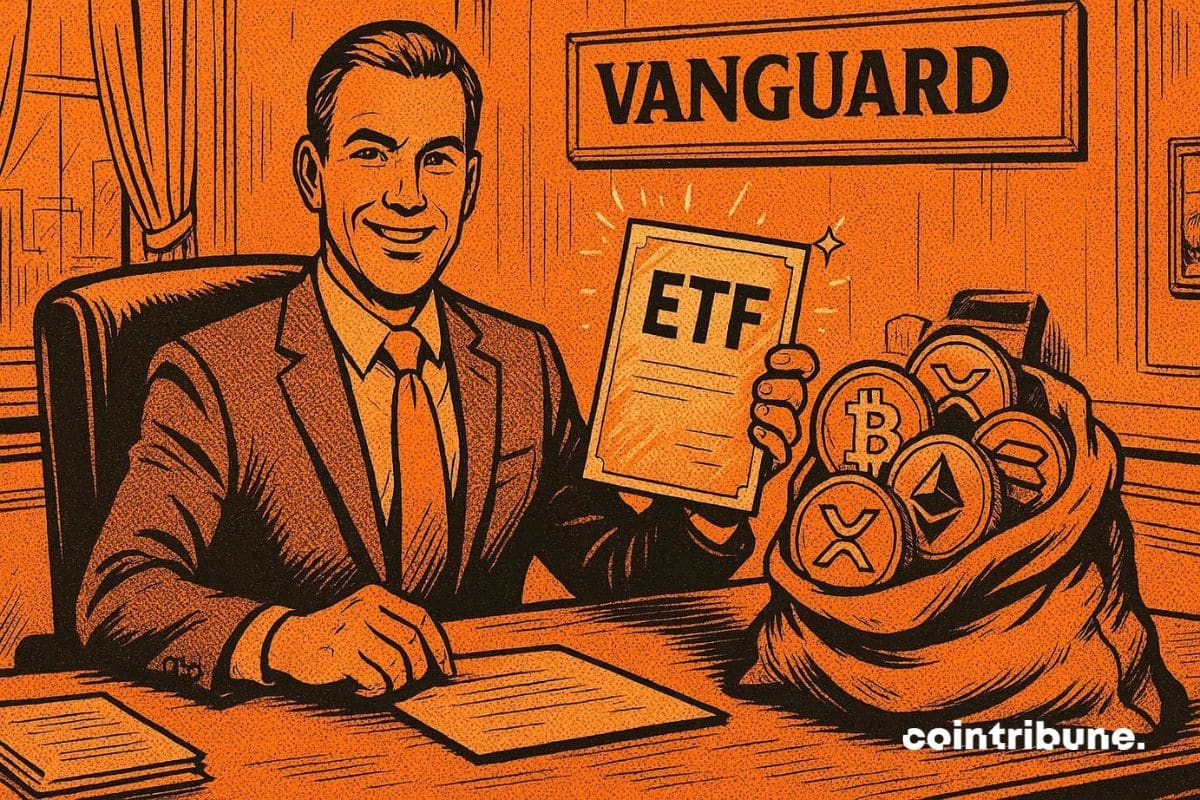
Vanguard, asset management giant, has just shaken up the market by opening its doors to crypto ETFs for its 50 million clients. A decision that could cause Bitcoin to explode and redefine institutional investment. Why this turnaround, and what will be the consequences?