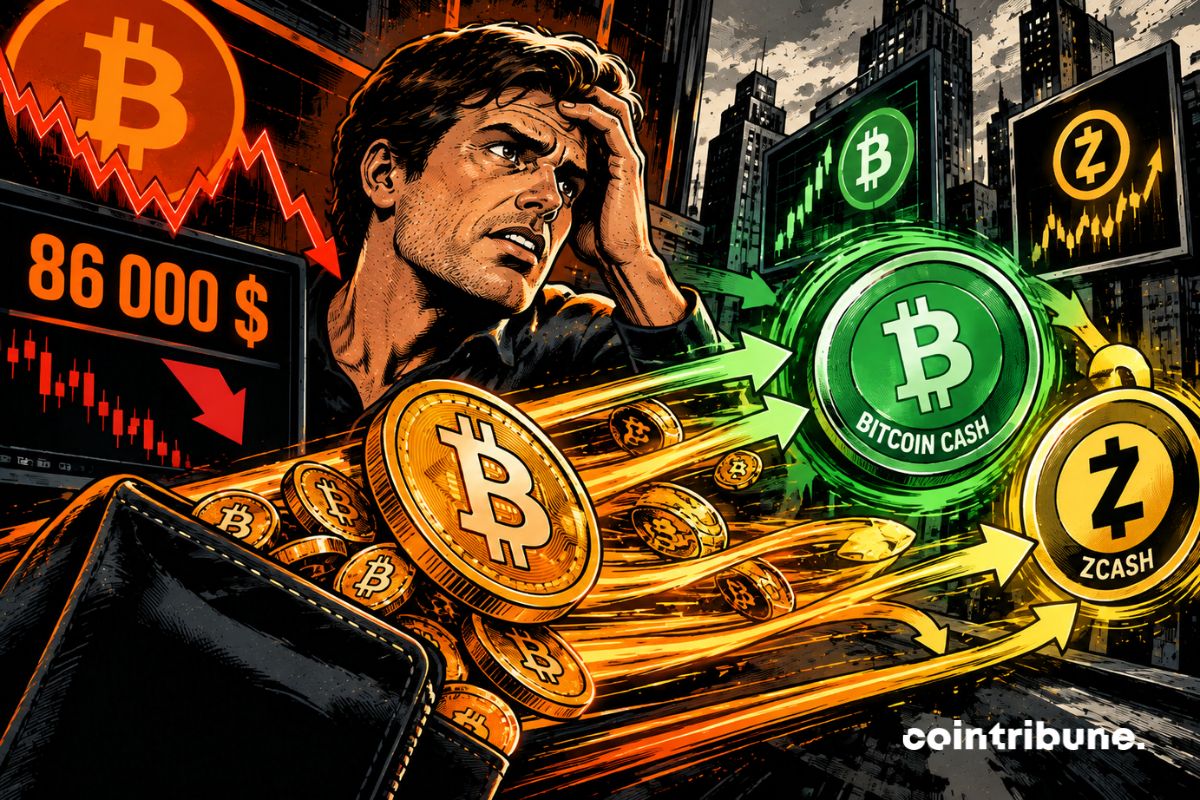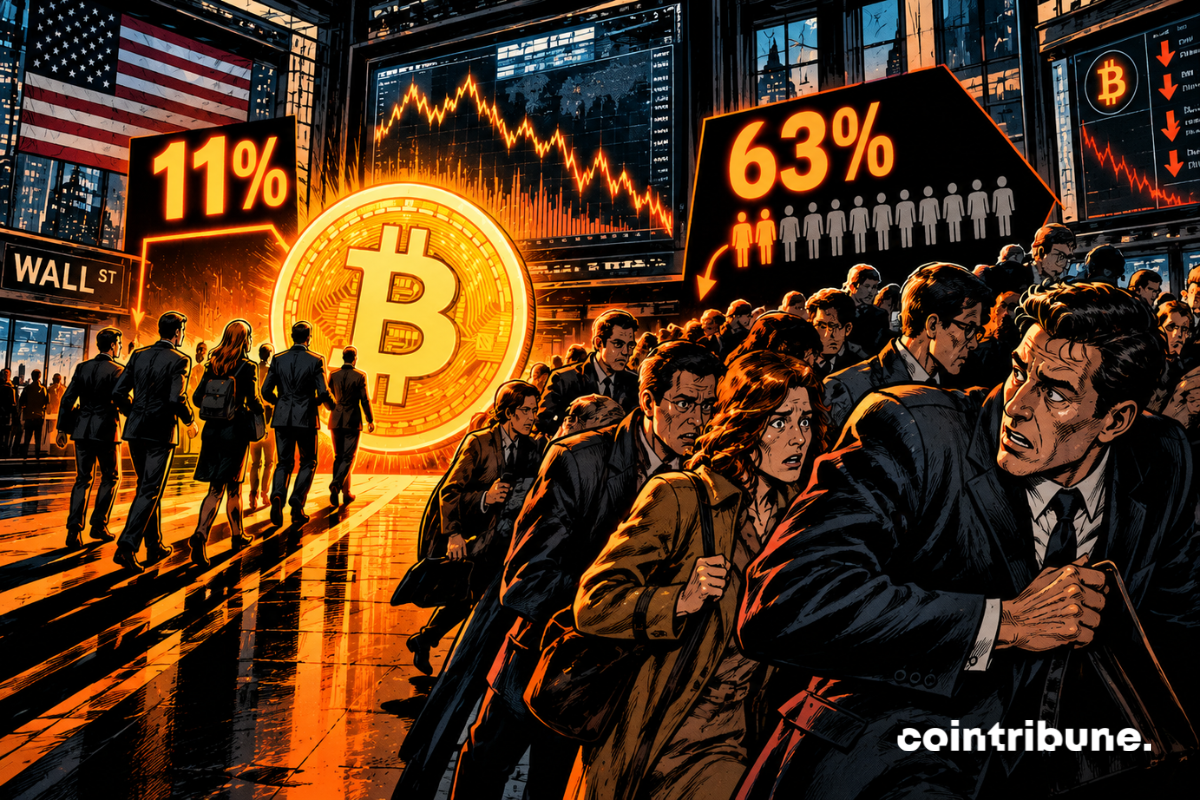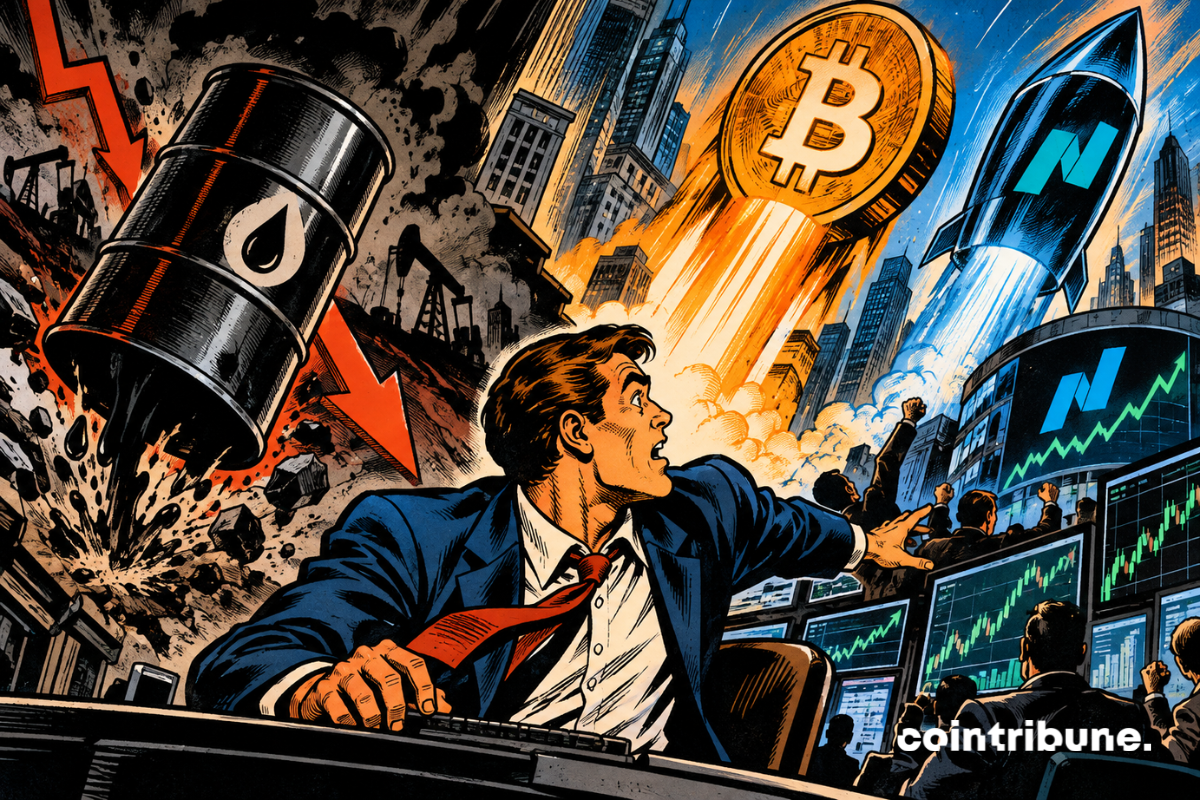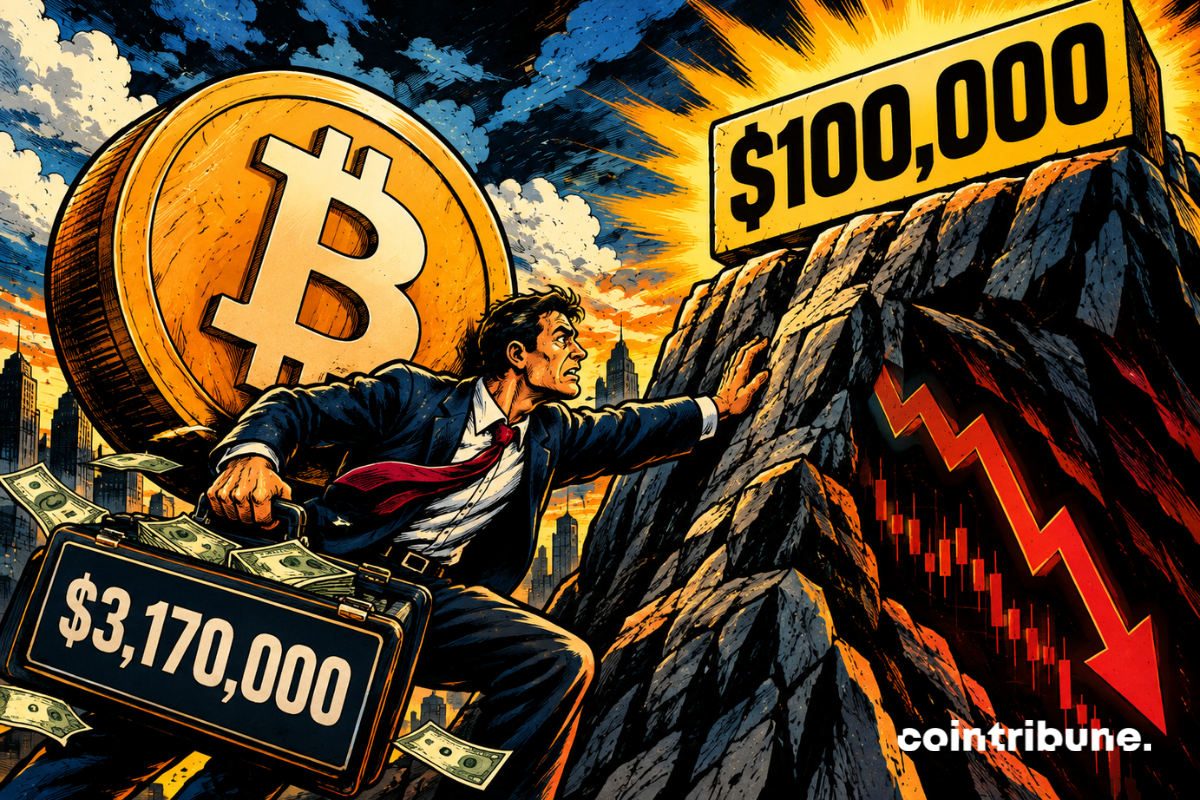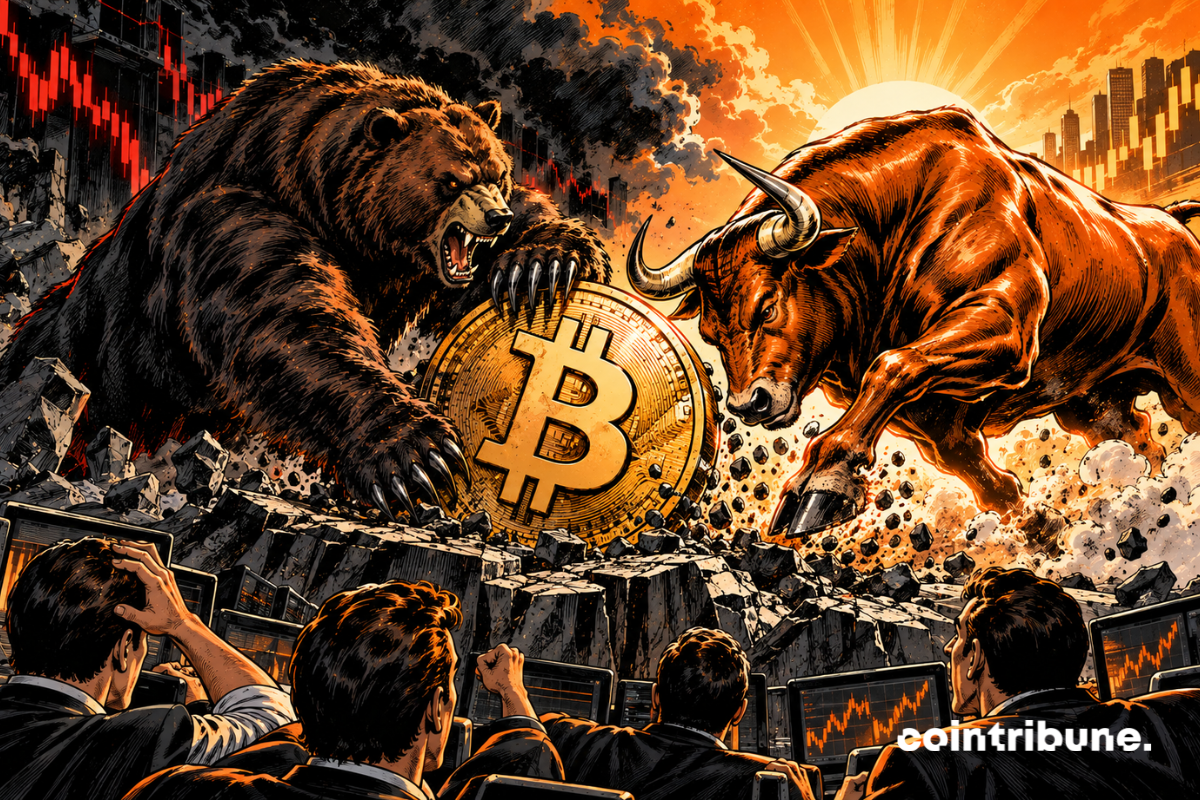
Recent Bitcoin pullbacks are driven by stablecoin shorts and market dynamics rather than mass selling, with long-term holders remaining largely inactive.
Arthur Hayes views altcoin season as an ongoing cycle, but many traders missed out on key winners despite market gains.
The SEC has just dropped the hammer: Caroline Ellison, former CEO of Alameda, is banned for 10 years, while Gary Wang and Nishad Singh face 8 years of prohibition. A historic sanction after the fall of FTX.
After months of legal battle and a closely followed saga by the markets, Elon Musk has just seized a decisive victory. The Delaware Supreme Court has restored the full 56 billion dollar compensation granted by Tesla in 2018.
The Bitcoin Queen hangs up. Exhausted but clear-headed, Lummis leaves a void. Regulators, traders, and crypto lobbyists wonder: who will now whisper in the ears of senators?
Coinbase Institutional sees in 2026 much more than a simple market rebound: a strategic shift. In a 70-page report published in mid-December, the platform anticipates a deep integration of cryptos at the heart of global finance. While this year has been marked by volatility and persistent regulatory uncertainties, Coinbase is betting on a new emerging phase where regulation, institutional adoption, and new uses will sustainably reshape the crypto landscape.
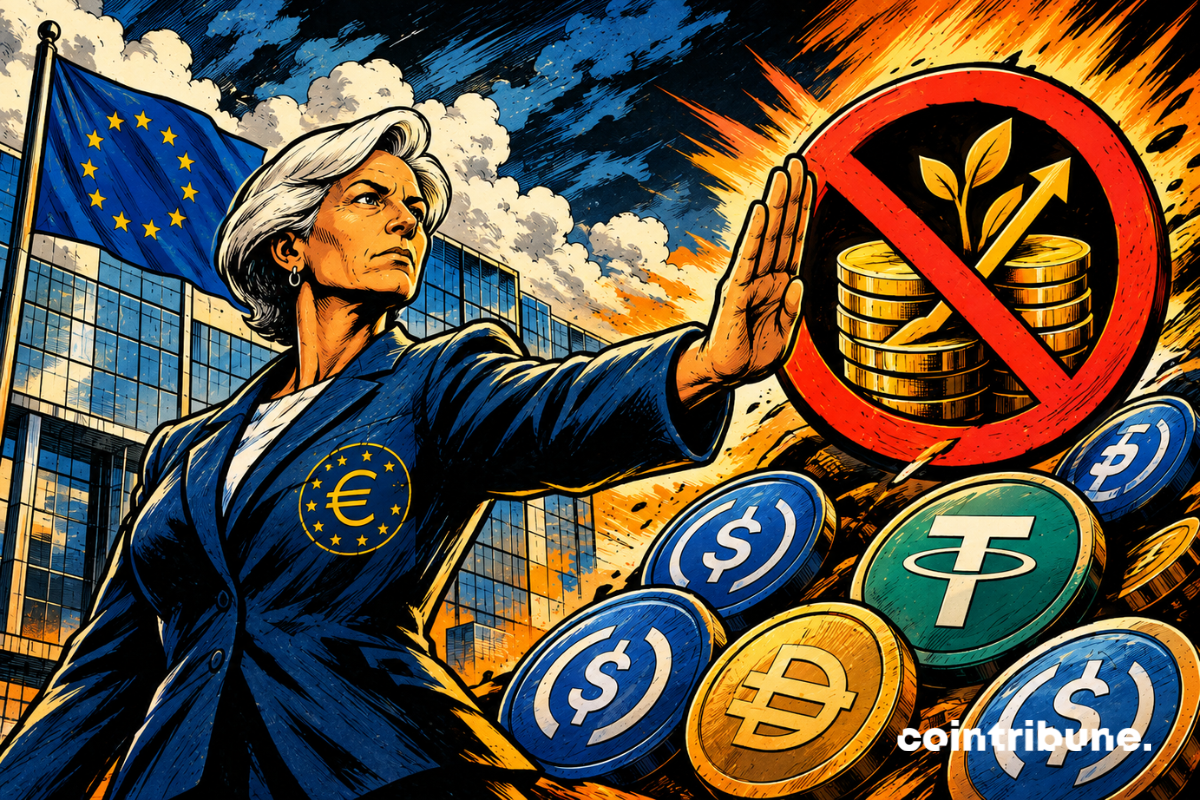
The digital euro could change everything: instant payments, financial sovereignty, and an alternative to private cryptos. However, despite ready technology, European legislators block the project out of fear of privacy risks. Which crypto will disappear if the digital euro arrives in 2026?
Is the US Federal Reserve quietly restarting the printing press? Its new program, called "Reserve Management Purchases (RMP)", triggers concern among some analysts. Among them, Arthur Hayes, former CEO of BitMEX, sees disguised money creation, masked under technical terms. In a sharp essay published on Substack, he warns of the consequences of this policy: hidden inflation, wealth transfer, and a potential rise in rare assets like Bitcoin.
The Polish Parliament has just defied its own president by reactivating a controversial crypto bill, despite a clear veto. Between forced alignment with European rules and fears of market strangulation, Warsaw is playing with fire. Why could this political standoff redefine the future of cryptos in Europe?
Until December 30, 2025, the MiCA-regulated platform offers a welcome bonus to new European users. Full breakdown.
There are alerts that slam like a door. And then there are those that creak, slowly, until they become impossible to ignore. Mike McGlone, senior commodity strategist at Bloomberg Intelligence, clearly places his message in the second category: for him, 2026 could resemble a big end-of-cycle decompression. Not just a “pullback”. A broader, dirtier, more contagious move.
While the crypto sector anticipates a prolonged bullish cycle, supported by the arrival of institutional investors and a maturing regulatory framework, a major voice disrupts this consensus. Jurrien Timmer, Director of Macro Research at Fidelity, speaks of a break in momentum. According to him, Bitcoin could pause in 2026, not at a peak, but around a technical pullback. A projection that challenges the prevailing euphoria and invites reconsideration of the medium-term market trajectory.
Bitwise, the asset manager specializing in crypto, has officially filed an S-1 form with the Securities and Exchange Commission (SEC) to launch a Sui spot ETF in the United States.
Japan is planning a massive AI-focused data center in Nanto with 3.1 gigawatts of power, aiming to position itself as a competitive global hub for artificial intelligence and cloud computing.
In 2025, institutional money flees Bitcoin and Ethereum to rush towards XRP and Solana, with record ETF flows exceeding one billion dollars. Why this historic turnaround? The data reveal an irreversible trend: investors now bet on crypto assets with concrete utility, not speculation.
The Bank of Japan tightens the screws, cryptos fall, but Bitcoin, that old trickster, attracts big fish. Social panic, full ETFs: explosive cocktail or flash in the pan?
The US dollar has cycled in influence over global debt markets for decades, maintaining its central role despite shifts and challenges.
Reports of a renewed crackdown on Bitcoin mining in China’s Xinjiang region triggered concern across crypto markets this week. Early claims warned of severe hashrate losses and widespread shutdowns. Mining data reviewed after the initial reaction suggests, however, that the impact was brief and far smaller than first reported.
New Trump splash: two pro-crypto figures take the reins of the CFTC and the FDIC. All the details in this article!
After years of regulatory uncertainty, the United States is about to reach a strategic milestone. The Senate will review the CLARITY Act in January 2026, a structuring bill aimed at clarifying the legal status of cryptocurrencies. The announcement, made by David Sacks, special advisor at the White House, finally places crypto regulation at the heart of the parliamentary debate. For a sector seeking stability, this step could sustainably redefine the rules of the game.
The topic of “bitcoin versus quantum” comes up in waves. This week, it is no longer just a debate among researchers. Part of the ecosystem is pushing to accelerate a concrete update. And another is resisting strongly, considering the alert premature.
Financial products backed by XRP have just crossed the one billion dollar mark in assets under management. For several weeks, inflows have accelerated, driven by renewed institutional interest. In a market dominated by Bitcoin and Ethereum ETFs, the growth of Ripple's asset surprises by its consistency. This movement contrasts with capital outflows observed elsewhere, signaling a discreet but firm repositioning of investors towards an asset long kept in the background.
Crypto 2025: invisible hackers, billions lost, a rogue state involved... What if your wallet was the next silent victim?
Six years after launching its own private blockchain, JPMorgan Chase is radically changing strategy. The bank has just transferred its digital deposit token, the JPM Coin, to Base, Coinbase's public network. A major turning point for an institution that until now had exclusively relied on its closed ecosystem Kinexys.
Despite a crypto market torn between macroeconomic uncertainties and consolidation phases, a strong signal shakes up the trend. Within a single day, spot Bitcoin ETFs recorded 457 million dollars in net inflows, their highest level in over a month. This buying wave, led by giants like Fidelity and BlackRock, reflects an unexpected resurgence of institutional interest and breathes new life into the dynamics of regulated crypto financial products.
Ethereum’s long-term strength may depend on more than scaling and security. According to co-founder Vitalik Buterin, true trust in the network also requires a broader understanding of how it works. He argues that simplifying Ethereum’s protocol is essential. Without it, users must rely on a small group of experts rather than verify the system themselves.
MSCI’s plan to remove crypto treasury companies from its indexes could trigger billions in outflows, raising concerns across the sector.
Ethereum has never progressed through spectacular leaps. Its evolution rather resembles a series of fine-tuning adjustments, sometimes invisible to the general public, but crucial in the long term. And January could mark a new stage of this patient strategy. Protocol developers are indeed considering increasing the gas limit per block to 80 million, compared to 60 million today.
Caroline Ellison has left federal prison for community confinement after serving part of her sentence for her role in the FTX collapse, as legal proceedings and bankruptcy payouts continue.
In an official communication, Binance warned its users and project holders against fraudulent agents claiming to facilitate token listing on Binance, often in exchange for payments. To accompany this message, the exchange announced a reward of up to 5 million dollars for any credible information identifying these practices.