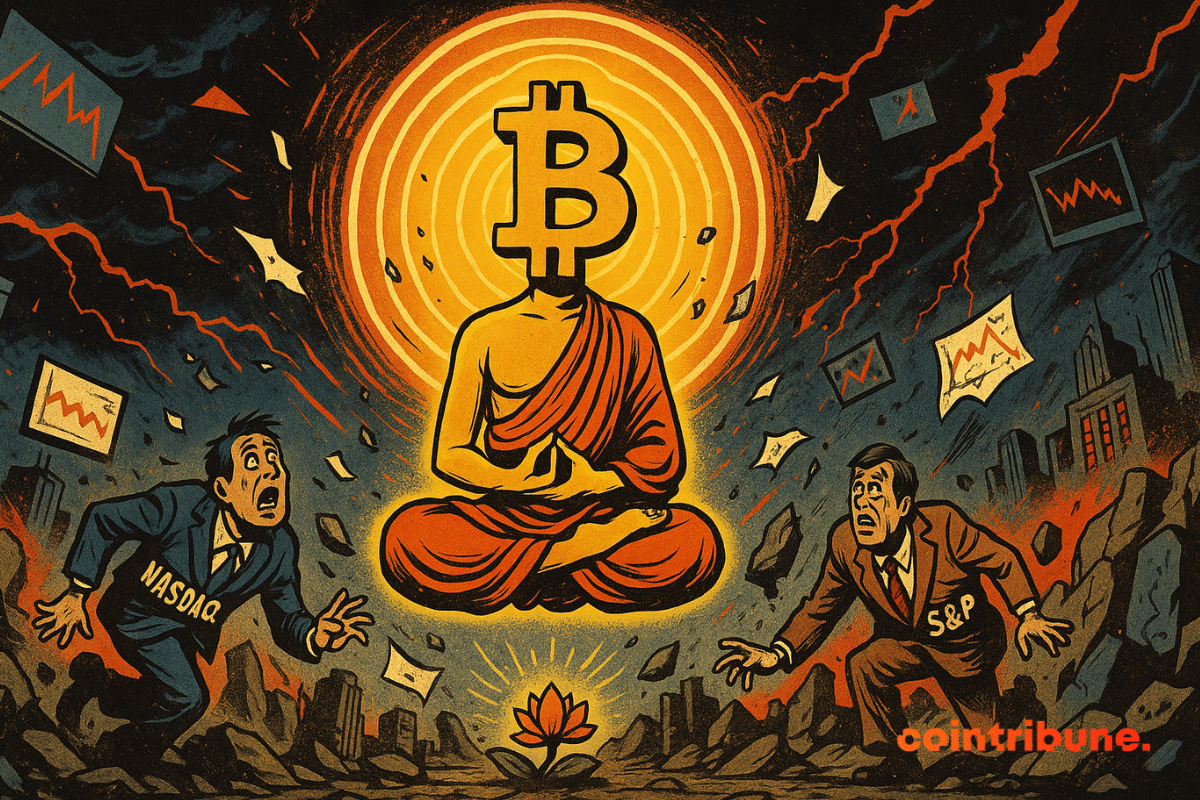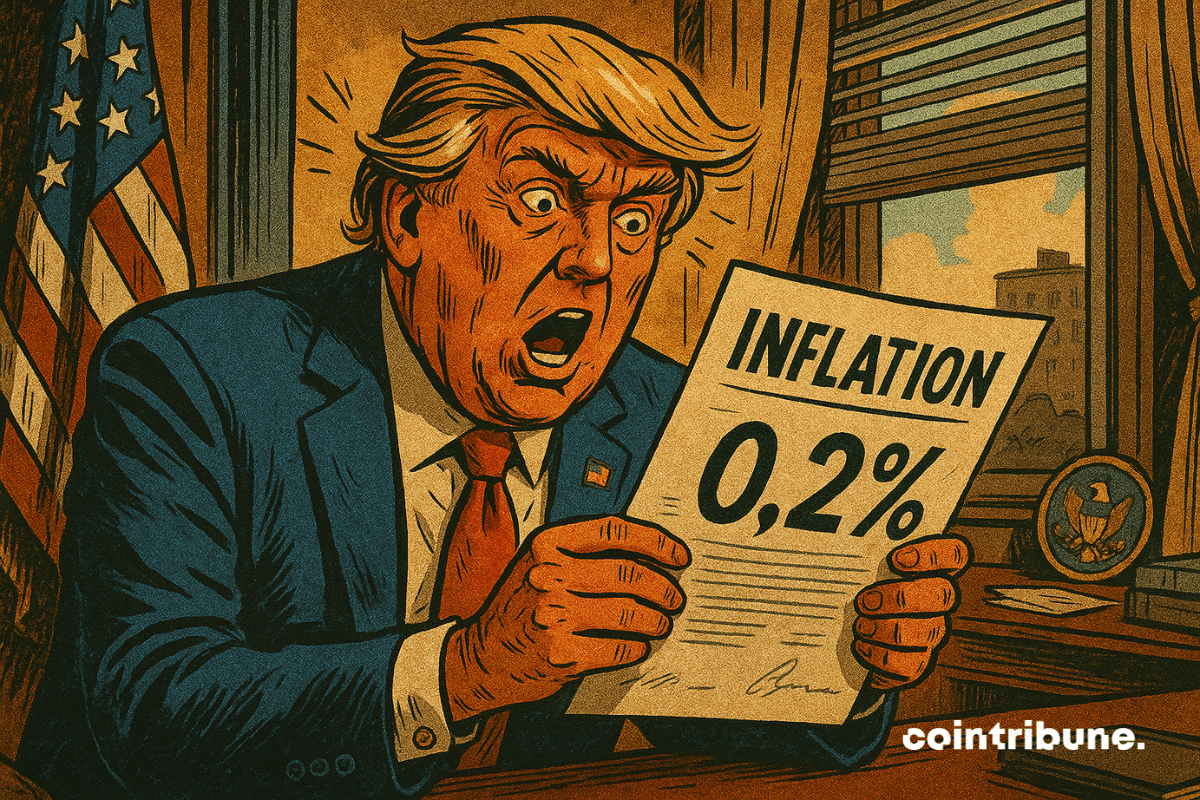
Until April, crypto markets will feel the aftershocks of a deep-rooted economic storm. An explosive mix of geopolitical tensions and interest rate rigidity is stifling risk appetite. But behind this chaos lie opportunities. Decoding.
On March 20, 2025, Elon Musk spoke live from Austin in an attempt to contain the storm shaking Tesla. As the stock collapses on the market and criticism intensifies, the CEO played the card of appeasement and loyalty, and relied on an offensive speech to maintain internal cohesion and reassure about the group’s future.
DIV Protocol opens its testnet next week, in collaboration with 15 selected private companies. For over a month, they will explore the capabilities of this innovative cloud, based on blockchain and post-quantum encryption. A major advancement for the cybersecurity of sensitive data in businesses. DIV Protocol launches its testnet reserved…
Bitcoin is wavering, experiencing a loss of over 20% since its all-time high, reviving fears of a sharp reversal. However, some see it as merely a pause in an ongoing cycle. For Timothy Peterson, this decline remains moderate compared to previous bear markets and fits into a classic consolidation phase rather than a structural collapse.
Take a deep breath: Bitcoin now represents 1.3% of the world's currency, with a market cap flirting with 1.7 trillion dollars. Yes, you read that right. A small piece of code born in 2009 has made its way to the same table as heavyweights like the US dollar (20.9 trillion dollars) or gold (20.2 trillion dollars). We may still be a long way from flipping the table, but clearly, Satoshi has set his napkin down well.
As Bitcoin hovers around $85,000, a subtle tension stirs in the markets. Behind this apparent resistance lies a paradoxical movement: the "whales" are quietly preparing their offensive. Their strategy? Massive bets against it, despite a technical rebound that would make optimists dream. A risky game, indicative of unprecedented mistrust, but also of an invisible battle where every dollar counts.
As the American stock market experiences a period of turbulence, Warren Buffett, known as the Oracle of Omaha, has made a strategic withdrawal from certain American assets to strengthen his positions in Japan.
Against all odds, BlackRock, the global asset management giant, is shaking up conventional wisdom about Bitcoin. While cryptocurrencies are often associated with volatility and risk, Robert Mitchnick, head of digital assets at BlackRock, debunks this narrative. In a context where Bitcoin has lost 20% of its value since its peak at the end of 2023, his recent statements on CNBC resonate like a bold advocacy. Why does a traditional institution defend such a disruptive vision? The answer lies in a subtle strategy and a deep understanding of market evolution.
Bitcoin wavers after its surge beyond 100,000 dollars. The ongoing correction rekindles tensions in the markets, fueling doubts about the strength of the bullish trend. While the threshold of 65,000 dollars resurfaces in analysts' projections, the specter of a reversal looms. Between hopes of consolidation and fears of a bearish cycle, uncertainty prevails.
The hype has faded like a poorly minted NFT: the flamboyant tales of Bitcoin are fading away, leaving only the echo of a promise sold too soon.
When Japan, China, and South Korea sit down at the same table, it's not to discuss the weather. In a world where trade tensions reshape alliances, their recent meeting could very well change the game in Asia... and beyond. Between promises, caution, and joint projects, a new geopolitical chapter seems to be unfolding in three voices.
Normandy could soon host the first bitcoin mining farm in France, financed by the Sultanate of Oman. This unique project, at the intersection of energy, technological, and geopolitical issues, crystallizes French ambitions in the digital economy. At a time when energy sovereignty is becoming central, this initiative raises questions about the role that France wants to play in the global crypto ecosystem.
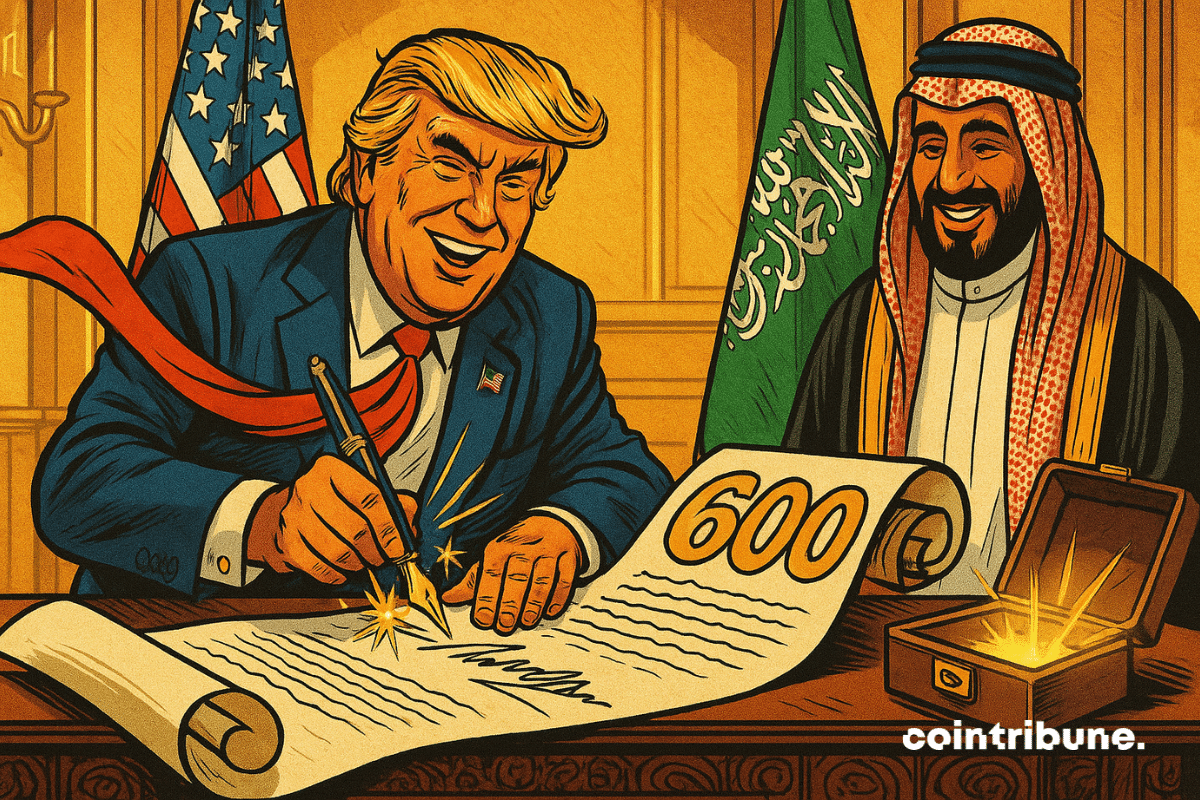
The United Arab Emirates, now members of the BRICS, will invest 1.4 trillion dollars in the United States over ten years. Announced after a meeting with Donald Trump, this maneuver reshapes global balances. Between technological ambition, diplomatic calculation, and projection of influence, Abu Dhabi is shaking up the lines of a world now structured by variable geometry economic alliances.
Binance boosts its BNB Chain with turbo: with Pascal, crypto transactions zip by like arrows, leaving slow nodes on the sidelines of Web3.
Ethereum is collapsing, but reserves on crypto platforms are evaporating even faster. Is a historic rebound near? Analysis!
The Bitcoin bull hesitates, the crowds are not rushing... or perhaps they already have, quietly, through an unexpected path that no chart had traced.
What if blockchain became the new safeguard of humanitarian aid? A persistent rumor is circulating in Washington: USAID, a pillar of international assistance, might undergo a transformation under the influence of Trump advisors. Their idea? To inject a dose of crypto into the bureaucratic veins of the agency. The stated goal: to track every dollar, eradicate leaks, and redefine transparency. A bold shift that combines technological innovation and political calculation.
The European Union is undergoing a discreet yet persistent revolution. A recent report from Oobit, a platform specialized in crypto payments, reveals that 70% of crypto transactions on its network are absorbed by retail, food, and beverages. This figure shatters the clichés about the marginal use of cryptocurrencies. But how can we explain this silent infiltration into the daily lives of Europeans? Between regulatory adoption and economic pragmatism, the landscape is reshaping.
Ethereum continues to assert its supremacy in the world of stablecoins, with a record transaction volume of 850 billion dollars, largely dominated by USDT and USDC. This explosive growth raises questions: can this massive adoption actually impact the valuation of ETH or, on the contrary, benefit its competitors?
For a time, Tornado Cash was the ugly duckling of the blockchain. Accused of obscuring the trail of several billion dollars in dubious funds, the famous crypto mixer found itself on the U.S. Treasury's blacklist. But surprise on March 21: the axe fell... the other way around. The U.S. government simply lifted the sanctions against this protocol. A plot twist? Maybe. A signal of change? Definitely.
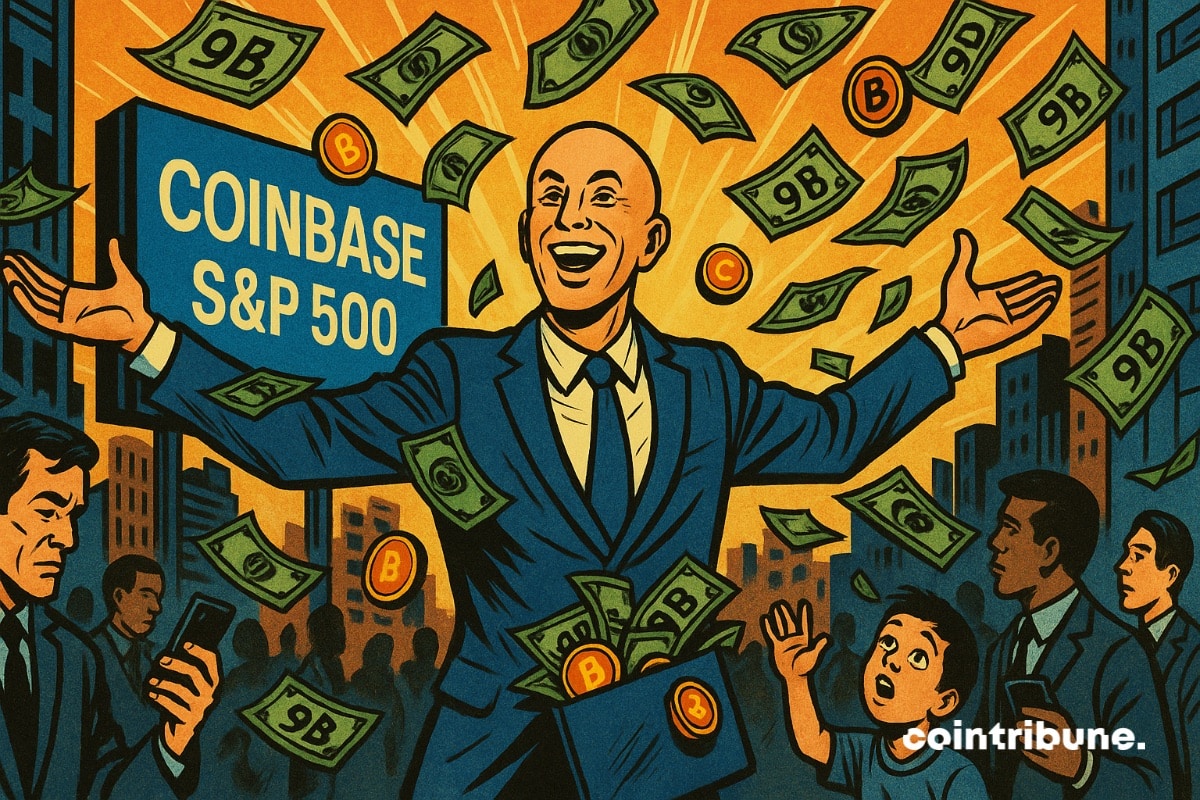
2025 could mark a point of no return for crypto. As traditional markets navigate between uncertainties and capricious interest rates, financial institutions seem to have found their new compass: digital assets. According to a recent study by Coinbase and EY-Parthenon, 83% of institutional investors plan to increase their allocations to crypto starting next year. A shocking figure that conceals a more complex reality, but above all, a profound transformation of investment strategies. Far from clichés about volatility, crypto is becoming a pillar of institutional portfolios.
Ah, the SEC... that watchdog of the crypto markets that sometimes gives us cold sweats. But this time, it has decided to put away its whistle and offer us a little breath of fresh air. On March 20, 2025, in an (almost) historic statement, the Securities and Exchange Commission clarified a point that many miners were waiting for like the thaw of spring: NO, mining in Proof-of-Work (PoW) does not constitute an offer of securities!
Crypto: a state fund for seized assets? Discover the bold proposal from the authorities in Russia and the hidden stakes of the project.
Nearly half of crypto experts express optimism about the future of AI tokens by 2025, according to a recent CoinGecko survey. This positive sentiment may signal favorable momentum for this sector valued at $23.6 billion.
In response to the strategic urgency, France is changing course: to support its defense industry, the state is inviting citizens to invest at least 500 euros in a fund managed by Bpifrance. This unprecedented call for popular savings comes amid growing geopolitical tensions and accelerated rearmament, raising as many questions as it intrigues regarding the risks and ambitions of such a financial commitment.
Bitcoin remains around $84,000 after a turbulent and disappointing session for investors, marked by President Trump's statements at the Digital Asset Summit, which did not meet the high market expectations.
Is the euro doomed to drift according to monetary policies and geopolitical tensions? Michael Saylor, a prominent figure in bitcoin, is convinced of this. In a striking tweet — "EUR gonna need BTC" — the CEO of MicroStrategy warns about the future of the European currency. While the United States is massively adopting cryptocurrencies, the Eurozone hesitates, caught between sovereignty and the risk of obsolescence.
Pump.fun, the wildest memecoin factory on Solana, has just shut the door on Raydium to launch its own DEX, PumpSwap. A break in a "thanks, but we'll do it without you" fashion, which smells of independence, strategy... and a hint of well-disguised panic.
Tether surpasses Canada and becomes the 7th largest buyer of US Treasury bonds. What are the implications for the crypto market?
The euphoria of the February peaks has evaporated. Bitcoin, after flirting with $109,000, is now wobbling around $82,000, revealing a reality more complex than it appears. According to the latest report from Glassnode, signed by researchers Cryptovizart and Ukuria OC, the market faces an unprecedented liquidity crisis, compounded by a growing rift among investors. A contrasting picture that raises the question: is Bitcoin at a critical turning point or simply in a phase of consolidation?