The year 2025 marks the emergence of a new dynamic in the crypto market. While Bitcoin continues to dominate the market, recently reaching $94,000, altcoins are carving out their own path with a market capitalization now reaching $1.05 trillion.
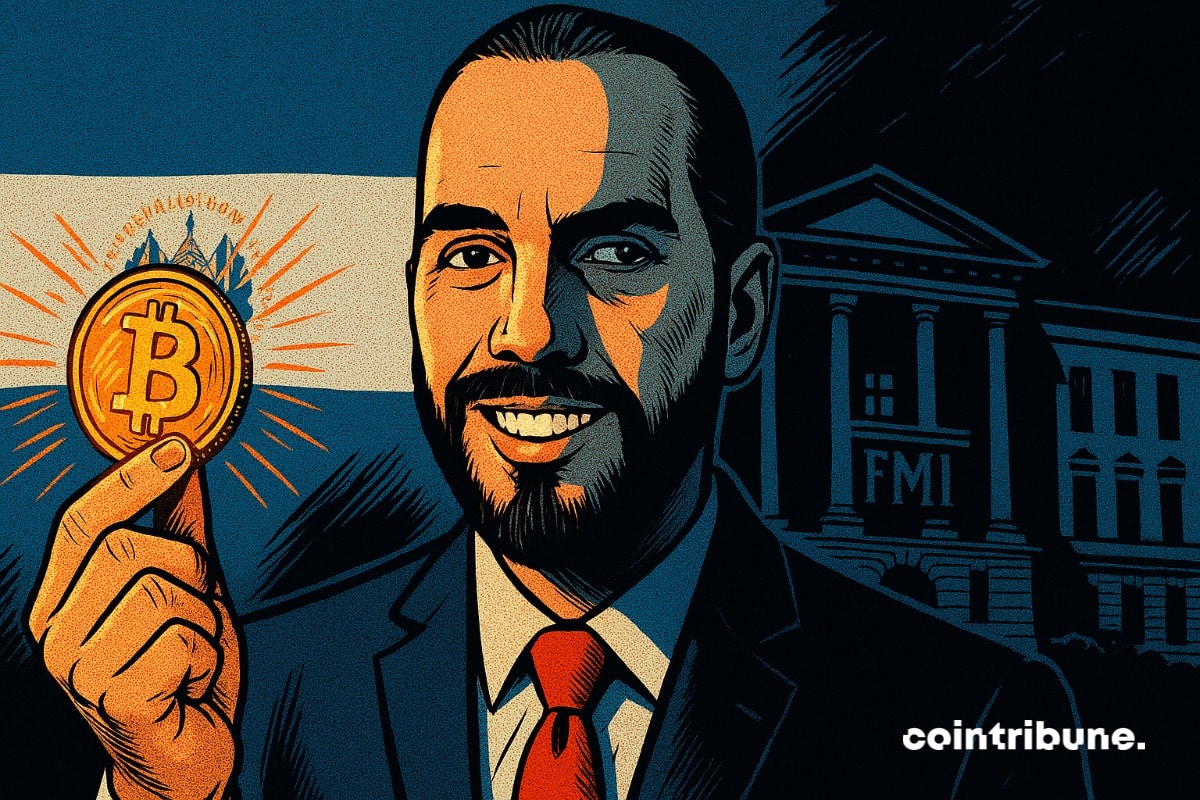
El Salvador "respects" the IMF agreement… while continuing to stack Bitcoin. The art of promising to stop, without ever slowing down.
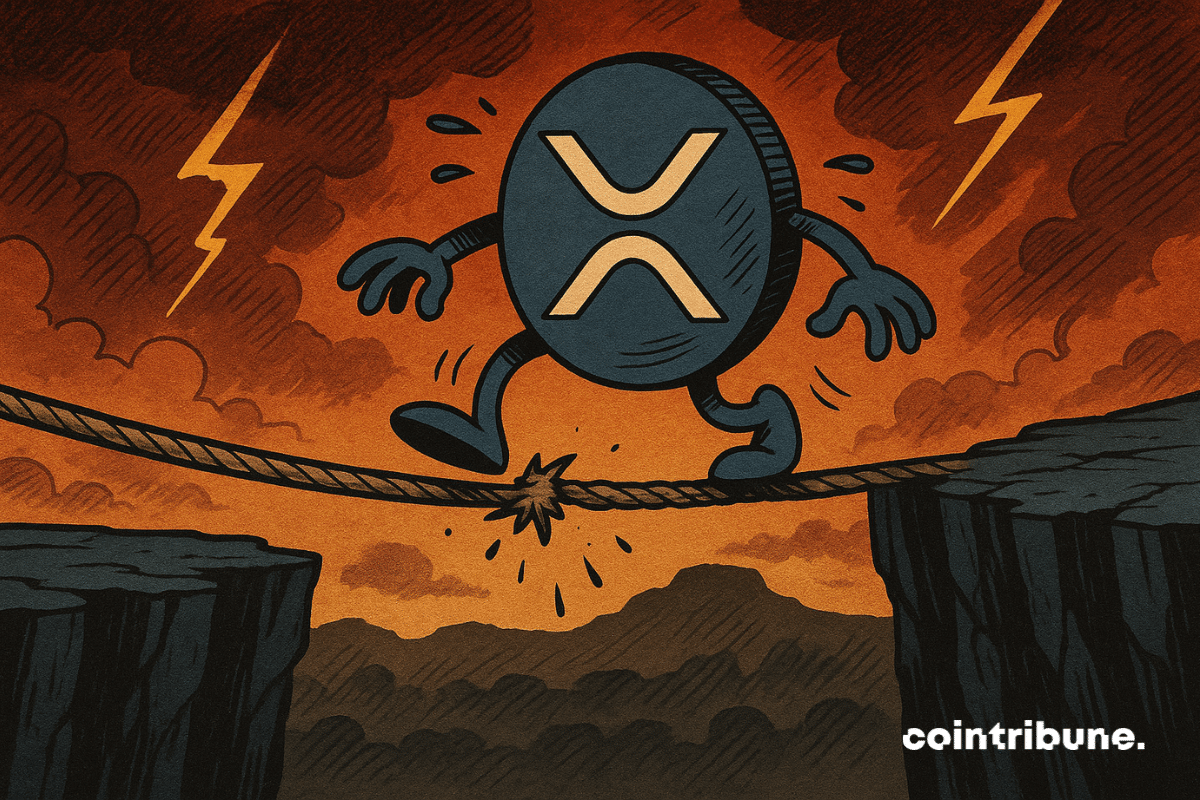
Ripple is preparing a major move. With the acquisition of broker Hidden Road for $1.25 billion, the crypto company is not just strengthening its arsenal. According to attorney John Deaton, Ripple aims much bigger: to capture a share of an institutional market estimated at $16 trillion. Behind this discreet operation lies a titanic ambition: to become one of the pillars of tomorrow's finance.
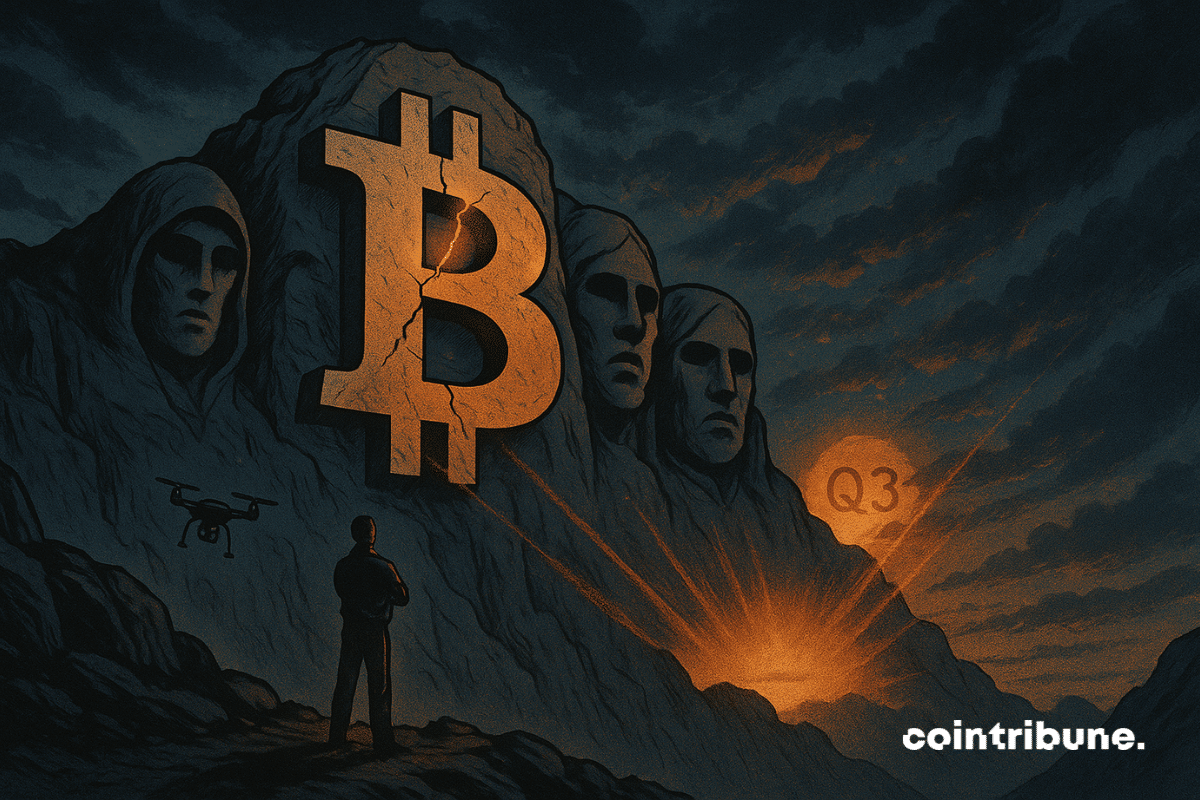
Since its creation, Bitcoin has nurtured the ambition of a global monetary revolution, as the queen of cryptocurrencies fluctuates between spectacular surges and brutal falls. While the symbolic threshold of 100,000 dollars seemed within reach, several recent signals dampen that enthusiasm. Between technical fragilities and macroeconomic instabilities, the current dynamics call for caution. In a market increasingly sensitive to the slightest tremors, it is more essential than ever to read between the lines to understand the true forces at work.
The cryptocurrency market is holding its breath this week. Bitcoin is struggling under a critical resistance, Ethereum is showing signs of fatigue, and XRP is gaining momentum... As volatility increases, every movement counts. Discover our strategic forecasts to anticipate the next major maneuvers on these three major assets.
Michael Saylor, co-founder of MicroStrategy, posted a cryptic message on social media suggesting an imminent investment in bitcoin, a week after already acquiring 555 million dollars worth of BTC. This announcement comes against a backdrop of major investors ramping up their acquisitions despite a price close to 94,000 dollars.
In a rapidly changing financial market, the boundary between traditional finance and cryptocurrencies continues to blur. The latest milestone is the launch in Brazil of the first XRP-backed ETF, initiated by Hashdex. This initiative provides investors with regulated access to one of the most traded cryptocurrencies in the world, thereby reinforcing Brazil's position as a driver of crypto innovation in Latin America.
Under the pressure of sluggish growth and enduring geopolitical instability, the government is implementing an unprecedented austerity measure. By official decree, 3.1 billion euros in credits are being canceled for 2025, indicating a determined budgetary reorientation. The objective is to maintain the course of restoring public finances in the face of a weakened economic context. The cuts will severely impact key sectors such as ecology, the economy, and research, revealing the priorities of a public management that is now under strain.
The mystery surrounding Satoshi Nakamoto, the creator of bitcoin, continues to fascinate. In a recent interview with Turkish influencers, Changpeng Zhao, former CEO of Binance, put forward a rather unexpected hypothesis: Satoshi Nakamoto could be… an AI (artificial intelligence) from the future.
As Ethereum goes through a period of economic weakness, two members of its community, Kevin Owocki and Devansh Mehta, have just proposed an innovative reform to invigorate its application ecosystem. Their idea: to introduce a dynamic fee structure aimed at better balancing developers' revenues and fairness for users.
The crypto market is facing a harsh reality for investors who bet on locked tokens. According to recent data, between May 2024 and April 2025, these investors recorded an average loss of 50% compared to over-the-counter (OTC) valuations, exacerbating distrust towards new projects.
As Bitcoin hovers around $94,000, a dissonance is emerging. Institutions, on the other hand, seem to scream the opposite: $3 billion injected in just one week via Bitcoin ETFs, despite an estimated discount of 40%. Such a striking gap raises questions. Why this massive influx when the price seems to be down? Behind the numbers, a silent battle is taking place between apparent discount and strategic conviction.
The uncontested reign of the dollar in global reserves is wavering. In the face of geopolitical tensions and economic sanctions, powers like China are reassessing the security of their sovereign assets. A breaking dynamic is beginning, driven by a quest for financial independence and the desire to escape Western influence levers. This strategic realignment could permanently reshape the global monetary balance and open a new era for alternative assets like gold… and bitcoin.
Bitcoin ETFs are making a strong comeback with over $3 billion in inflows in one week, the first time since March. Driven by institutional optimism and dizzying price forecasts for bitcoin, these massive flows mark a turning point for the cryptocurrency market.
Investors are withdrawing their bitcoins from major exchange platforms at an unprecedented pace. This phenomenon, observed in recent days on Binance and Coinbase, could signal a scarcity in supply and potentially impact the price of BTC.
As Bitcoin breaks through new psychological thresholds, it reshapes the landscape of digital economic cycles. A consensus is now emerging among experts: support around $90,000 could become a sustainable strategic base. Between validation from on-chain data and projections from recognized valuation models, this hypothesis is gaining traction and fueling market expectations, already buoyed by the rise of institutional adoption.
Nike is in turmoil. Accused of abandoning its NFT investors after the abrupt closure of its RTFKT crypto division, the sports giant is facing a class action in the United States. More than 5 million dollars are being sought for misleading practices and the sale of unregistered securities.
One year after its fourth halving, Bitcoin is showing a perplexing trajectory. Although the crypto has climbed since April 2024 — nearing $109,000 in January — its progress remains pale compared to previous cycles. A paradox? Despite absolute records, the annual growth rate is capped at 49%, far from the quadruple digits of the past. How can this historic slowdown be explained when ETFs and the planned coin shortage were supposed to propel the market?
In a constantly bustling crypto market, XRP has stood out with a rare significant movement. In just a few hours, the break of the resistance at $0.57 and a massive wave of liquidations disrupted the balance of forces. This double event, combining buying pressure and selling capitulation, puts XRP back in the spotlight.
Between exclusive dinners and ethical conflicts of interest, a Democratic senator reveals a plan to impeach Donald Trump. Is this the end of his presidency? Find out why this mistake could mark the end of Trump's reign at the White House.
The global economy is undergoing a major transformation with the advent of blockchain, and real estate is not escaping this revolution. Deloitte predicts that tokenized real estate will reach $4 trillion in assets by 2035. This impressive figure highlights a profound shift in real estate investment, making it more accessible and liquid. Tokenization is redefining the rules of the real estate market, opening up new possibilities for a more decentralized global economy.
The Ekaterina Djanova case resembles a financial thriller where crypto, organized crime, and judicial loopholes intertwine. While this 38-year-old Frenchwoman, nicknamed 'the shadow banker,' has been languishing in prison for two years, a legal twist could set her free. Behind this possible legal escape lie burning questions: how does the crypto system facilitate large-scale money laundering? And to what extent does digital impunity extend?
While cryptocurrencies are shaking up the global monetary order and pushing states and central banks to rethink their strategies, Switzerland chooses the path of caution. The Swiss National Bank (SNB), the guardian of the country's economic stability, has just firmly rejected the idea of integrating bitcoin into its reserves. This clear positioning comes at a time when a citizens' initiative is trying to force the adoption of crypto at the highest institutional level.
The Nasdaq calls on the Securities and Exchange Commission (SEC) to treat certain cryptos as traditional financial securities. In a letter dated April 25, Nasdaq urged the SEC to classify certain cryptocurrencies as "stocks," emphasizing the need for clearer regulatory standards for digital assets.
As international monetary tensions intensify, China is ramping up its offensive against the dominance of the dollar. Beijing is formalizing the launch of a strategic plan to impose its own international payment system. This initiative marks a major turning point in the redefinition of global financial flows, reinforcing China's ambition for a multipolar economic order. By directly targeting traditional networks dominated by the West, this maneuver is now capturing the attention of markets, governments, and major financial institutions.
Blockchain, often perceived as a niche technology, could become a key player in redefining global job markets by 2030. A recent report highlights the untapped potential of this technology, capable of creating over 1.5 million jobs in the coming years, a growth comparable to or even exceeding that of AI (Artificial Intelligence).
Ripple, in "burn & mint" mode, aims to outdo Tether with its stablecoin RLUSD. The goal: to be among the top 5 stablecoins by December. Stay tuned, but things are heating up!
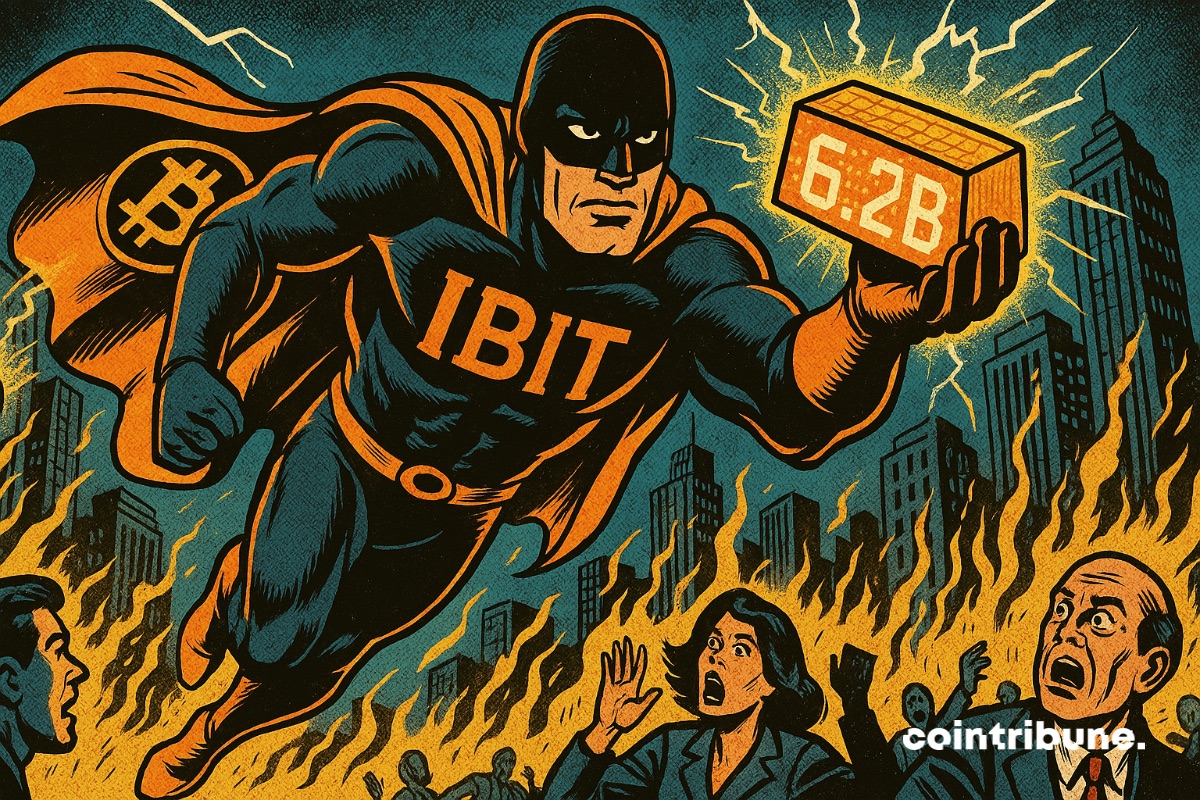
BlackRock's Bitcoin ETF is making a meteoric rise in the markets. For Michael Saylor, this is just the beginning: he claims that IBIT will become the world's largest ETF within ten years. A bold prediction that reflects the unstoppable rise of bitcoin in traditional finance.
Stock Market: Stock markets fluctuate under the effect of tariff tensions. Discover what this means for investors.
The apparent calm of the crypto market could well shatter. At stake: over 8 billion dollars in Bitcoin and Ethereum options are set to expire this Friday, one of the largest volumes of the year. With each expiration, volatility looms. However, this time, the gaps between current prices and pain points could trigger unexpected rebounds. In a climate of macroeconomic hesitation, this massive expiration could well hasten a new fundamental movement.