Wed 30 Apr 2025 ▪
3 min read
▪
by
Crypto: Mastercard and its partners are reinventing the digital economy with the integration of stablecoins into payments. The details!
Crypto: Mastercard and its partners are reinventing the digital economy with the integration of stablecoins into payments. The details!
Despite strong competition, Tether dominates the crypto stablecoin market with a 66% share and record profits. Details here!
Ripple, in "burn & mint" mode, aims to outdo Tether with its stablecoin RLUSD. The goal: to be among the top 5 stablecoins by December. Stay tuned, but things are heating up!

Blockchain could experience its major turning point in 2025, comparable to the explosion of ChatGPT in AI. Driven by favorable regulation and the rise of stablecoins, this technology is set to revolutionize traditional finance and public systems, according to a compelling analysis by the American bank Citigroup.

The Russian Ministry of Finance is exploring the possibility of developing its own stablecoin. This comes after recent U.S. sanctions and actions by Tether, which blocked wallets linked to the Garantex exchange. This initiative primarily aims to avoid dependency risks associated with foreign stablecoins, such as USDT.

The Italian Minister of Economy and Finance, Giancarlo Giorgetti, expressed his concerns about the threat posed by American stablecoins, emphasizing that they could represent a greater danger than Donald Trump's tariffs. According to him, these dollar-backed cryptos risk disrupting Europe's financial stability.
The Trump family crypto game inspired by Monopoly: a project that could transform digital real estate. Details here!

Stablecoins, these cryptocurrencies backed by real assets, could see their supply increase dramatically, reaching $2 trillion by 2028, according to a recent analysis. Currently valued at around $230 billion, this market could thus multiply by ten in the coming years, driven by imminent legislation in the United States.
WLFI, whose partner is the Trump family, is testing its stablecoin with a USD1 airdrop. While this initiative attracts attention, it also raises concerns about regulation.

Tether, the leader of USDT, is preparing a new American stablecoin aimed at financial institutions. This strategic project emerges as Washington moves towards a regulatory framework for these dollar-backed digital currencies.

The Ethereum network has reached a historic milestone with 200,000 addresses holding stablecoins. This record adoption stands as the backbone of a more mature digital economy, potentially reshuffling the cards for this altcoin whose price is struggling to take off.
In an uncertain macroeconomic context, a clear trend is emerging: stablecoins are entering an independent bull market, according to the asset manager VanEck in its April 2025 report. While smart contract platforms like Solana and Ethereum are experiencing a significant slowdown, stablecoins are rapidly gaining ground in the crypto ecosystem.
In a context where crypto is infiltrating the corridors of power, an accusation shakes Washington. Representative Maxine Waters, a key figure of the Financial Services Committee, accuses Donald Trump of manipulating the legislative chessboard to impose his own crypto interests. Behind the semblance of a technical debate on stablecoins lies a much more troubling battle: that of a president seeking to replace the dollar with a digital currency bearing his likeness.

Tether, this whale of the digital seas, seizes 8,888 BTC, its unwavering quest for the elevation of the dollar in a fluctuating world where only the stability of Bitcoin shines.

Binance stops USDT trading in Europe, a historic decision driven by MiCA regulations. This major turning point directly impacts crypto users in the EEA and redefines the future of stablecoins on the old continent. Is this the end of USDT in Europe? What solutions are there for crypto investors?
Imagine a president, builder of skyscrapers and scandals, minting money at will based on the laws he writes. The USD1 is not just a stablecoin; it is the gateway to finance without safety nets.

The USD Coin (USDC) stablecoin from Circle has just reached a record level with a market capitalization exceeding 60 billion dollars. This symbolic milestone is part of a broader trend of expansion in the stablecoin market, which now has a total capitalization exceeding 230 billion dollars.

GameStop is shaking things up. Indeed, the board of directors of the video game giant has just approved the addition of bitcoin to its treasury. Far from a mere publicity stunt, this decision marks a strategic break for a company in the midst of transformation, firmly intent on aligning with new economic dynamics after years of instability. A strong signal to the markets and the crypto ecosystem.

What if your digital wallet became your bank? This is the bet that Sam Altman, CEO of OpenAI, seems to want to take with Worldcoin. According to sources close to the matter, Tools for Humanity, the company behind this project, is negotiating with Visa to create a payment wallet in stablecoin. An alliance between crypto boldness and traditional financial infrastructure. The goal: to transform the World Wallet into a universal "mini-bank account." But behind this promise lie challenges as complex as the irises scanned by Worldcoin.

Imagine a world where gold regains its crown, not in the form of bars hidden in a vault, but through shimmering digital tokens. Max Keiser, the eternal troublemaker of crypto finance, doesn't sugarcoat it. According to him, gold-backed stablecoins could very well put dollar-pegged ones to shame and signal the end of the USD. How?

The European Union is undergoing a discreet yet persistent revolution. A recent report from Oobit, a platform specialized in crypto payments, reveals that 70% of crypto transactions on its network are absorbed by retail, food, and beverages. This figure shatters the clichés about the marginal use of cryptocurrencies. But how can we explain this silent infiltration into the daily lives of Europeans? Between regulatory adoption and economic pragmatism, the landscape is reshaping.
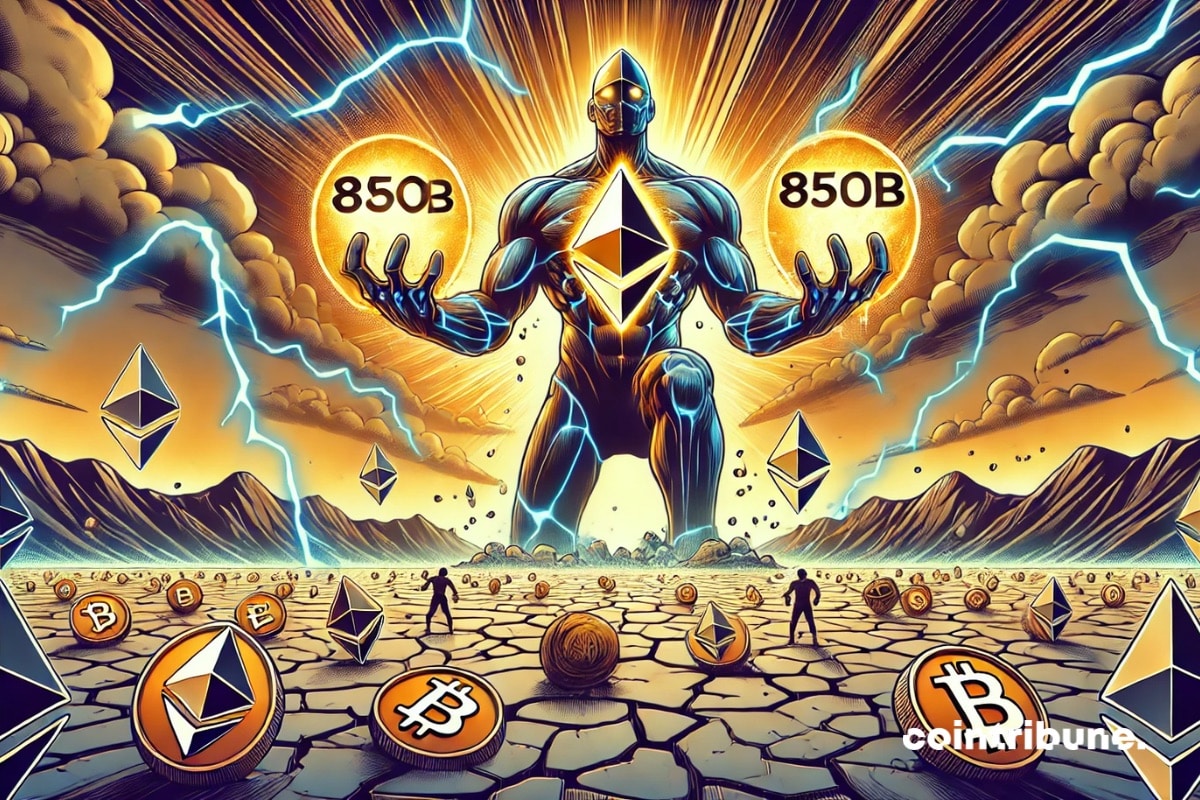
Ethereum continues to assert its supremacy in the world of stablecoins, with a record transaction volume of 850 billion dollars, largely dominated by USDT and USDC. This explosive growth raises questions: can this massive adoption actually impact the valuation of ETH or, on the contrary, benefit its competitors?

Tether surpasses Canada and becomes the 7th largest buyer of US Treasury bonds. What are the implications for the crypto market?
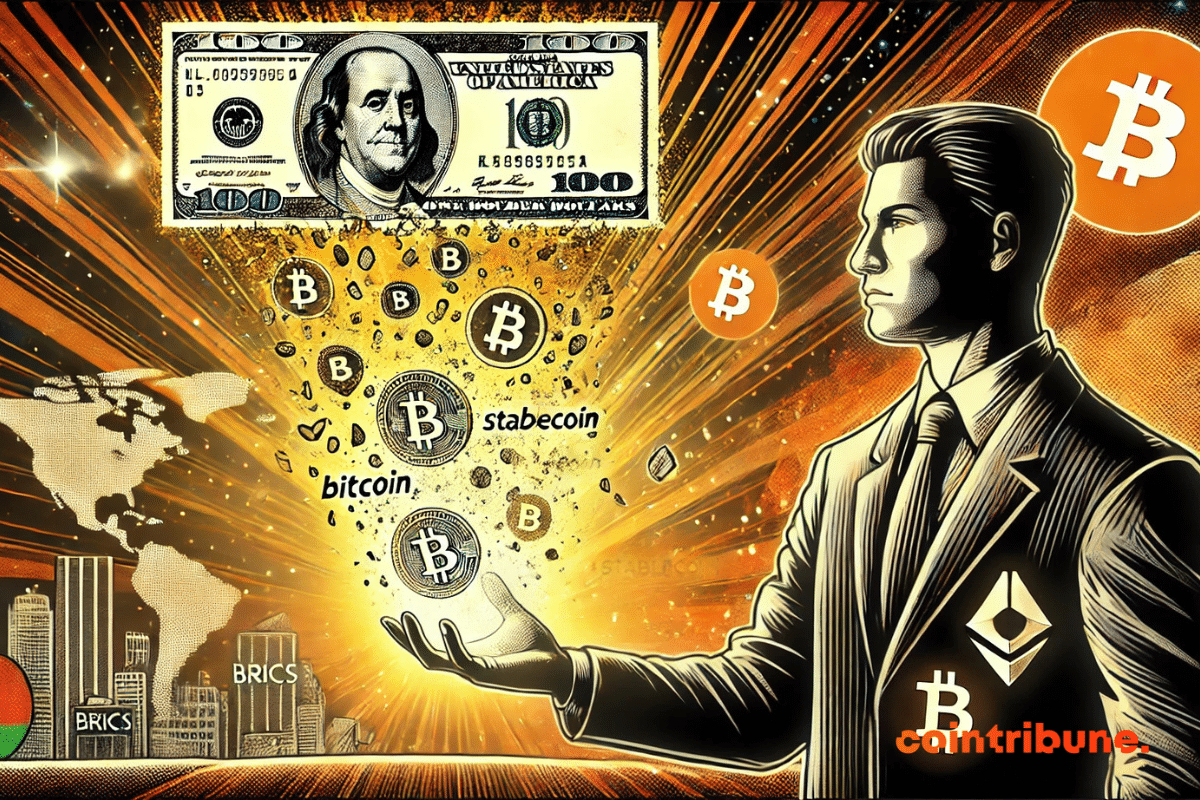
For decades, the US dollar has dominated international trade and has established itself as an essential global reserve. However, this absolute reign is now challenged by the BRICS bloc. As a result, geopolitical tensions and the rise of cryptocurrencies are pushing several countries to seek alternatives to the greenback. Bitcoin and stablecoins are emerging as instruments capable of circumventing the supremacy of the dollar, but paradoxically, they could also reinforce its influence.
The crypto market is buzzing, traders are accumulating, stablecoins are soaring. A prelude to a bullish party or the swan song before an unexpected crash? The riddle persists.
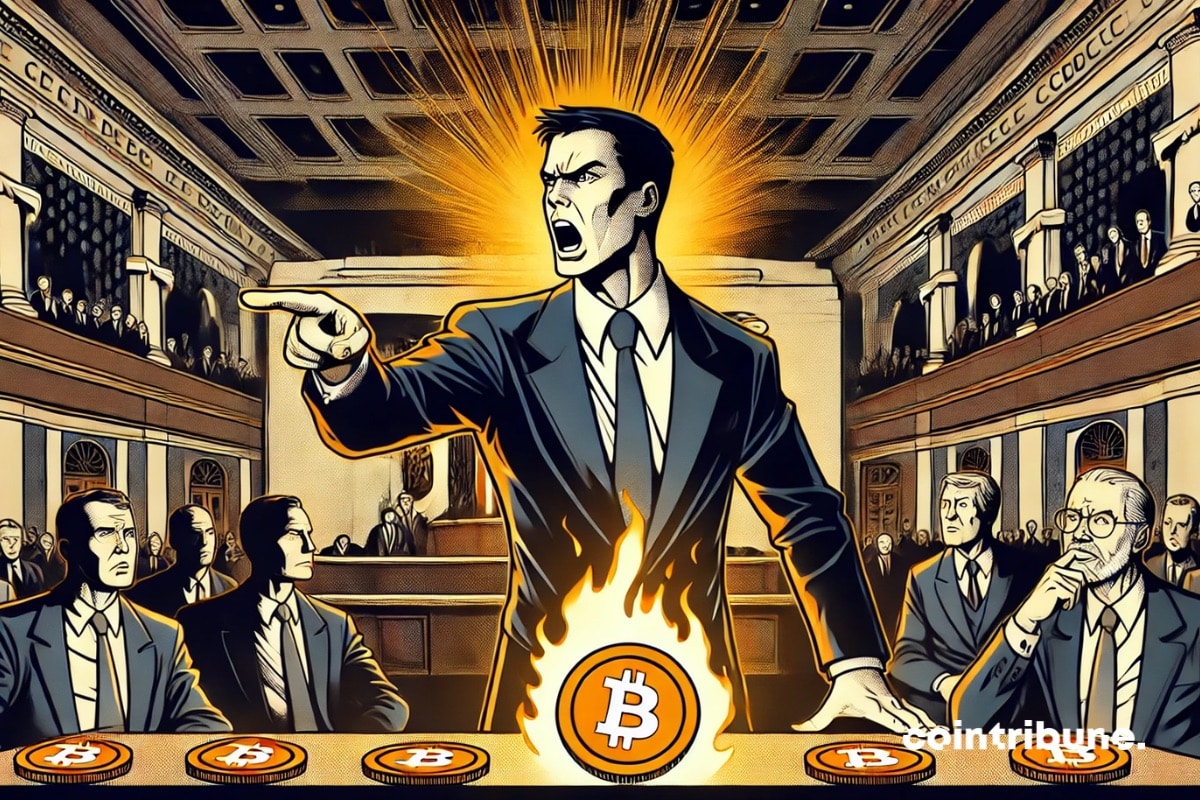
American Congressman Tom Emmer recently reaffirmed his support for stablecoins and his fierce opposition to central bank digital currencies (CBDC), which he sees as a threat to citizens' financial freedom. During a recent address on March 11, 2025, Emmer once again presented his pro-stablecoin bill aimed at promoting these digital assets while curtailing the development of CBDCs in the United States.

As the United States embraces bitcoin, Europe bogs down by continuing to promote the dystopia of the digital euro.
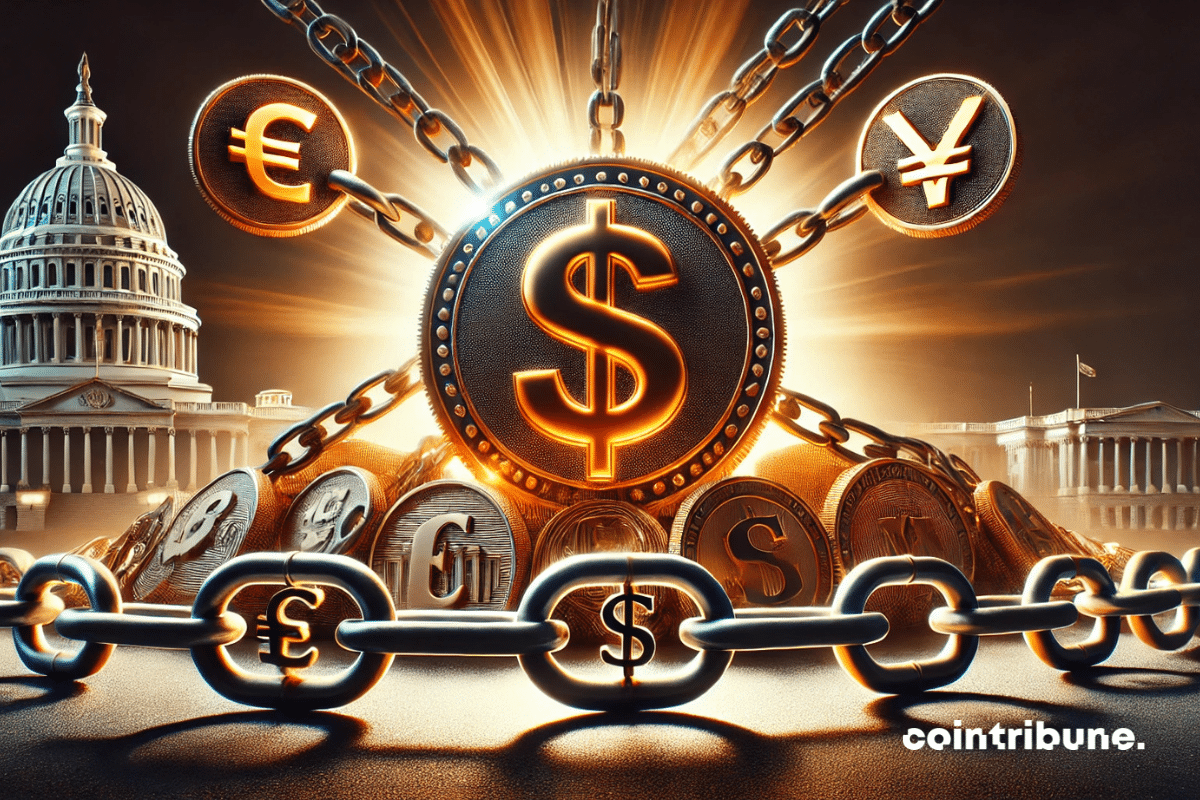
Scott Bessent, U.S. Treasury Secretary, announced yesterday at the White House crypto summit that Washington plans to use stablecoins to strengthen the dollar's position as the dominant reserve currency.
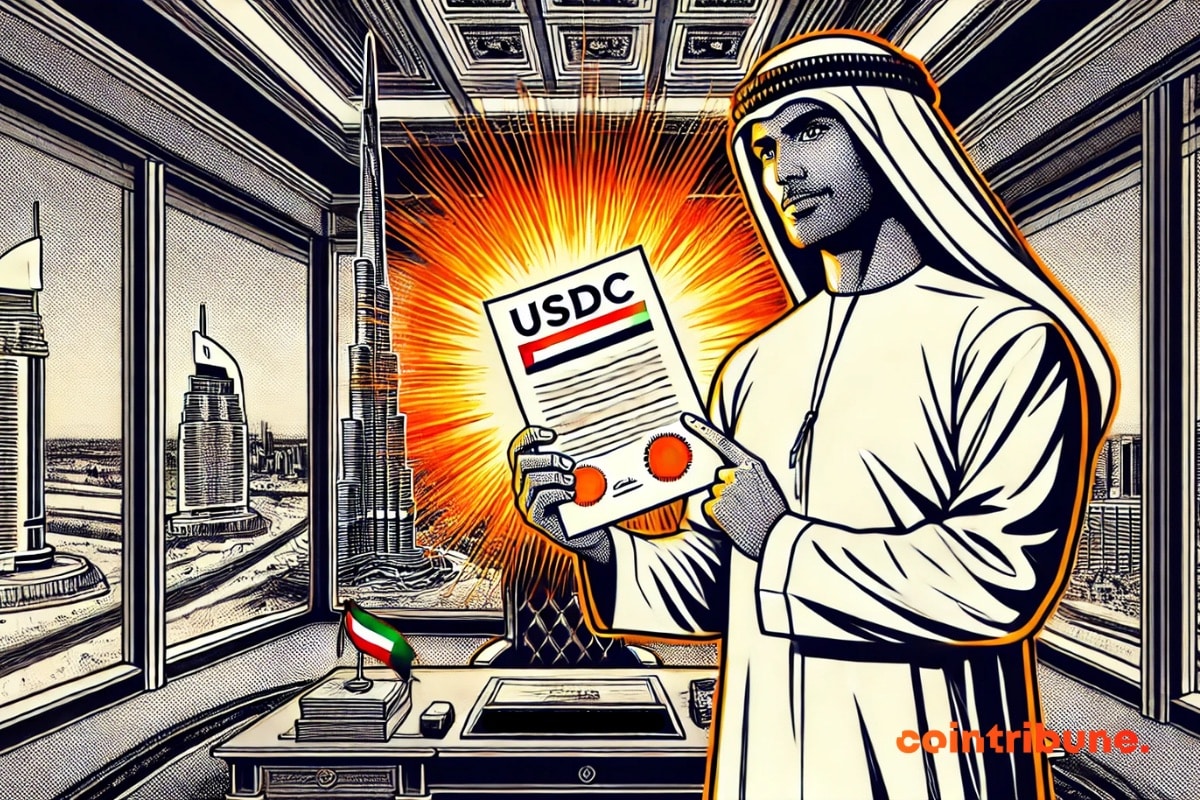
In a major advancement for the adoption of stablecoins in the financial sector, the Dubai International Financial Centre (DIFC) has officially recognized USDC and EURC as the first regulated stablecoins within its legal framework. This recognition marks a key milestone for Circle as it establishes itself against its direct competitor, Tether's USDT.
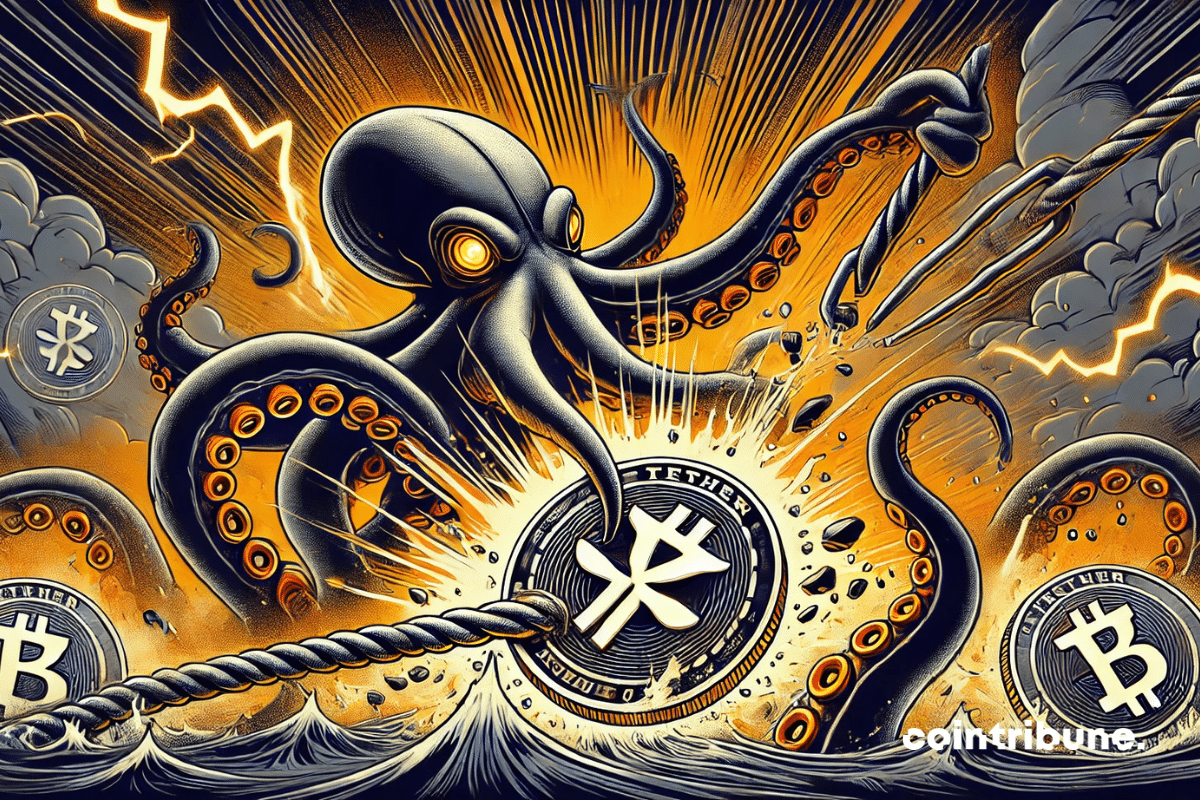
Kraken removes USDT from its platform in Europe and is considering a USD stablecoin. Discover this upheaval in the crypto market!