
Tue 07 Oct 2025 ▪
4 min read
▪
by
Tether, the ace of stablecoins, dribbles right up to Juventus' board. Governance, millions, and crypto at every level: soon a blockchain-sponsored VAR?
Tether, the ace of stablecoins, dribbles right up to Juventus' board. Governance, millions, and crypto at every level: soon a blockchain-sponsored VAR?

Tether and Antalpha plan a $200 million public fund designed to invest in XAUt, Tether’s gold-backed digital token, building on their ongoing partnership and expanded token infrastructure.

Coinbase dreams of being the Robin Hood of crypto: $12,000 for poor young people, a banking license behind the scenes... and the future of banks shaking to the rhythm of stablecoins.
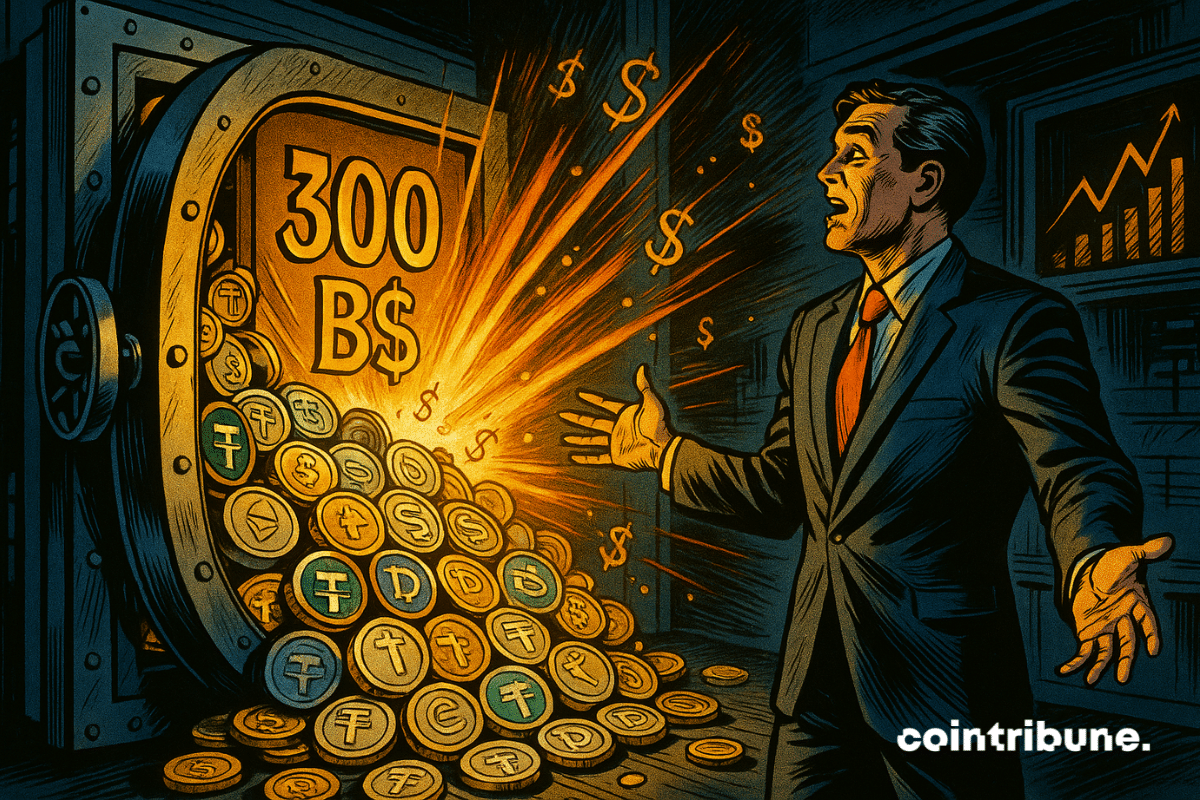
The stablecoin market has just crossed the $300 billion mark, a level equivalent to Finland's GDP. Behind this figure, which might seem like a simple technical statistic, lies a strategic turning point for the crypto ecosystem. This amount of liquidity, now in circulation, could well serve as a driver for a new bullish phase.
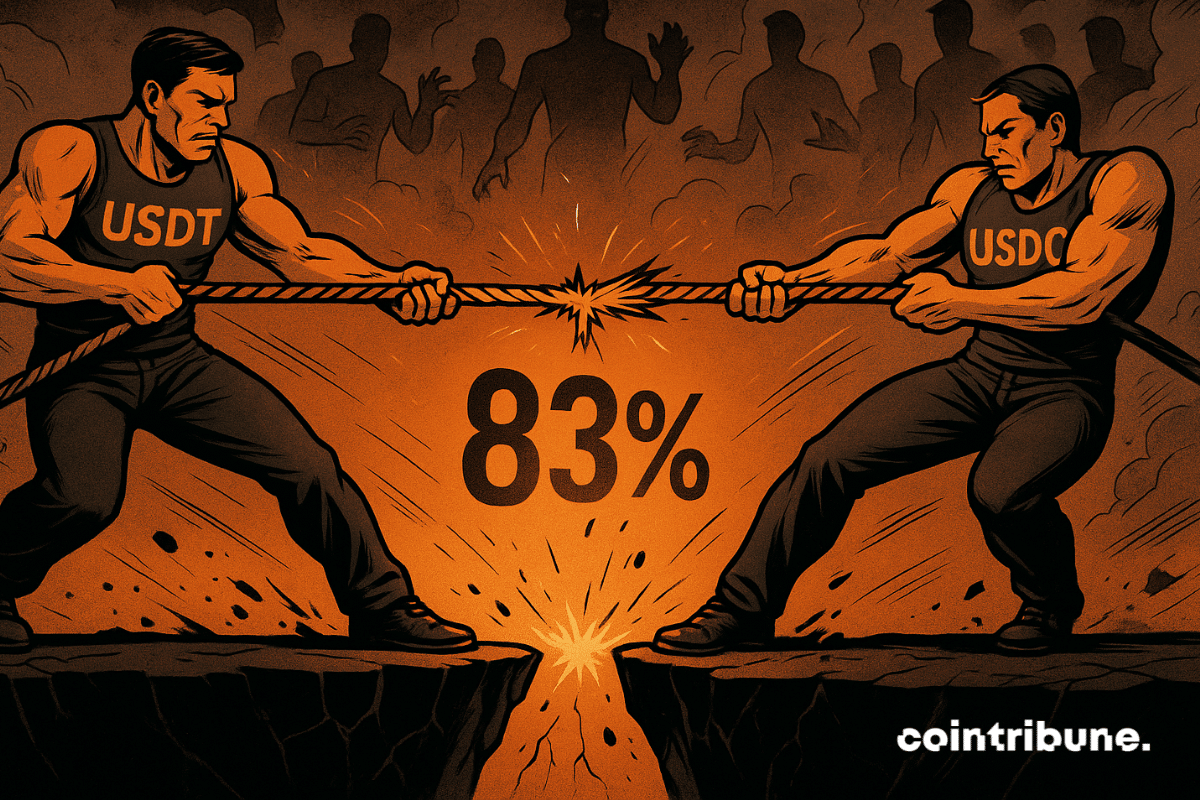
USDT and USDC are losing ground as new stablecoins and banks entering the market challenge their long-standing dominance.

OpenAI has just reached a milestone. With a valuation of 500 billion dollars, the startup led by Sam Altman surpasses SpaceX and establishes itself as the most valued in the world. This rapid rise confirms the tech shift towards artificial intelligence. In the Web3 ecosystem, where digital infrastructure is a strategic competition ground, this breakthrough has not gone unnoticed. Beyond the numbers, it is a battle of influence between artificial intelligence and the decentralized economy.

Stablecoins had their busiest quarter ever in Q3 2025, with transaction volumes hitting record highs. However, a new report reveals that much of this activity came from bots rather than individual users. At the same time, small retail transfers surged to unprecedented levels, highlighting stablecoins’ dual role as a trading tool and an emerging option for everyday payments.
The Governor of the Bank of England, Andrew Bailey, emphasizes that stablecoins could play a key role in the transformation of the British monetary system. By stating that they can reduce the country's dependence on commercial banks, Bailey opens the way to a deep reflection on the future of money and credit in the United Kingdom.
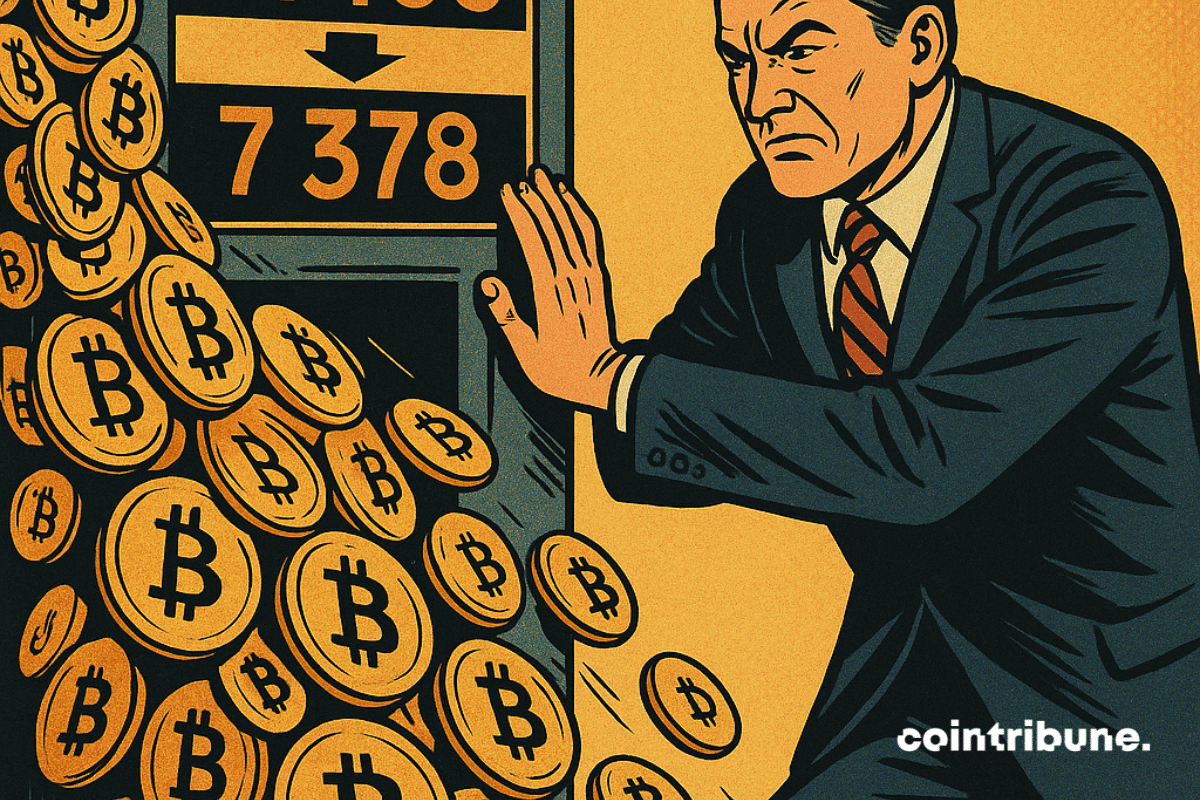
September was a pivotal month for the crypto ecosystem. Bitcoin declined despite MicroStrategy's continuous accumulation. Meanwhile, stablecoins reached new highs, reinforcing their central role in the markets. Finally, the number of crypto millionaires hit a record, signaling adoption that remains strong.
Tether is on a trajectory that could elevate it to become the most profitable crypto company in history. All the details here!
SWIFT explores blockchain for its interbank messaging system, aiming to improve efficiency, security, and regulatory compliance.
What if stablecoins, meant to embody stability, became a threat to global financial balance? In a recent report, Moody’s Ratings warns against their growing adoption, especially in emerging countries. These assets, now used far beyond traditional crypto circles, could weaken central banks' control, erode bank deposits, and cause systemic shocks.
Nine major European banks join forces for a simple and ambitious bet: a euro stablecoin, tailored for MiCA, designed from the start for on-chain uses. The consortium includes ING, Banca Sella, KBC, Danske Bank, DekaBank, UniCredit, SEB, CaixaBank, and Raiffeisen Bank International. First issuance targeted: second half of 2026.
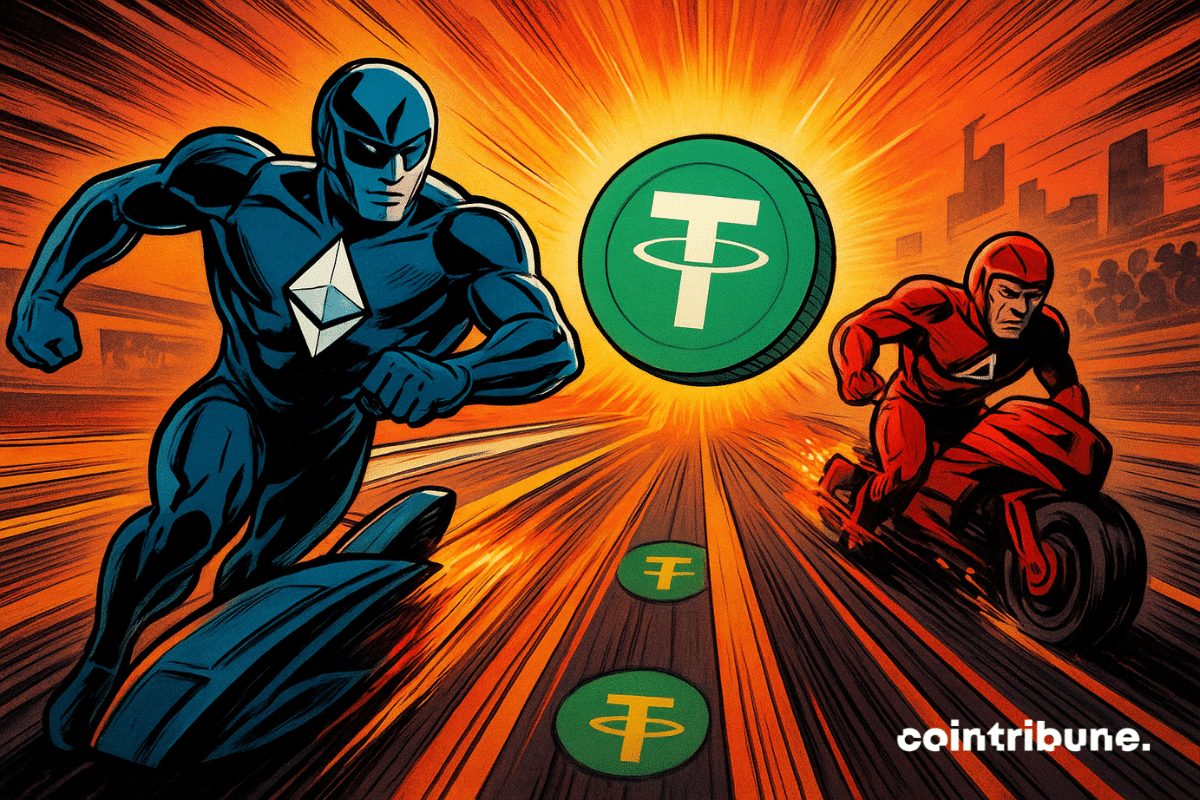
After losing its top position to Tron in March, Ethereum has surged back to reclaim its place as the leading network for USDT, with its supply reaching $80 billion. Although both networks maintained high supply levels of roughly $75–$80 billion for most of the year, this reversal signals a key shift in infrastructure preferences.
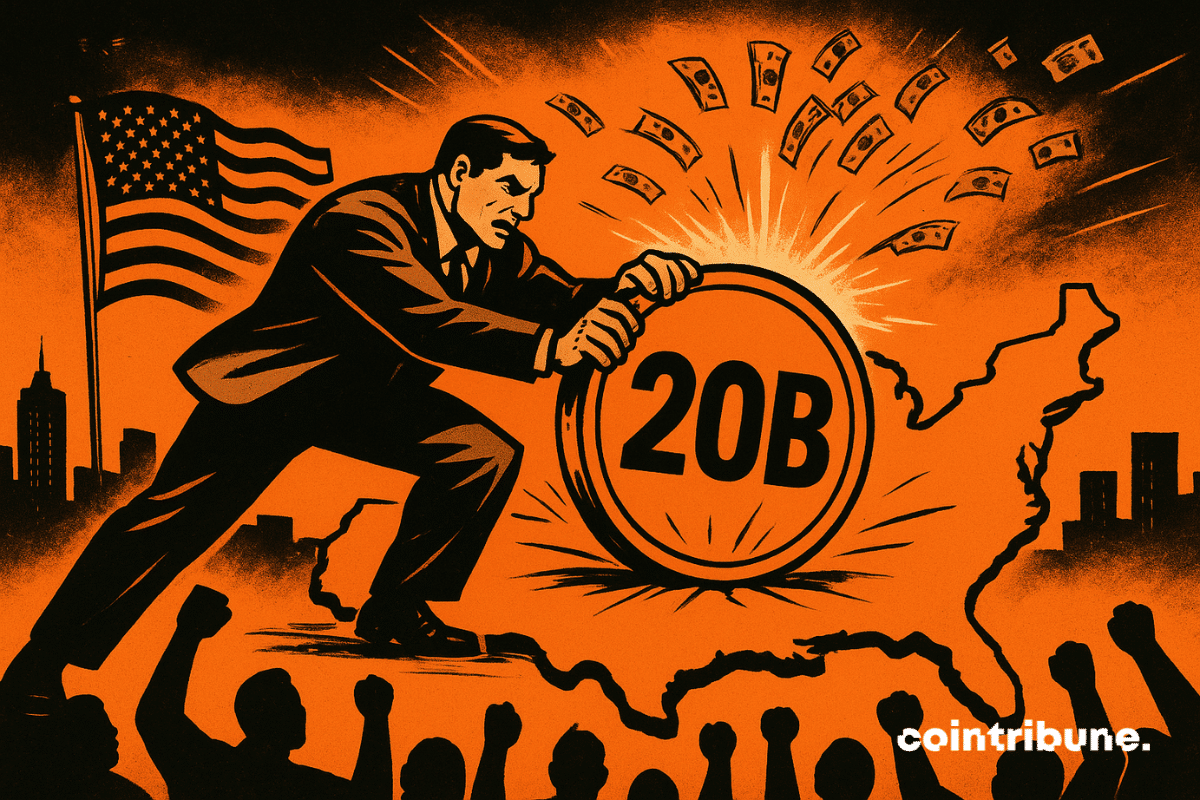
Bloomberg sources report that Tether Holdings SA is in private discussions to raise roughly $20 billion—a move that could push the USDT stablecoin issuer’s valuation to about $500 billion. If finalized, the deal would position Tether among the world’s most highly valued private companies.
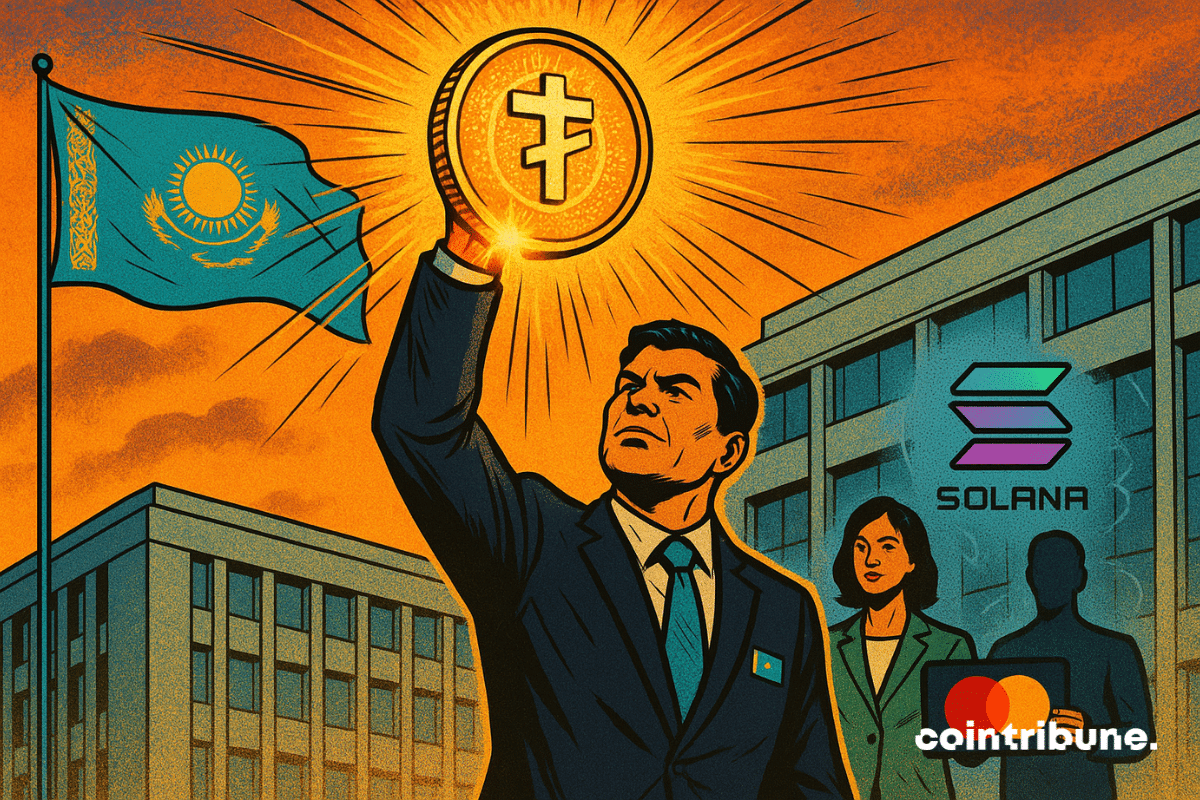
When a central bank teams up with Solana and Mastercard to create a stablecoin, it means crypto is no longer reserved for geeks. Kazakhstan is quietly forging its path.
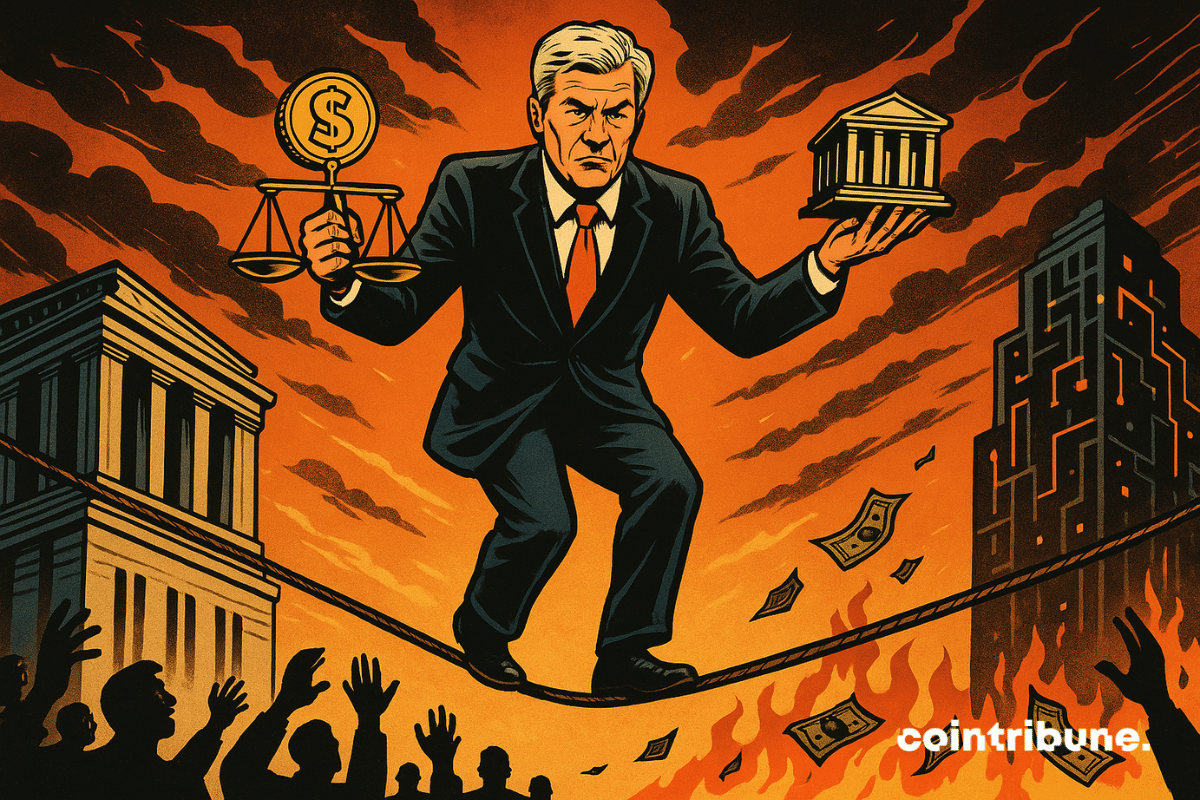
Economy: JPMorgan anticipates tensions on the Fed and integrates stablecoins without fearing for its deposits. We tell you more here!

For the first time, Washington speaks with one voice on crypto. After years of partisan deadlocks and ideological battles, Democrats and Republicans are finally breaking their divides to build a common regulatory framework. Twelve Democratic senators have just announced their support for negotiations, accelerating the implementation of a law that could redefine the future of a market worth more than 4 trillion dollars.

AnchorX and BDACS have launched AxCNH and KRW1, stablecoins pegged to the offshore Chinese yuan and South Korean won, aiming to streamline cross-border payments and expand digital currency adoption.
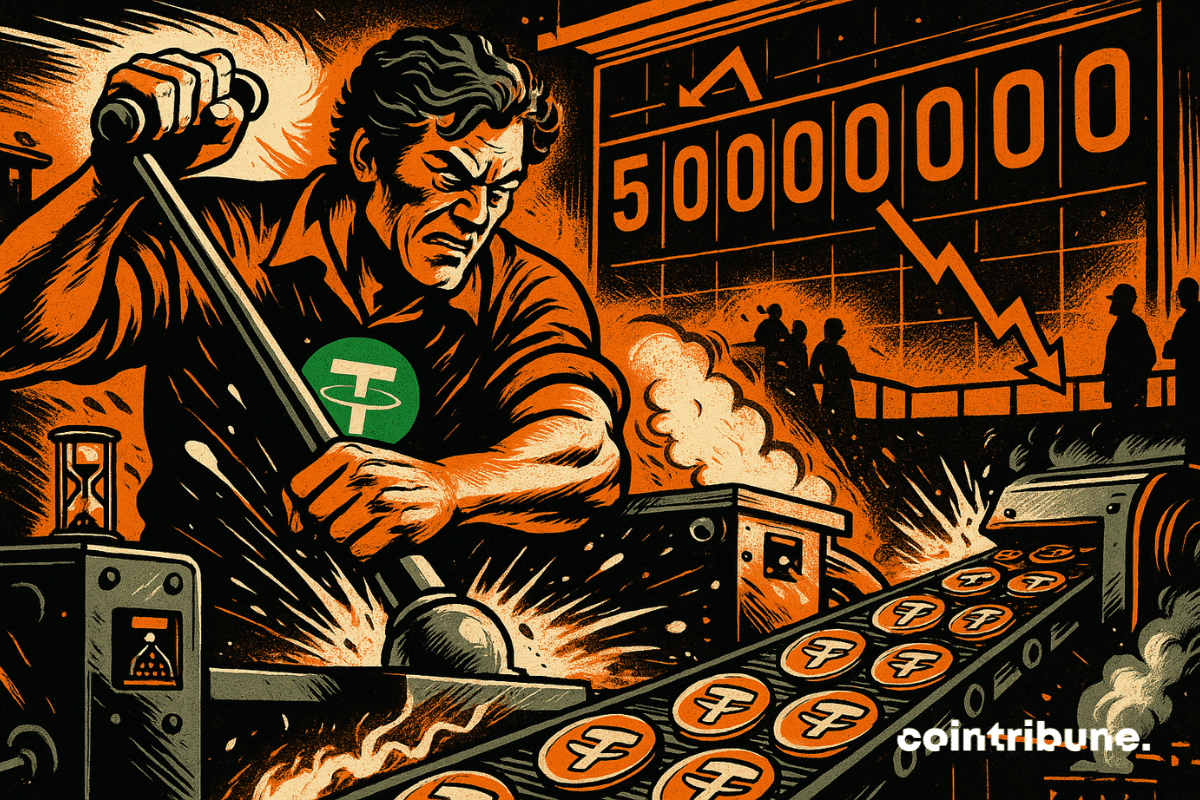
The tokenized dollar machine has been reignited. Following the 25 basis points cut decided by the Fed on September 17, Tether accelerated the issuance of USDT. In total, 5 billion minted in eight days, including an additional 1 billion on September 19 on Ethereum, according to Onchain Lens. The timing is no coincidence: when the cost of money falls, the thirst for liquidity in crypto markets rises instantly.
Washington goes back to the drawing board. The US Treasury opens a new comment window to transform the GENIUS Act, the future framework law on payment stablecoins, into applicable rules. The stated objective is to secure the use of tokenized dollars while maintaining a workable playground for crypto innovation. Let's get into the specifics.
Ron Morrow of the Bank of Canada highlights the rapid growth of stablecoins and calls for clear rules to ensure safe and reliable digital payments.

Native Markets has won the race to issue and manage Hyperliquid’s dollar stablecoin after securing the USDH ticker following a heated week-long bidding process. The governance contest, which saw top industry players like Paxos and BitGo place bids, has sparked several reactions among many within the crypto industry.
The crypto ecosystem reaches a new milestone with the revolutionary announcement from OKX partnering with Tether to deploy USDT0 on its Layer 2 X Layer network. This major innovation, launched on September 9, 2025, redefines stablecoin interoperability and positions OKX as the essential exchange for the future of decentralized finance.

The cryptocurrency sector keeps surprising. Tether, already known for its USDT stablecoin, has just announced the launch of a new player: USAT. This dollar-backed stablecoin stands out with a clear ambition: to comply with new American legislation while consolidating the greenback's influence in the digital age. But the real surprise comes from its leadership: Bo Hines, former White House crypto advisor, now leads this strategic project.
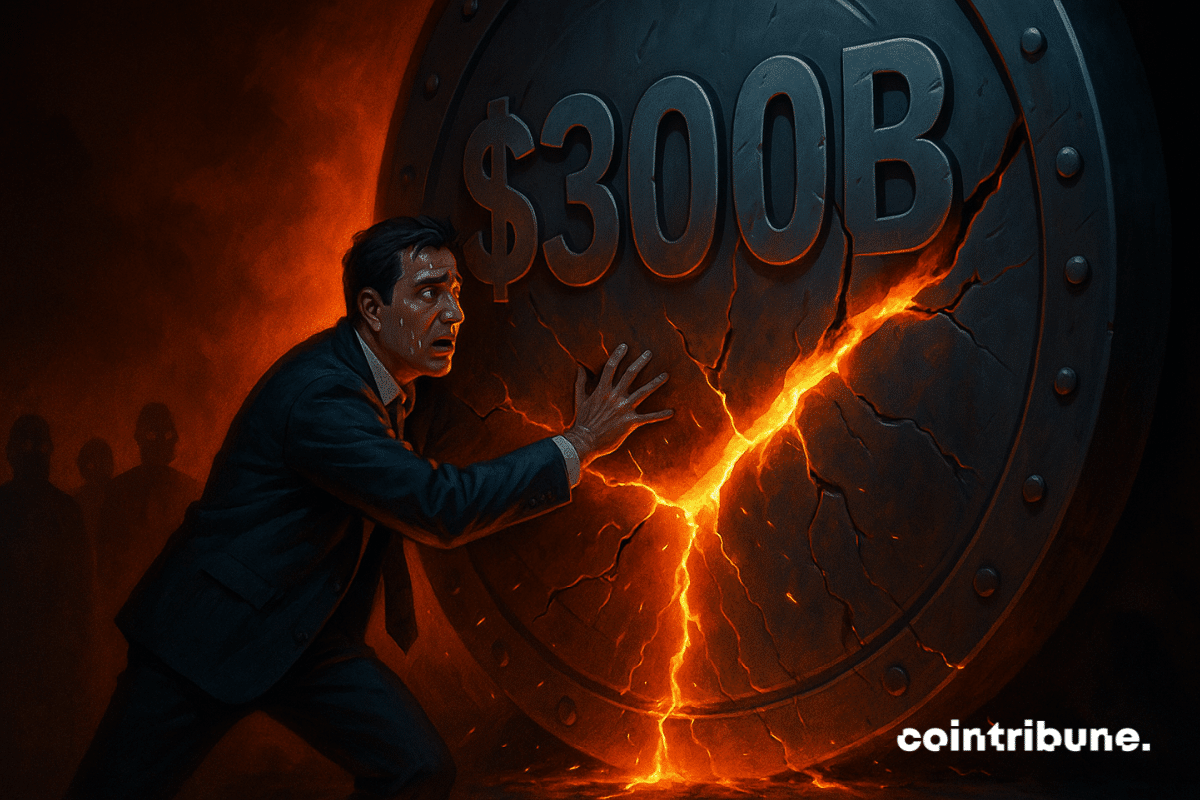
The stablecoin market has reached $301 billion, but reported figures vary across platforms as growth continues.
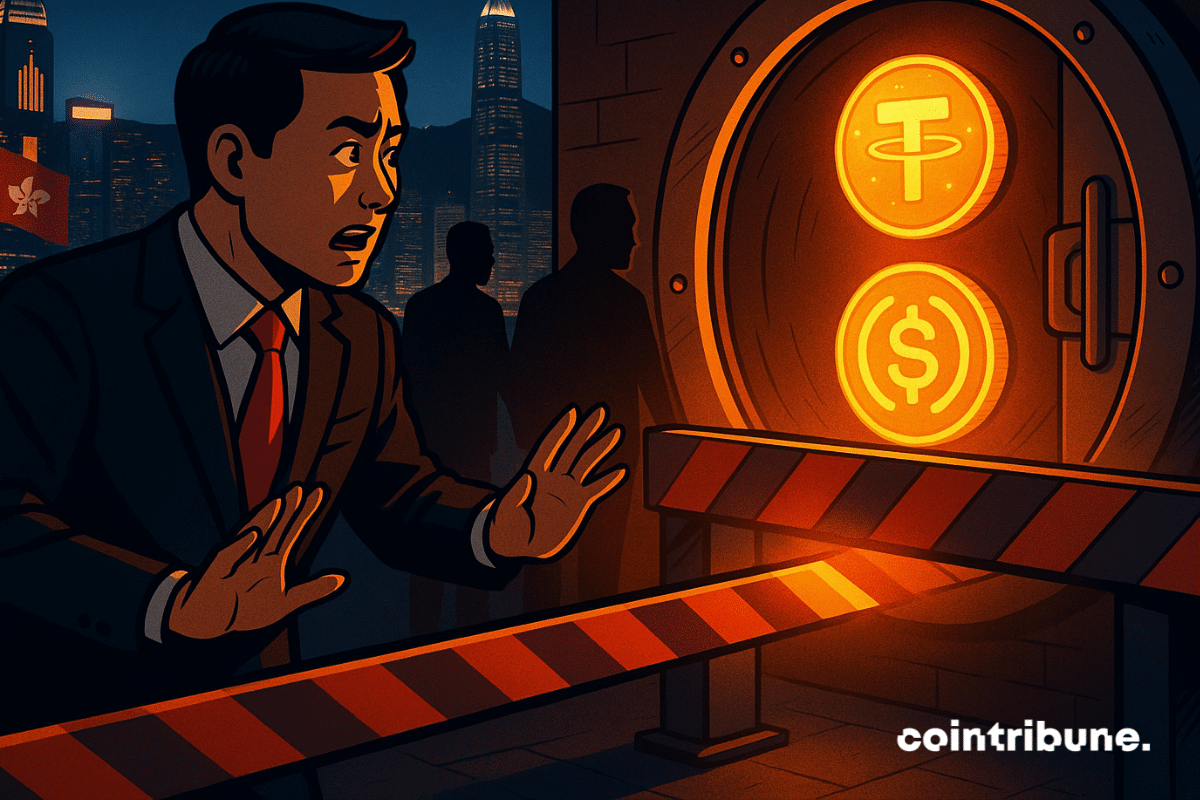
Chinese firms may face restrictions on stablecoin activity, affecting their role in the city’s digital asset market.
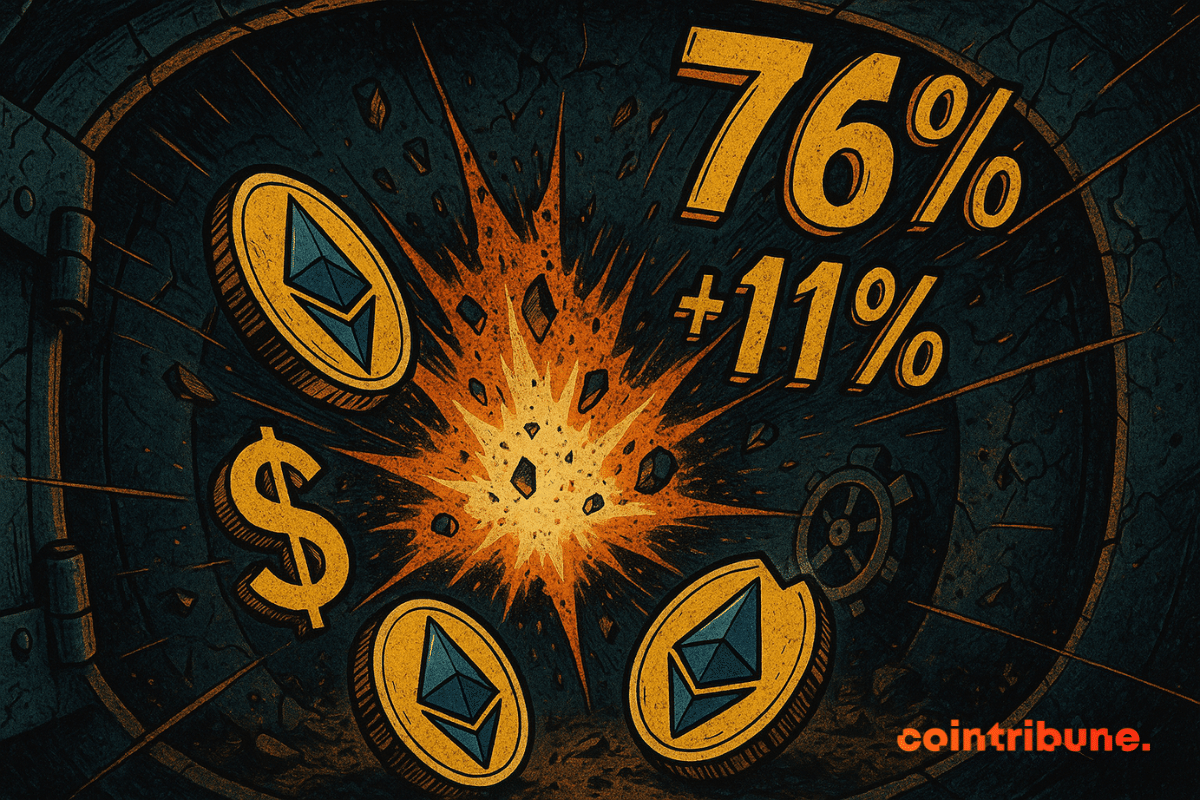
Boom of RWA in crypto: +11% in one week. Focus on this revolution led by Ethereum and BlackRock.

New project: a crypto bank could be launched in Russia. We deliver all the details in this article.
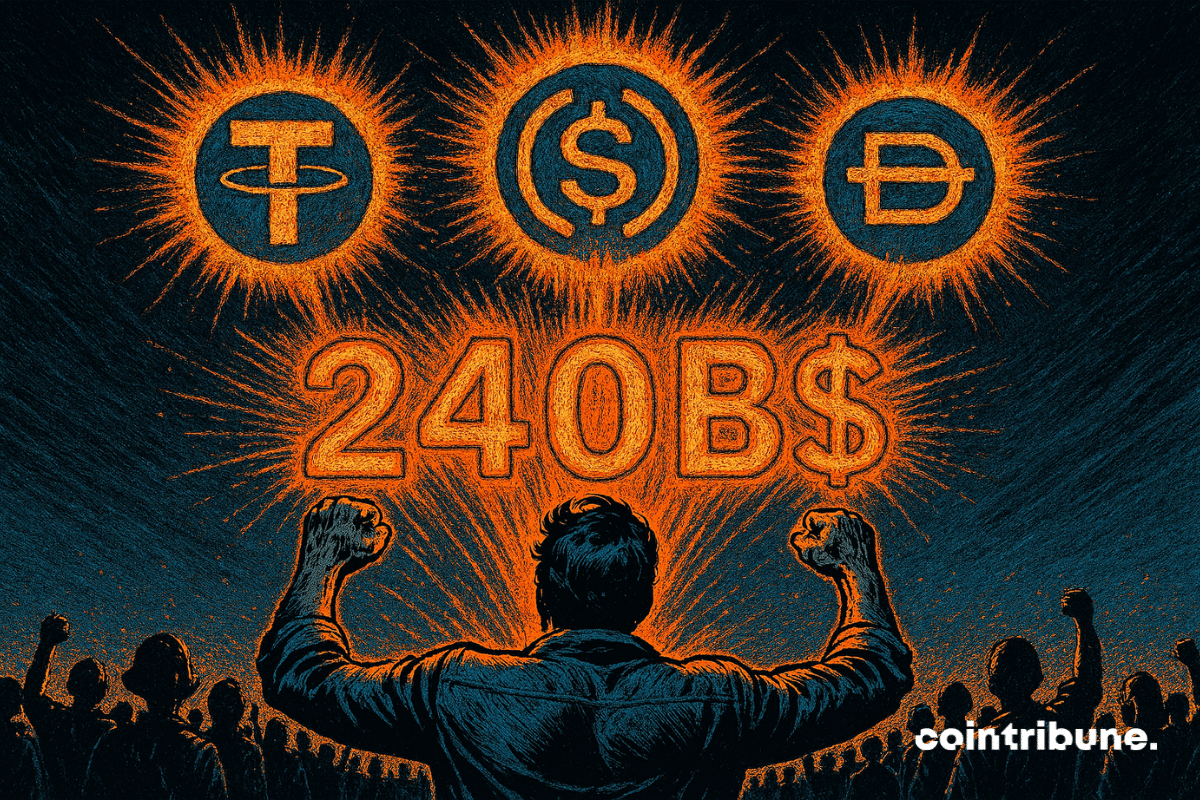
While the Fed blows hot and cold, the whales are dozing off… and here come the stablecoins, discreet stewards of the crypto market, imposing themselves as masters of the party.