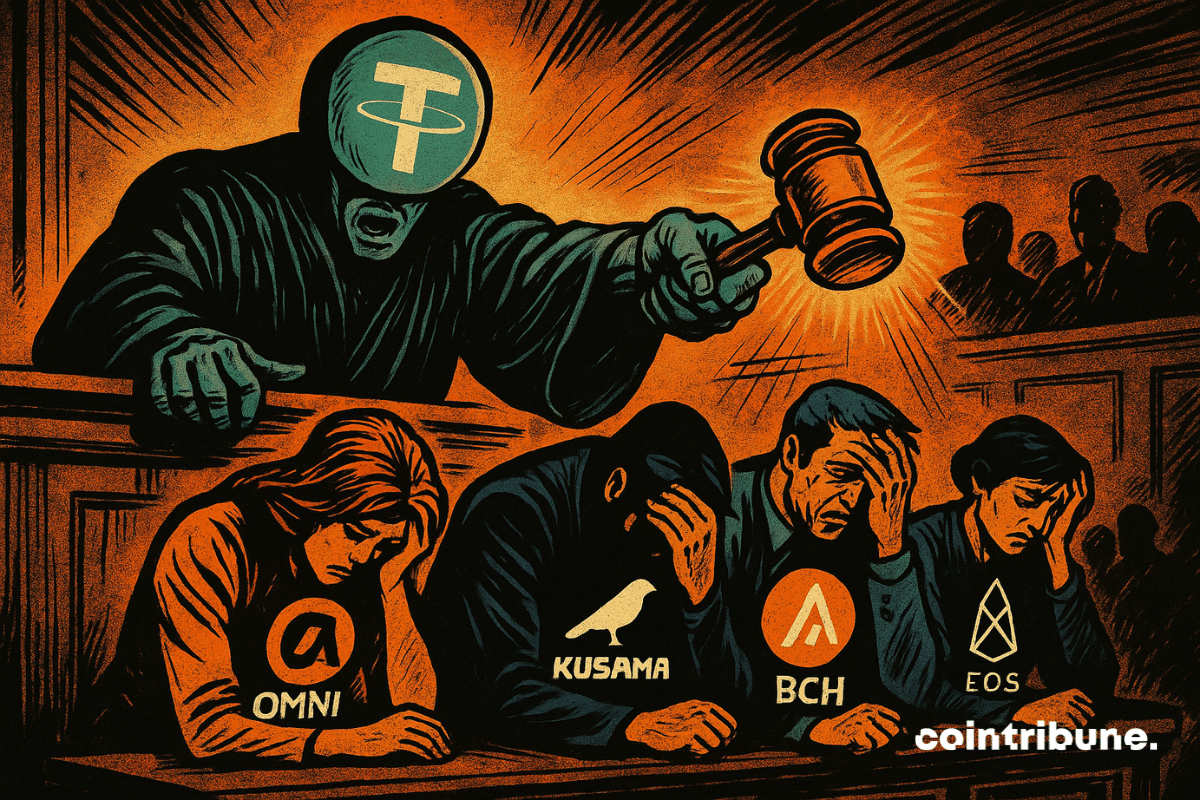
Tether is taking down its posters of abandoned blockchains to better align with crypto stars: while some lament Omni, others are already celebrating on Ethereum and Tron.
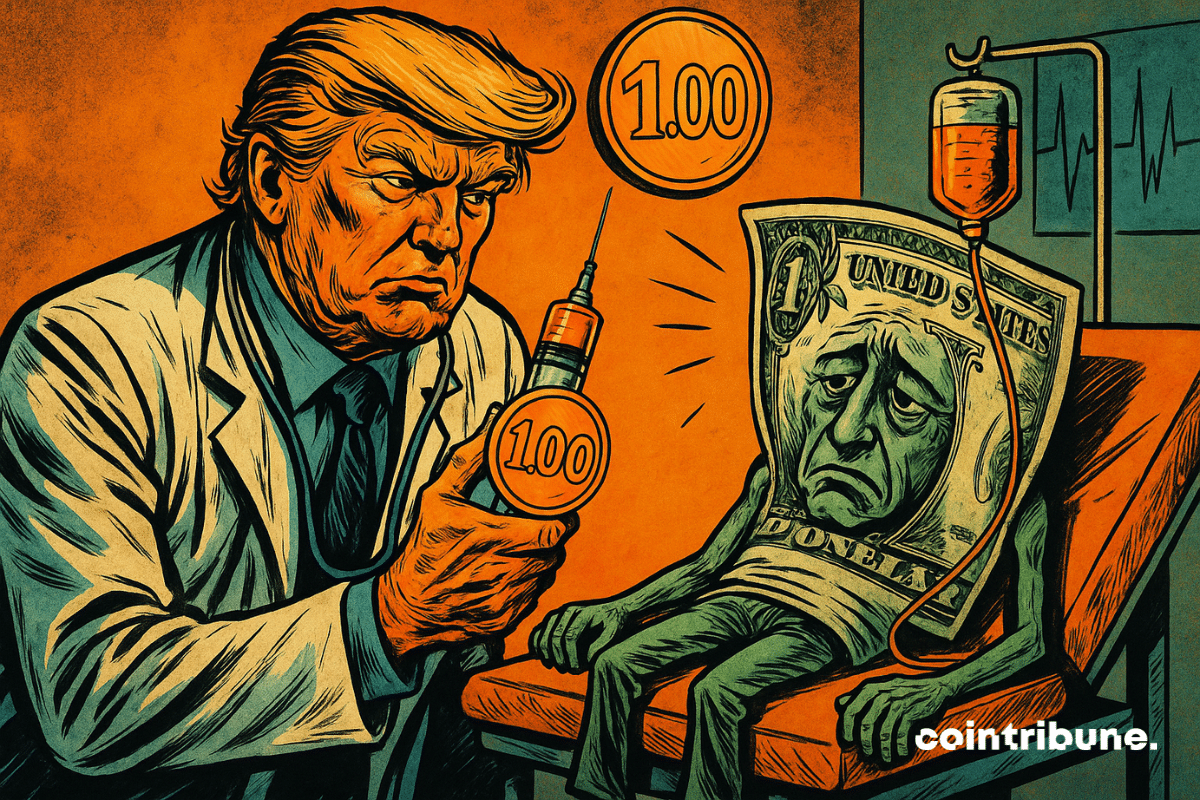
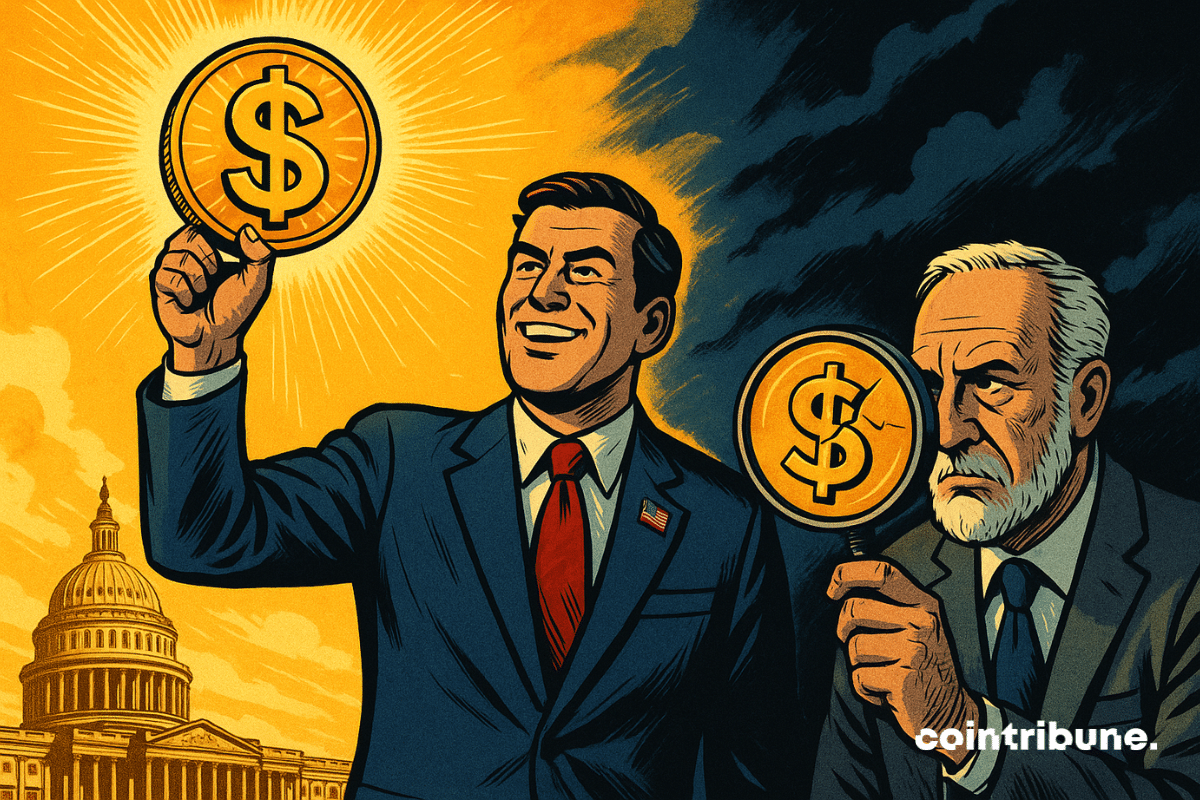
"While the dollar plays the tightrope and Trump brandishes his tariffs, Washington unveils a crypto-crutch: stablecoins, a techno remedy or a digital mirage of a wavering empire?"
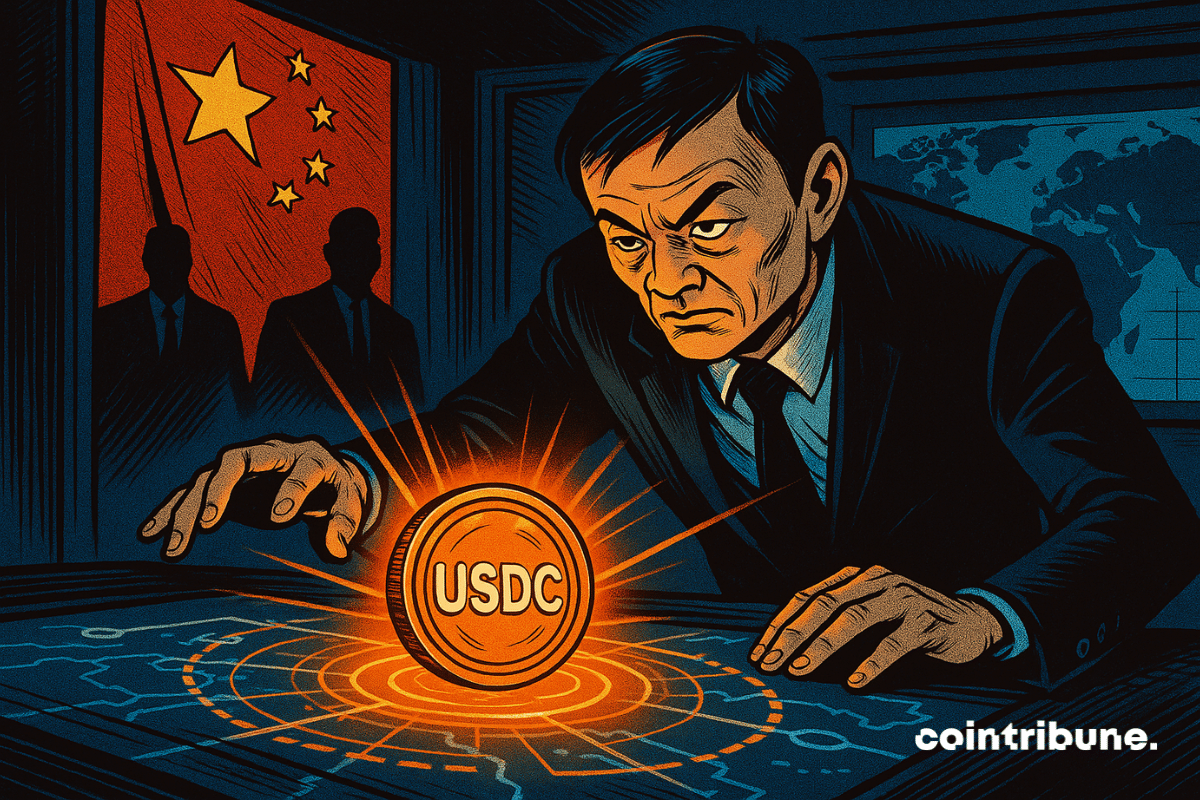
Jack Ma's financial empire is regaining momentum. Ant International, the international branch of the Chinese giant Ant Group, formerly a subsidiary of Alibaba, is preparing to integrate Circle's USDC into its blockchain. A strategic move that could reshape the landscape of the global digital payment ecosystem.
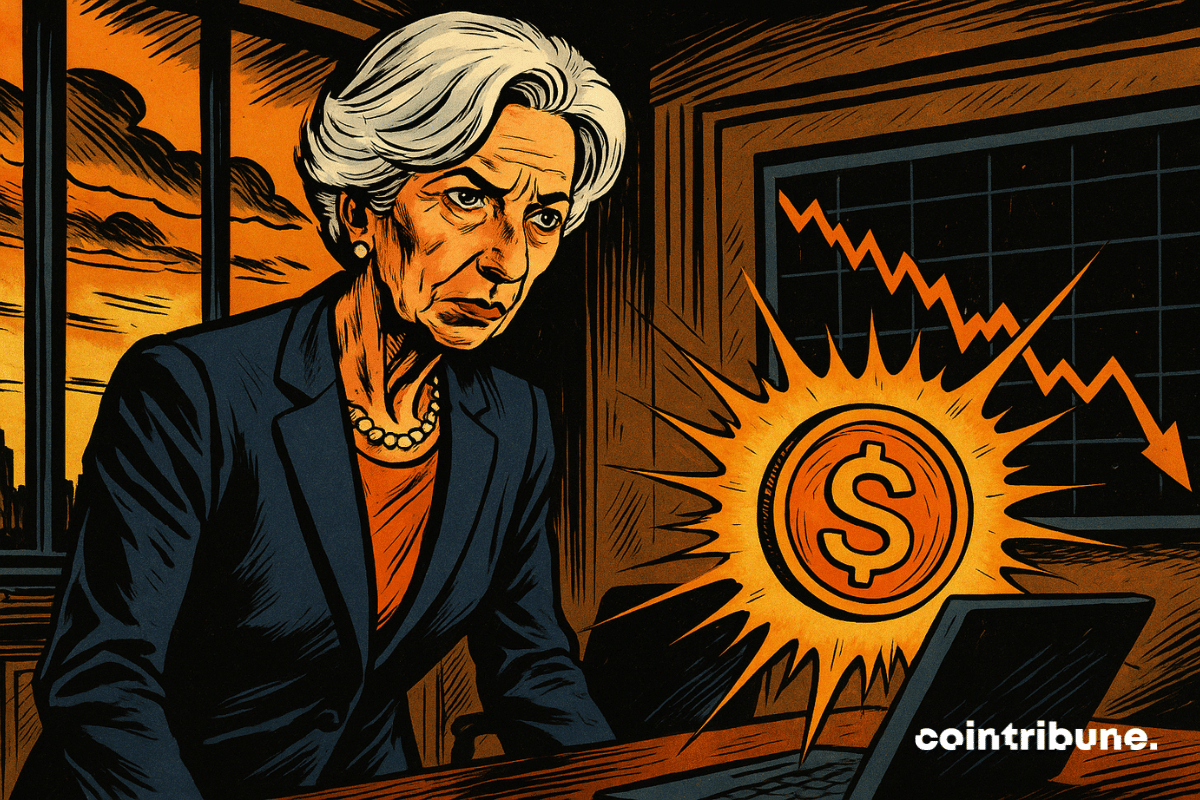
When a former minister attacks stablecoins, it is not for their logo. But can we still speak of public money when crypto infiltrates everywhere? Follow the Lagarde trail…
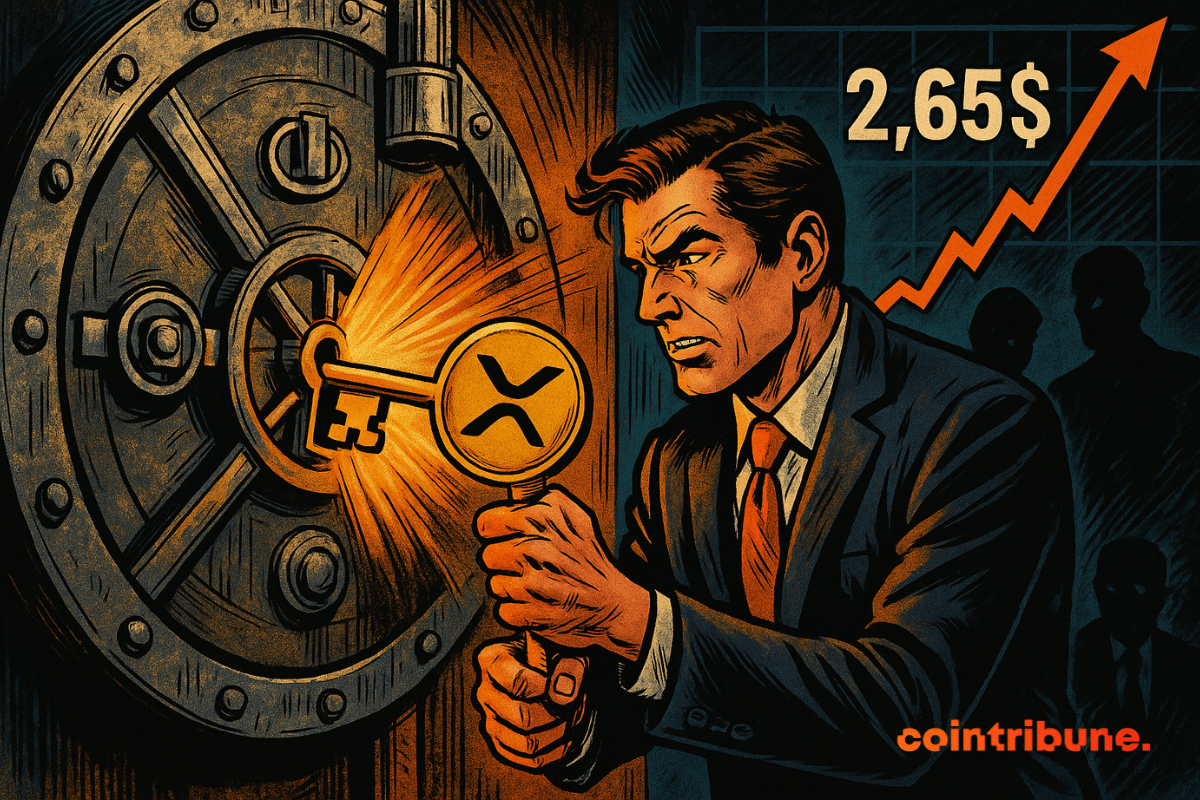
Ripple wants to become a banker, XRP attempts a spectacular comeback, and Wall Street applauds. The once rebellious crypto is settling into the plush chairs of regulators. How far will it go?
Under the pretext of stablecoins in Hong Kong, Beijing is moving its pieces. Crypto on the menu, control for dessert? JD and Ant are rolling out the digital carpet, but beware of the invisible strings.
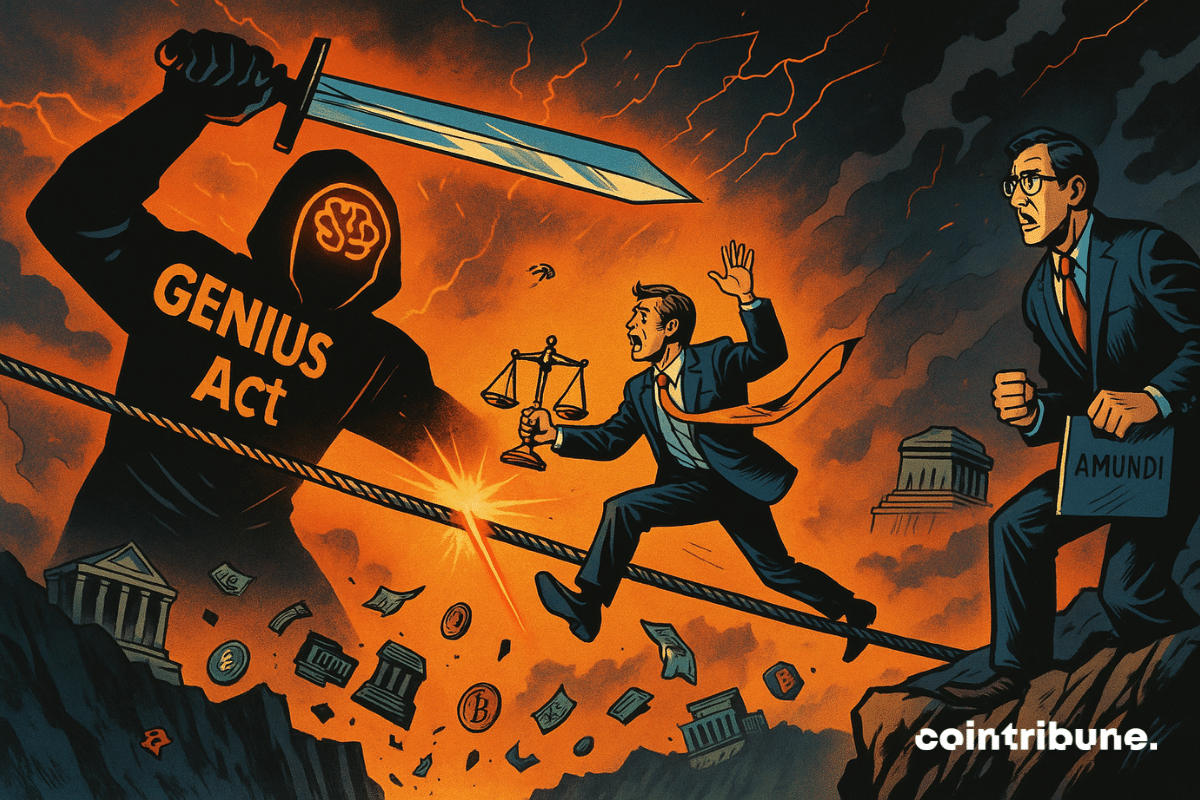
As stablecoins gain legitimacy, a U.S. law is reigniting the fractures between monetary sovereignty and the supremacy of the dollar. With the GENIUS Act, passed by the Senate, Washington is regulating cryptocurrencies backed by the greenback. However, in Europe, a counteroffensive is being organized. Amundi fears global destabilization. Behind this legal framework, a monetary offensive with systemic effects is taking shape.
Ethereum is stumbling, ETFs are exploding, big holders are accumulating, and retail is asleep. What if Ethereum's crypto is quietly preparing for a major upheaval? Here's a behind-the-scenes look.
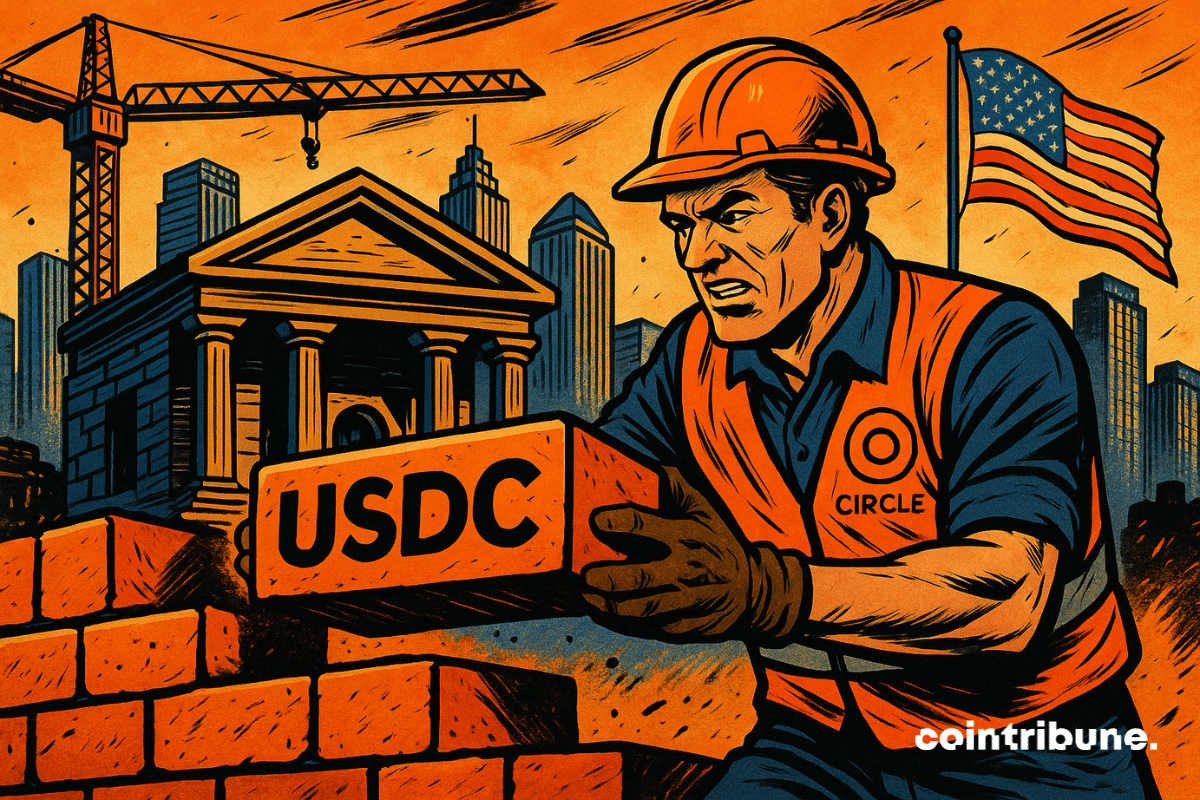
The world of crypto is often built on the fringes of institutions. However, some companies choose to swim against the tide by seeking to fully integrate into them. This is the case with Circle, the issuer of USDC, which is no longer content to be just a tech player. The American company has officially applied to become a national trust bank in the United States. This is both a bold move and indicative of a broader shift in the crypto ecosystem: integration into the federal banking system to better ensure trust.
Blockchain holds great promise, but few projects can bridge the gap between technological ambition and institutional reality. With its new ACE compliance engine, Chainlink aims to overcome this hurdle. The stated goal: to unlock $100 trillion in institutional investments that have been stalled by regulatory barriers. An initiative that could change the game in the crypto universe.
The era of plastic is coming to an end. As Visa and Mastercard struggle under the weight of opaque fees and archaic delays, a new form of infrastructure is quietly taking power. Stablecoins, long relegated to the realm of traders' tools, are now establishing themselves at the heart of the Web as the "default settlement layer." This is no longer a futuristic hypothesis: it is a reality that is grounded in numbers and usage.
On June 17, the U.S. Senate passed the GENIUS Act, short for Guiding and Establishing National Innovation for U.S. Stablecoins Act, by a 68-30 bipartisan vote. If passed by the House and signed by the President, the bill would introduce the first comprehensive federal framework for regulating stablecoins in the United States.
World Liberty Financial is preparing to make its WLFI token tradable while rolling out a stablecoin audit and a new app to simplify crypto use.
Tether is ramping up its Bitcoin mining plans, aiming to become the industry's biggest player by year-end.
While Americans pamper stablecoins, the Bank of France bares its teeth: crypto, dollar, and sovereignty do not mix well for the guardians of the monetary temple.
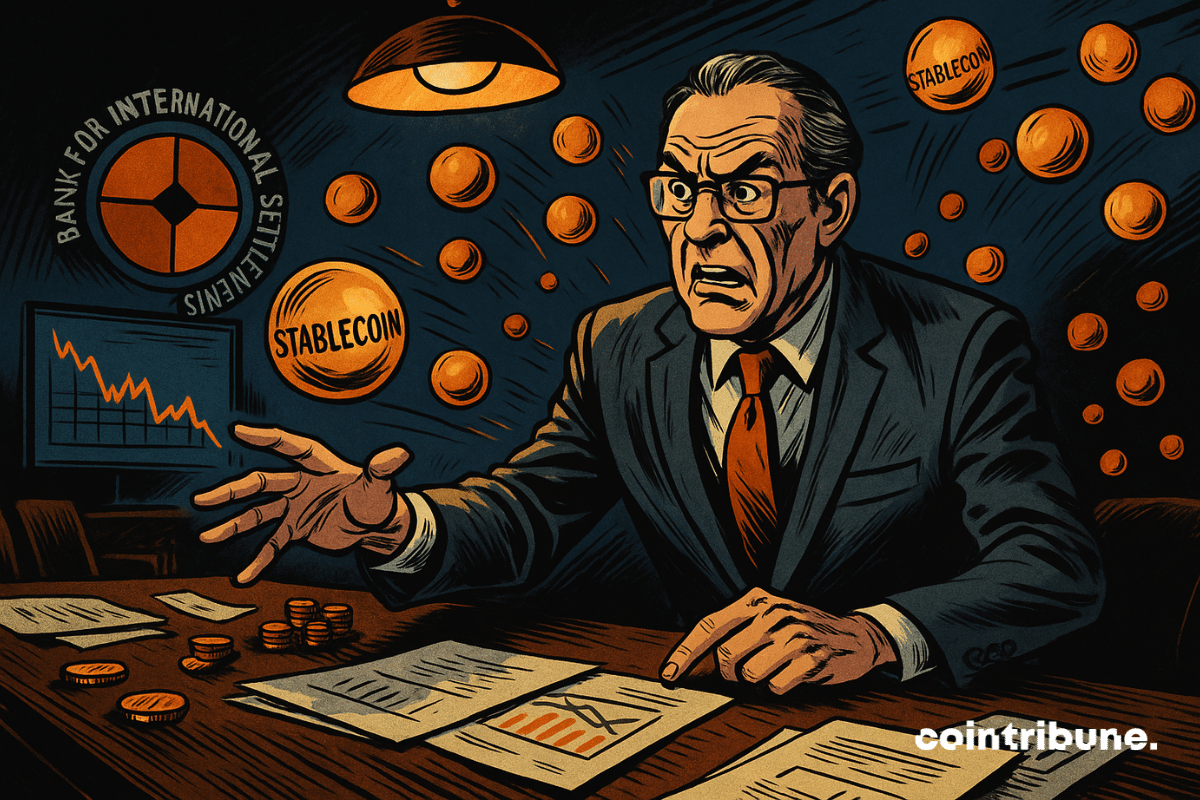
Tokens we thought were safe, a report that strikes, the BIS takes aim at stablecoins. Crypto-mania or toxic bubble? The global finance reassesses its strategies... under high tension.
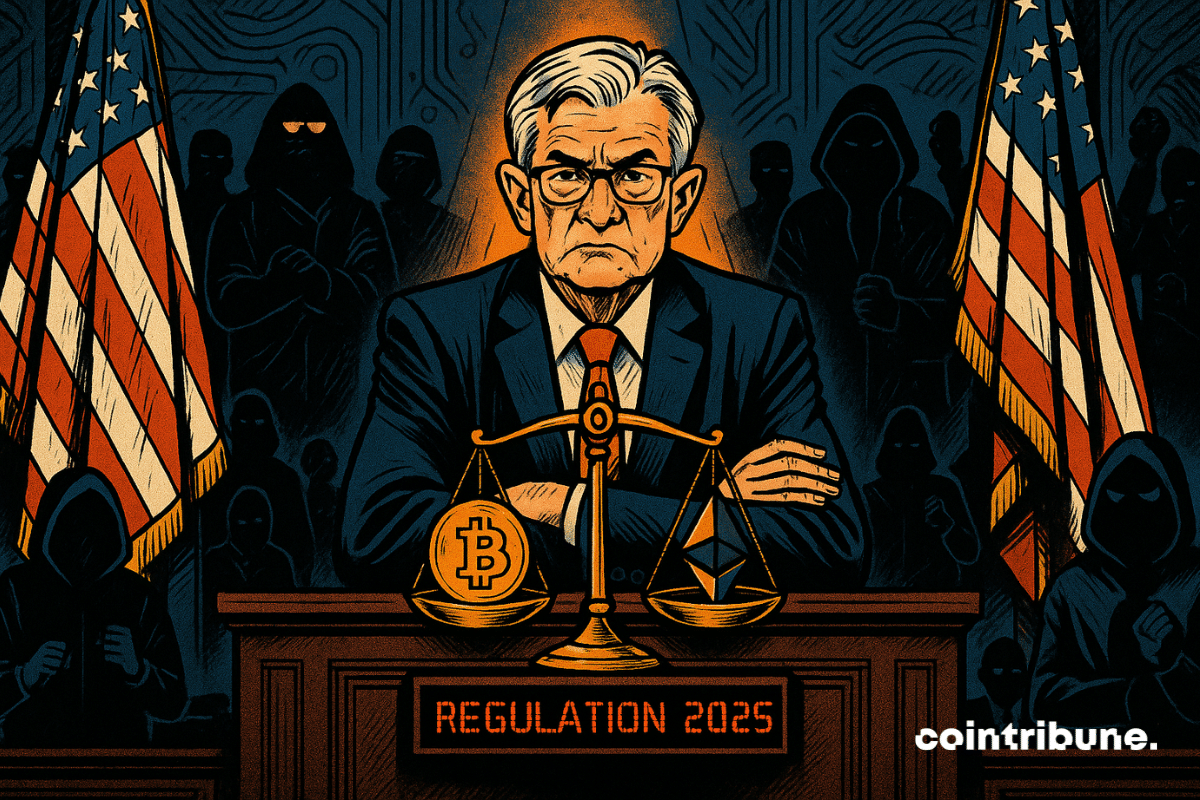
Against the backdrop of years of regulatory ambiguity, Washington seems to want to take control of the crypto ecosystem. On June 18, Federal Reserve Chairman Jerome Powell surprised many by clearly supporting two landmark bills on stablecoins and the crypto market. In a changing political climate in the United States, this stance marks a potential turning point for the industry, which has long awaited a solid and predictable legal framework.
Bitcoin’s original promise was rebellion: digital gold, a hedge against inflation, a way out of the fiat system. But if the latest Binance Research report is any indication, it may be playing a different role today: not fighting the dollar, but backing it.
Economist Peter Schiff is openly opposing the U.S. government on the future of stablecoins. While Washington relies on these cryptocurrencies to strengthen the dollar, Schiff predicts the opposite. But is he right to be concerned?
JPMorgan Chase is finally realizing its crypto ambitions with the launch of JPMD. After filing its trademark application earlier this week, the bank is launching its "deposit token" on Coinbase's Base. How does this token work, and what issues are at stake behind this strategic choice?
The American banking giant JP Morgan has just filed a mysterious trademark application called "JPMD" with the U.S. Patent and Trademark Office. This initiative fuels speculation about a potential new stablecoin. But what is this discreet move really hiding?
As the crypto market desperately seeks direction, the U.S. Senate is set to lay the groundwork for a legal framework for stablecoins. The vote on June 17 could very well reshuffle the deck for both institutions and digital giants.
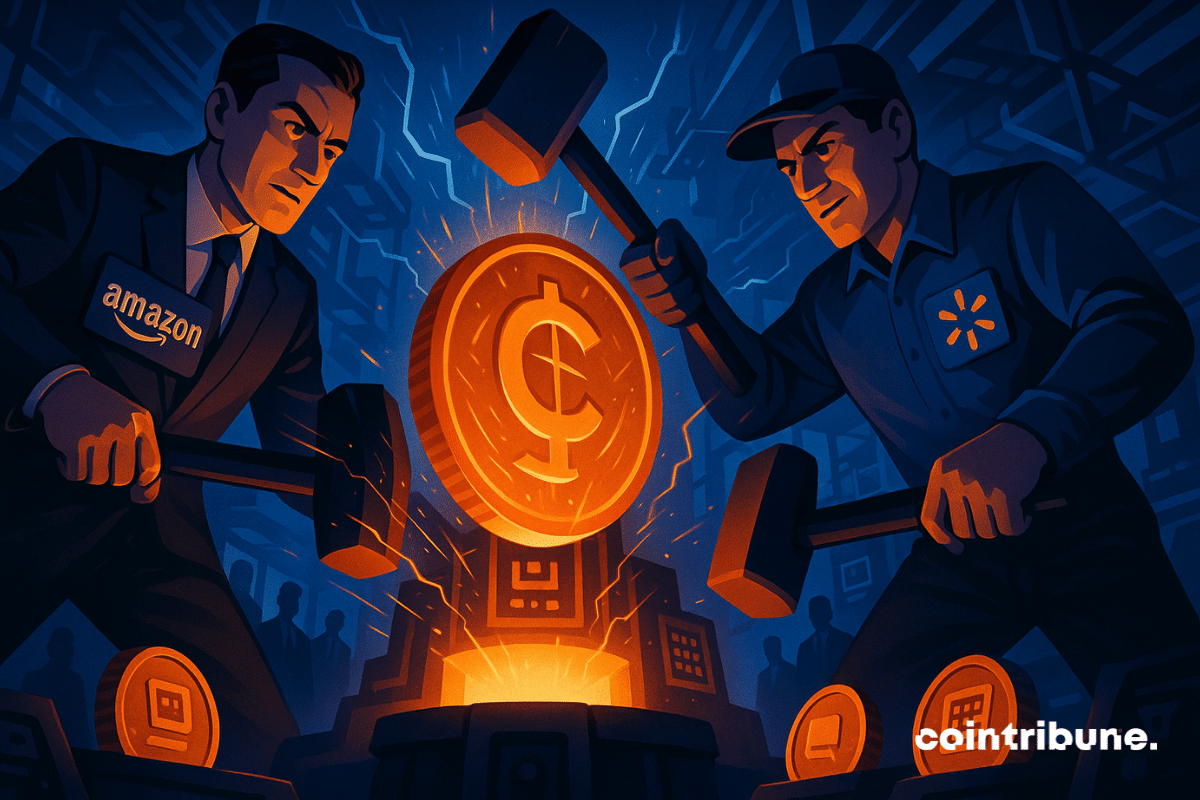
American retail giants Amazon and Walmart are currently exploring the issuance of their own dollar-backed stablecoins. This initiative, still in the exploratory phase, could ultimately disrupt the online payment landscape and further reinforce the hegemony of the US dollar.
In just a few hours, cryptocurrencies have faltered under the weight of a major geopolitical event. Following Israeli strikes in Iran, over one billion dollars in positions were liquidated, taking with them the market's recent gains. This is not just a simple episode of volatility, but a tangible sign that these assets, which stem from a promise of sovereignty, remain exposed to real-world shocks.
The line between traditional commerce and decentralized finance is becoming thinner. Shopify, the e-commerce giant, is breaking through the wall of traditional payments by integrating USDC into its Shopify Payments system. This decision is not just a mere technological whim but a strategic shift towards the large-scale adoption of crypto.
Bank of America is holding off on stablecoins until U.S. lawmakers pass the GENIUS Act. Meanwhile, the bill gains momentum, signaling growing support for clear regulation.
Circle's IPO made history on Wall Street with the largest two-day gain since 1980. However, behind this spectacular performance lies a troubling paradox: the issuer of USDC literally forfeited 3 billion dollars to institutional investors. How can this colossal financial sacrifice be explained?
Stablecoins are set for a major breakthrough in 2025, with rising global use, business interest, and policy support.
Tether is set to open-source its Bitcoin Mining OS (MOS) by the fourth quarter of 2025. The move aims to make Bitcoin mining more accessible by allowing smaller operators to manage their own mining systems without relying on external software or services.
The United States is preparing to regulate stablecoins. A key vote on the GENIUS Act could transform the crypto industry forever.