Explore the intersection between traditional stock markets and cryptocurrencies with our dedicated stock market resources. Discover how digital assets are influencing financial markets and how to integrate cryptos into your investment portfolio. Our articles offer:
Guides on investing in the stock market and crypto
Tutorials to diversify your portfolio
Market trend analysis
Opinions on blockchain-related stocks
The latest economic and financial news
Learn how to:
Understand the correlations between the stock market and cryptos
Identify innovative investment opportunities
Manage risks associated with volatile markets
Whether you are a stock market or crypto investor, our resources will help you make informed decisions to maximize your returns.
Polymarket, the crypto platform specializing in predictive markets, is making its big return to the United States. To achieve this, it is betting on the acquisition of QCX, an exchange regulated by the CFTC. An ambitious move that could redefine the future of prediction on the blockchain.
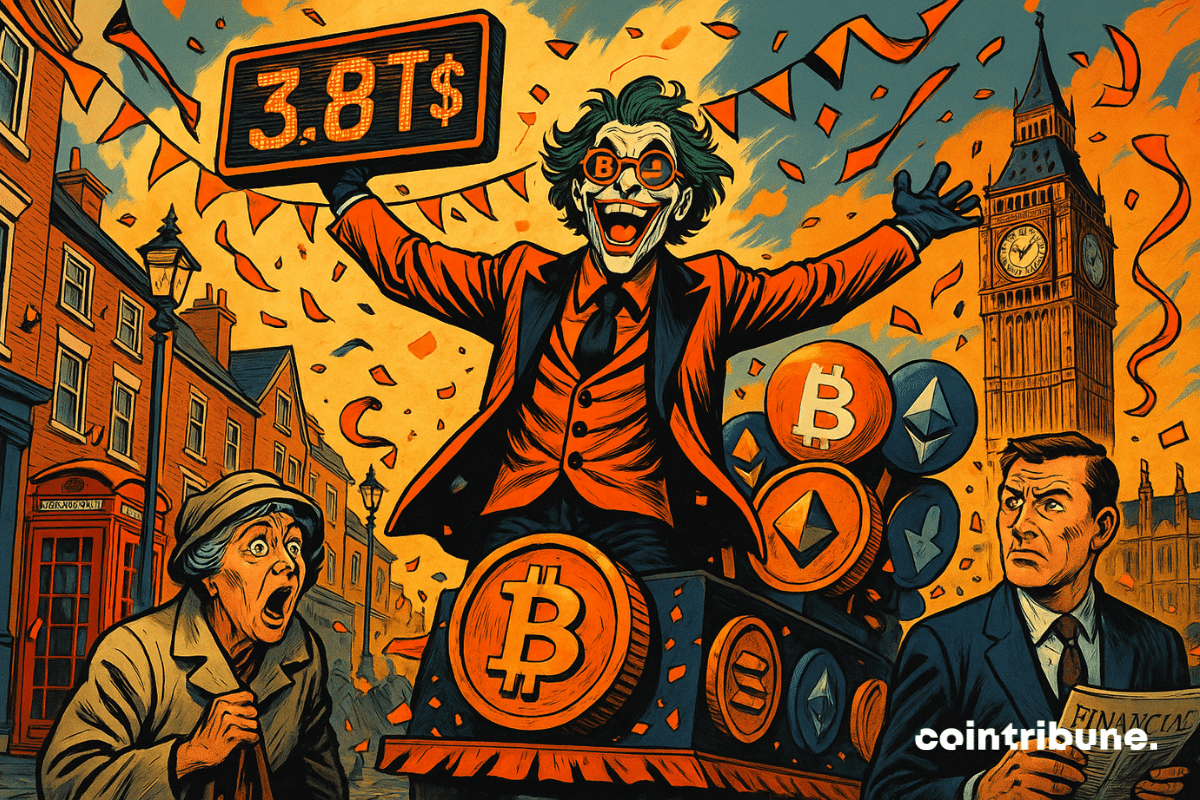
The crypto market has just crossed a symbolic threshold: $3.8 trillion in capitalization. This is more than Amazon's valuation, almost as much as the GDP of the United Kingdom. Far from a simple bullish cycle, this surge propels cryptocurrencies to the status of systemic players. A turning point that reshuffles the cards: this market is no longer peripheral; it now competes with major economic powers. While financial capitals observe, the cryptosphere sets its own pace and redraws the contours of the global economy.
When a crypto company enters the S&P 500 and then joins TIME's list of the 100 most influential companies, it is no longer just recognition: it is a signal of a shift in era. By 2025, Coinbase is no longer just an exchange; it becomes a symbol of the normalization of Web3 within the circles of global economic power. Its rise marks a clear break between the utopian promises of the sector and its integration into traditional structures of influence.
Wall Street continues to set records, and crypto holds its breath. As the Nasdaq and S&P 500 reach historical highs, the prospect of monetary easing by the Fed revives bullish scenarios. In this climate of optimism, a question arises: is Bitcoin ready to cross a new symbolic threshold? With favorable macroeconomic signals and renewed institutional interest, the hypothesis of BTC exceeding $112,000 resurfaces, fueled by the dynamics of traditional markets.
"Driven by an unexpected easing in the Middle East and a resurgence of stock market optimism, the S&P 500 closed this Thursday at 6,141.02 points, nearing its all-time high. Increasing by 0.8%, the benchmark index marks a significant rebound since its low in April, despite ongoing uncertainties regarding trade tariffs and regional stability."
Despite a decline in profits, companies in the CAC 40 are increasingly attentive to their shareholders. In 2024, they maintain record payouts, contrary to traditional economic signals. In an environment marked by sluggish growth, rising inflation, and unstable markets, this strategy raises questions. Is it a sign of strength or a risky bet? While shareholder profitability remains a priority, the gap between distributed profits and actual performance raises doubts about the sustainability of this model.
The conflict between Israel and Iran raises fears of a major escalation, yet U.S. indices are flirting with their all-time highs. Following U.S. bombings in Iran, this situation could change very quickly, casting doubt on a sudden market collapse.
The stock market has its moods, but sometimes, it is mostly its fears. And this Friday, fear prevailed over everything else. An Israeli strike against Iran was enough to cause an immediate shock on global markets, reminding everyone that indices are never completely disconnected from the sound of bombs. In New York, the Dow Jones dropped more than 600 points right at the opening. A brutal collapse that owes nothing to chance, but everything to geopolitics. In this unstable equation, volatility has become the norm again, and the stock market a sounding board for the real world.
Circle's IPO made history on Wall Street with the largest two-day gain since 1980. However, behind this spectacular performance lies a troubling paradox: the issuer of USDC literally forfeited 3 billion dollars to institutional investors. How can this colossal financial sacrifice be explained?
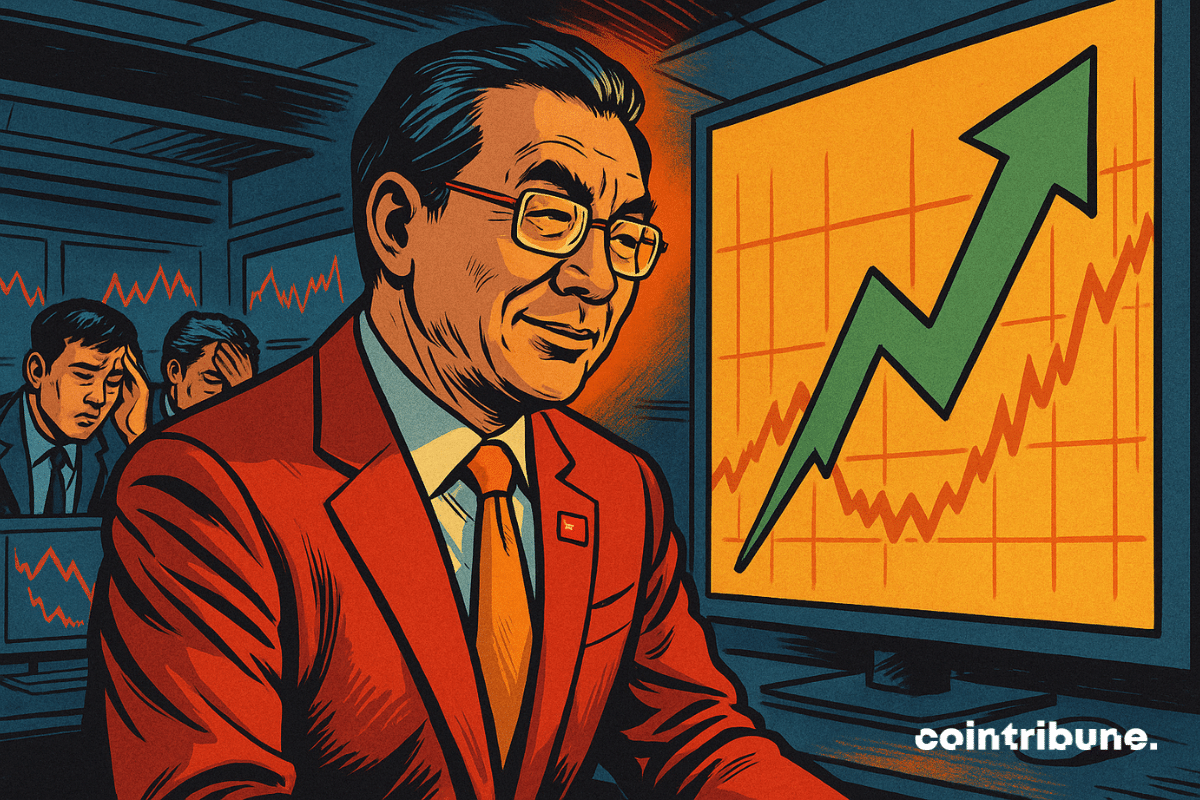
In an environment marked by uncertainty and geopolitical tensions, the Chinese stock market demonstrates remarkable resilience. As trade discussions between the United States and China resume in London, the stock markets of Hong Kong and mainland China are witnessing a significant rebound, driven by the technology, pharmaceutical, and rare earth sectors. This dynamic could profoundly influence the financial balance in Asia in the coming months.
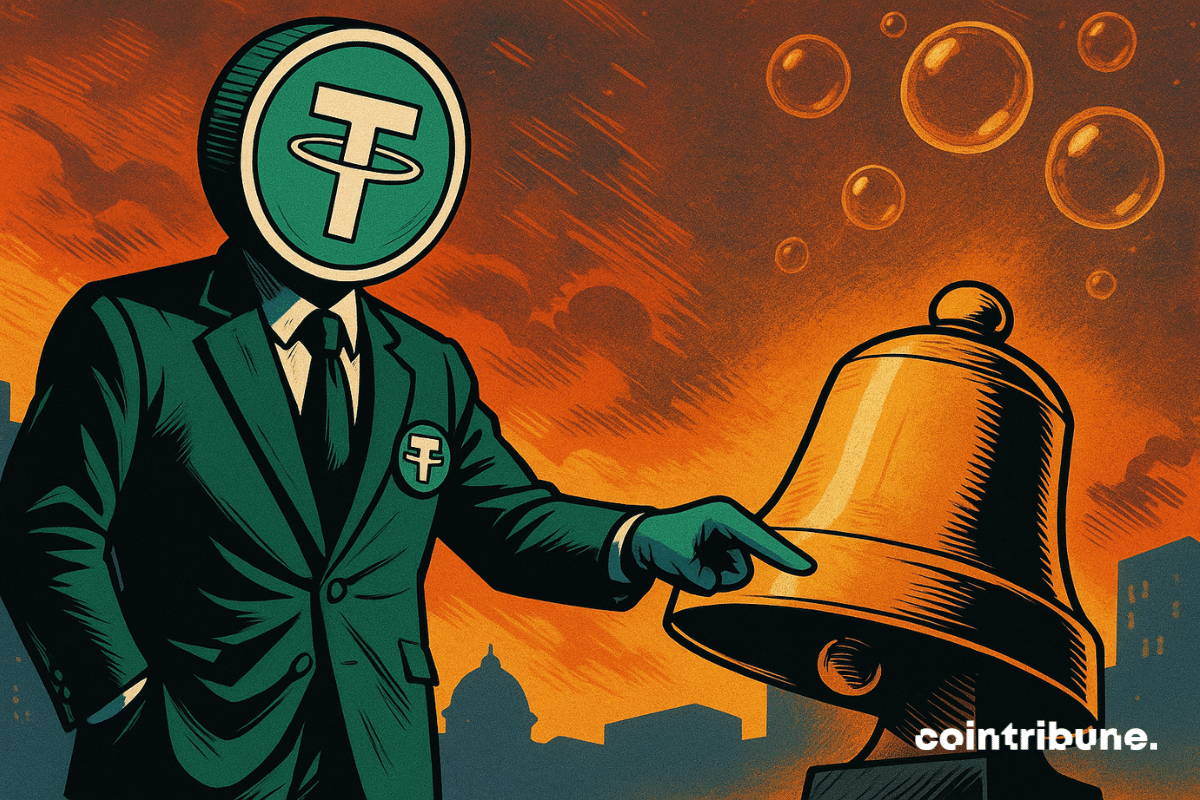
Yesterday, Paolo Ardoino, CEO of Tether, spoke directly on X (formerly Twitter) to respond to speculation about a potential IPO. Despite a theoretical valuation estimated at 515 billion dollars, he dismissed the rumors, stating that Tether has no intention of going public.
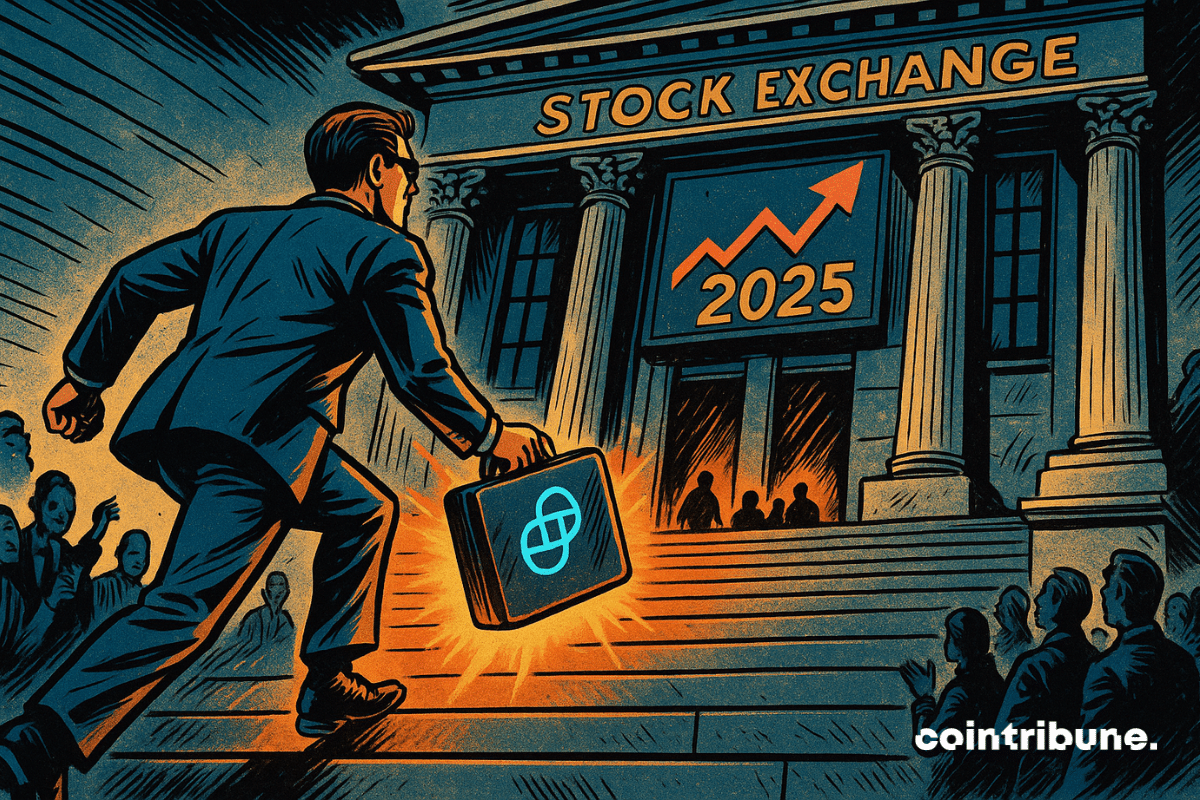
Gemini takes a strategic step with the filing of an IPO project with the SEC. In an industry where every initiative from a historical player can reshape the market, the platform founded by the Winklevoss brothers aligns itself with traditional finance without renouncing its crypto roots. Against a backdrop of regulatory relaxation and renewed enthusiasm for cryptocurrencies, this decision is not merely a tactical move, as it lays the groundwork for a new balance between decentralized innovation and traditional stock market infrastructures.
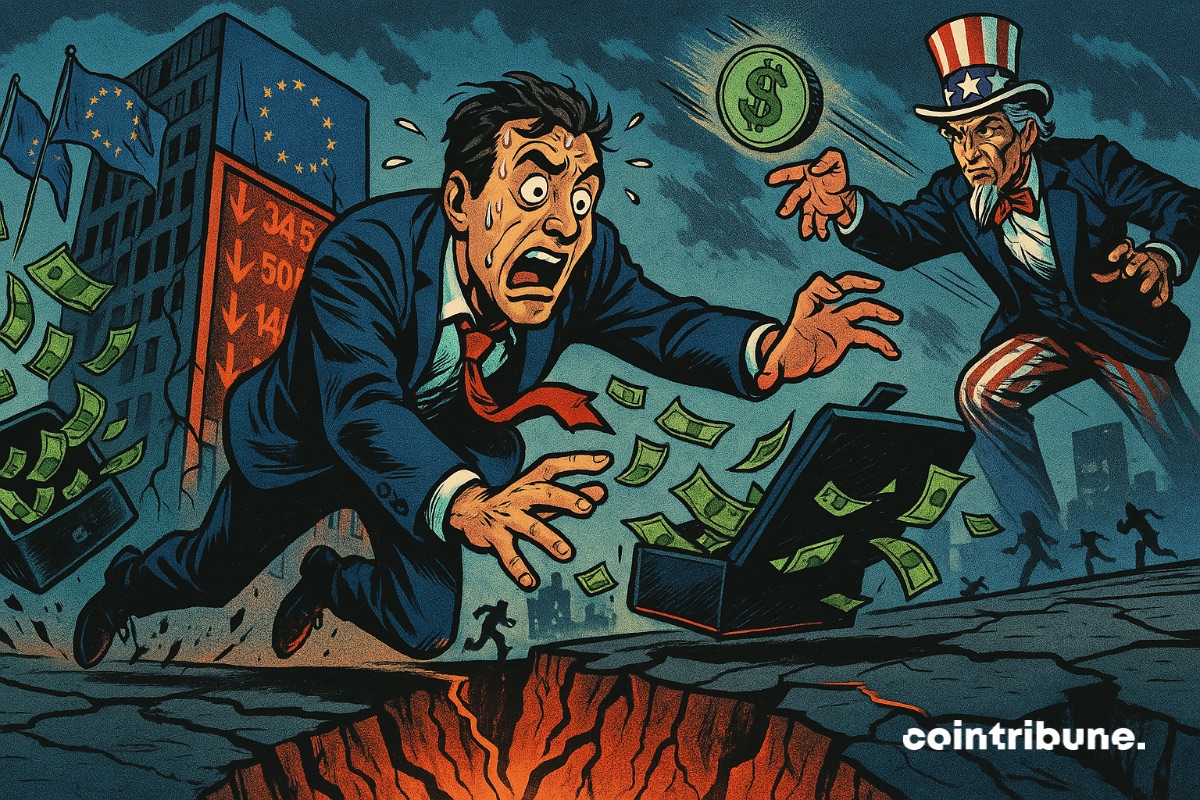
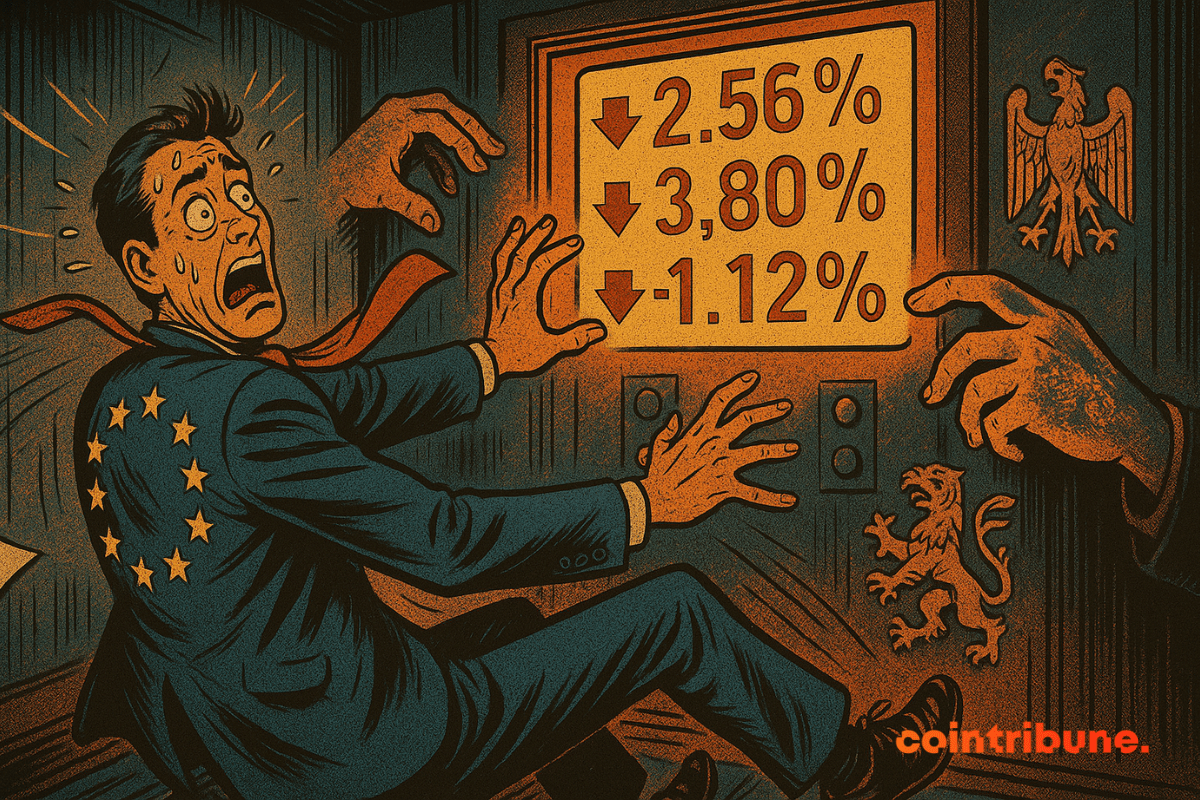
European markets are wobbling, investors are fleeing, and even companies are panicking. What lies behind this economic chaos? A burning question resurfaces: Has Europe destroyed our economy? Discover what no one dares to say.
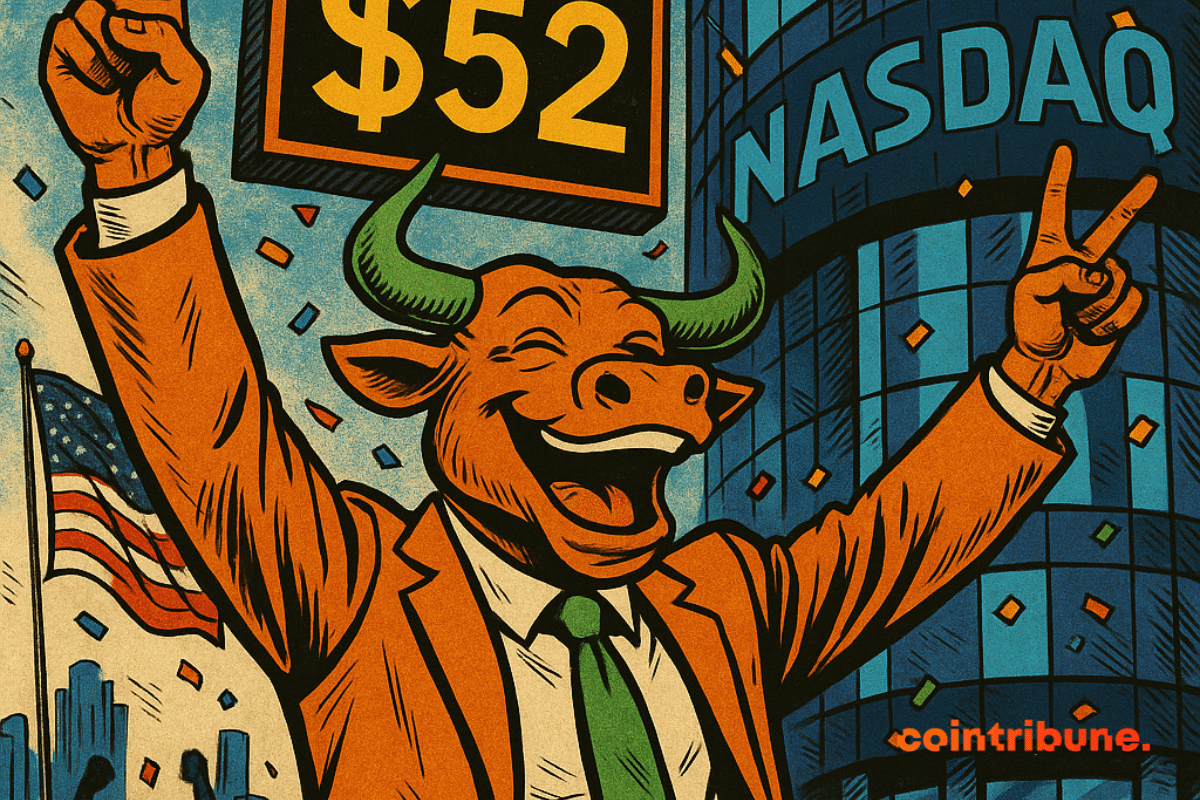
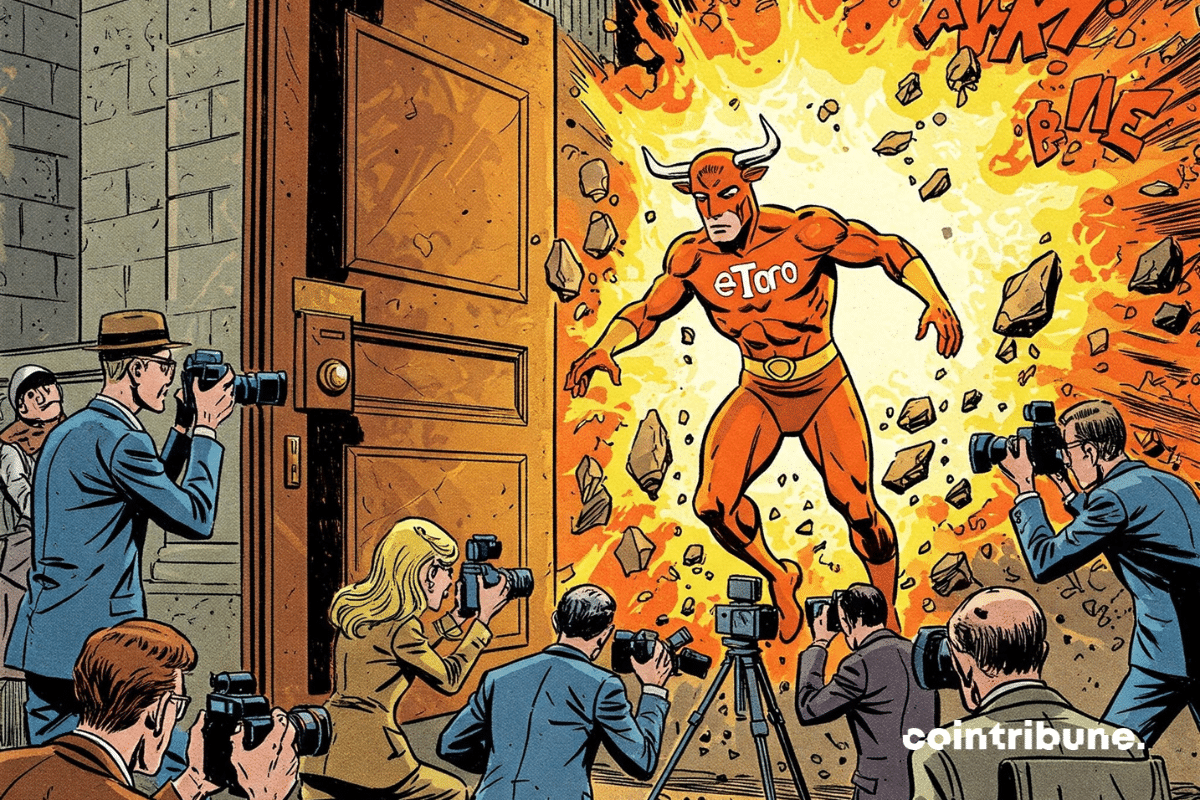
eToro's IPO launches on Nasdaq at $52 per share, exceeding expectations. The company raises $310 million, valuing it at $4.2 billion, and positions itself to compete with platforms like Robinhood.
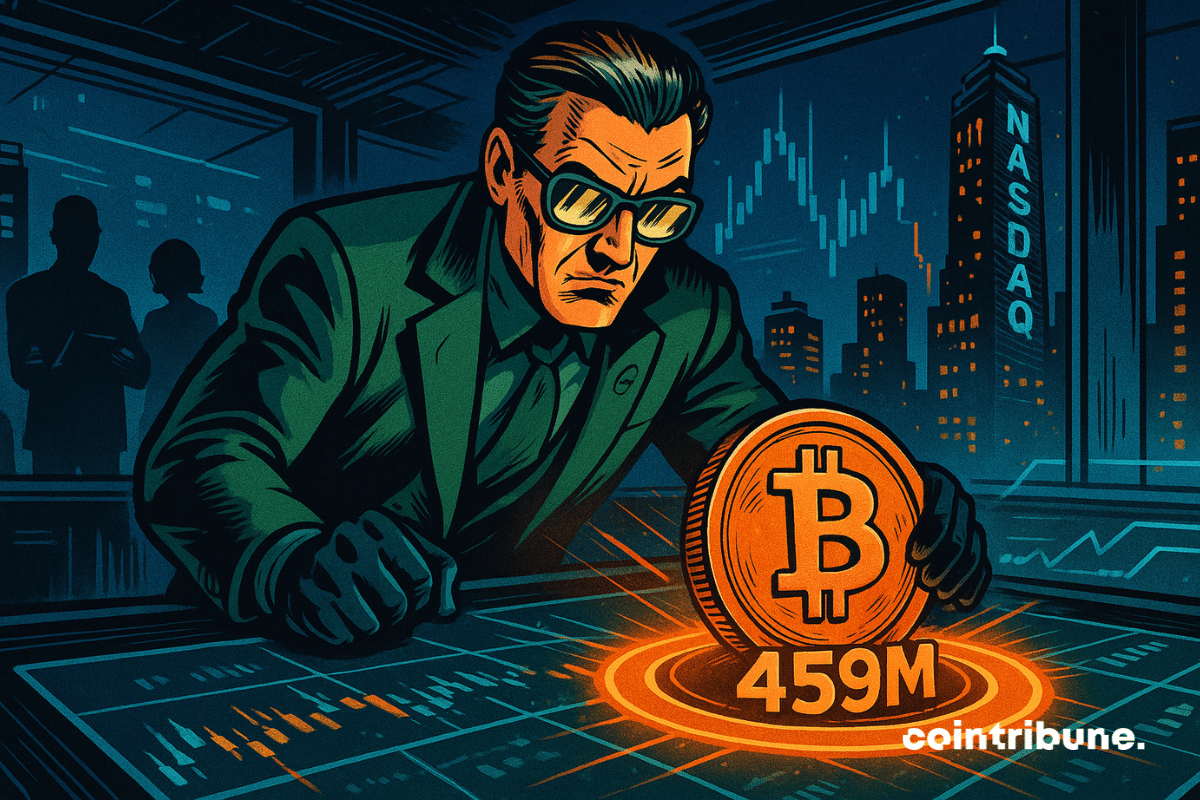
Tether has just acquired nearly half a billion dollars in bitcoin as part of a major strategic operation. This transaction prepares the launch of Twenty One, a new Bitcoin treasury company set to enter Nasdaq through a SPAC merger. A maneuver that could redefine the standards of institutional crypto management.
The world of investing has been revolutionized over the past decade by the democratization of ETFs and passive management. However, this investment strategy is beginning to show signs of worrying fatigue. With potentially overvalued markets and anemic return forecasts for the next decade, it becomes urgent to question ETFs.
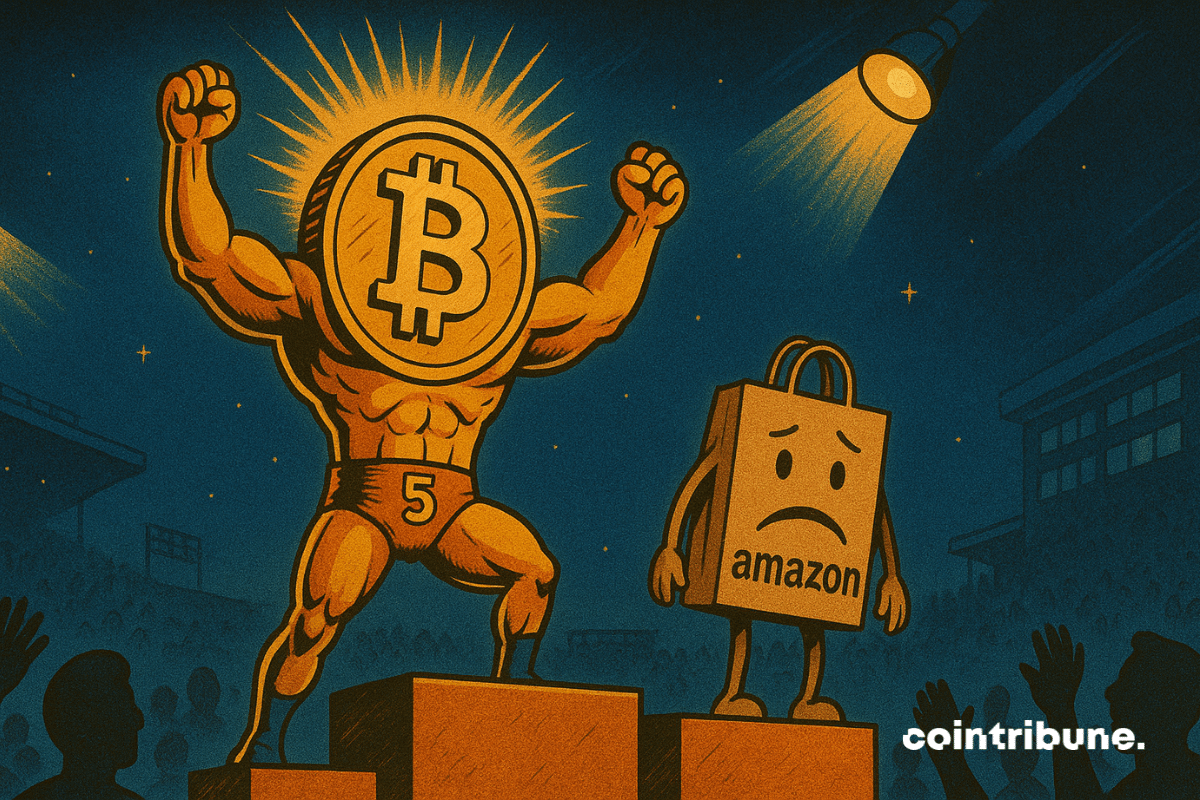
A turning point has just been reached in the history of global assets. On May 8, Bitcoin surpassed Amazon in market capitalization, entering the top 5 largest valuations in the world. This milestone not only reflects market performance but also crystallizes the rise of a decentralized network against a giant of traditional tech. This clash between two economic visions redefines financial hierarchies and emphasizes the growing foothold of cryptocurrencies in global balances.
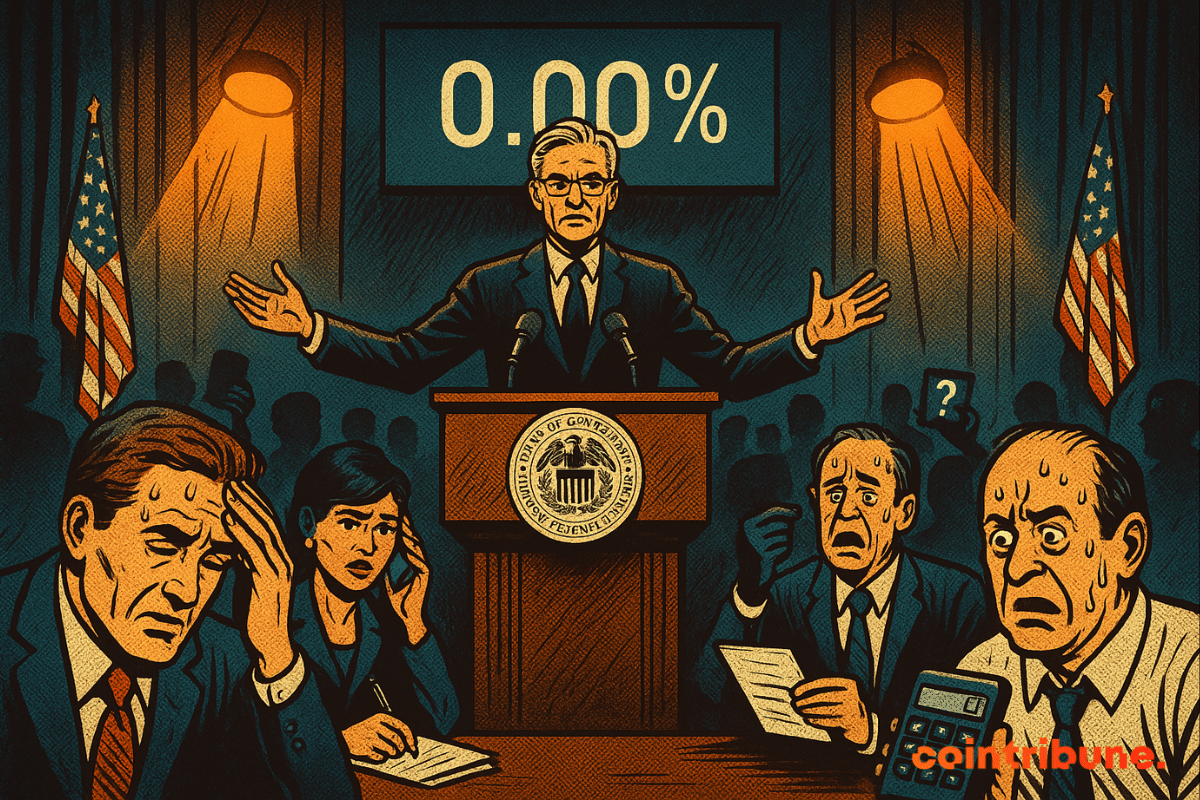
When the Federal Reserve opts for inaction, markets wobble. By keeping its rates unchanged this Wednesday, the world's leading central bank met expectations but did not alleviate tensions. Thus, amid persistent inflation, slowing consumption, and uncertainties about employment, the Fed's message remains deliberately vague. This strategy of waiting increases the nervousness of financial markets and fuels speculation, particularly in the crypto world, where every word of Jerome Powell is scrutinized as a crucial indicator.
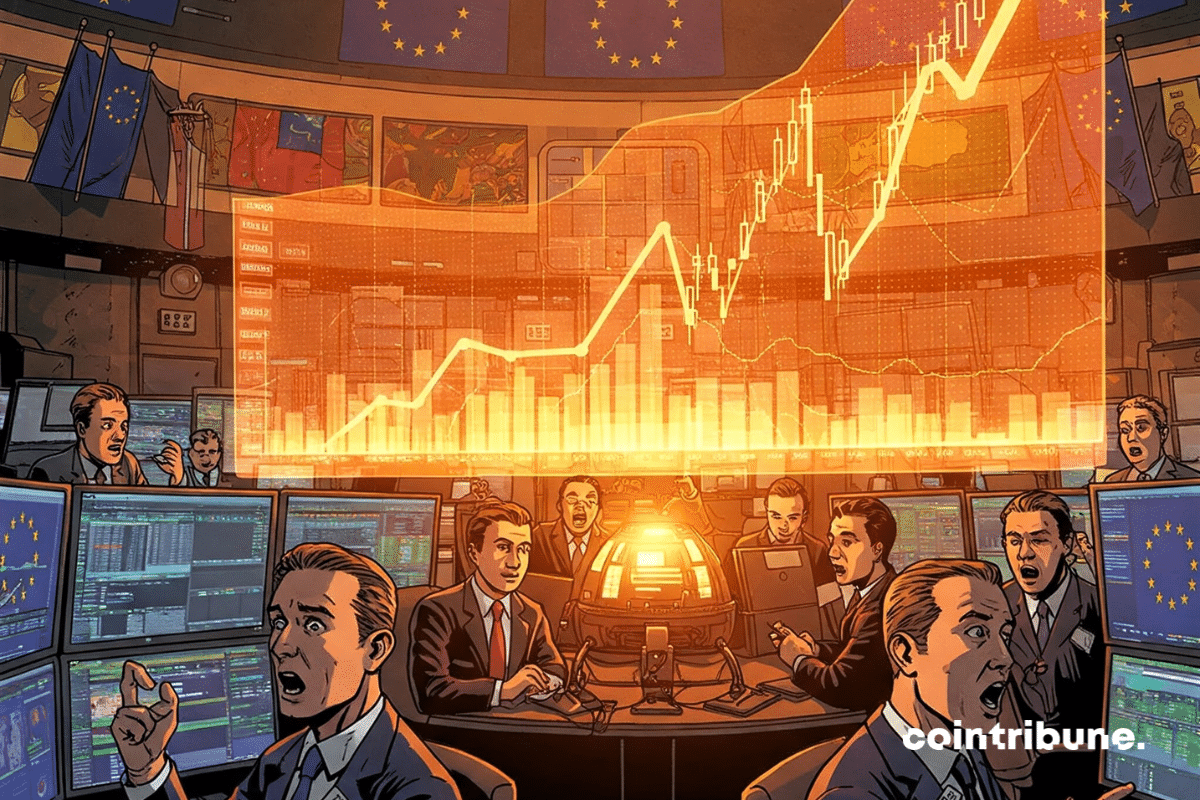
European markets began the week without a clear direction, caught between two major uncertainties: the upcoming decisions of central banks and fears of a global trade tightening. On Monday, May 5, the main financial markets show clear caution, illustrated by slightly declining indices and low trading volumes. Indeed, investors are anxiously awaiting the next announcements from the Fed and the Bank of England, in an environment where every monetary or diplomatic signal can shift the trend.
The CAC 40 is taking a significant hit. In just a few sessions, the Paris index has dropped over 6.5%, driven by a dramatic return of trade tensions. The announcement by Donald Trump of new tariffs on Chinese and European imports triggered a wave of massive sell-offs. Thus, on April 3, the Paris Stock Exchange fell by 2.25%, indicating a climate of widespread nervousness that revives the specter of a global economic war.
Tesla falters, bitcoin holds strong, and Elon Musk finds himself divided. While the company faces a challenging quarter, its iconic CEO is trying to juggle leading Tesla, managing a strategic crypto portfolio, and his new government roles alongside Donald Trump. Amid falling profits, a steadfast loyalty to BTC, and a promise of a partial withdrawal from DOGE, Musk is playing on multiple fronts. But at what cost to Tesla?
Global stock markets regained some stability on Tuesday after three days of historic turbulence, despite worsening trade tensions triggered by Donald Trump's new protectionist measures.
A historic day on Wall Street: on April 4, 2025, American markets lost $3.25 trillion, more than the total market capitalization of crypto. This brutal drop, triggered by tariff measures from Trump, reveals a deep crisis. Bitcoin, however, endures. An analysis of an economic shift.
The sentiment for bitcoin is at its lowest since the beginning of 2023. However, several analysts are identifying encouraging signs of a possible change in momentum as the queen of cryptos shows remarkable resilience in the face of recent volatility in the US stock markets.
In a global market in complete chaos, Warren Buffett stands out as an exception. While the richest fortunes are recording massive losses, the American investor makes 23.4 billion dollars in just a few months. This performance contrasts with the general trend and raises the question: how does the oracle of Omaha manage to thrive where so many others falter? At the head of Berkshire Hathaway, he once again demonstrates that discipline, foresight, and rigorous management can still dictate the rules, even in times of instability.
As waves of economic uncertainty overwhelm the markets, the crypto universe holds its breath. Circle, the stablecoin giant, wavers between ambition and caution. Its IPO project, though firmly anchored, could sink into the murky waters of Trumpian policies. A decision that speaks volumes about the storms to come.