Thu 26 Feb 2026 ▪
3 min read
▪
by
Despite the crypto market pullback, over one billion dollars is flowing into RWAs. Are investors already changing strategies?
Despite the crypto market pullback, over one billion dollars is flowing into RWAs. Are investors already changing strategies?

Coinbase now sells stocks. Traditional brokers are sweating bullets. Yahoo Finance serves as a waiting room. Brian Armstrong wants to become the boss of your portfolio. Atmosphere.

RWAs rose over 13% in the past 30 days, showing resilience and growing institutional adoption even as crypto markets struggled.
Ondo Finance integrates Chainlink to bring live pricing to tokenized U.S. stocks, allowing them to serve as collateral in Ethereum DeFi.
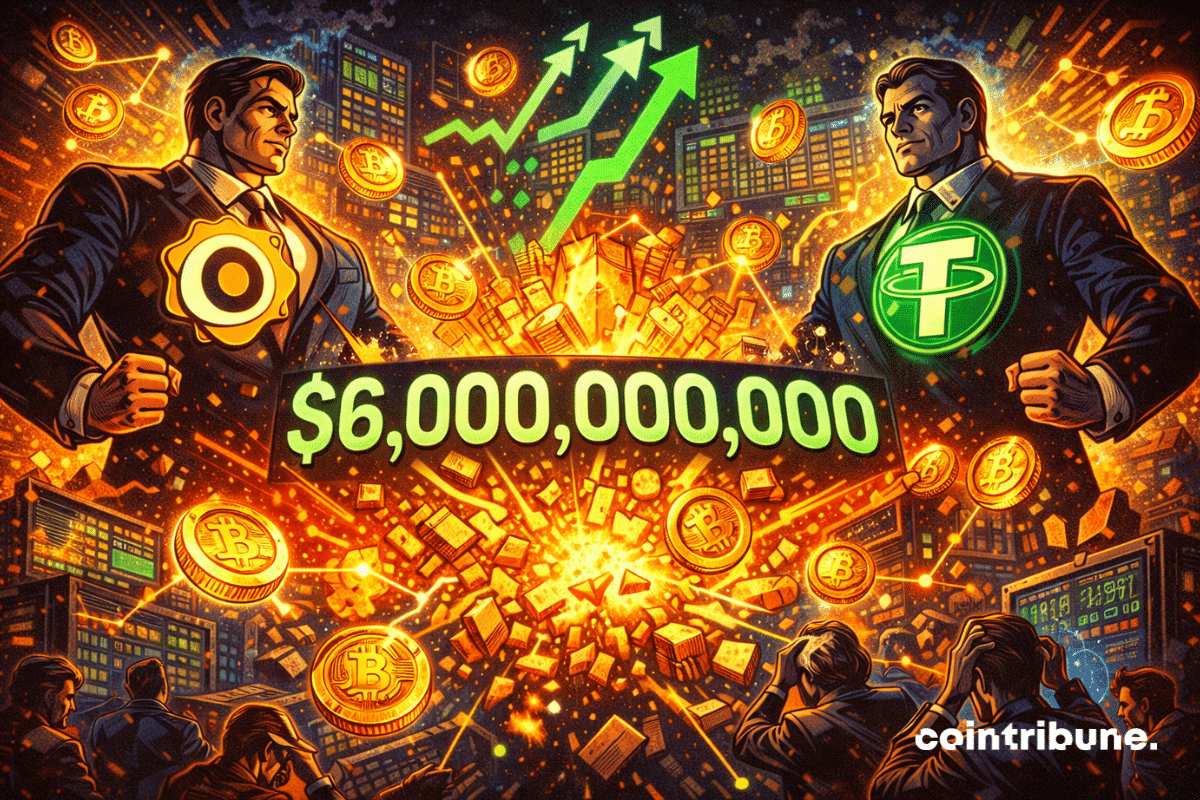
Digital gold bangs the 6 billion mark on the blockchain... Tether and Paxos are cashing in while Bitcoin coughs. But is it really gold or just a pretty lottery ticket?
European companies developing tokenized securities are urging EU lawmakers to act quickly, warning that existing rules are stalling growth in regulated on-chain markets. Industry participants argue that prolonged delays could divert capital and trading activity to the United States, where tokenization is advancing under established market frameworks. These calls come ahead of a parliamentary debate on the future of Europe’s digital market infrastructure.
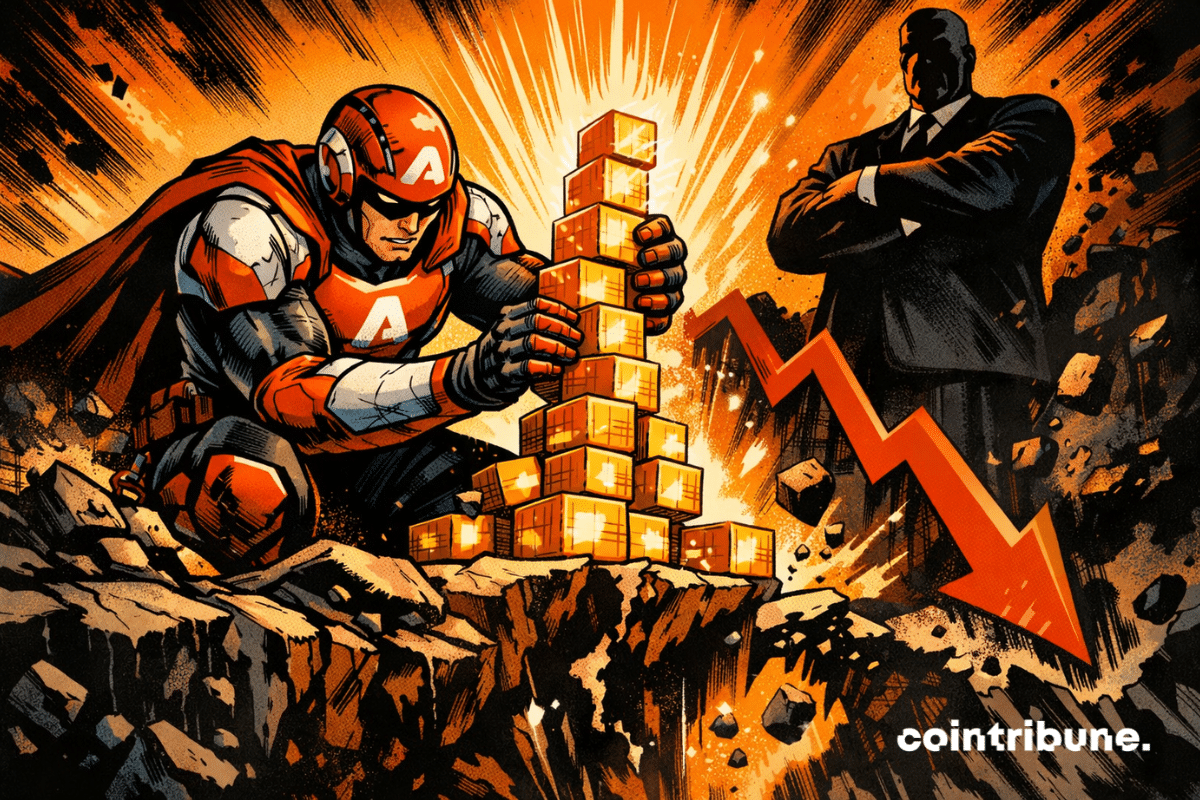
Institutions are betting big on Avalanche to tokenize their assets. The network records a spectacular growth of 950% in one year, driven by BlackRock and other financial giants. Yet the AVAX token continues to collapse. How to explain this paradox?
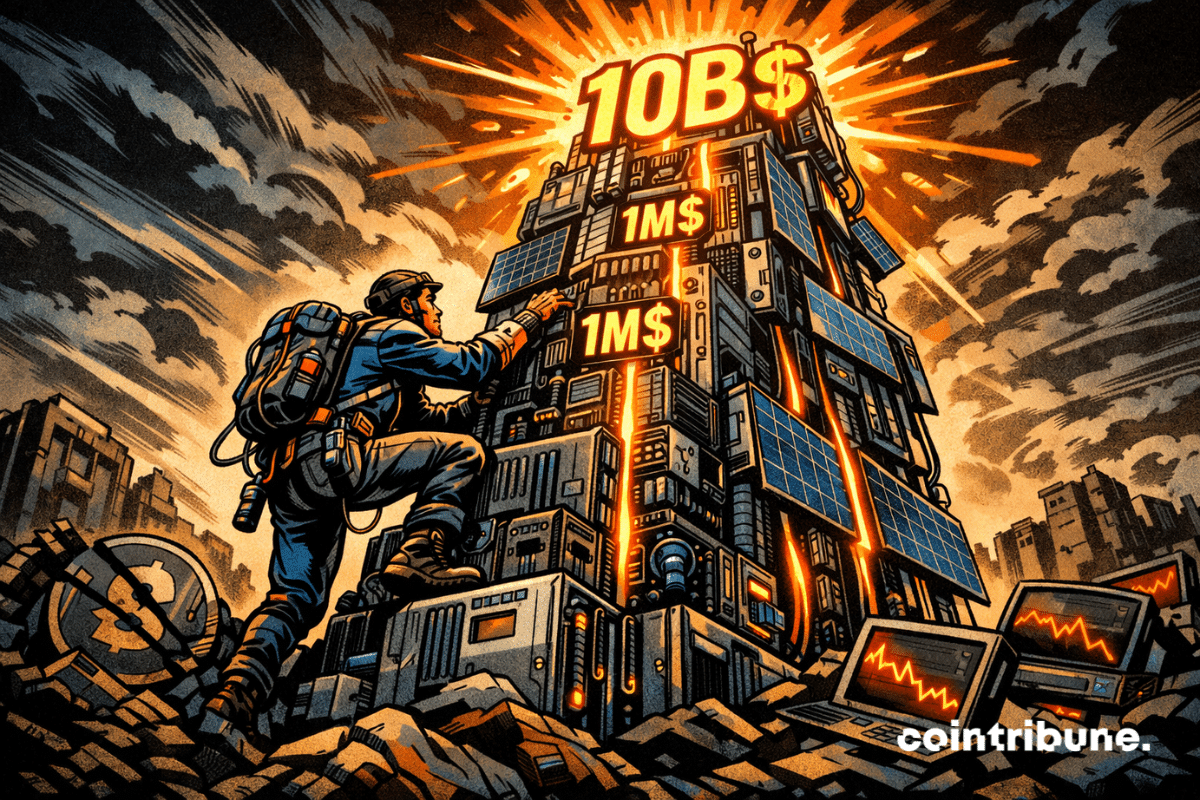
Messari alerts: DePIN crypto projects generate massive revenues despite a 99% collapse. More details in this article!
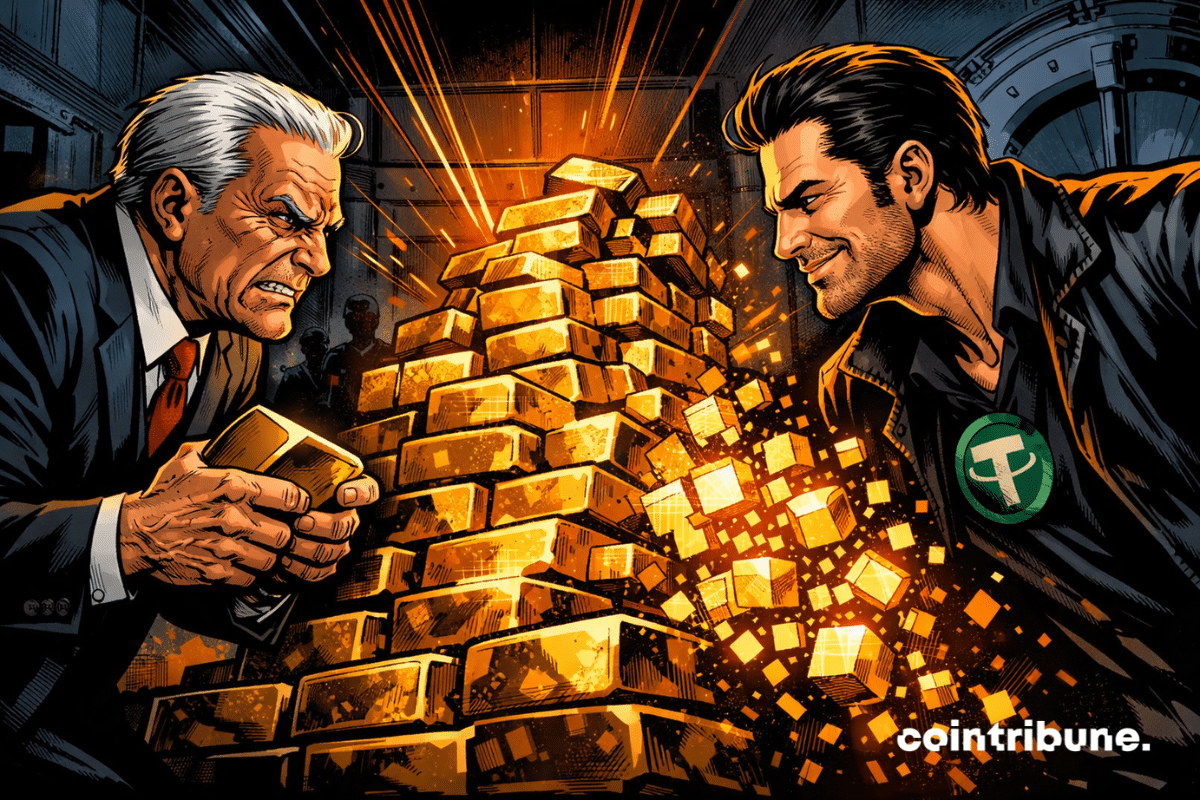
Tether has quietly become one of the world’s largest private holders of physical gold. The issuer of the world’s biggest stablecoin is buying bullion at a pace that now rivals national governments. Executives say the strategy is driven by rising concerns over monetary stability and declining confidence in paper-based assets. The expanding gold reserves also reinforce the backing of Tether’s gold-linked products.
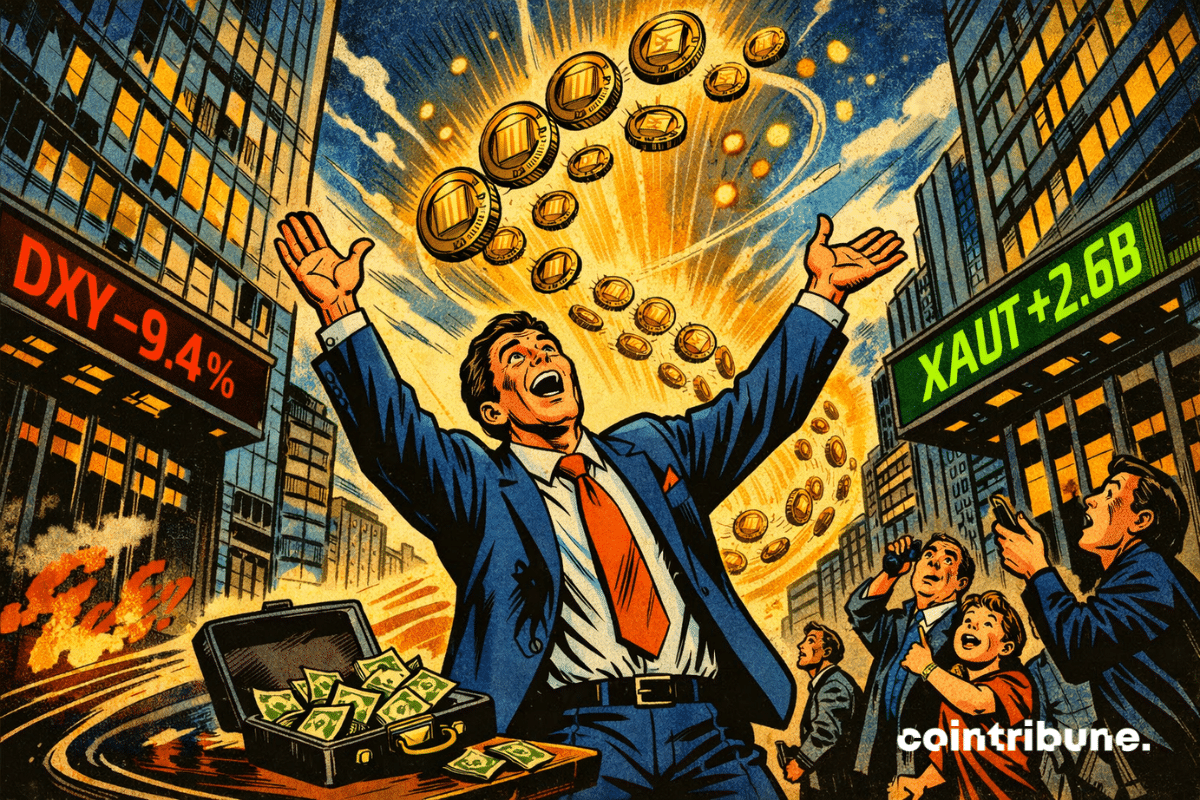
Tokenized gold takes off amid the collapse of the dollar. In this article, discover the reasons for this upheaval.

Binance is bringing back tokenized equities after its 2021 debut, offering investors a bridge between traditional stocks and crypto markets.

According to ARK Invest's projections, the value of tokenized assets could climb to 11 trillion dollars by 2030, compared to a current market estimated around 22 billion. In other words, ARK is not talking about a gadget, but about a plumbing change for finance.
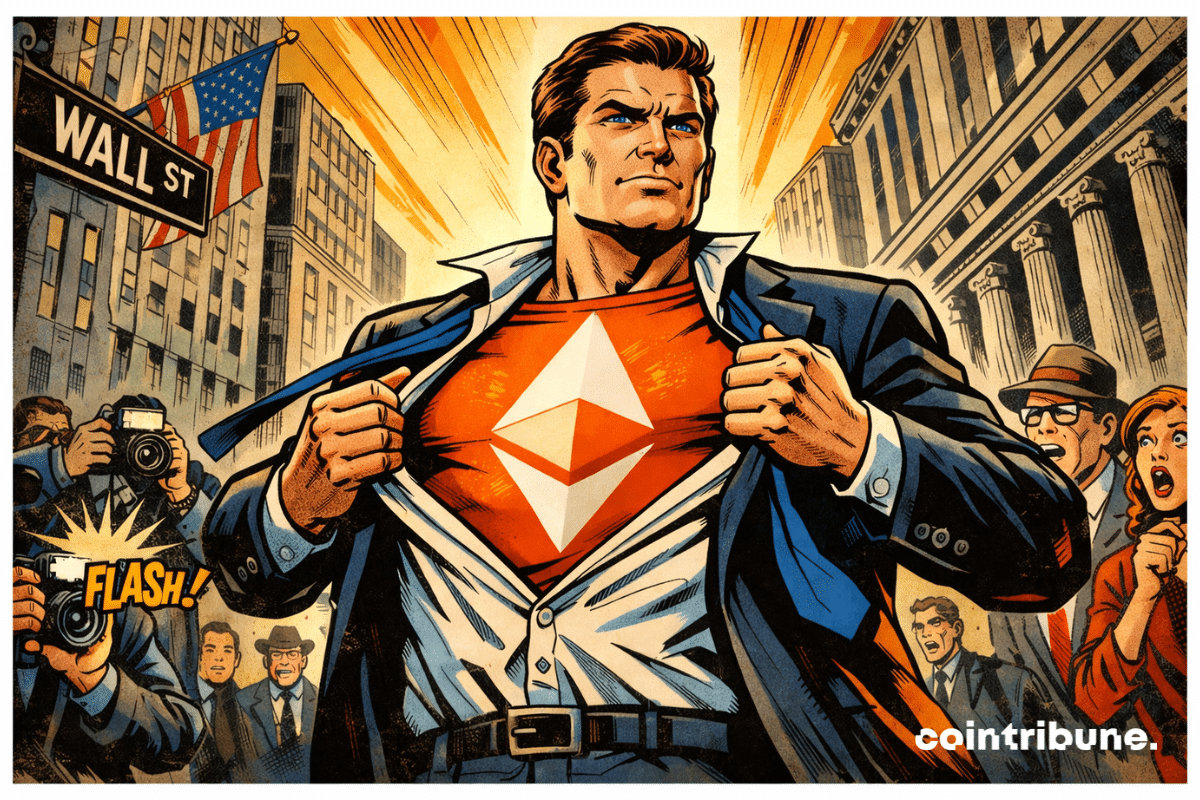
The so-called Ethereum Killer blockchains are stirring to nibble away market shares and gain media spotlight. But deep down, in reality as in collective perception, there is only one master. Its name comes up in every conference, every strategic plan, every institutional tweet. Ethereum is no longer just a technology…

Société Générale, through its subsidiary SG-Forge, and the SWIFT network have just taken a major step forward in integrating blockchain with traditional finance. Together, they executed the settlement of tokenized bonds using a stablecoin backed by the euro, the EUR CoinVertible. This unprecedented experiment, compliant with the European MiCA framework, marks a key milestone towards concrete interoperability between classic banking systems and cryptos.

Franklin Templeton has upgraded two traditional funds to work on blockchain platforms, letting institutions manage stablecoin reserves with familiar tools.
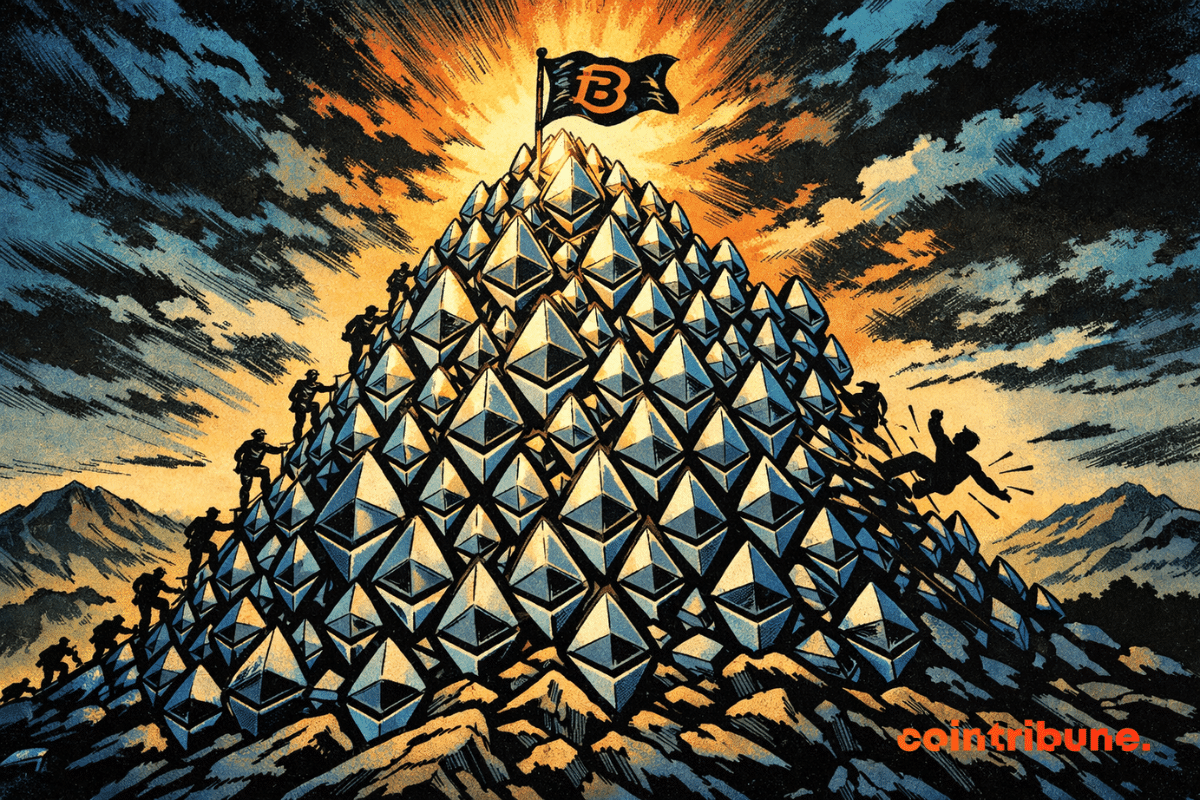
While Bitcoin naps, BitMine stacks ETH: one million staked, billions locked... and an ambition that would make even traditional finance blushing on Ethereum drip.
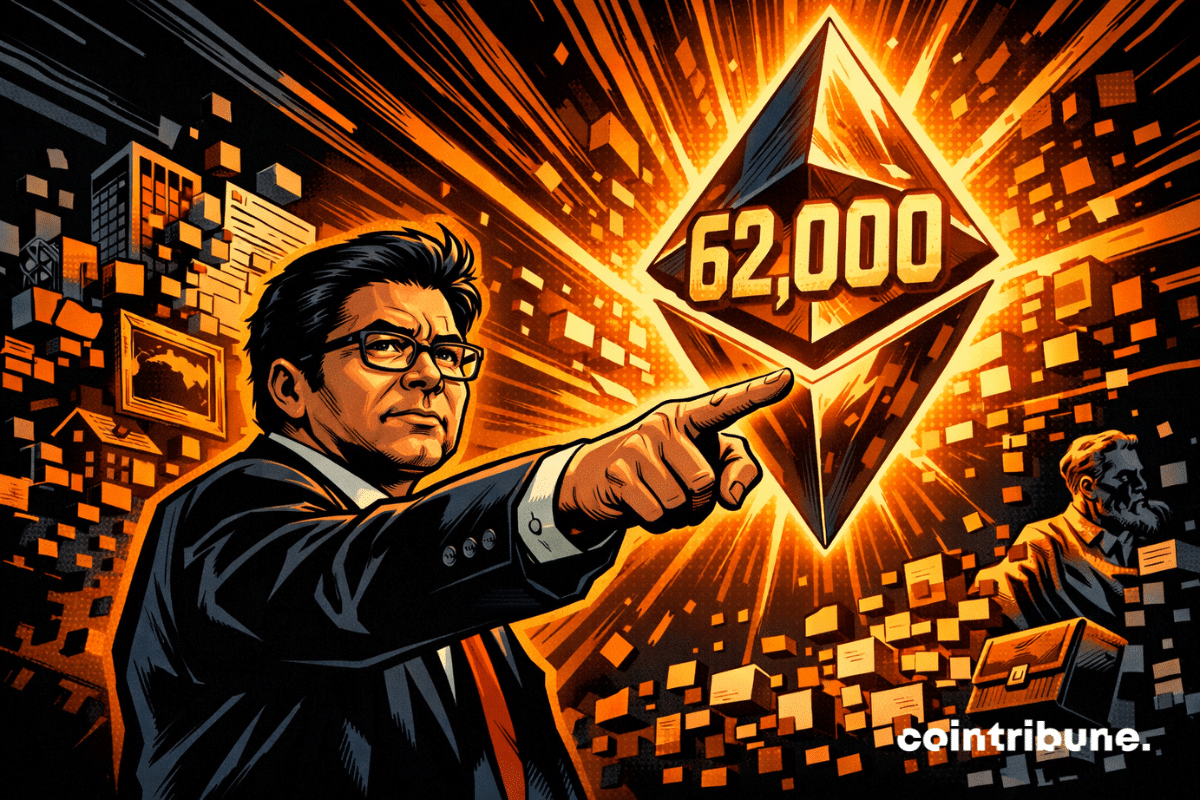
Bitmine and Fundstrat head of research Tom Lee rehashed debates across crypto markets after forecasting a sharp rise in Ethereum’s price. Speaking at Binance Blockchain Week, Lee stated that Ether could reach $62,000 in the coming months as blockchain adoption enters a new phase. His remarks also reaffirmed his long-held bullish view on Bitcoin.
Crypto markets are entering 2026 with stronger structural support than in earlier cycles. Clearer regulation, expanding financial products, and closer links to traditional finance are reshaping how digital assets are adopted and perceived. Coinbase’s research leadership expects this momentum to persist rather than weaken.

BlackRock’s BUIDL fund has delivered $100M in dividends and grown beyond $2B, marking a milestone in tokenized money market funds.
Crypto giants rush into a rapidly growing market: tokenized stocks. Discover the latest figures!

Ethereum is establishing itself as a new central player in global finance. Driven by the rise of tokenization, the blockchain is now attracting the attention of Wall Street. Major institutions like BlackRock and Robinhood are actively exploring this technology, marking a turning point in crypto adoption. For Tom Lee, co-founder of Fundstrat, Ethereum is becoming a key infrastructure of the financial system. A dynamic that, according to him, could push the asset's price to unprecedented levels.
JPMorgan Chase is expanding its blockchain strategy with the launch of a tokenized money-market fund on Ethereum. The product is backed by $100 million in internal capital and targets qualified investors seeking daily yield through an on-chain structure backed by short-term debt. Market observers say the move reflects clearer regulation, rising client demand, and growing interest in tokenized real-world assets.
Tokenization of real-world assets (RWAs) is moving closer to mainstream finance, though its short-term impact on crypto markets may remain limited. NYDIG says longer-term value will depend on how open, connected, and regulated these assets become across blockchain networks.

Crypto settles at the heart of Wall Street: DTCC launches the tokenization of US markets. Discover the details in this article!
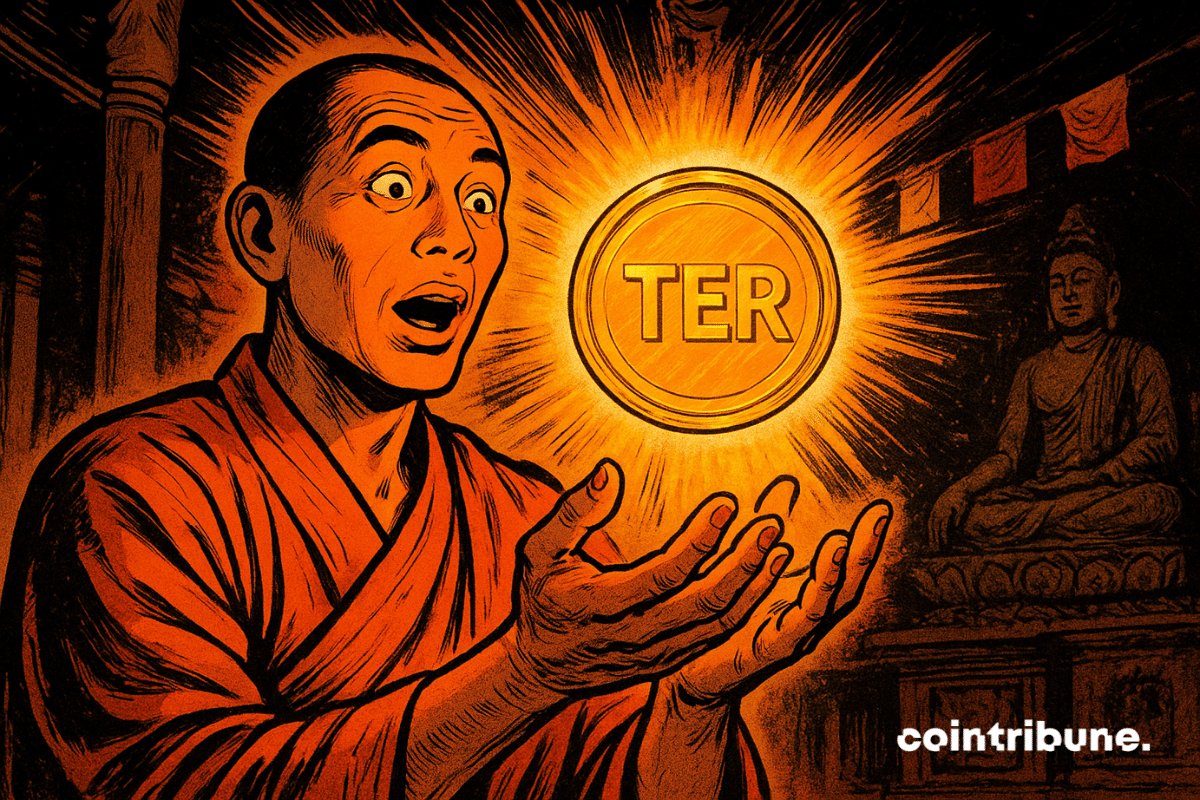
Bhutan is pushing its digital economy forward by placing portions of its traditional reserves on blockchain infrastructure. As tokenized real-world assets gain momentum, the country is securing an early foothold. The introduction of TER, a gold-backed token from Gelephu Mindfulness City (GMC), strengthens Bhutan’s ongoing blockchain plans.
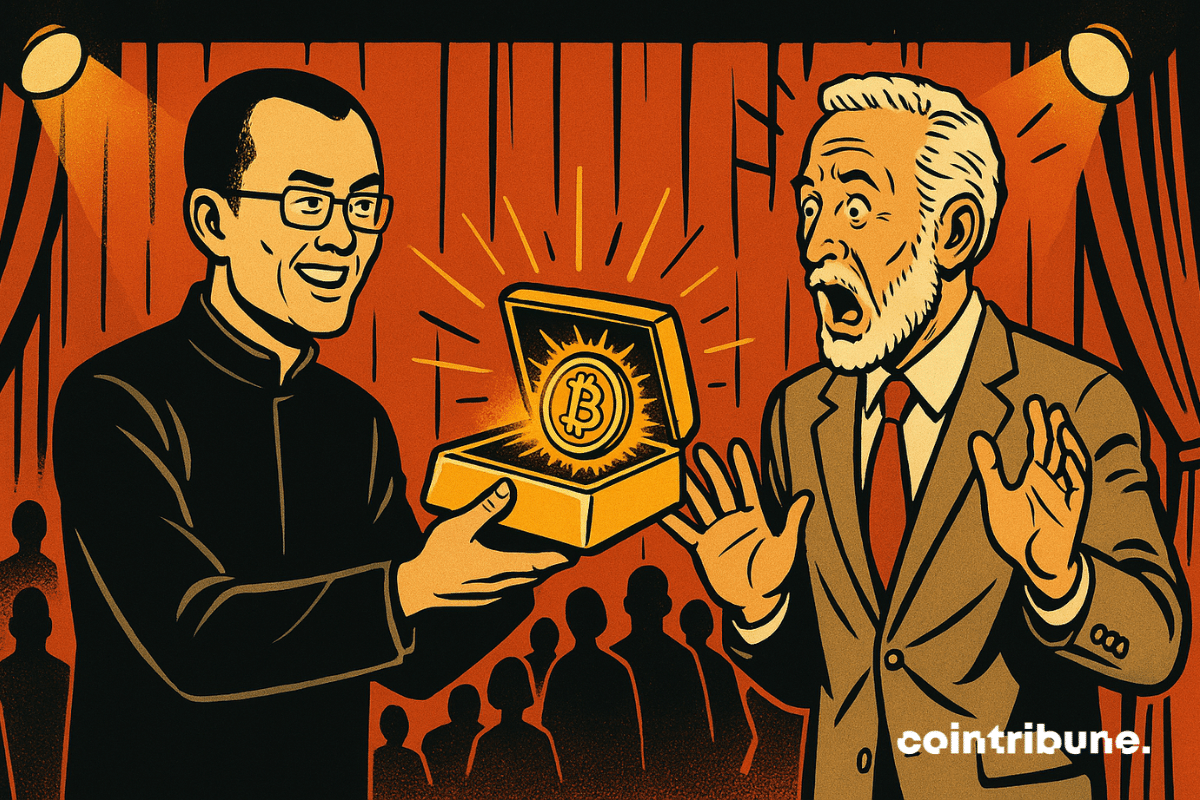
During Binance Blockchain Week, Peter Schiff was invited by Changpeng Zhao to authenticate a gold bar live. Unable to confirm its authenticity, the economist simply replied: "I don't know." A brief but revealing scene, which reignites the debate between physical gold and bitcoin, and raises questions about the verifiability of assets in a world increasingly oriented towards decentralization and blockchain transparency.
BlackRock argues that tokenization is becoming a defining trend in global finance, with real-world asset adoption surging and the industry entering a new phase of digital transformation.
The news may seem trivial at first glance, but it marks a strategic turning point for Sony. After conquering trade shows worldwide with PlayStation, the group now wants to leave its mark on a rapidly evolving sector: crypto payments. Behind the scenes, Sony Bank is accelerating, preparing a regulatory offensive, and laying the foundations for a future stablecoin, an initiative that could transform the way millions of players consume their digital content.
Flash crashes, digital dominos and states lying in wait: the IMF sees tokenization less as a revolution than as an explosive cocktail ready to blow up finance... but hush, it's bubbling.
Amundi launches its first tokenized money market fund, letting investors hold and trade fund units digitally alongside traditional channels.