
Tue 16 Sep 2025 ▪
3 min read
▪
by
Nakamoto Holdings becomes the symbol of a fatigue in the Bitcoin treasuries model. Discover all the details here!
Nakamoto Holdings becomes the symbol of a fatigue in the Bitcoin treasuries model. Discover all the details here!

Standard Chartered sounds the alarm: crypto treasury companies, built around the accumulation of Bitcoin, Ethereum, and Solana, face a major crisis. The collapse of the mNAV weakens their business models and signals a consolidation phase where only the strongest players will be able to continue growing.
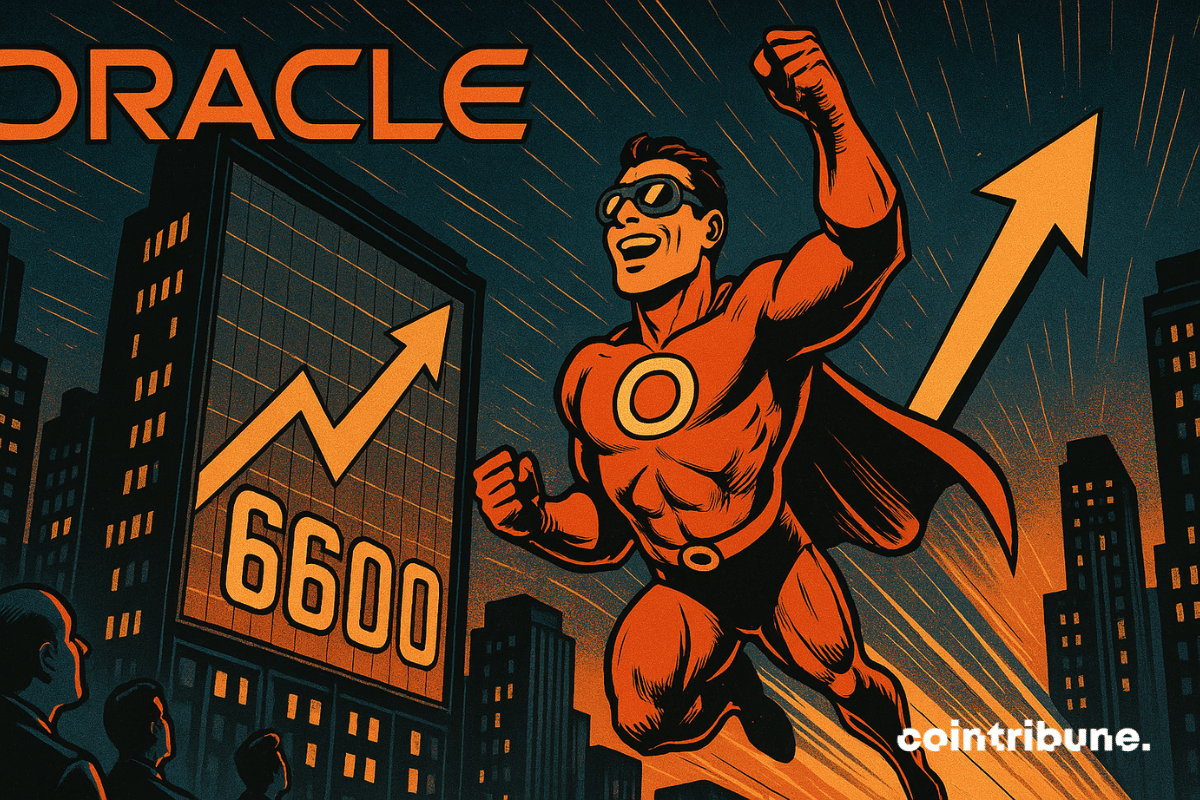
The US markets celebrated Monday the confirmation of a preliminary agreement between Washington and Beijing regarding the future of TikTok. Oracle, the favorite to acquire the Chinese platform, jumped more than 3% while the S&P 500 crossed the symbolic threshold of 6600 points for the first time.

The first ETFs exposed to XRP and Dogecoin will be launched this week in the United States. Carried by Rex Shares and Osprey Funds, these products mark an unprecedented regulatory breakthrough for two cryptos long kept away from traditional markets. This milestone broadens the range of assets accessible to investors, beyond bitcoin and Ethereum.

According to the latest on-chain data, 92% of the bitcoin supply is now in profit. A figure that attests to the strength of the market... but also marks a potentially delicate turning point. Historically, this level has preceded both rallies and sharp corrections. As euphoria gains ground, several indicators suggest the market could waver.
While the crypto market stalls, Arthur Hayes tempers the prevailing impatience. The cofounder of BitMEX believes that criticisms directed at bitcoin ignore a fundamental lever: global monetary policy. In a recent interview, he suggests that continued money printing by central banks could extend the crypto bull cycle until 2026. This macroeconomic analysis contrasts with the widespread pessimism and invites investors to reassess their benchmarks.
Recent chatters within crypto chat rooms indicate that prediction platforms Polymarket and Kalshi are exploring ways to raise capital, with Polymarket aiming for a higher valuation than Kalshi. Interestingly, this comes as decentralized betting begins to catch the eyes of top firms within the crypto space.
The co-founders of Glassnode predict a new peak for bitcoin, Ethereum and Solana within a month. This announcement contrasts with the prevailing caution and reignites the debate on the strength of the bullish cycle. Between on-chain data and uncertain macroeconomic context, this projection immediately attracted the attention of investors, dividing the community between hope for an imminent record and fear of excess optimism.

When Galaxy spends 700 million on Solana, it’s no longer poker: it’s the smashing entry of a crypto altcoin into the gilded halls of traditional finance.

Institutional capital is returning strongly to the crypto market. This week, spot Bitcoin ETFs recorded their highest inflows in two months, pushing the total capitalization beyond 4.1 trillion dollars. Such a symbolic threshold reflects a massive renewed interest in cryptos.

Gemini makes its debut on the Nasdaq under the symbol GEMI. The Winklevoss brothers' crypto platform successfully launched its IPO at 28 dollars per share, a price set beyond initial expectations. This listing comes as the crypto sector tries to regain market confidence in a climate still marked by regulatory uncertainties and the quest for profitability.
Boom of RWA in crypto: +11% in one week. Focus on this revolution led by Ethereum and BlackRock.
This Friday, the bitcoin market faces an extraordinary deadline: $4.3 billion worth of options expire. Such a shift could decide the short-term trajectory of BTC, suspended at the strategic threshold of $113,000. Its crossing or loss could offer buyers an unprecedented leverage... or give control back to sellers.

Eyes are fixed on the market as many financial firms warm up to go public on Wall Street this week. Among these potential debutants, American crypto exchange Gemini has increased its share price ahead of its initial public offering (IPO) scheduled for Friday.

The latest US inflation data propels bitcoin to new heights, but analysts remain divided on the short-term trajectory. The flagship crypto flirts with $115,000 as speculation about a Fed rate cut intensifies. Could a new correction precede the long-awaited surge?

The speculative momentum around bitcoin clashes with the reality of markets. Driven by the fervor of records and the unexpected support from Donald Trump, several publicly traded companies that based their financial strategy on accumulating BTC are undergoing a severe correction. Their shares sometimes fall below the value of their crypto holdings, exposing the limits of a model relying almost entirely on bitcoin's volatility.

This Wednesday, the publication of a falling PPI for August immediately revived speculation around a Fed rate cut. Bitcoin gained 0.5% within the hour, driven by this signal perceived as favorable to monetary easing. Approaching the FOMC, investors now scrutinize every economic indicator, aware that the slightest variation can trigger a market repositioning.
XRP returns to the forefront, boosted by speculation around an ETF. After a long phase of inertia, Ripple's crypto makes a leap by briefly crossing $3, driven by an approval probability estimated at 95% by Bloomberg. This sudden resurgence of activity places XRP back at the center of discussions, between speculative frenzy and questions about the strength of its fundamentals.

With more than 9.2 billion dollars in assets and cash, BitMine Immersion establishes itself as the new key player in crypto treasuries. Under the leadership of Tom Lee, the company listed on NYSE American accelerates its Ethereum-focused strategy, becoming the largest holder of ETH among listed companies. In a context of growing crypto balance sheets, BitMine redraws the contours of financial management by betting on Ether as a strategic reserve asset.

XRP has just signed its strongest accumulation phase in two years, against the backdrop of an uncertain market. While altcoins struggle to find a second wind, Ripple's crypto stands out through unusual accumulation activity. This surge, supported by significant volumes, reactivates speculation about a possible lasting rebound.

Bitcoin attracts bettors, Ethereum seduces bankers, Dogecoin dreams of an ETF and Tether dresses in gold: the crypto circus continues its show, between promises, glitters and persistent doubts.
XRP is going through a decisive phase. Priced at $2.81, Ripple’s token is evolving in a weakened crypto market, undermined by persistent volatility. Technical indicators paint a mixed picture: selling pressure dominates in the short term, but some long-term moving averages indicate a possible recovery. Between investor caution and hopes for a rebound, XRP is now at a strategic turning point that captures analysts' attention.
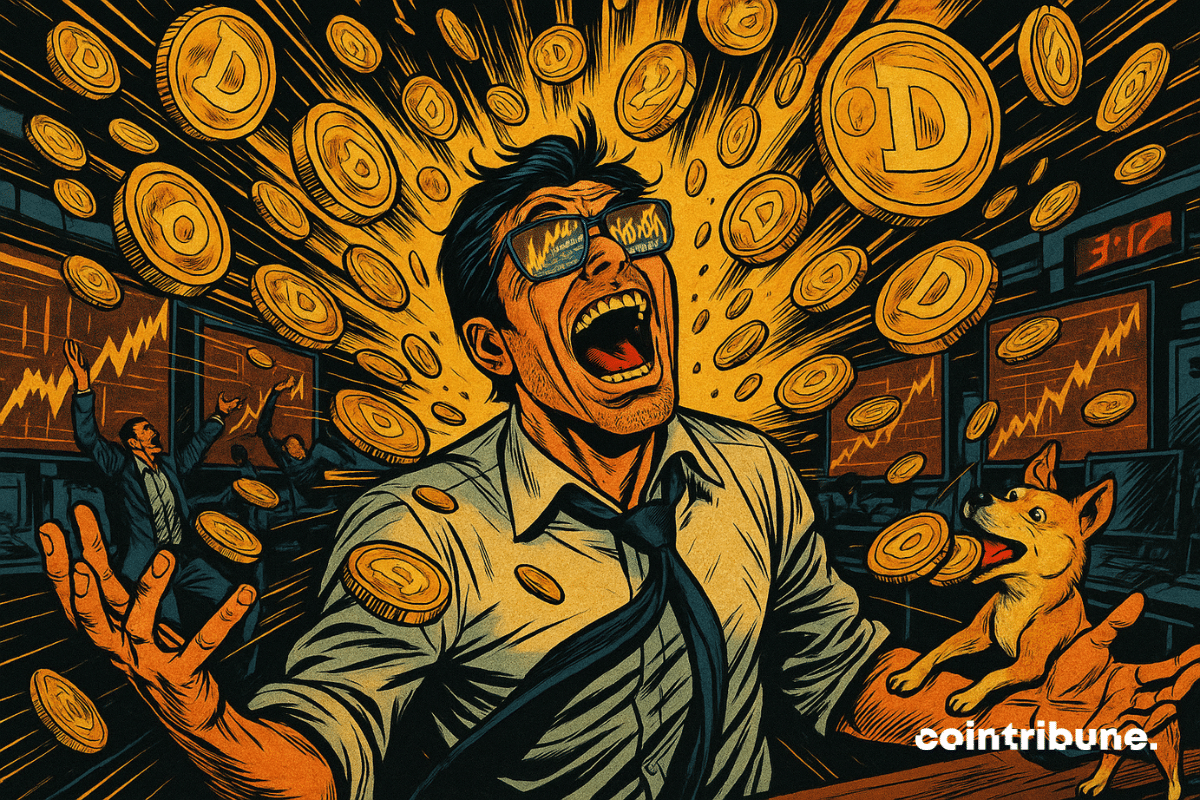
While the entire crypto market oscillates between consolidation and correction, Dogecoin stands out with a unique behavior. Its open interest, a barometer of open positions on futures contracts, remains stable at a historically high level, nearing 16 billion DOGE, or approximately 3.36 billion dollars. This threshold is remarkable in a climate where speculative activity is significantly declining across the majority of altcoins.

In just three days, the American stock market witnessed a rare spectacle: eight of the largest tech companies saw their capitalization jump by 420 billion dollars. A lightning movement that repositions Google at the center of the game and confirms how regulatory decisions and advances in artificial intelligence now influence Wall Street.
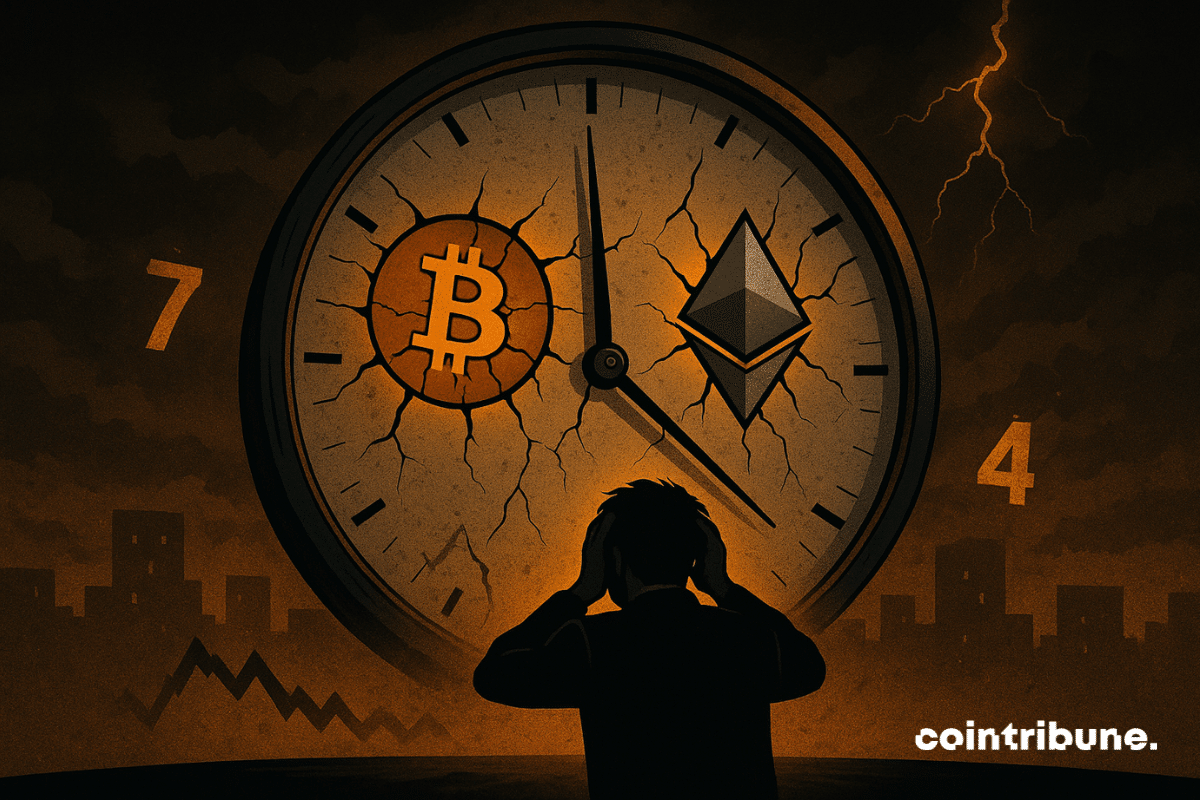
This Friday, September 5, nearly $4.7 billion worth of options on Bitcoin and Ethereum expire, while technical indicators waver and the U.S. economy sends signals of slowdown. This crucial deadline could reshape the spot markets' dynamics.

Is bitcoin approaching a decisive turning point? As signs of fatigue accumulate, a new analysis rekindles the specter of an imminent bearish cycle. According to a fractal modeling aligned with historical four-year cycles, October could mark the beginning of a deep correction. After the euphoria of the highs, the market enters a phase of uncertainty where every technical signal is scrutinized. This scenario, increasingly discussed among analysts, calls into question the strength of the current upward trend.

The ghost of 2017 is haunting speculators again. While some are betting on a comeback of XRP, comparisons with the last bull run are multiplying. However, the current market has little to do with that of yesterday. New dynamics, increased competition, divergent technical signals: does the analogy still hold? Behind the hope of a bullish rebound, a colder reading of the data tells a different story.

While bitcoin and Ethereum take center stage, Solana (SOL) quietly establishes itself as the new asset to watch. Driven by strong technical signals and record interest in derivative markets, the crypto is now assigned a target of $1,000. However, behind this bullish momentum lies a paradox: real activity on the network is collapsing. Between speculative frenzy and on-chain exhaustion, Solana intrigues as much as it questions.
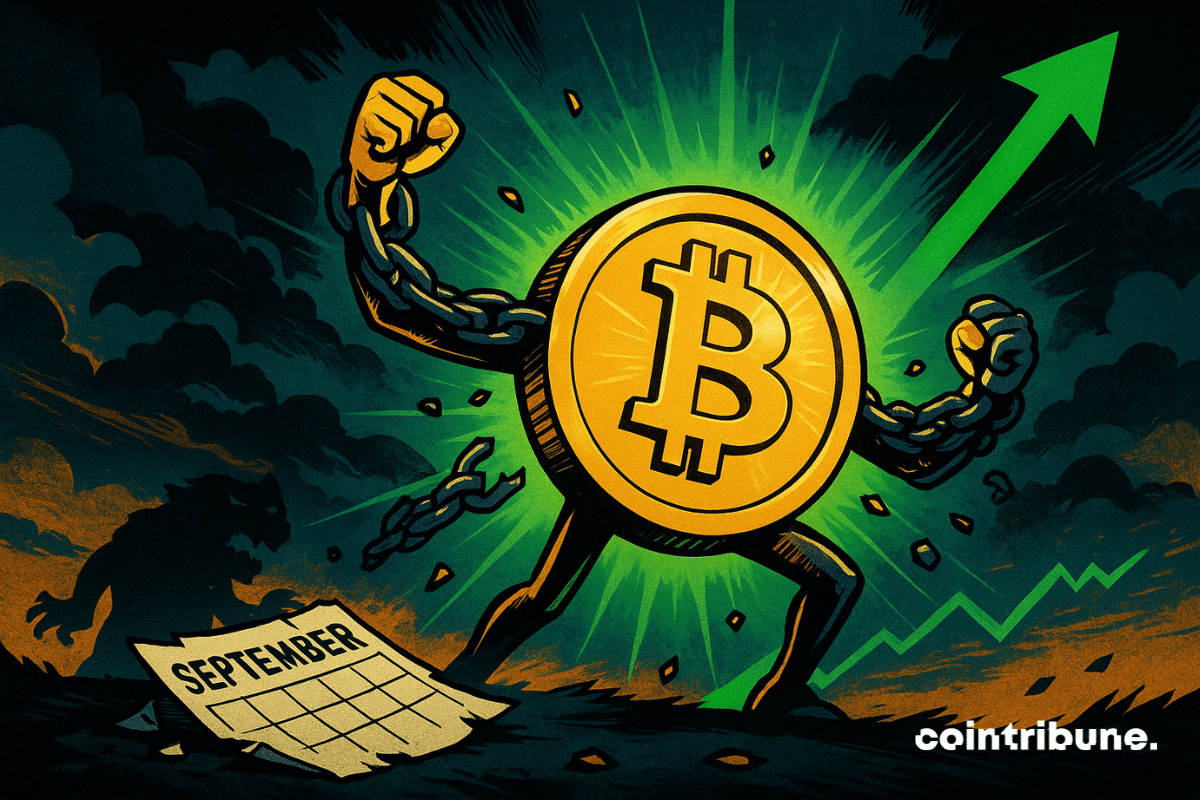
September, long synonymous with a downturn for bitcoin, seems to be losing its curse. This historically unfavorable month for risky assets is starting, for the third consecutive year, a contrary dynamic. Supported by a flexible macroeconomic context and structuring institutional flows, the market is giving signs of maturity. The queen of cryptos no longer suffers the calendar: she redefines it.
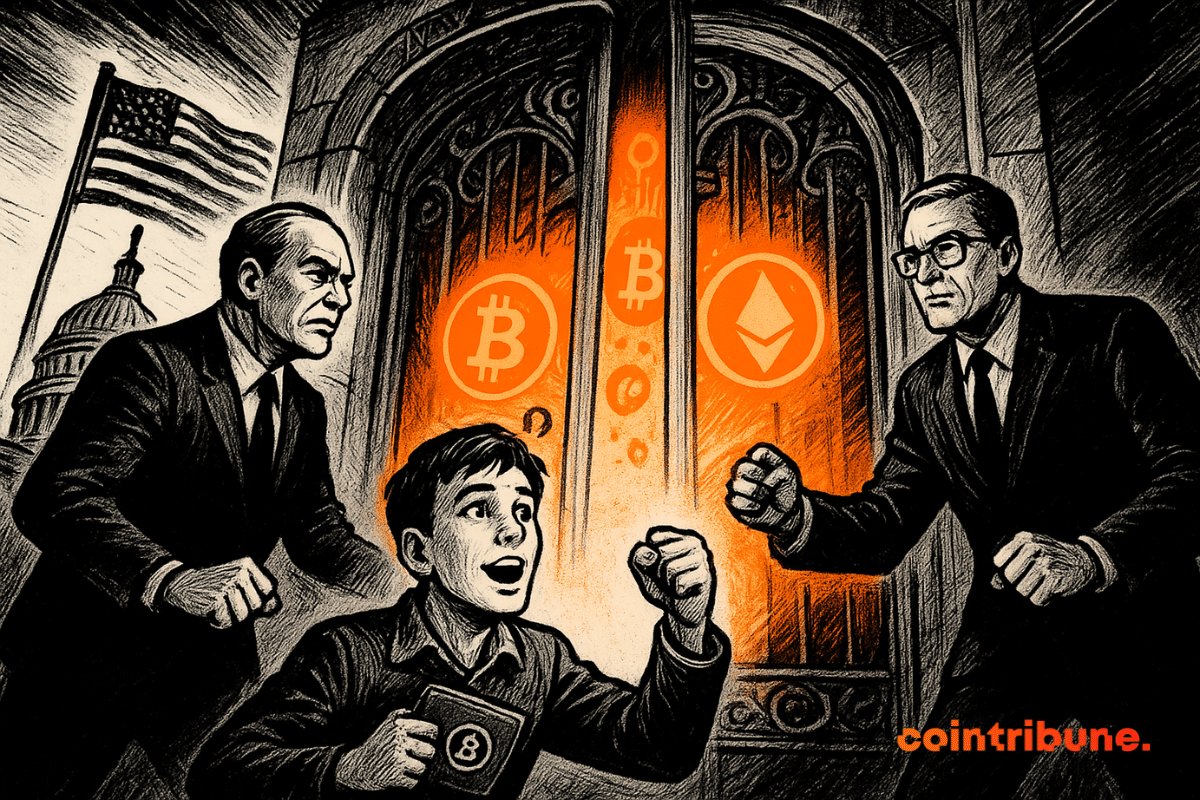
Regulated exchange platforms can conduct spot cryptocurrency trading activities, according to a joint statement by the U.S. Securities and Exchange Commission (SEC) and the Commodity Futures Trading Commission (CFTC) on September 2, 2025. This policy clarification marks a key regulatory step that could help drive crypto trading and promote investor protection.